
Exploring the world of abstract painting can be liberating and inspiring. With these 12 creative techniques, artists can break free from convention and let their imaginations flow onto the canvas. Whether you are a beginner or a seasoned painter, these methods will ignite your creativity and allow you to express your unique vision in vibrant and innovative ways.
Pour Painting for Bold Effects
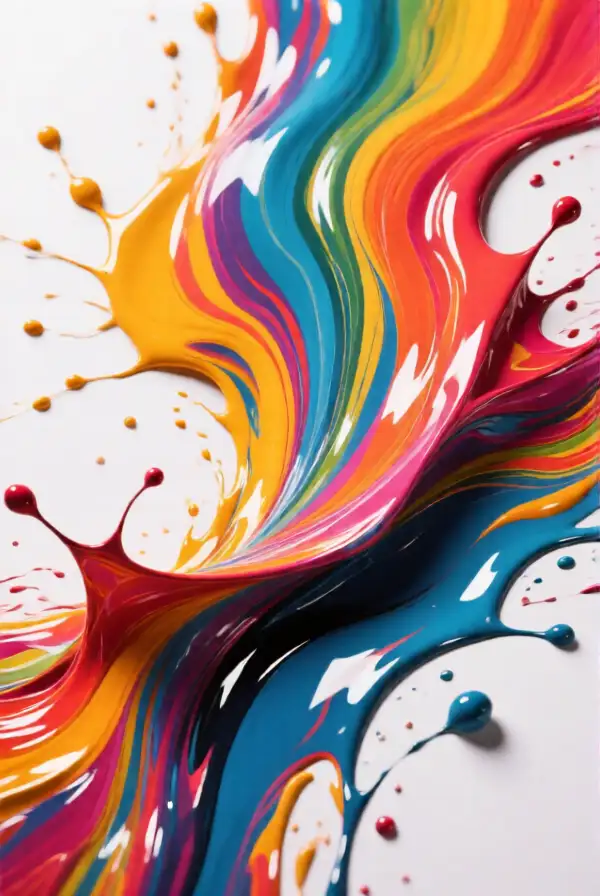
Pour painting is a captivating technique that involves pouring paint directly onto the canvas. This method creates surprising patterns and textures as the colors blend and spill. It encourages spontaneity, allowing the artist to embrace the unpredictability of the paint flow, resulting in striking artwork.
To enhance your pour painting, experiment with different mediums and viscosities of paint. Water, silicone oil, and additives can influence the final outcome, creating cells and dynamic visual effects that enhance the overall composition of your artwork.
Palette Knife Techniques for Texture
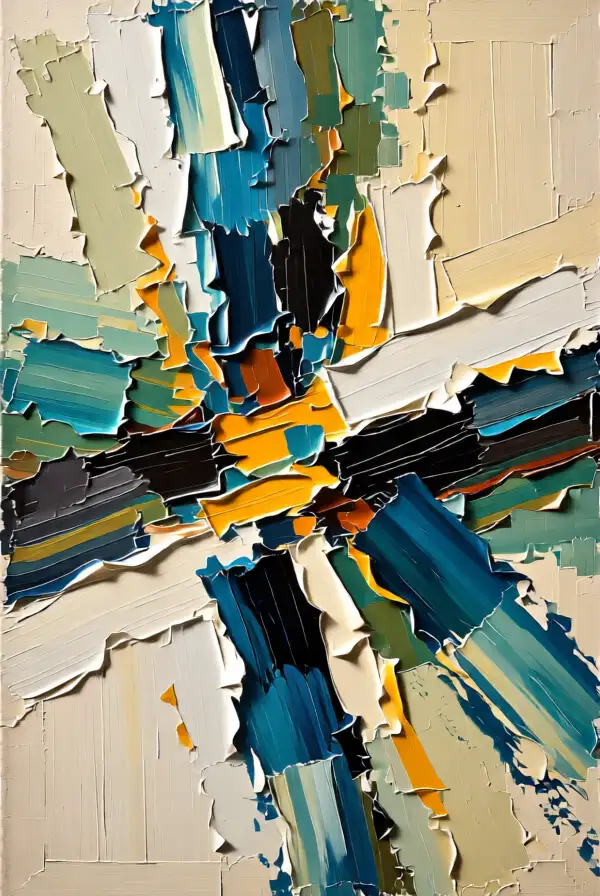
Using a palette knife instead of a brush can introduce unique texture and depth to your abstract paintings. This technique allows artists to create sharp lines, bold strokes, and textured layers that add visual interest. The versatility of palette knives enables various applications, from scraping and layering to spreading paint.
Try layering different colors over dried paints using a palette knife for a vivid textured effect. The interaction between colors, combined with the knife’s edge, can evoke emotions and draw viewers into your artwork’s layered story.
Splatter and Drip Techniques for Energy
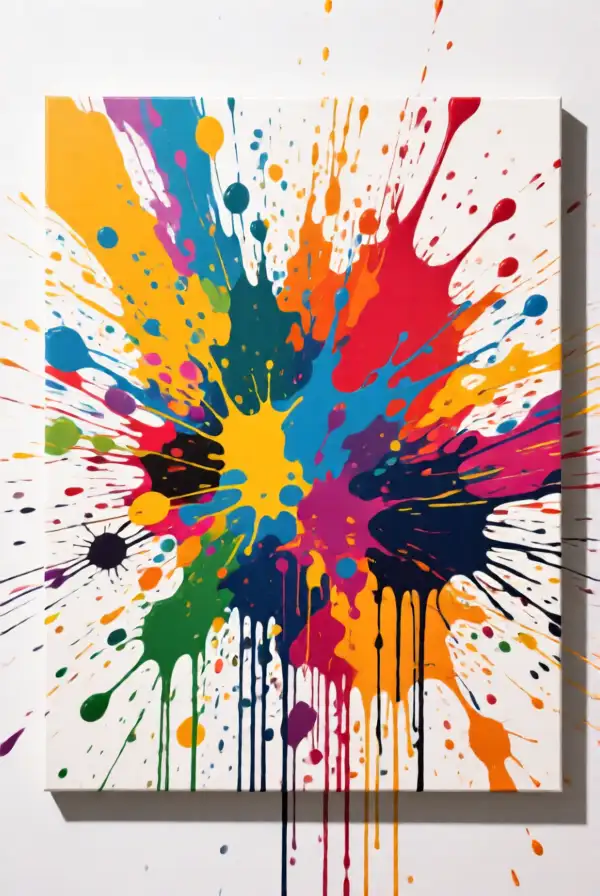
Splatter and drip techniques are perfect for artists looking to infuse energy and movement into their abstract pieces. By flicking or dripping paint onto the canvas from a distance, you create a spontaneous and lively composition. The randomness of these techniques evokes a sense of chaos which can be visually compelling.
Experiment with different paint consistencies and tools to vary the splatter effects. Using brushes, sticks, or even spray bottles can help you achieve diverse splatter patterns. This technique encourages a playful approach, making each piece truly unique.
Emphasis on Color Mixing and Blending
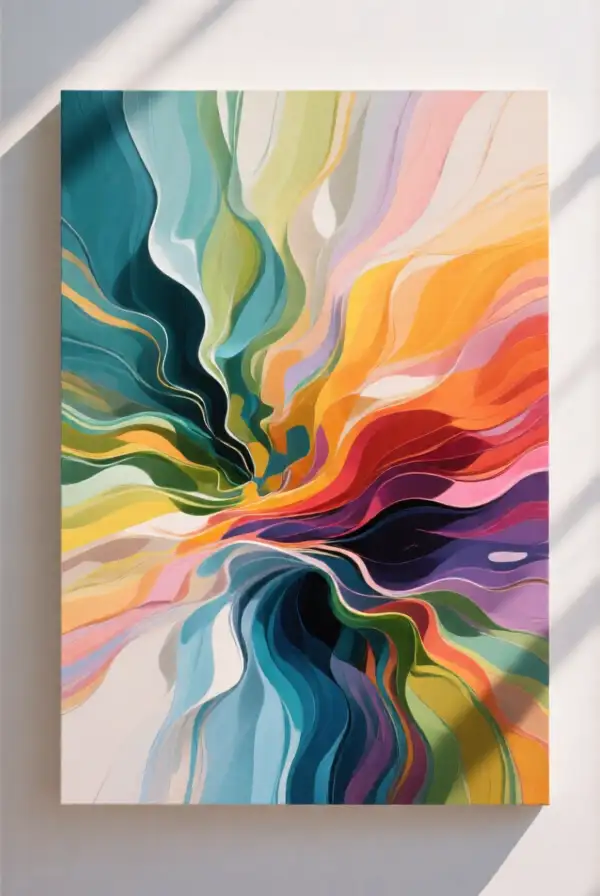
Color mixing is central to abstract painting, where artists can experiment with combinations to find harmonious palettes. By layering and blending colors on the canvas, you can create gradients and smooth transitions that add depth and intrigue to your work. This technique allows an exploration of emotions tied to various color schemes.
Consider contrasting colors for unexpected vibrancy or harmonious tones for soothing effects. The key is to explore the emotional response that different color blends evoke—making each piece not just a visual feast but an emotional journey.
Using String and Thread for Innovative Patterns
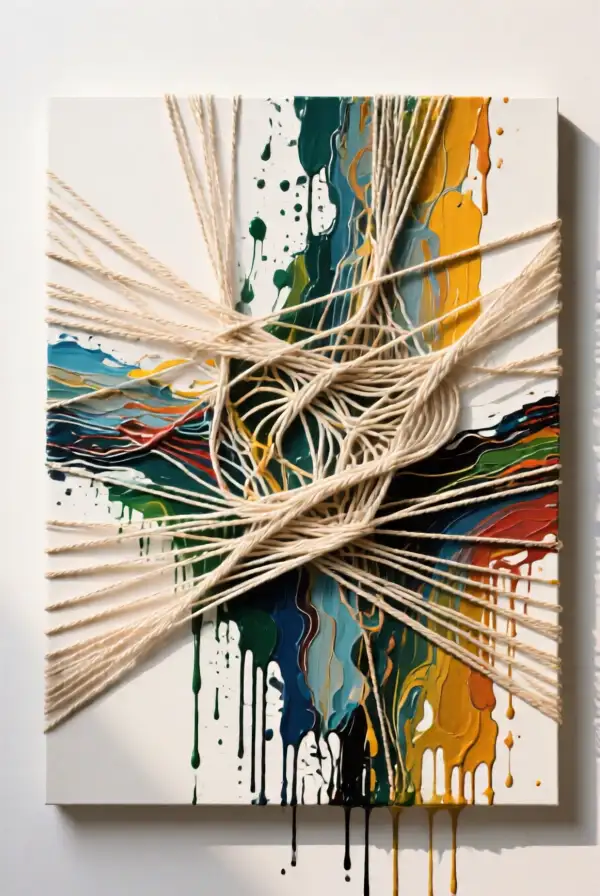
Incorporating string and thread into abstract painting can yield fascinating patterns and textures. Dipping string in paint and dragging it across the canvas creates linear designs that are both intricate and organic. This method allows for a playful exploration of form and gesture.
Try wrapping strings around objects, or use different thicknesses to achieve varied line qualities. Layering these thread patterns over painted surfaces can create a dynamic contrast, making your artwork standout with depth and interest.
Stencils for Defined Shapes and Patterns
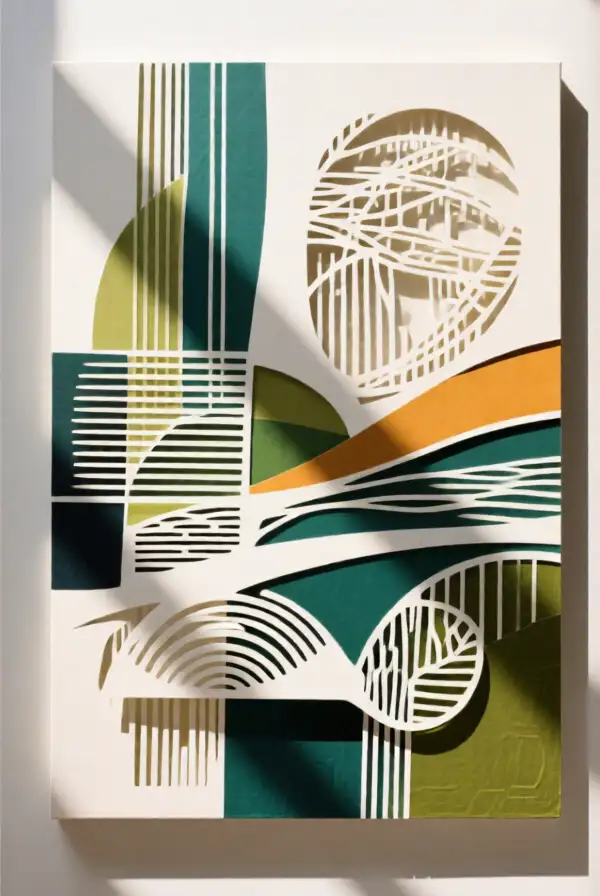
Stencils are a fantastic way to introduce defined shapes and patterns into your abstract paintings. By using pre-made stencils or creating your own, you can add layers of graphics to your work, combining abstraction with structure. This technique breaks the monotony of free-form abstraction.
Explore various stencil designs, from geometric shapes to organic forms, allowing you to create a balanced tension between chaos and order in your artwork. The contrast between sharp shapes and flowing colors can greatly enhance a piece’s visual impact.
Embracing Negative Space
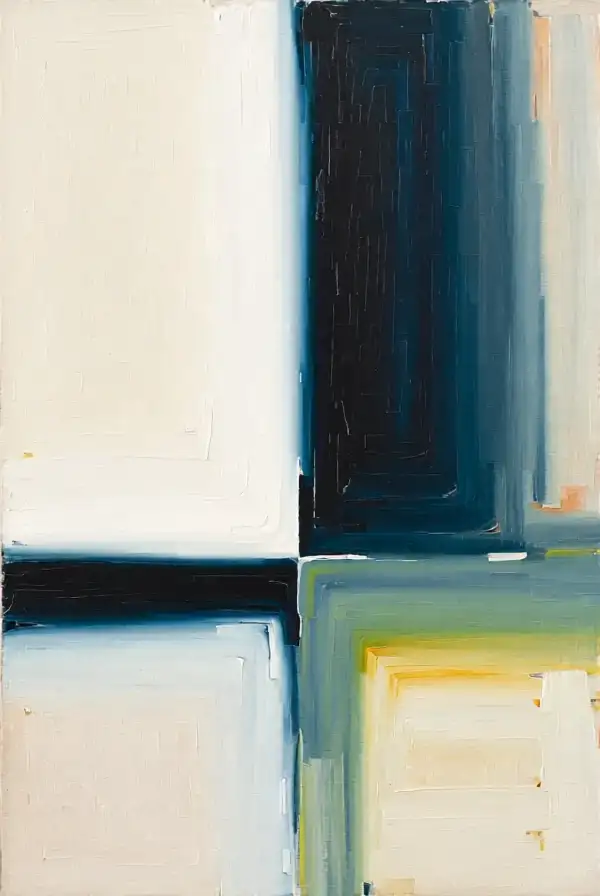
Negative space can be just as important as the painted areas in an abstract artwork. By intentionally leaving parts of the canvas blank, you allow viewers’ eyes to rest and create a dialogue between filled and empty areas. This technique can emphasize forms and enhance the overall composition.
Utilize negative space to convey raw emotion or a sense of tranquility within your piece. By balancing colors and forms with empty areas, you can create artwork that resonates deeply with viewers and invites contemplation.
Exploring Monochromatic Paintings
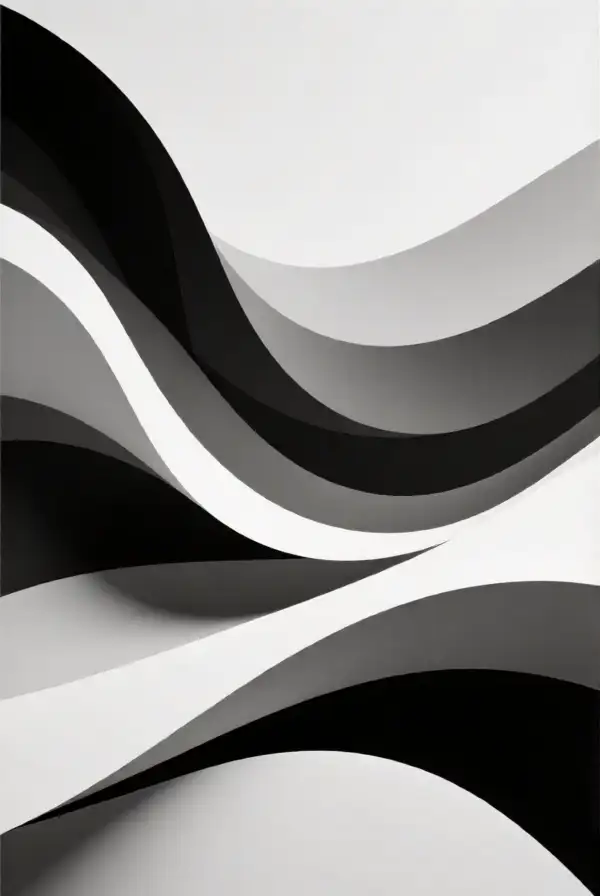
Monochromatic paintings, utilizing different shades of a single color, can create stunning, cohesive pieces. This technique emphasizes the emotional depth of color and reinforces theme through tonal variations. The simplicity can invoke profound emotions and allows for exploration of texture and form.
Consider playing with light and dark shades, adding texture with various brush strokes or techniques. This approach encourages a focus on the subtleties and complexity of color without the distraction of multiple hues, revealing the raw beauty of a singular tone.
Layering for Dimension and Depth
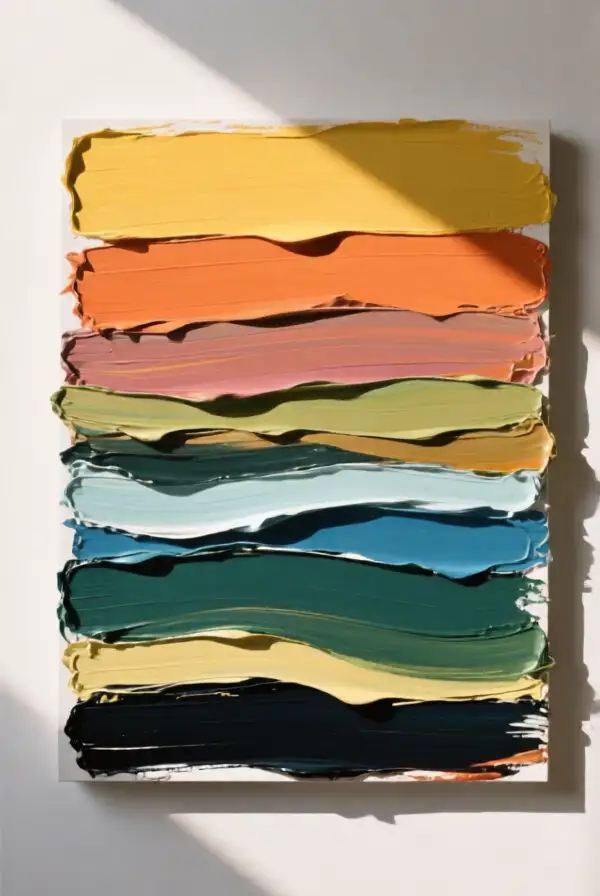
Layering paints is crucial in abstract art as it adds dimension and depth to your work. By applying multiple layers of paint, you create a sense of depth and intrigue, inviting viewers to look deeper into the artwork. This method allows for hidden details and complexity that unfold over time.
Experimenting with layering transparent and opaque paints can yield fascinating results. Each layer alters the perception of the colors above and below, creating interplay that makes your piece come alive with texture and vibrancy.
Textural Elements with Found Objects
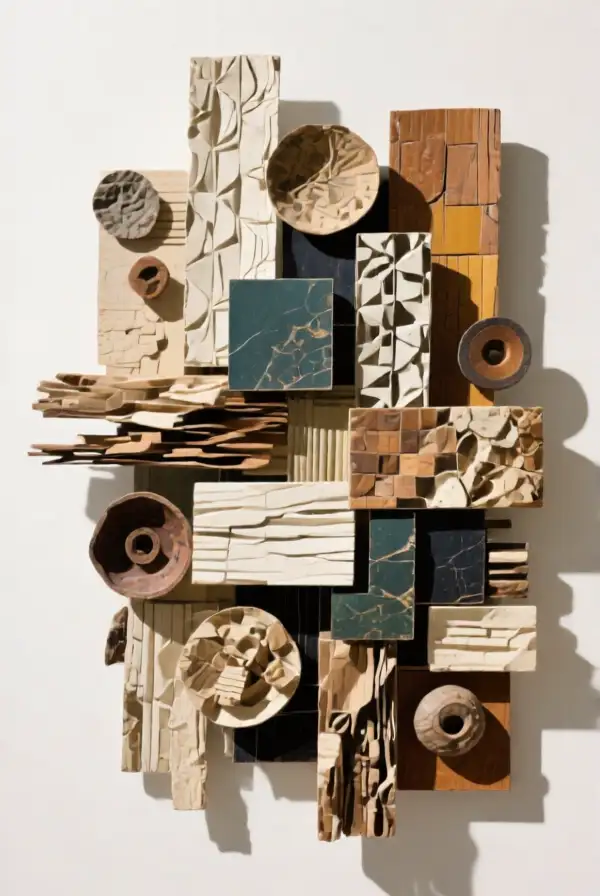
Incorporating found objects into your abstract paintings can create unique textures and layers. Items like fabric, paper, or natural materials can add dimension and tactile qualities that enhance visual appeal. This technique allows artists to break boundaries and redefine what constitutes painting.
Consider how these materials interact with paint, both visually and texturally. This method encourages a mixed media approach, enabling you to explore innovative combinations that can lead to extraordinary results while enriching your artistic practice.
Utilizing Light and Shadow in Composition
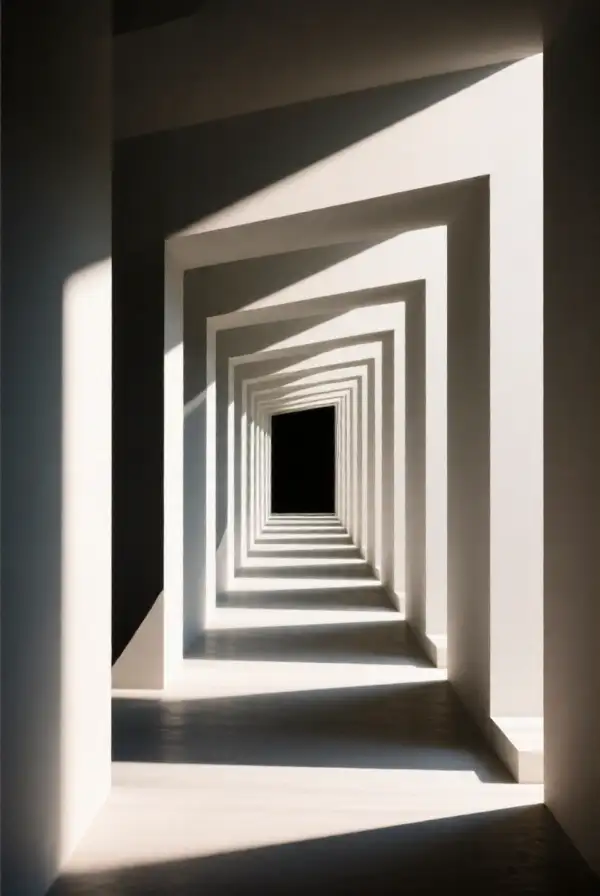
Light and shadow play a significant role in abstract painting, influencing how colors and shapes are perceived. By strategically using light and shadow, you can create drama and emphasis within your work. This approach enhances the three-dimensionality of your piece, making it more engaging for viewers.
Experiment with different light sources and angles to see how they affect your painting. The interaction of light with colors can evoke emotions and create a dynamic visual narrative throughout your abstract artwork.
Incorporating these 12 creative painting techniques can elevate your abstract artwork, introducing a range of colors, textures, and emotions. Embrace the freedom of abstraction and continually explore new methods to express your artistic vision. Remember, the journey of creativity knows no limits, and every stroke brings you closer to discovering your unique voice as an artist.