
Teaching kids to help out around the house can be a rewarding experience that fosters responsibility and teamwork. With the right approach, you can make household chores fun and engaging for children of all ages. Here are some strategies to effectively teach your kids how to contribute to the household.
Start with Simple Tasks
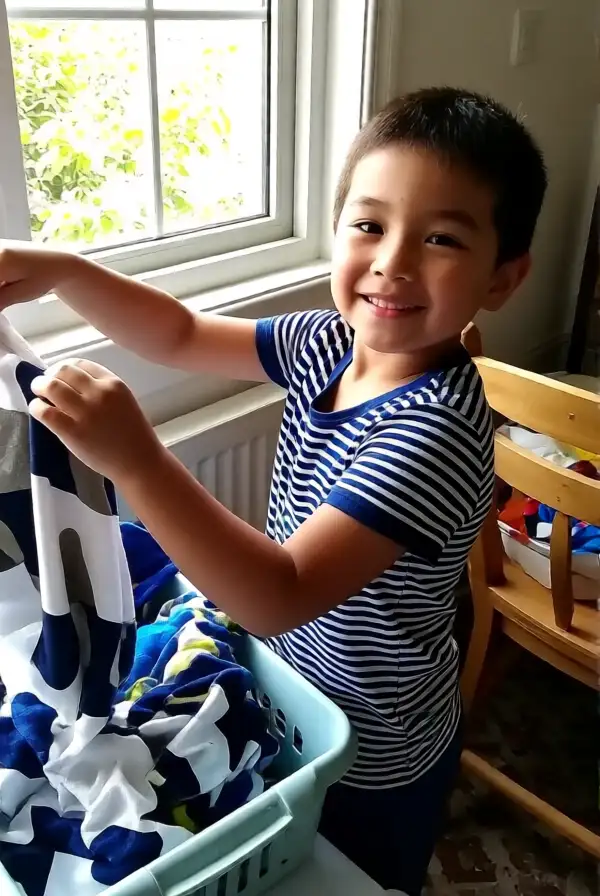
Begin by assigning simple chores that are age-appropriate. For younger children, this may include putting away toys, sorting laundry, or wiping tables. Simplifying tasks helps build their confidence and prepares them for more complex responsibilities as they grow older.
Using a reward system can also motivate kids. Offer praise or small incentives for completing tasks, turning chore time into a positive experience that they will look forward to.
Make it a Fun Game

Incorporating games into household chores can make them feel less like work. Create competitions such as timed challenges or scavenger hunts related to the tasks at hand. For example, see who can clean their room the fastest, or have fun races while taking recyclables out.
These playful approaches not only enhance kids’ engagement but also teach them the importance of working efficiently while having fun together as a family.
Use Visual Aids
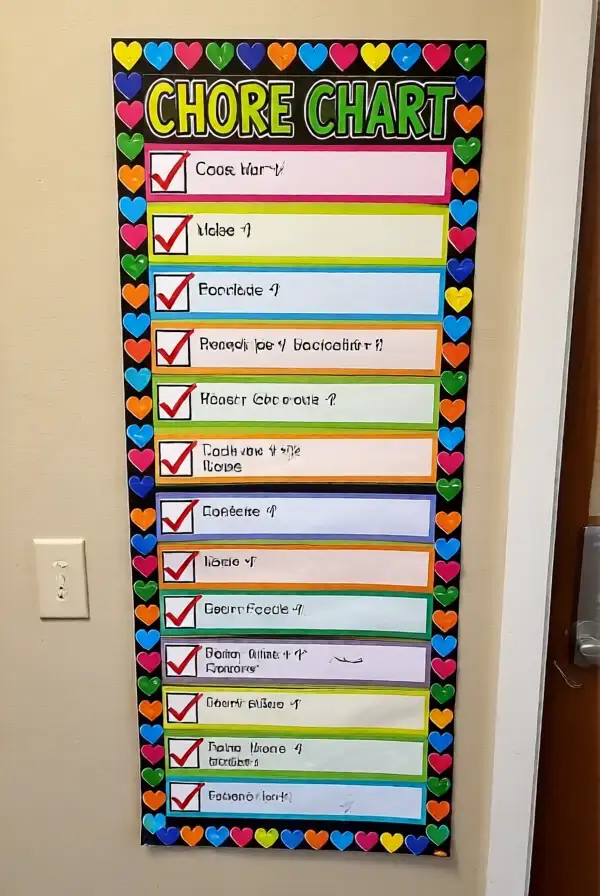
Visual aids such as chore charts can be incredibly effective in teaching kids household chores. Create a colorful chart that outlines daily or weekly tasks, including images for younger children who may not yet be able to read. This makes chores clear and manageable.
A chore chart also allows kids to track their progress, which helps reinforce a sense of accomplishment as they check off completed tasks. This simple tool encourages accountability and independence.
Incorporate Learning and Life Skills
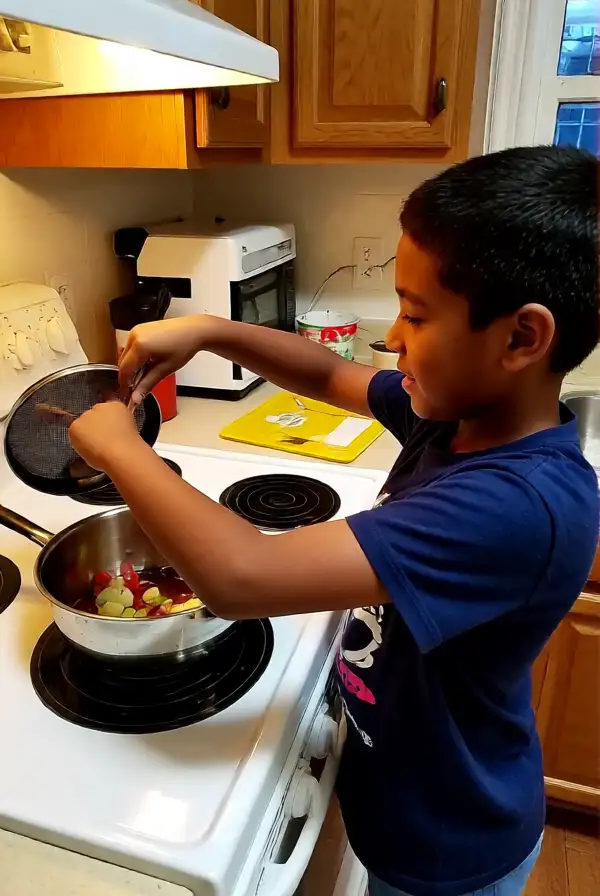
When teaching kids chores, emphasize the life skills they will gain through their responsibilities. As they learn to cook, clean, and organize, they also develop problem-solving abilities, time management, and critical thinking.
Use these opportunities to discuss why chores are necessary and how they contribute to the household’s overall functionality. This understanding fosters respect for their living environment and the effort required to maintain it.
Encourage Teamwork
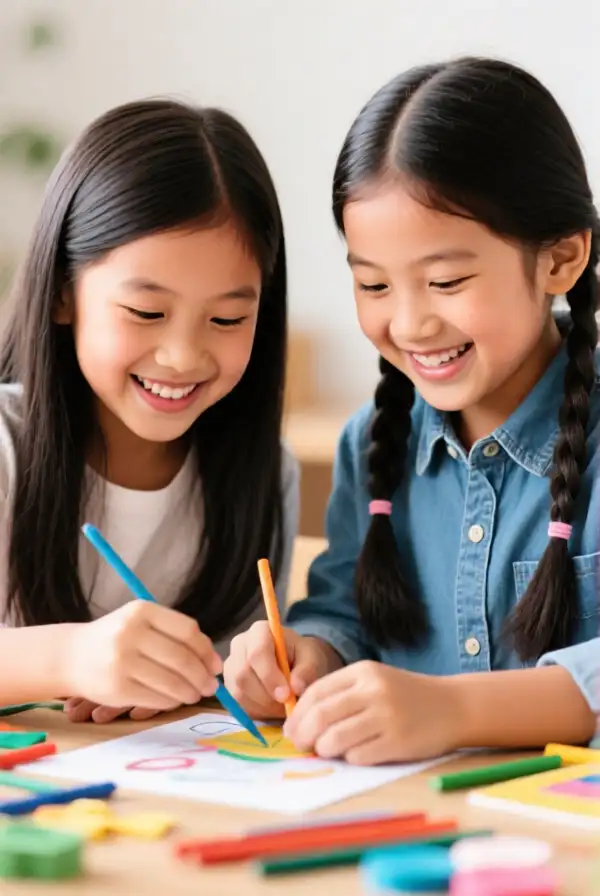
Family teamwork is essential in teaching kids chores. When working together, kids learn to communicate, collaborate, and share responsibilities. Assign tasks that require joint effort, such as cleaning the garage or cooking dinner, to reinforce this sense of unity.
Utilizing teamwork also lightens the load and makes chores seem less daunting. Kids will enjoy spending time with family while taking pride in their contributions to the home.
Set Realistic Expectations

Setting realistic expectations is crucial when teaching children chores. Recognize that every child is unique in their abilities and comfort levels. Be patient as they learn and adjust their responsibilities according to their maturity and skill set.
Frequent discussions about their progress can help normalize the learning process. Acknowledge their efforts and provide constructive feedback, fostering an environment of encouragement, rather than pressure.
Model the Behavior
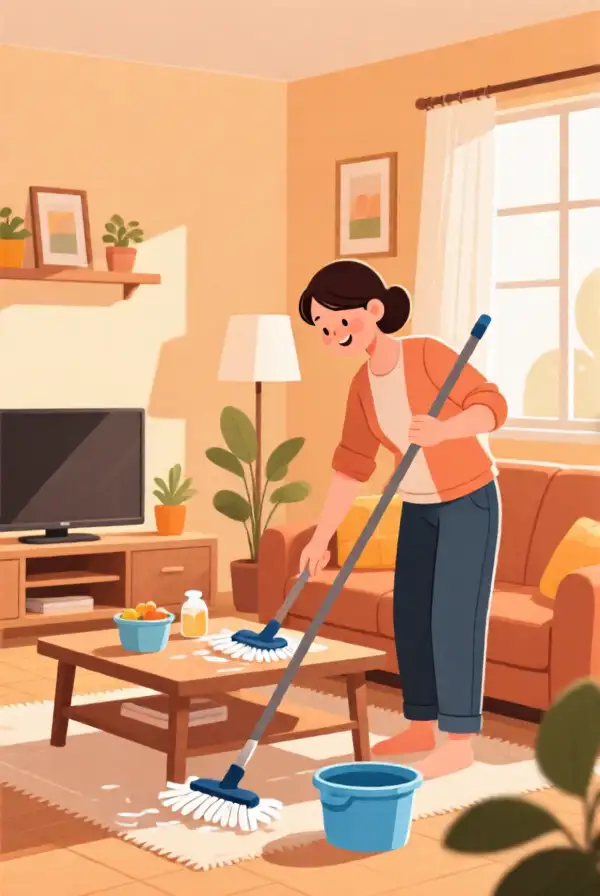
Kids often learn best by example. Model positive behaviors by actively participating in household chores yourself. Demonstrate effective cleaning techniques, organization, and time management so that they can observe and imitate your actions.
In this way, you can incorporate discussions about chores into your everyday routine. Sharing your feelings about cleaning or organizing can also create a sense of empathy and understanding as they see that everyone’s contributions are valued.
Provide Breaks and Rewards
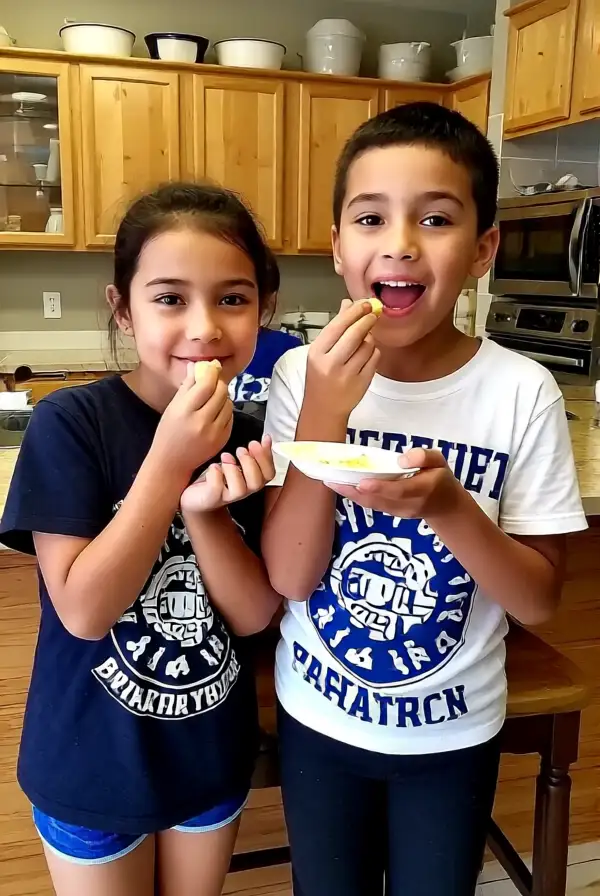
To keep children motivated, remember to include breaks during chore time. Encourage kids to take short, refreshing pauses to recharge their energy. Breaks help prevent burnout and disappointment in their tasks.
Additionally, reward completion of chores or consistent effort with small treats or privileges. This reinforces the idea that their hard work pays off and can make the entire process more enjoyable.
Consistent Routines
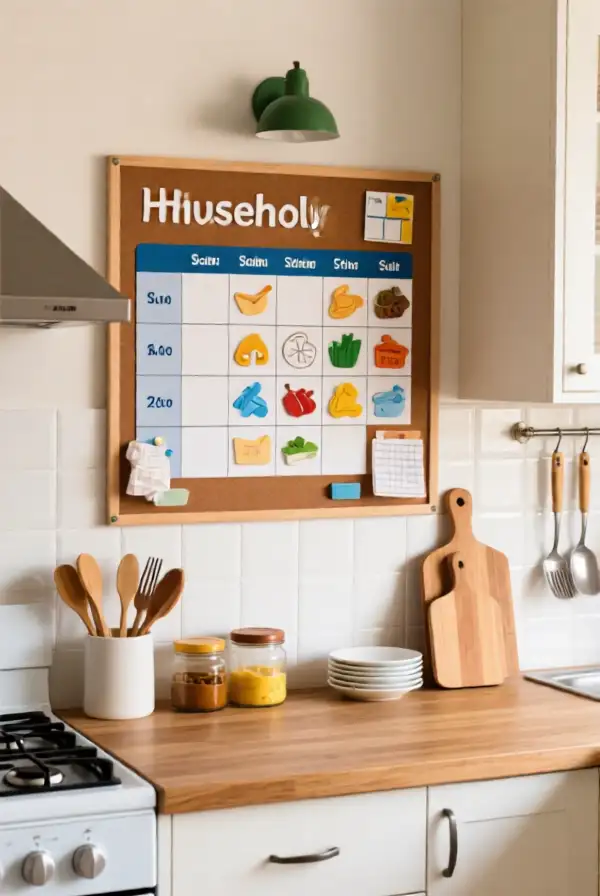
Establishing a consistent chore routine can build habits over time. Designate specific days or times for chores so kids know when to expect them, which eliminates frustration and confusion.
By integrating chores into their regular schedule, children will become accustomed to these responsibilities and naturally incorporate them into their lives. The key is to be consistent while allowing for flexibility when needed.
Engage Older Kids as Leaders
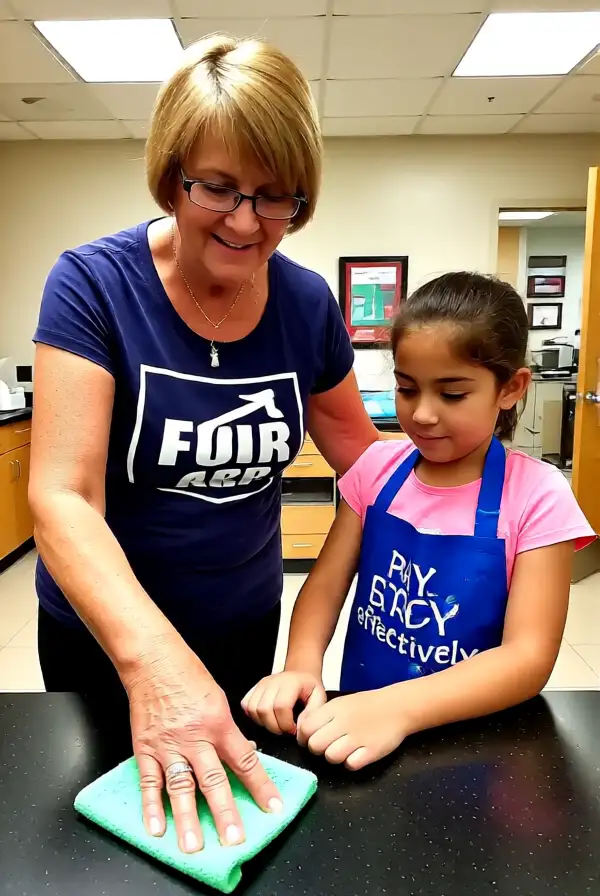
For older children, involve them in leadership roles. Let them take charge of younger siblings during chore time or assign them the responsibility of teaching their siblings specific tasks. This approach fosters leadership skills and provides them with a sense of ownership.
Older kids can also enjoy more complex projects, such as organizing family events or calculating how much time each task takes. This nurtures their planning skills while they contribute positively to family life.
Reflect on Progress and Celebrate Achievements

Regularly reflecting on accomplishments can be a powerful motivator for children. At the end of each week or month, sit down as a family and review what everyone has completed. Applaud the efforts and celebrate milestones, no matter how small they may seem.
This practice reinforces positivity and instills a sense of pride in their contributions, making chores more meaningful and rewarding over time.
Make Adjustments as Needed

Finally, remain flexible and ready to make adjustments to your approach when necessary. Observe how your children respond to various tasks and modify expectations as needed. Every child’s relationship with chores might change over time, and understanding this will help you adapt accordingly.
By being open to change, you’ll create an environment where chores are seen as a valuable part of family life, rather than an obligation. Encourage ongoing dialogue about what works and what doesn’t to foster a collaborative and healthy home atmosphere.
In conclusion, teaching kids household chores can foster valuable skills and create a sense of belonging within the family. By using various strategies such as games, visual aids, and teamwork, you can successfully impart these important life lessons. Over time, kids will not only learn to manage their responsibilities but also gain confidence in their abilities to contribute positively to your home.