
Discover the joy of acrylic flower painting with our guide specifically designed for beginners. This post will take you through 14 easy techniques that will help you create beautiful floral artworks, enhance your skills, and develop your artistic confidence.
Choosing the Right Materials for Acrylic Flower Painting
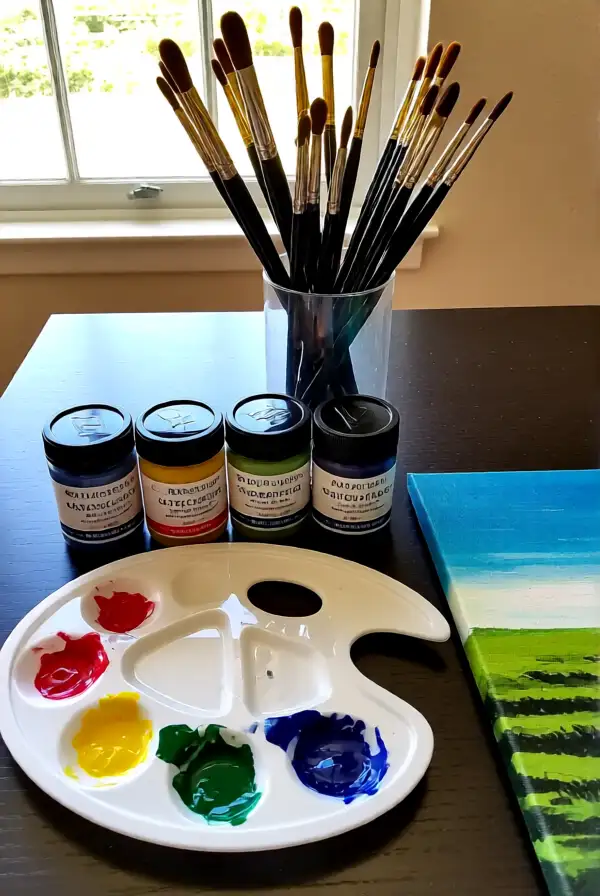
Before diving into painting, it’s essential to gather the right materials. You’ll need acrylic paints, brushes in various sizes, a palette, and a canvas. Each material contributes to your technique and final outcome, so making thoughtful choices can significantly enhance your experience.
Look for high-quality paints that offer vibrant colors and good coverage. Brushes vary greatly – a flat brush can create bold strokes while a round brush is perfect for details. Don’t forget a water container and paper towels for cleaning your tools between colors.
Basic Techniques for Beginners
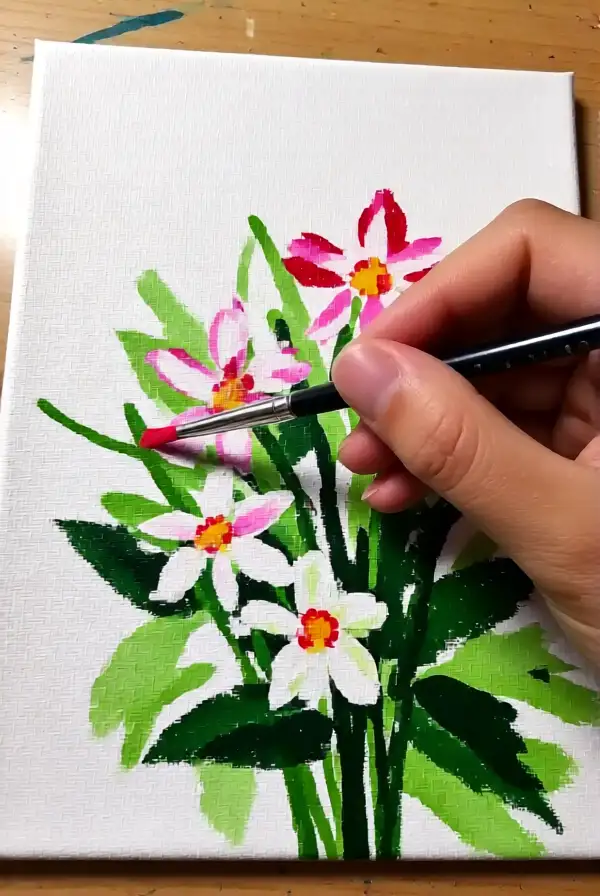
Start with basic techniques that form the foundation of flower painting. Techniques such as blending, glazing, and dry brushing will allow you to create depth and texture in your flowers. Each technique requires practice, so spend time experimenting with your brushes and paints.
Focus on blending colors smoothly to give your flowers a lifelike appearance. Glazing allows you to layer colors transparently, adding richness to your artwork, while dry brushing can be used for highlighting and adding fine details to petals.
Creating Simple Flower Shapes
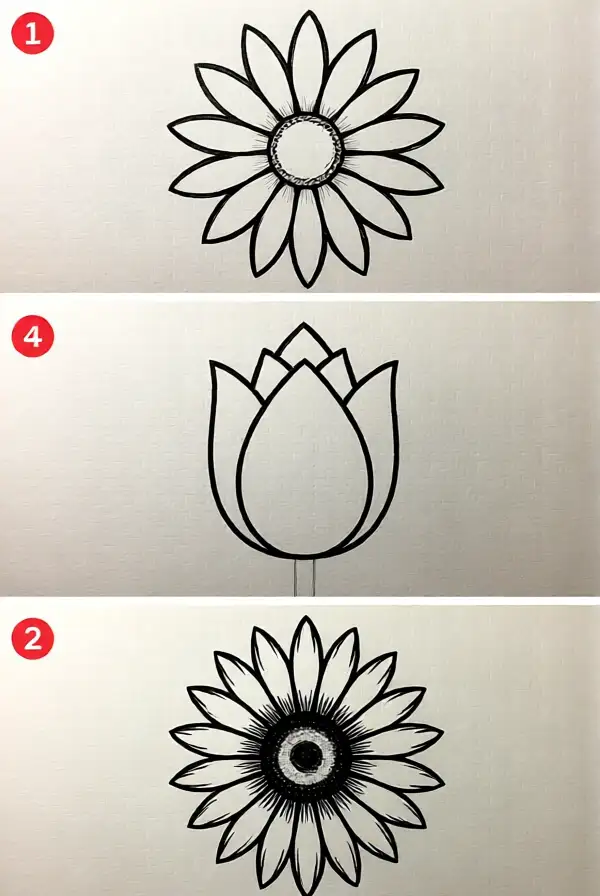
Learn to create simple flower shapes that are ideal for beginners. Start with basic forms like daisies, tulips, or sunflowers. These flowers have distinct petal shapes that are easy to replicate, providing a great foundation for your artistic journey.
Begin with a central circle for the flower’s core and add petals around it. Use light, loose strokes to simulate the natural curves and variations found in real flowers. Practice sketching these shapes on paper before committing to the canvas.
Color Mixing for Realistic Effects
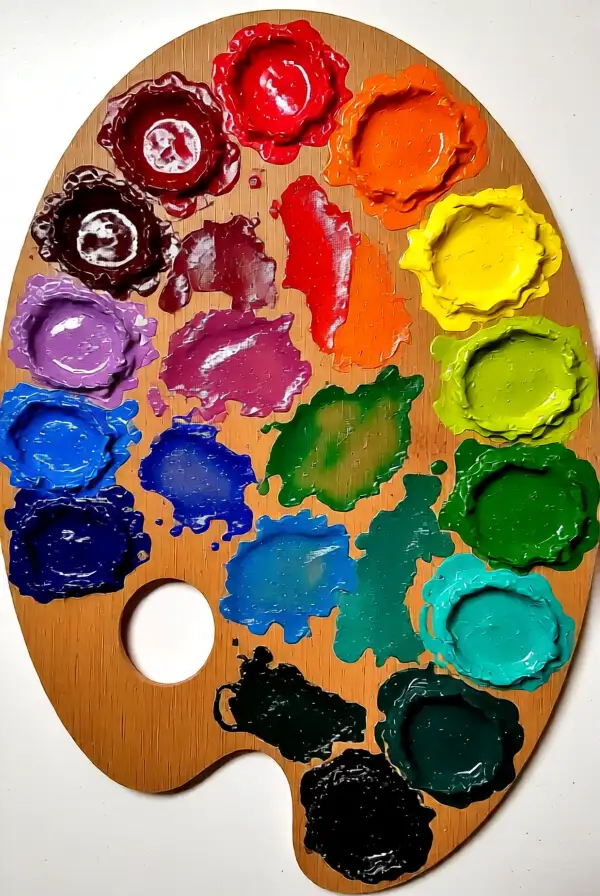
Color mixing is a crucial skill in acrylic painting that allows you to achieve realistic flower colors. Familiarize yourself with the color wheel to understand complementary and analogous colors, which can enhance your floral compositions.
Try mixing colors on your palette to create gradients and shadows. For instance, mix white with your base colors for highlights or add a touch of grey or brown for shadows. Practicing these color mixing techniques will elevate your paintings significantly.
Layering Techniques for Depth
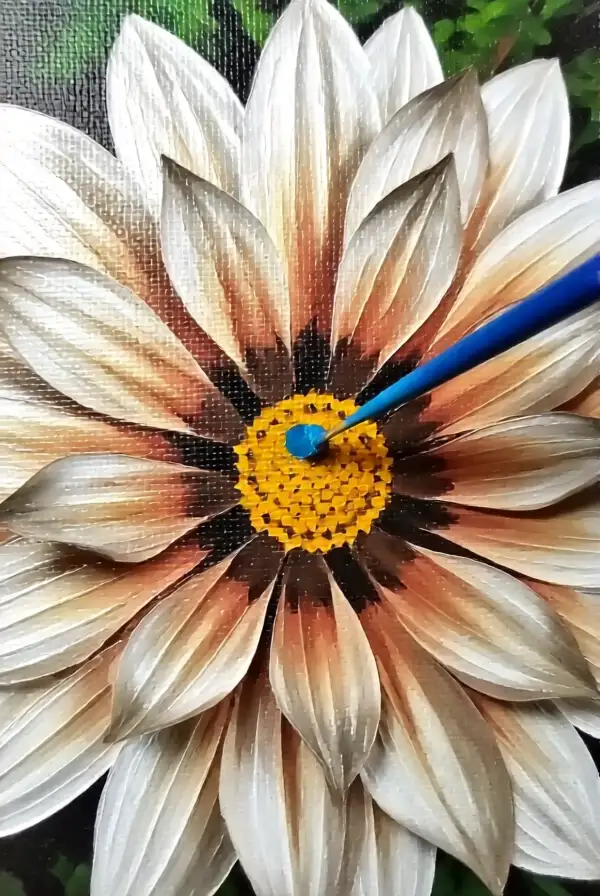
Layering is essential for adding depth and dimension to your paintings. By applying multiple layers of paint, you can create a more dynamic and visually appealing artwork. Start with a base layer and gradually add more colors to build up the complexity.
Allow each layer to dry before applying the next to avoid unintended blending. This technique gives energy to your work, and the more layers you add, the richer the final piece will look.
Using Stencils for Consistency
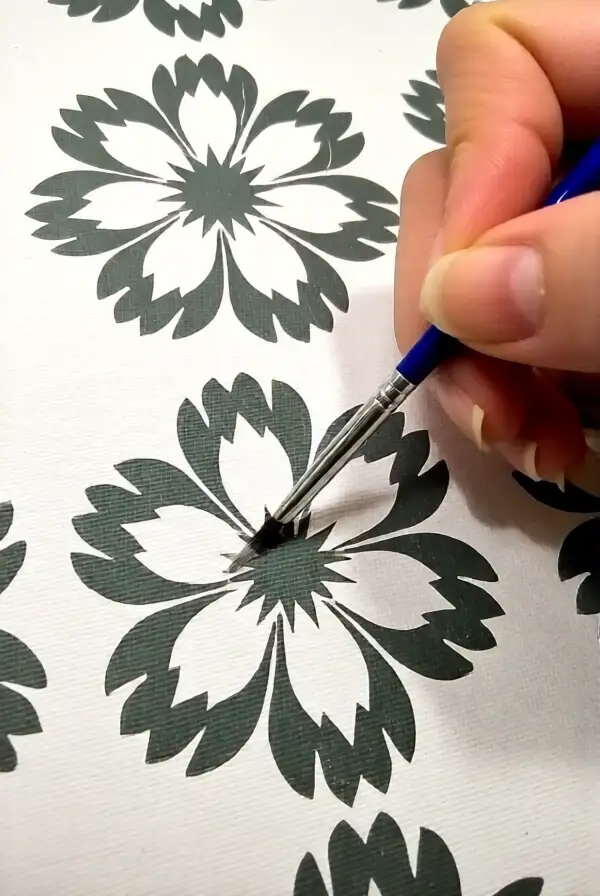
Stencils can be a helpful tool for beginners to achieve consistent flower shapes and designs. They provide a great way to explore floral patterns without the pressure of drawing freehand. You can create your own stencils using cardboard or purchase ready-made ones.
Simply hold the stencil in place and apply paint over it to create uniform shapes. Experimenting with different stencils can lead to unique compositions and ignite your creative process.
Incorporating Backgrounds in Your Artwork
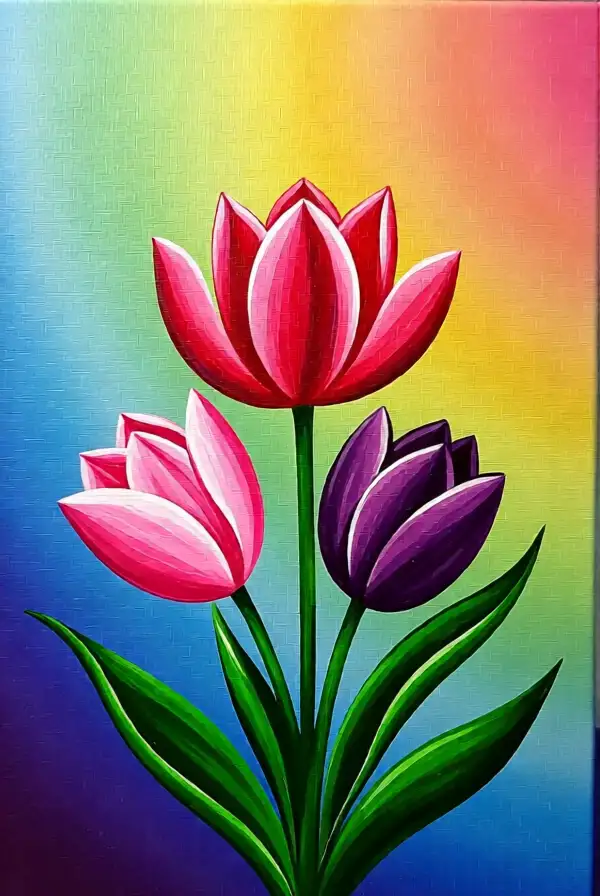
Don’t overlook the importance of a good background in flower paintings. A well-thought-out background can enhance the focal point of your flowers and create a cohesive piece. Consider using soft gradients or abstract shapes to complement your floral subjects.
Use muted colors for the background to allow your flowers to pop. Experiment with different techniques such as splattering or brushing to create texture in the background without distracting from the main elements of your artwork.
Creating Textured Petals
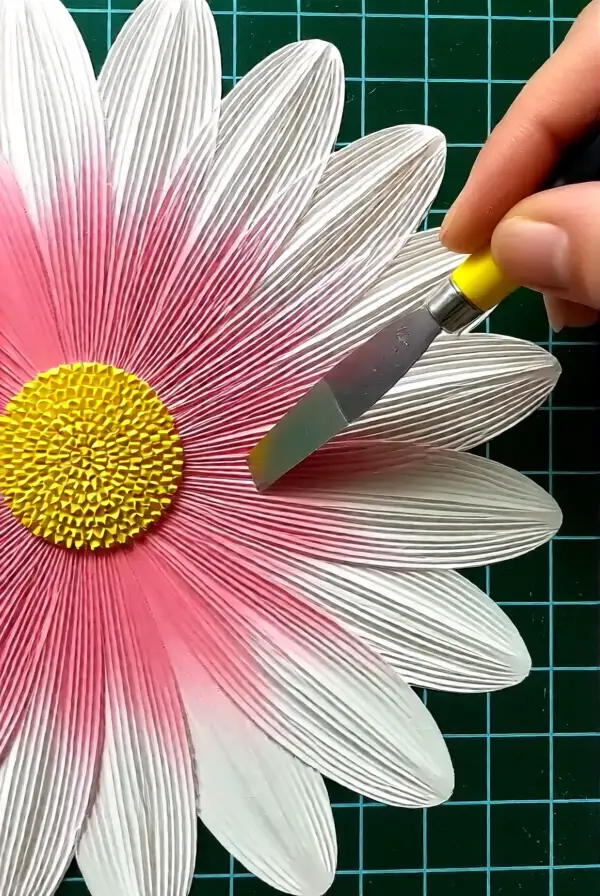
Texture adds an exciting element to flower paintings. For textured petals, try using a palette knife or dry brush technique to create surface variations. This approach can give petals a lively, three-dimensional quality that captures the viewer’s eye.
Layering paint with a palette knife can create thick brush strokes that mimic natural petal textures. Practice achieving various effects, from smooth to highly textured surfaces to determine your preferred style.
Inspiration from Nature
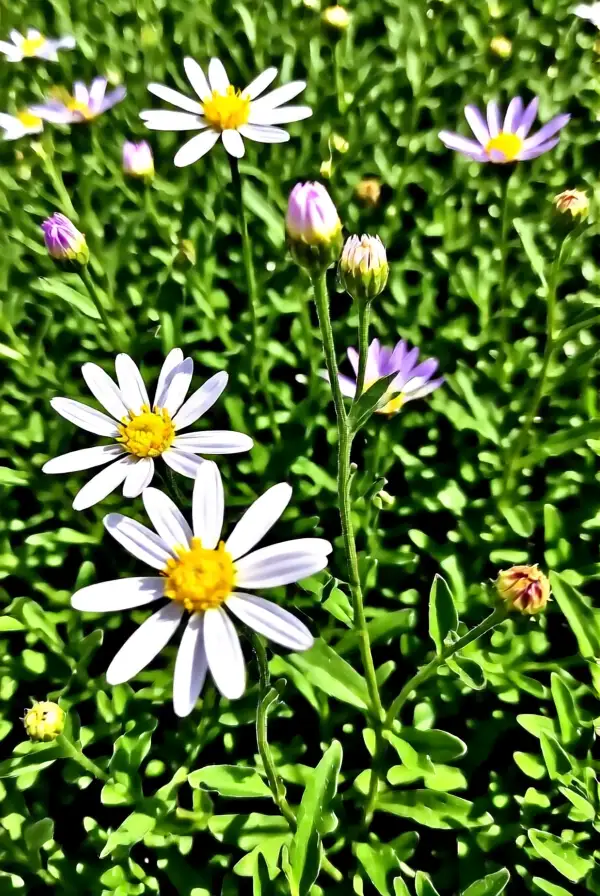
Nature is the best muse for any artist. Spend time observing flowers in your garden or local park to understand their shapes, colors, and growth patterns. Use photographs as references to recreate your favorite blooms in acrylic.
Take notes on the colors and lighting you see to better replicate them on canvas. Studying nature not only inspires creativity but also hones your observation skills, leading to more authentic art pieces.
Embracing Mistakes and Learning
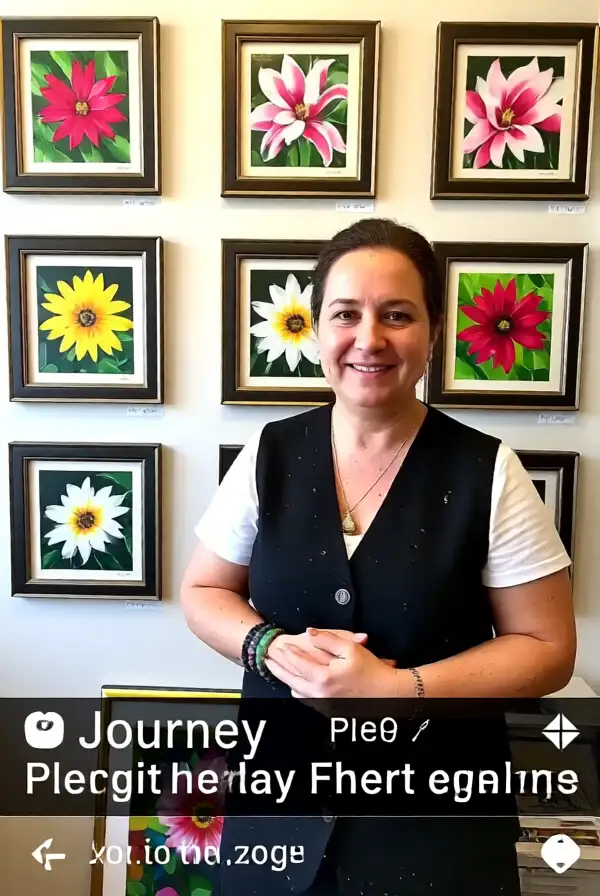
As a beginner, it’s vital to embrace mistakes as part of the learning process. Each painting will teach you something new, whether it’s about technique, color mixing, or composition. Allow yourself to make errors and use them as stepping stones for improvement.
Keep practicing and experimenting to refine your style. The more you paint, the more confidence you’ll build. Remember, the journey itself is as beautiful as the end result, so enjoy every moment of creating.
Showcasing Your Artwork
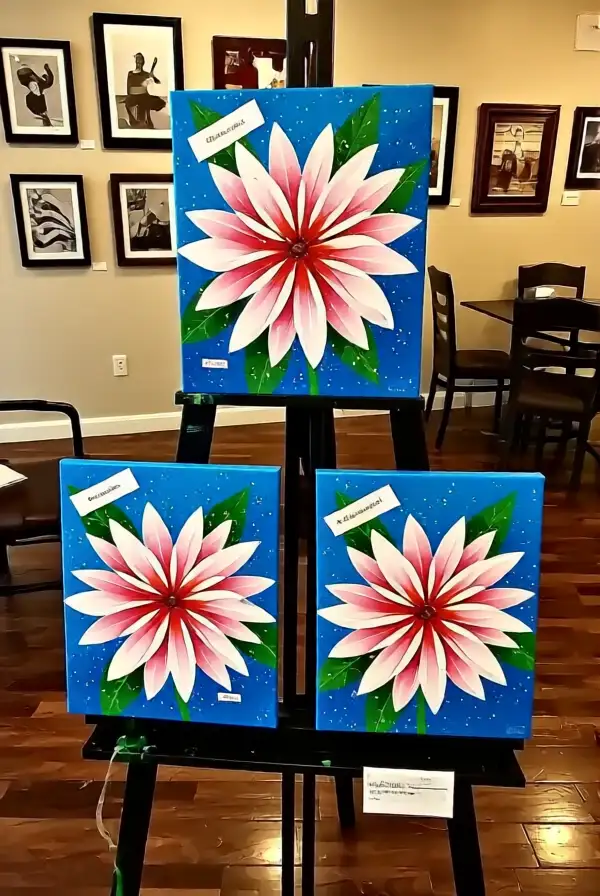
After completing your acrylic flower paintings, it’s time to showcase your work! Whether sharing with friends and family or on social media, presenting your art can be a rewarding experience. Take high-quality photos to capture your work’s vibrancy and details.
Consider creating a portfolio or a dedicated social media page to document your progress. Engaging with fellow artists can provide encouragement and constructive feedback, further aiding your development.
Next Steps in Your Artistic Journey
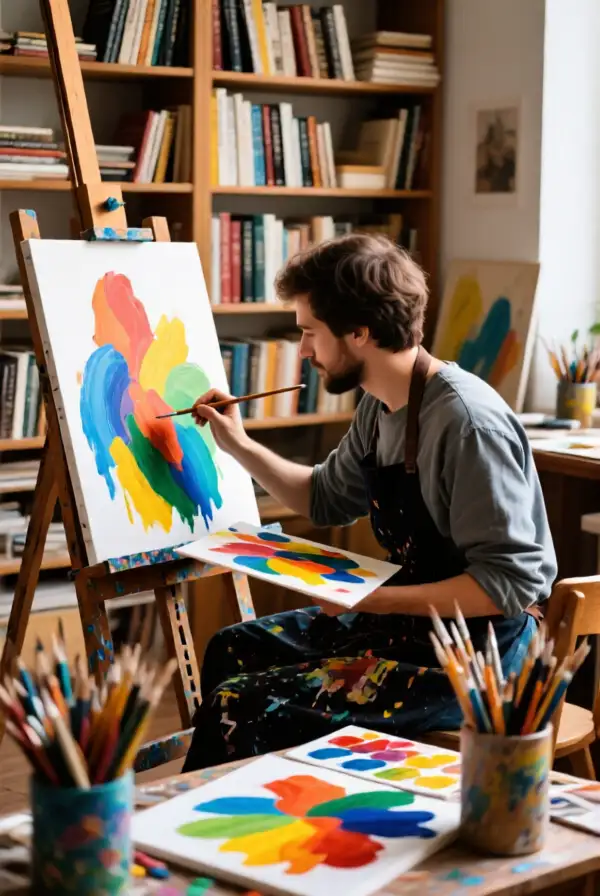
Now that you have a solid foundation in acrylic flower painting, think about where you want to go next. Explore different flower types, expand your color palette, or even experiment with mixed media. Each step opens new creative doors and challenges.
Consider taking classes, watching online tutorials, or joining local art groups to further your skills. The world of art is vast, and there is always more to learn and explore. Happy painting!
As you embark on your acrylic flower painting adventure, remember to have fun and let your creativity shine. With these 14 techniques, you’re well on your way to producing stunning floral art that you can be proud of.