
Dealing with picky eaters can be challenge for many families. Whether you’re a parent or a caregiver, understanding effective strategies to encourage better eating habits is essential. In this article, we’ll explore 14 practical tips that can help transform mealtime into a positive experience while catering to the unique needs of picky eaters.
Understanding Picky Eating
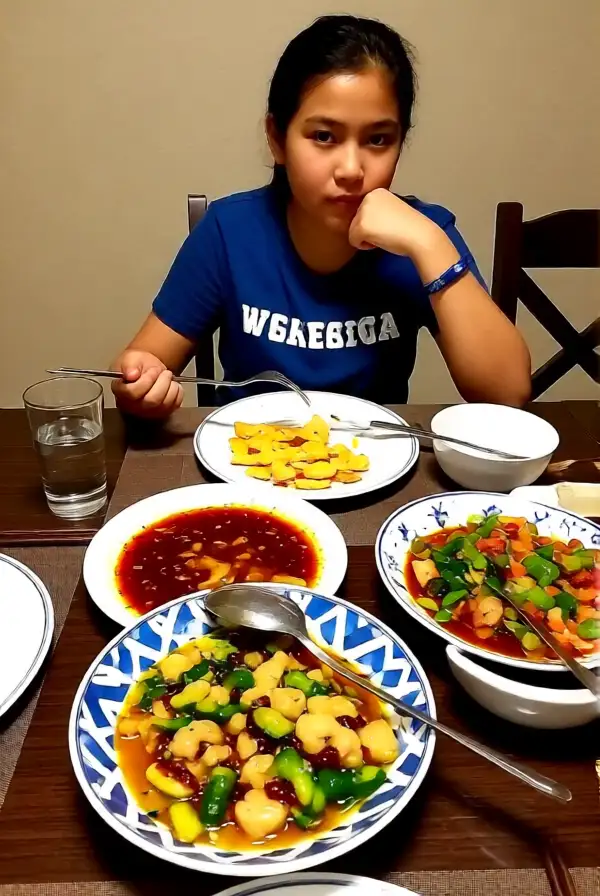
Picky eating is more common than you might think, affecting children and adults alike. It often stems from a variety of factors including sensory preferences, anxiety about new foods, and past experiences. Recognizing that picky eating is a phase for many can help caregivers approach mealtime with patience and understanding.
Communication is key. Talk to your picky eater about their likes and dislikes and involve them in the meal planning process. This can foster a sense of control and help mitigate any fear around new foods, making them more likely to try a broader variety.
Creating a Positive Mealtime Environment

The environment in which you share meals can significantly impact a picky eater’s attitude towards food. Aim for a relaxed atmosphere, free from distractions such as screens and loud noises. Use meal times as an opportunity for discussion, making it inviting rather than stressful.
Consider the table setup and use colorful plates and utensils to make the meal visually appealing. Introducing fun elements, like themed dinner nights or colorful food spreads, can spark interest and excitement about trying new things.
Incorporating Variety Gradually

Gradually introducing new foods is a technique that works wonders for picky eaters. Start with small portions of new items alongside familiar favorites to ease them into trying something different. This method provides a sense of safety as they can still rely on their preferred foods.
It’s also helpful to involve picky eaters in preparing meals. Allowing them to explore new ingredients through cooking can generate curiosity and a willingness to taste what they’ve made, enhancing their overall experience with diverse foods.
Using Creative Presentation

The way food is presented can greatly influence a picky eater’s willingness to try it. Get creative in the kitchen! Use cookie cutters to shape fruits and vegetables or arrange foods into faces or animals. Making meals fun and engaging can appeal to children’s imaginations.
Colorful fruits and vegetables can also be showcased in a vibrant salad or smoothie bowl. The more visually appealing the food, the more likely picky eaters will be tempted to try it. Encourage experimentation with dips and sauces to enhance the appeal of more challenging foods.
Promoting Balanced Eating Habits
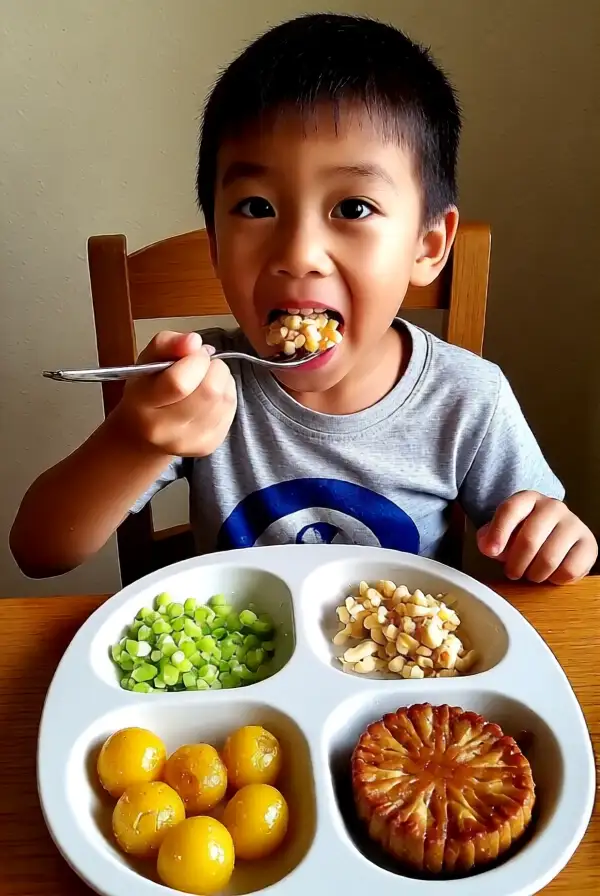
Instead of labeling foods as “bad” or “good”, promote balanced eating habits by emphasizing moderation. This approach helps picky eaters develop a healthy relationship with food without feeling pressured. Discuss nutrition in a positive light and focus on the benefits of varied foods.
Use educational resources such as books or videos about healthy eating habits to share knowledge with picky eaters. Providing engaging content can inspire them to embrace new foods willingly, transforming mealtime into an opportunity for learning and growth.
Involving Kids in the Process

Involving children in grocery shopping and meal preparation can significantly influence their willingness to try new foods. When picky eaters see the food they’ve helped choose being prepared, they are more likely to feel invested in the dish.
Encourage them to taste-test during cooking or picking out items at the store. This not only builds excitement around food but also gives them a sense of responsibility and ownership over their eating choices, improving their openness to try new things.
Establishing Routine and Consistency

Establishing a consistent meal routine helps picky eaters know what to expect and can reduce anxiety around mealtimes. Setting regular times for meals, implementing structure in what and when food is offered, promotes security and comfort.
By sticking to a routine, caregivers can gradually introduce new foods over time as picky eaters become more accustomed to the schedule. Predictability is often reassuring, making it easier for them to explore novel foods at a comfortable pace.
Encouraging a Positive Attitude Towards Food

One of the most impactful aspects while dealing with picky eaters is fostering a positive attitude towards food. Focus on reinforcing good behavior with praise rather than punishment for being selective. Encourage each step towards trying new foods, no matter how small, and celebrate those victories.
Incorporating family rituals focused on food, such as cooking together or sharing favorite dishes, emphasizes the joy of eating rather than the stress. This creates an emotional connection to food which can help build a lifelong appreciation for diverse diets.
Being Patient and Understanding
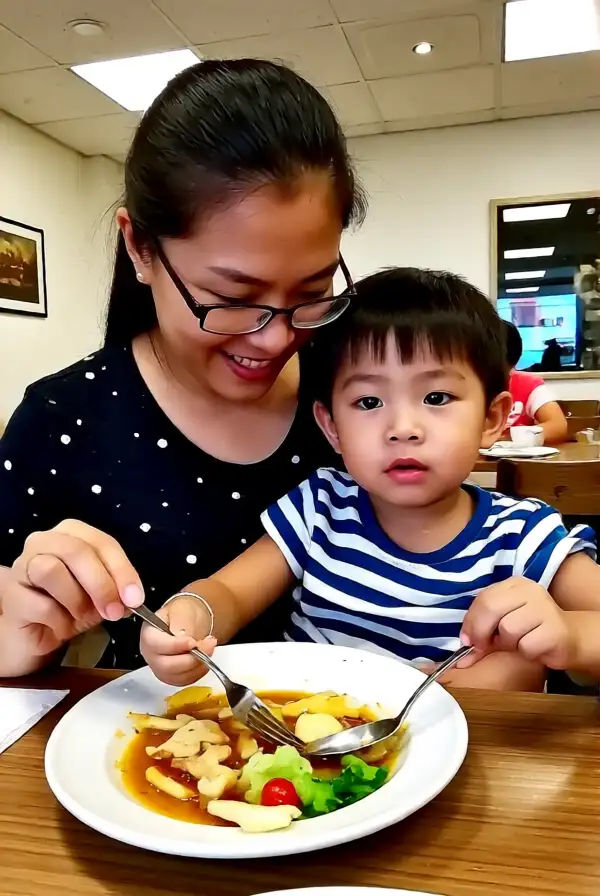
Patience is essential when traversing the journey with picky eaters. Change won’t happen overnight, and it’s important to recognize that every individual has their own pace. Celebrate progress, and remember that setbacks can occur without it being a personal failure.
Maintaining an open line of communication with picky eaters and remaining empathetic to their experiences will help in nurturing them towards healthier habits. The road may be long, but ultimately, encouraging exploration and acceptance will yield positive results.
Consulting a Professional if Needed

Sometimes, the guidance of a nutritionist or pediatrician may be necessary to address specific dietary concerns with picky eaters. Consulting a professional can provide tailored strategies and recommendations to better support the individual needs of the picky eater.
A professional perspective can also help identify any possible underlying health issues contributing to selective eating. Knowledge and personalized insight can maximize efforts to promote a healthier, more balanced approach to eating.
Making Meals a Family Affair

Finally, remember that mealtime should be a shared experience. Making meals a family affair invites everyone to collaborate, express preferences, and create memories together. This inclusivity can lessen anxiety and enhance the overall dining experience for picky eaters.
Whether it’s cooking, setting the table, or choosing meals, engaging everyone can ensure picky eaters feel supported while exploring new cuisines. Family mealtime traditions can create positive associations, turning what once was a struggle into an enjoyable routine.
Celebrating Small Successes
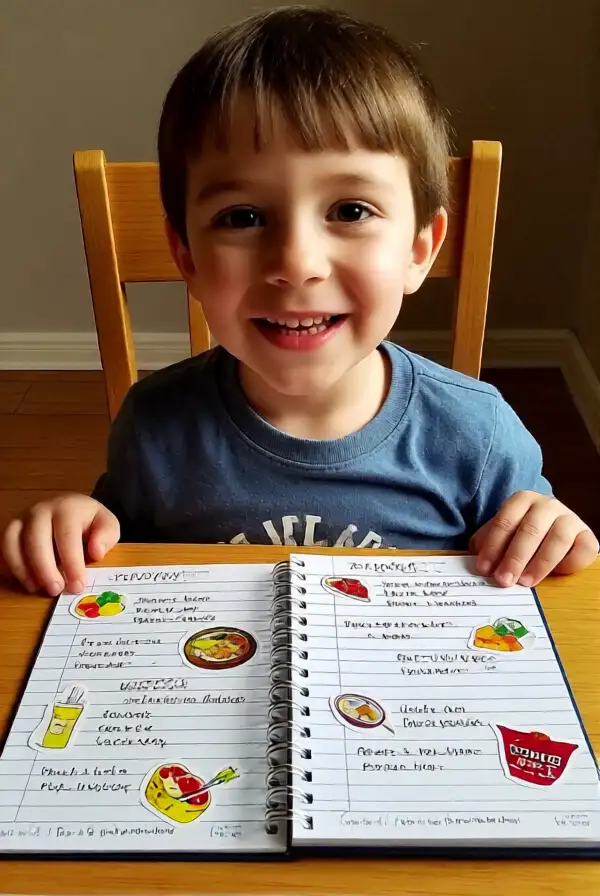
Celebrate even the smallest successes when dealing with picky eaters; every new food tried is a win! Acknowledging these small victories reinforces the notion that exploration is a key part of the dining experience, encouraging further openness to diverse flavors.
Encouragement and recognition can also help maintain enthusiasm. Consider keeping a ‘food journal’ to track new foods tried, creating a visual list of successes that everyone can reflect on for motivation, especially during challenging times.
Finding Healthy Alternatives

Every picky eater likely has a set of foods they depend on. Finding healthy alternatives for these foods is crucial when balancing nutrition without overwhelming them. Researching and implementing swaps can help ensure that even the pickiest palates are nourished adequately.
For example, if a child loves macaroni and cheese, consider using whole grain pasta and adding pureed vegetables to the sauce. Gradually incorporating these alternatives can enrich their diet without causing alarm, and can lead to acceptance of even healthier options.
Encouraging a Balanced Approach to Treats
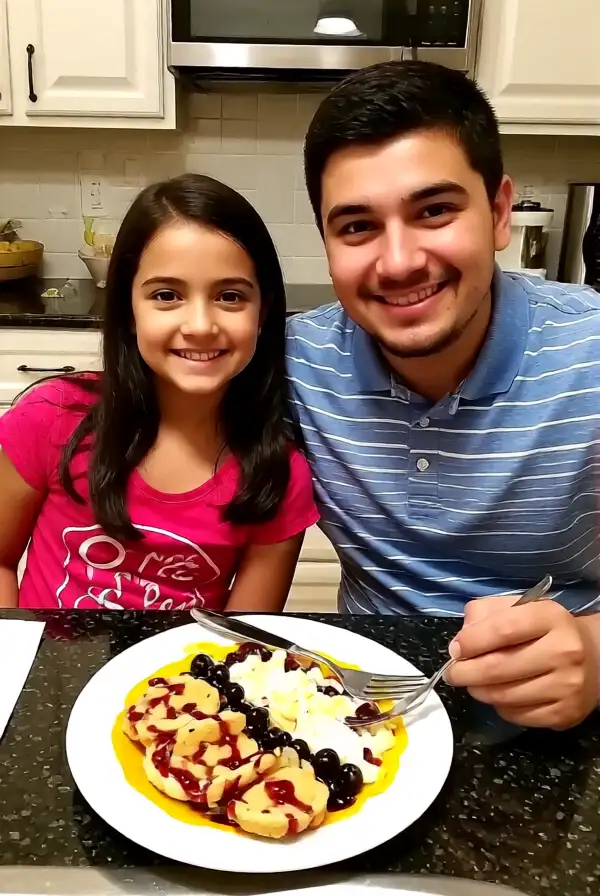
Finally, while it’s essential to encourage healthy habits, it’s also important to treat indulgences in moderation. Teaching picky eaters about balance will empower them to make informed choices and enjoy treats without guilt. Highlight the importance of incorporating treats while maintaining health to foster a holistic understanding of nutrition.
This balanced approach can promote acceptance rather than restriction, allowing picky eaters to learn that all foods can be part of a healthy diet when enjoyed mindfully.
Dealing with picky eaters involves patience, creativity, and understanding. By utilizing these strategies, caregivers can nurture healthier eating habits, turning the challenge of picky eating into an opportunity for growth. Encouraging exploration, involving kids in the process, and creating a positive environment are crucial steps toward fostering a lifetime of healthy relationships with food.