
Teaching children about household chores is essential in helping them develop responsibility and life skills. By engaging them in daily tasks, we not only ease our own burden but also foster their growth into capable and independent individuals. Here are 15 enlightening tips for involving your kids in household tasks effectively.
The Importance of Household Chores
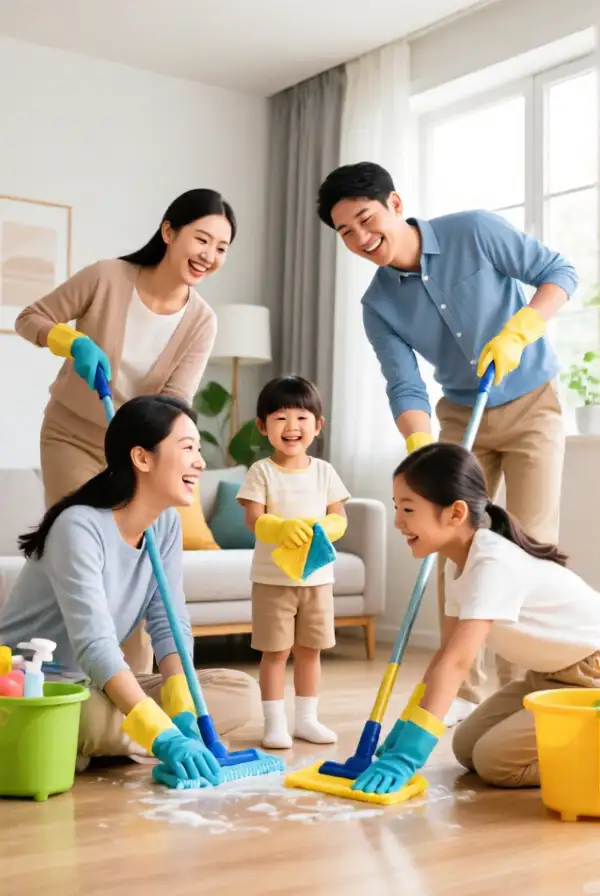
Incorporating everyday chores into a child’s routine provides numerous benefits. They learn responsibility, teamwork, and the value of contributing to the household. These lessons are foundational in nurturing well-rounded individuals who understand how to function within a community.
Kids who participate in household chores gain a sense of accomplishment and ownership. This can lead to increased self-esteem as they see the positive results of their efforts in maintaining a clean and organized home.
Building Responsibility Through Chores
Giving children age-appropriate chores teaches them to be accountable. Simple tasks like making their beds or sorting laundry can instill a sense of duty. Over time, these responsibilities can escalate, preparing them for more significant tasks.
As children take on chores, they learn that their actions have real-world consequences. This understanding is crucial for their growth as responsible individuals who can contribute positively to society.
Enhancing Self-Esteem
Completing chores can provide a significant boost to a child’s self-esteem. Each task they finish instills a sense of achievement that reinforces their capability. Celebrating these small victories can further encourage them to take pride in their responsibilities.
The confidence gained from finishing chores translates to other areas in their lives, helping them strive for accomplishments in academics and extracurricular activities.
Understanding the Value of Work
Chores help children connect hard work with rewards. Learning that effort leads to positive outcomes—for instance, a reward upon completion—can significantly impact their work ethic.
This understanding is crucial as they grow older and face real-world challenges where effort is often linked to success. It lays the foundation for a diligent attitude towards their tasks and responsibilities.
Fostering Independence

As children tackle chores independently, they learn essential life skills. From time management to prioritization, chores serve as a safe environment for them to practice these quasi-adult skills.
Evaluating their progress allows children to see how their efforts lead to independence, bolstering their confidence and encouraging them to take on more complex responsibilities.
Developing Life Skills

Chores encompass far more than just cleaning; they are learning opportunities. Tasks like cooking or organizing teach practical skills that are invaluable as children grow into adulthood.
By engaging in a variety of chores, children gain first-hand experience in managing a household, which is vital for their future independence and success.
Encouraging Teamwork

When everyone in the family pitches in, it teaches children about cooperation. Participating in household tasks fosters teamwork, as children learn that their contributions are valuable to the family’s overall well-being.
This teamwork instills bonds and helps children navigate their social environments more effectively, nurturing their relationship skills and collaborative spirit.
Time Management Skills
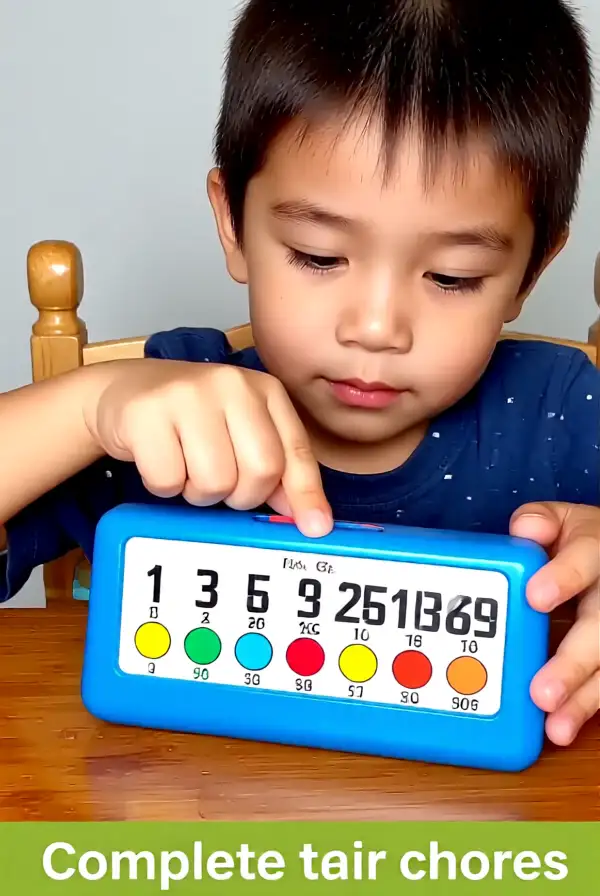
Chores help children develop essential time management skills. They learn to prioritize and balance tasks, which becomes especially vital as they juggle schoolwork and chores.
Effective time management paves the way for academic achievements and personal productivity, a skill that will benefit them for the rest of their lives.
Taught Respect and Care
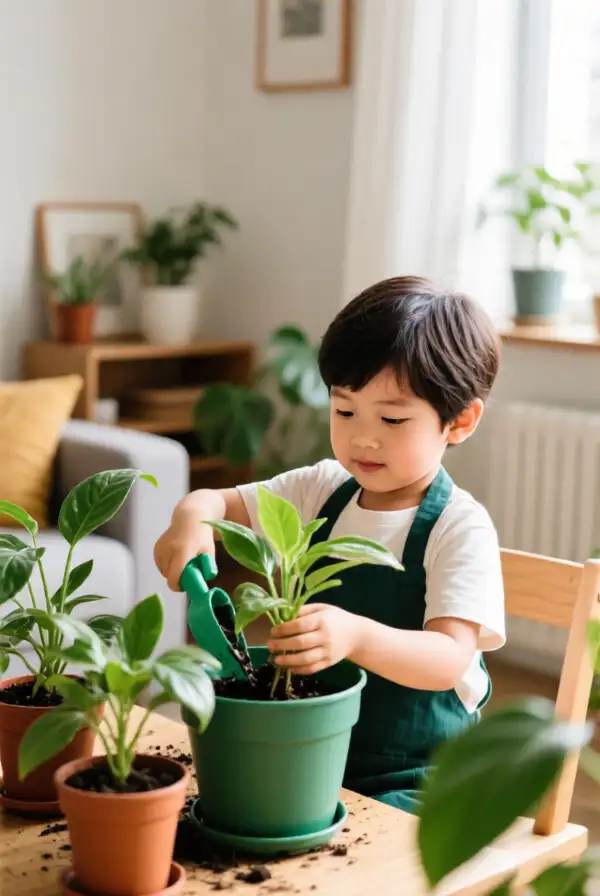
By being involved in household chores, children also learn to respect their environment. Caring for personal belongings and shared spaces is an integral life lesson that extends beyond home responsibilities.
This respect translates into how they treat others and the world around them, fostering a culture of care and responsibility in every aspect of their lives.
Setting the Foundation for Future Success
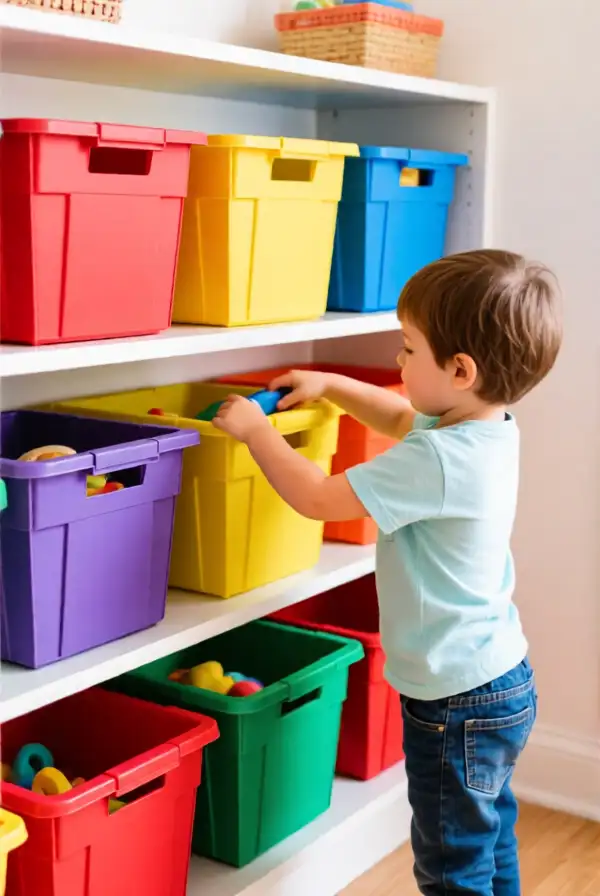
The habits formed through household chores create a groundwork for responsible adulthood. Children who grow up helping with chores typically develop a strong sense of discipline, which is crucial for managing future challenges.
These foundational habits mean that they will be better able to handle life’s demands and be more successful in achieving their personal goals.
Age-Appropriate Chores
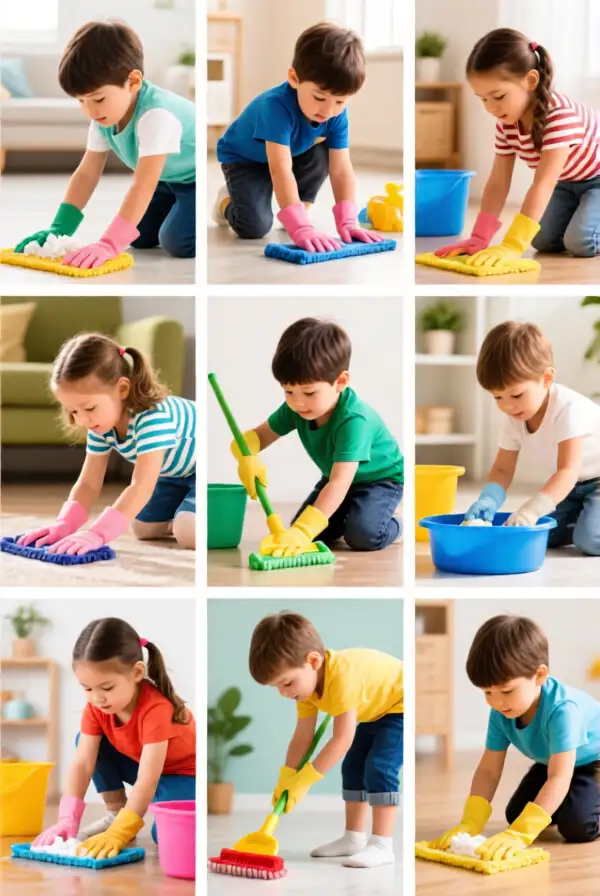
Matching chores with a child’s age and development level is essential. Younger children could start with simple tasks like putting away toys, while teenagers can take on complex tasks like cooking and cleaning bathrooms.
This age-tailored approach ensures that chores are engaging and manageable, fostering a sense of accomplishment that reinforces their willingness to help.
Tips for Making Chores Fun
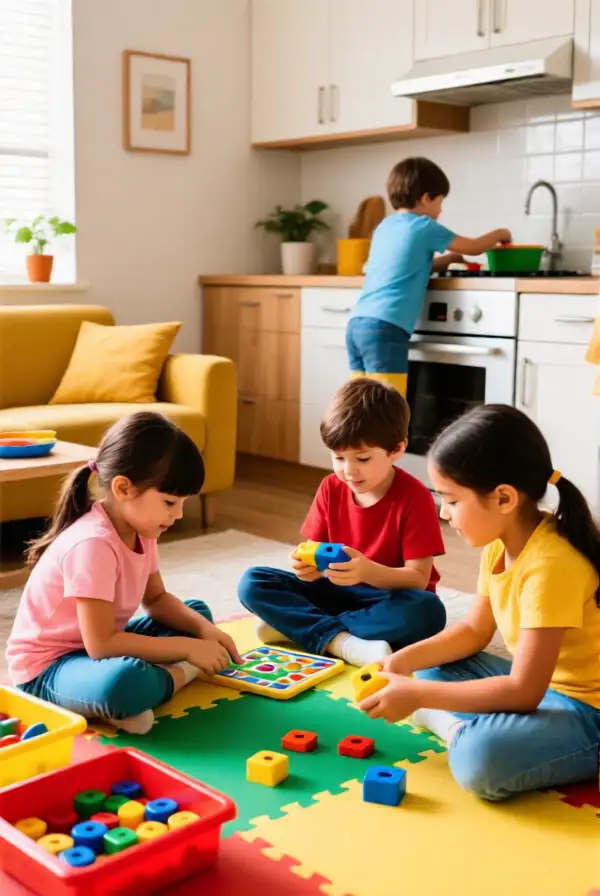
Transforming household chores into a fun activity can change how children perceive them. Introduce games, challenges, and creative themes to make chores feel less like obligations and more like family bonding activities.
Utilizing incentives—such as sticker charts or small rewards—can help to engage children even further, making chores feel more like an enjoyable adventure than a mundane task.
Teaching the ‘How’ and ‘Why’ of Chores

It’s important to take the time to explain not only how to do chores but also why they are necessary. Understanding the purpose behind their tasks provides children with a sense of importance and responsibility.
Integrating discussions about the impact of chores, such as how cleaning contributes to health and organization, offers valuable life lessons beyond the immediate task.
Recognizing Efforts and Rewarding Progress
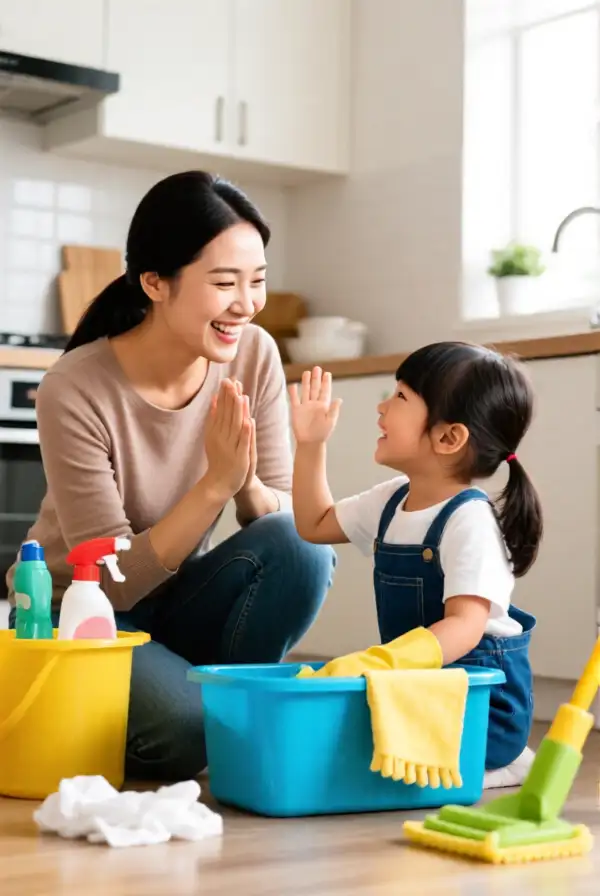
Acknowledging and rewarding children for their efforts in household chores is vital. Whether through verbal praise or small rewards, celebrating their achievements encourages them to continue taking part in home responsibilities.
Creating a consistent reward system motivates children to contribute and helps reinforce the positive behaviors you want to see.
Overcoming Challenges
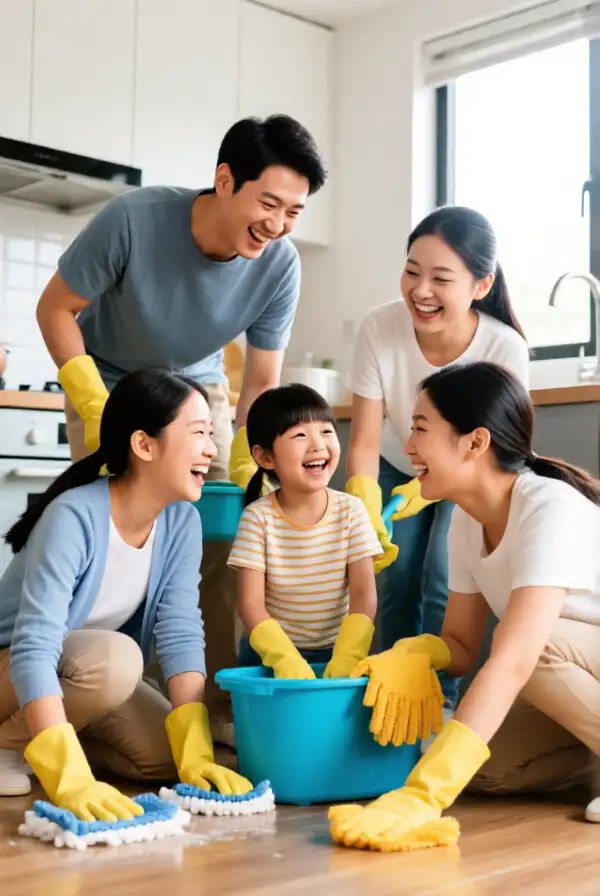
Implementing household chores can have its challenges, from initial resistance to occasional inconsistencies. Address these hurdles by staying consistent and providing support.
Offer gentle encouragement by making chores a family affair, turning them into cooperative tasks that strengthen family bonds while ensuring each member’s participation.
Final Thoughts

Engaging children in household chores is an investment in their future. These tasks provide life skills that contribute to their development as responsible, confident individuals. Embracing the process of teaching them about chores today lays the groundwork for a more independent tomorrow.
By making household chores a shared and enjoyable experience, we foster not only a sense of responsibility but also a loving family dynamic.