
A Yes Day is a fun parenting concept where parents say “yes” to their child’s reasonable requests for a full day. It’s designed to give kids a sense of control, boost confidence, and strengthen family connection in a lighthearted way.
This guide breaks down what a Yes Day really is, how it works, and why so many families love it. These 16 points help you understand the idea clearly and decide if it fits your family values and daily life.
What A Yes Day Actually Means

A Yes Day means parents agree to say yes to their child’s requests for a set period, usually one full day. The key is that requests must be safe, reasonable, and agreed upon ahead of time. It’s not about chaos, but about intentional flexibility.
This concept helps kids feel heard and trusted. It gives them space to express preferences while parents stay present and supportive throughout the day.
Why Parents Choose To Do A Yes Day

Many parents choose a Yes Day to strengthen emotional connection with their children. It shifts the usual dynamic and allows kids to lead in a safe environment. This can be refreshing for both parents and children.
It’s also a way to create memorable family moments without expensive plans. The focus stays on togetherness rather than perfection.
Yes Day Is Not About Saying Yes To Everything

A common misunderstanding is that Yes Day removes all rules. In reality, boundaries still exist. Parents decide ahead of time what’s allowed and what’s not, especially regarding safety, health, and budgets.
This clarity keeps the day fun instead of stressful. Kids also learn that freedom works best when paired with responsibility.
How To Set Clear Rules Before A Yes Day
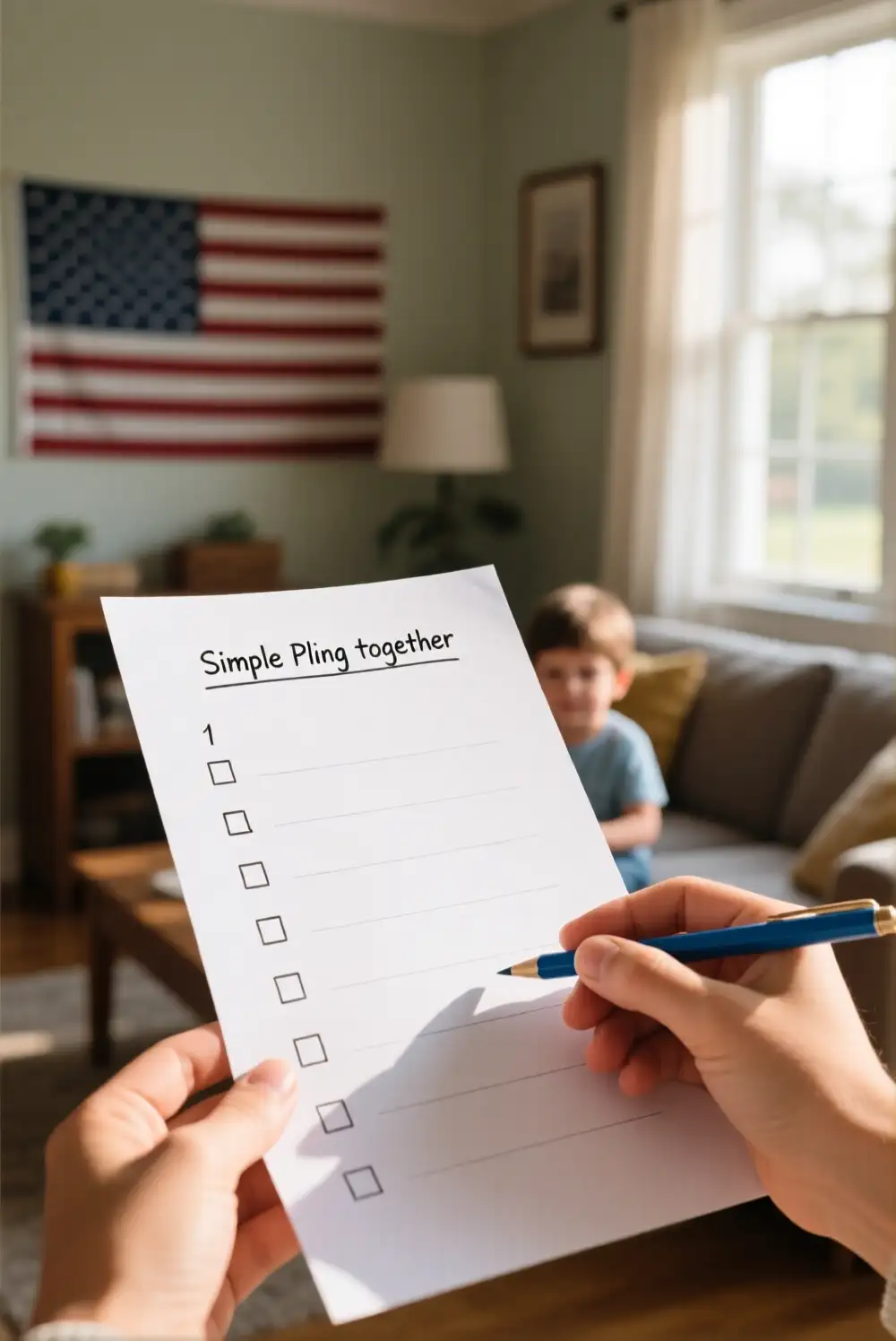
Before starting, families usually talk through simple rules. These might include spending limits, safety guidelines, and time boundaries. Explaining these calmly helps avoid confusion later.
Kids respond well when expectations are clear. This conversation also teaches communication and planning skills in a natural way.
What Kids Learn From A Yes Day

A Yes Day teaches kids decision-making and responsibility. When they get to choose activities, meals, or plans, they learn to think about consequences and preferences.
It also boosts confidence. Feeling trusted and listened to helps children feel valued within the family.
How A Yes Day Supports Emotional Connection

Letting kids lead for a day creates deep emotional bonding. Parents step into a more responsive role, which can feel exciting and affirming for children.
These shared moments often become favorite memories. Connection grows when kids feel genuinely supported.
Yes Day Works For Different Ages

Yes Day can be adapted for toddlers, school-aged kids, and even teens. The key is adjusting expectations and choices based on age and maturity.
Older kids may value independence-based choices, while younger children enjoy simple activities. Flexibility makes it work for everyone.
Examples Of Simple Yes Day Activities

Yes Day activities don’t need to be elaborate. Kids often choose things like breakfast for dinner, park visits, movie marathons, or creative play.
Simple choices keep the day relaxed and enjoyable. The joy comes from being heard, not from big plans.
How Yes Day Encourages Communication

Throughout the day, kids naturally explain their choices. This opens space for conversation and curiosity between parents and children.
Parents learn more about their child’s interests and priorities. Communication feels easier and more natural.
Managing Expectations During A Yes Day

Managing expectations helps keep Yes Day positive. Parents can remind kids that some requests may still be adjusted or delayed.
This teaches flexibility rather than entitlement. The day remains fun while respecting real-life limits.
Yes Day Does Not Replace Daily Boundaries

A Yes Day is a special experience, not a daily rule change. Regular structure and boundaries still matter for kids’ emotional security.
Explaining this helps kids understand balance. Special days feel more meaningful when they’re occasional.
How Often Families Do A Yes Day

Some families plan a Yes Day once a year, while others do it monthly or seasonally. There’s no perfect schedule.
Choosing a frequency that feels manageable keeps it enjoyable instead of overwhelming.
Yes Day Helps Parents See Their Child Differently

Watching kids lead can surprise parents. Children often show thoughtfulness, creativity, and empathy when given trust.
This shift can strengthen respect on both sides. Parents gain new appreciation for their child’s personality.
How To End A Yes Day Smoothly

Ending the day with reflection helps transition back to routine. Talking about favorite moments keeps the experience positive.
This also reinforces gratitude and emotional closure, making the day feel complete.
Is A Yes Day Right For Every Family

A Yes Day isn’t required for good parenting. Some families love it, while others prefer different bonding traditions.
The most important thing is intentional connection. Yes Day is simply one option among many.
The Real Purpose Behind A Yes Day

At its core, a Yes Day is about trust, listening, and shared joy. It reminds families that connection matters more than control.
When done thoughtfully, it becomes a meaningful experience that supports emotional growth for everyone involved.
A Yes Day isn’t about perfect parenting or nonstop excitement. It’s about slowing down, saying yes with intention, and giving children space to feel heard. Whether you try it once or make it a tradition, the connection it creates can leave a lasting impact.