
Creating an effective allergy action plan for children is essential for ensuring their safety and well-being. This comprehensive guide outlines 18 critical steps to help manage allergies effectively and provide peace of mind for parents and caregivers.
Understanding Allergies in Children
Childhood allergies are increasingly common and can range from food allergies to environmental triggers. Understanding these allergies is crucial for proper management. Parents should learn how to identify allergic reactions and recognize common allergens that may affect their child.
It’s important to consult with healthcare professionals to get accurate diagnoses and recommendations tailored to your child’s specific needs. Educating yourself on the types of allergies can empower you as a caregiver to advocate for your child’s health effectively.
Creating an Allergy Action Plan
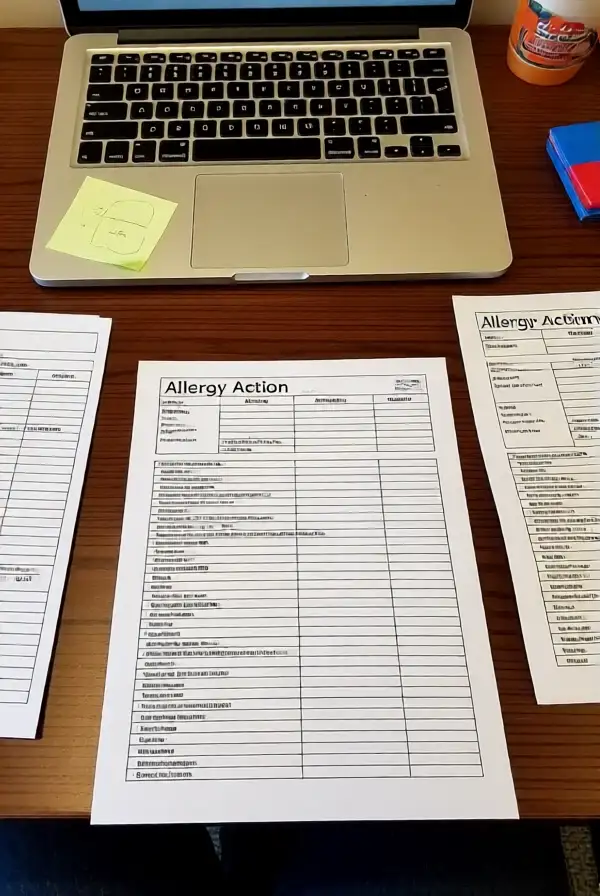
Writing a comprehensive allergy action plan involves documenting your child’s specific allergies and outlining clear steps for management. Include vital information like emergency contacts, medication dosages, and instructions for caregivers and schools.
It’s beneficial to regularly review and update this plan as your child grows and their needs change. This action plan not only helps manage existing allergies but also prepares everyone involved with your child to respond effectively in emergencies.
Educating Family and Friends

Informing family members and close friends about your child’s allergies is invaluable. Ensure they understand how to recognize symptoms and what to do in case of an allergic reaction. This can foster a supportive environment for your child.
Consider arranging workshops or informal sessions where you can share knowledge and demonstrate how to use necessary medication like EpiPens. Creating awareness can significantly reduce risks during gatherings or playdates.
Managing Allergies at School
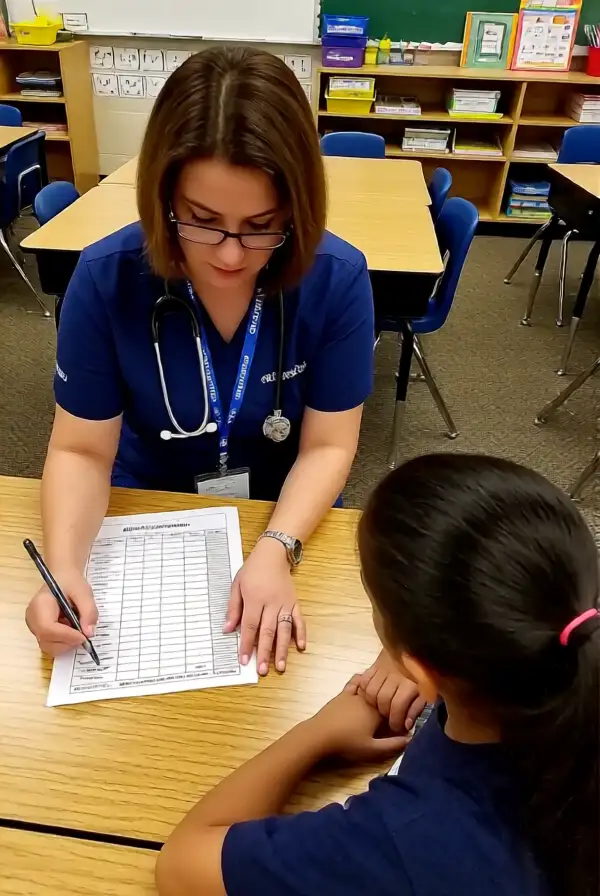
Schools play a crucial role in managing allergies, and it’s essential for parents to communicate with school staff about a child’s allergy action plan. Provide the school with copies of the plan and discuss allergic reactions, management strategies, and medication administration.
Encouraging open communication fosters a safe environment for your child. Work together with teachers and school nurses to ensure they understand the importance of your child’s dietary restrictions and emergency procedures, helping to prevent any allergy-related incidents.
Regular Follow-Ups with Healthcare Providers

Scheduling regular check-ups with healthcare providers is essential for monitoring your child’s allergies. These visits allow for updated assessments and, if necessary, modifications to the allergy action plan.
Healthcare providers may also suggest allergy testing, new treatment options, or lifestyle adjustments that can significantly affect your child’s quality of life. Staying proactive in healthcare management contributes to better allergy control.
Staying Informed About Allergies

The world of allergies is ever-evolving, with new research emerging regularly. Staying informed about the latest developments, treatments, and guidelines can greatly benefit your child’s safety and the action plan’s effectiveness.
Utilize reputable resources such as allergy associations and health websites to gather information. Participate in community events and support groups to share experiences and gain insights from other families managing allergies.
Emergency Preparedness

Being prepared for emergencies can make all the difference when it comes to allergic reactions. Ensure every caregiver knows how to respond effectively in a crisis, including the use of epinephrine auto-injectors.
Practicing scenarios and ensuring that your child understands their allergies and how to seek help can empower them. Having an emergency kit readily available at school or during outings is vital to ensuring your child’s safety.
Recognizing and Treating Allergic Reactions
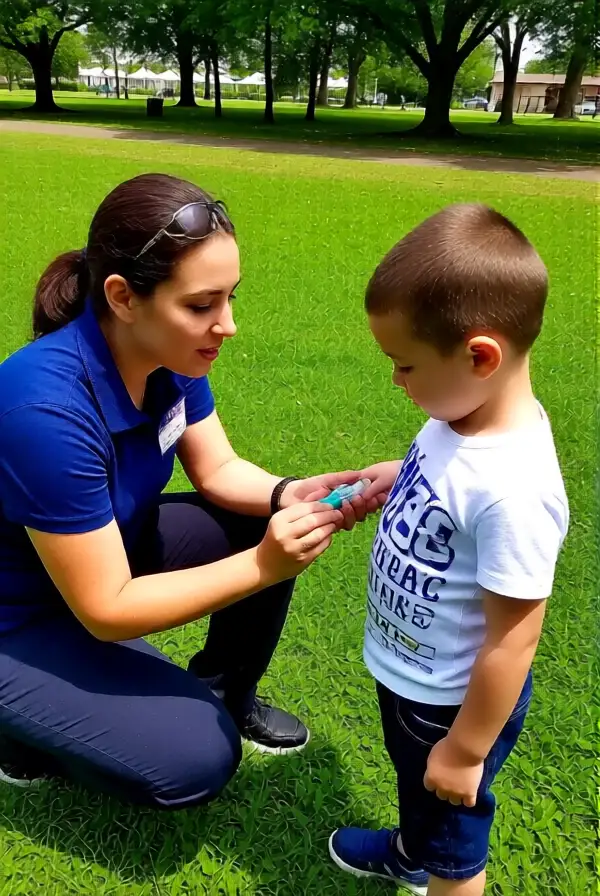
Recognizing the signs of an allergic reaction is crucial for effective treatment. Common symptoms include hives, swelling, difficulty breathing, and gastrointestinal issues. Timely recognition can be lifesaving.
Understanding how to treat these reactions, from administering antihistamines to epinephrine, is vital. Keep a stock of medications accessible and ensure that caregivers understand the correct dosage for your child.
Long-term Management Strategies

Long-term strategies for managing allergies often include lifestyle adjustments such as dietary changes and avoiding specific allergens. Consistent action can minimize exposures and improve quality of life.
Creating a support system involving family, friends, and healthcare providers is instrumental in maintaining these strategies effectively. Sharing experiences and coping mechanisms helps reinforce positive habits for both your child and the entire family.
Researching Allergy-Friendly Foods

Finding and preparing allergy-friendly food options is essential for children with food allergies. Research or consult with a nutritionist to identify safe alternatives that are both nutritious and delicious.
Being equipped with a list of allergy-safe foods helps in meal preparation and allows for social engagements like birthday parties without fear. Cooking at home and packing snacks tailored to your child’s dietary needs can enhance their experience.
Building Resilience in Children with Allergies
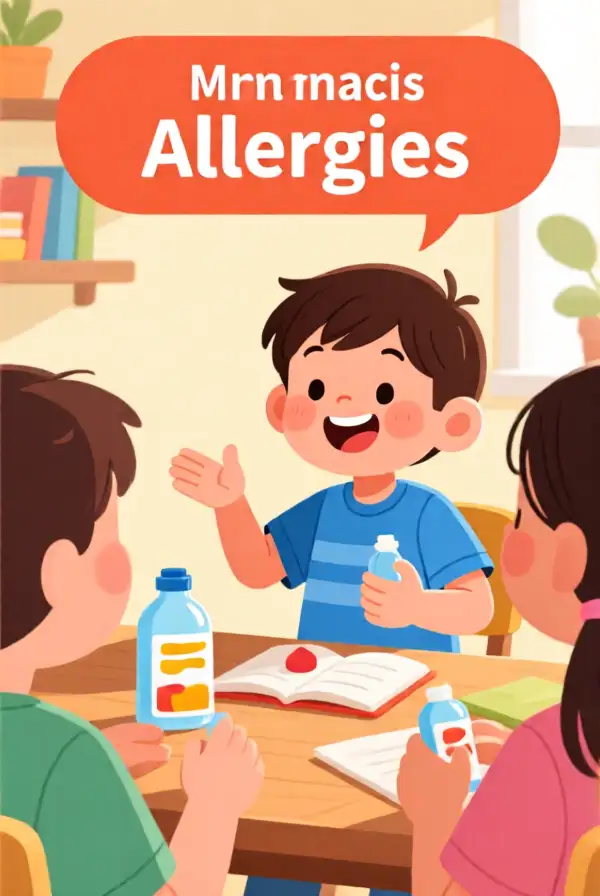
Encouraging children to develop resilience is crucial in managing their allergies. Help them understand their condition and build confidence to communicate their needs in social settings.
Through open dialogue and supportive activities, you can foster a sense of empowerment in children, reducing anxiety related to food and allergies. Instilling a proactive attitude will assist them in navigating their world independently as they grow.
Incorporating Mindfulness Practices

Mindfulness practices can help children cope with the stress associated with allergies. Techniques such as deep breathing exercises and visualization can decrease anxiety and enhance emotional well-being.
Encouraging children to practice mindfulness can create positive coping strategies. Pairing these practices with educational efforts significantly contributes to overall anxiety reduction related to managing allergies.
Utilizing Technology for Allergy Management

Leverage today’s technology as a tool for managing allergies effectively. Utilize apps designed to track allergies, manage medications, and provide emergency contacts – simplifying the process greatly.
Staying updated with alerts on local allergens or potential recalls on food products helps you maintain your child’s safety and health actively. Technology can serve as a powerful ally in allergy management.
Engaging with Support Networks

Connecting with other families who manage allergies can provide emotional support and practical advice. Joining local or online support groups can foster a sense of community.
These networks often share valuable insights, resources, and experiences that can help you navigate challenges and stay informed about allergy management – enhancing your journey.
Advocating for Allergy Awareness
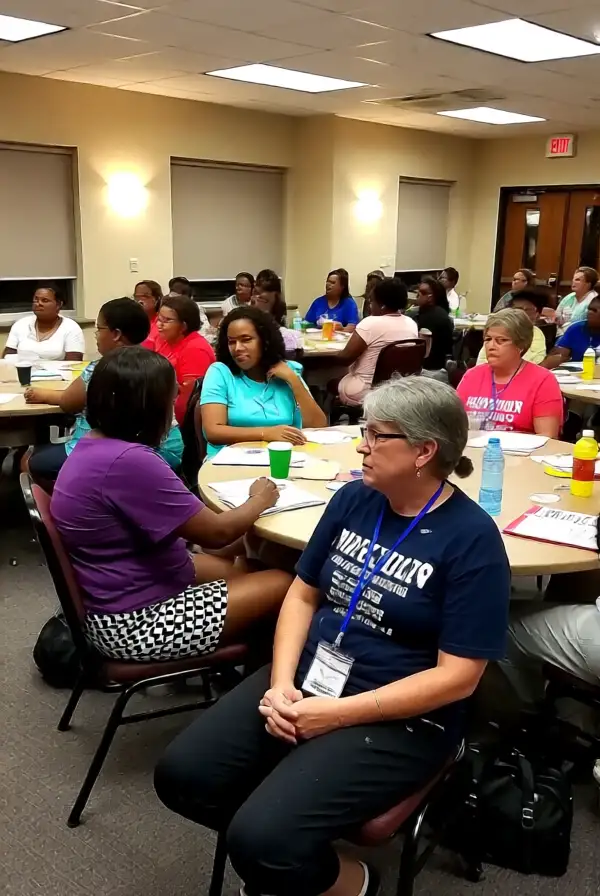
Raising awareness about childhood allergies is crucial for community understanding and support. Engaging in advocacy helps to educate others and push for necessary changes in places like schools and restaurants.
Encouraging dialogue about allergies can foster a more inclusive environment, ensuring children with allergies are supported and understood. Share your knowledge in various communities, reinforcing the importance of awareness.
Promoting Healthy Habits

Fostering healthy habits in children who manage allergies is essential. Teach them the importance of reading labels, meal planning, and healthy eating practices that align with their allergy action plan.
Encouraging physical activity can further enhance their overall well-being, contributing to a healthier lifestyle while managing allergies effectively. It’s about creating a balanced approach that prioritizes their health and safety.
Exploring Alternative Treatments

Discussing potential alternative treatments with your healthcare provider can be beneficial. Some families explore options like immunotherapy or natural remedies to manage allergy symptoms.
It’s important to approach alternative treatments cautiously, ensuring they do not interfere with conventional therapies. Collaborating with medical professionals can help you determine the best path for your child’s health.
Final Thoughts on Allergy Management

Managing childhood allergies is an ongoing process that requires vigilance and education. With the right strategies in place, you can ensure your child leads a safe and fulfilling life.
Remember that support from healthcare providers, families, and communities plays a vital role in navigating this journey successfully. Together, we can create a more safe, informed environment for our children.
In conclusion, a thorough allergy action plan can significantly impact your child’s safety and well-being. By following these 18 steps and fostering a support system, you can navigate the complexities of childhood allergies confidently and effectively.