
Living with visual snow syndrome can make light, screens, and busy environments feel exhausting. While glasses are not a cure, many people explore specific lens styles and frame choices to reduce discomfort and feel more at ease throughout the day. This article focuses on comfort-first, lifestyle-friendly glasses options that fit into self-care routines, digital habits, and slow, intentional living—without feeling medical or overwhelming.
1. FL-41 Tinted Glasses
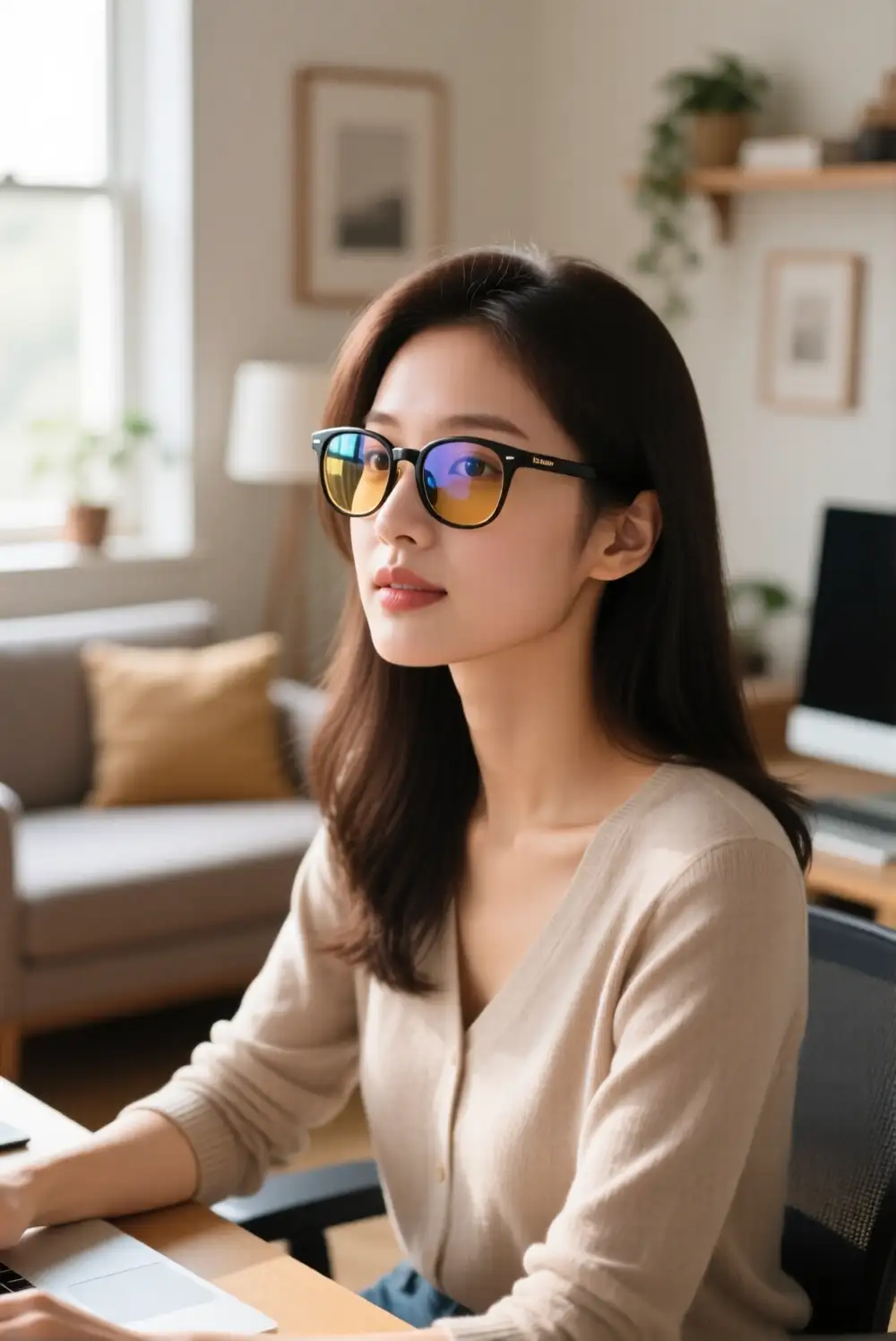
FL-41 tinted glasses are often chosen by people who feel overwhelmed by bright or artificial lighting. The soft rose tint can gently reduce visual intensity without making the world feel dark. Many people prefer them indoors where fluorescent lights or screens increase discomfort. They’re commonly worn during work-from-home hours, reading time, or casual scrolling when eyes need extra calm support.
From a daily routine perspective, these glasses feel easy to reach for. They don’t dramatically change colors, which helps them blend into normal activities. People often describe them as a comfort tool rather than a medical solution. Choosing lightweight frames helps keep the experience relaxed, making them suitable for long, slow days spent indoors or working digitally.

2. Light Gray Tinted Lenses
Light gray tinted lenses help soften overall brightness without changing color balance too much. This even reduction can feel grounding for people who struggle with visual overload. They’re often used during daytime activities when full sunglasses feel too dark. Many people find them useful in grocery stores, offices, or cloudy outdoor settings where glare still feels intense.
These lenses fit well into minimal, everyday style choices. They look subtle and modern, making them easier to wear consistently. People often keep them as an “errands pair” for visually busy environments. Their neutral tone supports calm living and doesn’t draw attention, which helps reduce both visual and mental distraction.
3. Precision-Tinted Custom Lenses
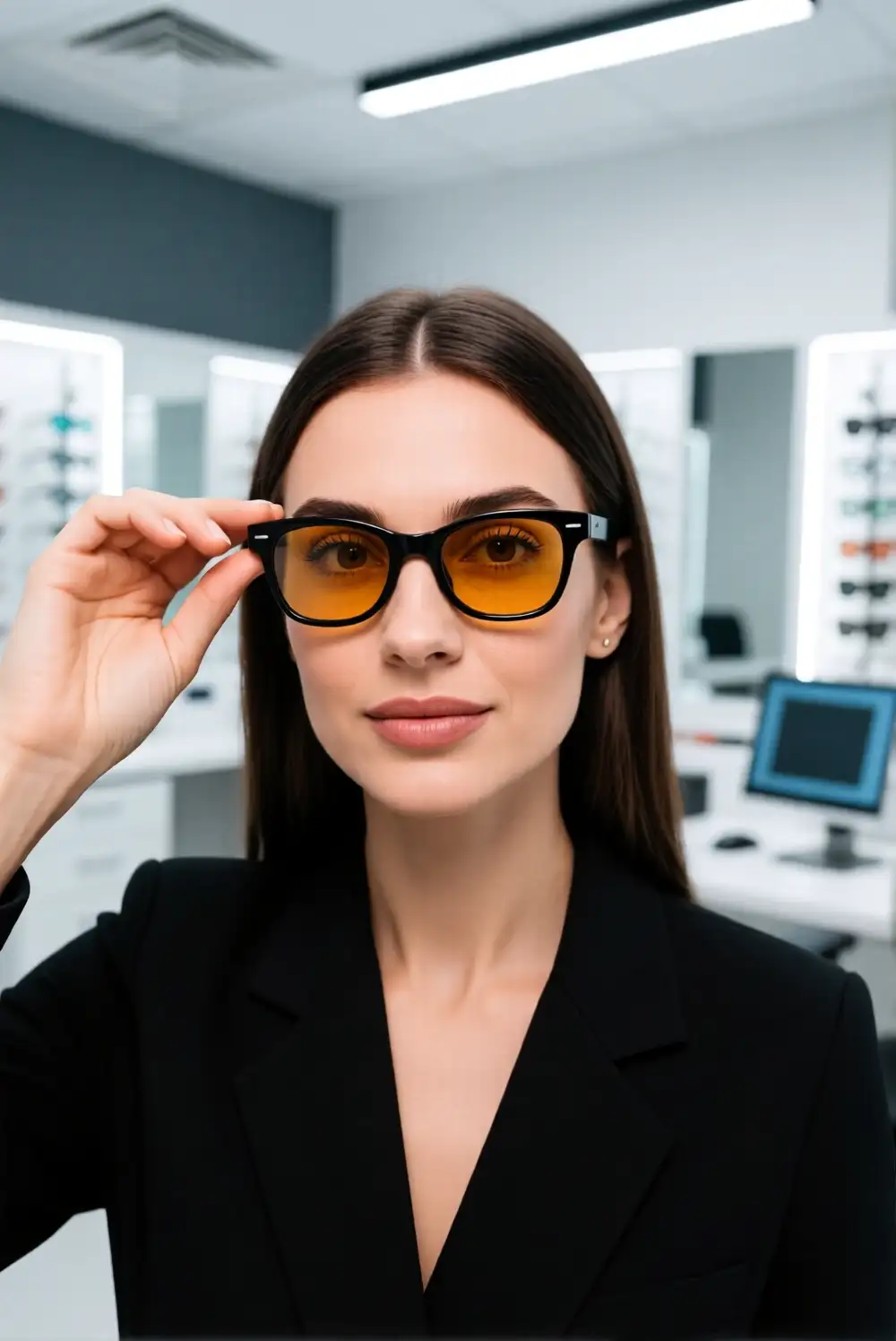
Precision-tinted lenses are customized to match an individual’s comfort needs. Instead of choosing a standard tint, these lenses focus on reducing specific visual triggers. Some people say the tailored approach helps their eyes feel less strained during focused tasks. These lenses are often worn during computer work, creative projects, or long reading sessions.
Because they’re customized, people tend to treat them as a long-term self-care investment. They may not be worn everywhere, but they’re highly valued during demanding visual tasks. Many prefer pairing them with simple, neutral frames. This keeps the focus on comfort rather than fashion, supporting a calm and intentional daily routine.
4. Blue Light Filtering Glasses
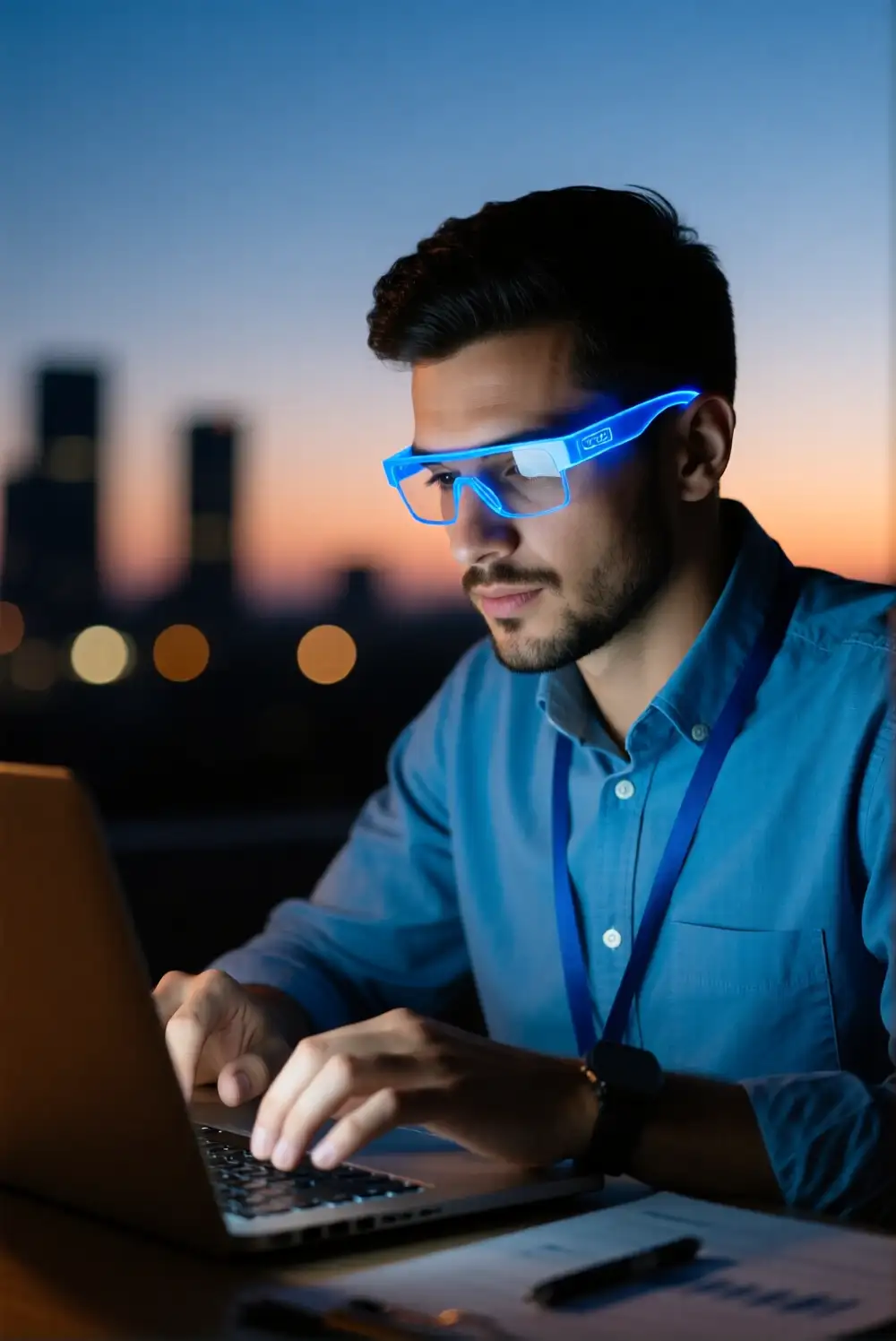
Blue light filtering glasses are popular for people who spend long hours on screens. Visual snow symptoms can feel stronger after extended digital use. These lenses help soften harsh screen light, especially in the evening. Many people wear them while working, gaming, or watching shows to reduce eye fatigue and visual stress.
They’re easy to integrate into daily digital habits. Keeping a pair at your desk can act as a reminder to protect your eyes. Clear or lightly tinted versions feel natural and low-effort. For people balancing work-from-home life and screen-heavy routines, these glasses feel like a small but supportive upgrade.

5. Anti-Reflective Coated Lenses
Anti-reflective coatings reduce glare from overhead lights, screens, and reflective surfaces. For people with visual snow, glare can amplify discomfort. These lenses help create a smoother visual experience by cutting down unnecessary reflections. They’re especially helpful in offices, classrooms, or nighttime environments with artificial lighting.
This option feels subtle but impactful. The glasses look the same, yet the visual experience feels calmer. Many people add this coating to prescription or comfort glasses. It’s a quiet upgrade that fits well into a mental wellness routine focused on reducing small, everyday stressors.
6. Gradient Tinted Lenses
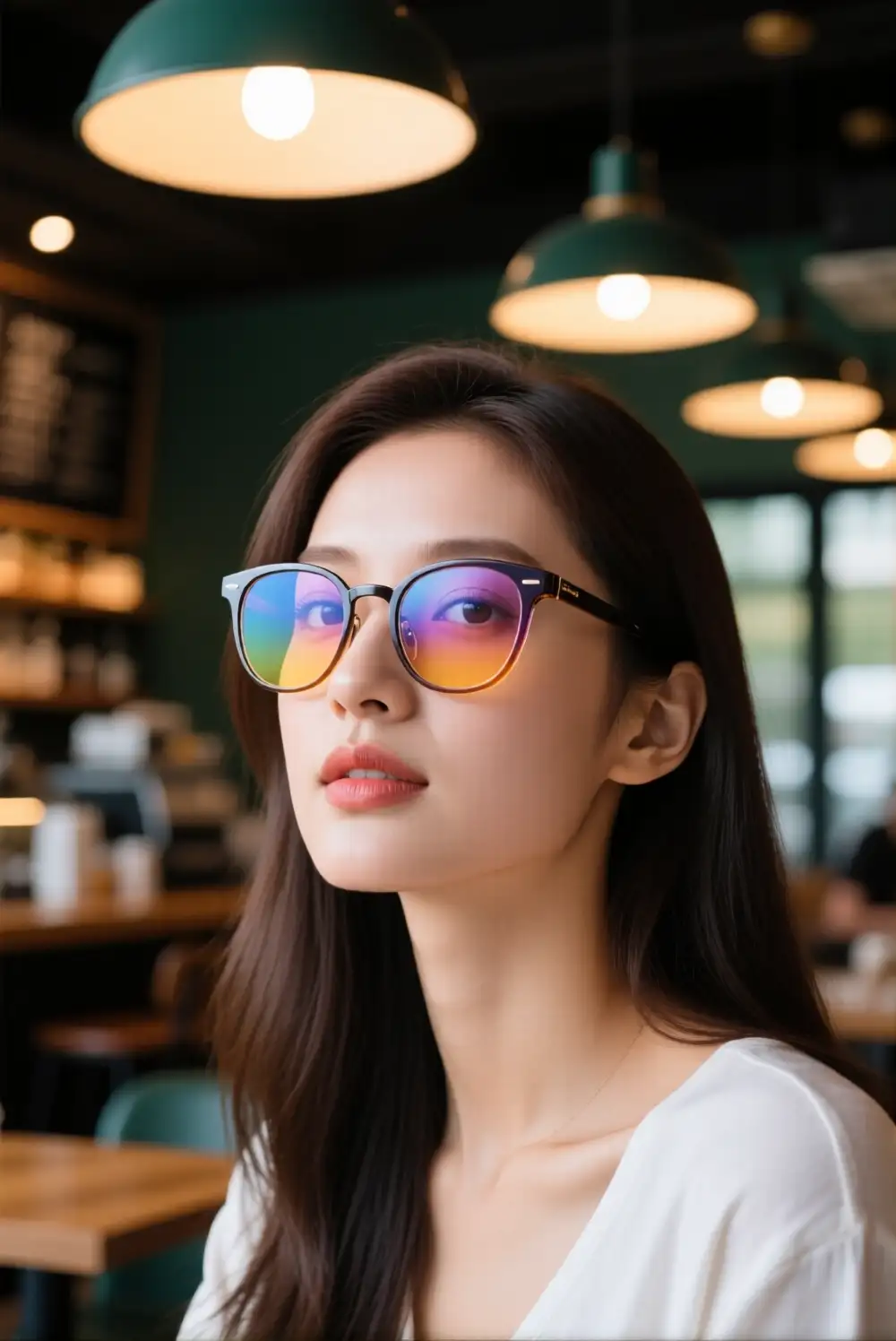
Gradient lenses are darker at the top and lighter at the bottom, helping manage overhead lighting without blocking everything. This design works well indoors where ceiling lights feel intense. People often say these lenses reduce visual pressure while still allowing clear reading and screen use throughout the day.
They also feel stylish and versatile. Gradient lenses don’t feel as heavy as full sunglasses, making them easier to wear socially. Many people choose them for cafes, casual workdays, or relaxed outings. They offer a balance of comfort and aesthetics, fitting nicely into soft, everyday living.
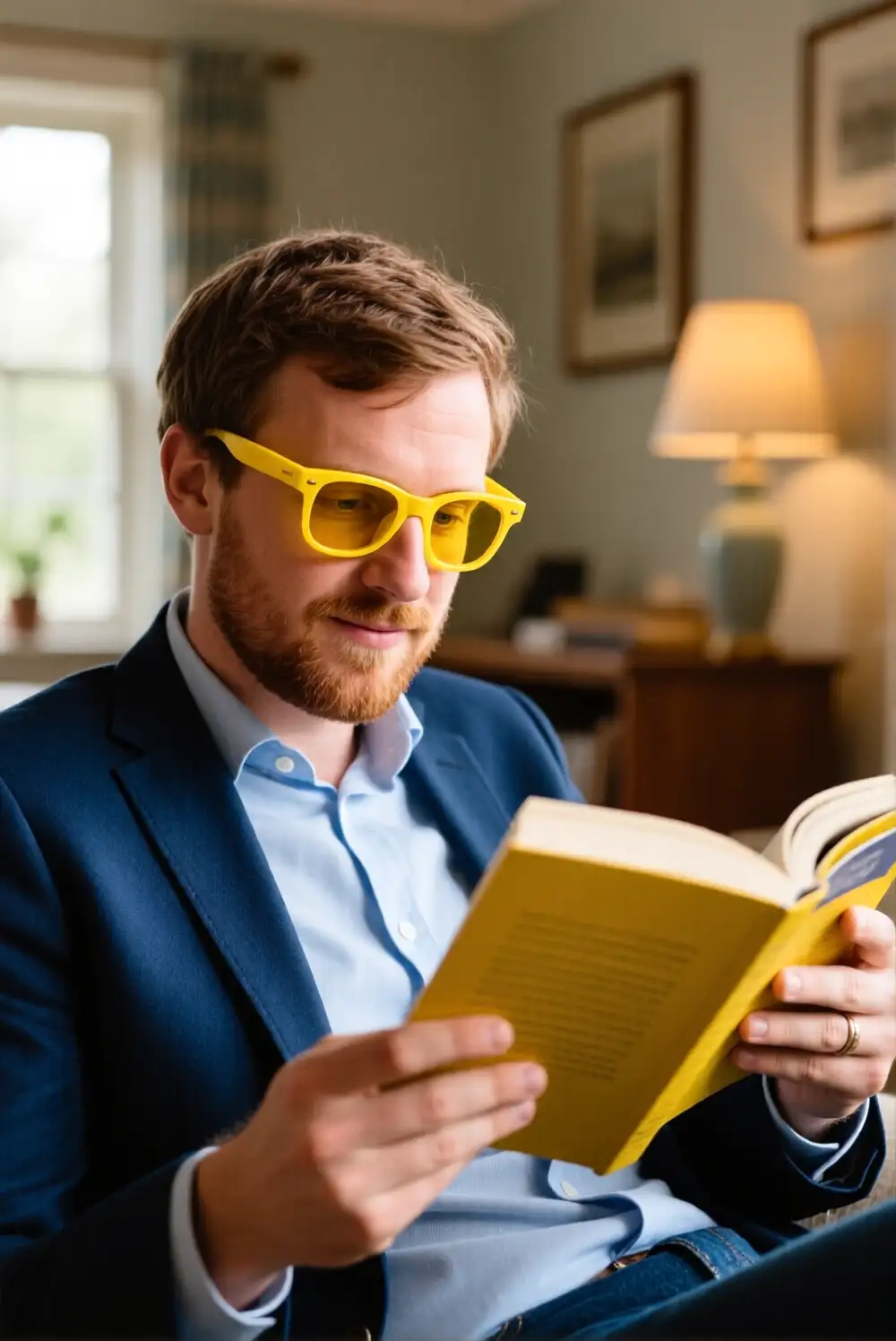
7. Yellow Tinted Glasses
Yellow tinted lenses are sometimes used to soften harsh lighting and improve contrast. Some people with visual sensitivity find them comforting in low-light or overcast environments. They can make surroundings feel warmer and less sharp, which helps reduce visual tension during indoor activities.
These glasses are often used during evening hours at home. Many people wear them while watching TV, reading, or winding down. They’re usually kept as a secondary pair rather than all-day glasses. Paired with neutral frames, they add comfort without feeling overwhelming.
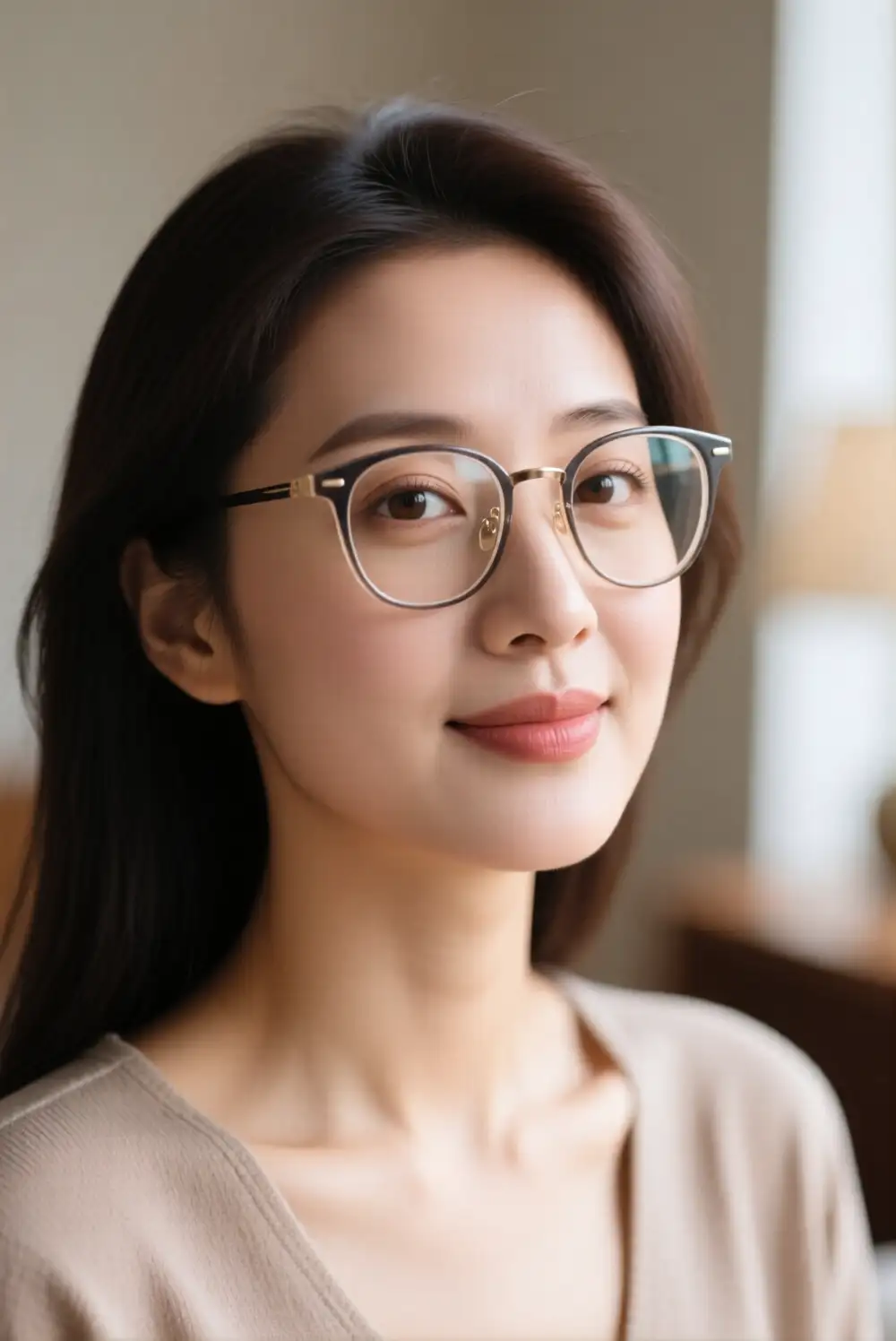
8. Prescription Glasses With Comfort Tints
For people who already wear prescription glasses, adding a comfort tint can simplify daily life. This combines vision correction with light sensitivity support in one pair. Soft tints like gray, rose, or beige are often chosen for everyday wear without drawing attention.
This option reduces the need to switch between multiple glasses. Many people choose classic frames to keep them versatile. Wearing one comfortable pair all day can lower visual decision fatigue. It’s a practical approach that fits well into consistent self-care routines.

9. Photochromic Lenses
Photochromic lenses adjust automatically to lighting conditions. They darken outdoors and return to clear indoors. This helps people who feel uncomfortable with sudden light changes. Many find the gradual transition easier on the eyes, especially during errands or commuting.
These lenses are ideal for busy days. They remove the need to carry multiple pairs of glasses. People often appreciate their convenience and low effort. When paired with minimal frames, they support a calm, flexible lifestyle without extra planning.

10. Wraparound Comfort Frames
Wraparound frames help block light from the sides, reducing peripheral glare. Some people find this creates a more contained and calmer visual field. These frames are often used outdoors or in visually busy environments where side distractions feel intense.
They’re more functional than fashionable, but comfort-focused designs are becoming more subtle. Many people reserve them for walks, travel, or outdoor breaks. Lightweight styles feel less bulky and support physical comfort alongside visual ease.
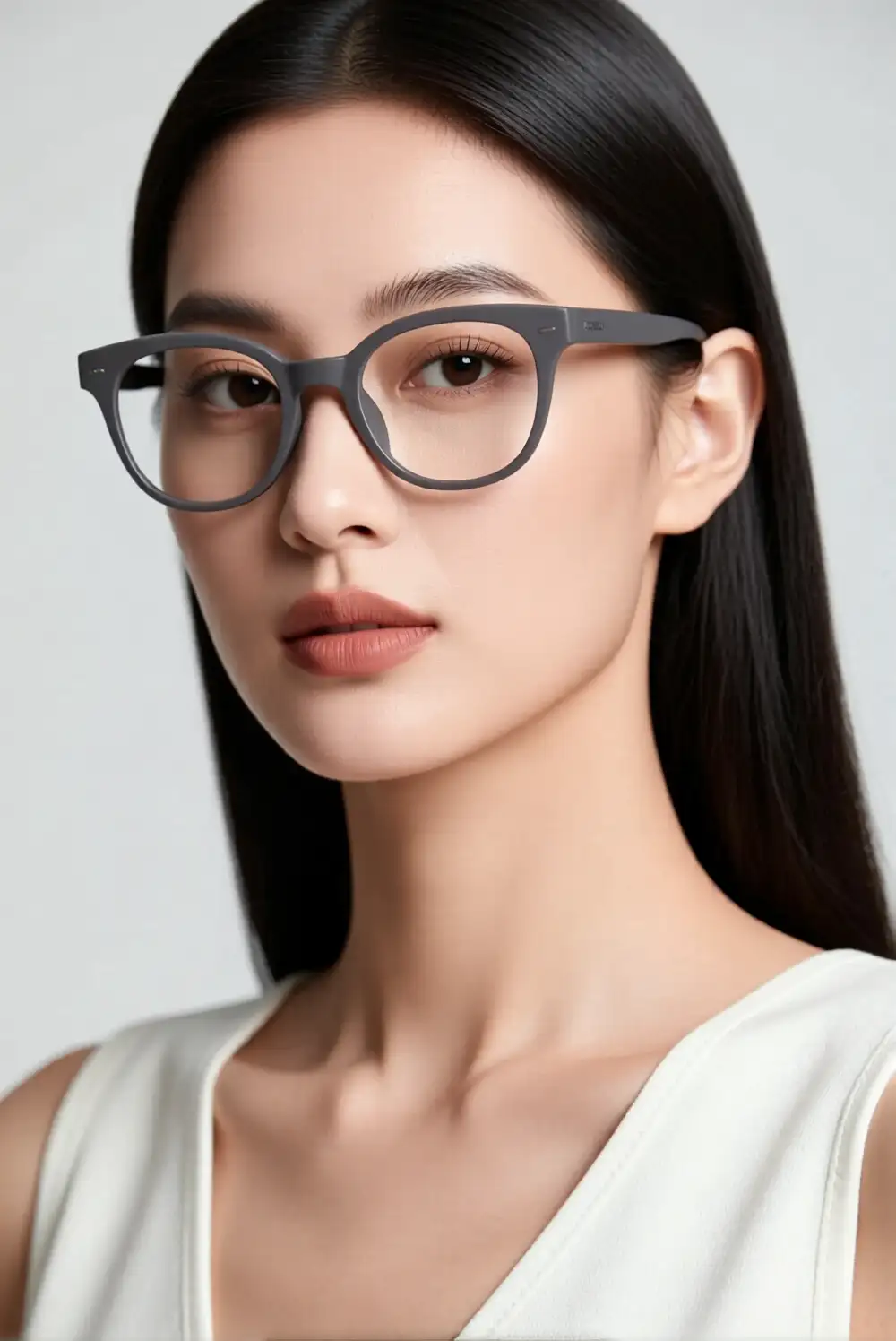
11. Matte Finish Frames
Matte finish frames reduce reflections compared to glossy styles. This small detail can help minimize visual distractions around the eyes. Some people with visual sensitivity prefer matte textures because they feel calmer and less stimulating.
These frames fit beautifully into minimal and soft aesthetics. They pair well with neutral outfits and relaxed looks. Many people choose them for everyday wear because they feel understated. It’s a subtle way to support visual calm without changing lenses.

12. Lightweight Titanium Frames
Lightweight frames reduce pressure on the nose and temples. For people sensitive to physical discomfort, this can make a noticeable difference. Titanium frames are durable yet extremely light, making them ideal for long wear days.
They’re often chosen by people who want glasses they forget they’re wearing. These frames suit work, relaxation, and everything in between. Their clean design supports a minimalist lifestyle focused on comfort and simplicity.
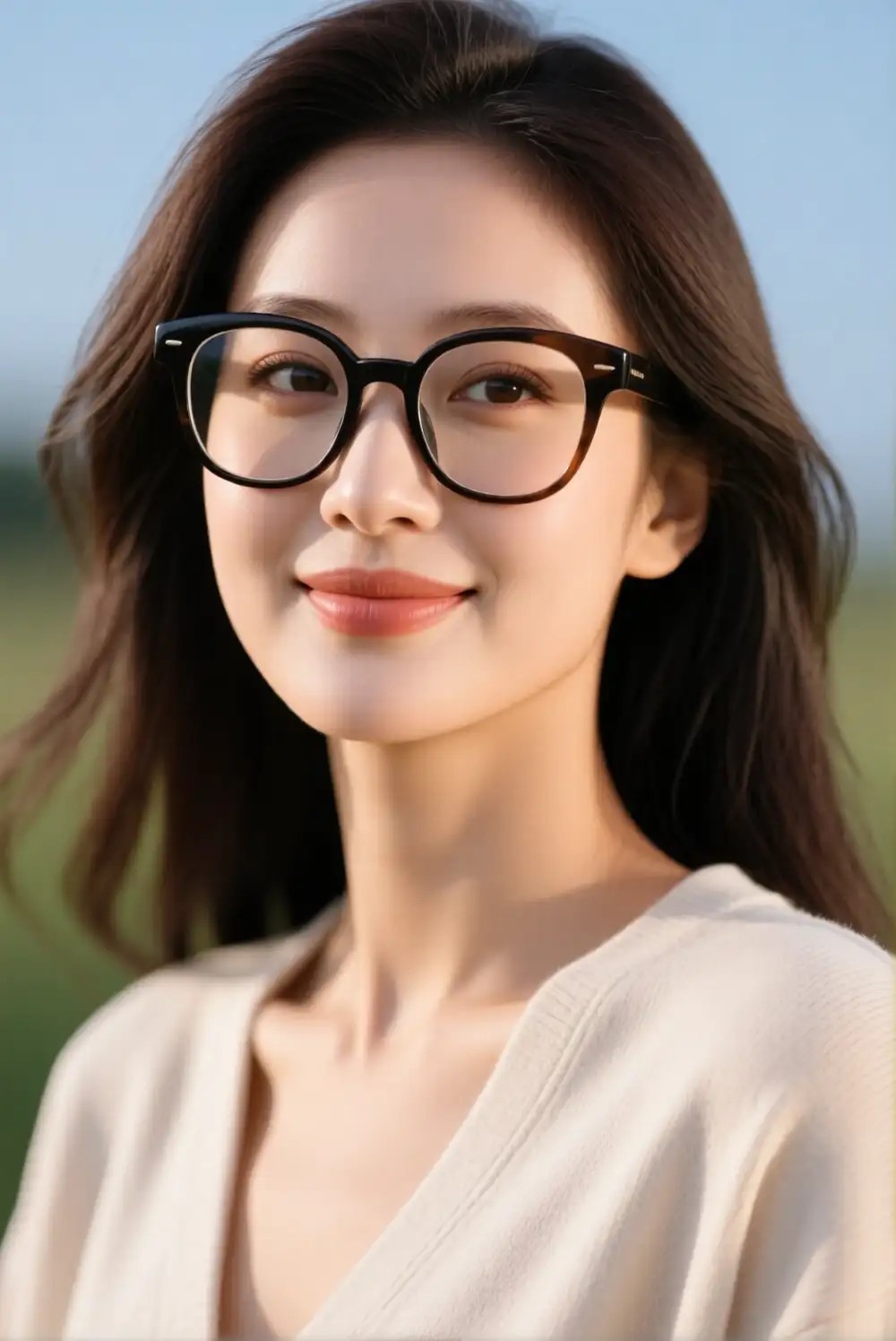
13. Oversized Frames for Light Diffusion
Oversized frames can help diffuse incoming light by offering more coverage. Some people feel this reduces harsh brightness and visual noise. They’re often paired with light tints to create a softer visual experience.
From a style perspective, oversized frames feel cozy and expressive. They work well with casual outfits and relaxed days. Many people enjoy the balance of comfort and personality. It’s a gentle way to feel both protected and stylish.

14. Clear Frame Glasses
Clear frames reduce visual clutter around the eyes. For some people, this helps keep focus on the environment rather than the glasses themselves. When paired with comfort lenses, they feel clean and lightweight.
Clear frames suit slow living and minimal fashion styles. They blend effortlessly with any outfit. Many people appreciate how neutral and calming they feel. They’re an easy choice for everyday comfort without visual distraction.

15. Indoor-Only Comfort Glasses
Some people prefer having glasses specifically for indoor use. These are often lightly tinted and optimized for artificial lighting. Wearing them only at home or work helps associate them with comfort and rest.
This approach fits well into intentional self-care routines. Many keep these glasses near their desk or couch. It creates a sense of ritual and boundaries. Small habits like this can support emotional and visual calm.
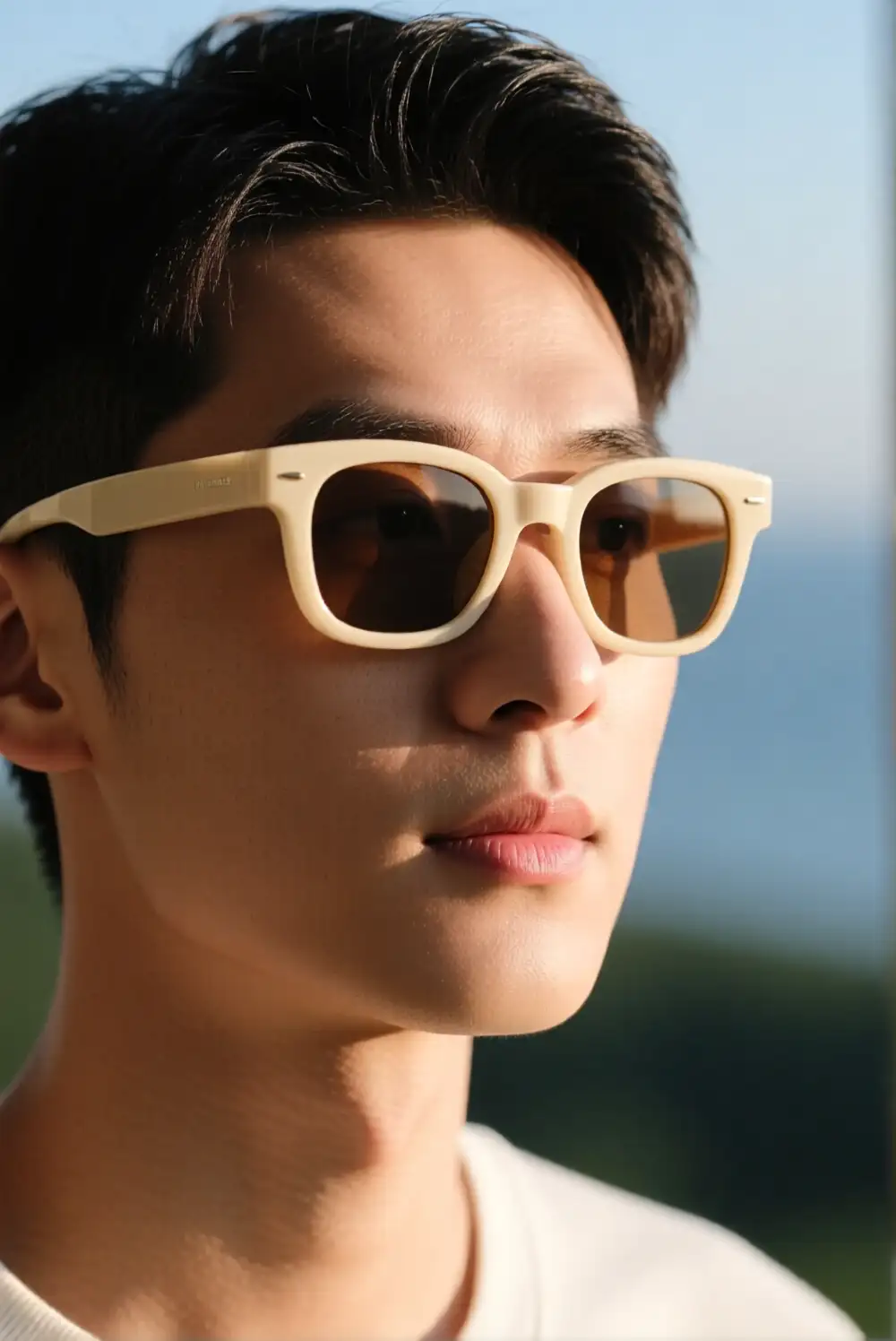
16. Beige or Soft Brown Tinted Lenses
Beige or soft brown tints can warm up harsh lighting. These tones feel gentler than gray for some people. They’re often chosen for indoor environments where lighting feels cold or sterile.
These lenses pair well with cozy, neutral outfits. Many people say they feel emotionally soothing. They’re often used during relaxed activities like journaling or slow mornings. It’s a soft option that supports comfort-focused living.

17. Low-Contrast Lens Designs
Low-contrast lenses are designed to reduce sharp visual edges. Some people find that smoother transitions feel less overwhelming. These lenses are often subtle and not immediately noticeable.
They’re ideal for people who want gentle support without dramatic changes. Many wear them during focused tasks or quiet routines. Paired with simple frames, they blend seamlessly into daily life.
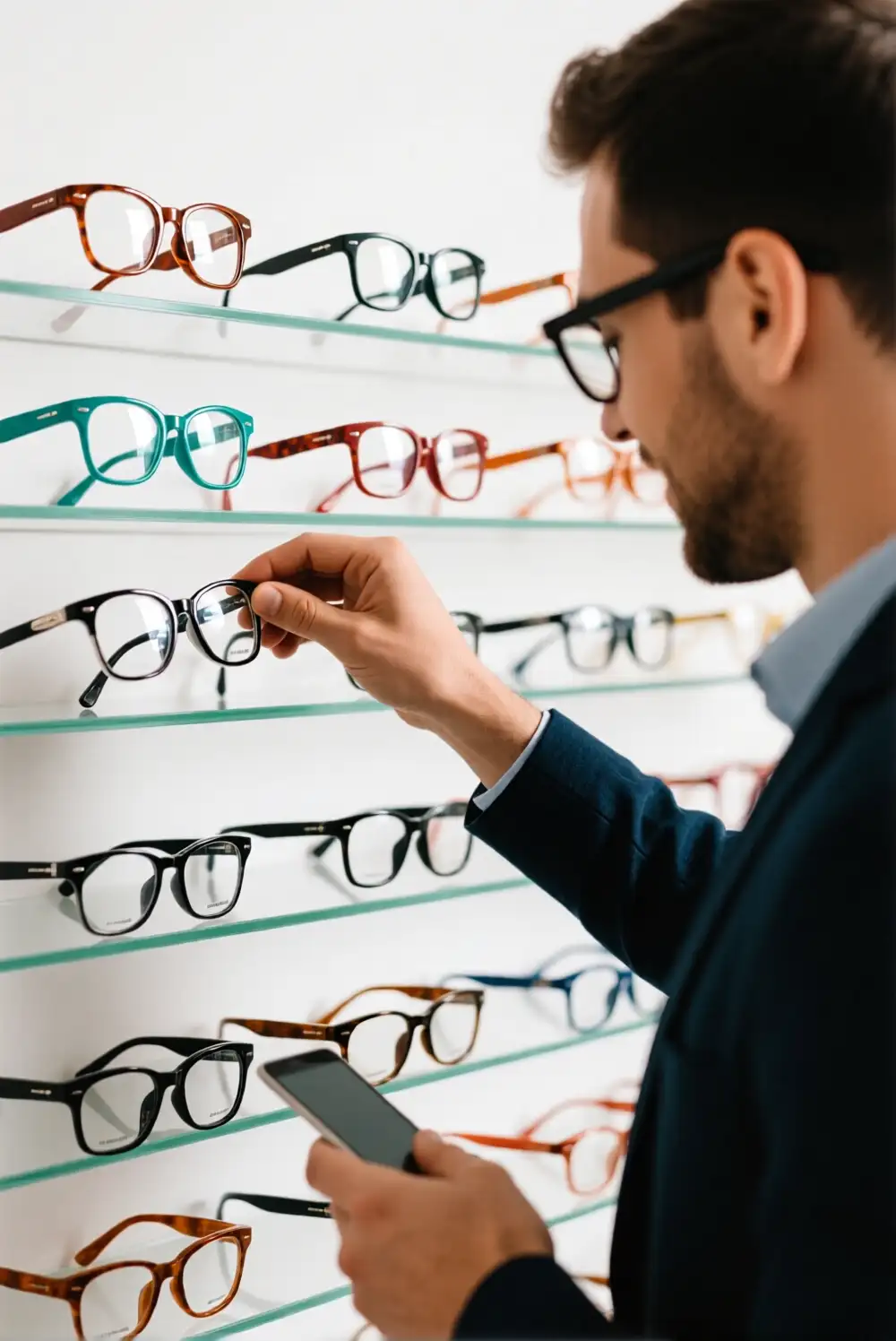
18. Multiple Comfort Pairs for Different Times
Some people find relief by using different glasses for different situations. One pair for screens, another for outdoors, and one for relaxing at home. This flexible approach allows comfort to adapt to the moment.
While it requires a bit of planning, many say it’s worth it. Creating small eyewear routines supports visual and emotional balance. It’s about listening to your needs rather than forcing one solution to work everywhere.
Finding the right glasses for visual snow comfort is deeply personal. What feels calming for one person may feel distracting for another. Exploring gentle, lifestyle-focused options allows you to build a visual environment that feels safer and more manageable. Think of these glasses as part of your self-care toolkit—supporting slower days, softer routines, and visual ease without pressure for perfection.