
Welcome to the wonderful journey of parenthood! While caring for a newborn can sometimes feel overwhelming, understanding some infant care essentials can help you feel more confident and prepared. Here, we’ll explore 21 fundamental aspects of caring for your little one, covering everything from feeding to sleep routines. Let’s dive into these vital tips for new parents.
Understanding Your Baby’s Needs

Newborns communicate primarily through their cries, and it’s essential to learn to interpret these signals. Whether they are hungry, tired, or need a diaper change, knowing their needs can help create a routine that works for both you and your baby. Paying attention to cries and cues can make a significant difference in developing a bond and providing comfort.
Additionally, understanding the importance of skin-to-skin contact helps strengthen your connection. This simple act can soothe your baby and promote breastfeeding, making it a vital element in nurturing your new arrival.
Feeding Options for Newborns
When it comes to infant nutrition, you have two primary feeding options: breastfeeding and formula feeding. Breastfeeding provides essential nutrients and antibodies crucial for your baby’s development. However, formula feeding can also be a beneficial option for mothers who face challenges or prefer it for various reasons.
Each feeding method comes with its considerations, and it’s vital to find what works best for you and your baby. Whether breastfeeding or formula feeding, ensuring your baby gets the nutrition they need is paramount for their growth during these initial months.
Coping with Sleep Patterns

Newborns typically sleep anywhere from 14 to 17 hours a day, but their sleep patterns can be unpredictable. Understanding this can help new parents manage their own rest. Try to sleep when your baby sleeps, which can help you cope with the demands of night feedings and diaper changes.
Establishing a calming bedtime routine can also signal to your baby that it’s time to sleep. Activities such as a warm bath or gentle rocking can create a soothing environment conducive to sleep. Remember, patience is key as you navigate these early days.
Diaper Changes and Hygiene

Diapering is an essential part of infant care, as babies typically go through 10-12 diapers a day. Make sure to have all your supplies ready, including wipes, diapers, and changing mats, for convenience. Regular diaper changes can help prevent diaper rash and keep your baby’s skin healthy.
When changing diapers, clean the area with wipes from front to back and be sure to apply a barrier cream as needed. This simple routine not only ensures your baby’s hygiene but also establishes a comfortable experience during each change.
Creating a Safe Sleeping Environment

Setting up a safe sleeping area for your newborn is critical in preventing sleep-related accidents. Always place your baby on their back to sleep, in a crib with a firm mattress and fitted sheet, free from toys, blankets, and pillows. This helps reduce the risk of Sudden Infant Death Syndrome (SIDS).
Regularly checking the room temperature to prevent overheating is equally important. The ideal environment is one that is comfortable, preferably between 68 to 72 degrees Fahrenheit, ensuring your baby sleeps soundly and safely.
Soothing Techniques for Babies

Sometimes, babies can be fussy, and knowing how to soothe them can be invaluable. Techniques like swaddling, gentle rocking, or using white noise can be effective in calming a distressed infant. Experimenting with different methods will help you determine what your baby responds to best.
Other soothing options include a pacifier or offering a warm bath, which can help establish a peaceful environment. As you learn more about your baby’s preferences, you’ll find those special routines that calm them quickly.
Importance of Regular Check-Ups

Regular pediatric visits are essential for monitoring your baby’s growth and development. During these check-ups, your pediatrician will monitor milestones and recommend vaccinations. Staying up-to-date with these appointments helps ensure your baby is on track for a healthy start.
Feeling free to ask your pediatrician any questions should you have. Knowledge is power – whether you’re concerned about feeding patterns, sleep, or developmental milestones. Open discussions will help you feel more confident in your parenting journey.
Establishing Daily Routines
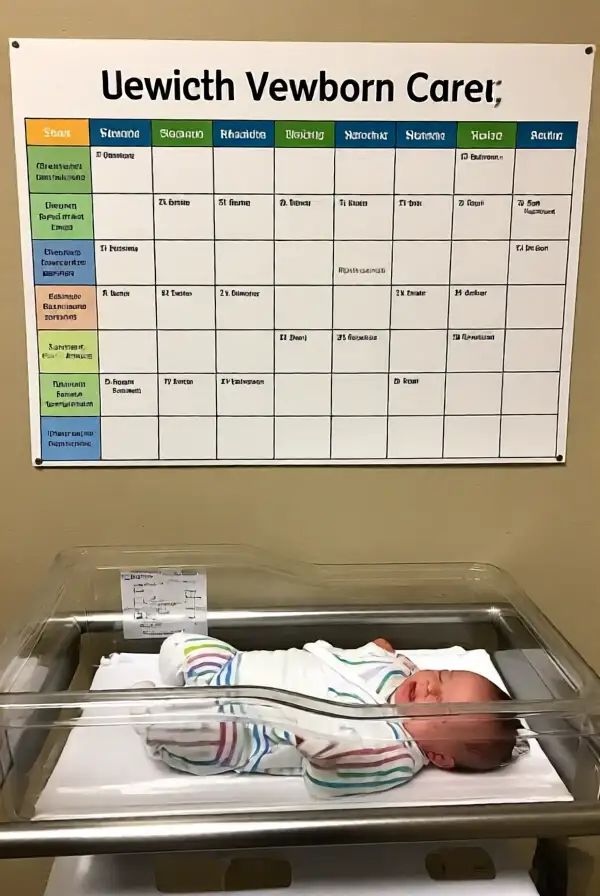
Creating a daily routine can be a helpful way to introduce structure into your new life with a baby. Regular feeding times, sleeping, and play sessions can help your baby feel secure and understand what to expect throughout their day. It also grants you a moment of planning and organization.
Flexibility is essential, as babies can be unpredictable. Therefore, be prepared to adapt your established routine, as the best plans may need adjusting to your baby’s individual patterns and needs. A good balance between routine and flexibility will be beneficial for both of you.
Engaging with Your Baby

Interaction is vital for your baby’s brain development. Singing, talking, and playing games can help stimulate their senses and encourage bonding. Simple activities like holding your baby’s gaze and smiling can strengthen this connection and also promote emotional wellness.
Consider introducing toys and books in a mild, engaging manner. Colorful visuals and safe, soft toys can captivate their attention and nurture their curiosity. Engaging with your baby promotes their emotional and cognitive development as they grow.
Recognizing Developmental Milestones

Developmental milestones are significant markers in your baby’s growth, from their first smile to rolling over. Being aware of these milestones can help parents celebrate achievements and understand what to look for as their little one progresses. Each baby’s timeline is different, so avoid comparisons, as every child develops at their own pace.
Keep an eye on your baby’s response to sounds, their reach for objects, or when they start making cooing noises. Tracking these developmental stages can ensure you seek support if any concerns arise. Engage with your pediatrician whenever uncertain about your child’s growth.
Staying Calm During Challenges

Parenthood often comes with challenges that can be stressful. Learning to manage your stress is crucial, as staying calm greatly benefits both you and your baby. Establishing support from family, friends, or parent communities can provide comfort and assistance during difficult times.
Additionally, taking short breaks for self-care moments can significantly enhance your well-being. A calm environment for you translates to a calmer home, positively impacting your baby’s development and happiness.
Creating a Supportive Environment

A supportive environment is key for both parents and infants. Surround yourself with those who uplift you and foster positive energy at home. Utilize community resources, such as parenting groups or online forums, where you can share experiences or seek advice.
Maintaining open communication with your partner about parenting roles enhances the family dynamic. Sharing responsibilities fosters teamwork and a sense of partnership that assures your baby of a nurturing environment.
Preparing for Outsider Interactions

As new parents, preparing for visitors can ease anxiety about bringing your newborn into social situations. It’s perfectly normal to set boundaries and take time before introducing your baby to many people. Gauge your comfort level and communicate it to friends and family.
When comfortable, consider scheduling visit times or creating guidelines for interactions that make you feel at ease. Protecting your infant while fostering connections with loved ones can be a great balance during early parenthood.
Investing in Baby Gear

When welcoming a newborn, the right baby gear makes day-to-day life smoother. From strollers and car seats to baby monitors and swaddling wraps, invest in quality essentials that will simplify your routine. Do thorough research to find products that align with your needs and values.
Purchasing second-hand items or borrowing from friends can also be an economical approach without compromising on quality. Just ensure all baby gear adheres to safety standards for peace of mind.
Learning About Baby Care Resources

Countless resources are available for new parents, from books and apps to classes and online forums. Familiarize yourself with reliable sources that provide trustworthy information on infant health and development. These resources can decrease anxiety and build your confidence as a new parent.
Consider joining parenting classes for hands-on experience and guidance from experts. Connecting with other parents in similar situations can provide camaraderie and additional support during this transformative time.
Building a Connection with Your Pediatrician

A good relationship with your pediatrician can significantly impact your parenting experience. Regular visits and open discussions with your pediatrician help establish trust. Feel free to discuss questions regarding health, feeding, or development without hesitation.
Maintaining a collaborative partnership ensures you get the best advice for your baby’s well-being. A strong connection with healthcare providers contributes positively to your confidence and approach to parenting.
Planning for the Future

As new parents, it’s essential to think ahead regarding your baby’s future. Consider setting goals for your child’s education, health, and personal growth as they grow older. Planning can help frame how you prioritize these aspects throughout their early years.
Additionally, creating a savings plan or account dedicated to your child’s future needs can ease financial pressure. Start early, and don’t hesitate to seek financial advice on the best way to manage your child’s future expenses.
Celebrating Your Parenting Journey

Lastly, take the time to celebrate your parenting journey. From tiny milestones to shared moments, appreciate the beauty in these experiences. Documenting memories, whether through photos or journaling, can help you reflect on your growth as a parent.
Remember, nurturing your little one also requires nurturing yourself. Embrace these moments, and seek joy in your journey as a new parent. Cherish the love and growth this new chapter brings to your life.