
Understanding the key reading milestones for first graders is essential for parents and educators. These milestones provide valuable benchmarks for assessing a child’s reading development. With engagement and the right tools, children can reach these important checkpoints and foster a love for reading.
Recognizing Letters and Sounds
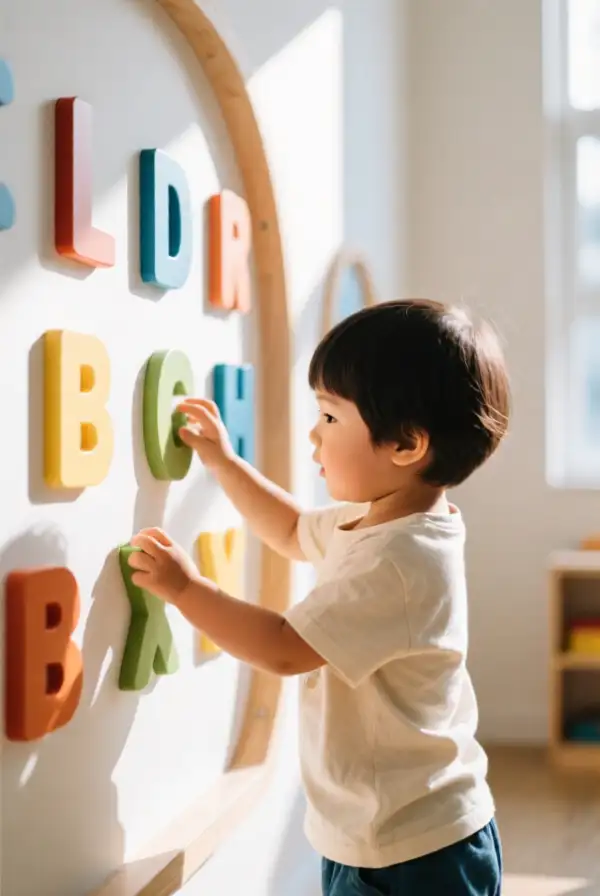
The first milestone in reading development involves recognizing letters and their corresponding sounds. Children learn to identify various letters in both uppercase and lowercase forms and begin to associate sounds with each letter. This foundational skill is crucial for building their reading proficiency.
By practicing alphabet songs and engaging with interactive letter games, children can become more familiar with letters. Encouraging them to point out letters in their environment can also enhance their learning experience.
Building Vocabulary
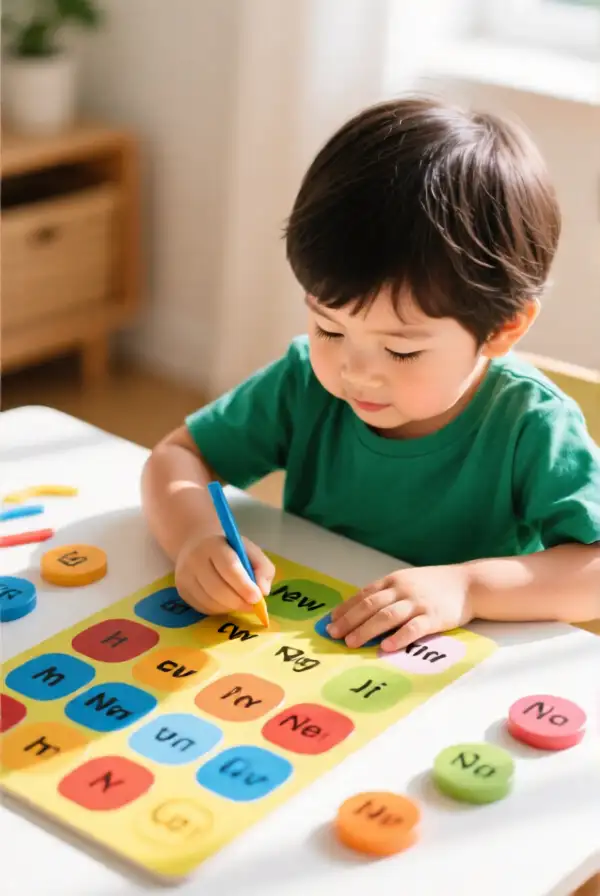
Expanding vocabulary is an essential reading milestone as it allows children to understand and use a larger range of words. At this stage, children should be encouraged to learn new words through exposure to books, conversations, and word games.
Parents can facilitate vocabulary development by discussing new terms encountered in stories and encouraging their first graders to express themselves using these words in sentences. This interaction helps solidify their understanding and retention of new vocabulary.
Understanding Simple Sentences
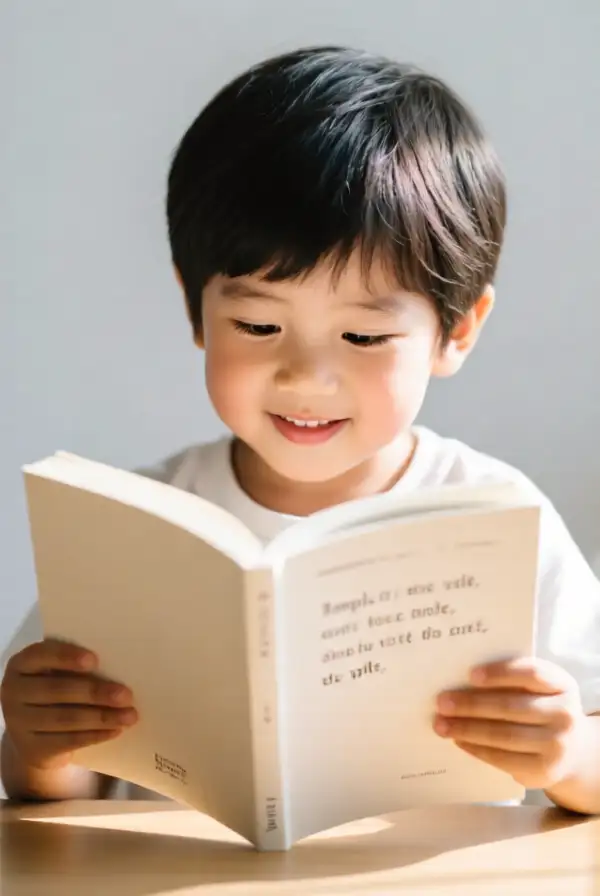
As children progress, they move from recognizing letters and words to understanding simple sentences. This involves grasping the meaning of basic sentence structures and the role of punctuation. It’s crucial for children to practice reading short sentences early on.
Reading age-appropriate books and performing read-aloud sessions can significantly aid comprehension skills. Parents and teachers should encourage children to narrate the plot to discuss key details and the overall message of the sentences they read.
Developing Reading Fluency
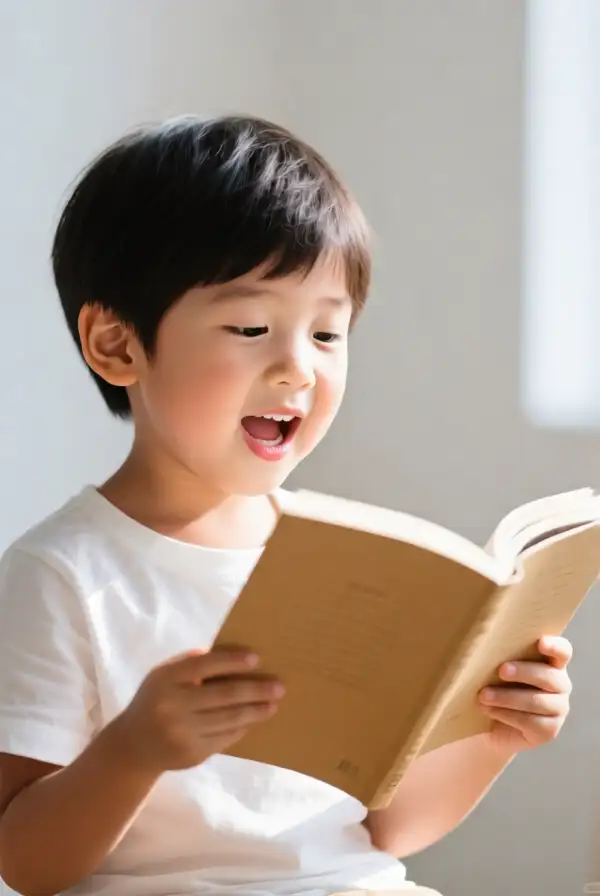
Reading fluency involves the ability to read smoothly and with expression. First graders should practice reading aloud to build their confidence and fluency. This milestone showcases their ability to read without pausing excessively, thus improving their overall comprehension.
Incorporating repeated reading of familiar texts can enhance fluency. Activities like paired reading or even performing a mini play with characters from a story can make practicing fluency fun and engaging.
Making Predictions
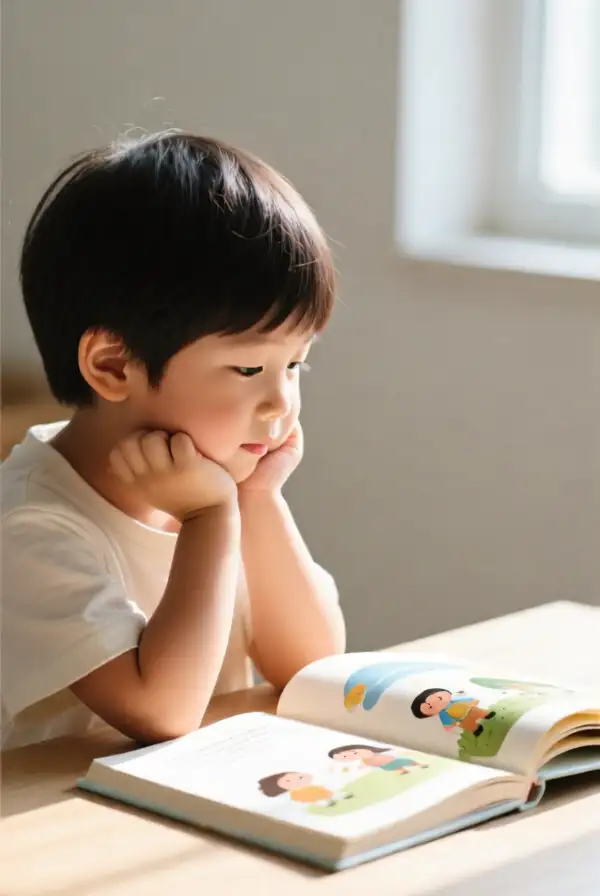
Making predictions involves using clues from the text and illustrations to anticipate what happens next in a story. First graders should be encouraged to think ahead as they read by asking questions about the context and possible outcomes.
This critical thinking skill can be developed by discussing the cover art and reading the blurbs before diving into a story. Encouragement of such habits promotes a playful approach to reading while enhancing comprehension skills.
Drawing Connections
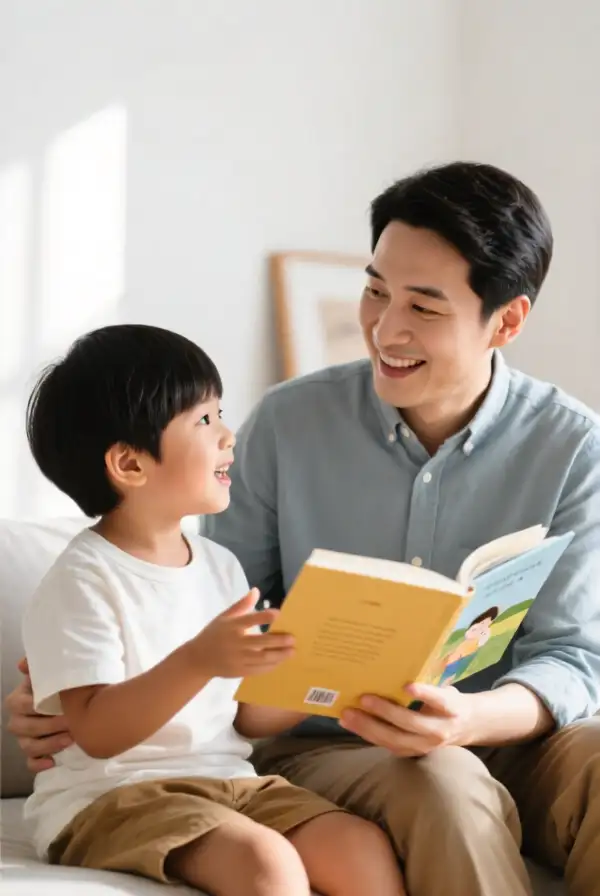
Children at this level should begin to draw connections between the stories they read and their own experiences or other texts. This milestone nurtures empathy and critical thinking as they reflect on what they read.
Teachers and parents can enhance this skill by probing children with questions about how a story relates to their own life experiences. Such connections make reading more personal and enjoyable for young learners.
Summarizing Stories
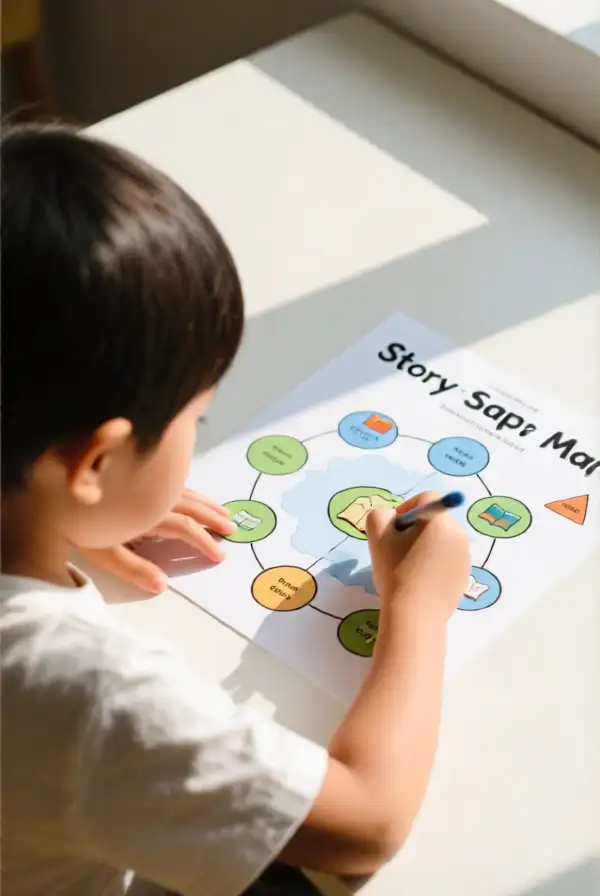
Being able to summarize stories is a crucial skill for first graders. This includes identifying main ideas and recalling key events from a story. Summarizing helps solidify comprehension and prepares children for more complex texts.
Story mapping and graphic organizers can be excellent tools for assisting children in summarizing. Parents might read a story together and then ask their child to recount the plot and main points to practice this skill.
Identifying Characters and Settings
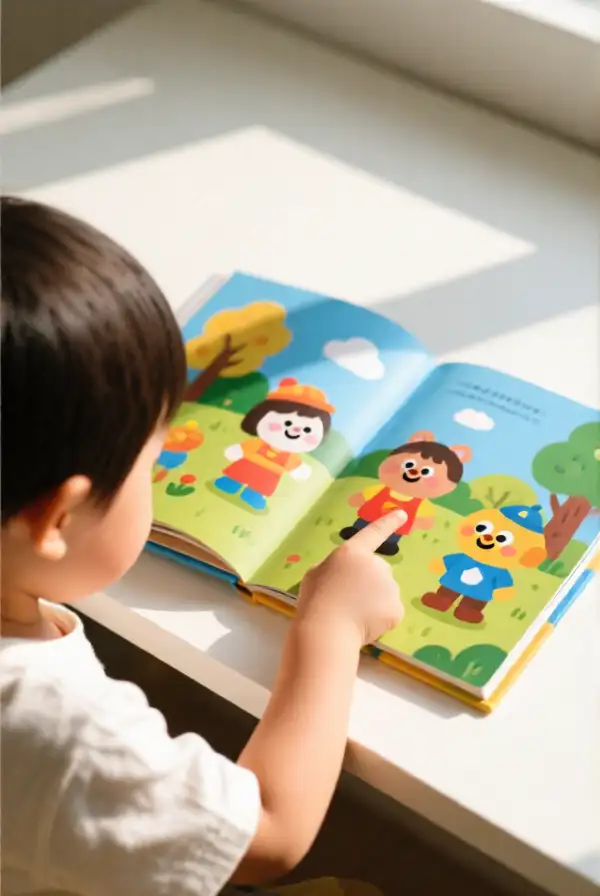
Another important milestone is the ability to identify characters and settings in a story. First graders should be able to discuss who the main character is and where the story takes place. This builds a foundation for their understanding of narrative structure.
Engaging children in discussions about characters and settings can spur their creative thinking. Asking questions like, “Why do you think the character did that?” is beneficial for comprehension and engagement.
Recognizing Sight Words
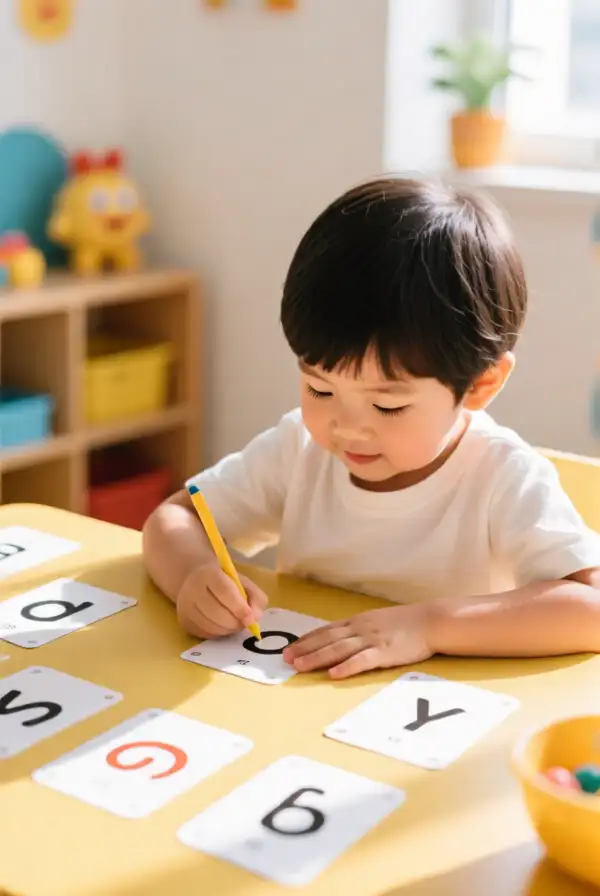
Sight words are high-frequency words that readers should recognize instantly without needing to sound them out. Mastery of these words allows first graders to read more fluently and confidently.
Using flashcards and sight word games can help reinforce recognition of these essential words. Regular practice of sight word activities can make this learning process fun and effective.
Exploring Different Genres

First graders should also be introduced to various genres of literature, such as fiction, nonfiction, poetry, and fairy tales. This exploration broadens their understanding of different writing styles and fosters a richer reading experience.
Parents can facilitate genre exploration by providing access to books from diverse genres and encouraging conversations about them. They can also lead discussions on preferred story types to enhance engagement and knowledge of narrative styles.
Understanding Themes and Morals

Understanding the themes and morals in stories adds another layer of comprehension. First graders should be able to discuss the messages that stories convey and how they relate to their own lives.
Encouraging children to express their thoughts about the moral of a story helps deepen their critical thinking skills. Engaging in discussions about character choices and their consequences can instill valuable life lessons.
Answering Questions About Texts
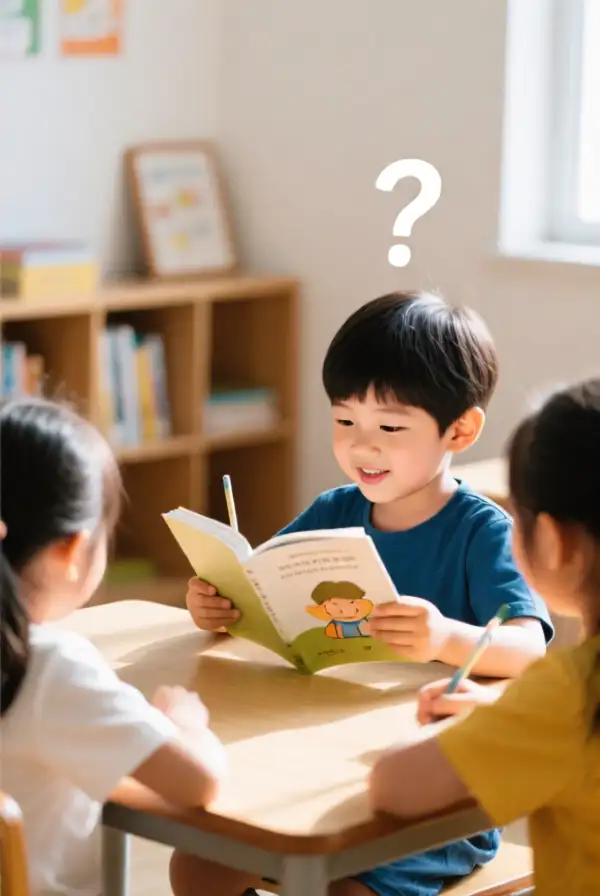
The ability to answer questions about the text reflects a child’s comprehension level. First graders should be prompted to answer questions that require both recall of details and thoughtful responses regarding the story’s meaning.
Teachers can support this skill by asking open-ended questions during reading sessions. Encouraging dialogue will help first graders articulate their understanding and fortify their comprehension skills.
Using Context Clues
Using context clues to infer meaning is a significant milestone that enhances comprehension. Children should be encouraged to look for clues in the surrounding text to better understand unfamiliar words or phrases.
Practicing this skill can involve shared reading experiences where parents can guide children in identifying context clues as they encounter new vocabulary. This interactive method fosters a more profound understanding of the text.
Practicing Retelling
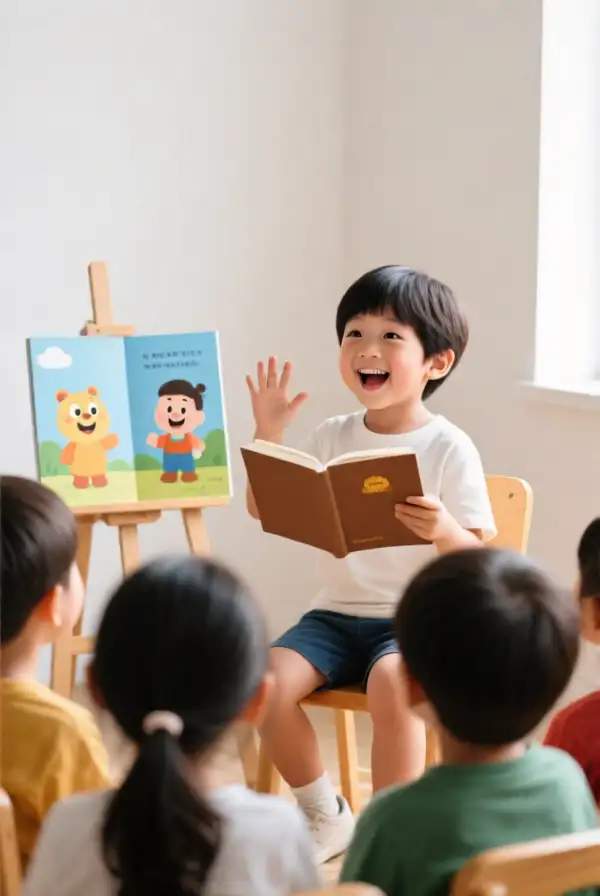
Practicing retelling stories reinforces comprehension and narrative skills. First graders should be able to recount stories in their own words, capturing the essence of the plot while using their vocabulary.
Parents can enhance retelling skills by encouraging children to narrate stories after they have read them. This can be complemented by drawing or acting out parts of the story to reinforce their recall and understanding.
Exploring Illustrations
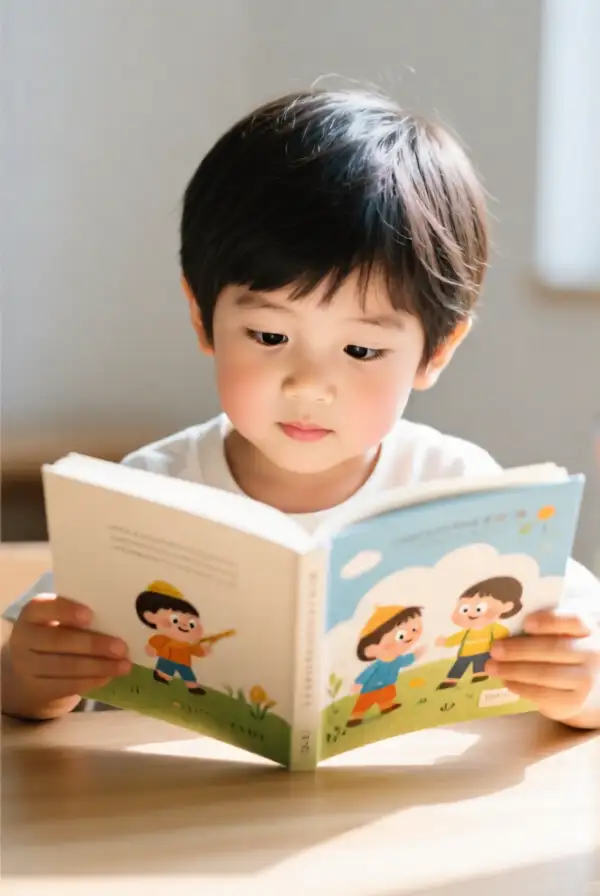
Illustrations play a crucial role in storytelling, especially for first graders. Children should be taught to explore illustrations to interpret narratives and understand the emotions conveyed through images.
Facilitating discussions about the illustrations can enhance comprehension. Asking questions about how the pictures relate to the text can help children make deeper connections and inspire their imagination.
Recognizing Patterns in Text
First graders should also be able to recognize patterns in texts, which often appear in repetitive structures or rhymes. This recognition aids in predicting and comprehending how stories develop.
Reading repetitive books can help children develop this skill. Parents can choose books that use rhyme or repeated phrases to make reading enjoyable while strengthening text recognition.
Connecting Stories to Culture
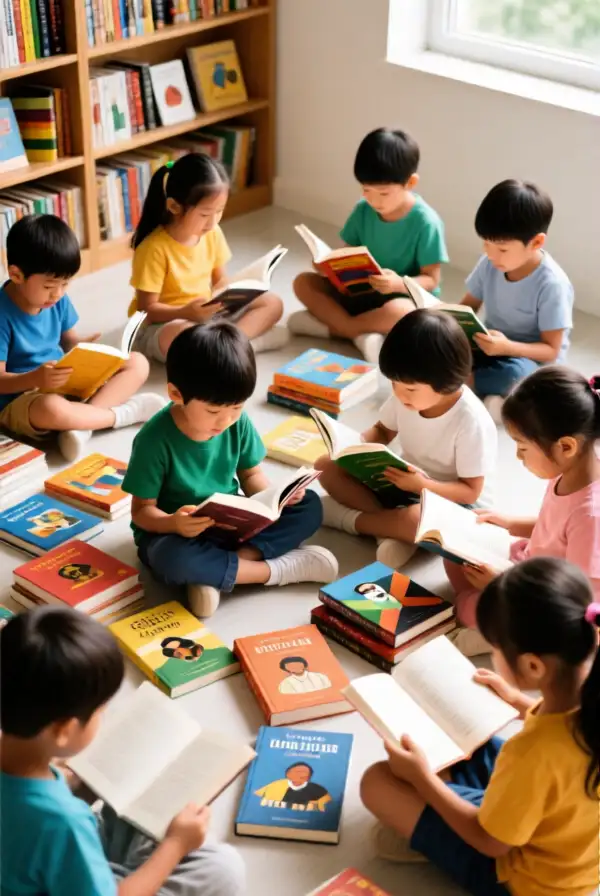
Connecting stories to cultural contexts enables first graders to appreciate diversity in literature. Children should be exposed to stories from various backgrounds to broaden their understanding of different cultures and perspectives.
Parents and educators can encourage children to reflect on the cultural elements they encounter. Purchasing diverse books and discussing their significance can greatly support this milestone.
Engaging with Audiobooks

Finally, listening to audiobooks is an effective way for first graders to experience stories and develop listening comprehension. This exposure can introduce them to new vocabulary and storytelling styles.
Incorporating audiobooks into daily routines allows children to enjoy narratives even when they may be too tired to read. Discussing audiobooks can deepen their understanding and connection with the stories.
Reading milestones are achieved at different paces, and encouraging first graders as they progress is essential. Engaging with reading through varied activities and discussions helps nurture a love of literacy that can last a lifetime.