
Creating a family garden is a wonderful way to bond with your loved ones while enjoying the beauty of nature. From colorful flower beds to practical vegetable patches, there are numerous ways to cultivate a space that brings joy and grows memories. Here are 22 easy ideas to inspire your family’s gardening adventure.
1. Plant a Vegetable Garden
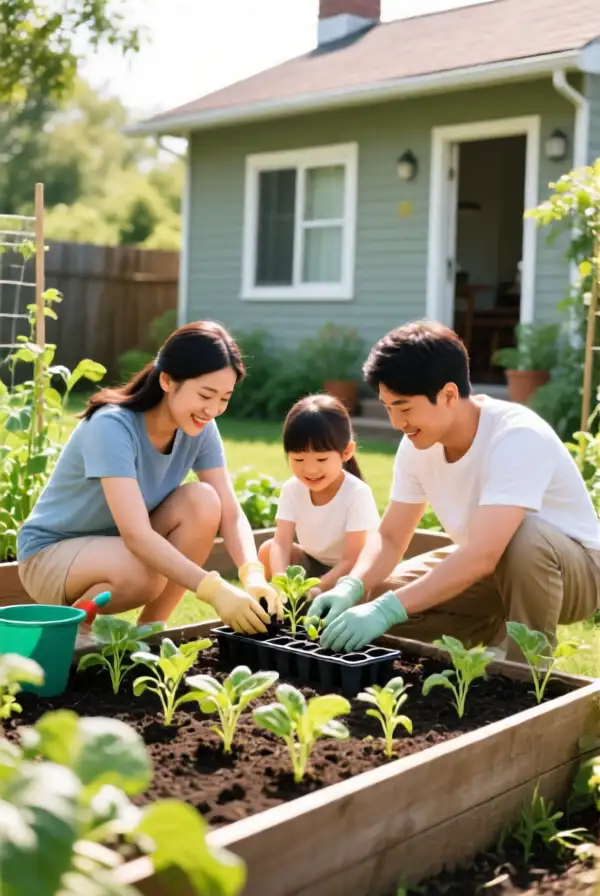
Starting a vegetable garden is both rewarding and educational for families. Choose easy-to-grow vegetables like tomatoes, carrots, and lettuce. Engaging kids in planting, watering, and harvesting teaches them valuable life skills and a sense of responsibility.
Furthermore, incorporating raised beds can make gardening easier for children and adults alike. This structure keeps plants organized and allows for better soil control, ensuring a fruitful harvest that the whole family can enjoy together.
2. Create a Flower Bed
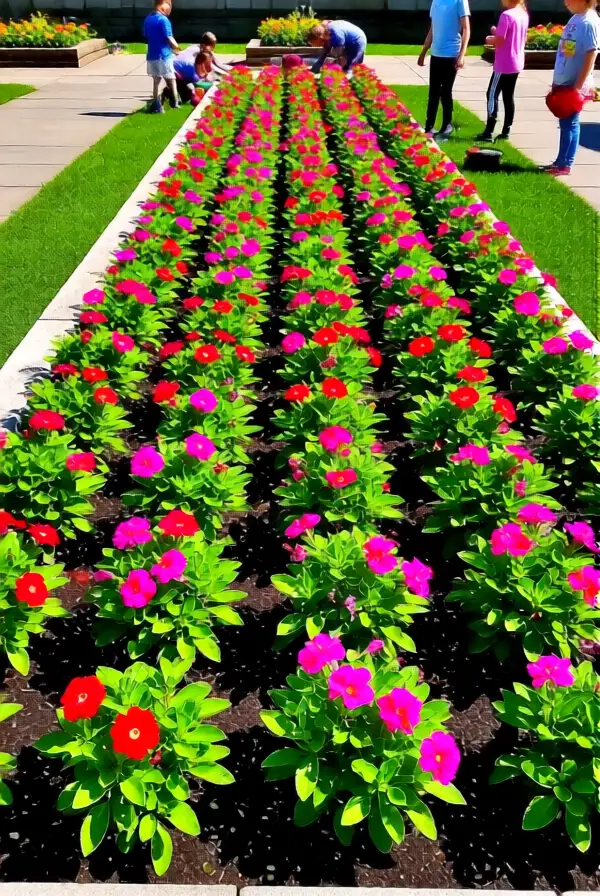
Encourage creativity by designing a colorful flower bed. Involve your family in selecting annuals and perennials with varying heights and colors. It’s a great way to learn about different plant types while beautifying your yard.
Flower beds can attract butterflies and bees, thus enhancing the garden’s pollinator-friendly environment. This will not only bring beauty but also teach children about the importance of these creatures in our ecosystem.
3. Build a Compost Bin
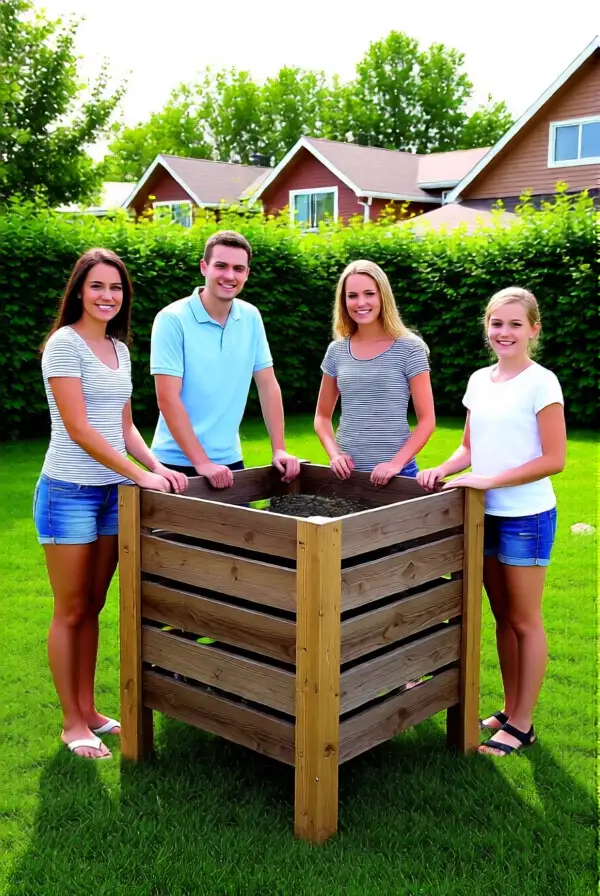
A compost bin is an excellent project for families looking to reduce waste while enriching their garden soil. Educate your family on what materials are compostable, and let them help gather kitchen scraps and yard waste.
Composting teaches sustainability and encourages eco-friendly practices. Over time, the enriched soil can be used to nourish the family garden, creating a closed-loop system that benefits everyone.
4. Install a Butterfly Garden
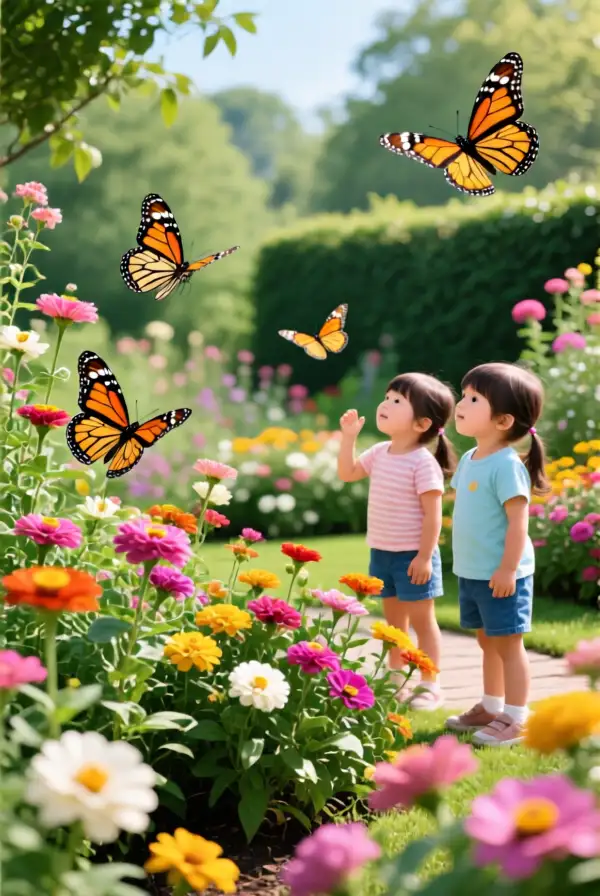
Designating a section of your garden as a butterfly habitat is an enchanting idea. Choose native flowering plants that attract these beautiful creatures to your yard. It’s a calming activity for families to watch butterflies flutter around as they snack on nectar.
This project can become an adventure each season as different species arrive. Encouraging children to document their finds can foster curiosity about nature and inspire a love for gardening.
5. Create a Herb Spiral
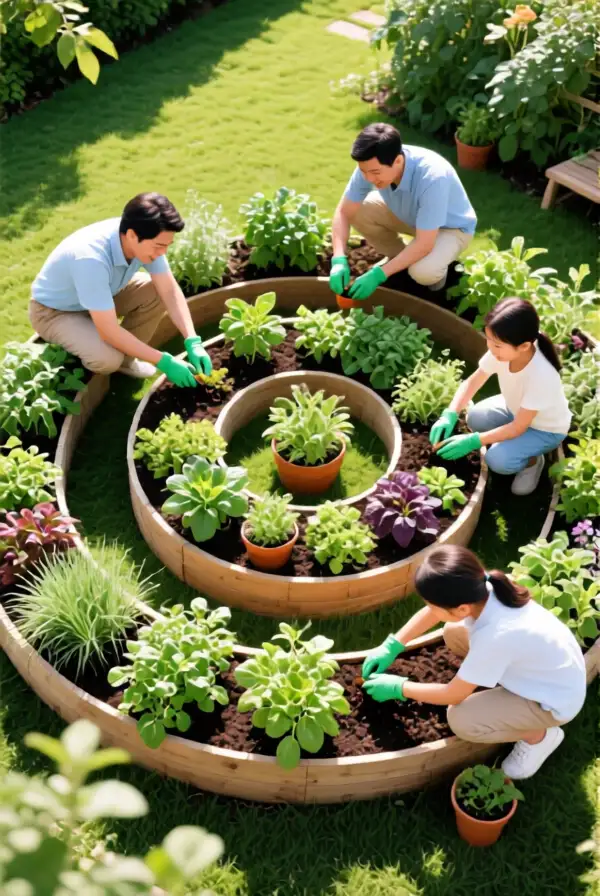
A herb spiral is a unique way to grow various herbs in a compact space. Family members can help stack rocks or bricks to create a spiral structure, maximally utilizing vertical space. Fill each level with different herbs like basil, mint, and rosemary.
This method also promotes biodiversity by creating microclimates. Families can enjoy the benefits of fresh culinary herbs while bonding over shared gardening duties.
6. Build a Birdhouse
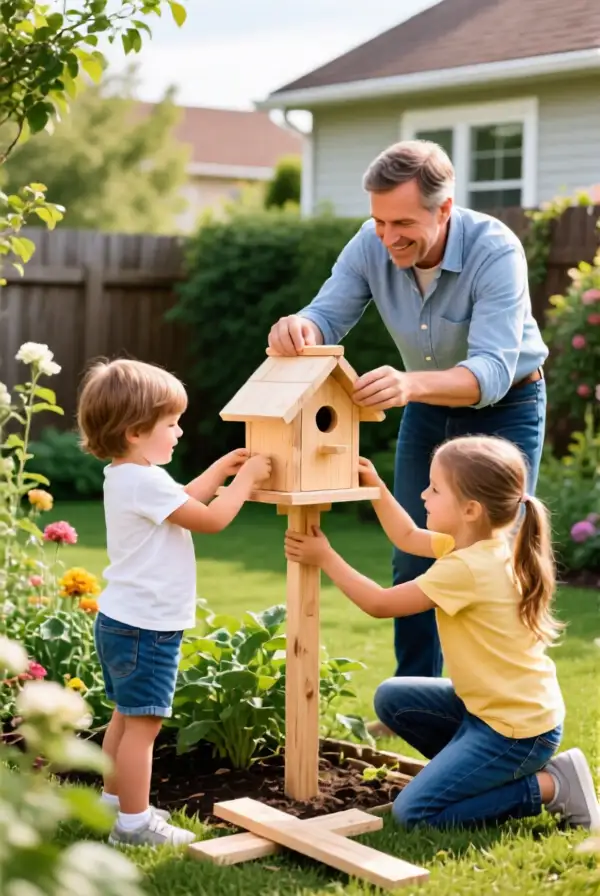
Including a birdhouse in your garden adds charm and purpose. Involve the entire family in the construction process, utilizing simple materials and basic tools. Painting the finished birdhouse can be a fun artistic touch!
This project encourages kids to observe wildlife while learning about local species. Having birdhouses can foster a greater appreciation for nature and its inhabitants.
7. Start a Straw Bale Garden
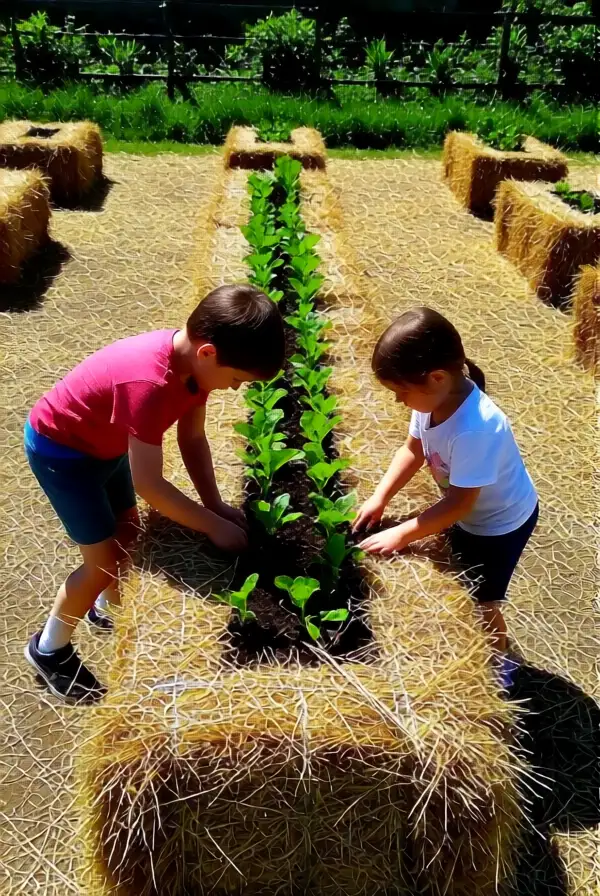
A straw bale garden is an innovative way to grow vegetables without traditional soil. This method allows families to plant directly into nutrient-rich bales. It’s a fun way to demonstrate sustainable gardening practices that require minimal investment and upkeep.
This idea is excellent for families limited on space or with poor soil quality. Children will love watching their vegetables grow in an unconventional setting!
8. Create a Sensory Garden
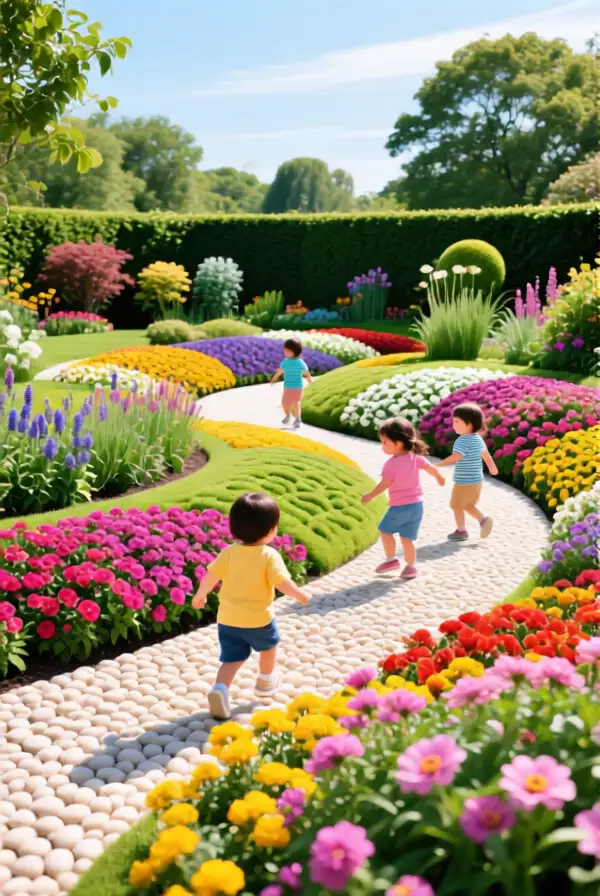
A sensory garden is designed to engage all of the senses, making it a special project for families. Include a variety of plants with different textures, colors, and scents. Think of herbs, flowers, and even edible plants.
This interactive space not only invites play but also serves as an educational tool for teaching kids about different sensory experiences in nature. It’s ideal for families with little children or those looking to enhance cognitive skills.
9. Plant a Citrus Tree

Planting a citrus tree, like a lemon or orange tree, provides both beauty and delicious fruit. Families can work together to plant and care for these trees, learning about patience and growth.
Over time, they not only get to enjoy the fruits of their labor but also teach kids about seasonal change and the importance of caring for living things. Plus, fresh citrus is a healthy treat for the whole family!
10. Create an Edible Landscape
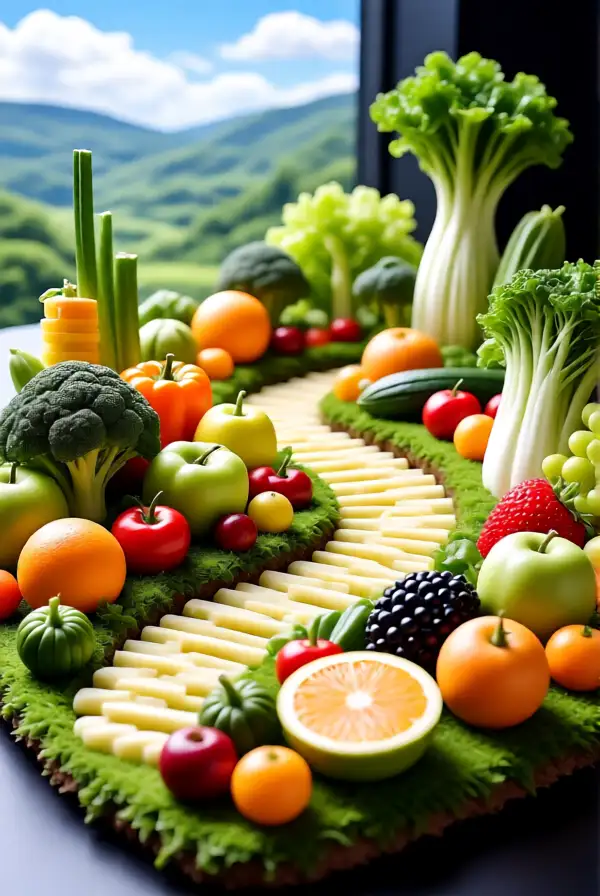
An edible landscape blends beauty and functionality. Families can integrate fruits, vegetables, and edible flowers throughout their landscape design, creating a visually stunning and productive garden.
This allows for a unique family bonding experience through meal preparation, where the children get to experience cooking with ingredients they have grown themselves.
11. Set Up a Garden Play Area
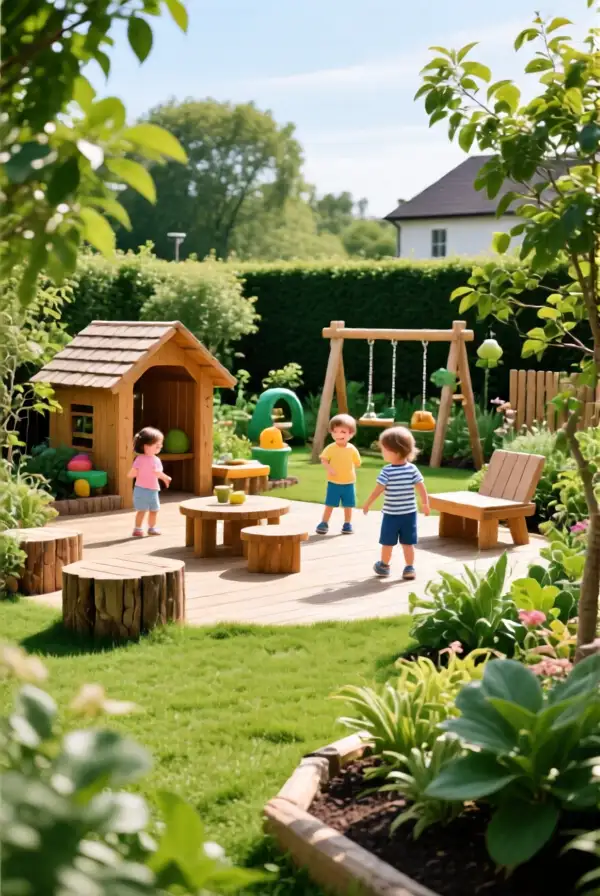
Incorporate a play area within the garden, providing children with a fun space to enjoy nature. Use natural materials to create a simple play structure or designate a specific area for play equipment.
This encourages physical activity while ensuring children are surrounded by greenery and the relaxing atmosphere of the garden. It’s an essential outdoor space for families to unwind and connect.
12. Host a Garden Picnic
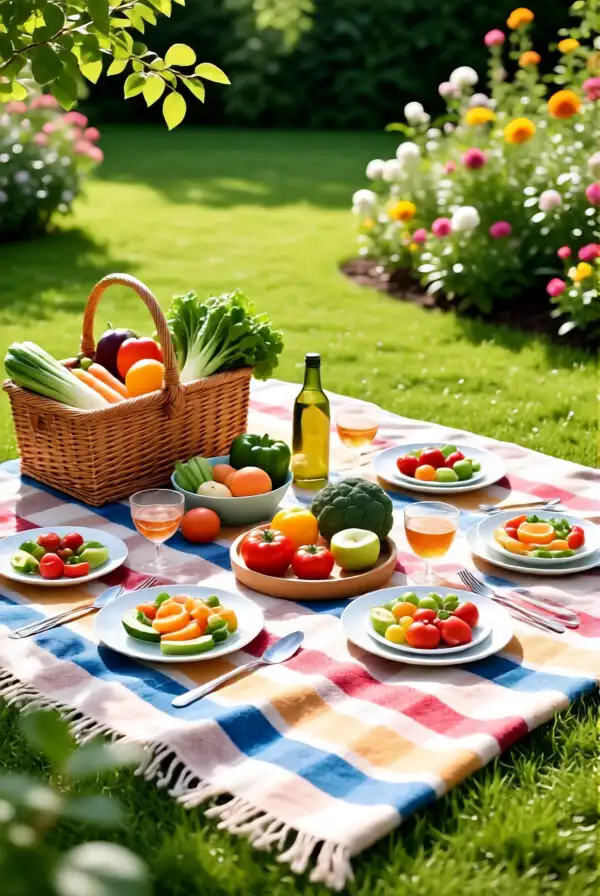
Turn your garden into a picnic spot! Spread a blanket and enjoy meals made from your home-grown produce. Involve your family in choosing dishes that feature garden delights, making it special.
This not only bonds family members but also instills a love for the fruits of their labor. Imagine the laughter and fun shared in your cozy garden while enjoying a meal together.
13. Create a Wildlife Habitat
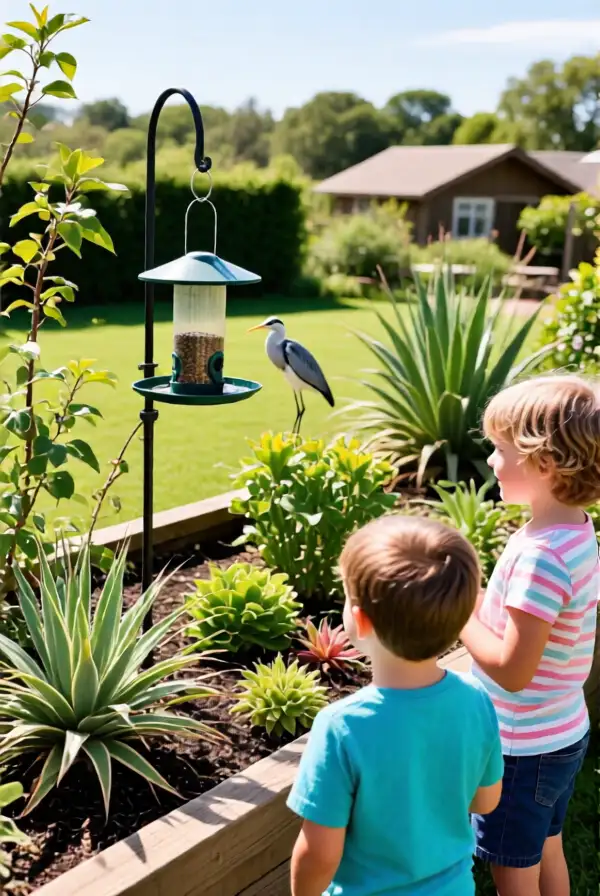
Designing a wildlife habitat encourages families to support local wildlife. Plant native flowers, install bird feeders, and add water sources to attract various species to your garden.
This invaluable hands-on experience helps children learn about ecosystems and the importance of biodiversity, all while enjoying wildlife interactions within their garden.
14. Start a Seed Library
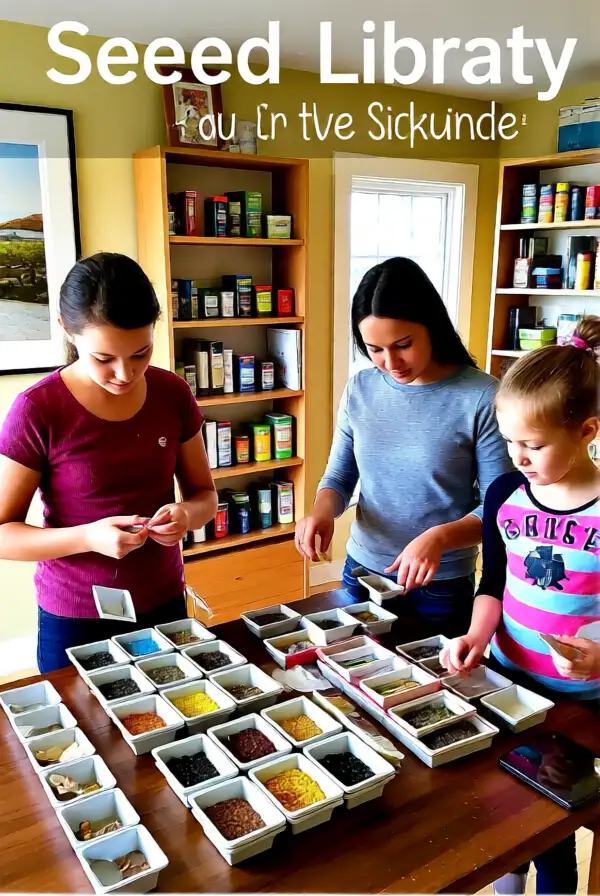
Establish a family seed library where everyone can share and swap seeds. Involve everyone in collecting, organizing, and labeling seeds from their favorite plants to encourage growing diversity in the garden.
This creates a sense of community and responsibility, as families learn about preserving genetic diversity. Children can find excitement in planting and waiting to see what grows each season!
15. Make a Garden Journal
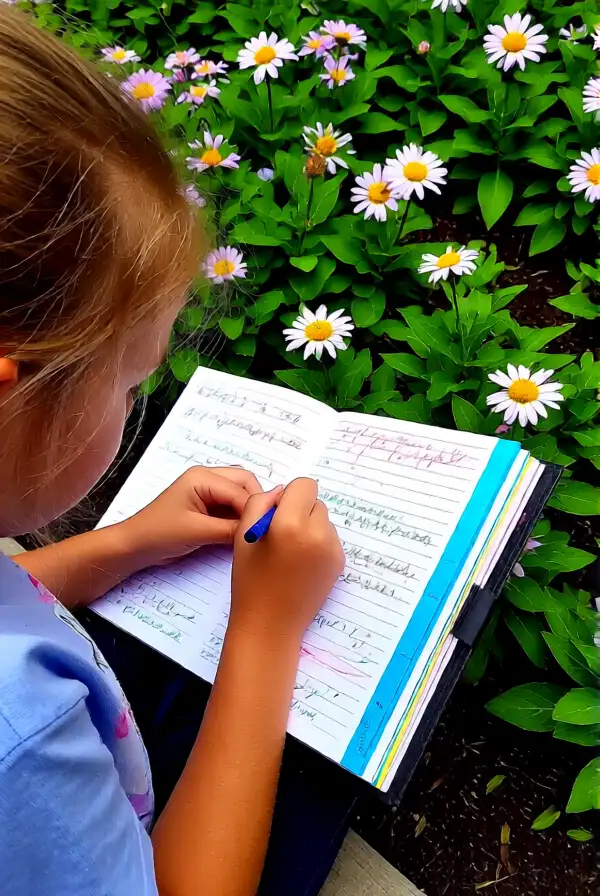
Creating a garden journal is a fun way for families to document their gardening journey. Include notes on plant growth, weather patterns, and personal reflections about time spent in the garden.
This promotes a sense of accountability and encouragement among siblings as they gather their thoughts and future goals for the garden. Plus, returning to the journal over the years can spark fond memories!
16. Interplant Flowers with Vegetables
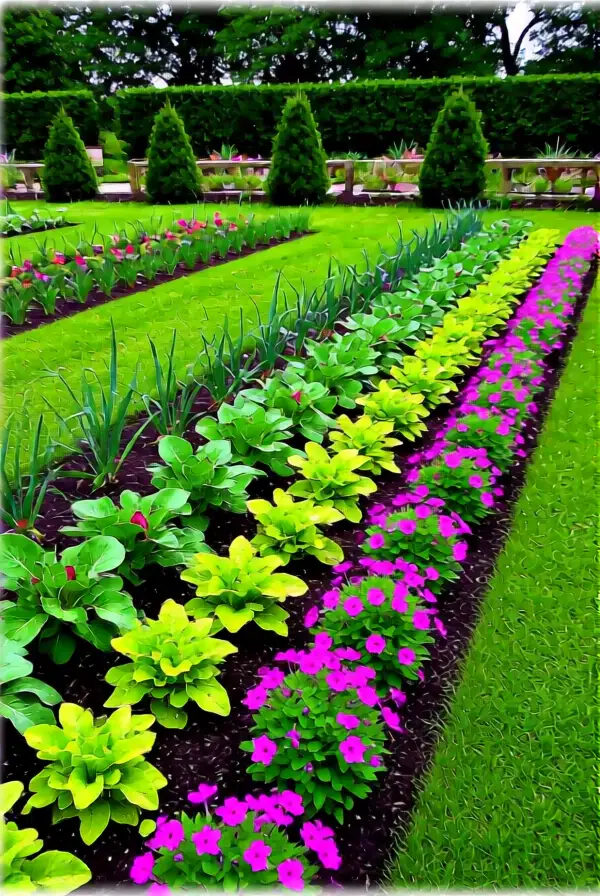
Interplanting flowers alongside vegetables not only enhances the garden’s appeal but also benefits the plants. Families can trial companion planting, which helps deter pests while promoting plant health.
Children can learn about the relationship between plants and the ecosystem around them. This mutually beneficial strategy ensures a lush, productive garden through teamwork.
17. Build a Fairy Garden
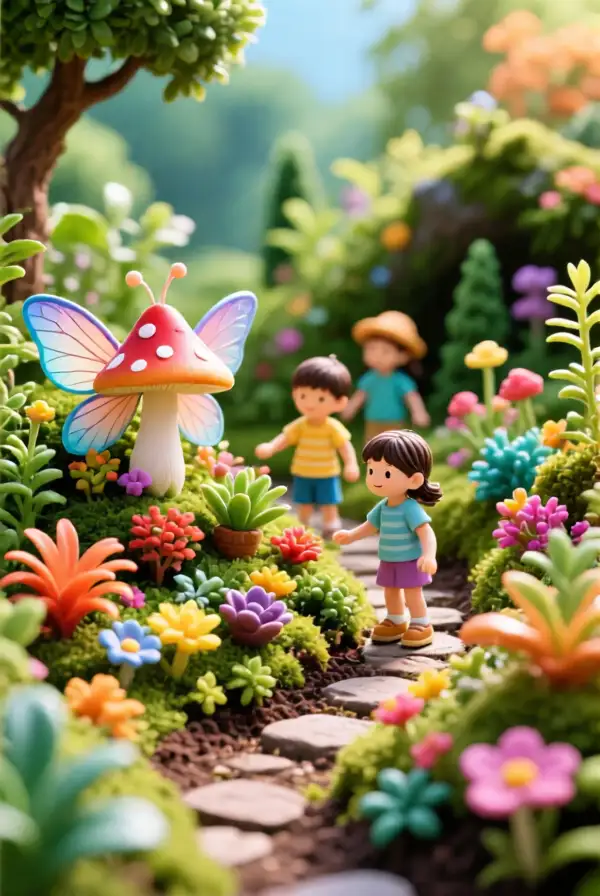
A fairy garden is a magical addition to any family garden. Include miniature plants, stones, and whimsical accessories to create an enchanting landscape that sparks the imagination of young minds.
This delightful project encourages creativity and nurtures a sense of wonder. Kids can take turns caring for their fairy garden, fostering responsibility in a fun setting.
18. Plant a Tree Together
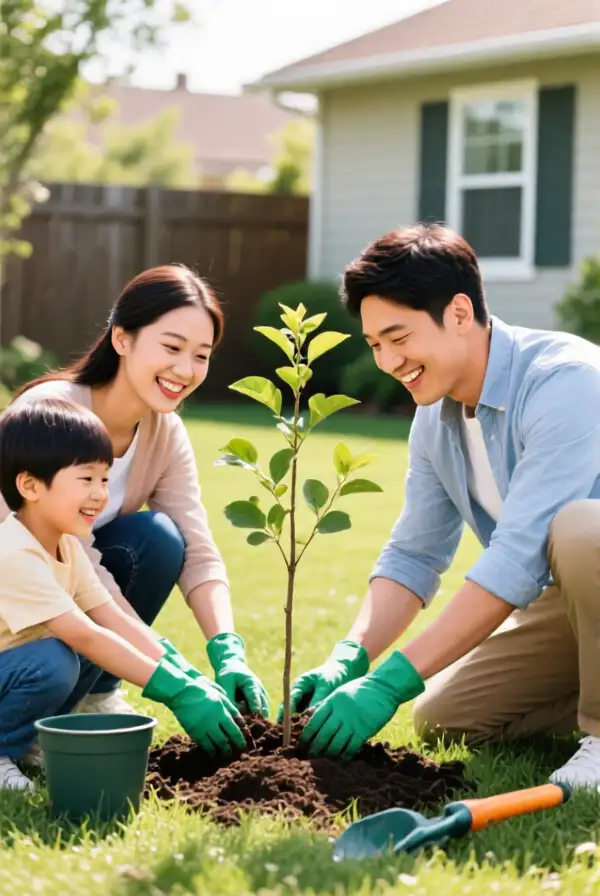
Planting a tree as a family is a significant symbolic act. Choose a tree species native to your area, and involve everyone in digging, planting, and caring for their new tree.
As it grows, the tree becomes a living memory of family moments spent together, teaching children about commitment, patience, and the beauty of growth over time.
19. Create a Raised Garden Bed
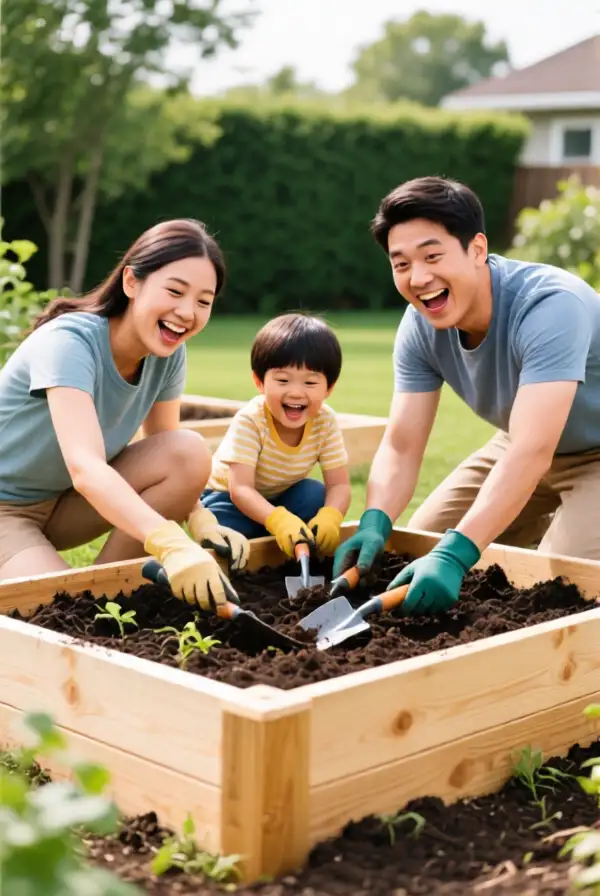
Raised garden beds are excellent for families who want an organized garden. They can be placed anywhere and help control soil quality, making maintenance easier.
Pair up family members to build, fill, and plant the raised beds with chosen vegetables or flowers. This teamwork fosters communication skills and instills pride in shared accomplishments.
20. Install a Rain Garden
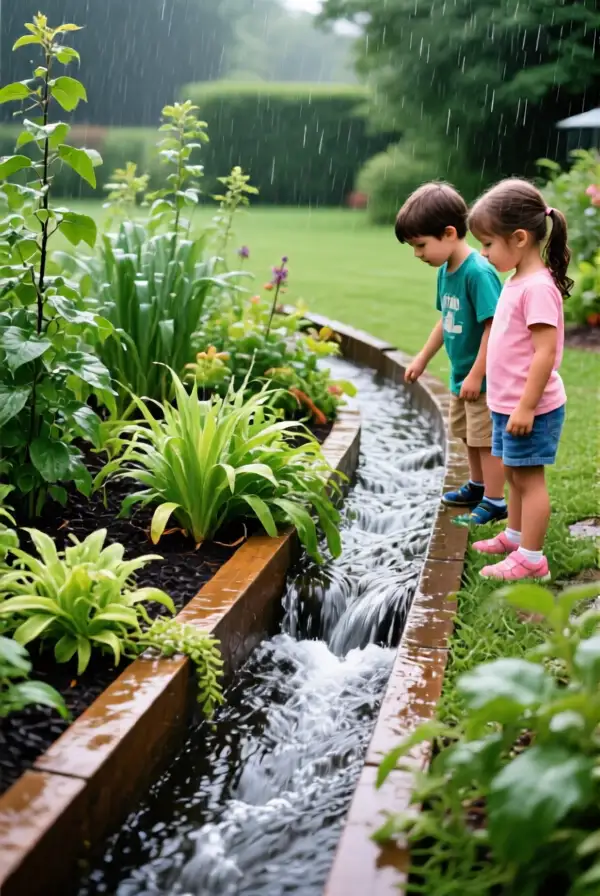
A rain garden helps manage stormwater runoff and is a productive way to engage families with environmental awareness. Together, families can design and plant native species to create a vibrant rain garden.
This serves as a practical lesson about local ecosystems, and it’s a fulfilling experience to witness plants thriving due to natural rainfall.
21. Decorate with Garden Art
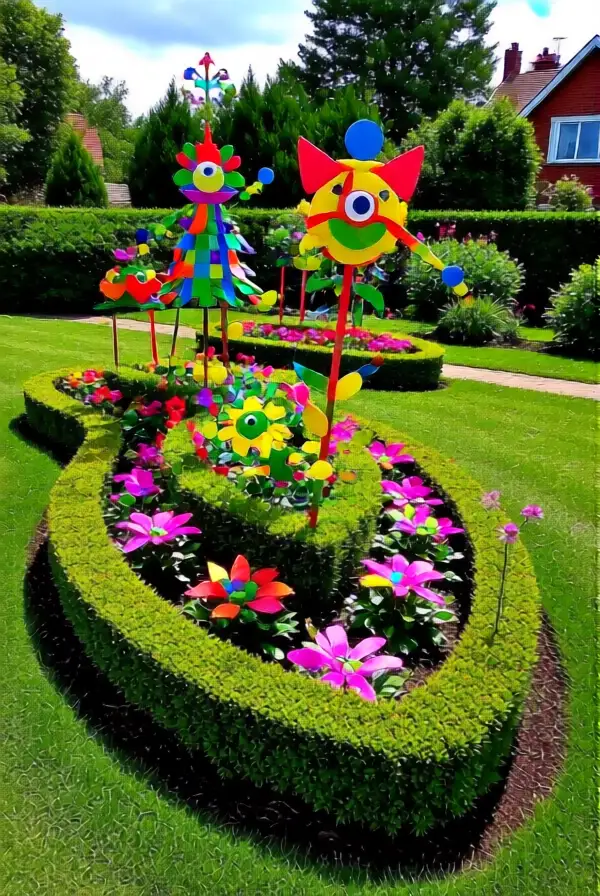
Adding artistic elements can elevate any garden space. Encourage family members to create their garden art, such as painted stones, sculptures, or wind chimes, to personalize the area.
This creative outlet allows each member to express their individuality, resulting in a unique garden that reflects the family’s personality and taste.
22. Host a Garden Day
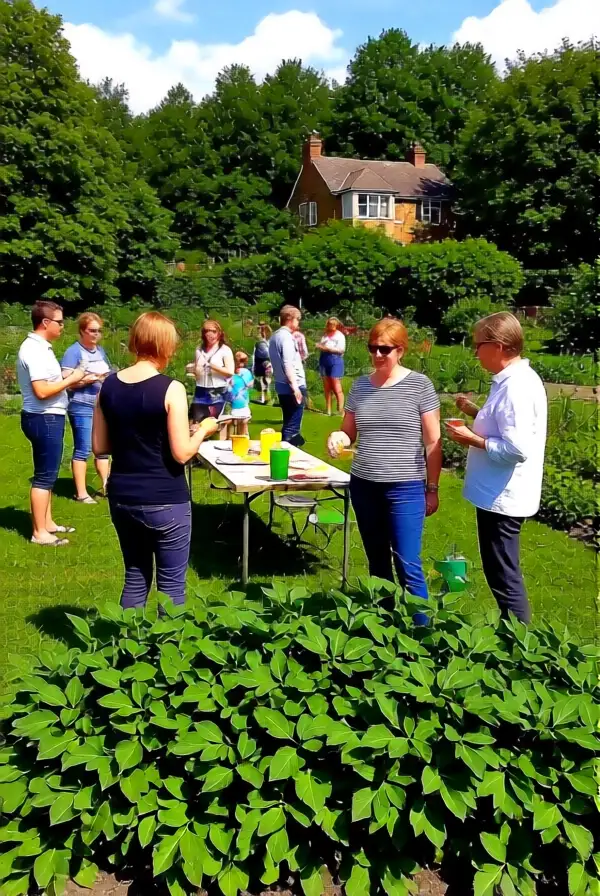
Whether it’s a planting day, harvest festival, or simply a get-together, hosting a garden day can strengthen family bonds. Invite friends and neighbors to share in the joy of gardening together!
Such events create cherished memories as families come together around food, plants, and laughter, ultimately fostering a stronger sense of community.
With these 22 easy family garden ideas, everyone can enjoy the rewards of working together in nature. Embrace each season and cherish the time spent nurturing both your garden and your relationships.