
In a world filled with fast food and sugary snacks, maintaining a healthy diet can be a challenge. This post explores 22 practical tips to promote healthier eating habits. By incorporating these strategies into your daily life, you can inspire yourself and others to make better food choices that contribute to overall well-being.
1. Start with a Meal Plan
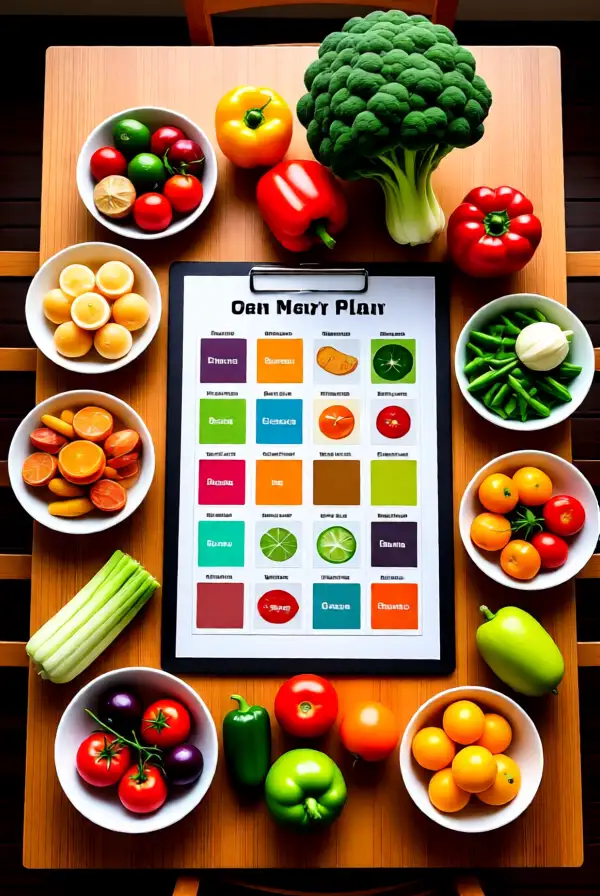
Creating a structured meal plan can help you stay focused on healthy eating. Setting aside time each week to plan your meals allows you to incorporate a variety of nutritious ingredients. A well-thought-out meal plan can also reduce the temptation to opt for unhealthy convenience foods.
Moreover, having a ready-made plan can save time and money spent on impulsive grocery shopping decisions. You can involve your family in the planning process, making it a fun and collaborative activity.
2. Incorporate More Fruits and Vegetables

Fruits and vegetables are essential components of a balanced diet. Aim to fill half your plate with these nutrient-rich foods at each meal. They not only provide vital vitamins and minerals but also boost your fiber intake, which is important for digestion and overall health.
Incorporating a colorful variety of fruits and vegetables can make meals visually appealing and exciting. Try new recipes that highlight seasonal produce, and keep fresh options accessible for easy snacking.
3. Cook at Home More Often

Preparing meals at home allows you to control the ingredients and portion sizes. Home-cooked meals are usually healthier than takeout. Experimenting with different recipes can also help develop your cooking skills.
Consider batch cooking or meal prepping on weekends to ensure you have healthy options available throughout the week. This approach can make a significant difference in maintaining healthy eating habits.
4. Stay Hydrated

Drinking enough water throughout the day is crucial for good health. Sometimes, thirst is mistaken for hunger, leading to unnecessary snacking. Keeping a refillable water bottle handy can serve as a constant reminder to hydrate.
Flavor your water with slices of fruits or herbs to make it more enjoyable. Hydrating foods like soups and salads can also contribute to your overall fluid intake.
5. Practice Mindful Eating

Mindful eating encourages awareness of your food choices and eating habits. Take time to savor your meals, removing distractions like screens and focusing on the flavors and textures. This practice can enhance your meal experience and help you appreciate food more.
Listening to your body’s hunger and fullness cues can also prevent overeating. Make a habit of chewing slowly and enjoying each bite, allowing your body time to signal when it’s satisfied.
6. Replace Sugary Drinks

Sugary beverages can contribute significantly to excess calorie intake without providing any nutritional benefits. Consider replacing soda, sweetened coffees, and energy drinks with healthier alternatives like herbal teas, sparkling water, or infused water.
Getting rid of sugary drinks from your routine can improve your overall health and can lead to better hydration. Making these choices can significantly reduce your sugar intake while still allowing you to enjoy delicious beverages.
7. Involve Family and Friends

Encouraging healthy eating can be easier and more fun when it’s a team effort. Involve your family and friends in the journey by cooking meals together or exploring new healthy recipes. Sharing your goals can foster support and inspiration.
You can organize healthy potlucks, cooking competitions, or even challenges to see who can create the healthiest dish. Engaging others helps create a supportive environment focused on nutritious eating.
8. Educate Yourself on Nutrition

Understanding basic nutrition principles can empower you to make healthier choices. Read books, attend workshops, or explore online resources to increase your knowledge about the nutritional value of foods and beneficial eating habits.
Being informed can help you debunk common myths and choose whole foods over processed options. Tailor your diet according to your unique health needs and preferences.
9. Make Healthy Snacks Available

Having healthy snacks readily available can prevent unhealthy snacking. Stock your pantry and refrigerator with options like nuts, yogurt, fruits, and veggie sticks. When hunger strikes, you will be more likely to reach for nutritious choices.
Prepare your snacks in advance, portioning them into grab-and-go bags or containers. This simple practice can transform your snacking habits and promote healthier eating.
10. Use Smaller Plates

Research suggests that using smaller plates can help with portion control. This simple trick trickles down to the body’s perception of how much we are eating. With smaller plates, your mind might feel satisfied with less food.
This method can significantly play a role in reducing overeating while still enjoying all your favorite dishes. Try this technique at family meals or gatherings to notice a positive difference.
11. Explore New Recipes

Trying new recipes can keep your meals exciting and inspire you to use more healthy ingredients. Look up recipes that center around whole foods and are low in processed ingredients. Cooking from various cuisines can also introduce you to new flavors.
Don’t hesitate to experiment with ingredients you’ve never cooked before. This culinary adventure can help foster a deeper connection to your food and promote healthier choices.
12. Limit Processed Foods

Processed foods can be high in sodium, sugars, and unhealthy fats. Reducing their intake and focusing on whole foods can lead to numerous health benefits. Learn to read labels effectively and choose items with fewer ingredients.
Cooking at home allows you to minimize your reliance on processed products. With just a bit of planning, you can create delicious and satisfying meals with fresh ingredients.
13. Choose Whole Grains
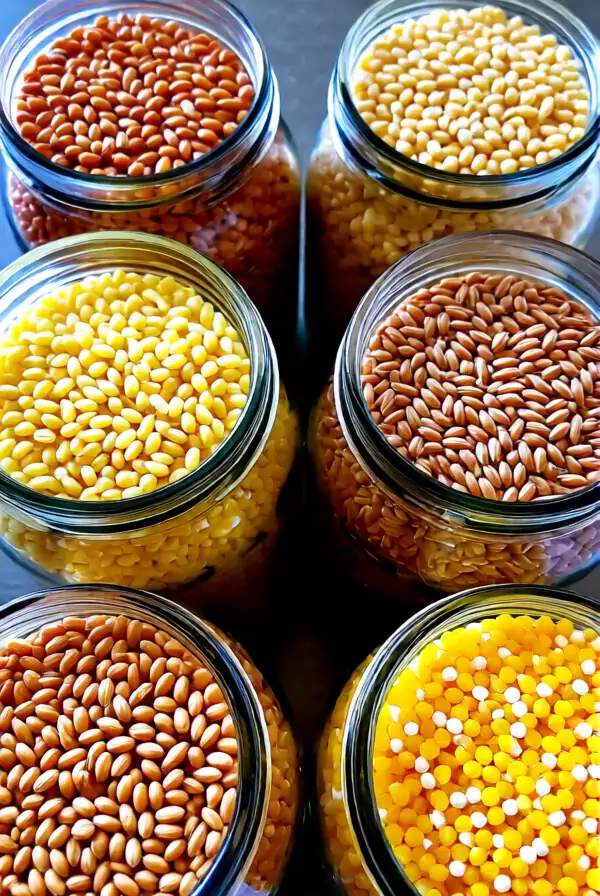
Whole grains provide more nutrients and fiber than refined grains. Swapping white bread for whole-grain alternatives can help lower the risk of chronic diseases while making your meals more filling.
Introduce whole grains like quinoa, barley, and brown rice to your diet. These grains boost your energy levels and keep you satisfied throughout the day.
14. Practice Batch Cooking

Batch cooking involves preparing large quantities of food at once. This useful strategy saves time during hectic weekdays and ensures convenient access to healthy meals. Cook dishes like soups, stews, or casseroles that can be easily portioned and reheated.
This method also allows you to infuse your meals with nutritious ingredients while avoiding the temptation of takeout. Storing meals in meal-sized containers can simplify planning for both lunch and dinner.
15. Enjoy Family Meals

Sharing meals with family not only strengthens relationships but also encourages healthy eating habits. Make it a tradition to eat together at least a few times a week. Focus on nutritious, home-cooked meals during those times.
Involving family members in meal preparation encourages everyone to try new foods and fosters a communal approach to healthy eating.
16. Keep Healthy Condiments Handy

Condiments can enhance the flavor of your meals while being a source of hidden sugars and calories. Opt for healthier options like salsa, hummus, or homemade dressings packed with vegetables and wholesome ingredients.
Keeping these healthier options on hand can elevate your meals and encourage you to experiment with various flavors, promoting a more adventurous approach to healthy eating.
17. Grow Your Own Herbs

Growing your herbs can be both rewarding and beneficial for your cooking. Fresh herbs can enhance flavors without adding calories or unhealthy additives. A small herb garden can thrive indoors or outdoors, making it accessible for anyone.
Freshly picked herbs can elevate any dish and spark creativity in the kitchen. This practice can also encourage a more profound appreciation for fresh, healthy ingredients and lead to better eating habits.
18. Use Healthy Cooking Techniques

The way you prepare your food can significantly affect its healthfulness. Favor cooking methods such as steaming, grilling, and roasting, which preserve nutrients and avoid excessive fats. Opting to sauté instead of frying can also make a significant difference.
Adopting healthy cooking techniques helps you create flavorful meals and keeps your dietary choices aligned with your health goals. Experimenting with different styles can also add variety to your culinary repertoire.
19. Set Realistic Goals

Setting realistic and achievable goals is fundamental in maintaining a healthy lifestyle. Whether it’s trying to eat five servings of fruits and vegetables daily or cooking at home several times a week, having clear objectives can keep you motivated.
Write down your goals and track your progress; celebrate small victories along the way! By being mindful of your goals, you can adapt your approach as necessary while encouraging sustainable habits over time.
20. Seek Professional Guidance

Enlisting the help of a healthcare professional, such as a registered dietitian, can provide personalized advice for your eating habits. Professional guidance can help you create a nutrition plan tailored to your lifestyle and health needs.
They can also assist in monitoring your progress, making necessary adjustments, and helping to keep you inspired and accountable in your healthy eating journey.
21. Celebrate Your Progress

Recognizing and celebrating your achievements in adopting healthier eating habits can provide motivation to continue. Whether it’s small day-to-day victories or larger, long-term accomplishments, take the time to acknowledge your efforts.
Consider rewarding yourself with things that support your healthy lifestyle, like a new cookbook or a fun kitchen gadget. This positive reinforcement can encourage a lasting commitment to your goals.
22. Stay Consistent

Consistency is key in building healthy eating habits. While it’s essential to allow flexibility and occasional indulgences, maintaining a predominantly healthy diet is crucial. Find a rhythm that works for you, and don’t be too hard on yourself during slip-ups.
Establishing routines around meals and snacks can help reinforce consistency. With patience and persistence, you’ll find that healthy eating becomes a natural part of your lifestyle.
By implementing these 22 easy strategies, you can encourage healthier eating practices in your daily life. Remember, the goal is to create a sustainable, nourishing environment that benefits both you and your loved ones.