
Traveling can be an exciting adventure, but packing can sometimes be a daunting task. Knowing what to leave behind is just as important as figuring out what to bring. In this article, we’ll guide you through the 24 crucial items you should avoid packing in your carry-on luggage to ensure smooth travels.
1. Sharp Objects
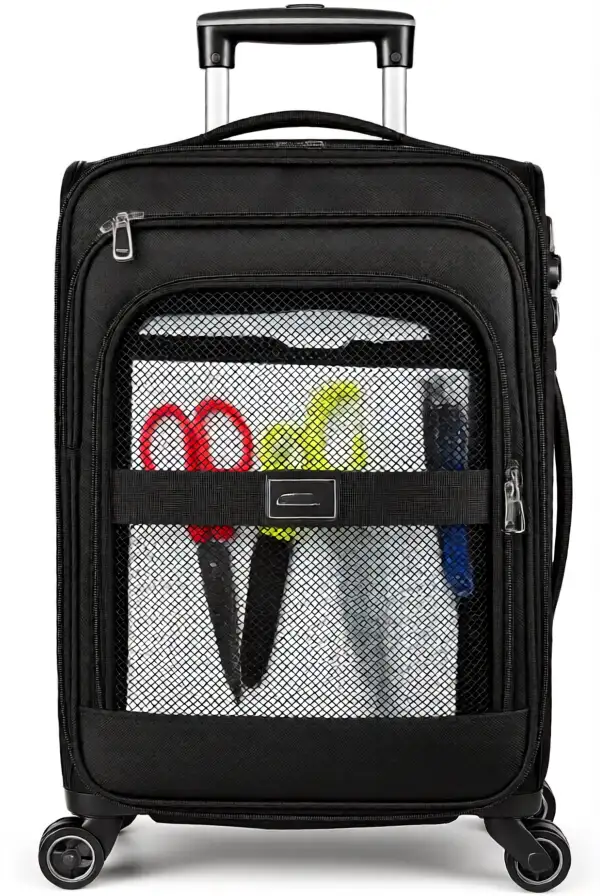
Sharp objects such as knives and scissors pose a security risk and are prohibited in carry-ons. Airports have strict regulations to prevent any items that could be used to harm passengers or crew members. Even small scissors can be problematic, so it’s best to pack them in your checked luggage.
Instead, consider travel-friendly options, like a multi-tool without blades or a nail clipper for personal grooming. This way, you’ll save time at security checks and avoid any unnecessary stress.
2. Liquids Over the Limit

Airline regulations dictate specific limits on liquids in carry-on luggage, usually 3.4 ounces or 100 ml per container. Exceeding this limit can lead to confiscated products and a slower security screening process.
To streamline your packing, transfer necessary liquids into smaller travel bottles or opt for solid alternatives whenever possible. This will keep your bag compliant and make security checks a breeze.
3. Flammable Items
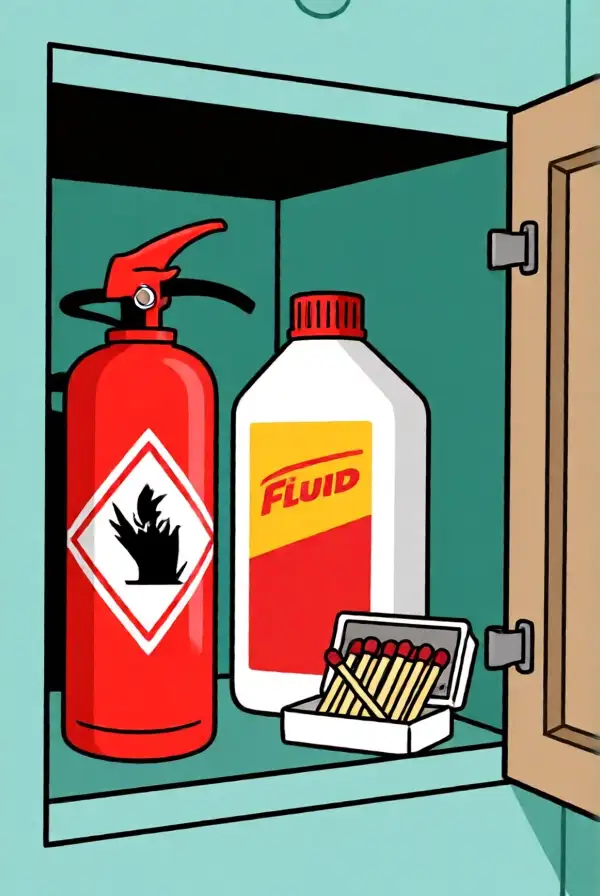
Flammable items including lighter fluid, matches, and certain chemicals are banned from carry-on bags due to their potential danger. Bringing such items can put both you and everyone aboard in jeopardy, which is why airlines enforce these strict regulations.
It’s always wiser to check your belongings before heading to the airport and leave these hazardous materials at home. This will ensure a safe and secure flight experience.
4. Sporting Goods
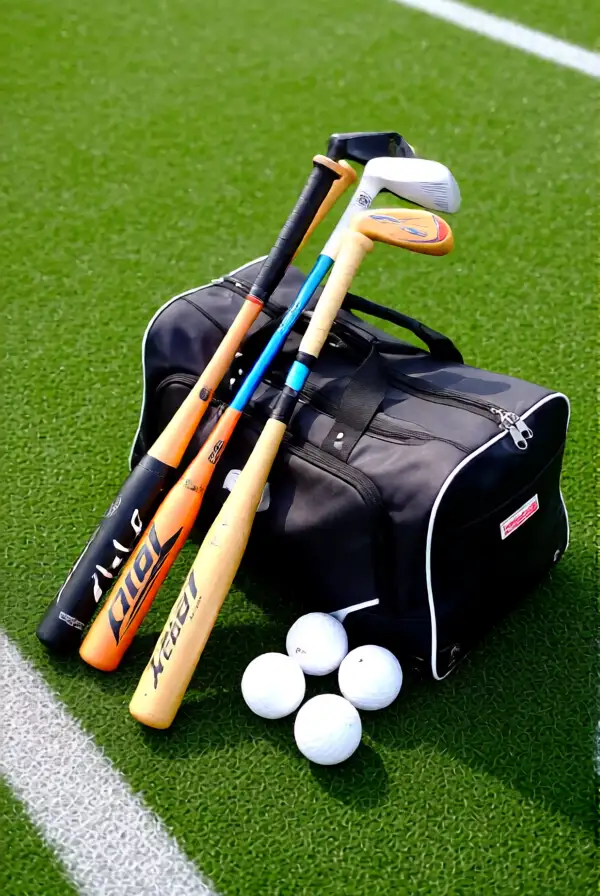
Sporting equipment such as bats, clubs, and hockey sticks are not allowed in the cabin due to their size and potential to injure others. These items are considered sports weapons and must be checked in.
When planning your trip, consider renting equipment at your destination or simply packing lighter sports items that don’t pose a risk, like a yoga mat or small ball that fit comfortably in your luggage.
5. Non-Secure Electronics

Large electronic devices that cannot be adequately secured, such as certain gaming consoles or large laptops, may also be flagged at security checkpoints. It’s essential to ensure that your electronics are in a safe condition to prevent theft or damage.
Instead, opt for portable gadgets like tablets or e-readers that are easy to store. These not only fit better but also allow for entertainment during your flight.
6. Tools and Equipment
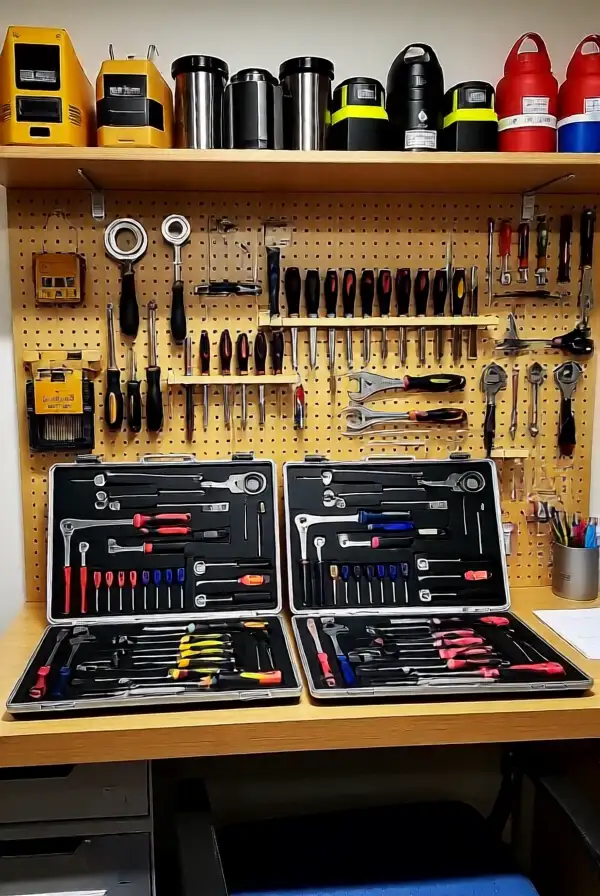
Tools such as wrenches and pliers are not permitted in carry-ons due to their potential to be used as weapons. Even seemingly harmless tools are prohibited to maintain a safe environment for all flyers.
Consider completing your DIY tasks before traveling, or leave tools at home to be retrieved after your trip. This reduces stress and keeps your luggage light and compliant.
7. Miscellaneous Items with Restrictions
There are several other items that may not be as commonly known but are restricted or banned on flights, including certain gardening tools or blunt instruments. Always check airline policies for specific guidelines to avoid unpleasant surprises.
Staying informed about travel regulations can help you navigate packing better. Make a checklist of allowed items ahead of your journey to ensure a smooth travel experience.
8. Oversized Clothing
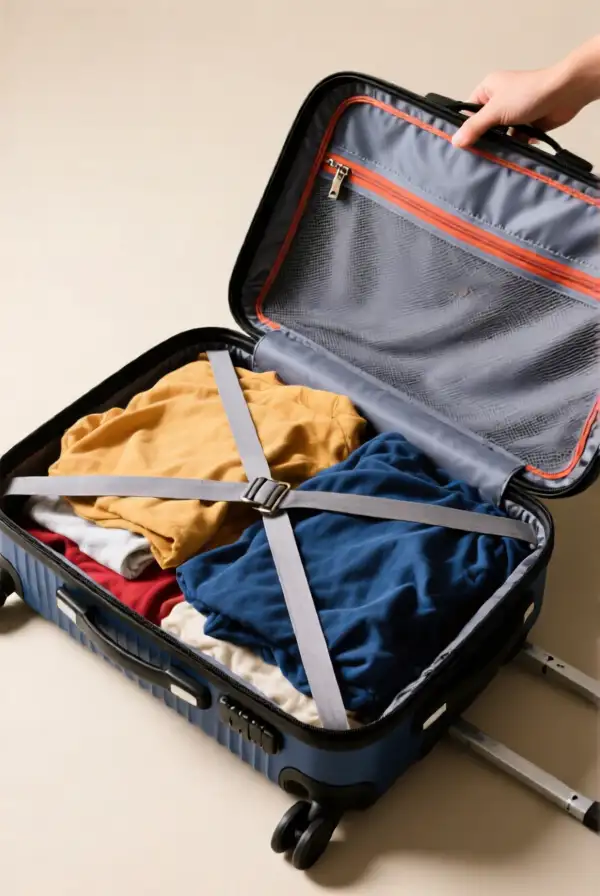
While you can bring clothing in your carry-on, oversized items can quickly eat up luggage space and may not conform to size regulations. Airlines have specific carry-on size limits, which are best adhered to for an easier journey.
Fold or roll your clothes neatly and opt for versatile outfits that can mix and match. This will not only save space but also keep your wardrobe fresh throughout your travel.
9. Foods with Strong Odors

Bringing food that emits strong odors can disturb fellow passengers and is generally frowned upon. Foods like certain cheeses, fish, and spices can create an unpleasant flying experience for others.
Pack snacks that are easy to eat and don’t carry strong scents, such as granola bars or nuts. This way, you can enjoy your food without bothering those around you.
10. Fragile Items
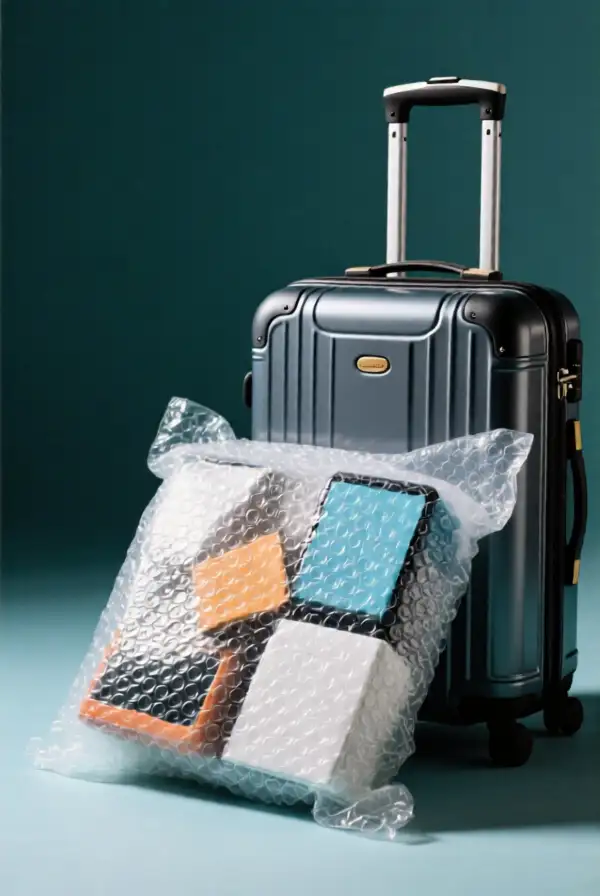
Fragile items such as glassware and ceramics should be left behind or packed carefully in checked luggage. Carry-on bags can be tossed around, putting these items at risk of breakage.
If you’re traveling with something valuable, ensure it’s wrapped securely and is allowed for carry-on. Otherwise, it may be safer in checked baggage to ensure its protection.
11. Personal Care Products in Large Quantities

Carrying large bottles of shampoo, conditioner, or body wash can exceed liquid limits or take up valuable space. Instead, consider opting for travel sizes or products that serve multiple purposes.
This will not only keep your bag lightweight but also allow you to maintain your personal care routine with ease. Streamline your packing process by choosing wisely.
12. Unsecured Items
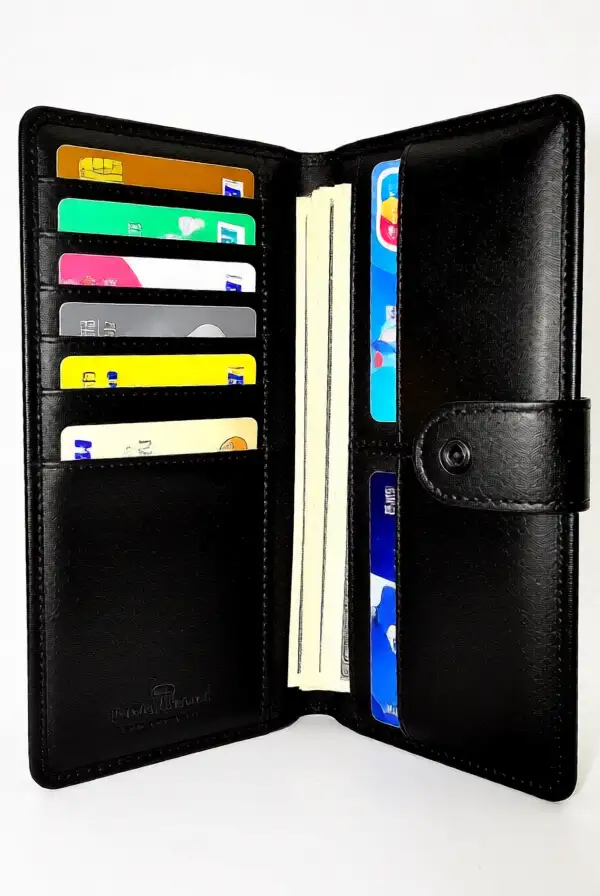
Unsecured items in your bag can lead to security issues and should be minimized. Instead of packing loose change or credit cards without proper protection, ensure they are safely stored.
Using a travel wallet or pouch can keep your valuables organized and provide peace of mind during your travels. Keep your belongings secure, and you’ll enjoy a more relaxed journey.
13. Expired Medications
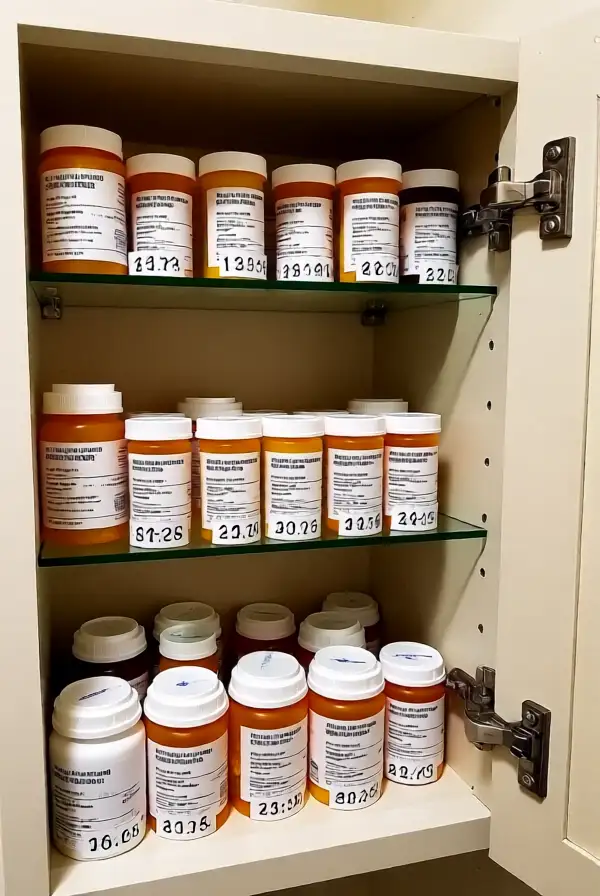
Expired medications should never be packed in a carry-on for safety reasons. You should only take essential medications with you, and ensure they are current to avoid health issues during your trip.
Check labels before traveling, and always carry prescriptions in their original containers. This way, you can maintain your health and well-being throughout your journey.
14. Large Gifts

Bringing large gifts can be cumbersome and difficult to fit in your carry-on. Additionally, they may not pass through security conveniently due to their size or contents.
If you’re traveling with gifts, look for smaller options or consider buying them at your destination. This can simplify packing and allow for quicker security processes.
15. Cultural Artifacts

Cultural artifacts, especially those of significance, may require special documentation to transport. Be cautious, as carrying items that could be illegal can lead to legal complications.
Research any necessary permits or documentation required for such items before traveling to prevent problems upon arrival. Being informed will keep your travel plans intact.
16. Office Supplies

Though you may want to bring office supplies like staplers or scissors for work, these are often restricted on flights due to sharp edges or potential weaponization.
When traveling for work, consider digital solutions for your office needs, avoiding the need to transport physical items. This will help you to travel light and prevent security delays.
17. Animals and Pets
Most airlines require specific accommodations for traveling with pets, often mandating that they be in approved carriers in the cabin or placed in the cargo hold. Animals should not simply be thrown in a carry-on.
Plan your travel to ensure that any pets are properly accounted for and check airline policies regarding pet travel. This will create a smoother journey for both you and your furry friends.
18. Medication Devices
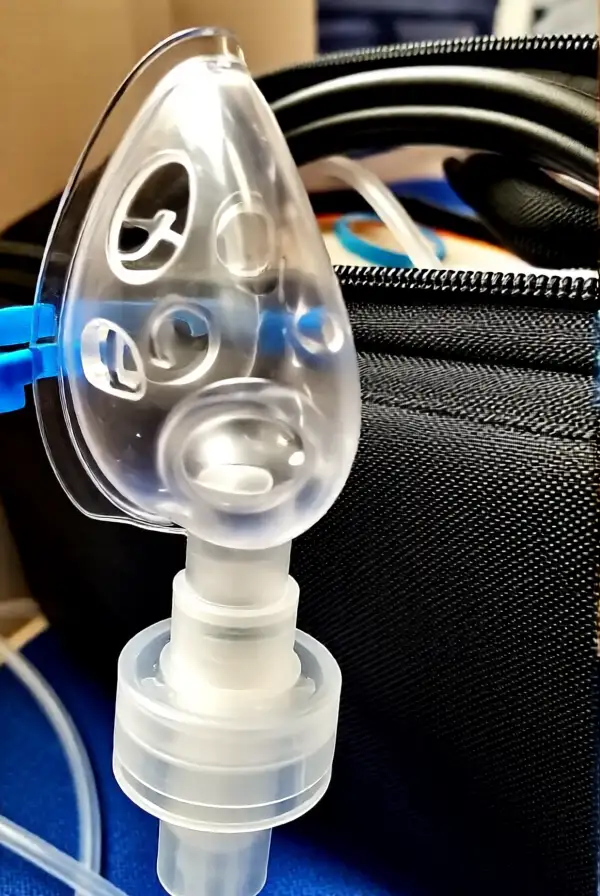
Devices used for medication delivery, such as nebulizers, have specific regulations for what can be taken on flights. It’s important to check with your airline ahead of time.
Ensure you know the airline’s policies on medical devices and pack them accordingly for hassle-free travel. Proper preparation can prevent issues when boarding.
19. Unauthorized Tools

Tools and equipment that have not been authorized can lead to delayed boarding or confiscation. Each airline offers guidance on prohibited items, which must be strictly followed.
Staying informed about what is and isn’t allowed is essential for all travelers. Make sure to read up before you pack your bags!
20. Unsealed Food Products

Unsealed food products can leak and create a mess in your carry-on. While you may want snacks ready for the journey, ensure they are properly sealed to avoid spills and contamination.
Using airtight containers or zip-lock bags can help prevent messes, keeping your carry-on neat and tidy. Prepare your snacks wisely to enjoy them without hassle.
21. Items That Pose Cross-Contamination Risks

Cross-contamination can happen when carrying raw foods or unwashed items, leading to health risks during travel. It’s best to avoid such items in your carry-on.
Be cautious about what you bring to keep both yourself and your fellow travelers healthy. Choosing pre-packaged snacks, rather than raw foods, is one way to ensure safe travels.
22. Unmarked Medication

Traveling with unmarked medication can lead to confusion and potential issues at security screenings. Always keep medications labeled to show what they are and why you’re carrying them.
Storing them in original packaging helps clarify and avoids unnecessary delays in your travel. Proper medication storage is vital for safe and hassle-free trips.
23. Streaming or Recording Devices
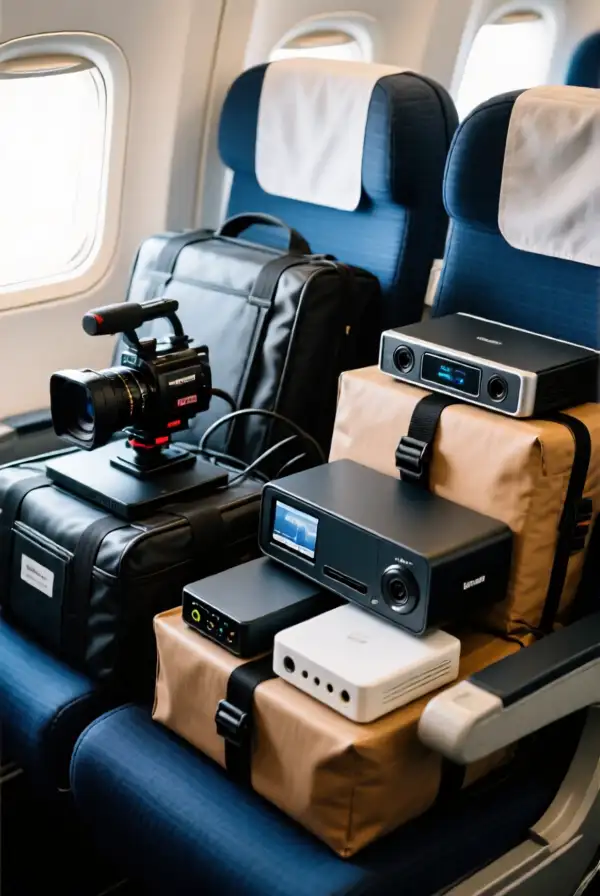
Devices intended for recording or live-streaming can be seen as security risks, leading to scrutiny at security checkpoints. You may be asked to demonstrate their functionality to proceed.
Pack these devices carefully and ensure you are prepared to address any inquiries made by security teams. This preparation can help reduce friction during your travels.
24. Cultural Dress Items
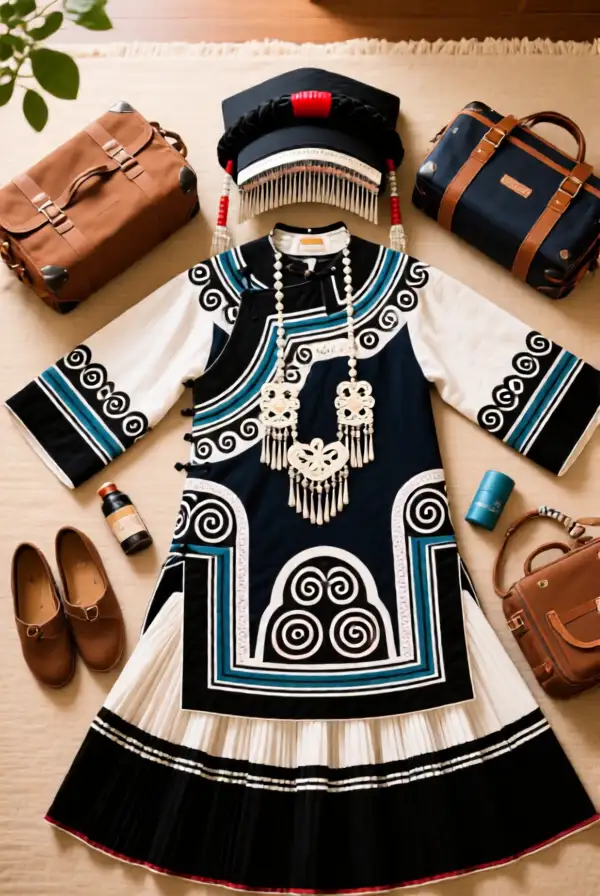
Wearing cultural dress items on flights can sometimes raise concerns or misunderstandings between travelers and security personnel. It’s essential to be respectful and understand norms.
Before traveling, look into respectful approaches to wearing and packing cultural attire. Maintaining sensitivity towards varying customs will help ensure a smooth and enjoyable travel experience.
By knowing these 24 items to avoid in your carry-on, you can enhance your travel experience and streamline the security process. Keep these tips in mind, and you’ll be ready for a seamless journey!