
Creating a calming bedtime routine for toddlers can significantly improve their sleep quality and overall well-being. Here are 25 effective bedtime routines that not only soothe your little ones but also promote bonding and a sense of security.
Establishing a Consistent Sleep Schedule

A consistent sleep schedule helps toddlers understand when it’s time to wind down. Aim for the same bedtime every night, allowing for a smooth transition to sleep. This predictability creates a sense of security and helps reduce nighttime resistance.
To strengthen this routine, use visual aids like a bedtime chart or clock, which indicate when it’s time for each step of the routine. Kids thrive on structure, and this method instills good sleep habits from an early age.
Creating a Relaxing Atmosphere

The environment plays a crucial role in helping toddlers feel relaxed before bed. Dim the lights, play soft music, or use a white noise machine to create a soothing atmosphere. Make sure the room is comfortably cool and clutter-free to promote a sense of calm.
Incorporating bedtime scents, like lavender or chamomile, can also enhance relaxation. Consider using essential oils in a diffuser or using scented pillows to create an inviting sleep environment.
Storytime Adventures
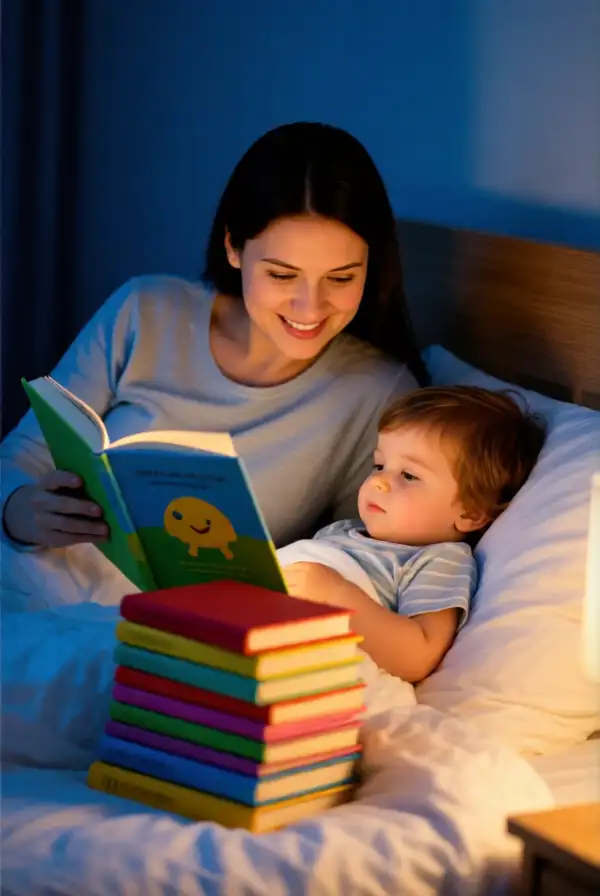
Reading a bedtime story is a cherished ritual that can ignite a toddler’s imagination. Choose fun, engaging stories that resonate with your child’s interests. This activity not only promotes language development but also allows for a sweet bonding moment.
Encourage participation by letting your child choose the story or picking interactive books where they can guess what happens next. This involvement makes storytime not only educational but also exciting and memorable.
Gentle Massage for Relaxation

A gentle massage can work wonders in helping a toddler unwind after a busy day. Using a bit of lotion or natural oil, offer a light massaging routine focusing on their arms, legs, and back. This not only soothes sore muscles but also promotes feelings of love and security.
Make it a special moment by playing soft music in the background and speaking in hushed tones. This can make bedtime a cherished time of connection between parent and child, enhancing overall emotional well-being.
Incorporating Breathing Exercises

Teaching toddlers simple breathing exercises can help them learn how to calm themselves. Use fun phrases like “let’s blow up a balloon” to encourage deep breathing. This fun approach makes the exercise feel like a game while imparting valuable self-regulation skills.
Practice deep breathing as part of the wind-down routine. For instance, you can take turns inhaling and exhaling, creating a relaxing rhythm that signals bedtime is near.
Limit Screens Before Bed
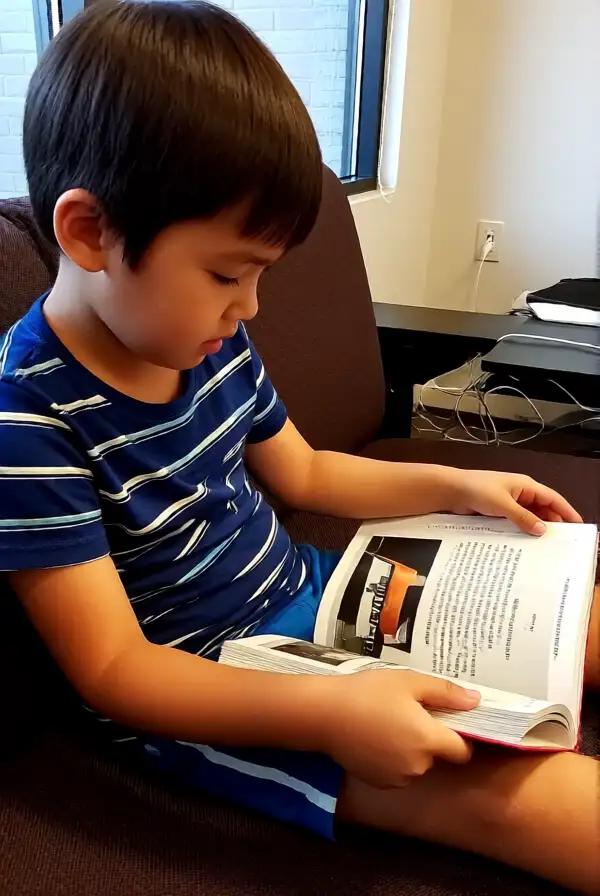
Limiting screen time before bed is crucial for toddler sleep hygiene. Blue light emitted from screens can interfere with the production of melatonin, making it hard for your little one to fall asleep. Establishing a screen-free time at least an hour before bed aids in transitioning to sleep.
Instead, opt for quiet activities like reading or puzzles during this time. Transitioning away from devices not only helps with sleep but also fosters better family interactions as they engage in enjoyable offline activities.
Incorporating Calming Music or Sounds

Soothing music or nature sounds can create a calm ambiance during bedtime. Play lullabies or gentle instrumental music that helps your toddler’s mind transition from an active day to a peaceful night. Creating a dedicated bedtime playlist can make this practice enjoyable.
Additionally, consider using nature sounds, like rain or ocean waves, as calming background noise. This can help drown out other potentially disruptive noises, encouraging a more peaceful sleep experience.
Cuddle Time Before Sleep

Cuddling right before sleep is a fantastic way to impart feelings of love and security in toddlers. Take this time to talk quietly about their day or their dreams for tomorrow. Gentle physical affection can help soothe their emotional state and provide comfort.
Make this ritual a delightful part of the bedtime routine, allowing it to evolve into a cherished tradition that your toddler looks forward to each night. These moments of kindness strengthen the parent-child bond immensely.
Utilizing Transitional Objects
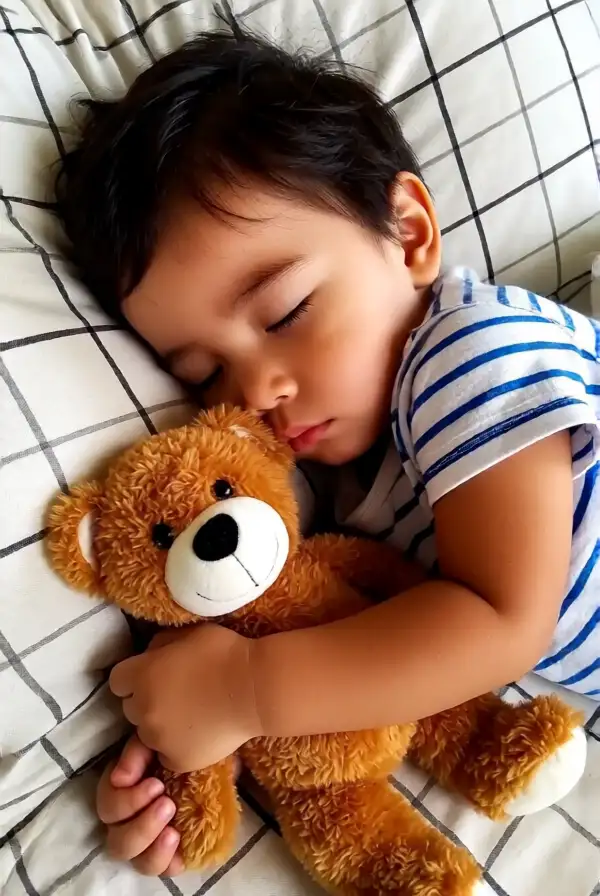
Transitional objects, like a favorite stuffed animal or blanket, provide comfort to toddlers during bedtime. These items can serve as a source of security and help ease the anxiety of separation from parents. Encourage your child to pick one of their favorites to bring to bed.
Familiar objects create a sense of ownership in their sleep environment, making it easier for them to drift off into sleep knowing they have their comforting friend by their side. This can enhance their sleep experience and make falling asleep smoother.
Gentle Wake-Up Calls

Waking up toddlers can be just as gentle and loving as putting them to bed. Try gradually waking them up with soothing words or soft music instead of abrupt noises. This helps them transition from sleep to wakefulness with minimal stress.
Creating a pleasant wake-up routine can impact how they approach the following day. Through these gentle wake-up calls, parents can instill a positive attitude toward mornings, making the whole day feel brighter.
Visualization Techniques

Visualization techniques encourage toddlers to imagine peaceful scenes, helping them ease into sleep. Lead them through simple narratives of fun locations, like a beach or a magical forest, and ask them to picture themselves there.
This helps harness their natural imagination while focusing on calming imagery, making it easier to settle down. Engaging a toddler’s mind in this way can offer profound relaxation and gently guide them to a peaceful sleep.
Handling Nighttime Fears

Nighttime fears are common in toddlers, and acknowledging these fears can be it helpful. Reassure them that it’s okay to feel scared and offer comforting strategies to cope with their emotions, such as singing their favorite song or using a night light.
Creating an open dialogue about fears and introducing gentle coping mechanisms can help your toddler feel secure, transforming bedtime from a source of anxiety into a relaxing ritual. Empathy and understanding during this phase can significantly ease the transition.
Practicing Positive Affirmations
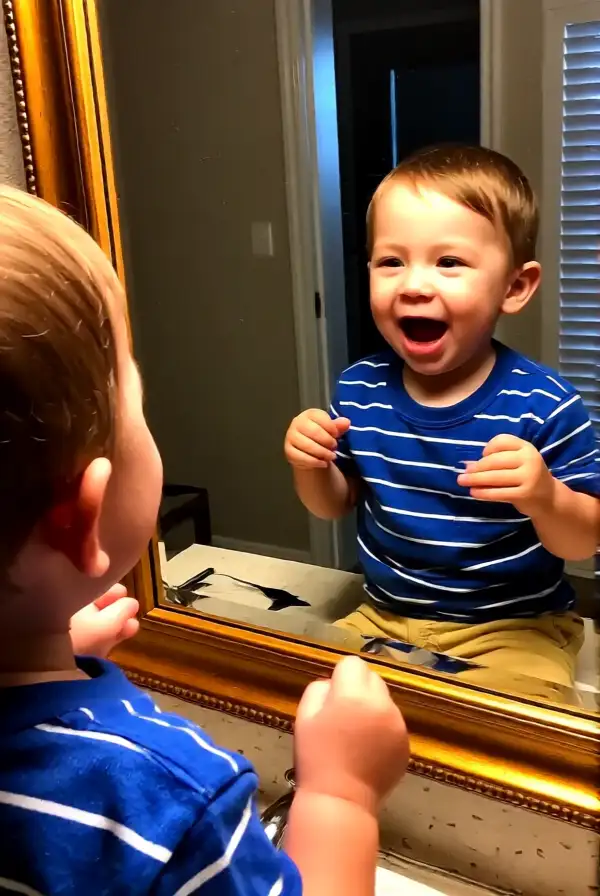
Incorporating positive affirmations before bedtime can help bolster your toddler’s self-esteem and confidence. Encourage them to repeat simple phrases, like “I am brave,” or “I am loved.” This practice reinforces positive feelings and helps them feel secure.
By establishing this practice as part of your routine, you’re equipping your toddler with the tools to manage emotions and fostering a positive mindset that can carry into their daily activities.
Experimenting with Different Pajama Options

The choice of pajamas can play a surprisingly large role in a toddler’s comfort at night. Experiment with various fabrics, styles, and even fun designs to see what your child prefers. Comfort is key to a restful night’s sleep.
Engaging toddlers in selecting their pajamas can also empower them, making bedtime feel like an adventure. Whether it’s dinosaur prints or soft cotton, a thoughtful choice helps ensure your toddler is cozy throughout the night.
Creating a Bedtime Ritual Journal
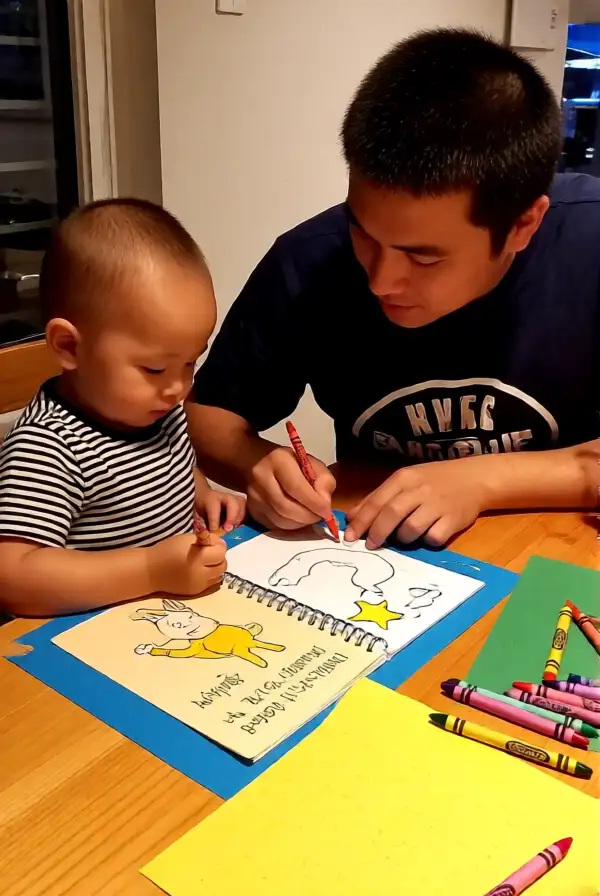
A bedtime ritual journal can be a fun way to document nightly routines. Encourage your toddler to help with this process. Each night, they can help draw or write down what steps they did before bed, making it a delightful shared activity.
This journal not only serves as a creative outlet but also helps reinforce their nightly routine, providing a physical reminder of the enjoyable activities they engage in before sleeping.
Limiting Sugar Intake Before Bed

What your toddler eats can significantly impact their sleep quality. Limiting sugar intake before bedtime can help prevent hyperactivity and ensure a smoother transition to sleep. Monitor snacks and encourage healthier options in the evening.
Over time, this gentle dietary shift aids in creating a restful sleep environment. Establishing an evening snack routine that favors nutritious options can nurture better sleep habits.
Encouraging Independence

Encouraging your toddler to take part in their bedtime routine fosters independence. Let them choose their own pajamas, pick a book, or even help turn off the lights. These small choices empower them and help them build confidence.
When toddlers feel a sense of control in their routine, they are less likely to resist bedtimes. This practice helps them feel proud and eager to engage in their nightly rituals.
Setting Up a Night Routine Visual
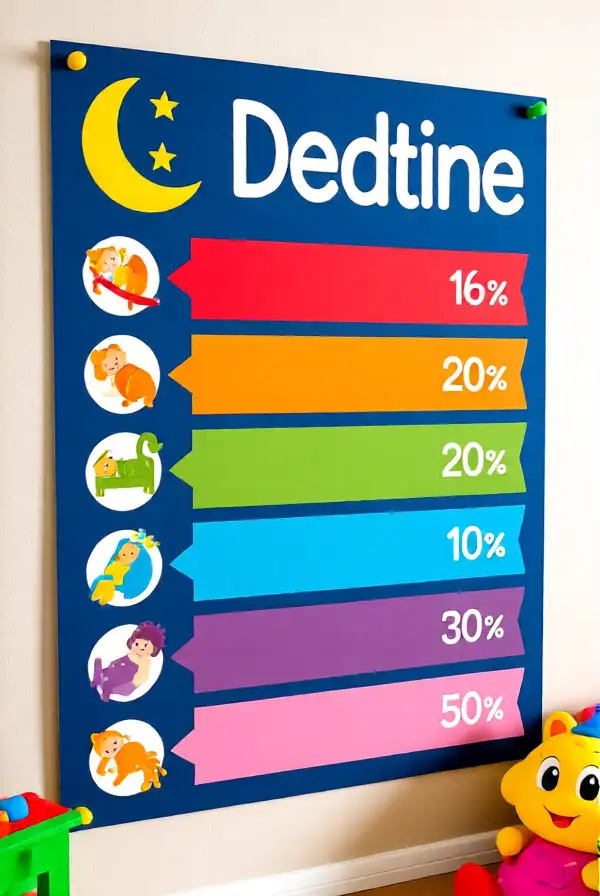
Creating a visual representation of bedtime routines can enhance understanding for toddlers. Use colorful charts or pictures that outline each step they need to follow, engaging them in their routines visually.
These visuals not only make the routine fun but also give toddlers a sense of accomplishment as they check off activities they complete. This engaging technique solidifies the importance of a structured routine.
Engaging in Gentle Yoga or Stretching

Incorporating gentle yoga or stretching sessions can be delightful before bed. Teach simple poses, like child’s pose or gentle stretches, to help toddlers relax their bodies. Making it playful can transform yoga into a fun bonding time.
Encourage them to mimic animals during stretch exercises, making it light-hearted and creative. This involvement promotes physical relaxation and heightens their mental wind-down significantly.
Using Visual or Auditory Sleep Cues

Implementing visual or auditory cues as bedtime signals can be very effective. Consider using a specific lamp that changes color or a gentle sound to signal that it’s time to sleep. This not only reinforces the idea of bedtime but also prepares toddlers for rest.
Consistent cues can help create a calming association with sleep. Over time, these cues will become strong triggers for sleepiness, making the transition smoother.
Reflecting on the Day

Taking a few minutes to discuss the day can benefit toddlers significantly. Encourage them to share their favorite moments or exciting events. This reinforces communication skills while allowing them to process their emotions.
By creating these moments of reflection, you foster a deeper bond and help toddlers develop understanding of their feelings, supporting emotional growth as they prepare for sleep.
Setting Sleep Goals

Discussing sleep goals with toddlers can be a positive reinforcement strategy. Set simple goals like “we will sleep through the night” and celebrate achievements together, enhancing their excitement for accomplishing sleep-related tasks.
Celebration can include choosing a special reward or extra storytime for achieving their sleep goals. This teaches accountability from an early age while making bedtime a fun challenge.
Avoiding Overstimulation Before Bed

Avoiding overstimulation prior to bedtime is critical for a tranquil transition to sleeping. Engage in quiet activities and avoid loud playtime or stimulating games during the last hour. This sets a calming tone as bedtime approaches.
Encourage slower-paced family time such as puzzles or coloring, facilitating a peaceful environment. This calm atmosphere will signal to your toddler that it’s time to ease into sleep.
Implementing these 25 bedtime routines can transform the nightly ritual into a smooth and enjoyable experience for both toddlers and parents. By focusing on consistency and creating peaceful atmospheres, you can foster better sleep outcomes for your little ones.