
Grocery shopping can quickly drain your budget if you’re not careful. However, with smart strategies and a little planning, you can save significantly at the checkout while still enjoying your favorite foods. In this post, we will explore 25 effective tips to help you cut down on your grocery expenses without sacrificing quality or flavor.
Create a Meal Plan
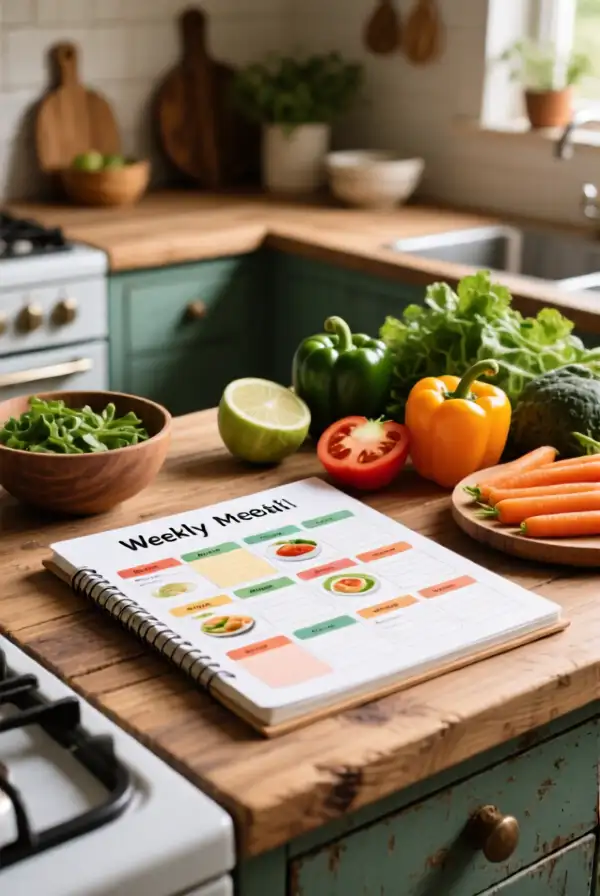
Planning your meals for the week can help you avoid impulse buys and keep you focused when shopping. Start by looking at your pantry and fridge to see what you already have, then create recipes around those ingredients. This not only helps reduce waste but ensures you utilize what you’ve purchased already.
Additionally, designing a meal plan allows you to create a comprehensive shopping list. Stick to this list when purchasing groceries, and you’ll be less tempted to stray into aisles that lead to unnecessary purchases.
Use Coupons Wisely
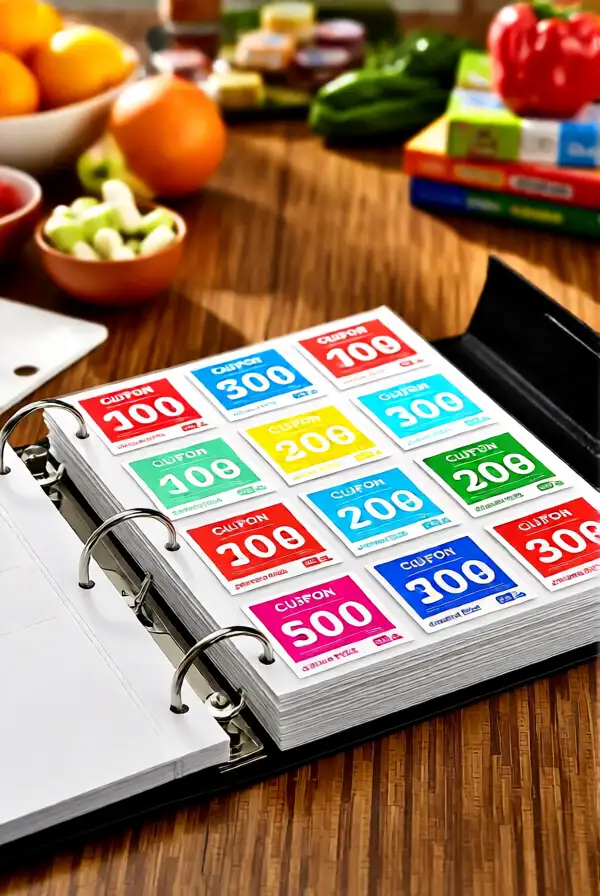
Coupons are a classic way to save on groceries, but they need to be used effectively. Look for coupons that align with your meal plan rather than random discounts on items you won’t use. Combine manufacturer coupons with store promotions for even better savings.
Also, consider using digital coupons or apps that offer rebates for grocery purchases. This added technology can make saving money easier and quicker than ever before.
Buy in Bulk
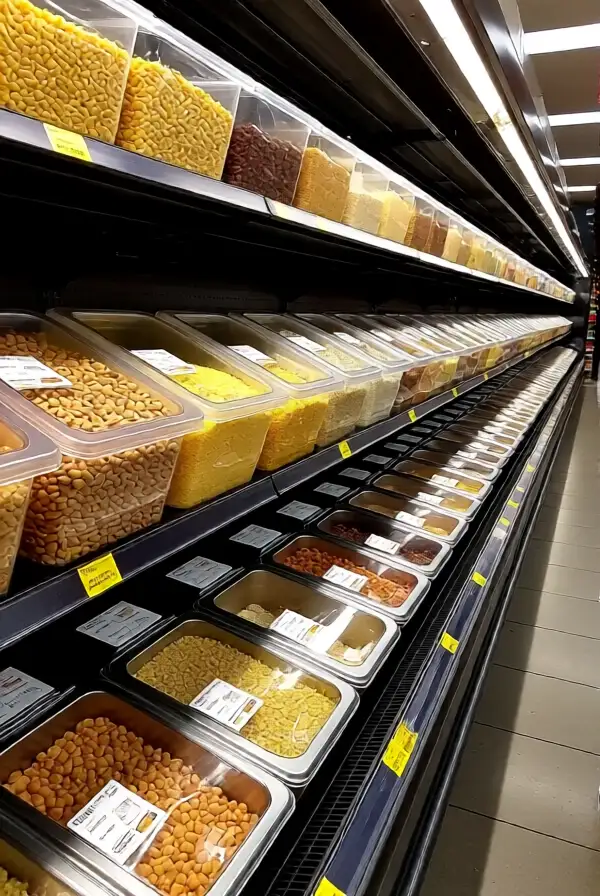
Purchasing items in bulk can be a significant money saver, especially for non-perishable goods and frequently used products. Buy staples like rice, pasta, and canned goods in larger quantities when they are on sale to maximize savings.
However, be cautious of buying perishable items in bulk. Only purchase what you know you’ll use before it goes bad. For example, buying a family-sized bag of frozen fruits can be beneficial and budget-friendly.
Choose Generic Brands
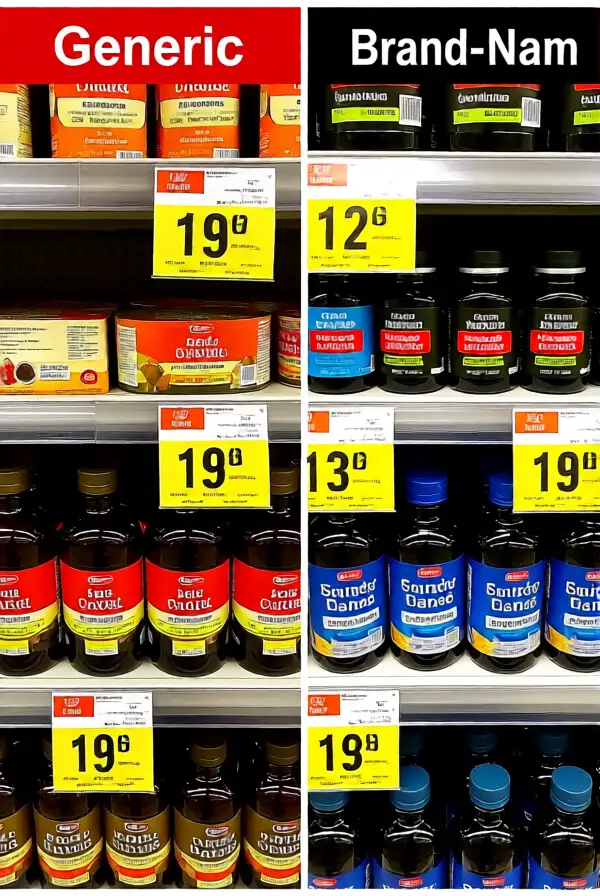
Generic or store brands often offer the same quality as name brands but at a fraction of the price. Make the switch to these alternative brands for everyday staples, and you might not even notice a difference in taste or quality.
A small change in your shopping habits, like choosing generic over name brands, can lead to significant savings over time, allowing you to allocate more money towards fresher ingredients or other essentials.
Shop Seasonal Produce
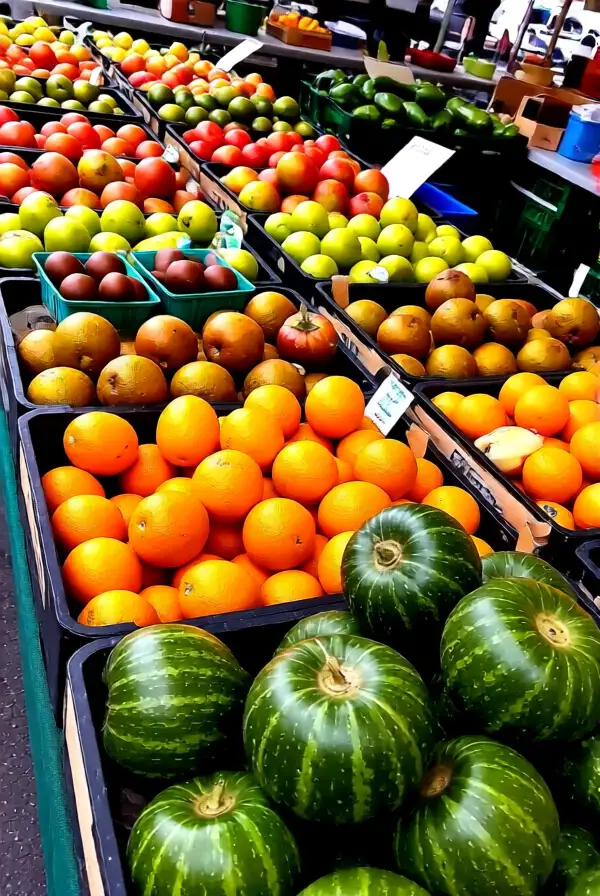
Seasonal fruits and vegetables are typically cheaper and fresher since they do not have to be shipped long distances. By purchasing in-season produce, you’ll not only save money but also enjoy the peak flavors during their prime harvest time.
Visit local farmer’s markets for better deals and fresher produce. Joining a community-supported agriculture (CSA) program can also provide you with a regular supply of seasonal snacks while supporting local farmers.
Make a Price Book

Keeping track of prices for your frequently purchased grocery items can help you identify the best deals over time. Create a simple price book, either on paper or digitally, to track when and where you find the best prices for essentials like milk, bread, and eggs.
This knowledge helps you decide when to stockpile an item during sales, ensuring you always pay the lowest possible price from your local stores.
Avoid Shopping When Hungry

Shopping on an empty stomach can lead to impulsive buying. When you’re hungry, every snack and treat seems tempting, and your cart can fill up quickly with non-essentials. Always eat a meal or have a healthy snack before heading to the store.
This simple habit can help keep your focus on your grocery list and reduce the likelihood of purchasing unnecessary items.
Utilize Leftovers

Don’t let leftovers go to waste! Repurpose them into new meals to minimize markdown expenses. For example, yesterday’s roast chicken can become today’s chicken salad or soup.
Using leftovers creatively can stretch your grocery budget and reduce food waste. Find inspiration from online recipes specifically aimed at using up remnants to keep your menu exciting.
Plan for Snacks
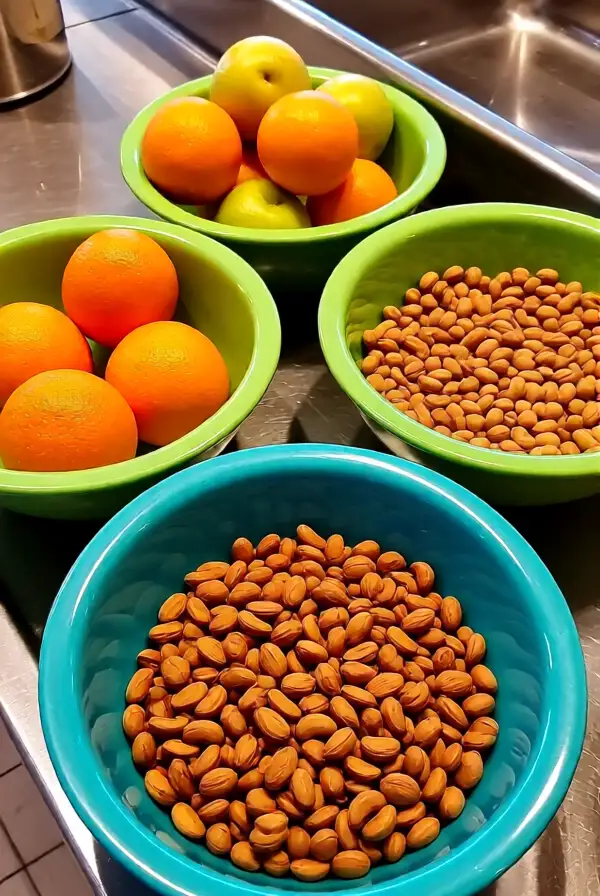
Snacks are an essential part of the grocery budget, often accumulating unnecessary costs when unplanned. Instead of buying pre-packaged snacks, prepare your own at home.
Simple snacks like popcorn, fruit, or homemade granola bars can save you money and provide healthier alternatives for the family, making it a win-win in budget planning.
Join Loyalty Programs
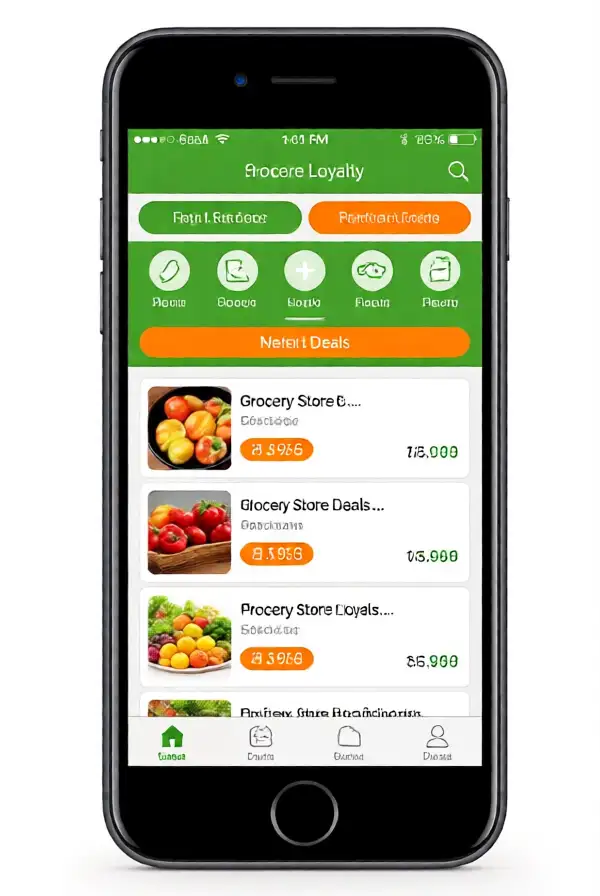
Many supermarkets offer loyalty programs that provide exclusive discounts and rewards. Signing up for these programs can yield valuable savings on future purchases. Some stores may also provide personalized deals based on your shopping habits.
Take advantage of these membership perks to maximize your grocery budget and stay informed of upcoming sales that align with your shopping needs.
Set a Grocery Budget

Establishing a defined grocery budget can help prevent overspending. Determine how much you can allocate each week or month and stick to that limit. If you find yourself surpassing it, analyze your shopping habits and make adjustments.
Setting a budget encourages mindful spending and helps you prioritize essential items over non-essentials, allowing you to strategically shop for what you truly need.
Use Cash for Groceries
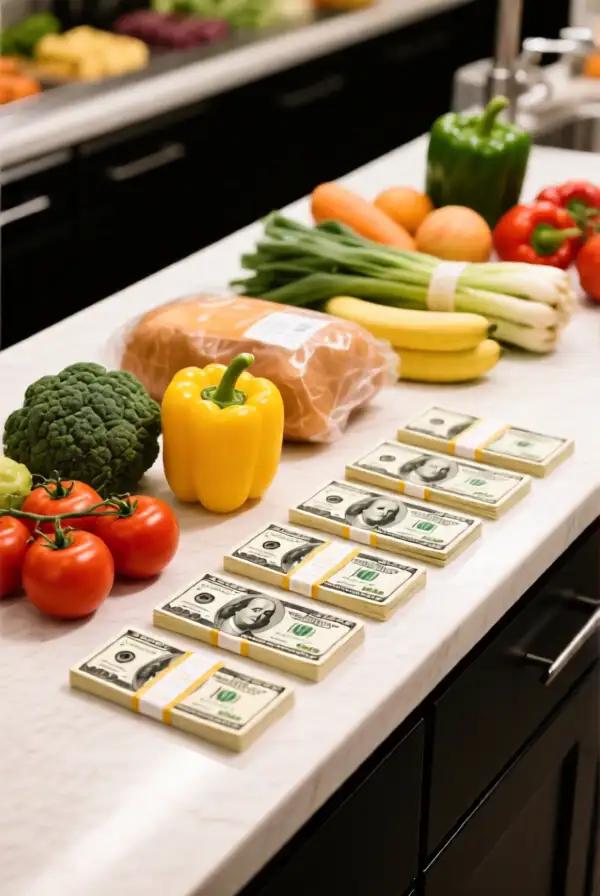
Consider using cash for grocery shopping to help you adhere to your budget. Withdraw the amount you’ve designated for groceries at the start of each week and avoid using cards that can lead to overspending.
This physical limit can create more discipline while shopping and force you to think twice about your purchases, making you more deliberate about what goes in your cart.
Explore Discount Stores

Discount grocery stores often carry great products at lower prices. Take some time to explore these stores in your area and see what they offer. You might find that staples can be purchased at significantly lower prices than big retail chains.
Many discount retailers provide quality options comparable to higher-priced grocers, so it’s worth trying out to see if they can help you save.
Take Advantage of Sale Cycles
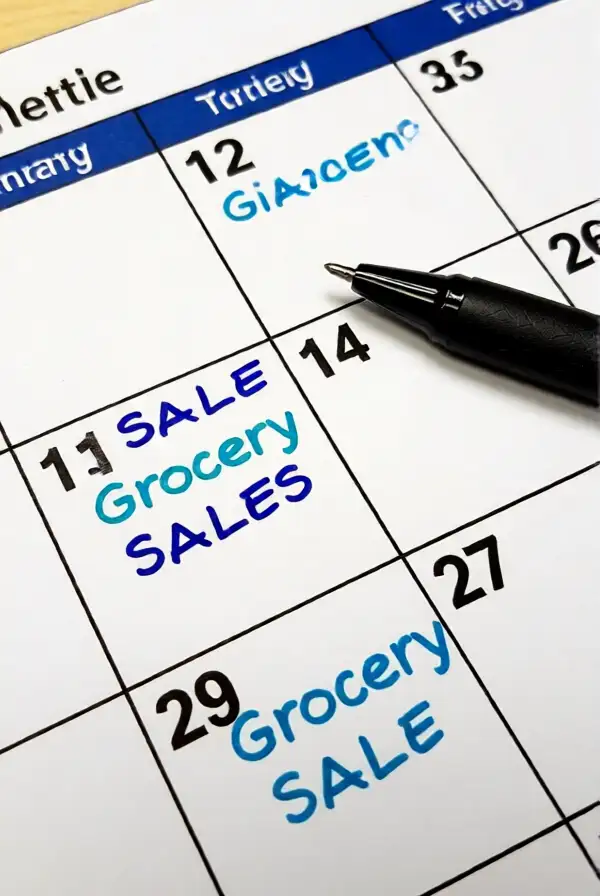
Most grocery stores follow sale cycles where certain items are discounted weekly or monthly. Understanding these cycles can enable you to stock up on your favorite products at the best possible prices.
Keep an eye on sales flyers or store apps to learn when these cycles occur, and plan your grocery shopping accordingly to save.
Evaluate Your Shopping Schedule

Assessing your shopping schedule can impact your budget as well. Shop during off-peak hours when stores tend to be less crowded. This way, you can feel less rushed and focus on sticking to your list.
Shopping early or late in the week can also benefit you in terms of better stock choices as fewer customers have chosen items, thus allowing you to buy fresh options without compromise.
Minimize Pre-Packaged Items

Convenience often comes at a higher price when it comes to pre-packaged or ready-to-eat meals. By minimizing these items in your shopping cart, you can significantly reduce costs and create healthier meals.
Instead, focus on whole ingredients and prepare meals from scratch. It may require a bit more time, but the savings and health benefits will be worth it in the end.
Make a Shopping List
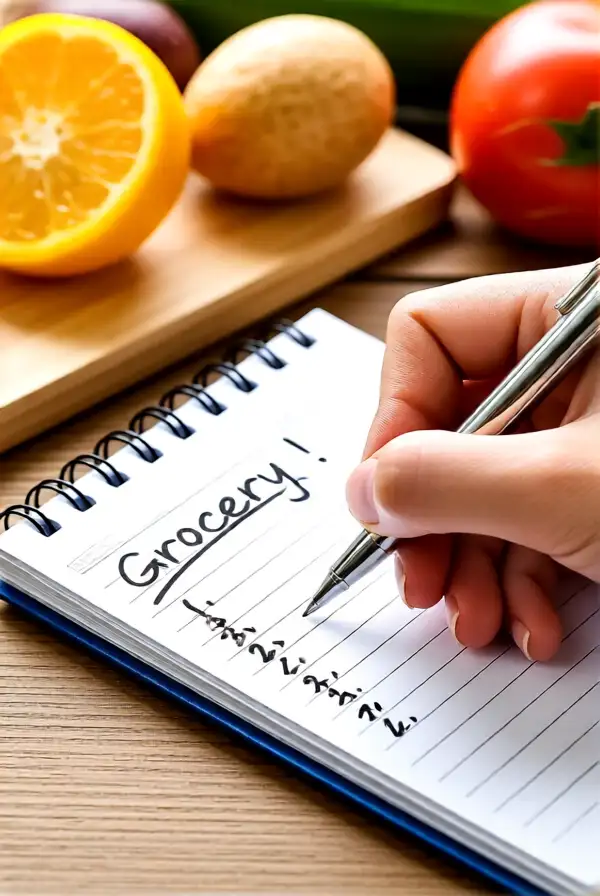
A shopping list helps keep you organized during your grocery run and ensures you only buy what you truly need. Before shopping, jot down all items required based on your meal plan.
Stick to the list strictly to avoid impulse buys. This can prevent overspending and helps you remain focused on getting only what you need for the week.
Limit Specialty Items
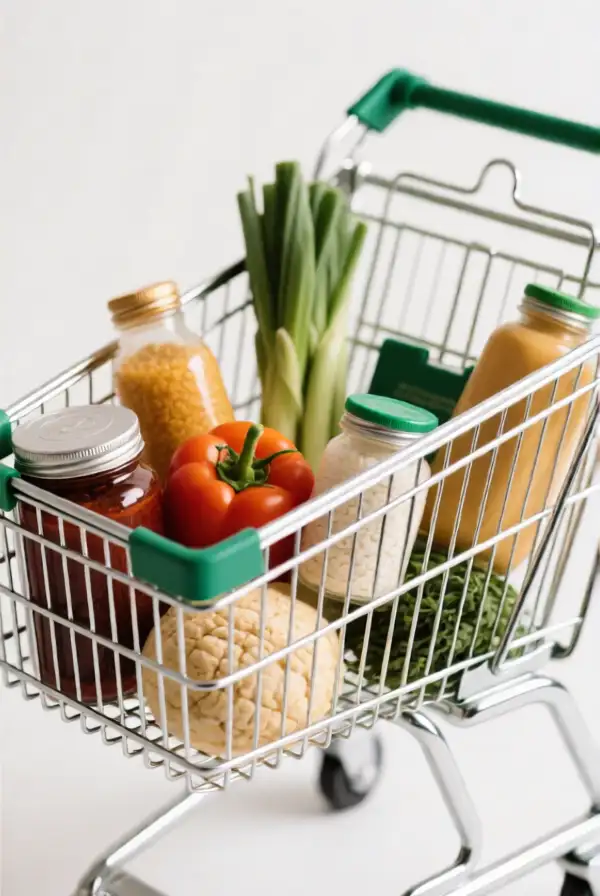
Specialty items can often drive up grocery costs. Try to limit purchases of gourmet or niche products that are rarely used. Instead, focus on versatile ingredients that can be used in a variety of recipes.
This strategy allows you to save money and reduces clutter in your pantry, making it easier to manage existing ingredients while being cost-effective.
Grow Your Own Herbs

Growing your own herbs is a rewarding way to save money while elevating your meals. Fresh herbs can be expensive at grocery stores, so cultivating your own garden – even if it’s just pots on a balcony – can provide flavorful toppings without added expense.
Instead of spending on fresh-picked herbs, you’ll have a continuous supply, allowing you to experiment with flavors in your cooking to enhance overall taste without straining your budget.
Make Smart Use of Credit Cards
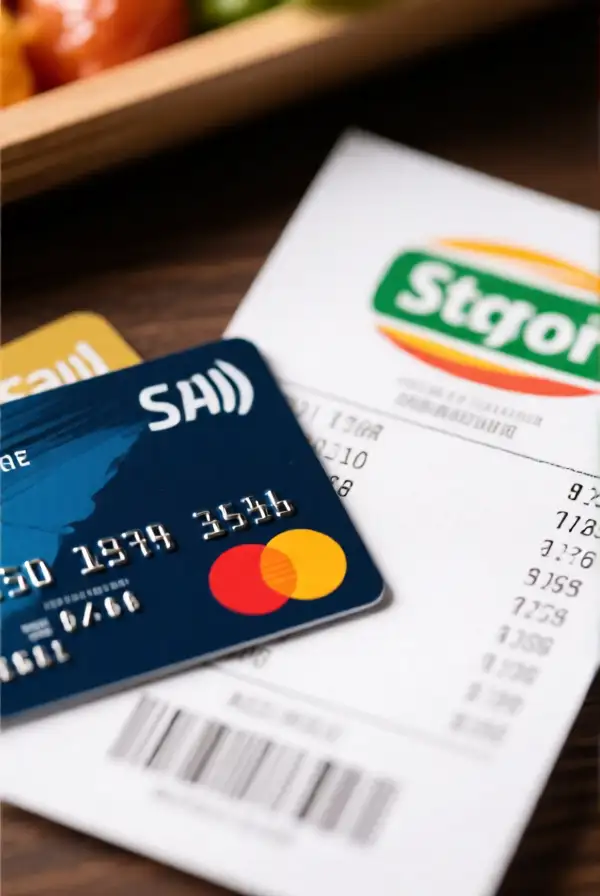
If you use credit cards for groceries, select ones that offer rewards or cash back on purchases. This way, you can earn points for essentials while keeping your spending in check.
However, be cautious not to overspend in pursuit of rewards. Stick to your grocery budget and only utilize credit for items already planned in your shopping list.
Try Meal Prepping
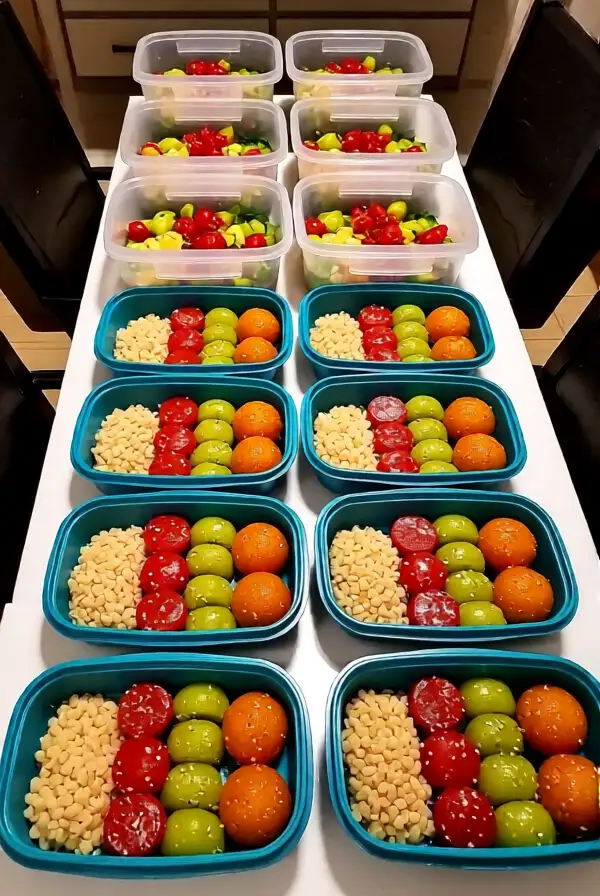
Meal prepping can be an excellent method for saving money and time. Preparing meals in batches can stop food waste and ensure you have healthy options ready when needed, reducing the temptation of ordering takeout.
This organized approach can not only save your grocery budget but also promote healthier eating habits, making it easier to stay on track with your meals throughout the week.
Stay Informed About Sales

Always stay informed about sales and special promotions at your local grocery stores. Sign up for newsletters, follow them on social media, or download their apps to get notifications on the best deals available.
This practice ensures you never miss out on significant savings opportunities and can help you plan your shopping trips more strategically.
Reduce Food Waste
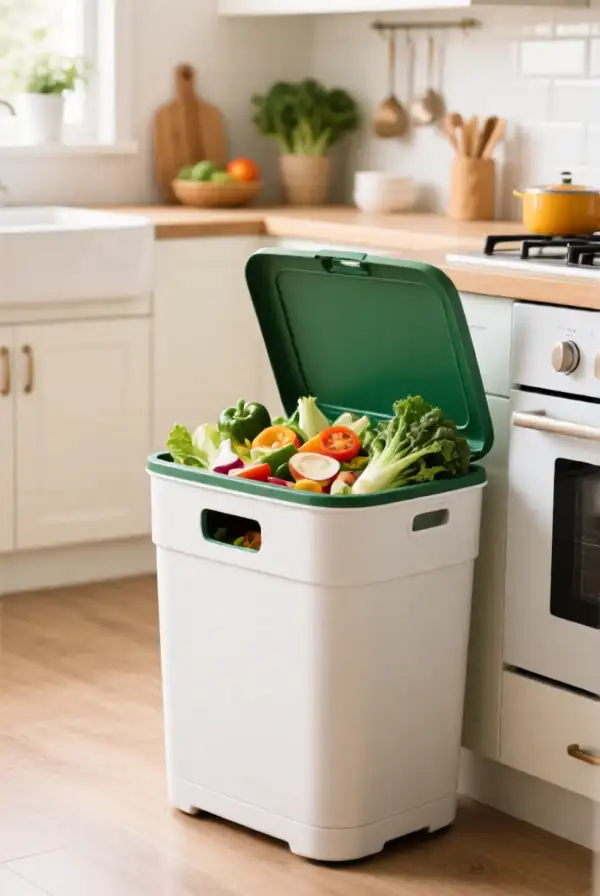
Reducing food waste is not just good for the environment; it also saves you money. Be mindful of portions, and store perishable items correctly to maximize their lifespan.
Utilize tools like the FIFO method (first in, first out) in your pantry so that older items are consumed before newer ones. This can help extend the useful life of your groceries while ensuring you take full advantage of what you initially spent.
Share or Split Bulk Purchases

If you find that buying in bulk produces more than you can consume, consider teaming up with friends or family. Splitting bulk purchases allows everyone to enjoy products at a lower price without the fear of spoilage.
This strategy not only reduces costs but opens opportunities for trying new products together, enhancing your grocery shopping experience while keeping within budget.
Evaluate Your Needs Regularly

Regularly evaluating your grocery needs will keep your budget under control. Review your shopping habits periodically and identify what items you frequently buy and which can be adjusted.
When you take the time to assess your purchasing habits, you can make informed decisions leading to better savings and less waste, ensuring your grocery budget is optimized.
Conclusion
By implementing these 25 smart strategies for saving grocery money, you can develop a healthier relationship with your budget. From meal planning to bulk buying, each tip can contribute significantly to your overall savings. With a little thoughtfulness and creativity, grocery shopping can become a rewarding experience rather than a draining chore.