
Knowing when to seek out urgent care for children can be a daunting task for parents. It’s crucial to differentiate between minor ailments and more serious conditions that require immediate medical attention. This post highlights 25 situations where a visit to a kids’ urgent care might be necessary, ensuring that you are well-informed and prepared for any health-related emergencies involving your little ones.
1. High Fever

A high fever in children can be a sign of an underlying condition and often requires prompt evaluation. If your child has a fever over 102°F that lasts more than a few days or is coupled with lethargy, persistent crying, or difficulty waking up, it’s advisable to seek urgent care.
Monitor other symptoms such as rash, vomiting, or trouble breathing, as they may indicate a more severe illness. Always prefer to err on the side of caution when it comes to your child’s health.
2. Breathing Difficulties
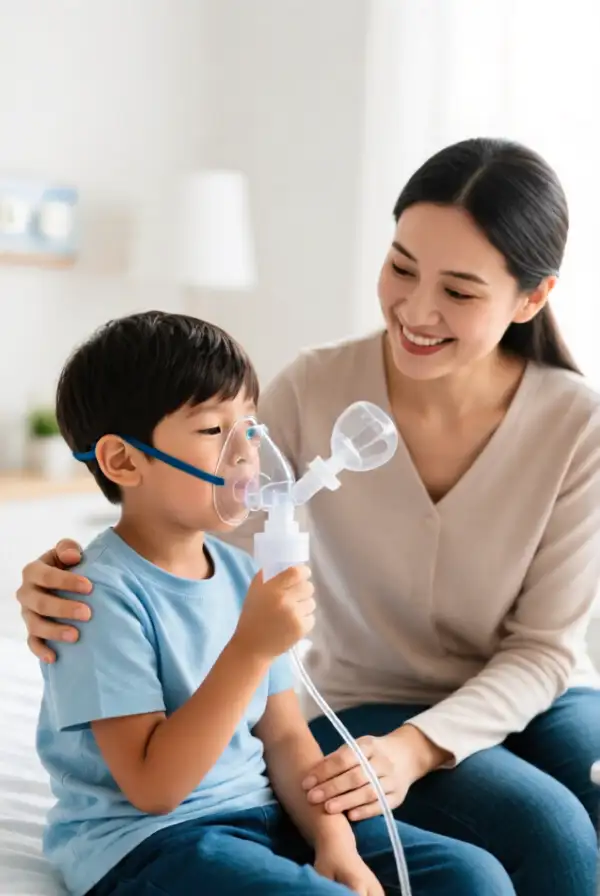
If your child experiences significant shortness of breath, wheezing, or rapid breathing, it’s critical to get medical help immediately. Conditions like asthma or a respiratory infection can escalate quickly and may require urgent intervention.
Recognizing the severity of respiratory issues can be challenging, but if your child is struggling to speak in full sentences or is using their abdominal muscles to breathe, take them to an urgent care center without delay.
3. Dehydration

Dehydration can occur from prolonged vomiting or diarrhea, and children are particularly vulnerable. Signs of dehydration include dry mouth, decreased urination, and lethargy.
If your child shows these symptoms, taking them to urgent care for prompts rehydration is essential. Severe dehydration can require hospitalization, so don’t wait to seek help.
4. Animal Bites
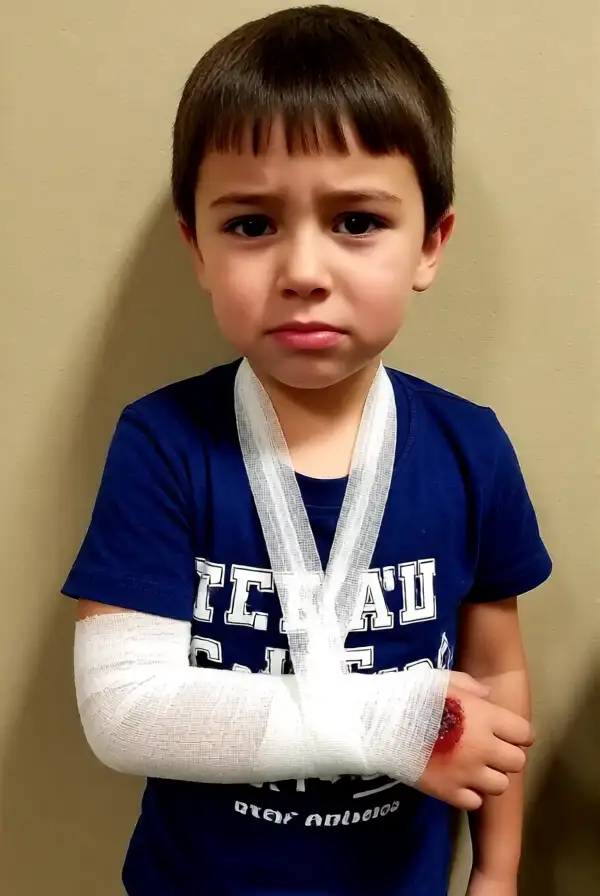
Animal bites can pose serious infection risks and may require stitches or a tetanus shot. If your child has been bitten by a dog or cat, it’s vital to have the wound assessed by a healthcare professional.
Ensure to observe the bitten area for signs of infection, such as increased redness or swelling, and consult urgent care for prompt treatment to minimize complications.
5. Allergic Reactions

Allergic reactions can range from mild to severe, and knowing when to seek help is crucial. If your child experiences difficulty breathing, swelling of the face or lips, or hives after exposure to an allergen, head to urgent care.
Early intervention can be lifesaving, especially in cases of anaphylaxis. Always be aware of potential allergens and have an emergency plan in place.
6. Cuts and Lacerations
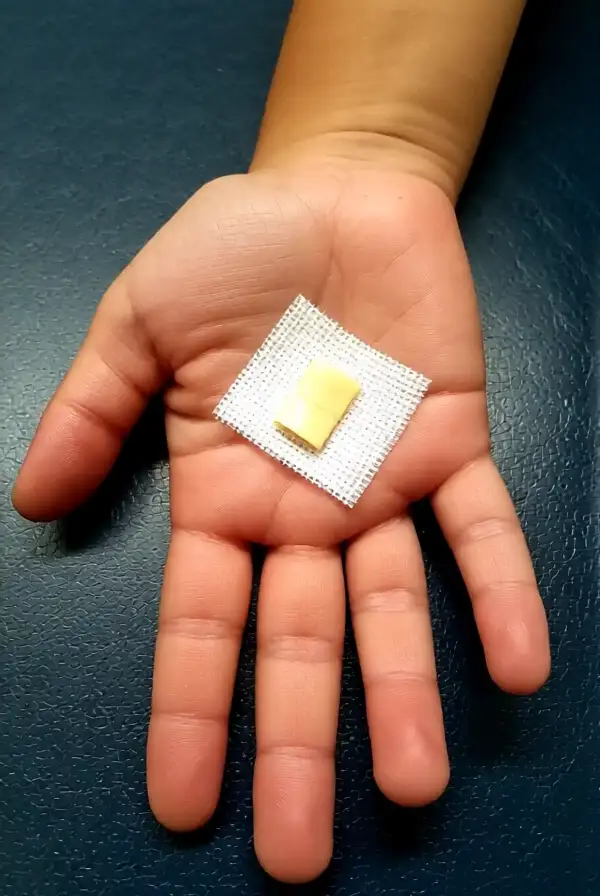
Cuts that are deep, bleeding profusely, or located on the face may require professional evaluation and stitches. If your child has a cut that doesn’t stop bleeding after 10 minutes of applying pressure, urgent care is the best option.
Even minor lacerations can become infected, so it’s wise to have any significant cuts assessed to ensure proper treatment and care.
7. Vomiting and Diarrhea

Frequent vomiting or diarrhea can lead to dehydration and should be monitored closely. If your child cannot keep fluids down and has other concerning symptoms, visiting urgent care may be necessary.
Understanding the underlying cause of these symptoms can help manage them effectively, so it’s advisable to seek medical assistance when in doubt.
8. Serious Cough or Cold Symptoms

A persistent cough accompanied by wheezing or difficulty breathing could indicate a more serious issue, such as bronchitis or pneumonia. Urgent care can provide immediate evaluation and treatment to prevent complications.
Don’t overlook severe cold symptoms; timely intervention can make a significant difference in your child’s recovery.
9. Rashes or Skin Infections
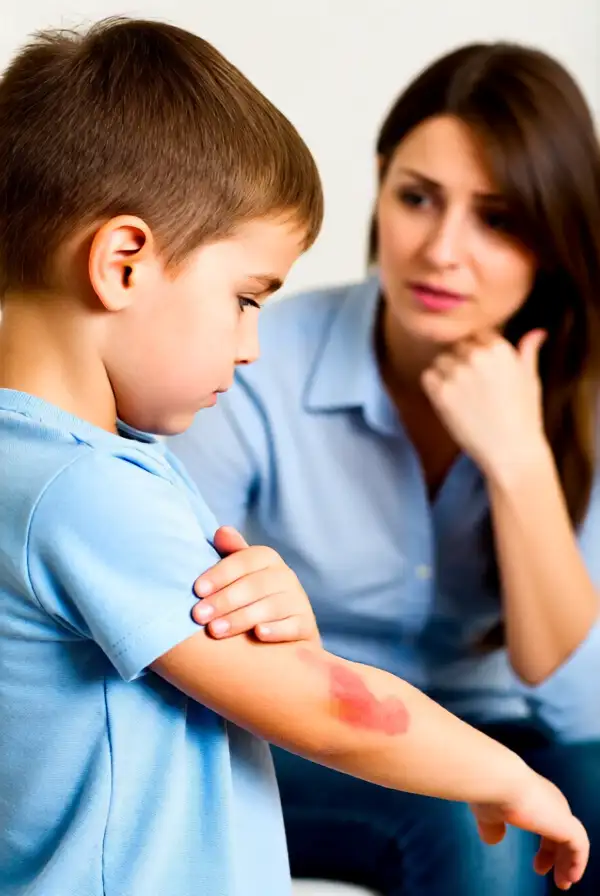
Rashes that are persistent, spreading, or causing discomfort warrant a visit to urgent care. Skin infections can escalate quickly if not treated properly, leading to further complications.
Having a healthcare professional assess the rash ensures that your child receives the necessary treatment and relief from symptoms.
10. Eye Injuries or Infections
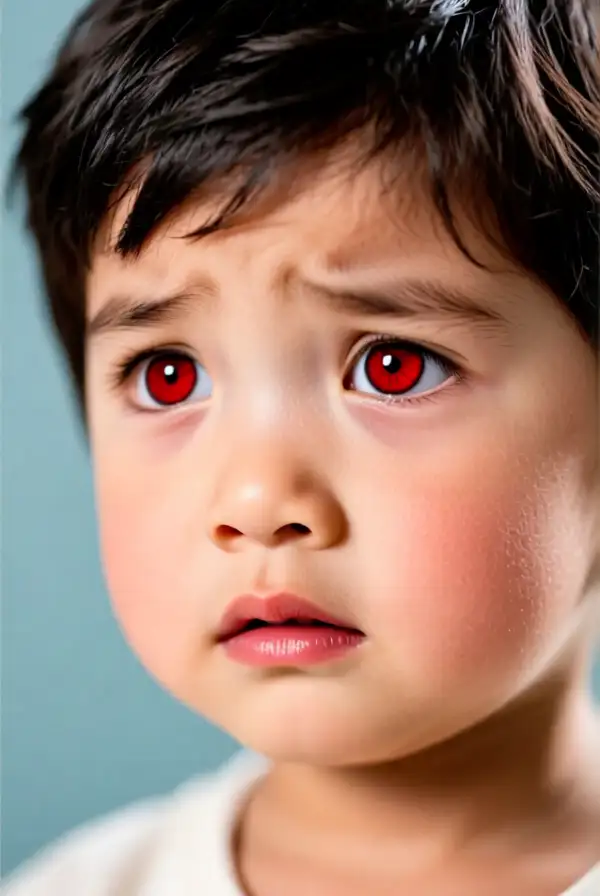
Any injury to the eye or signs of an eye infection, like redness, swelling, or discharge, should be checked by urgent care. The eyes are sensitive and can be easily harmed.
Timely medical attention for eye issues can prevent long-term damage, so don’t hesitate to seek help.
11. Sprains and Strains

Injuries resulting in swelling, severe pain, or inability to use the affected limb should be evaluated to rule out fractures or serious damage. Kids are often active and prone to injury, and urgent care can accurately assess their condition.
Prompt attention can lead to better recovery outcomes and potentially avoid further complications from untreated injuries.
12. Persistent Ear Pain

Ear infections can be painful and may worsen without treatment. If your child complains of persistent ear pain, especially if they also have a fever or are irritable, it’s best to seek urgent care.
Timely evaluation and treatment can relieve pain and address the source of the infection effectively.
13. Unexplained Abdominal Pain

Abdominal pain that doesn’t resolve or is severe could signify a more serious condition, such as appendicitis or an obstruction. Never ignore severe or persistent belly pain in children.
Urgent care can provide the necessary evaluation and treatment to address potential problems quickly.
14. Head Injuries

A head injury, particularly if your child loses consciousness or experiences confusion, requires immediate medical attention. Even seemingly minor bumps can lead to serious complications.
Always err on the side of caution; urgent care can provide the assessment needed to ensure your child’s safety.
15. Burns
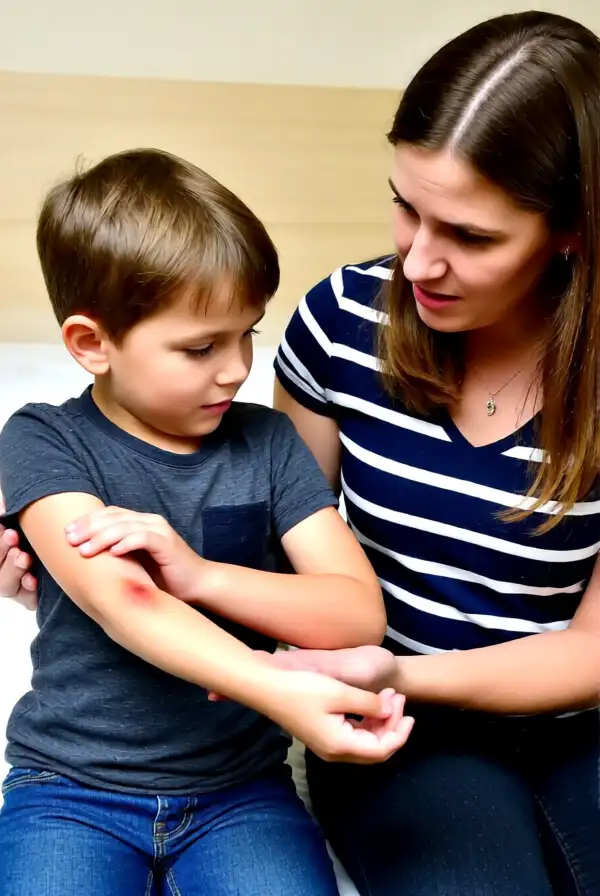
Burns that are second-degree or more, or significant first-degree burns, should be treated in urgent care to prevent further complications and facilitate proper healing.
Injuries from hot liquids, flames, or chemicals require experienced care to ensure the best outcomes for recovery.
16. Seizures

If your child experiences a seizure for the first time, it’s vital to seek urgent medical attention. Quick evaluation can help determine the cause and appropriate next steps.
Any recurring seizure activity requires ongoing medical evaluation and monitoring.
17. Sudden Changes in Behavior

A sudden change in behavior, such as increased irritability, lethargy, or unresponsiveness, may indicate an underlying health issue that requires immediate care.
Urgent attention can help identify potential medical problems before they worsen.
18. Ingestion of Foreign Objects
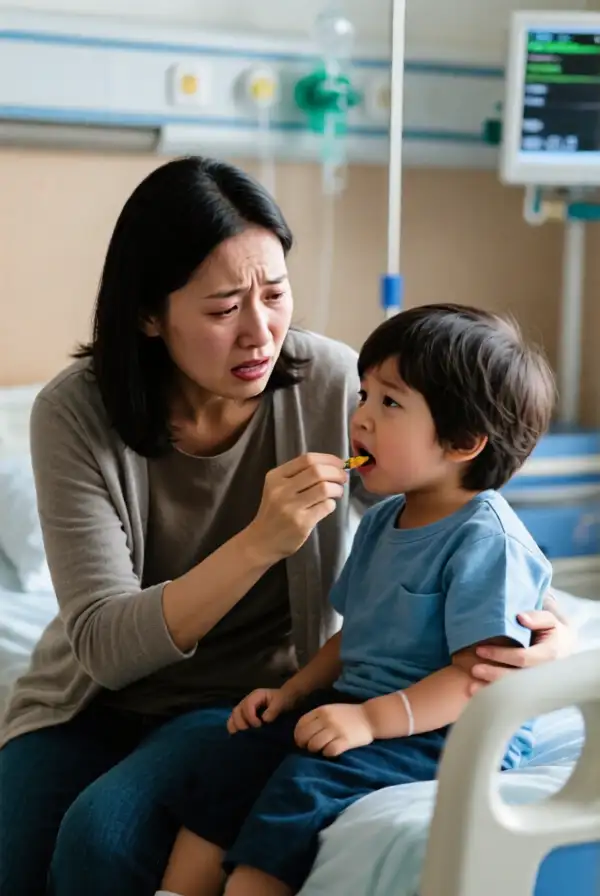
If your child has swallowed a foreign object, regardless of size, it’s best to seek urgent care to ensure it doesn’t cause any internal damage or choking.
Medical professionals can provide the necessary evaluation and treatment to address the situation safely.
19. Uncontrolled Crying

When your child cries inconsolably for an extended period, it may be due to pain or discomfort that requires medical evaluation. This behavior can indicate numerous health issues.
Seeking help can provide peace of mind as you understand and address the cause of their distress.
20. Puncture Wounds

Puncture wounds can often become infected if not treated, especially those from animal bites or sharp objects. Timely assessment and treatment in urgent care can mitigate potential complications.
Proper care ensures that cleaning and closing the wound are done appropriately, reducing the risk of infection.
21. Fever with Rash
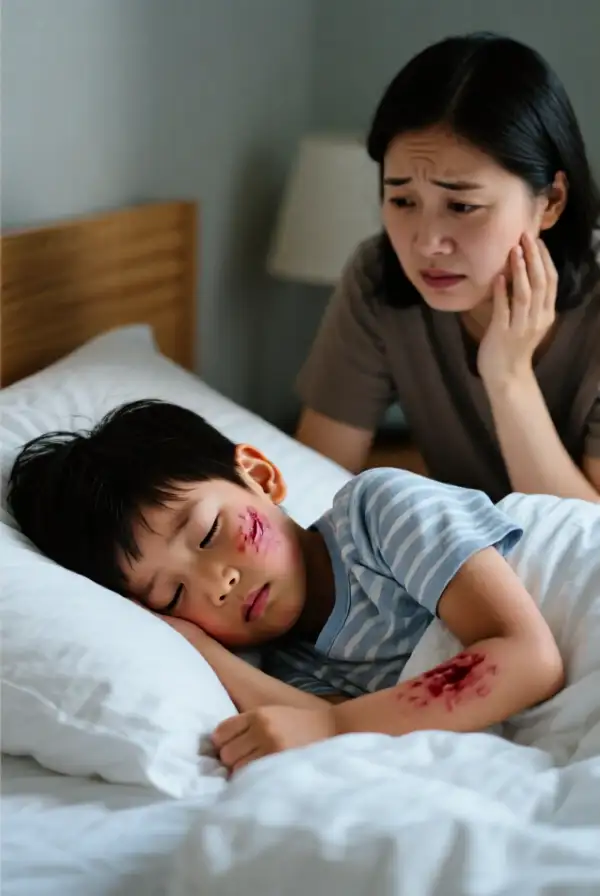
A fever accompanied by a rash can indicate conditions like measles or scarlet fever, which need prompt medical evaluation. Don’t wait to seek care if these symptoms occur.
Early diagnosis and treatment can prevent complications and clarify the concern.
22. Choking
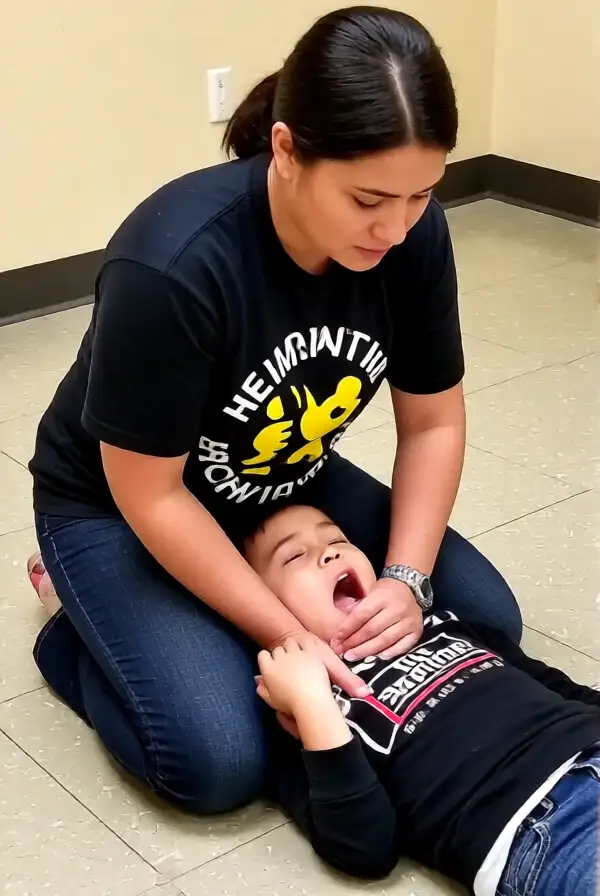
If your child is choking or struggling to breathe, this is a medical emergency. Immediate urgent care is necessary to clear the airway and ensure their safety.
Always have a plan in place for choking emergencies, focusing on prevention and quick action.
23. Signs of Infection
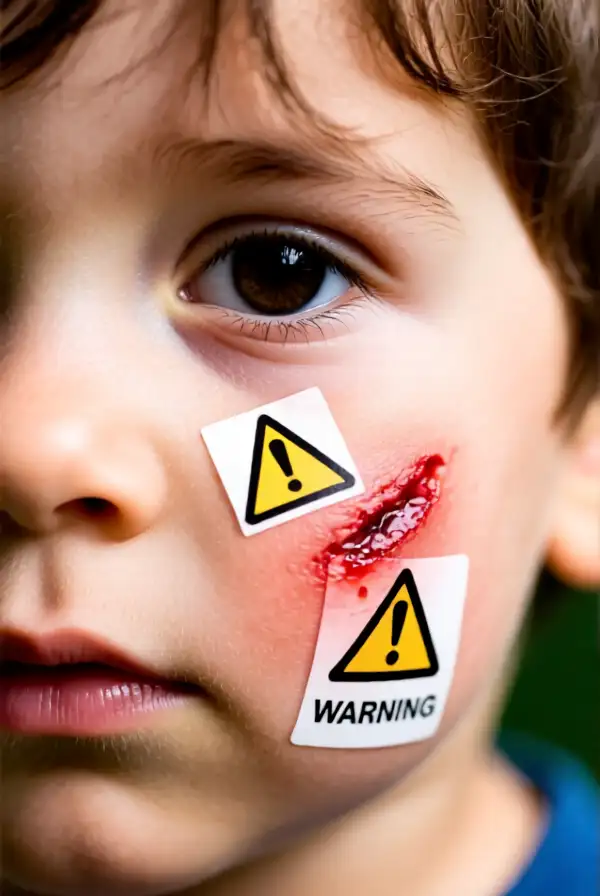
Signs of infection, such as fever, redness, or swelling around a wound, should be examined promptly in urgent care. Early intervention can help prevent the spread or worsening of the infection.
Be vigilant about any new symptoms; taking action early can ensure better outcomes.
24. Severe Headaches
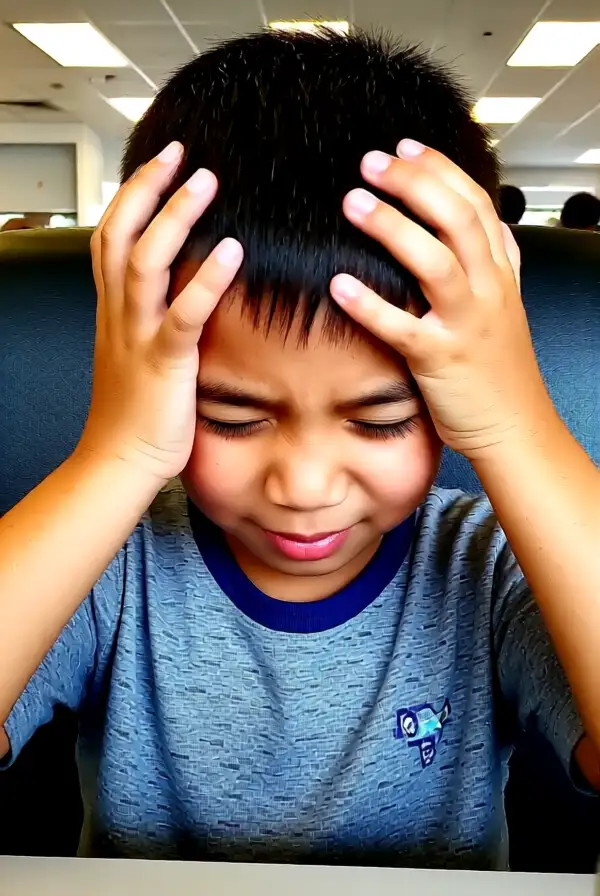
Severe headaches that don’t respond to over-the-counter medication and are accompanied by nausea or visual disturbances should be evaluated. Urgent care can provide the necessary assessment and treatment.
Identifying the underlying cause of headaches is critical, especially in children, to ensure appropriate care.
25. Contact with Poison

If your child has ingested or come into contact with poison, seek immediate medical assistance. This situation is time-sensitive and requires quick intervention to minimize harm.
Knowing the right steps to take in case of poisoning is vital for every parent and can save lives.
In conclusion, knowing when to visit kids’ urgent care is essential for parents to ensure their children’s health and safety. By being aware of these 25 signs and symptoms, you can act quickly and get the appropriate care when needed. Always trust your instincts; if something feels off with your child, don’t hesitate to seek medical help.