Deciding when to stop swaddling your baby is a significant milestone for parents. This article explores key considerations, signs to look for, and alternative methods for ensuring your baby’s comfort and safety during sleep.
Understanding the Basics of Swaddling
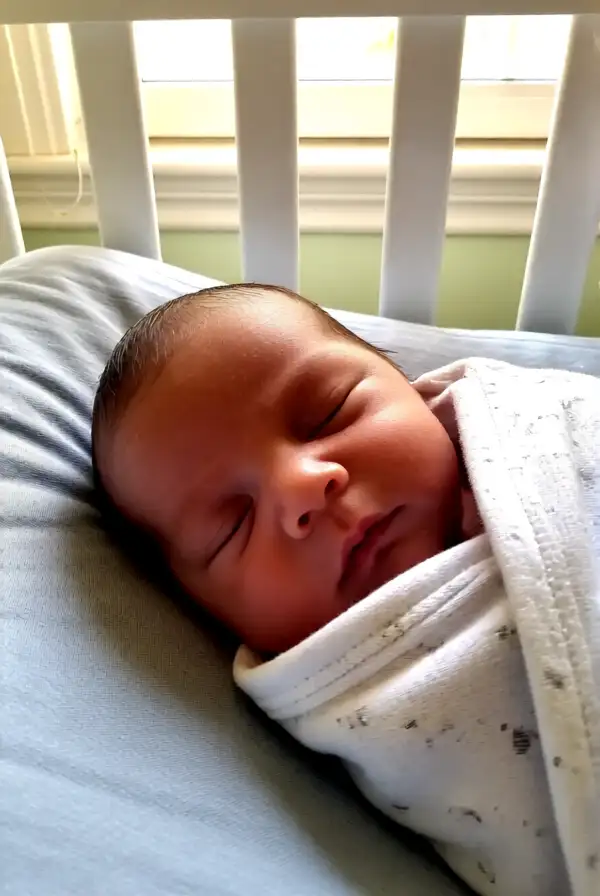
Swaddling is a practice that mimics the cozy environment of the womb, providing comfort to newborns. This technique helps to soothe babies, reducing their startle reflex, which can interrupt sleep. It’s essential to learn the correct method of swaddling to ensure safety and comfort during this practice.
Knowing the right time to introduce swaddling can differ from one baby to another, as each child grows at their own pace. Factors such as weight gain and developmental milestones should be closely monitored to determine if swaddling remains beneficial or if it’s time to transition to other sleep methods.
Signs That Your Baby is Ready to Stop Swaddling

Recognizing the signs that your baby is ready to be swaddled is crucial for their development. If your baby starts to roll over, this is a clear indication that swaddling should be modified or stopped entirely. Rolling while swaddled can pose a risk of suffocation, making it vital to transition out of swaddling before this occurs.
Other signs include your baby consistently breaking free from the swaddle, showing signs of discomfort, or demonstrating a desire to have more freedom in movement during sleep. Observing these behaviors can help you gauge the right time to make the switch.
Alternative Sleep Solutions for Your Baby
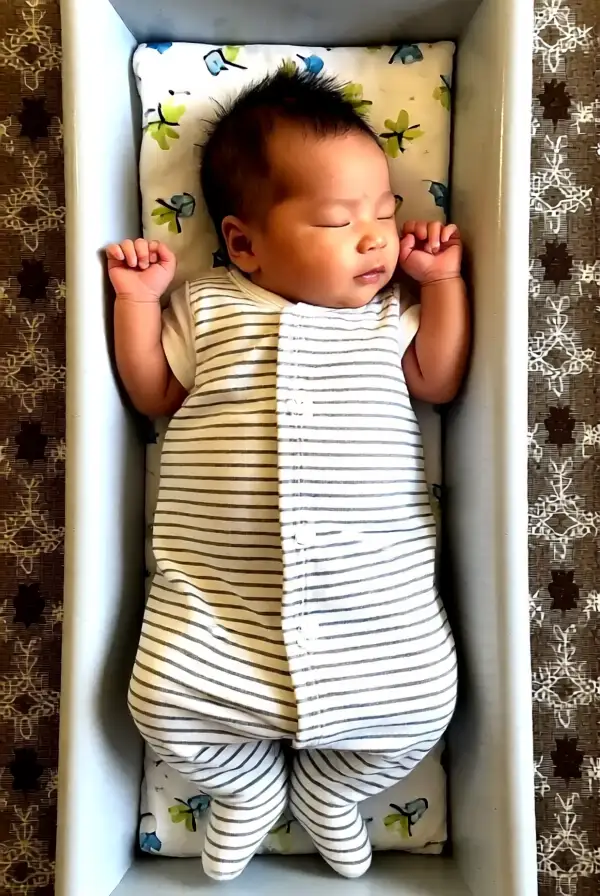
Once you’ve determined it’s time to stop swaddling, exploring alternative sleep solutions becomes crucial. Options include sleep sacks, which allow babies to stay covered while providing freedom for their arms and legs. These can be beneficial as your baby transitions from being swaddled.
Another alternative is to practice gradual unswaddling by allowing your baby to sleep with one arm out at a time. This method can help your baby adjust to sleeping without being fully swaddled, easing the transition for both the baby and parents.
Establishing a New Sleep Routine

Creating a new sleep routine after swaddling can be beneficial for your baby’s sleep. Establishing a calming routine such as a bedtime bath, gentle rocking, or reading a book can signal to your baby that it’s time to wind down. These rituals help in forming positive associations with sleep.
Continuing the routine after transitioning from swaddling can provide your baby with a sense of security and consistency, easing any anxiety or discomfort that may arise during this change in their sleeping arrangement.
Monitoring Sleep Patterns Post-Swaddling

After you stop swaddling, it’s essential to monitor your baby’s sleep patterns to ensure they are adjusting well. Some babies may experience a period of wakefulness as they adapt to their new sleeping style. It’s important to remain patient and observe any changes in sleep duration and quality during this time.
Keeping a journal can help track your baby’s sleep patterns, noting any disruptions or improvements. If sleep issues persist beyond a few weeks, it may be beneficial to consult with a paediatrician for further guidance.
Safety Considerations When Transitioning from Swaddling
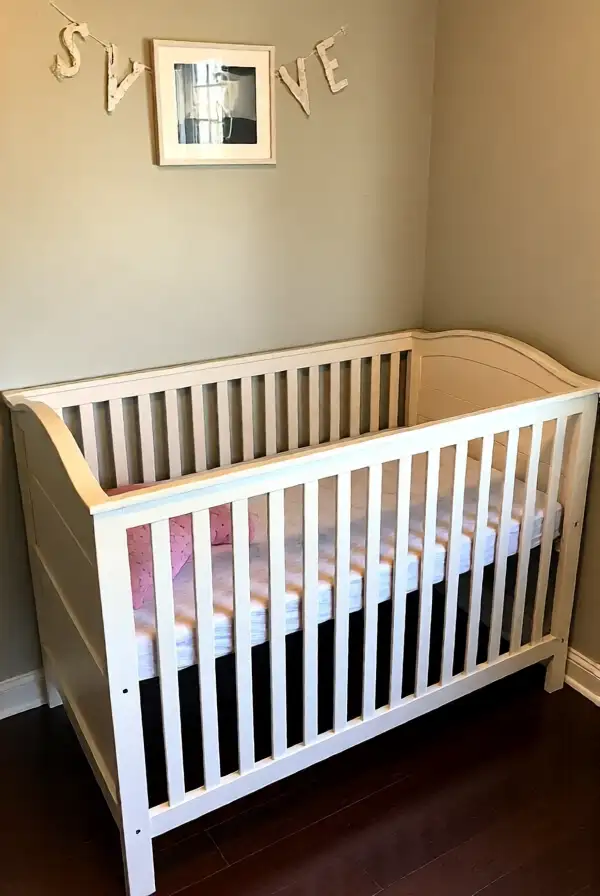
Safety is paramount when making the shift from swaddling. Be sure to implement safe sleep practices, such as placing your baby on their back to sleep, and using a firm sleep surface. As your baby begins to explore rolling, it’s crucial to ensure there are no loose items in the crib that could pose a suffocation risk.
Additionally, keeping the sleep environment at a comfortable temperature can help your baby sleep soundly without the need for swaddling. Following these practices will help promote a safer sleep experience for your growing child.
Consulting Healthcare Professionals

If you’re uncertain about when to stop swaddling or have concerns about your baby’s sleep, consulting with healthcare professionals is always a good idea. They can provide personalized guidance based on your baby’s development and individual needs, ensuring that your baby transitions safely and effectively.
Pediatricians and sleep consultants can offer insights into recognizing developmental milestones and creating healthy sleep habits for your little one, giving you peace of mind during this essential transition.
Conclusion
Deciding when to stop swaddling requires careful observation and consideration of your baby’s developmental needs. By being attentive to signs your baby is ready to transition and exploring alternative sleep solutions, you can create a safe and comfortable sleeping environment tailored to your child’s growth. Always prioritize safety and comfort as your baby moves forward in their sleep journey.