
This blog post presents practical strategies for effectively managing and disciplining defiant preteens. Through a combination of expert insights and personal experiences, it aims to guide parents in navigating the challenges that come with this pivotal stage of childhood, fostering understanding and improved behavior.
Understanding the Preteen Stage

Preteens are at a critical juncture in their development, transitioning from childhood to the complexities of adolescence. This transformative phase is characterized by a quest for independence and self-identity, making it essential for parents to adapt their approaches to guidance and discipline. Parents should remain patient and informed to navigate this journey successfully.
During this time, engagement in open discussions about emotions and identity becomes crucial. Parents can provide support by validating their preteens’ feelings, which fosters trust and encourages better communication. This nurturing environment helps them develop self-esteem and resilience.
Recognizing Defiant Behavior

Defiant behavior in preteens often manifests as arguing, rule-breaking, and challenging authority. Understanding the underlying motivations for these behaviors is key for effective management. Preteens may rebel as a means of asserting their independence or expressing unmet needs.
It’s important for parents to distinguish between normal developmental defiance and behavior that may require intervention. This awareness enables a more tailored approach, focusing on support and guidance rather than punishment, fostering a positive relationship with their child.
Setting Boundaries and Rules

Establishing clear and consistent boundaries is vital for guiding preteens through their developmental challenges. Effective rules should be age-appropriate, realistic, and clearly communicated. Inviting preteens to participate in discussions about these rules fosters their sense of ownership and responsibility.
When rules are consistently enforced, preteens are more likely to comply. Additionally, providing rational explanations for the rules helps children understand their significance and strengthens their willingness to adhere to them.
The Role of Consistency in Discipline

Consistency in enforcing rules and expectations is crucial for effective discipline. When parents apply consequences uniformly, it minimizes confusion and reinforces the importance of following guidelines. Maintaining a united front as co-parents also enhances discipline efforts.
However, parents should remain flexible. Being adaptable to changing circumstances demonstrates a balanced approach to discipline while providing necessary structure. This helps preteens learn that rules are important but also allows for the understanding that exceptions can be made.
Incorporating Positive Reinforcement

Positive reinforcement is a powerful tool for guiding behavior in preteens. Acknowledging and rewarding good behavior encourages them to repeat these actions. Such practices may include praise for completing tasks, exhibiting kindness, or successfully adhering to rules.
Creating a structured reward system can also be beneficial. By earning points for positive behaviors that lead to tangible rewards, parents motivate preteens to develop good habits while reinforcing positive reinforcement strategies.
Encouraging Effective Communication

Open lines of communication are essential in managing a preteen’s behavior. Parents should encourage discussions about emotions, concerns, and choices, while also practicing active listening. This practice not only builds trust but also encourages preteens to express themselves more freely.
Using “I” statements can help address issues without creating defensiveness. For example, saying “I feel concerned when…” helps preteens understand the parent’s perspective without feeling blamed, fostering constructive dialogue.
Fostering Independence and Accountability
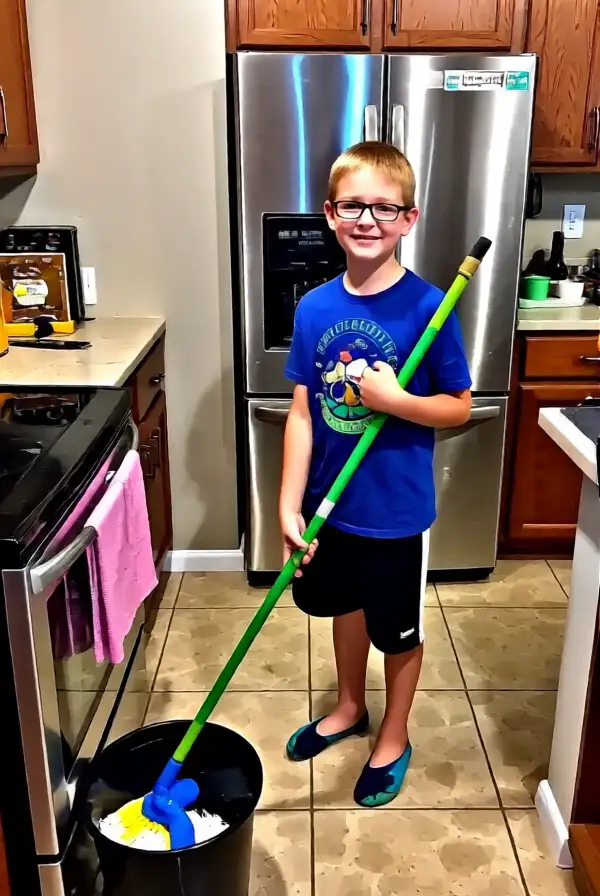
Fostering a sense of independence in preteens is crucial for their growth. Allowing them to make choices, such as selecting their clothing or planning family activities, helps develop decision-making skills. Parents should provide guidance while allowing preteens the freedom to explore their choices.
Alongside independence, assigning appropriate responsibilities like household chores teaches accountability and the value of contributing to the family. This balance nurtures both their sense of autonomy and their role within the home.
The Importance of Emotional Support

Emotional support plays a significant role in a preteen’s life. Parents should practice empathy and ensure that their child knows it’s acceptable to express feelings, including frustrations and fears. This emotional safety net fosters a trusting relationship.
Encouraging preteens to articulate their feelings and experiences promotes emotional intelligence. Through understanding and support, parents can guide their child in developing resilience and a healthy emotional framework.
Utilizing Consequences Effectively

Consequences should be fair, reasonable, and directly related to the behavior. Natural consequences serve as teachable moments, allowing preteens to learn from their actions. For example, if a chore isn’t completed, the natural consequence might be losing screen time to complete the task.
Parents should consistently apply consequences to enhance their effectiveness. This consistency ensures that preteens understand their actions have repercussions, aiding in their overall behavioral management.
Seeking External Support When Necessary

If preteen defiance becomes persistent or challenging to manage, seeking professional assistance may be beneficial. Psychologists or family therapists can provide valuable insights and strategies tailored to specific situations, helping families navigate difficult periods effectively.
Consulting professionals also reassures parents that they’re utilizing appropriate methods while equipping them with specialized tools to support their preteens through these tumultuous years.
Building Trust and Respect

The foundation of a strong parent-child relationship lies in mutual trust and respect. Parents can foster this bond by consistently demonstrating understanding and patience. When preteens feel respected, they are more likely to reciprocate with positive behavior.
Leading by example and admitting mistakes also contribute to developing trust. Demonstrating vulnerability encourages preteens to relate and engage authentically, reinforcing a strong familial connection.
Creating a Positive Home Environment

A nurturing home environment is essential for a preteen’s development. A household that emphasizes love, understanding, and open communication offers the stability necessary for emotional growth. Establishing a peaceful atmosphere that encourages positive interactions fosters healthy development.
Incorporating routines provides structure, while also illustrating the value of organization and responsibility. This balance creates an environment where preteens can thrive both emotionally and socially.
Wrapping Up: The Parenting Journey

Managing a defiant preteen presents challenges, but it also offers opportunities for profound growth. By embracing empathy, patience, and effective communication, parents can foster positive relationships while encouraging responsibility in their children. Remember, this journey is a collaborative effort that shapes both parent and child positively.
Navigating these transformative years requires commitment and understanding. With the right approach, parents can equip their preteens with the tools they need to face life’s challenges, fostering lifelong skills and a strong bond.