
If you’re new to abstract art, the vibrant world of shapes, colors, and emotions awaits you! This guide presents 13 unique sources of inspiration to jumpstart your creative journey. Discover techniques, styles, and concepts to express yourself artistically, making abstract art accessible for everyone.
Exploring Color Theory
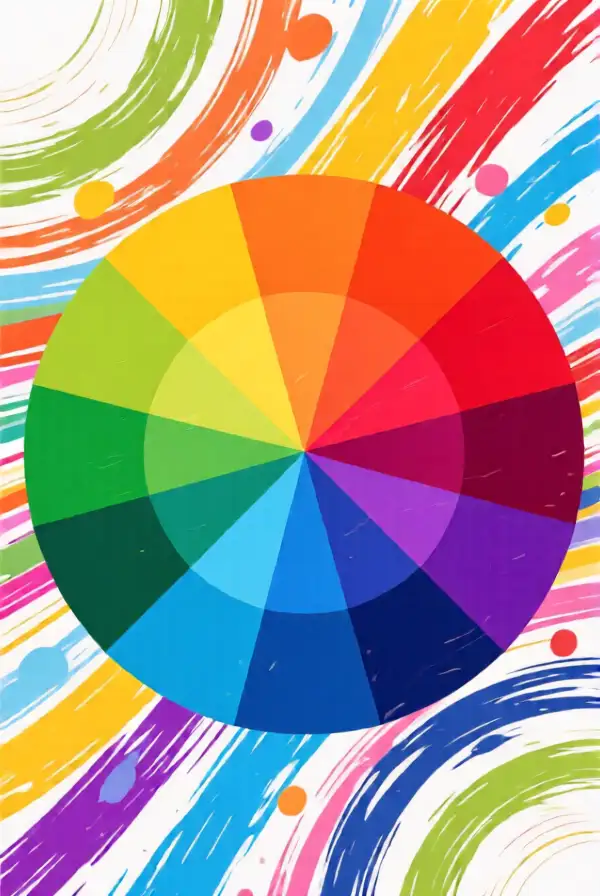
Understanding color theory is essential for any artist, especially those diving into abstract art. Mastering the color wheel helps you create stunning combinations that evoke emotions. Experiment with primary, secondary, and complementary colors to bring vividness to your work. Play around with mixing colors to explore new hues that resonate with your artistic vision.
Choose a color palette that reflects the feelings you want to convey. Soft pastels, bold neons, or earthy tones can significantly affect the mood of your artwork. Use color swatches to test your palette before committing to your piece, guiding your brushwork in a more intentional direction.
Textures and Layers
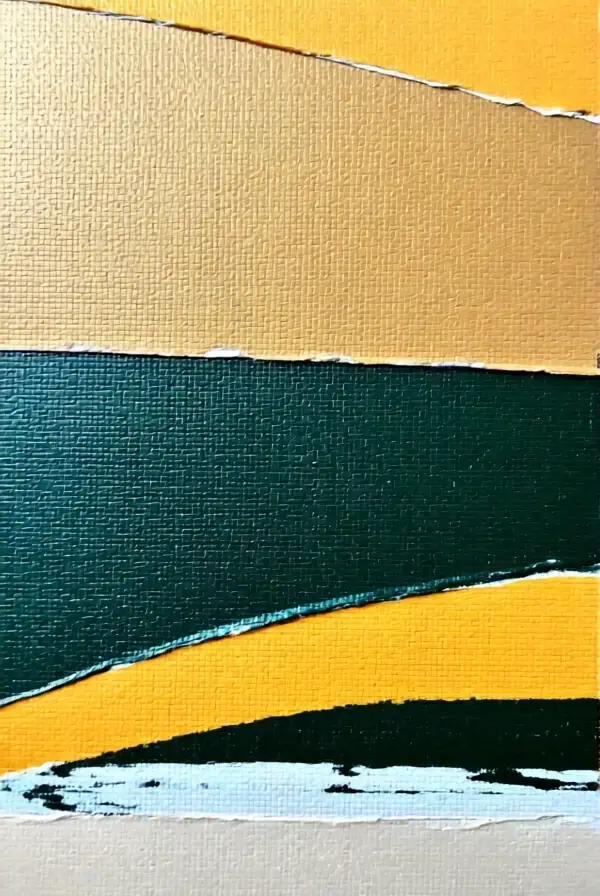
Add depth and intrigue to your artwork by incorporating various textures and layers. Use different materials such as paper, fabric, or found objects to create a rich surface. Layering your paints can create unexpected visual effects, inviting viewers to look deeper into your work.
Experiment with techniques like scraping, splattering, or pouring paints to achieve unique textures. The interaction between smooth and rough areas in your artwork can create beautiful contrasts that capture attention and invoke curiosity.
Finding Inspiration in Nature
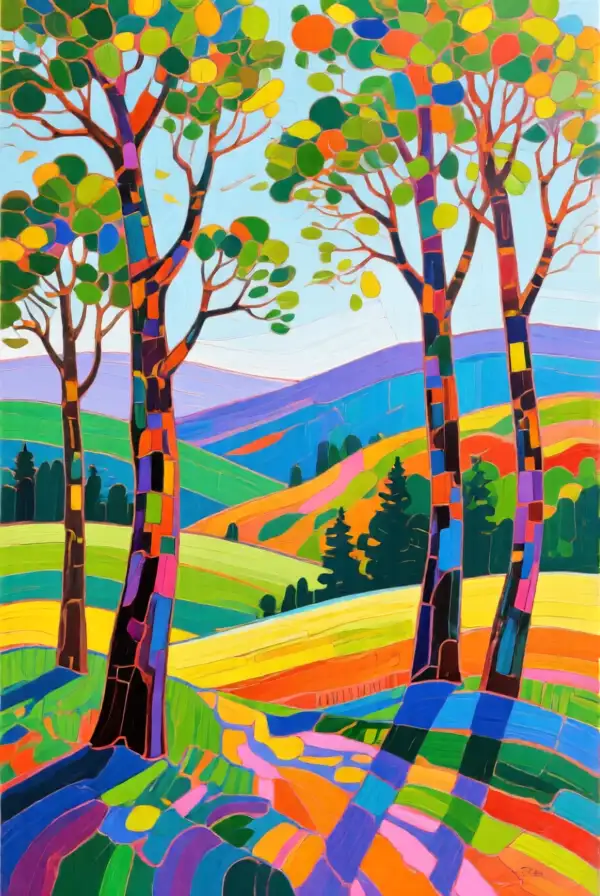
Nature is a boundless source of inspiration for abstract art. Look closely at the colors, forms, and patterns found in flora and fauna. From the swirls of a seashell to the vibrant hues of a sunset, nature can fuel your creativity and help you branch into new artistic expressions.
Take sketch notes or photographs during nature walks to capture moments that resonate with you. Use these to inform your color choices and shapes, allowing the natural world to guide your abstract interpretations.
Incorporating Movement and Flow
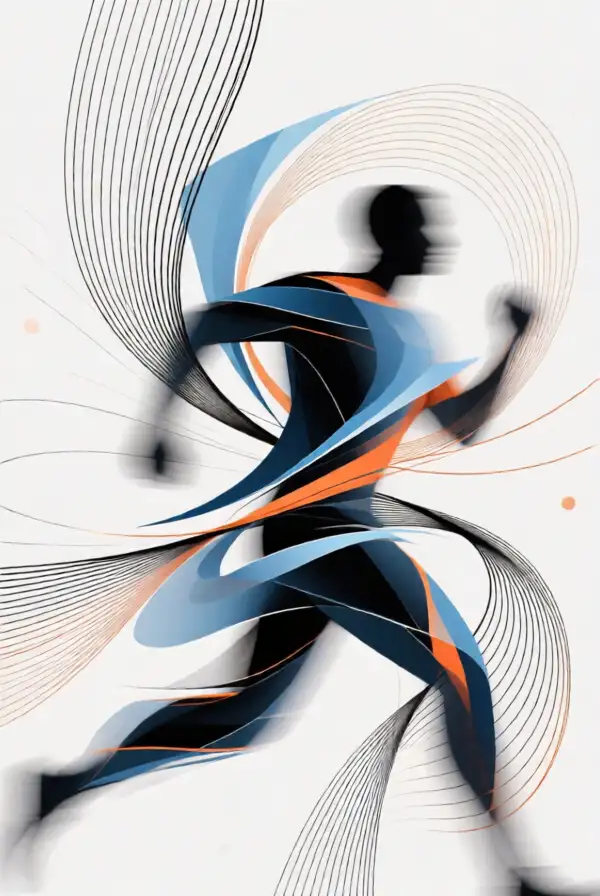
Abstract art can evoke feelings of motion and flow, captivating the viewer’s attention. Think about how lines and shapes can guide the eye throughout your piece. Use sweeping curves or sharp angles to create a sense of dynamism, informing the viewer’s experience.
Experiment with brush strokes that vary in pressure and direction to create rhythm in your design. The interplay between backgrounds and foregrounds can enhance the sense of movement and make your art feel alive.
Exploring Geometric Shapes
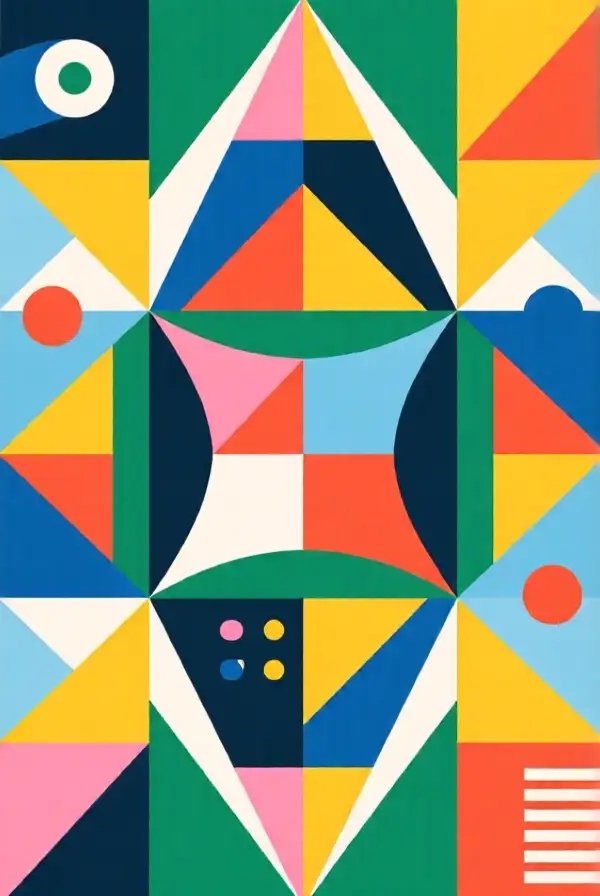
Geometric shapes are foundational in abstract art, offering a structure that helps focus the creative process. Simple squares, circles, and triangles can form complex compositions when arranged thoughtfully. Challenge yourself by limiting your shapes to work within a specific geometric framework.
Play with scale, symmetry, and placement to create a balanced yet dynamic composition. Juxtaposing various sizes of shapes can invoke tension and interest, encouraging viewers to explore your piece.
Using Personal Memories
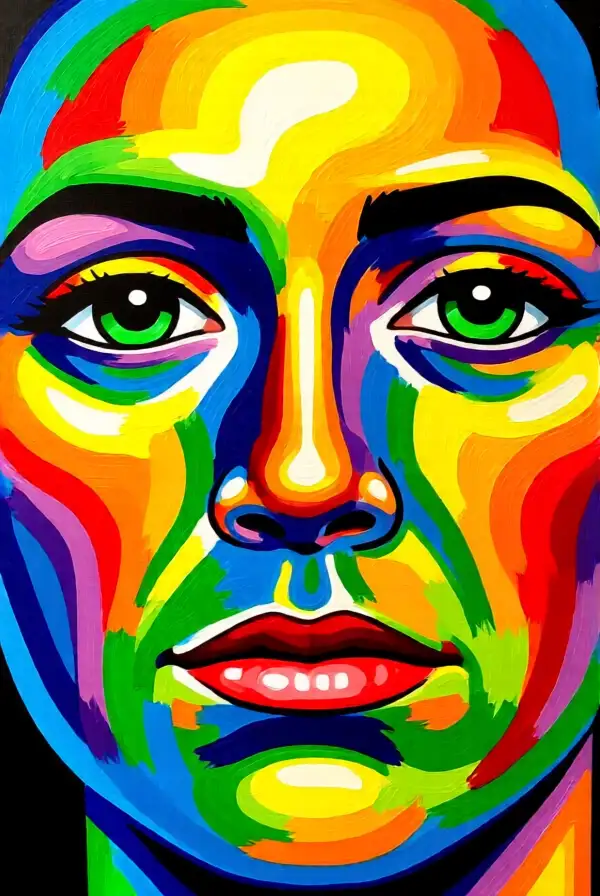
Your personal experiences are rich soil from which to draw inspiration. Think about memories that evoke strong emotional responses; these can guide your color choices, shapes, and overall theme. Reflect on a memorable event, place, or feeling and channel that into your artwork.
Incorporate imagery, symbols, or motifs that represent these memories. This will add an intimate layer to your work, allowing viewers to connect with the emotion behind your abstraction.
Listening to Music
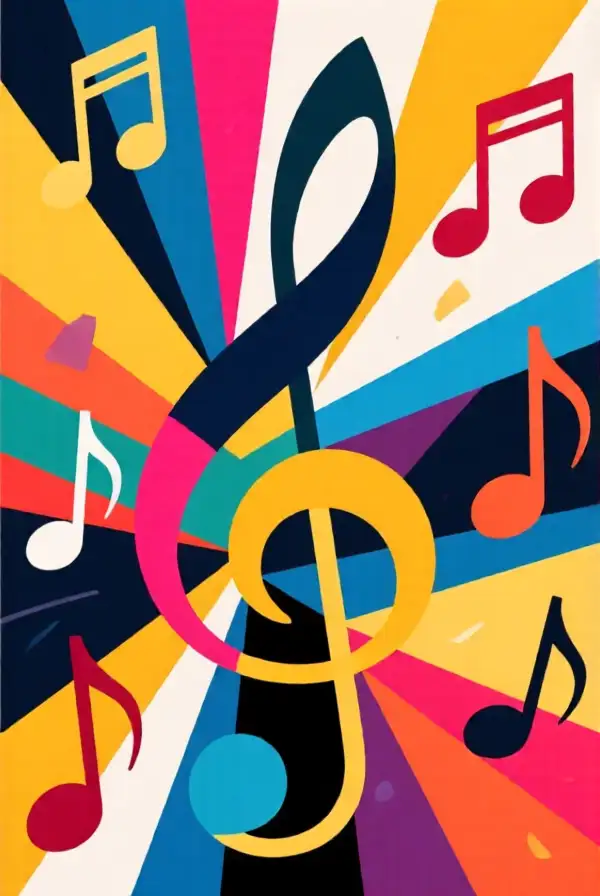
Music can provoke powerful feelings and stimulate creativity. Try listening to diverse genres while painting or creating your abstract art. Pay attention to how different rhythms and melodies influence your brush strokes, color choices, and overall energy of the piece.
Create artwork that visually represents a song or album. The energy and emotions of music can translate beautifully onto canvas, resulting in a vibrant and expressive representation of your auditory experience.
Participation in Art Communities

Engaging with other artists can help to fuel your creative fire. Join local or online art communities where you can share ideas, receive feedback, and find inspiration. Participate in collaborative drawing sessions or challenges that encourage you to explore beyond your comfort zone.
Witnessing the diverse styles and techniques of fellow creators can spark fresh ideas and motivate you to embark on projects you might not have considered otherwise. Sharing your work can also generate valuable connections and foster growth.
Experimenting with Mixed Media
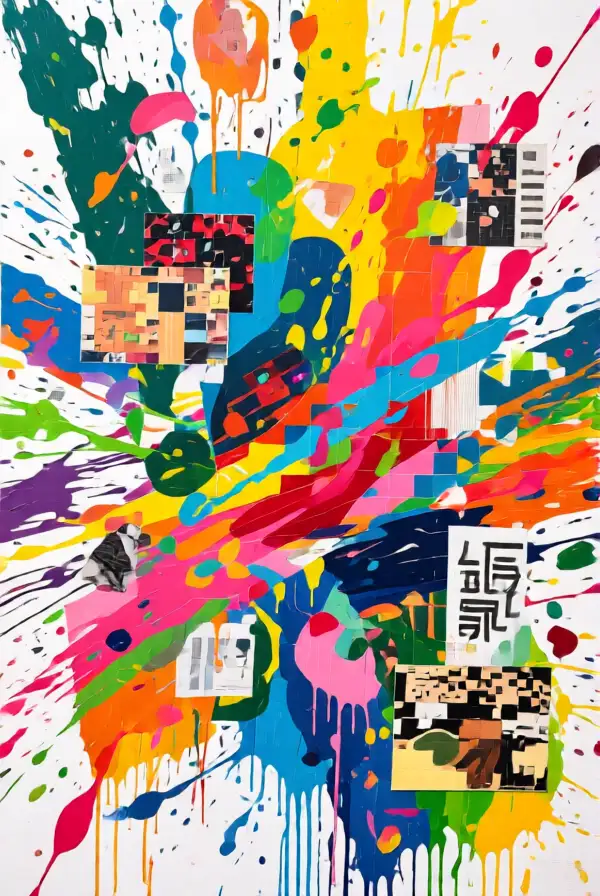
Merging different mediums allows for exciting possibilities in abstract art. Combine painting with collaging, digital manipulations, or textile applications to create unique textural combinations. Mixed media invites spontaneity and experimentation, further enhancing your creative process.
Use items like found papers, fabrics, pastels, and markers alongside your paints. This fusion of materials will not only facilitate creativity but also lead to unexpected surprises in your final pieces.
Utilizing Art as Therapy
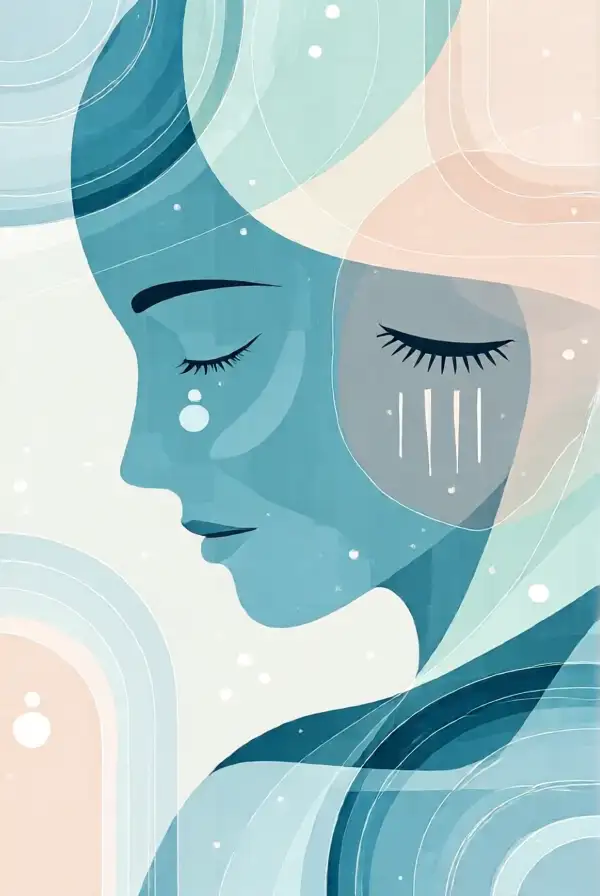
Creating art has therapeutic benefits. Use abstract art as a means to express emotions, cope with stress, or work through personal challenges. Let go of traditional constraints and allow yourself to create without judgment or expectation, producing work that is authentically you.
Art therapy techniques can involve focusing solely on colors and forms rather than the end result. Take pleasure in the process of creating, letting your emotions dictate your choices, making for a liberating experience.
Setting Up a Creative Space
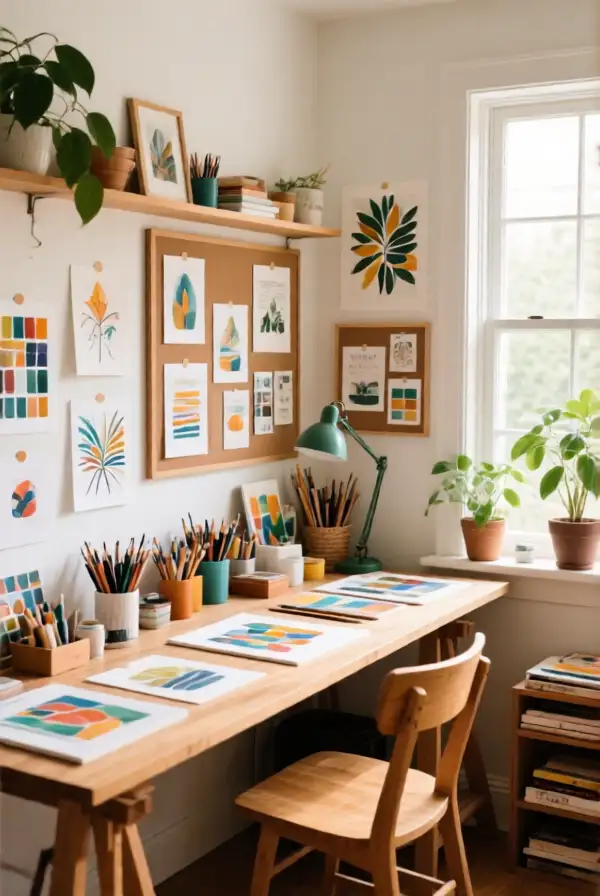
Your environment greatly influences your creativity. Create a dedicated space that stimulates your artistic flow. Incorporate inspiration boards, have your materials easily accessible, and develop a clean and inviting workspace that promotes experimentation.
Make your space personal with items that resonate with your artistic journey and surround yourself with art you love. An inspiring space can elevate your mood and enhance your productivity, making it an integral part of your creative practice.
In conclusion, exploring abstract art can be an exhilarating journey filled with endless inspiration. Use these 13 sources to guide your creative exploration and discover the vibrant world of abstract expression. Embrace your unique vision and let your artistry shine!