
This comprehensive guide delves into 13 effective strategies for disciplining toddlers in a positive and nurturing way. Discover various techniques that promote understanding, consistency, and connection with your little ones.
Understanding Your Toddler’s Behavior
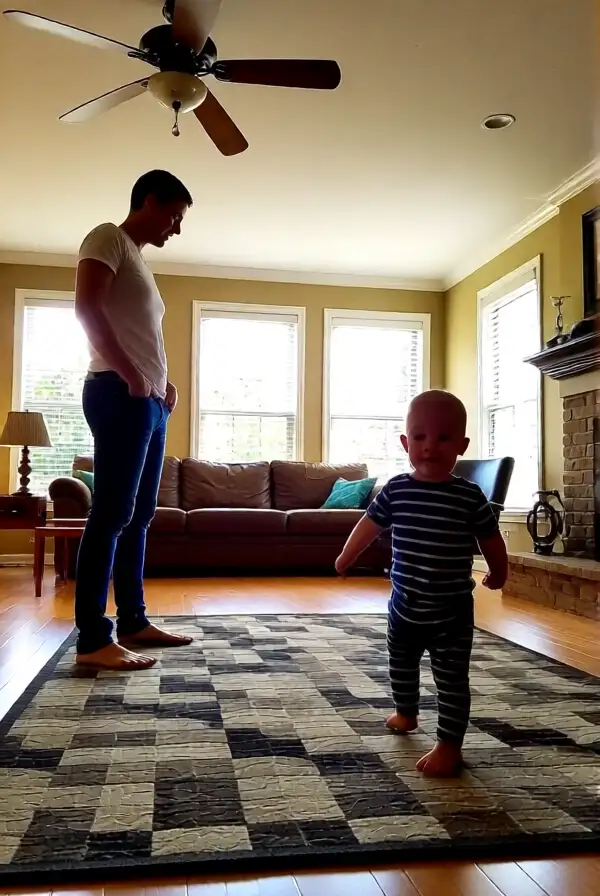
Recognizing the underlying reasons behind your toddler’s behavior is crucial for effective discipline. Toddlers are constantly learning about boundaries and testing limits, which can result in tantrums and defiance. Understanding their developmental stage helps you approach discipline with empathy and patience.
Engaging in active observation of your toddler’s cues allows you to respond appropriately to their needs. Instead of reacting to their behavior with frustration, try to consider their feelings to better guide them toward appropriate actions.
Setting Clear and Consistent Boundaries
Establishing clear and consistent boundaries is key in toddler discipline. Toddlers thrive on routines and knowing what to expect. Communicate your expectations clearly, breaking them down into simple terms they can understand.
Whenever possible, involve your toddler in the discussion about rules. This creates a sense of ownership and better compliance. Consistently reinforcing these boundaries will help them feel secure and understand the importance of limits.
Positive Reinforcement Techniques

Positive reinforcement can be incredibly effective in shaping behavior. This technique involves praising and rewarding good behavior, encouraging toddlers to repeat those actions. A sticker chart or small rewards can make this approach feel exciting for your little one.
Celebrating small milestones reinforces desired behaviors and encourages toddlers to contribute positively to their environment. This approach fosters self-esteem and motivation, ensuring that they see the benefits of good behavior.
Redirecting Attention
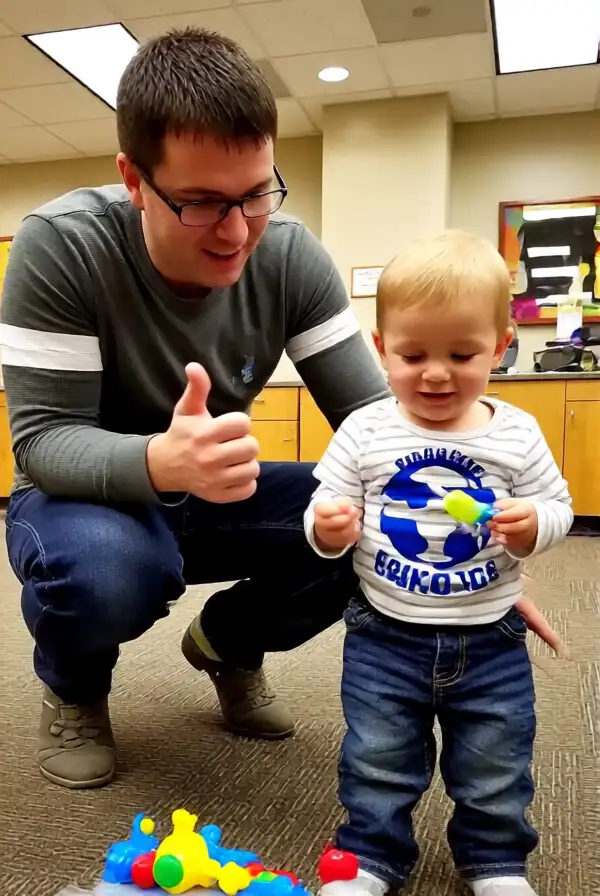
When your toddler is on the verge of misbehavior, redirecting their attention can be a powerful strategy. Rather than simply telling them “no”, guide them towards a more appropriate activity or behavior. This helps them to channel their energy positively.
For instance, if a child is about to throw a toy, offer them another toy to play with or suggest a fun game. This diverts their focus and mitigates the possibility of negative behavior, all while keeping them engaged.
Time-Outs as a Discipline Strategy

Time-outs can be an effective way to help toddlers calm down and reflect on their behavior when used appropriately. Ensure that the time-out space is safe and away from stimulation. It should not feel like a punishment but rather a chance for them to regain composure.
After the time-out, encourage a conversation about what happened and how they can express their feelings differently. This not only reinforces the lesson but also promotes emotional awareness and self-regulation.
Modeling Appropriate Behavior
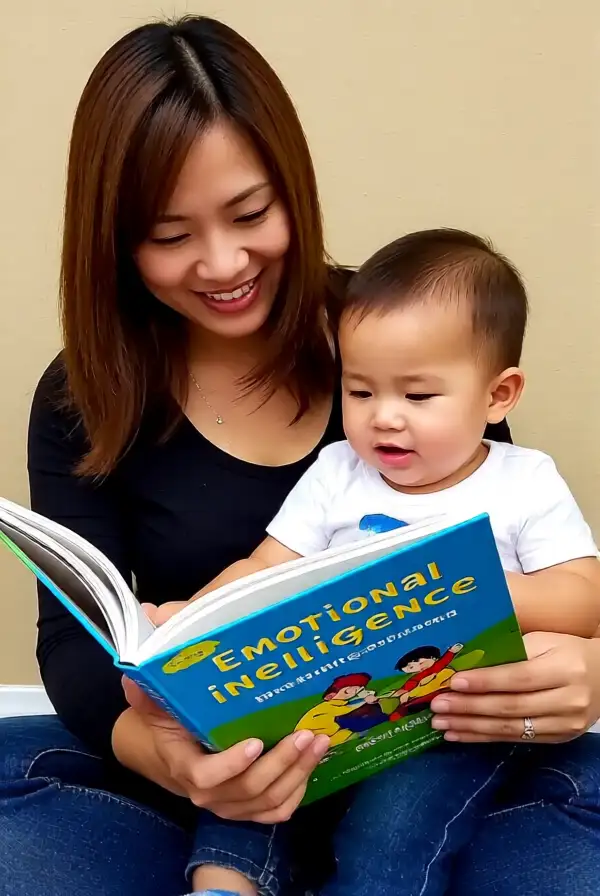
Toddlers learn predominantly through imitation, making it essential to model the behavior you wish to see. Show them how to express their feelings appropriately and deal with frustration effectively. Your reactions serve as powerful examples for their developing social skills.
Consistently demonstrating patience, kindness, and problem-solving can instill these values in your child. This fosters a positive environment where they feel secure and willing to communicate openly.
Using Storytelling and Role-Play

Incorporating storytelling and role-play into your discipline strategies can be both fun and educational for toddlers. Create simple stories that illustrate desirable behaviors and positive outcomes, allowing your toddler to visualize and understand the message.
Role-playing different scenarios offers them a chance to practice responses and learn emotional expression. This interactive method teaches empathy and problem-solving in an engaging way.
Encouraging Emotional Expression
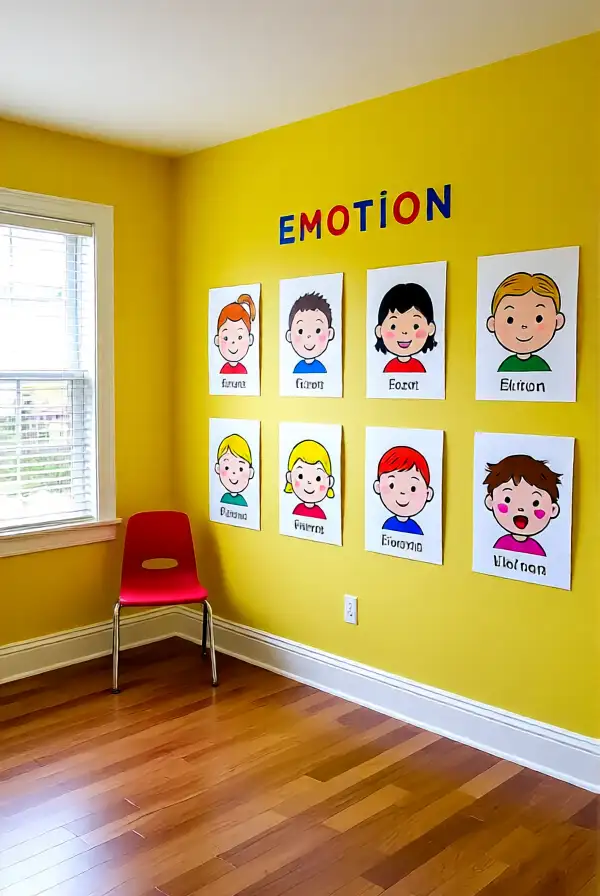
Teaching toddlers to express their emotions healthily is critical for their development. Provide them with a vocabulary for their feelings and encourage openness. This can alleviate frustration, which often leads to negative behaviors.
Use visual aids like emotion charts or books that illustrate feelings. Engaging in discussions about various emotions fosters emotional intelligence and equips your toddler with the tools needed for effective communication.
Maintaining a Supportive Environment

Creating a supportive environment is essential for nurturing good behavior. This includes minimizing chaos and stress in your home and ensuring a safe space where your toddler feels loved and secure. A stable environment contributes to emotional well-being.
Consistently showing affection, understanding, and patience helps build a trusting relationship with your toddler. This foundation is vital, as it allows for open communication and reduces the likelihood of misbehavior.
Effective Communication Techniques

Practicing effective communication is fundamental when disciplining toddlers. Always communicate at their level and use simple, clear language to express expectations and consequences. Eye contact and an inviting tone enhance understanding.
Utilizing positive language — focusing on what they can do rather than what they can’t — fosters a more receptive attitude. This approach makes it easier for toddlers to comprehend and follow guidance without feeling overwhelmed.
Being Patient and Persistent

Disciplining toddlers requires significant patience and persistence. It’s crucial to remember that learning takes time, and your toddler will not grasp new concepts immediately. Celebrate small wins and stay consistent in your approach.
Your unwavering support and effort encourage them to learn and grow. Being kind to yourself throughout this process is important, as you navigate the ups and downs of parenting together.
Seeking Professional Guidance

If you find certain behaviors particularly challenging, seeking guidance from a childhood development professional can be beneficial. They can provide personalized strategies tailored to your family’s needs and dynamics.
Engaging with support groups or parenting classes can also provide insights and bolster your confidence as a parent. Being connected to a network of others can help you feel less isolated in your journey.
Finding the Right Balance

Ultimately, discovering the right balance in discipline is crucial. It’s about merging firmness with love, allowing your toddler to understand boundaries while feeling secure. Striking this balance fosters a strong parent-child relationship.
By integrating these techniques, you create an environment where positive behavior can flourish. Remember that every child is unique, and adapting these strategies to fit your toddler’s personality will yield the best results.
In conclusion, effective discipline for toddlers revolves around understanding, empathy, and positive reinforcement strategies. By employing these approaches, you will foster healthy emotional development, nurturing both your relationship and your child’s growth.