
Discover a collection of 15 inspiring abstract art painting ideas that will ignite your creativity and encourage you to explore new techniques. Whether you’re a seasoned artist or just starting, these ideas will help you express your feelings through vibrant colors and unique patterns.
Exploring Color Wash Techniques
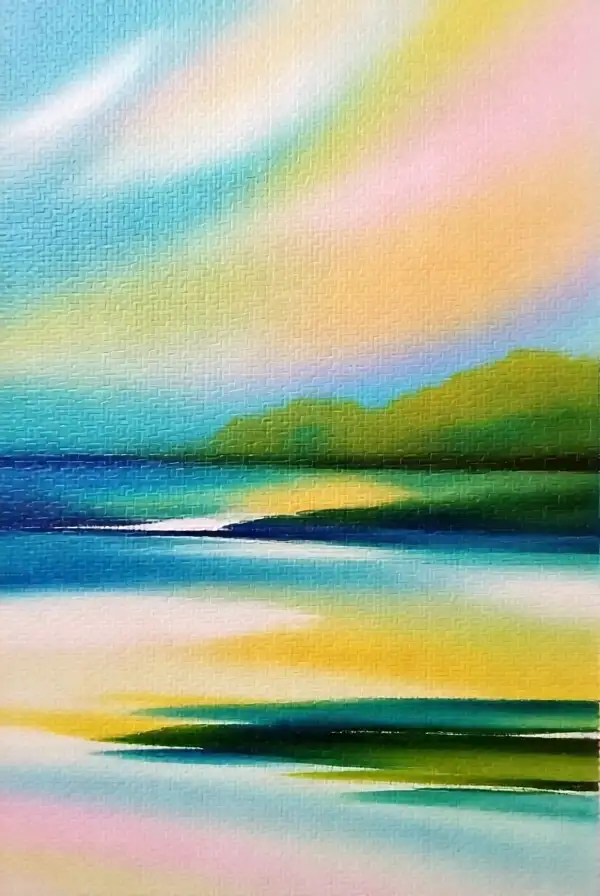
Color wash techniques can create soft backgrounds and ethereal vibes in your artwork. Start by layering different hues on your canvas using a large brush or sponge, creating smooth transitions between colors. Experiment with varying levels of water to achieve the perfect transparency.
Once your background is ready, add deeper shades and bold brush strokes for contrast. This technique can beautifully enhance the overall depth of your abstract piece, allowing for an exploration of emotions that might resonate with viewers.
Embracing Geometric Shapes
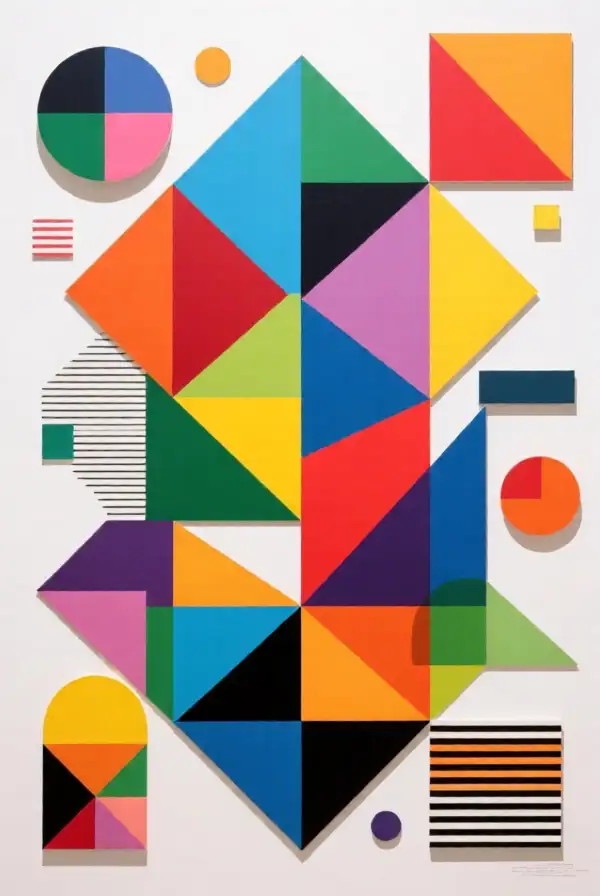
Geometric shapes bring structure to abstract art, offering a perfect blend of chaos and order. Begin by marking out shapes with a light pencil and then fill them in with bold colors. Play with positioning to create a balanced composition that leads the viewer’s eye across the canvas.
This method can be expanded by overlapping shapes or incorporating different textures within each section to enhance visual interest, resulting in vibrant pieces that communicate the harmony of geometry and abstraction.
Creating Texture with Mixed Media
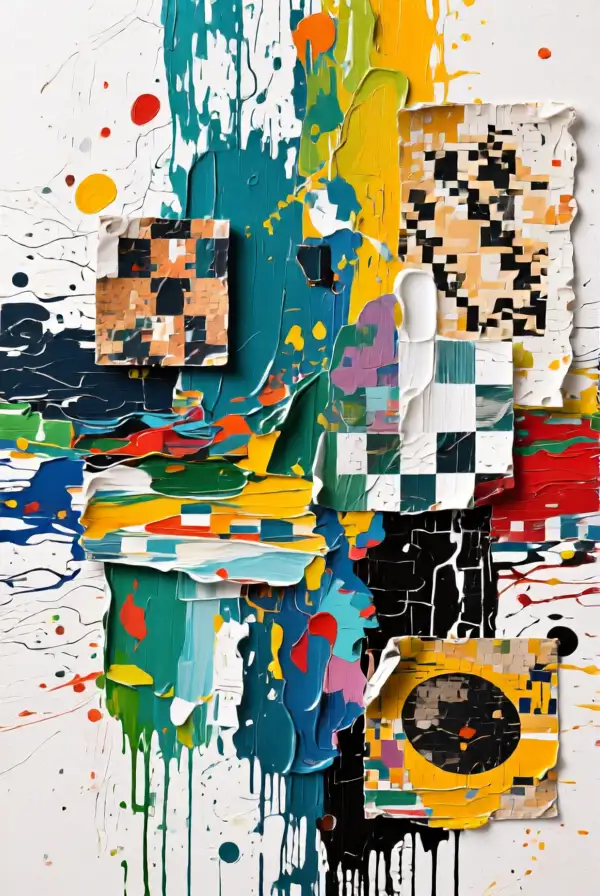
Mixing media can add an exciting dimension to your abstract art. Consider incorporating materials like fabric, paper, or even natural elements like leaves. Start by applying a base layer of paint and then overlay these textures for dynamic contrasts.
The interplay between flat paint and three-dimensional elements can change the viewer’s perception and invite them to explore the piece up close, ultimately leading to a more engaging artistic experience.
Watercolor Drip Paintings
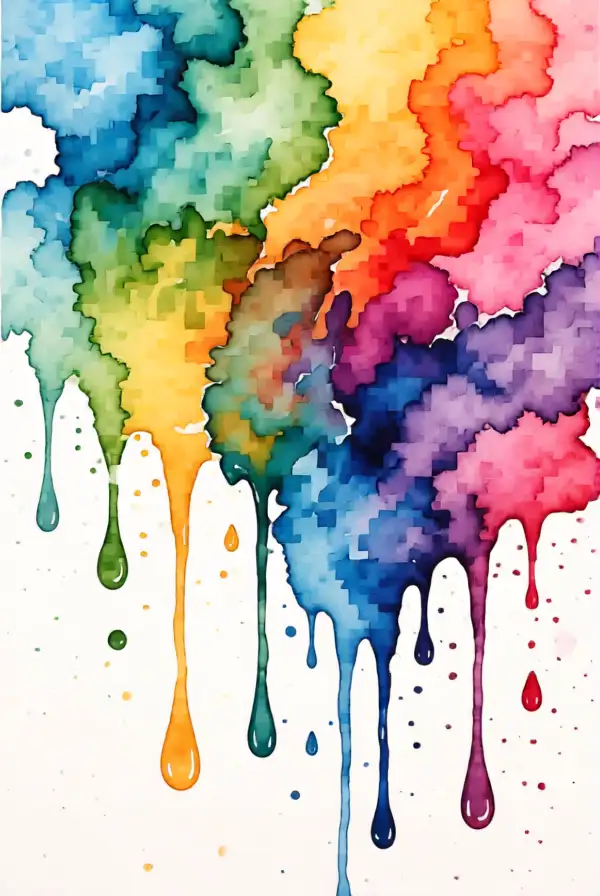
Watercolor drip techniques can produce stunning, fluid masterpieces. Create a landscape or abstract scene by allowing the watercolor to flow freely, letting gravity and water take the reign. Work on vertical surfaces to enhance the dripping effect, allowing colors to blend beautifully.
Experiment with different consistencies of paint to create various effects; thicker paints can create texture, while thinner ones will produce softer lines and washes. The unpredictability of this technique aligns perfectly with the very essence of abstract art.
Incorporating Negative Space Design
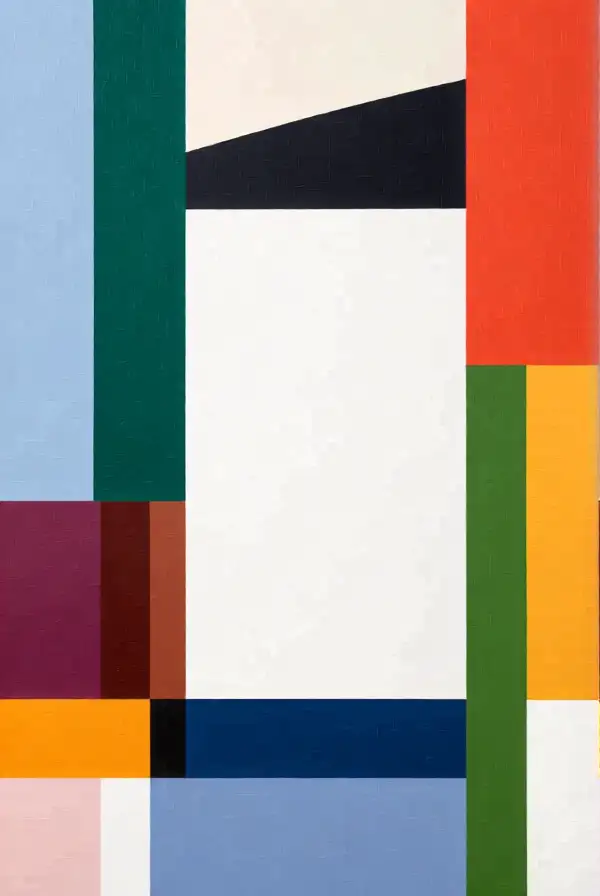
Negative space is a powerful tool in abstract painting. This technique allows you to create depth and focus in your work by considering the area around your shapes as important as the shapes themselves. Use spare, deliberate brushwork to build your composition, concentrating on both the painted and unpainted areas.
This method challenges traditional perceptions of space and form, enabling viewers to interpret the artwork in multiple ways while highlighting the contrast between presence and absence.
Abstract Nature Inspirations
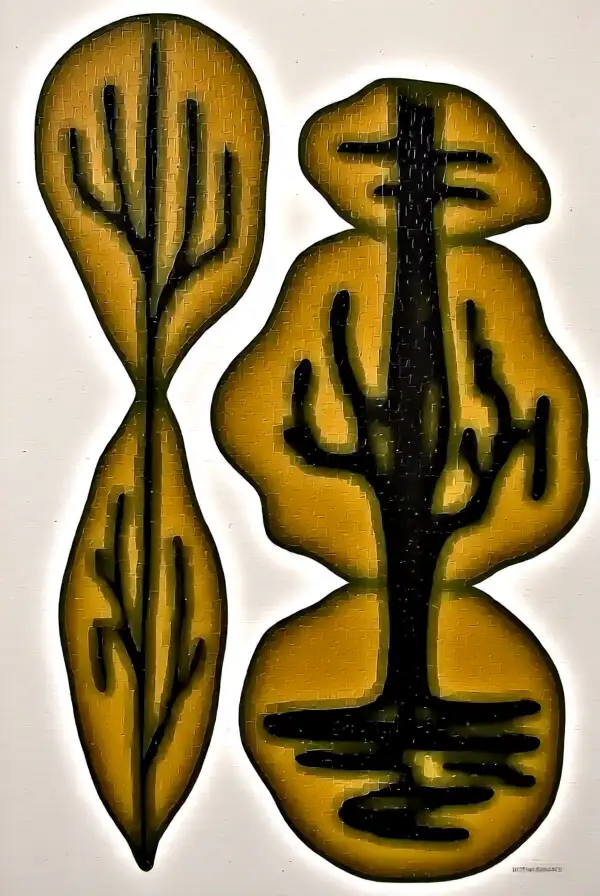
Taking inspiration from nature can lead to stunning abstract creations. Observe organic forms, colors, and patterns in nature and strive to replicate the essence in abstract form. Utilize earthy tones and movement to capture the feel of landscapes, flowers, or skies.
Focus on the emotional response nature evokes and use that as your guiding principle for color and shape choices, leading to artwork that resonates with the beauty of the natural world while maintaining an abstract appeal.
Exploring Contrast and Light
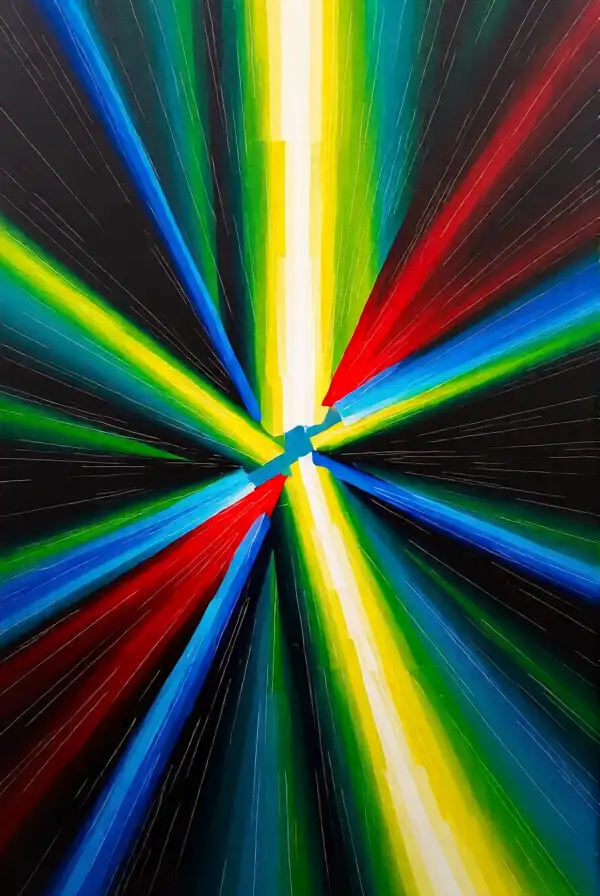
Contrast plays a vital role in ensuring elements pop in abstract artwork. By mixing light and dark colors strategically, you can create eye-catching focal points. Focus on a specific area where you want to direct the viewer’s attention and use contrasting shades around it.
Light can also be simulated with colors and brush strokes that create the illusion of depth or dimension, transforming flat surfaces into visually captivating spaces that draw further examination.
Dynamic Brush Stroke Techniques
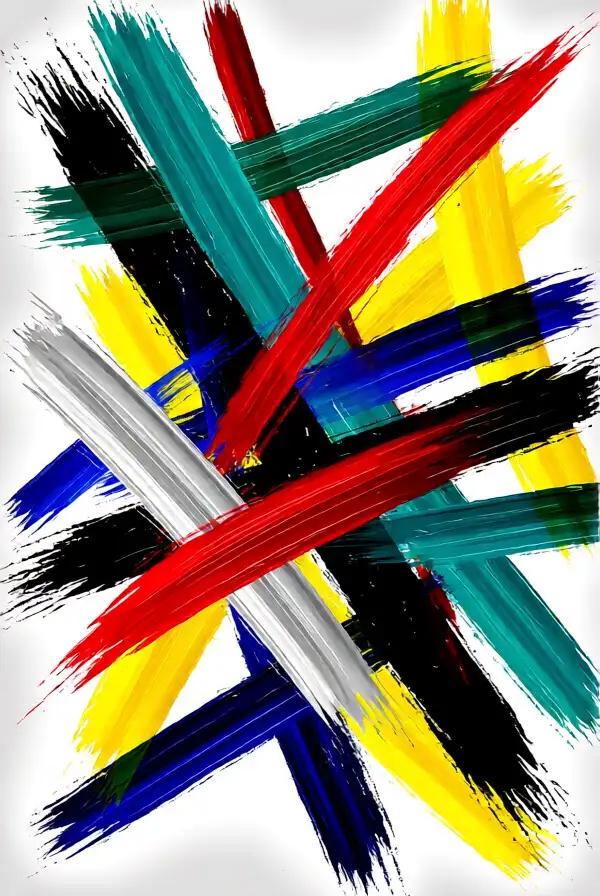
Dynamic brush strokes are crucial in defining the tone and energy of an abstract piece. Experiment with varying brush sizes, angles, and pressures to produce a range of strokes that communicate emotion. Each stroke can become a visual element contributing to overall movement.
Try rapid strokes for a sense of urgency and softer strokes for tranquility, translating your feelings directly onto the canvas without the need for realism—a significant aspect of abstract art’s charm and versatility.
Unconventional Tools for Artistic Expression
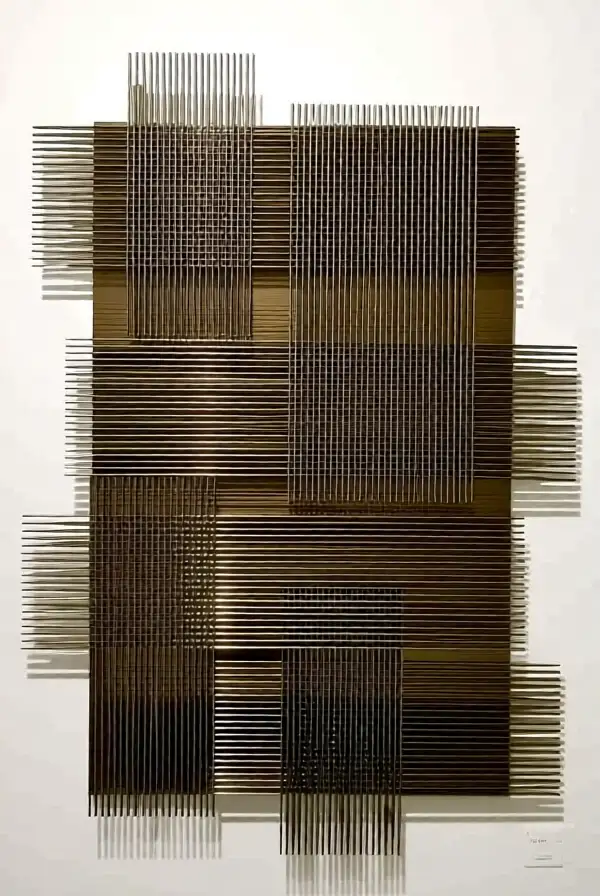
Sometimes, stepping outside traditional tools can spark innovation. Use sponges, fingers, or even household items to achieve unique textures and shapes within your work. This method is particularly effective in abstract pieces where spontaneity is encouraged.
Allow your creativity to flourish by exploring unfamiliar techniques and discovering how various tools can alter the final outcomes of your paintings, leading to fresh perspectives and artistic breakthroughs.
Finding Balance in Asymmetry
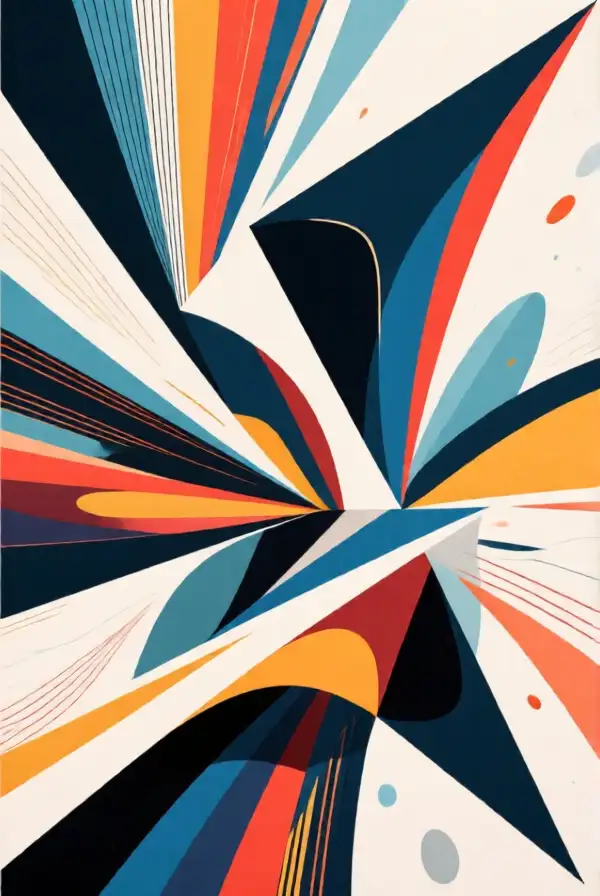
Asymmetrical designs can create compelling, dynamic artworks that feel both spontaneous and intentional. While asymmetry breaks common composition rules, it can prompt a natural balance if approached thoughtfully. Begin by sketching different sections and experimenting with size and placement.
As you build your composition, continuously analyze the relationship between positive and negative shapes to maintain visual harmony while embracing the rawness of abstract art. Trust your intuition and feel free to adjust elements to enhance overall impact.
Personal Symbolism in Abstraction
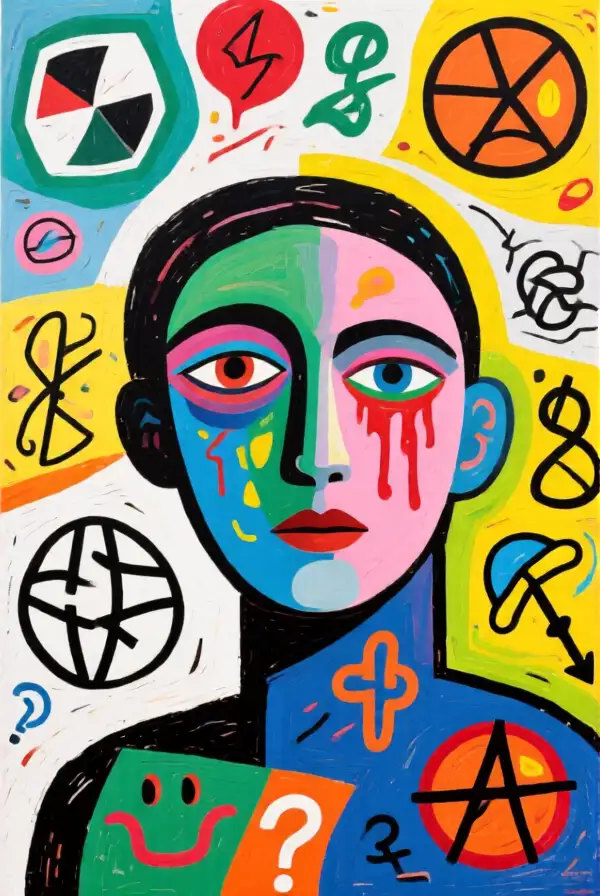
Integrate your own symbolic narratives into abstract works. Start by identifying emotions or themes you want to express, then translate these into abstract representations. Using color, shape, and movement, you can create a poignant story that only you can uniquely convey.
This personal touch can elevate your artwork, allowing viewers to connect with the emotional undercurrents embedded in your paintings, ultimately prompting deeper reflections and conversations around the pieces.
Room for Experimentation
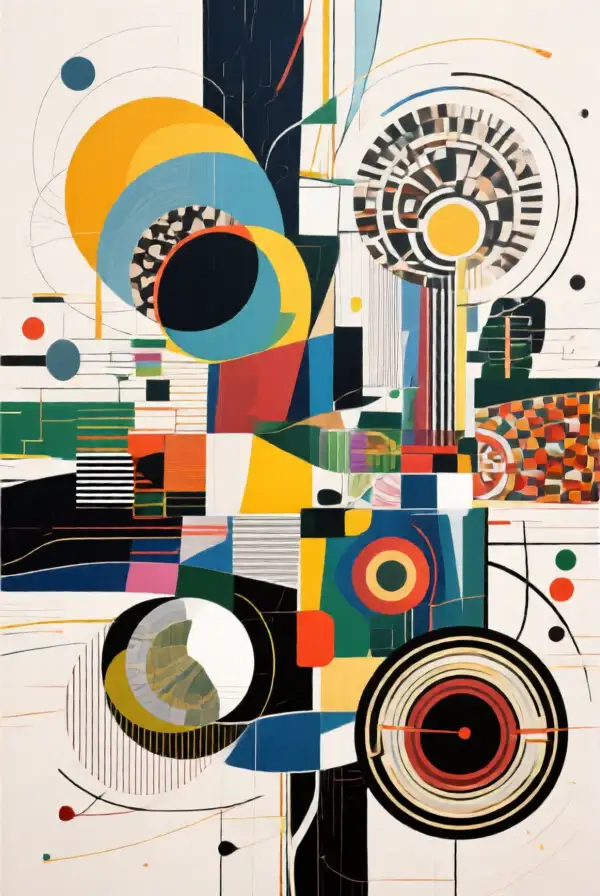
Abstract art thrives on experimentation. Allow yourself the freedom to explore without the pressure of expectations. Embrace happy accidents or unexpected results as they can lead to discoveries you never anticipated. Mix colors and techniques spontaneously, letting the process guide you rather than strictly following a plan.
This approach can unlock your creativity, transforming each piece into a unique exploration rather than a pursuit of perfection, ultimately redefining your relationship with the art-making process.
Reflecting on Your Artistic Journey
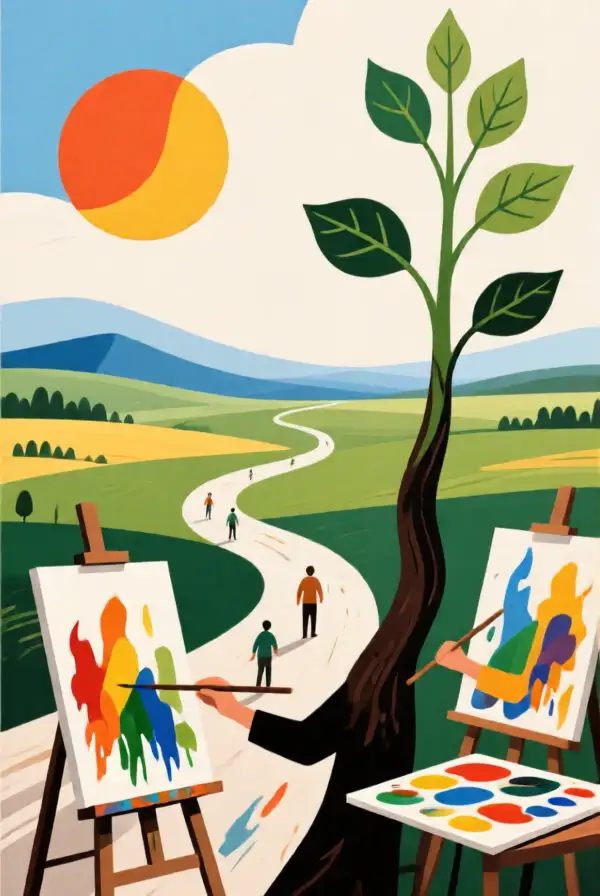
Your artistic journey is significant, and reflecting on it can provide insight into your growth. Document the evolution of your techniques, creative preferences, and reactions to past works. This reflection allows you to appreciate your progress and embrace changes over time.
By revisiting previous paintings, you may find inspiration for new projects or insights into what resonates with you emotionally, further encouraging you to push boundaries and explore your artistic potential.
In conclusion, abstraction is an incredible medium for self-exploration and expression. With these 15 ideas, you can ignite your imagination, experiment fearlessly, and create something uniquely yours. Dive into these techniques and enjoy the process of artistic discovery!