
Explore the world of textured abstract art with these creative ideas. This post will inspire you to experiment with different materials and techniques, enhancing your artistic expression. Dive into the beauty of texture and discover how to incorporate it into your art.
1. Layered Paint Techniques
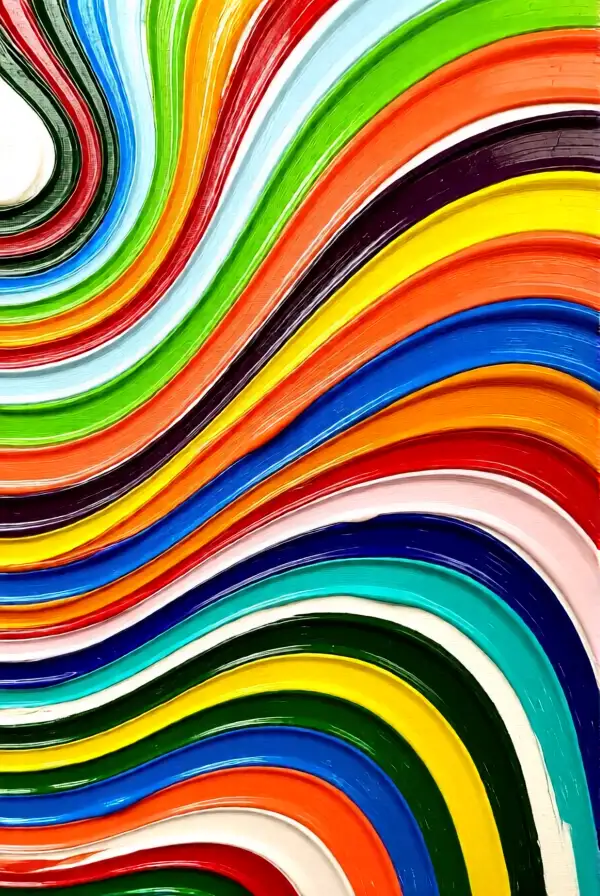
Creating layers is essential to adding depth to your artwork. Start with a base layer and add different colors while allowing some to peek through. Use a palette knife for a more textured approach.
Experiment with various brush sizes and techniques to achieve unique textures. The contrast between smooth and rough areas can make your artwork truly dynamic.
2. Incorporating Collage Elements
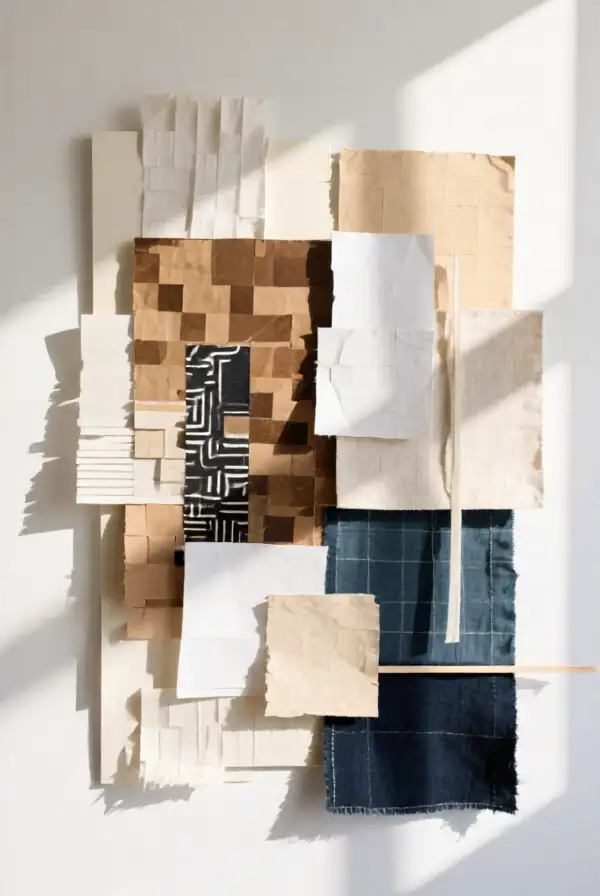
Collage can add fascinating layers to your abstract art. Gather materials like magazine clippings, fabric, or textured paper and glue them onto your canvas.
By layering these elements under or over your paint, you can create more complex visual narratives that captivate the viewer’s eye.
3. Using Natural Materials
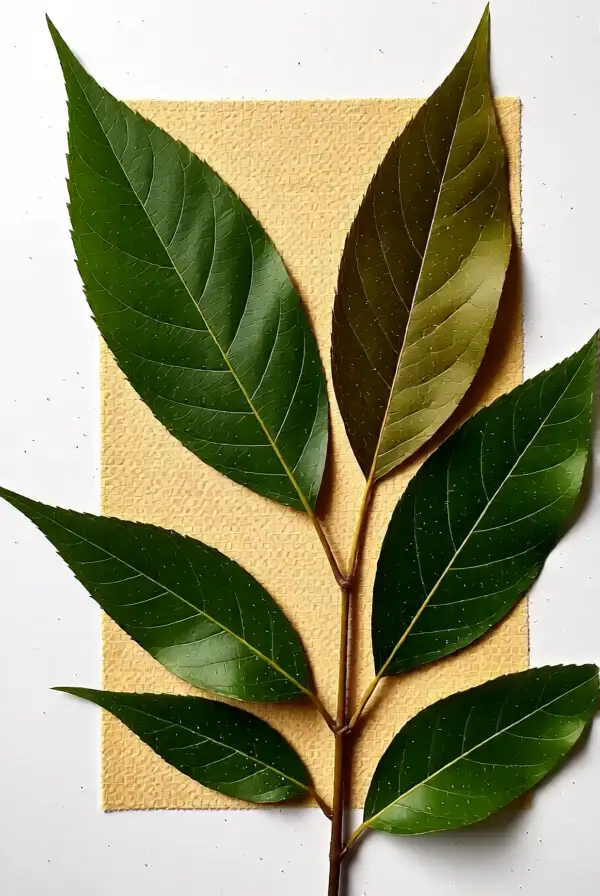
Natural materials such as sand, leaves, or twigs can introduce organic textures to your art. Mix these materials with your paint or apply them directly onto the canvas.
This approach not only enhances visual interest but also connects your artwork to the environment, creating a deeper context for the viewer.
4. Textured Gels and Mediums
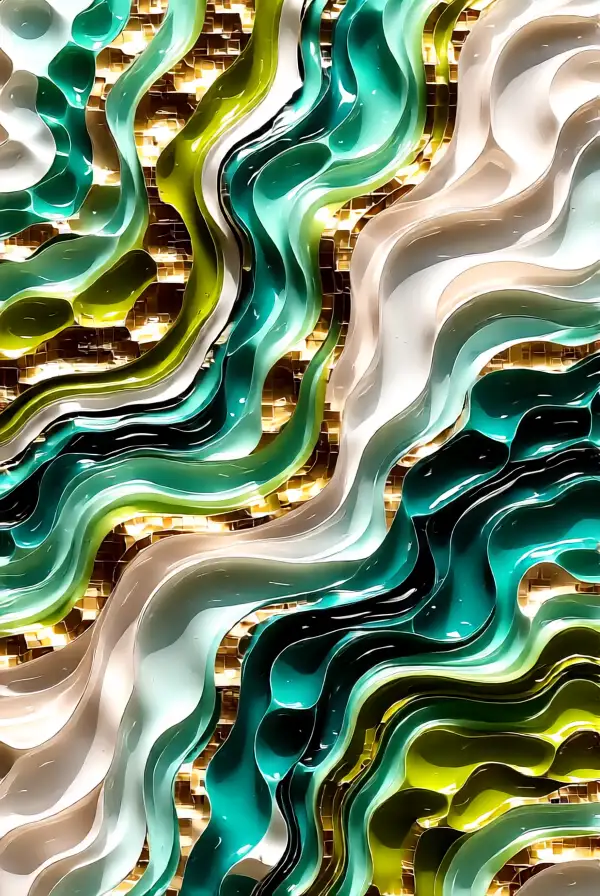
Experiment with acrylic gels and mediums designed for creating texture. These products can be applied thickly or used to create effects like crackle or gloss, adding another dimension to your work.
The ability to manipulate these textures provides endless possibilities and allows you to personalize your artistic style.
5. Painting with a Palette Knife
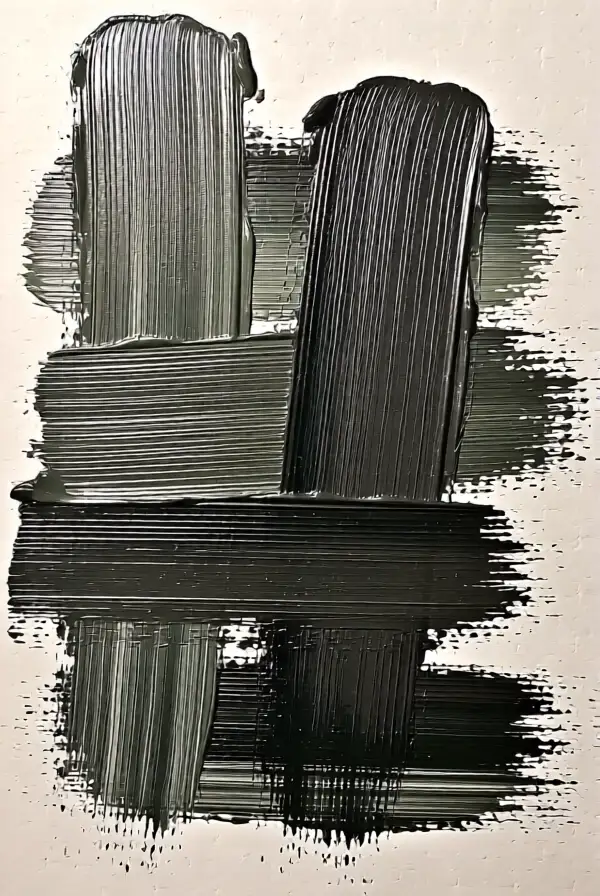
An excellent tool for creating texture, the palette knife allows for straight lines, curves, and thick application of paint. This technique creates an expressive and spontaneous look.
Moving the knife across the canvas in different directions can produce unique designs that cannot be achieved with brushes alone.
6. Experimenting with Found Objects
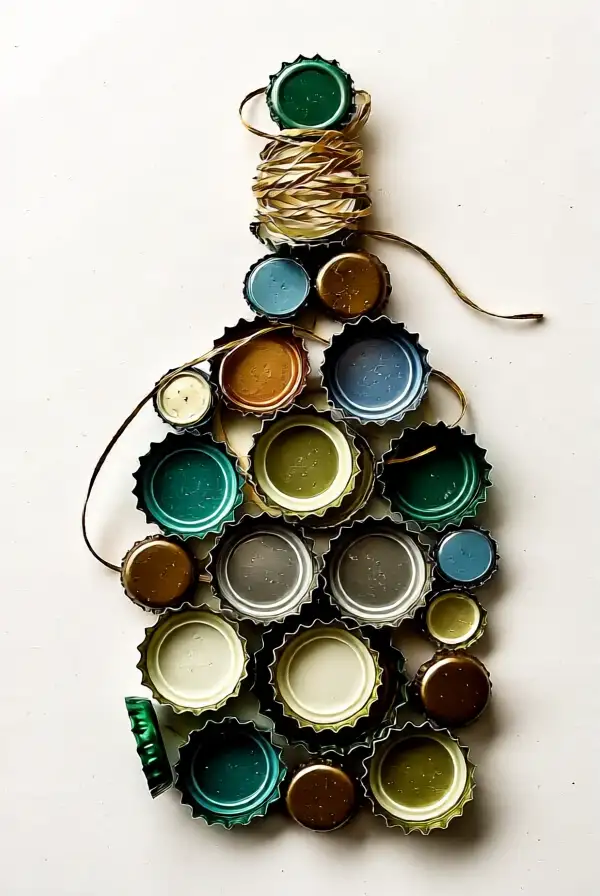
Incorporate found objects into your artwork, such as bottle caps, strings, or even old keys. Gluing these items onto your canvas adds an unexpected twist to your abstract pieces.
The contrast between the objects and paint creates a multidimensional experience that invites viewers to explore every nook and cranny of your art.
7. Creating Textures with Fabrics
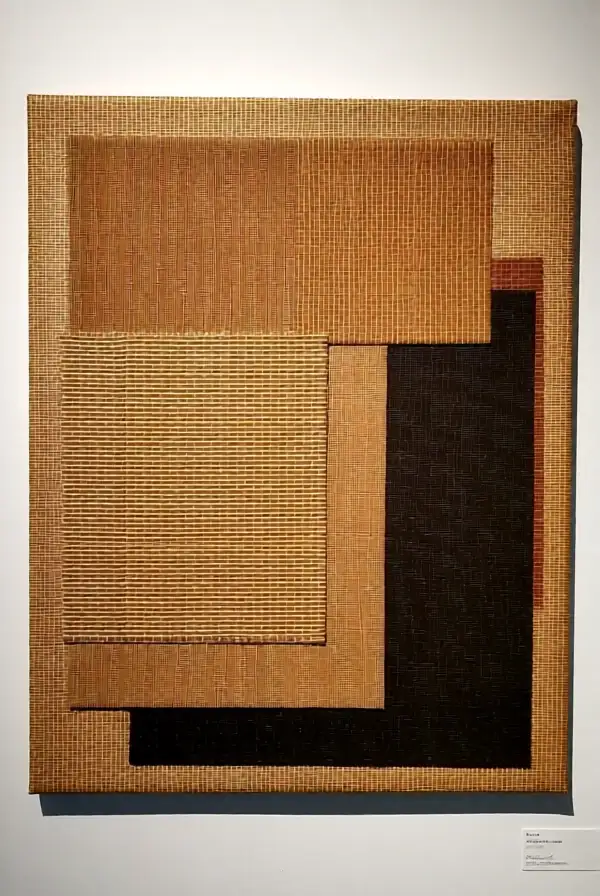
Fabric can be a remarkable addition to abstract art, providing a sense of warmth and tactile appeal. Use pieces of different textures, such as velvet or burlap, to build layers on your canvas.
The fibers capture light differently, creating unique shadows and highlights that bring your artwork to life.
8. Acrylic Pouring Techniques
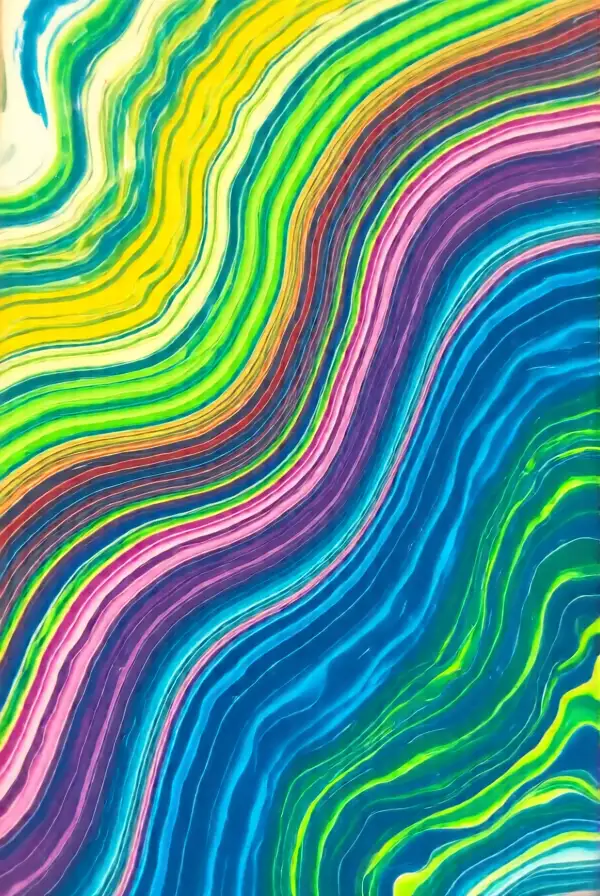
Acrylic pouring is a popular method of creating textured abstract art. By mixing paint with a pouring medium, you can create stunning marbled effects.
This technique allows colors to flow seamlessly into each other, achieving beautiful textures with minimal effort, ideal for both beginners and experienced artists.
9. Emphasizing Brush Stroke Techniques
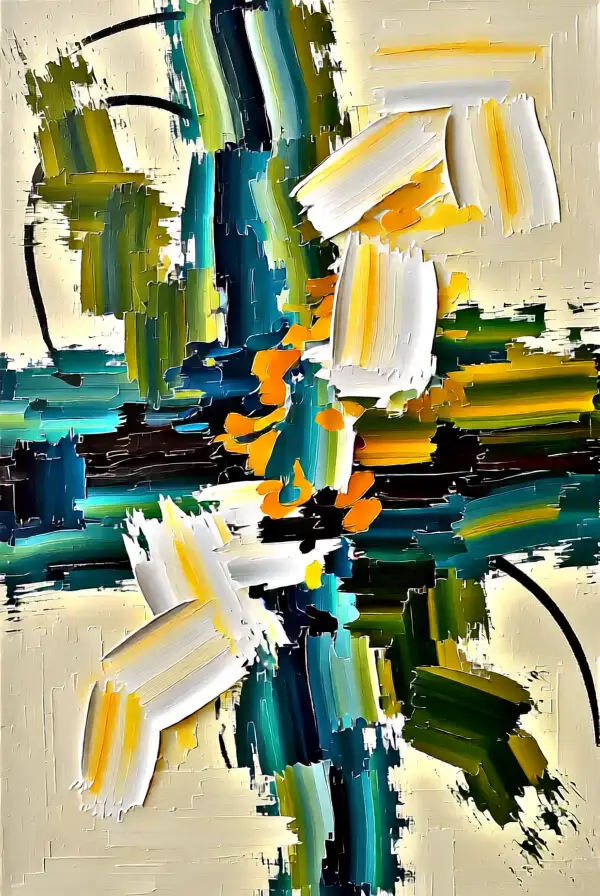
Play with various brush strokes to build texture in your abstract art. Utilize stippling, swirling, or dry brushing techniques to create diverse visual effects.
Each stroke adds character and may evoke emotions, allowing you to communicate through your art explicitly.
10. Exploring Mixed Media
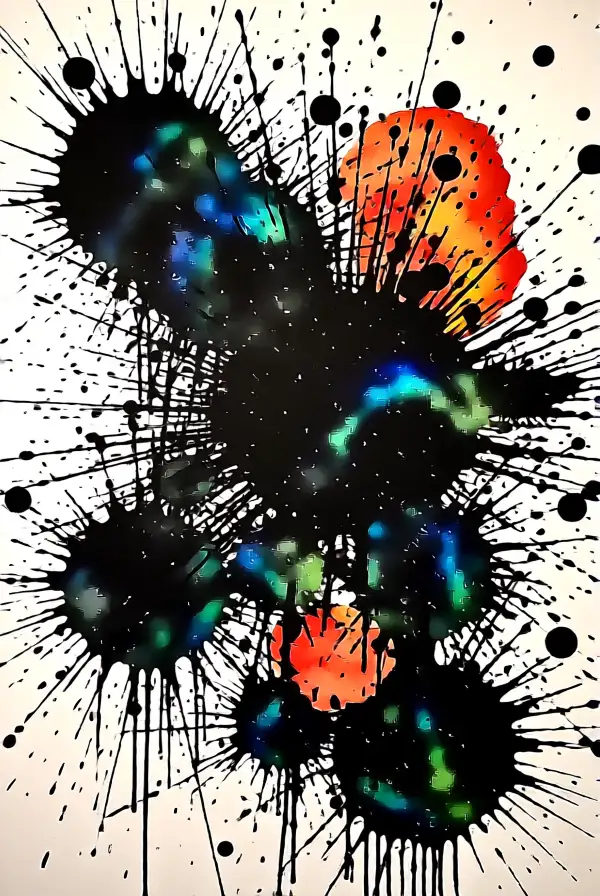
Expand your artistic horizons by combining different mediums, such as ink, watercolor, and charcoal alongside acrylics. The variety increases textural complexity and interest.
Mixed media allows artists to express their creativity in new, unexpected ways while providing a rich visual experience for viewers.
11. Sculptural Techniques
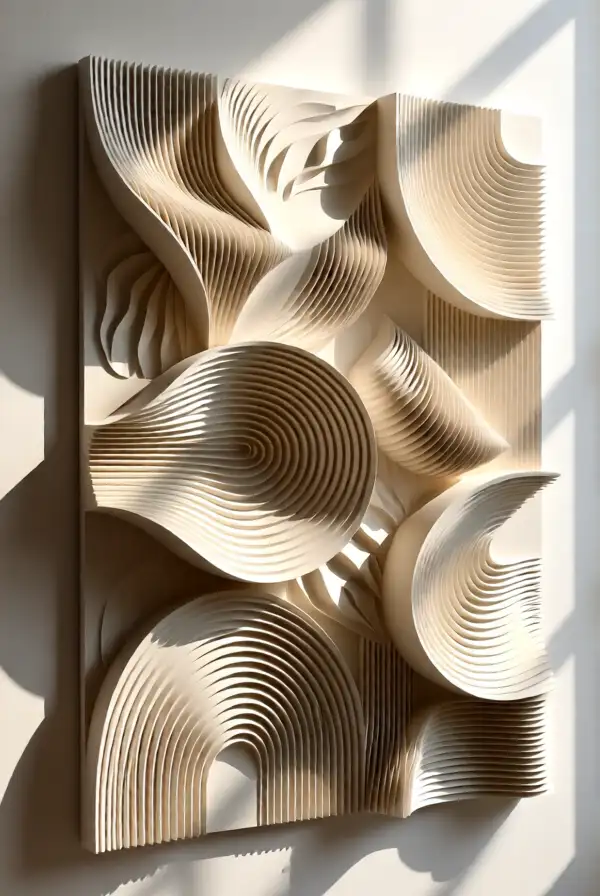
Bring a three-dimensional aspect to your art by using sculptural techniques. Adding layers of clay or modeling paste can create depth and interact with light uniquely.
This technique encourages viewers to not only look at your artwork but also to engage physically with the piece, heightening their experience.
12. Creating Textured Backgrounds
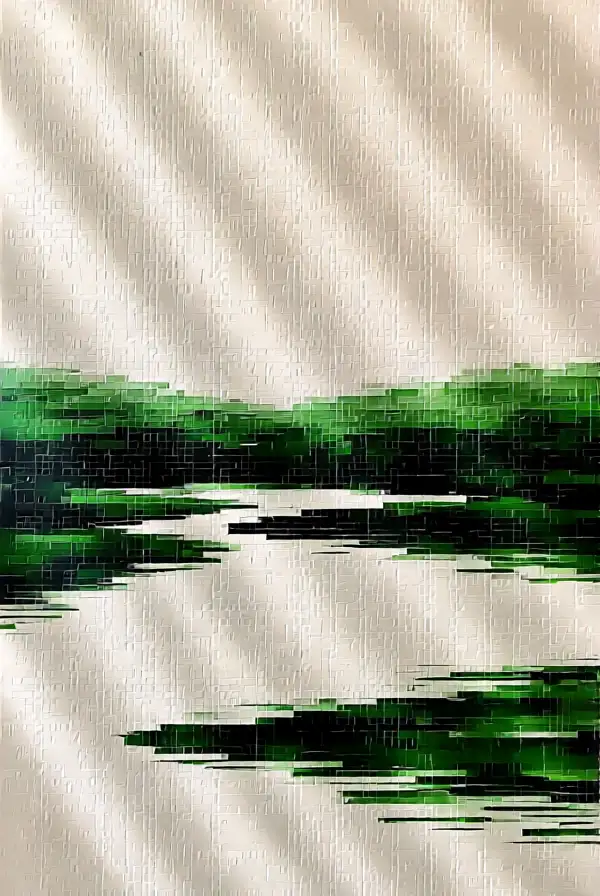
Before focusing on the main subject, consider designing textured backgrounds. Techniques such as sponge painting, salt application, or using a comb can create interesting patterns.
A well-crafted background supports the overall composition, enhancing the primary focus of your artwork.
13. Playing with Color Gradients
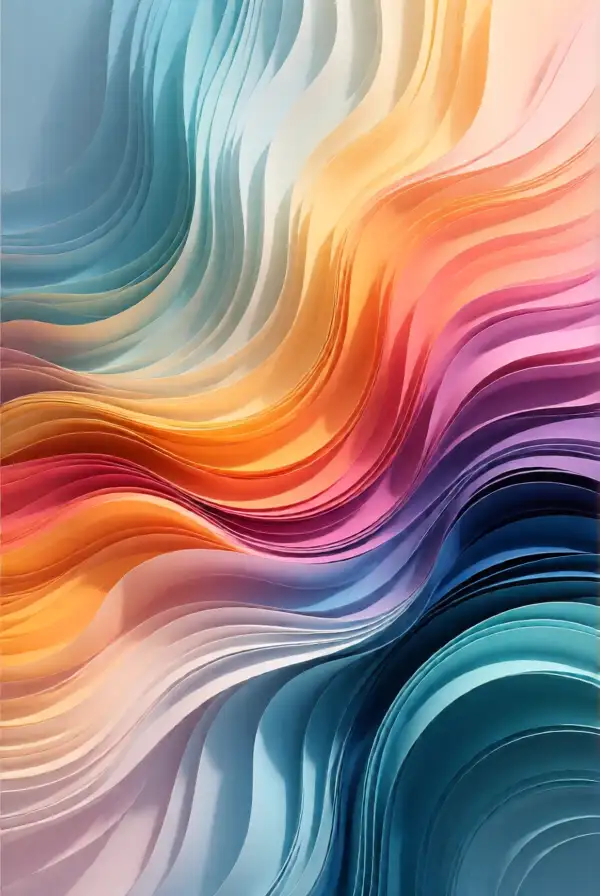
Create visual interest by incorporating color gradients in your textures. Transitioning from one color to another adds harmony and a modern touch to your pieces.
This method also helps in emphasizing certain aspects of your composition, directing viewers’ attention strategically.
14. Textured Prints
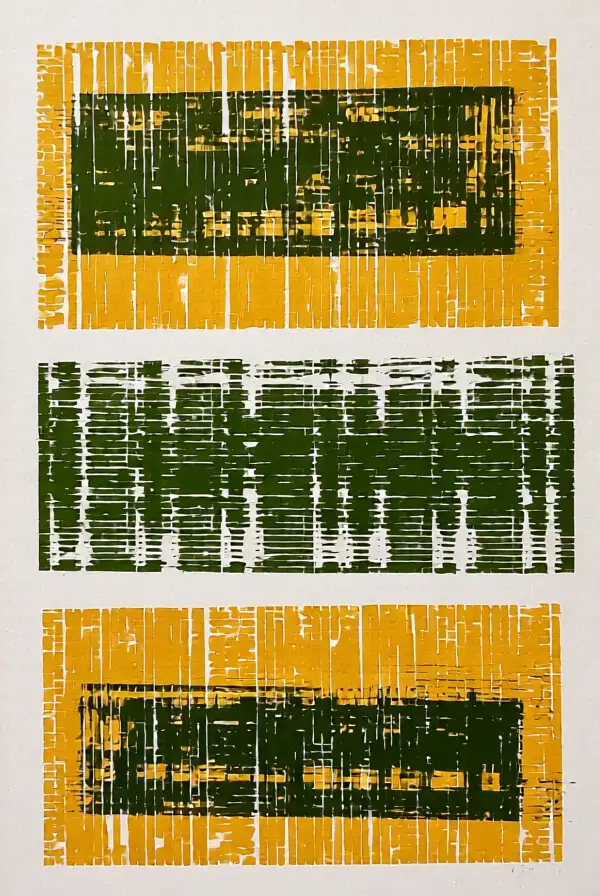
Utilize printmaking techniques, such as linocut or monotype, to create textured layers. Printed images can add another dimension to your abstract art, making each piece unique.
Experimenting with different printing techniques can lead to unexpected beautiful results, enhancing your overall artistry.
15. Incorporating Digital Elements
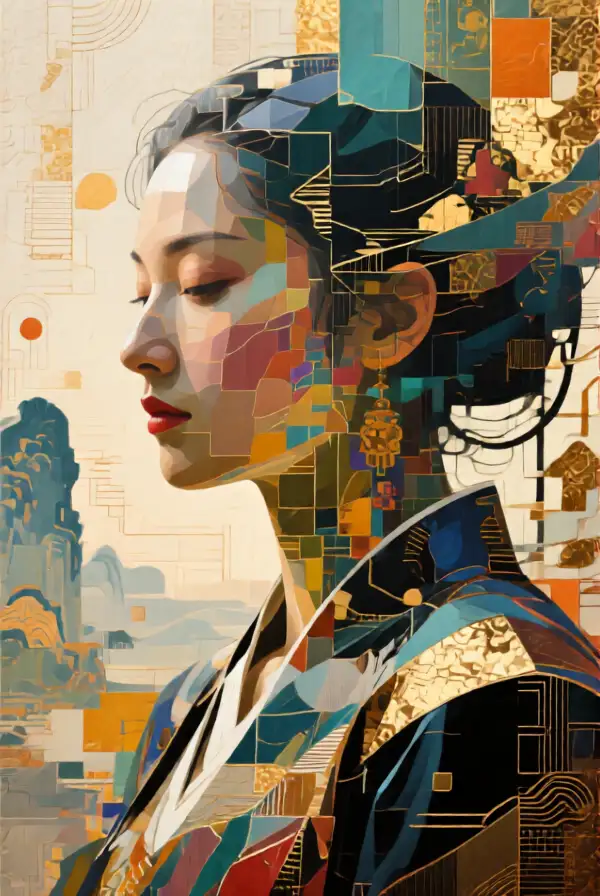
In the modern art world, incorporating digital techniques can offer limitless possibilities. Use a graphics tablet to add virtual textures or overlays to your physical artwork.
This blend of traditional and digital methods allows for unique expressions and can attract a contemporary audience.
Embrace the beauty of textured abstract art and let your creativity shine through these inspiring ideas. The richness of texture adds a compelling layer, inviting viewers to explore your artistic journey.