
Teaching kids the value of money isn’t about making them worry about finances. It’s about helping them understand effort, choices, patience, and responsibility in everyday life. When money lessons are introduced gently and consistently, kids grow up feeling confident instead of confused about finances.
These 17 simple ideas focus on real-life habits that help kids build healthy money awareness from a young age. They’re practical, age-friendly, and easy to weave into daily routines without making learning feel overwhelming or stressful.
Give A Small Weekly Allowance

A small weekly allowance helps kids understand that money is limited and must be managed thoughtfully. When they receive the same amount regularly, they begin to plan how to use it. This creates early awareness of budgeting without needing complicated explanations or rules.
It’s important to keep the amount age-appropriate and consistent. Let them make small mistakes with their spending so they can learn naturally. These early experiences help kids connect money with responsibility and decision-making.
Let Kids Earn Extra Money With Chores
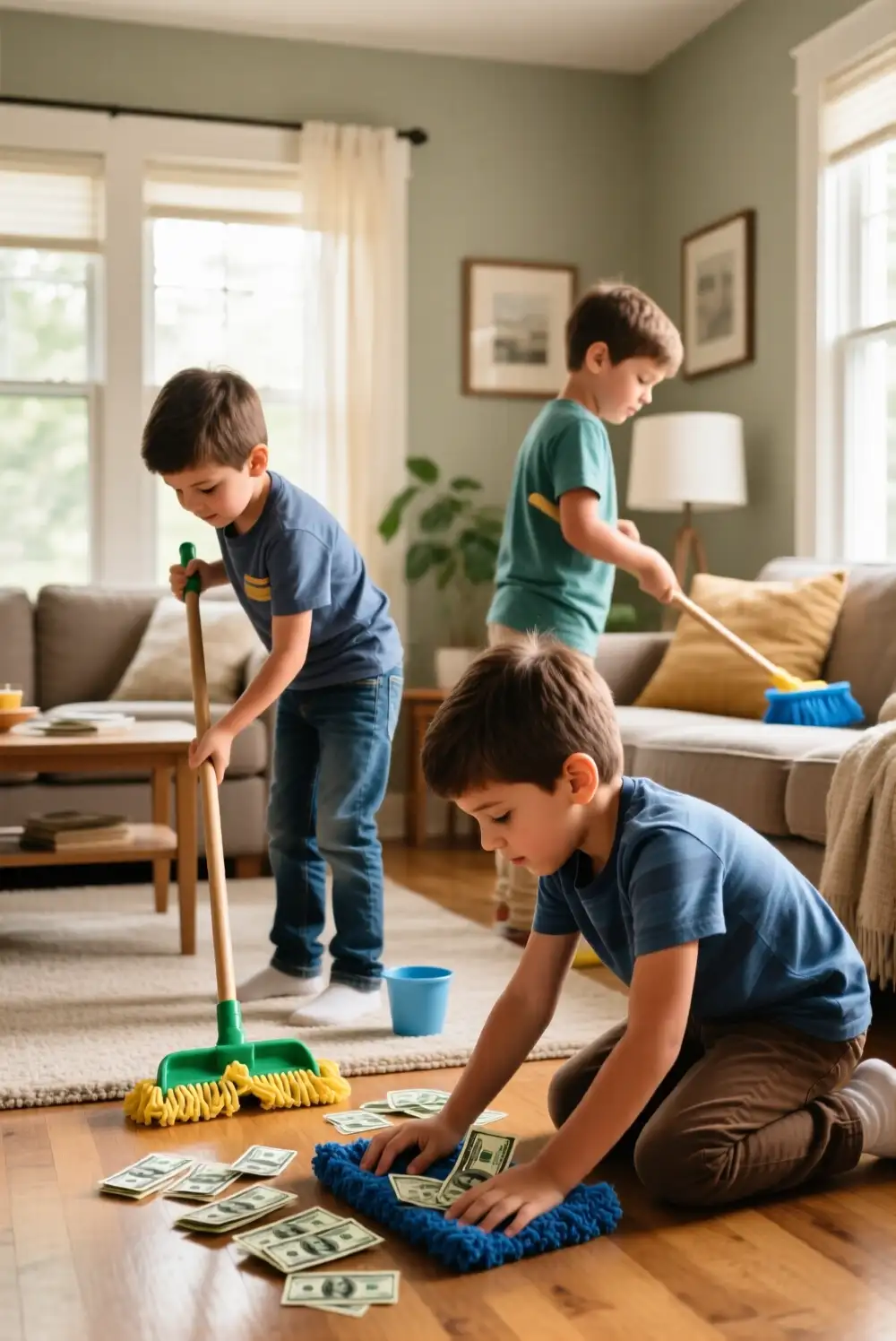
Allowing kids to earn money through simple chores teaches them that money is connected to effort. Tasks like organizing toys or helping with household jobs build a sense of contribution and value. Kids begin to see that money isn’t automatic.
This approach also encourages independence and pride in completing tasks. Keeping chores simple and age-appropriate ensures the lesson stays positive and motivating rather than feeling like pressure.
Teach The Difference Between Needs And Wants

Understanding needs versus wants is one of the most important money lessons for kids. Everyday moments, like grocery shopping, offer easy opportunities to explain this concept in a simple way. Kids quickly learn that not everything they want is necessary.
Using calm, real examples helps the lesson feel natural. Over time, this awareness encourages thoughtful spending habits and reduces impulsive decisions later in life.
Use Clear Jars For Saving Spending And Giving
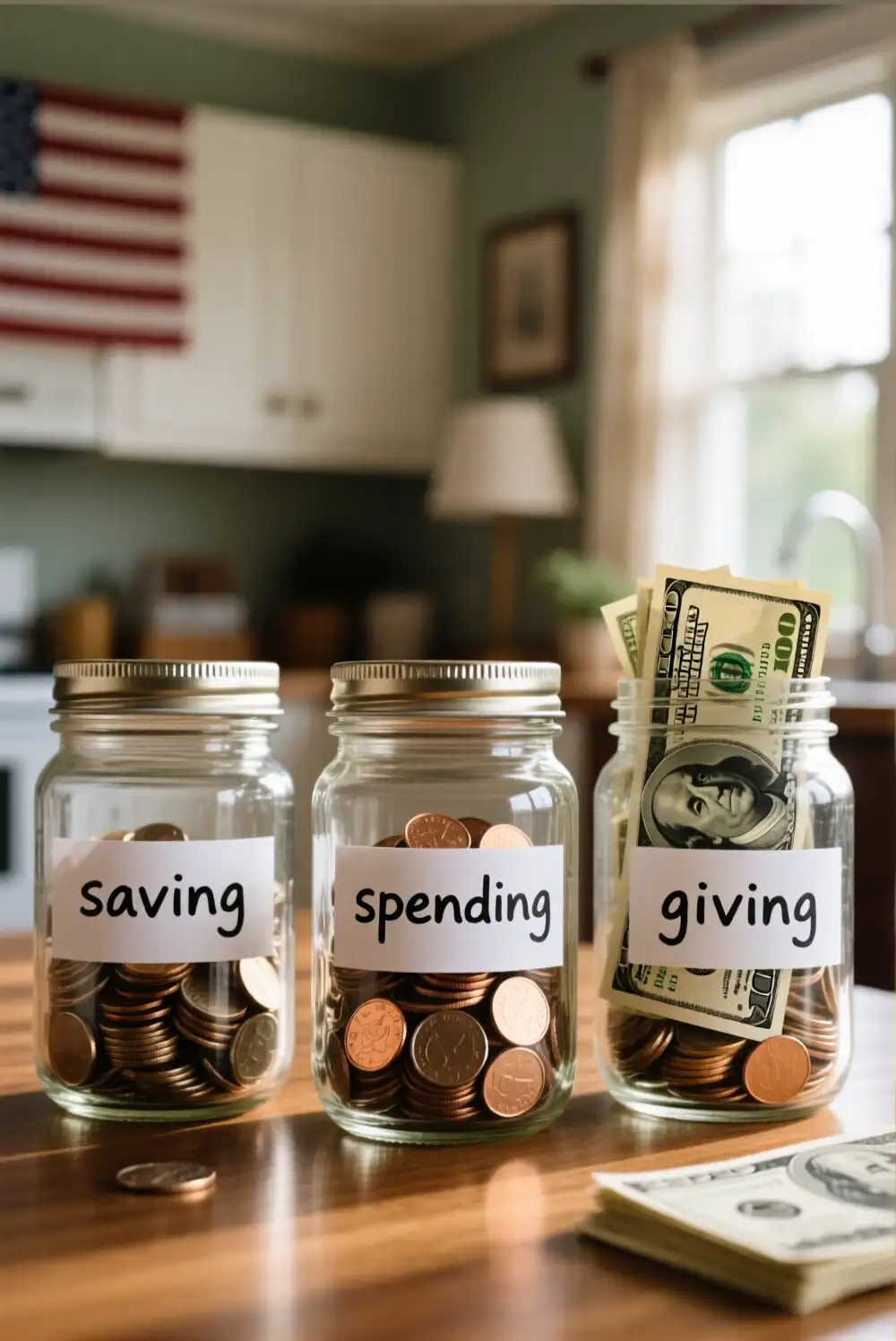
Clear jars make money visible, which helps kids better understand how saving works. Separating money into saving, spending, and giving jars creates structure without complicated rules. Kids can physically see their progress grow.
This method also introduces generosity early. Seeing money set aside for giving teaches empathy and balance while reinforcing that money can be used thoughtfully in different ways.
Let Kids Pay At The Store
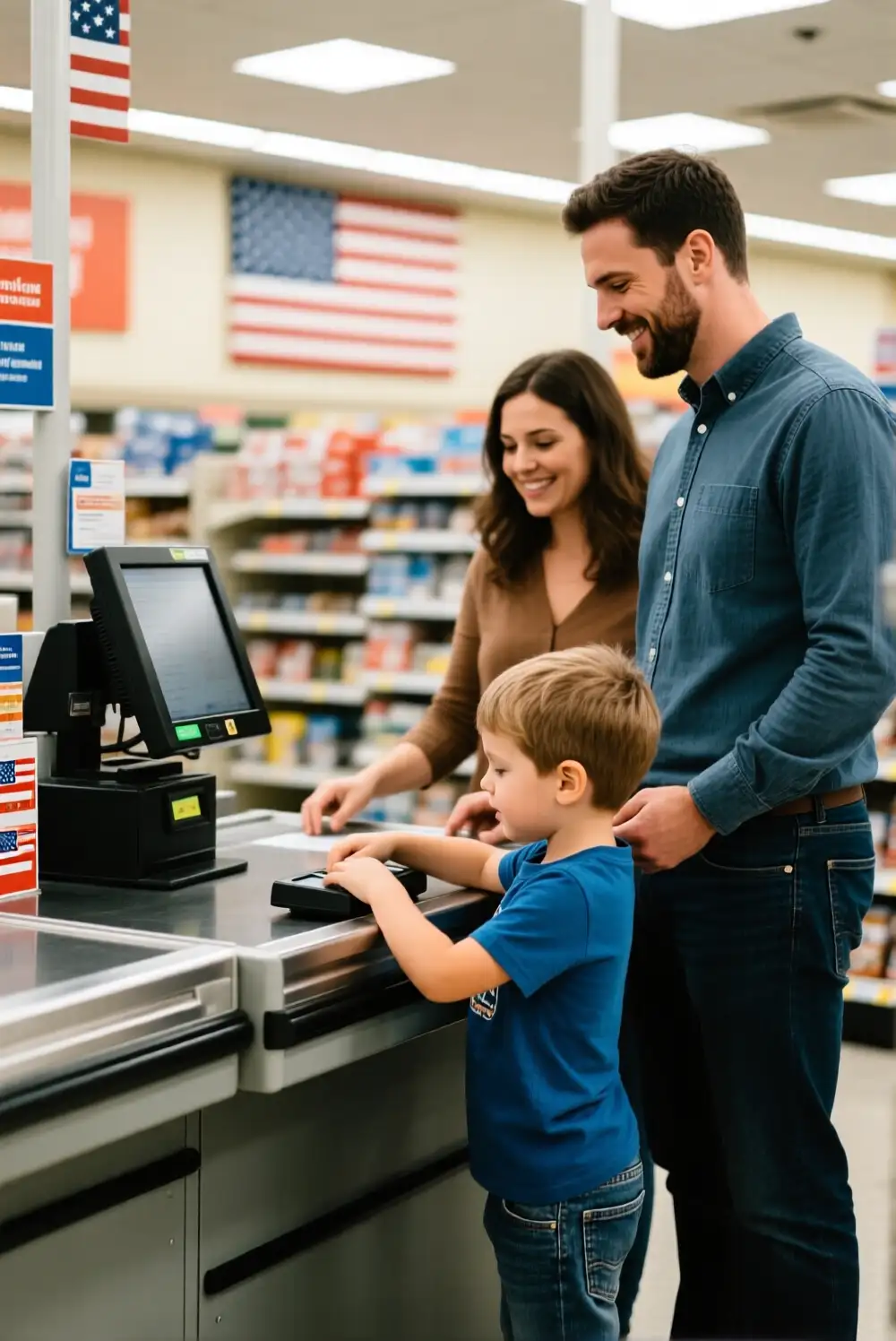
Letting kids hand over money at the store helps them understand that purchases involve exchange. It makes spending feel real rather than abstract. Kids begin to connect items with cost instead of seeing money as endless.
This simple action builds awareness and confidence. It also opens natural conversations about prices, change, and making choices without turning shopping into a lecture.
Talk Openly About Money Decisions
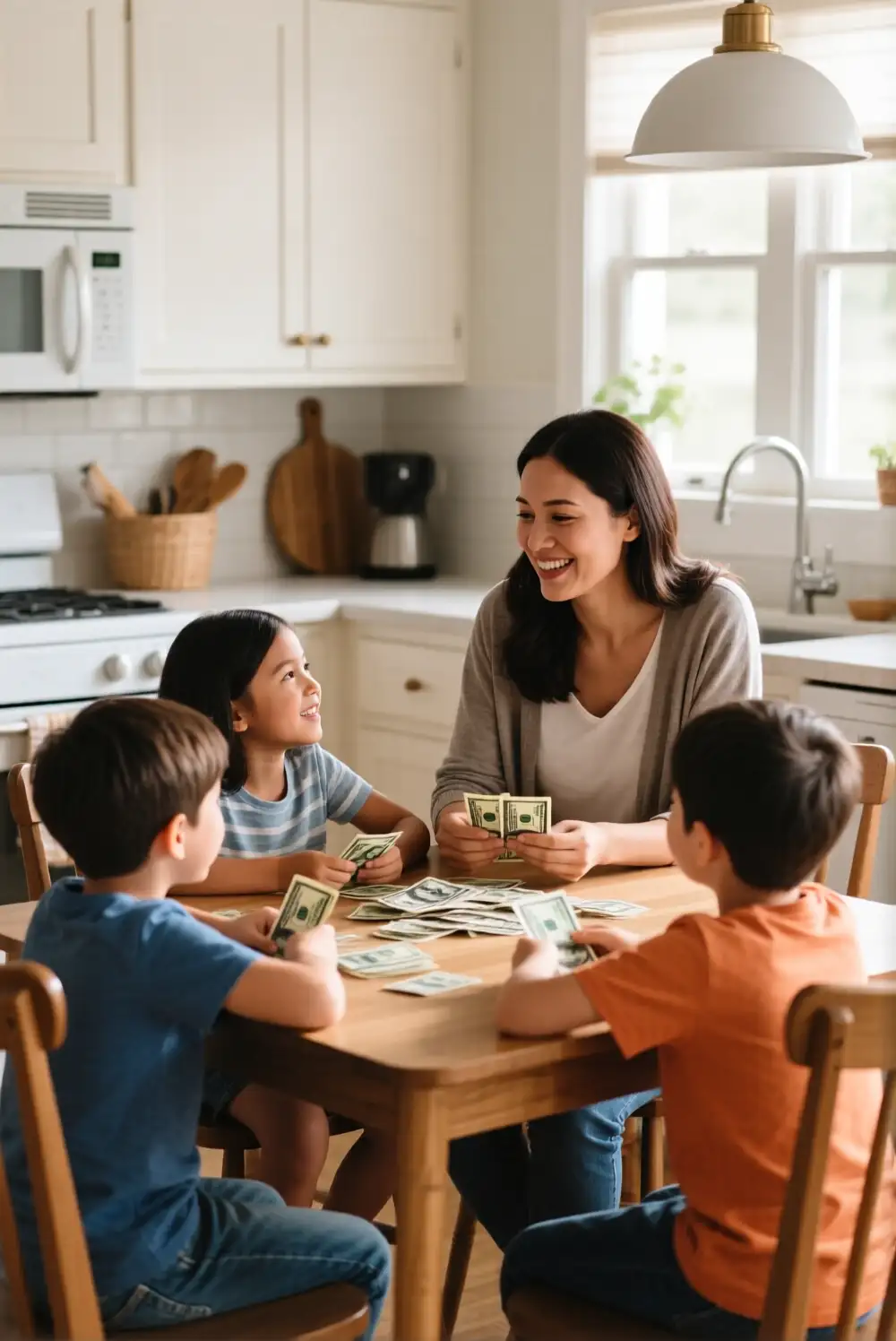
Talking openly about everyday money decisions helps normalize financial conversations. Explaining why you choose one option over another shows kids how adults think through spending choices. This builds understanding without fear or secrecy.
Keeping the conversation calm and age-appropriate helps kids feel included. Over time, they learn that money decisions are thoughtful, not stressful or emotional.
Encourage Saving For Something They Want
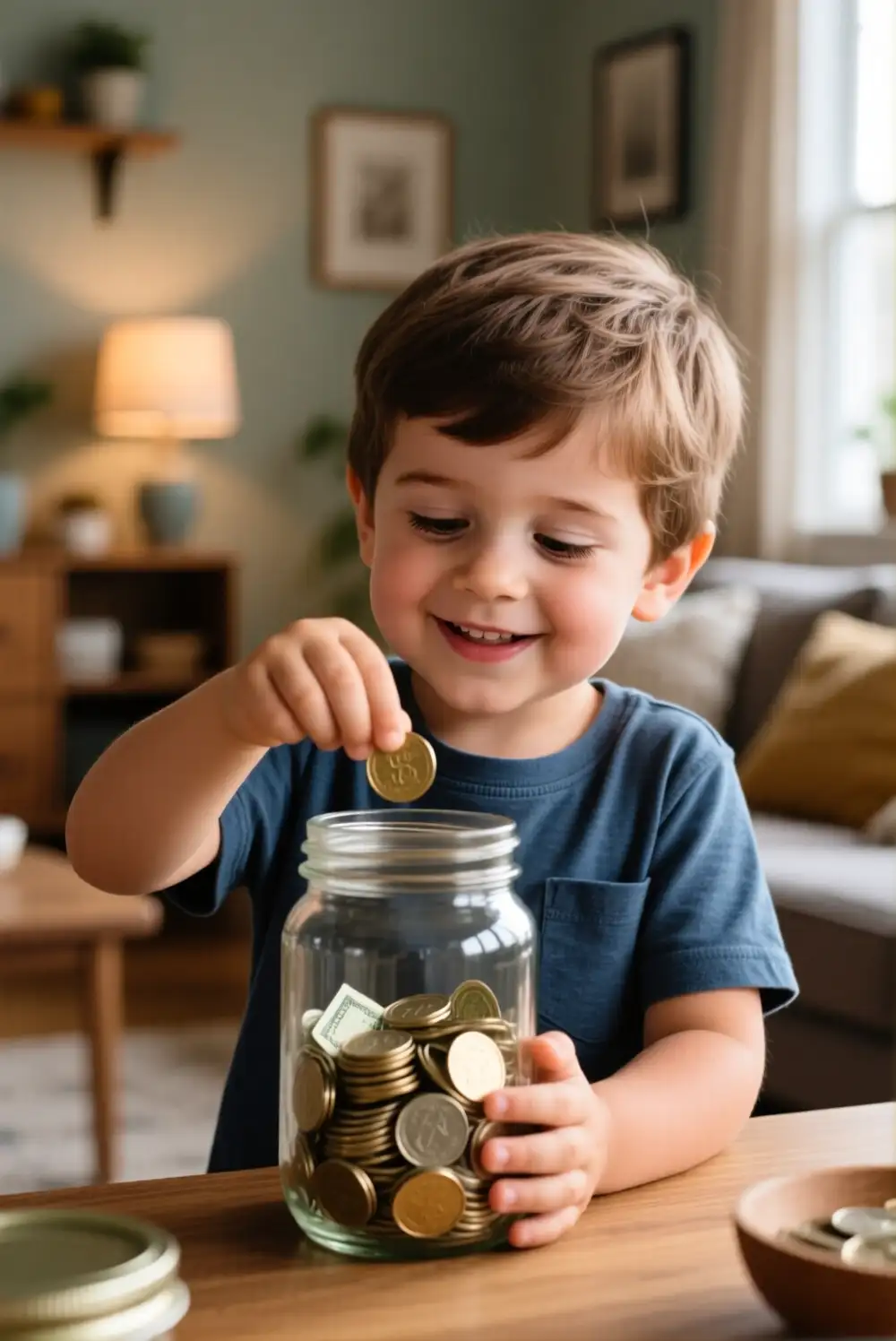
Saving for a specific item teaches patience and goal setting. When kids work toward something they truly want, they experience the satisfaction of delayed gratification. This lesson is powerful and long-lasting.
Helping them track progress keeps motivation high. The experience teaches that waiting and planning often feel better than instant spending.
Avoid Buying Everything They Ask For
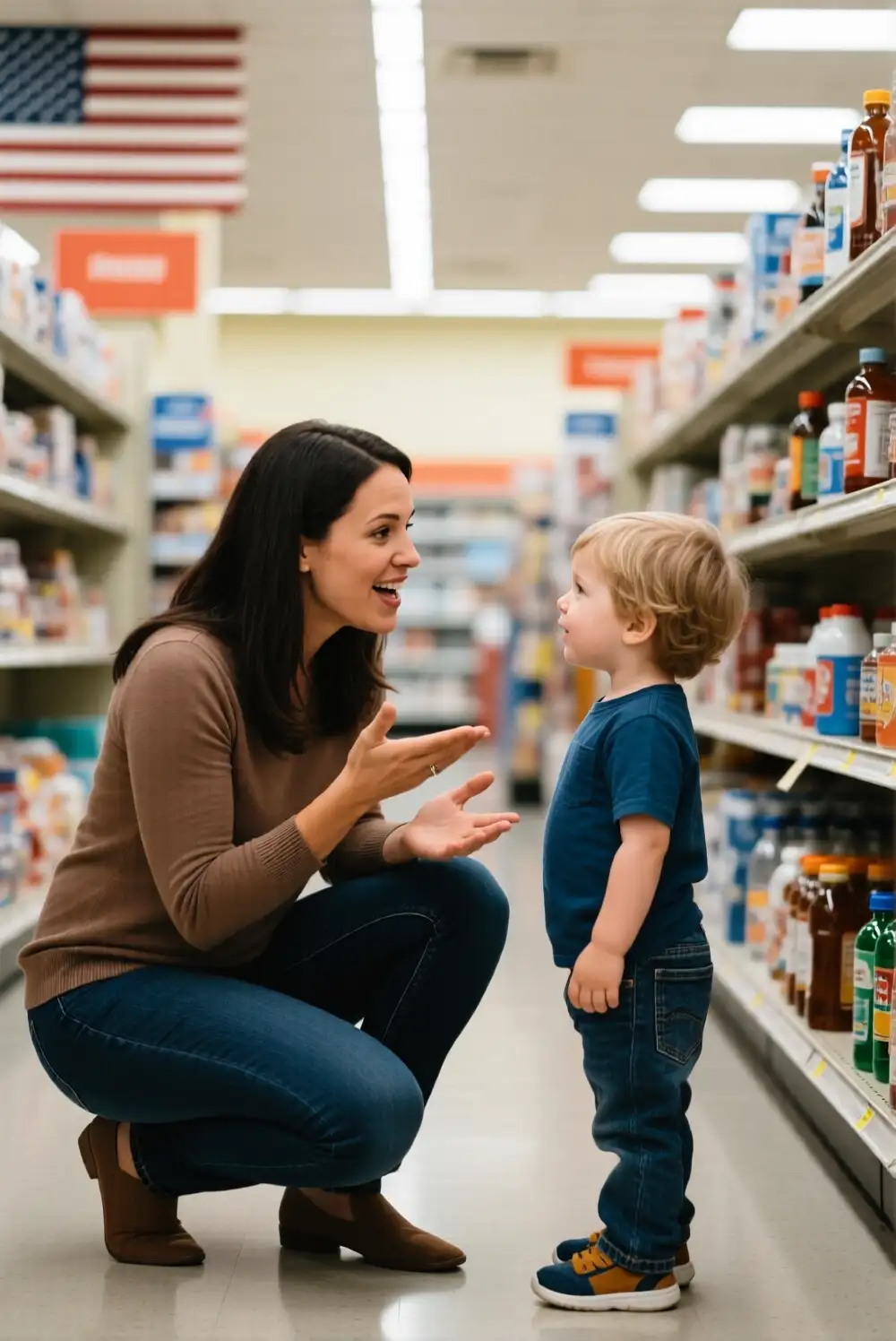
Saying no sometimes helps kids understand limits and value. When everything is immediately available, money loses meaning. Gentle boundaries teach kids that choices matter and resources aren’t endless.
Explaining your reasoning calmly helps kids accept limits without frustration. These moments build emotional resilience and respect for money decisions.
Use Games To Teach Money Skills
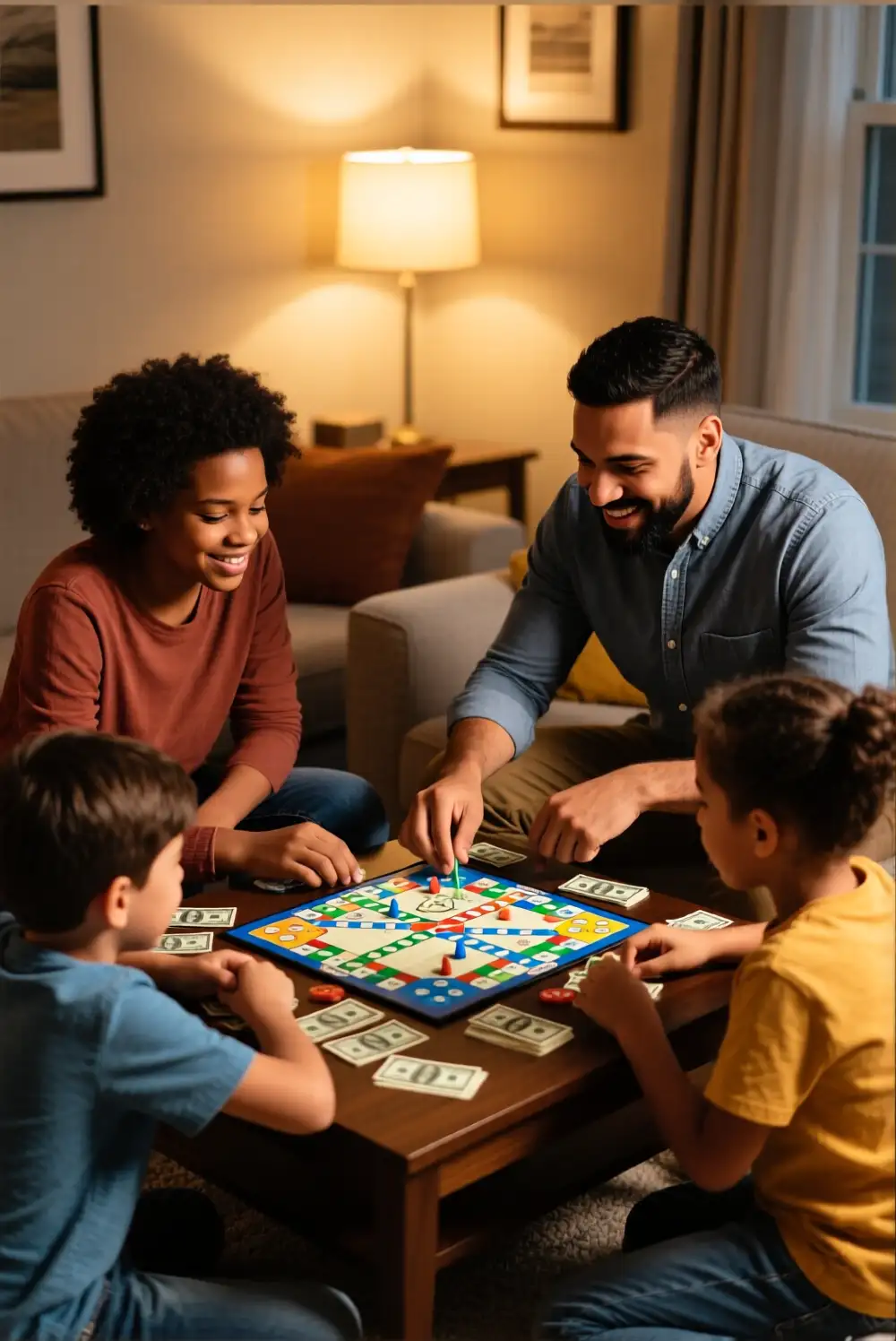
Board games and pretend play make money lessons fun and memorable. Games introduce ideas like saving, spending, and planning without pressure. Kids learn best when they’re engaged and relaxed.
These playful experiences create positive associations with money. They also encourage problem-solving and decision-making in a safe environment.
Explain That Money Is Finite
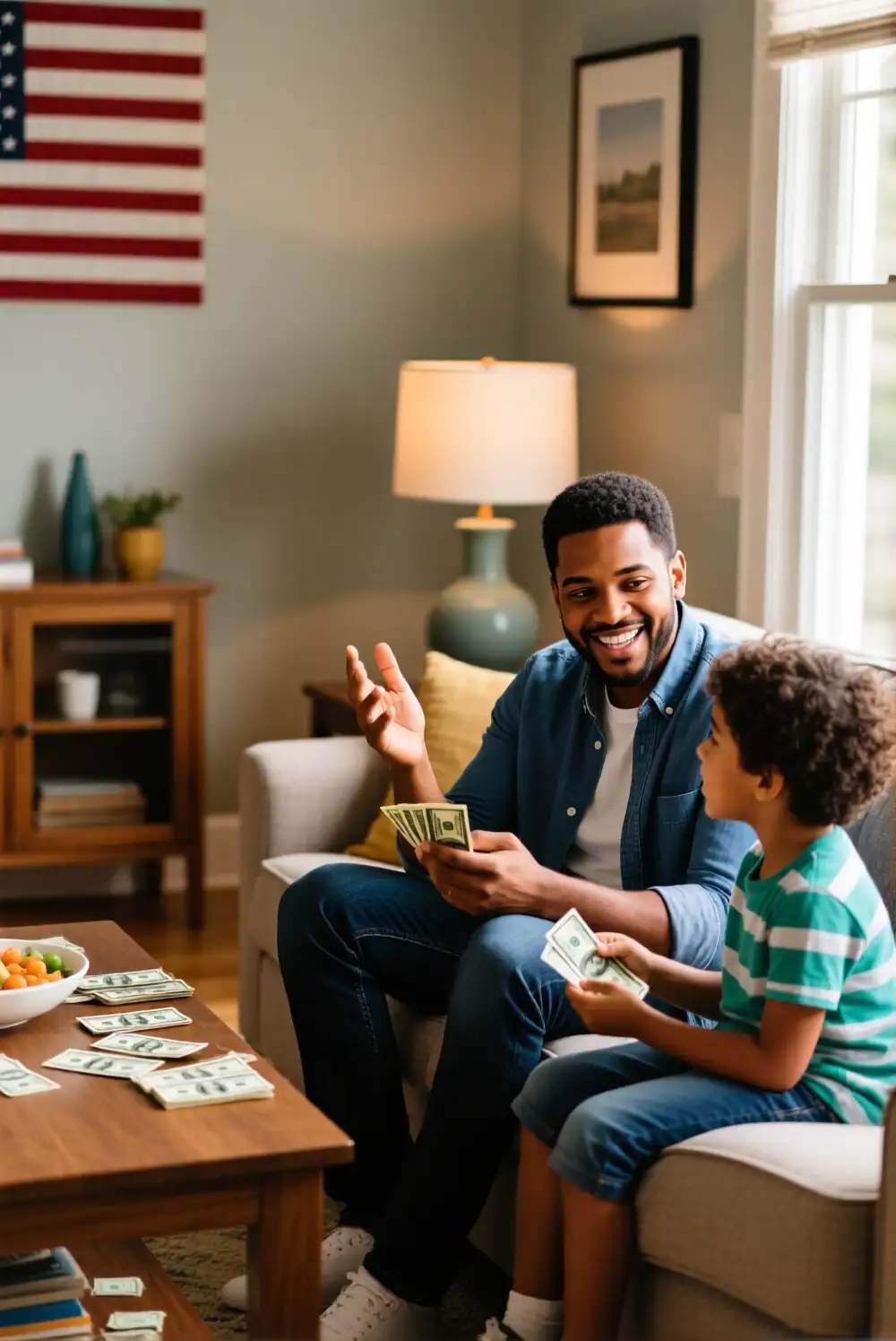
Helping kids understand that money runs out builds realistic expectations. Simple explanations work better than complex details. Kids don’t need full financial knowledge, just honest awareness.
This understanding reduces entitlement and encourages gratitude. Over time, kids learn to appreciate what they have and make thoughtful choices.
Model Healthy Spending Habits
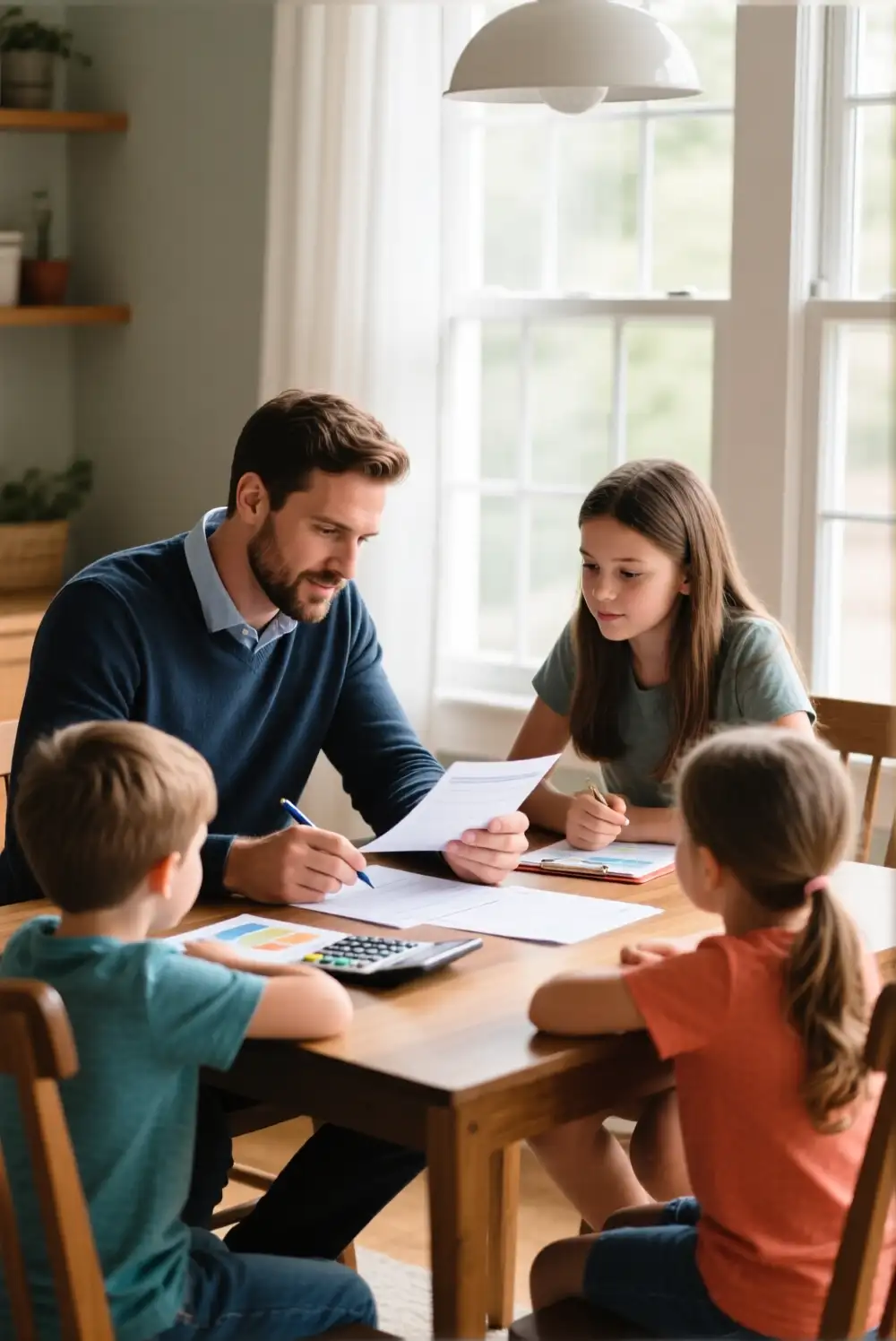
Kids learn more from what they see than what they’re told. Modeling calm, intentional spending teaches powerful lessons without words. Your habits shape their understanding of money.
Showing balance between saving and enjoying money creates a healthy example. This builds long-term confidence and trust around finances.
Teach Comparison Shopping
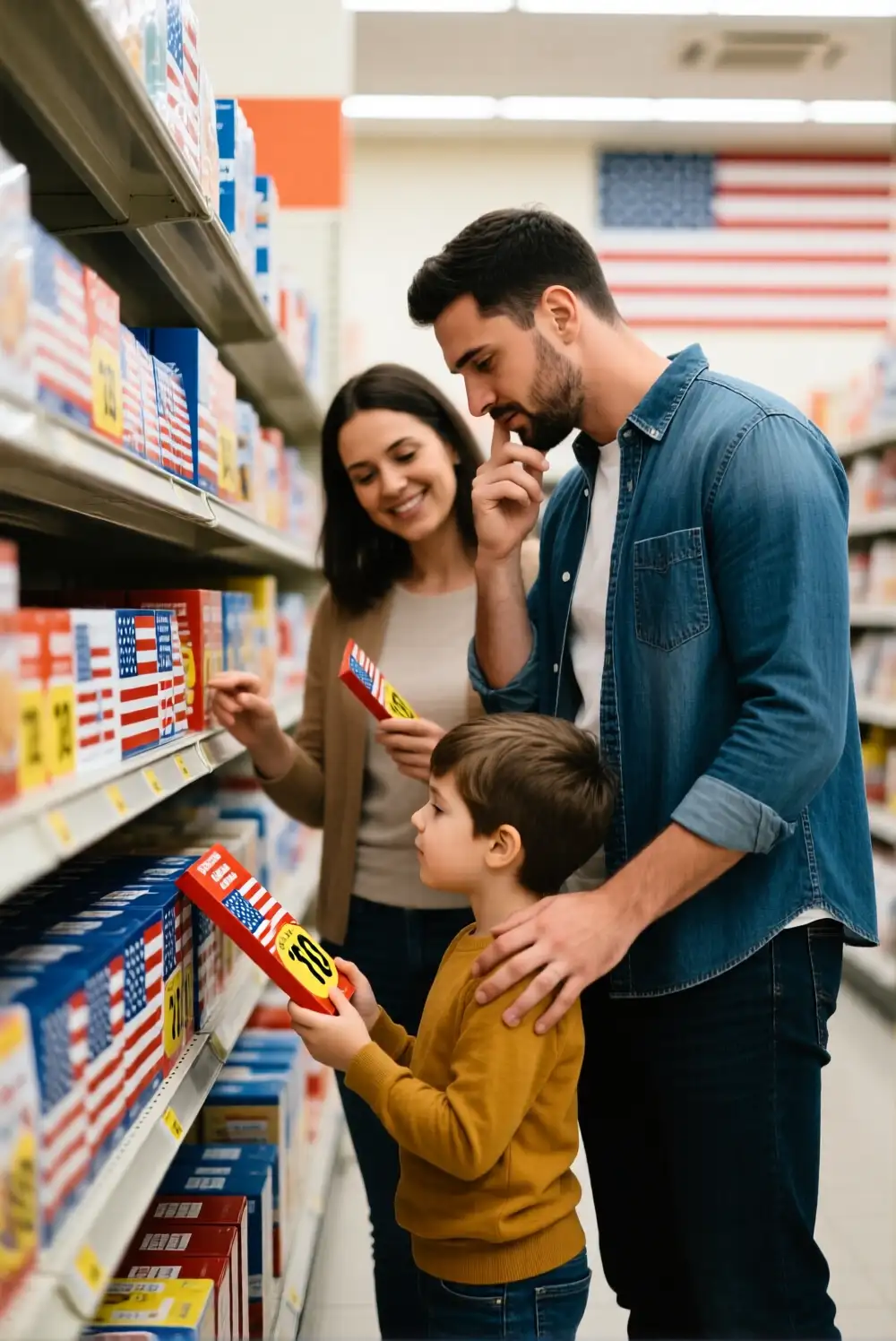
Comparison shopping helps kids understand value rather than just price. Looking at options together shows them how choices affect spending. This builds analytical thinking early on.
Keeping it simple ensures the lesson stays practical. Kids learn that taking time can lead to better decisions.
Encourage Giving To Others
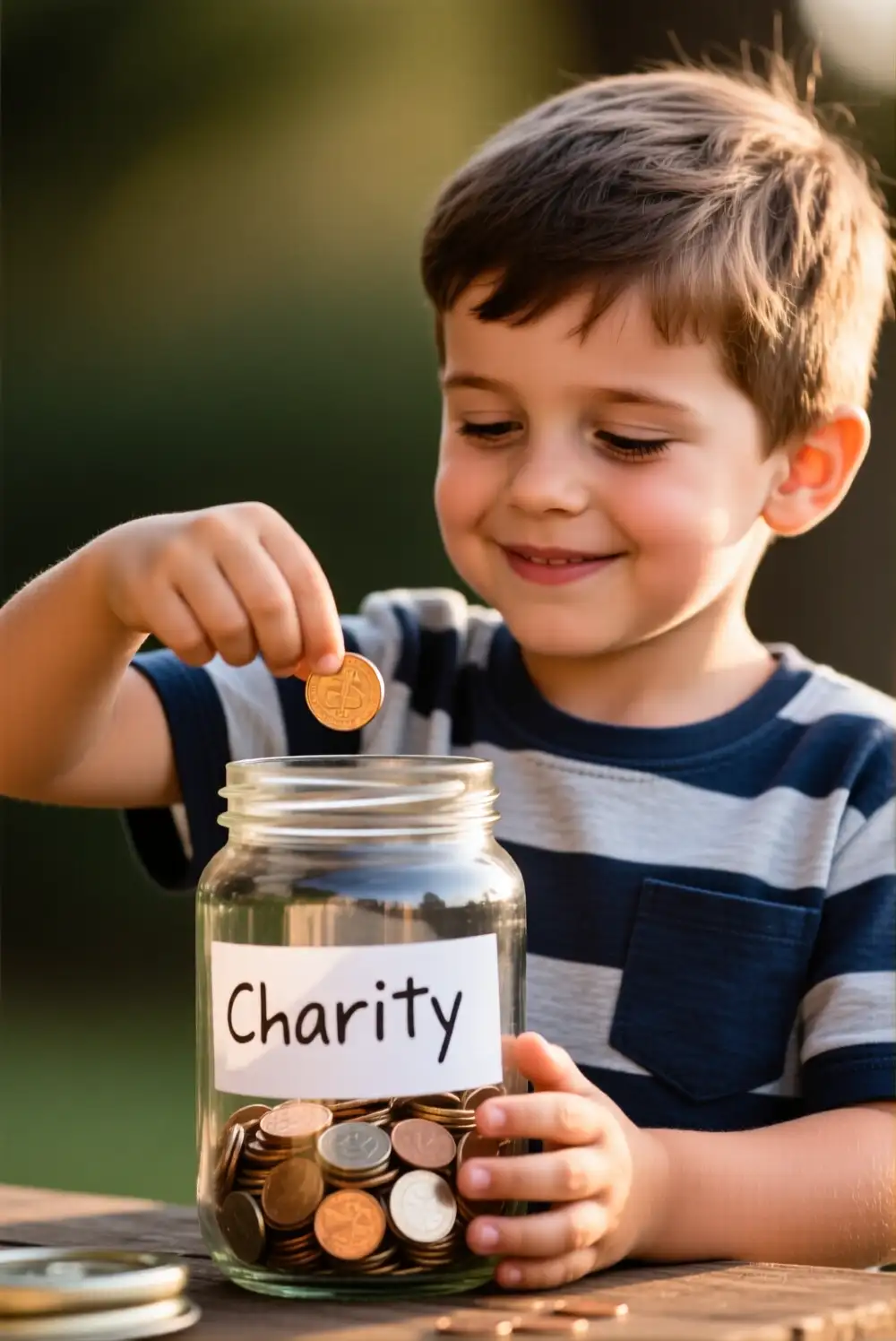
Teaching kids to give builds empathy and generosity. Even small acts of giving help kids understand money’s role beyond personal use. This creates emotional balance around finances.
Discussing why giving matters helps deepen the lesson. Kids learn that money can be used to help and connect with others.
Let Kids Make Small Money Mistakes
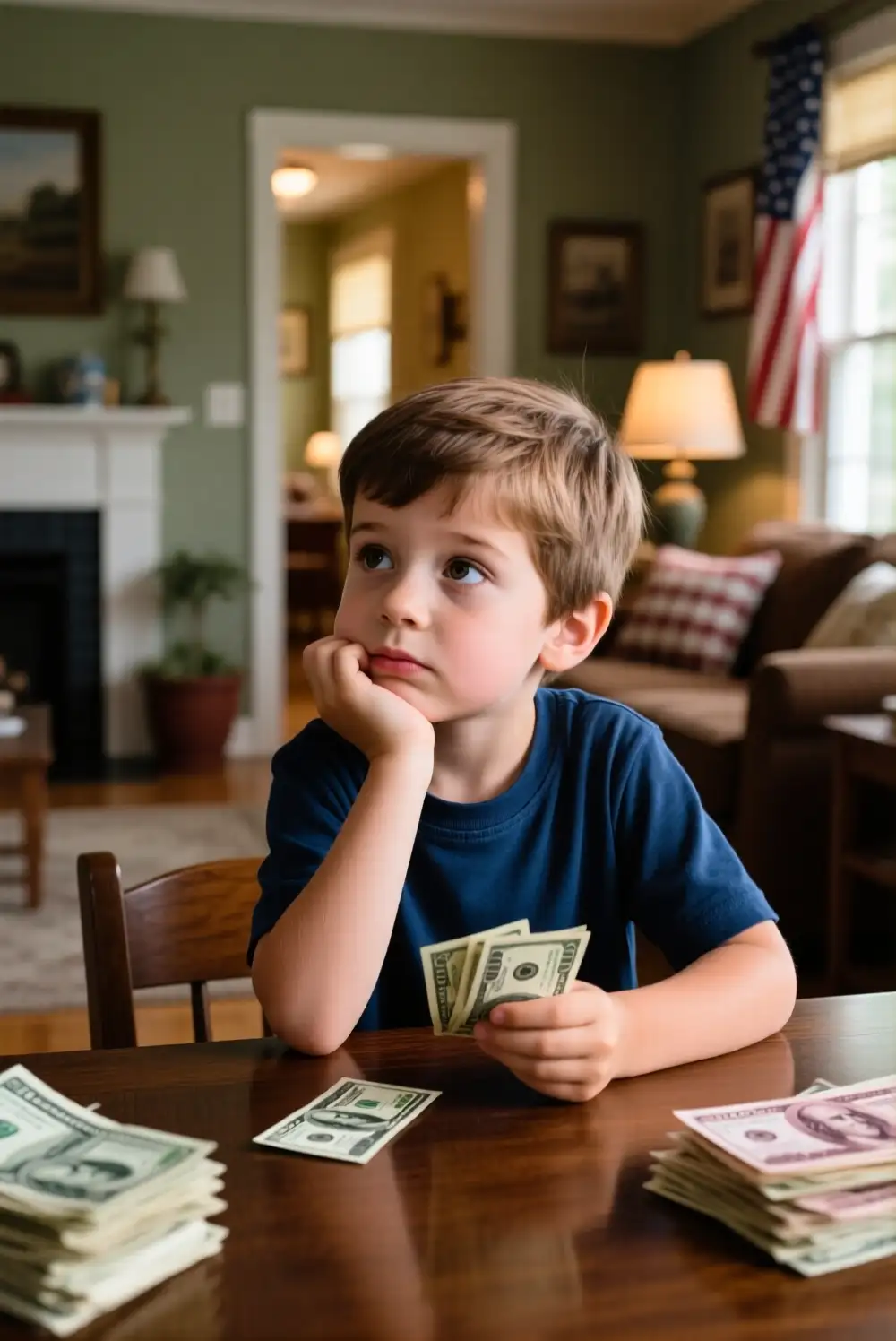
Allowing small mistakes helps kids learn naturally. When kids spend money quickly and regret it, the lesson sticks. These experiences are valuable and safe when amounts are small.
Resisting the urge to fix mistakes builds independence. Kids gain confidence in learning from their own choices.
Use Real Life Examples Daily

Everyday life offers endless money lessons. From paying bills to planning meals, small explanations build understanding over time. These moments feel natural and relatable.
Consistency matters more than perfection. Simple daily exposure builds comfort and familiarity with money concepts.
Talk About Saving For The Future
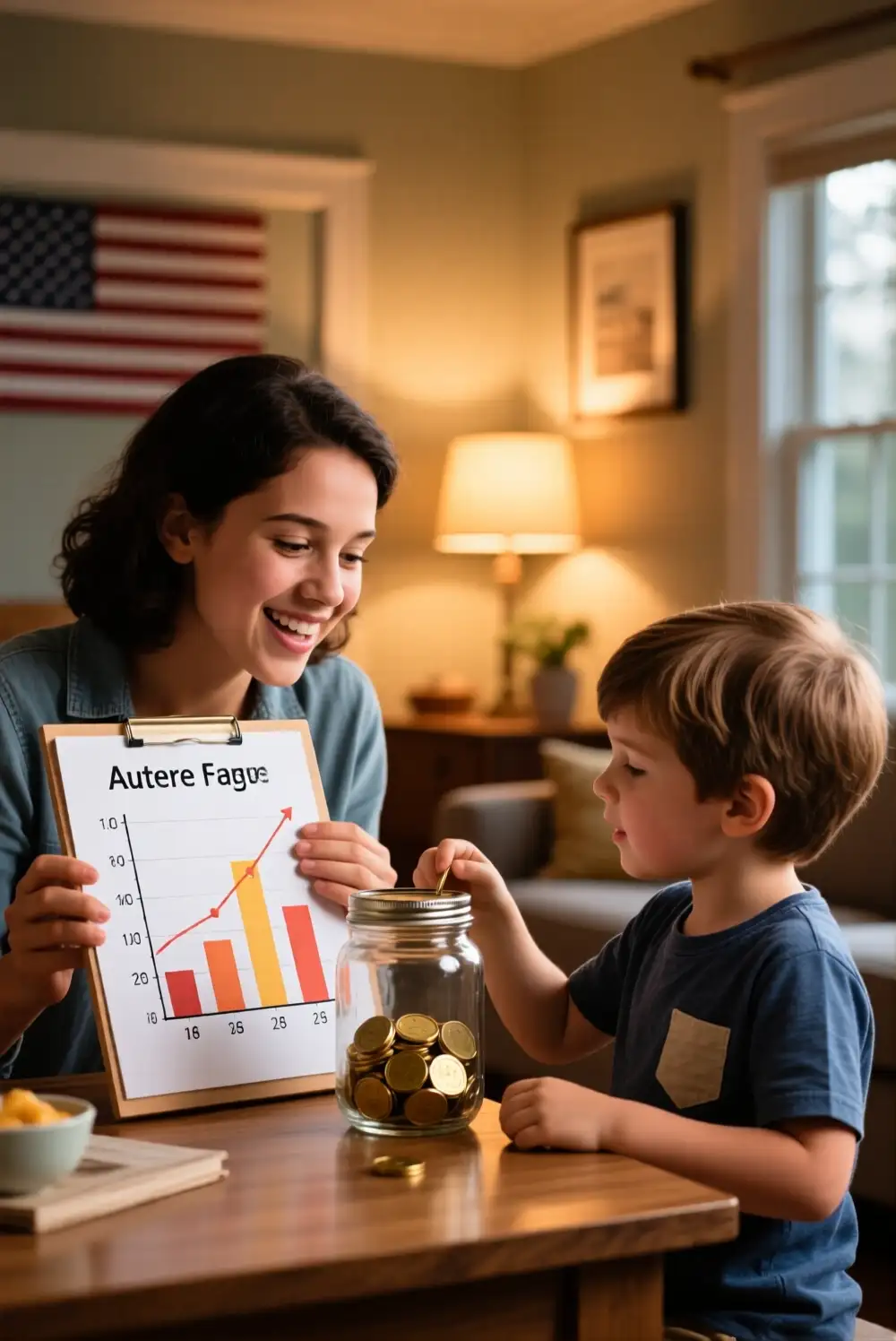
Talking about future goals helps kids understand long-term thinking. Saving for later teaches patience and responsibility. Kids begin to see money as a tool for planning.
Keeping examples age-appropriate makes the idea less abstract. Over time, this builds a strong foundation for future financial confidence.
Praise Thoughtful Money Choices

Positive reinforcement helps money lessons stick. Praising thoughtful decisions builds confidence and encourages repetition. Kids feel proud when their choices are recognized.
Focusing on effort rather than outcome keeps motivation healthy. This approach supports long-term positive money habits.
Teaching kids the value of money is a gradual process built through everyday moments, not one big lesson. With patience, consistency, and open conversations, kids develop healthy financial awareness that supports confidence, responsibility, and smart decision-making as they grow.