
In today’s digital age, technology plays a crucial role in shaping the development of children. From learning tools to social connections, technology provides numerous opportunities and challenges. Understanding its impact is vital for parents and educators alike.
1. Enhanced Learning Opportunities

Technology has transformed education by providing interactive tools that enhance learning. Devices like tablets and educational apps can engage children more effectively than traditional methods. They stimulate curiosity and allow for personalized learning experiences.
Interactive content, such as educational games, fosters active participation. They make learning fun, helping children build a solid foundation in various subjects. This engagement can lead to improved academic performance and a love for learning.
2. Development of Critical Thinking Skills

Technology encourages the development of critical thinking skills through problem-solving activities. Many digital platforms require children to think analytically, explore solutions, and make decisions based on data. This practice not only boosts cognitive functions but also prepares them for real-life challenges.
Moreover, exposure to various technologies such as coding games promotes logical reasoning. Children learn to break down problems into manageable steps and analyze outcomes, which are essential skills for future success.
3. Social Interaction and Communication

With technology, children can connect with peers across the globe, enhancing their social experiences. Social media platforms and online games foster communication, enabling friendships that extend beyond geographical limitations. Such interactions can help develop empathy and cultural awareness.
However, it’s vital to monitor these interactions to ensure they are positive and healthy. Parents should guide children on responsible online behavior to prevent negative experiences and enhance the benefits of social connectivity.
4. Impact on Physical Activity

While technology provides various benefits, it can also lead to reduced physical activity among children. Increased screen time often results in sedentary behavior, which may negatively impact health and wellbeing. Therefore, finding a balance between technology use and physical activity is essential.
Creating structured schedules for tech usage and encouraging outdoor play can promote a healthier lifestyle. Incorporating fitness apps or games can also motivate children to stay active while enjoying technology.
5. Emotional Development and Security

Technology can aid in emotional development by providing platforms for children to express themselves. Creative applications allow children to explore their feelings through art or storytelling. This self-exploration can foster emotional intelligence and resilience.
Furthermore, online support groups or forums for children facing similar challenges can offer comfort. However, it’s crucial for parents to be involved and ensure healthy emotional processing and responses to online experiences.
6. Exposure to Information and Misinformation

The vast amount of information available online is a double-edged sword. While children can access educational resources, they may also encounter misinformation. Teaching children to critically evaluate sources is essential for navigating the digital world safely.
Parents and educators should encourage discussions about credible information versus misinformation, helping children develop healthy skepticism and critical evaluation skills, which are invaluable in today’s information-heavy society.
7. Understanding Responsibility and Consequences

Using technology responsibly requires understanding its implications. Teaching children about online safety, privacy, and the consequences of their digital actions is crucial. These lessons shape responsible digital citizens who are aware of their online footprint.
Encouraging discussions about appropriate online behavior, such as respecting others and understanding digital permanence, fosters a sense of responsibility. These skills empower children to navigate technology thoughtfully and ethically.
8. Fostering Creativity and Innovation

Technology serves as a platform for children to express their creativity. From digital art tools to music production software, technology encourages experimentation and innovation. This creative outlet is essential for children’s overall development and self-expression.
By providing access to various resources and platforms, children can explore their interests and develop unique skills. This exposure to creativity can lead to enhanced problem-solving abilities and innovation in many aspects of life.
9. Parental Involvement and Guidance

Active parental involvement is crucial in managing technology’s impact on child development. Parents should engage with their children regarding their technology use, discussing interests, and setting appropriate limits. This engagement fosters healthy relationships and understanding.
Moreover, parents can model responsible technology usage, showing children how to balance screen time with real-life interactions. This guidance is essential for fostering healthy habits and promoting a well-rounded development.
10. The Role of Technology in Special Needs Education

Technology has transformed special needs education by providing personalized learning tools and resources. Adaptive technology helps cater to individual learning styles and abilities, offering tailored support that enhances educational experiences.
This targeted approach can aid in skill development and promote inclusivity in educational settings. With the right technology, children with special needs can thrive and access the same learning opportunities as their peers.
11. Balancing Screen Time and Traditional Play

Balancing screen time with traditional play is critical for holistic development. While technology offers benefits, unstructured play remains vital for skills like creativity and social interaction. Parents must ensure children have both experiences.
Encouraging outdoor activities and playtime alongside technology use fosters creativity and social skills. This balance enables children to benefit from both worlds, leading to balanced development and well-rounded experiences.
12. Technology and Academic Achievement

Research indicates that technology can enhance academic achievement when integrated thoughtfully into the curriculum. Utilizing educational technologies can cater to diverse learning needs and motivate students toward success.
Incorporating technology in classrooms offers interactive learning opportunities. It allows educators to present information dynamically, encouraging engagement and retention among students, ultimately leading to improved academic performance.
13. Digital Literacy as a Core Skill

As technology becomes integral to everyday life, digital literacy emerges as a core skill for children. Understanding how to use technology effectively and safely is essential for success in education and future careers.
Teaching digital literacy equips children with the tools to navigate technology responsibly. This education lays the foundation for critical thinking, problem-solving, and informed decision-making in the digital landscape.
14. The Influence of Social Media

Social media influences children’s socialization and self-esteem. While it offers platforms for connection and expression, it can also expose children to unrealistic comparisons and cyberbullying. Understanding this duality is vital for navigating social media effectively.
Children benefit from guidance on using social media positively. Parents can help manage online interactions and encourage healthy self-image and resilience against negative influences.
15. Technology’s Role in Global Awareness

Technology facilitates global awareness by exposing children to diverse cultures and perspectives. Online resources enable children to learn about global issues, fostering compassion and understanding toward others.
This awareness helps children develop global citizenship. By understanding the world around them, they can contribute positively to their communities and society, embracing diversity and empathy.
16. The Effects of Gaming on Development

Gaming can have both positive and negative effects on child development. While it can enhance problem-solving skills and foster social connections, excessive gaming may lead to negative consequences like addiction and social withdrawal.
Finding a balance between gaming and other activities is crucial. Encouraging healthy gaming habits and establishing time limits can help children enjoy the benefits while minimizing risks.
17. Virtual Reality in Learning
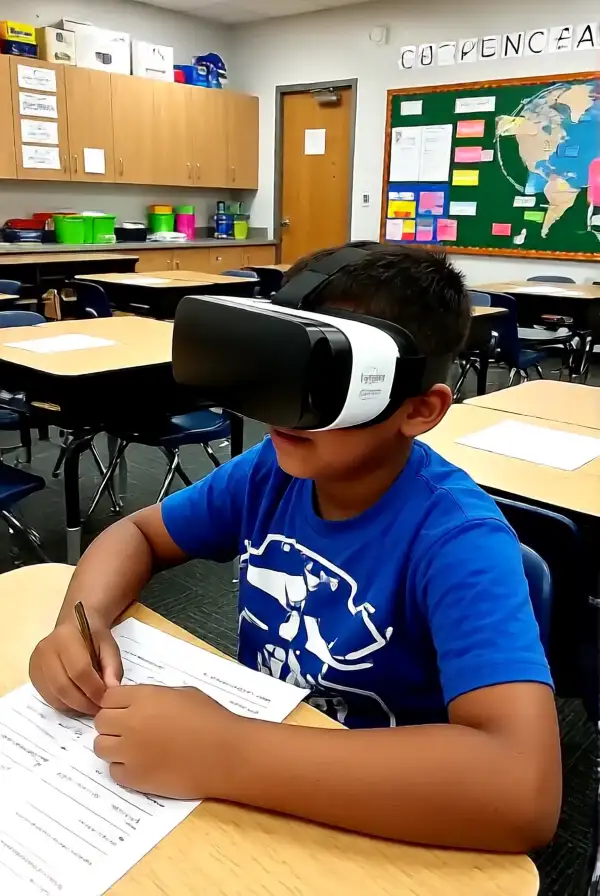
Virtual reality offers unique learning experiences that immerse children in engaging environments. This technology can enhance understanding and retention of complex subjects, making education more interactive and memorable.
By incorporating virtual reality in classrooms, educators can create simulations that facilitate experiential learning. This innovative approach captivates students and transforms traditional learning methods.
18. Cybersecurity Awareness

As children navigate the digital landscape, cybersecurity awareness becomes paramount. Teaching children about online safety helps them recognize potential threats and protect their information online.
By instilling a sense of cybersecurity awareness, parents and educators empower children to make informed decisions regarding their online activities, fostering safer digital environments.
19. The Limitations of Technology

While technology offers many advantages, it’s essential to recognize its limitations. Overreliance on technology can hinder critical skills, creativity, and interpersonal relationships, making balance vital for optimal development.
Promoting mindful technology use alongside traditional skills can help children develop holistically. Encouraging hands-on experiences and face-to-face interactions cultivates well-rounded individuals.
20. The Future of Technology in Child Development

The future of technology in child development holds endless possibilities. Innovations continue to emerge, providing novel learning approaches and tools that can enrich children’s experiences.
By embracing technology’s positive aspects while being mindful of its drawbacks, parents and educators can create nurturing environments that foster healthy development amidst technological advancements.
21. Conclusion: Navigating the Digital Landscape

Effectively navigating technology’s impact on child development requires understanding, balance, and guidance. By recognizing the various influences, we can empower children to harness technology’s benefits while minimizing potential drawbacks.
Ultimately, fostering a partnership between technology and traditional learning prepares children for a well-rounded future, equipping them with essential skills for navigating an ever-evolving world.