
Raising a preteen can be a challenging endeavor, especially when facing defiance and rebellion. This guide explores 24 practical and effective discipline tips to help parents navigate this crucial stage of development. From understanding their perspective to setting clear boundaries, these strategies aim to foster respect and cooperation.
Understand Their Perspective

Taking the time to understand why your preteen behaves defiantly can facilitate a deeper connection. Often, defiance is a reaction to feeling misunderstood or disregarded. Spend time listening to their thoughts and feelings, validating their experiences while addressing the behavior.
By showing empathy and attempting to understand their perspective, parents can encourage a more open dialogue. This not only reduces futility and resentment but also fosters a sense of belonging and respect within the relationship.
Set Clear Boundaries

Establishing clear and consistent boundaries is essential for managing defiant behavior. Make sure your preteen understands the rules and the consequences for breaking them. This clarity helps them feel secure and aware of their expectations.
When enforcing the boundaries, be consistent. Inconsistency can lead to confusion and frustration, making it essential for parents to stick to established rules. This will help create a stable environment for your preteen.
Use Positive Reinforcement

Incorporate positive reinforcement into your disciplinary strategy. Recognize and reward desired behaviors, rather than solely punishing negative actions. This approach encourages your preteen to repeat positive behaviors and strengthens your relationship.
Compliments, additional privileges, or special activities can serve as rewards that motivate your child. This shift from a purely punitive model to a more balanced approach can lead to healthier interactions and improve your preteen’s self-esteem.
Communicate Openly

Encouraging open communication can significantly reduce defiance. Make conversations about feelings, expectations, and experiences a regular occurrence. This helps your preteen feel comfortable discussing their concerns and frustrations with you.
Engaging in dialogue where both parties listen genuinely fosters mutual respect. Address disagreements calmly and constructively, making it clear that their opinions matter and that they have a role in family discussions.
Involve Them in Decision-Making

Involving your preteen in family decisions empowers them, giving them a sense of control over their lives. Whether it’s planning a family outing or negotiating chores, allowing them input can reduce feelings of rebellion.
This practice not only nurtures their independence but also reinforces responsible decision-making. By letting them contribute, you help them understand the importance of cooperation and compromise.
Model Respectful Behavior

Children learn by example. Demonstrating respectful behavior in all your interactions teaches your preteen about the importance of respect and empathy. Model how to handle disagreements or frustrations in a constructive manner.
By showcasing healthy communication skills and conflict resolution techniques, you prepare your preteen to respond similarly. This not only eases tensions during disagreements but also fosters a respectful and caring family environment.
Be Consistent in Discipline

Consistency in how you enforce discipline is crucial. Ensure that reactions to disobedience are stable and predictable. This helps your preteen to understand the consequences of their behaviors clearly.
Using a consistent approach avoids confusion and reinforces the importance of rules. If rules are enforced unevenly, it can lead to defiance and resentment, making it essential to maintain a steady hand in discipline practices.
Encourage Emotional Expression

Encouraging your preteen to express their emotions openly can alleviate some of the defiance. Help them communicate their feelings through creative outlets such as writing, art, or music. This can act as a productive coping mechanism for emotional turbulence.
When they express their feelings in positive ways, it diminishes maladaptive behaviors often linked to emotional suppression. Empowering them through emotional expression can lead to better emotional regulation and less confrontational behavior.
Establish Consequences Ahead of Time

Make sure that your preteen understands the consequences of their actions before they engage in specific behavior. Clear communication about what will happen if rules are broken contributes to better decision-making from your child.
Preemptively establishing consequences makes it easier for you to enforce them if and when the behavior occurs. This preparedness reduces impulsivity in your responses and creates a structured approach to discipline.
Teach Problem-Solving Skills

Helping your preteen develop problem-solving strategies is crucial for fostering independence and reducing defiant behavior. Engage them in discussions on how to approach challenges or disagreements, encouraging critical thinking.
By providing guidance on how to brainstorm solutions, you instill life skills that will be invaluable as they mature. Teaching problem-solving not only reduces conflict in the present but also empowers them in their future relationships.
Limit Screen Time

Excessive screen time can contribute to rebellious behavior in preteens. Implementing limits on how much time they can spend on screens can contribute to healthier habits. Encourage alternative activities such as outdoor play or hobbies that promote growth.
Creating a balanced lifestyle with appropriate screen time is essential for their mental and emotional well-being. This practice can lead to more quality family interactions and reduce the temptation for rebellious behavior stemming from screens.
Schedule Regular Family Time

Establishing regular family bonding activities can improve relationships and reduce defiance. Schedule activities that everyone enjoys to strengthen family bonds. This helps your preteen recognize the value of companionship within the family structure.
Family time creates opportunities for open dialogue and emotional connection, reducing feelings of isolation. Participating in shared experiences can bolster cooperation, decreasing the likelihood of rebellious behavior.
Encourage Healthy Friendships

Help your preteen foster friendships with peers who exhibit positive behavior. Encourage engagement in activities where they can meet constructive influences. Healthy friendships play a significant role in shaping their behavior.
Providing guidance on selecting friends can enhance your preteen’s social skills and emotional development. Positive influences often lead to reduced defiance, as supportive friends encourage better decision-making.
Practice Patience

Patience is a virtue when dealing with defiant behavior. Acknowledge that growth and change take time. Recognizing small improvements is essential for providing encouragement and support through the process.
Practicing patience fosters a supportive environment where your preteen feels safe to express themselves freely. This not only improves your connection but also allows them to navigate their challenges more effectively.
Celebrate Successes

Recognizing and celebrating your preteen’s achievements, no matter how small, can positively impact their behavior. Acknowledging their efforts encourages them to continue making positive choices and to develop their self-esteem.
Celebrate successes through rewards, public praise, or special outings. This practice reinforces positive behavior patterns and motivates them to maintain good choices, thus reducing defiance.
Stay Engaged in Their Interests

Being involved in your preteen’s interests strengthens your bond and opens opportunities for constructive dialogue. Take the time to explore their hobbies, whether it’s sports, music, or technology. This creates a deeper understanding of their world.
Engaging in their interests not only enriches your relationship but also allows opportunities for important discussions. Showing genuine enthusiasm for what they love can significantly reduce feelings of defiance.
Teach Empathy

Teaching your preteen about empathy can profoundly affect their behavior. Encourage them to consider others’ feelings and viewpoints in various situations. Experiencing empathy can cultivate kindness and reduce defiance.
Incorporate discussions about real-life situations that challenge ethical perspectives, fostering critical thinking. Building emotional intelligence equips your preteen with necessary tools to manage relationships positively.
Provide Structure
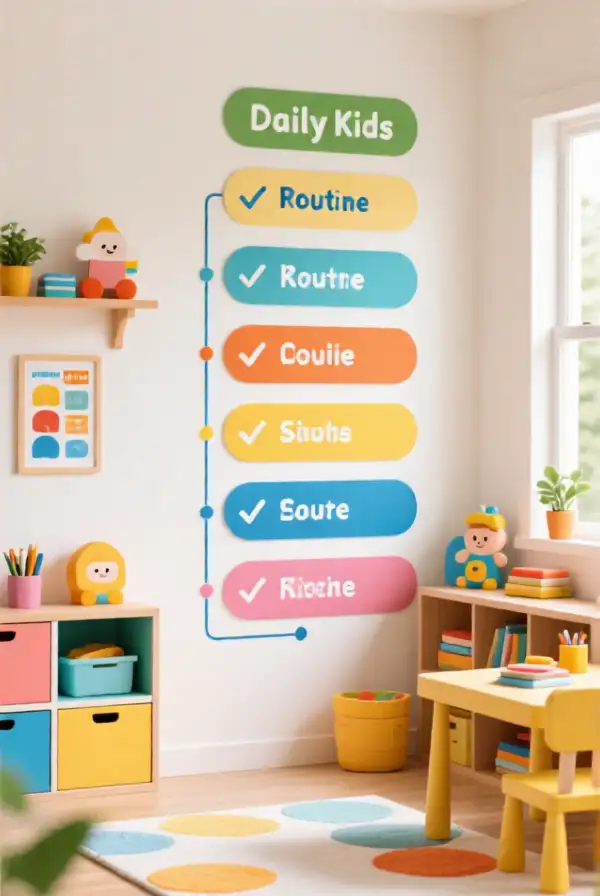
A structured routine offers stability and predictability in your preteen’s life, which can help reduce their defiance. A consistent daily routine sets clear expectations about responsibilities, schoolwork, and free time.
When your preteen knows what to expect, it can lessen anxiety and improve their behavior. Implementing structure encourages responsibility, helping to guide their choices positively.
Encourage Responsibility

Encouraging your preteen to take ownership of their responsibilities can decrease defiant behavior. Assigning age-appropriate chores can instill a sense of accountability and pride in their contributions to the family.
By fostering responsibility, your preteen learns the importance of their actions and consequences. This empowerment can lead to improved behavior and a keener willingness to follow established rules.
Limit Negative Influences

Be mindful of the negative influences in your preteen’s life, including media and social circles that might promote rebellion. Encouraging a critical analysis of what they see and hear will help them make better choices.
By limiting exposure to negativity and discussing the impacts of such influences, you can guide them toward healthier interactions. This proactive approach can mitigate issues of defiance and promote positive behavior.
Be Approachable

Create a safe space where your preteen feels comfortable coming to you with their thoughts and feelings. An approachable demeanor and willingness to listen without judgment can facilitate better communication and lessen rebellious tendencies.
This can be beneficial for maintaining an open line of communication, showing them that their opinions matter. By being approachable, you strengthen the parent-child bond while reducing the likelihood of defiance.
Establish a Support Network

Having a strong support network of family and friends can be beneficial for both you and your preteen. They can provide additional guidance, advice, and encouragement, which can aid in managing their behavior more effectively.
Encourage your preteen to foster relationships within this network, enhancing their social development. A reliable support system can alleviate some of the challenges parents face and help maintain a balanced approach to discipline.
Invest in Your Own Growth

Lastly, investing in your own personal growth as a parent can significantly impact your child’s behavior. Pursue parenting workshops, books, or online resources that can enhance your skills and understanding.
By continuously improving your own approach, you model lifelong learning for your preteen. This investment can reflect positively on your discipline methods and the overall family dynamic.
Implementing these 24 discipline tips for defiant preteens can transform your parenting journey. With patience, understanding, and consistency, you can foster a respectful and nurturing relationship that supports your child’s development.