
Explore effective positive discipline techniques that foster a healthy learning environment for children while promoting respect and understanding. These strategies balance authority and kindness, ensuring discipline encourages growth rather than fear. Whether you’re a parent, educator, or caregiver, these techniques will empower you.
Understanding Positive Discipline
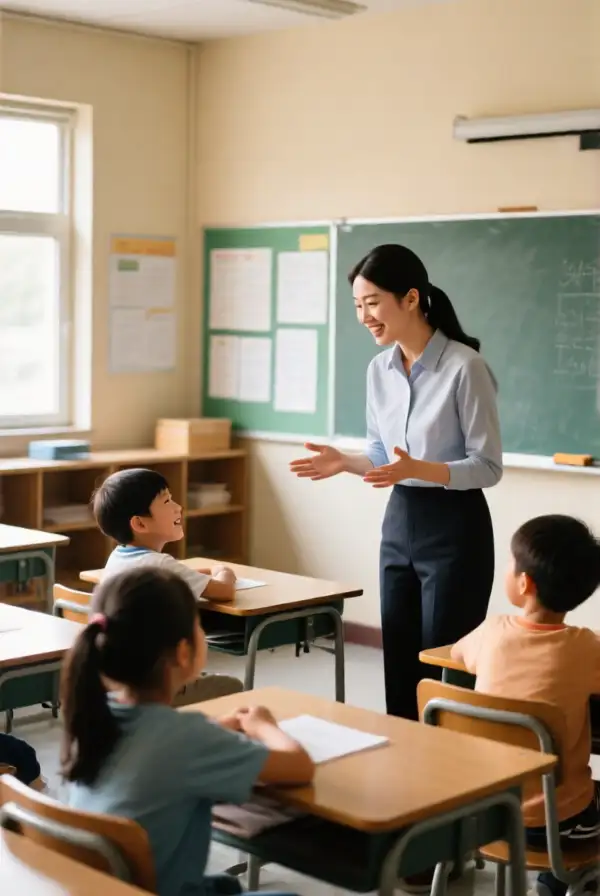
Positive discipline is an approach that focuses on teaching rather than punishing. It encourages constructive communication, making children understand the reasons behind rules and consequences. By emphasizing respect and empathy, this technique helps to cultivate a child’s self-discipline and responsibility over time.
Through establishing clear expectations and engaging in discussions, caregivers can foster a bond of trust and respect with children. This method not only aids in resolving conflicts but also instills values that guide children throughout their lives.
Set Clear Expectations
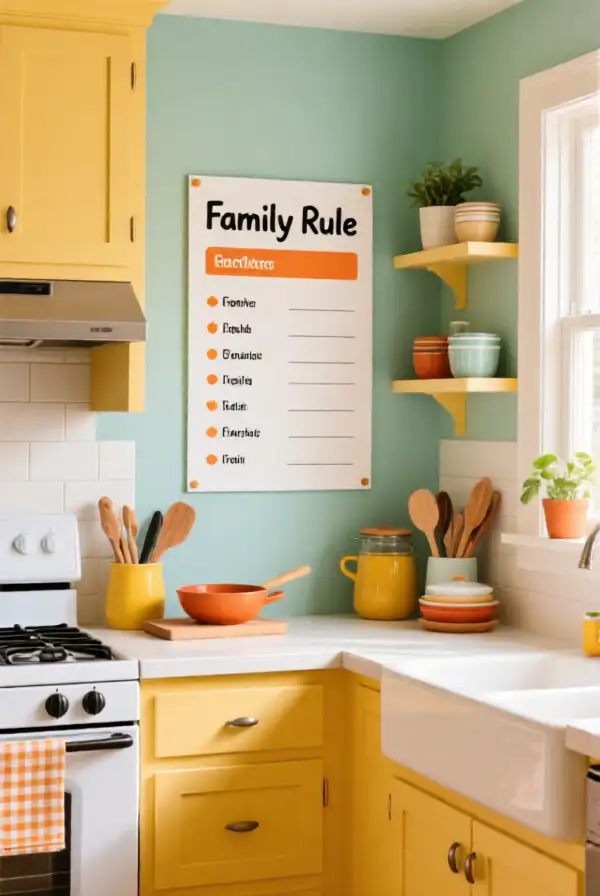
One of the core components of positive discipline is setting clear and concise expectations. Children thrive when they know what is expected of them in various situations. By articulating specific behaviors, you can reduce misunderstandings and improve compliance.
Regularly revisiting these expectations reinforces their importance and helps children internalize them. Utilizing visual charts and reminders can further aid in this learning process, making it easier for children to follow established guidelines.
Use Natural Consequences
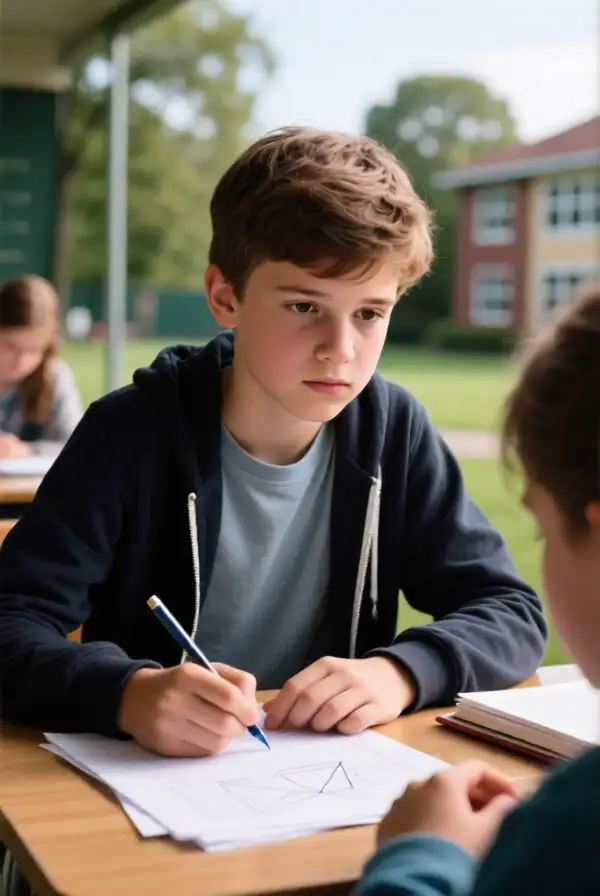
Natural consequences are outcomes that occur as a direct result of a child’s actions. Allowing children to experience these will help them understand the impact of their behavior and foster critical thinking. For instance, if a child refuses to wear a jacket on a chilly day, they’ll likely feel cold and learn to dress appropriately next time.
This technique nurtures independent decision-making and responsibility in children. It promotes the idea that actions have consequences, ultimately helping them to make better choices in the future.
Incorporate Time-Outs Effectively

Time-outs can be beneficial when used correctly within a framework of positive discipline. Rather than a punishment, a time-out should be portrayed as an opportunity for the child to calm down and reflect on their behavior. This pause allows them to reset their emotions and think through their actions.
Make sure to keep time-outs brief and context-focused, helping children understand the breakdown in behavior and guiding them toward more appropriate responses in the future.
Practice Positive Reinforcement
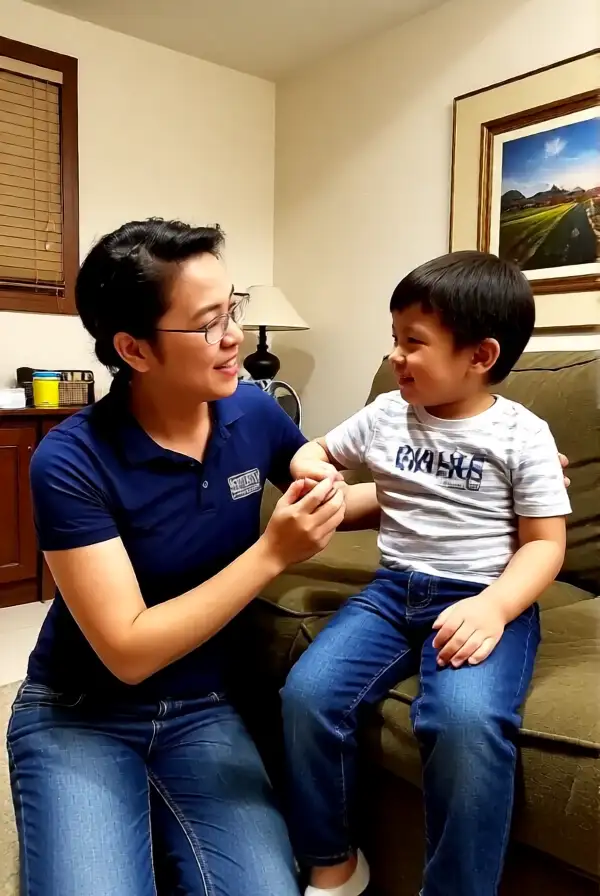
Positive reinforcement is an essential tool in positive discipline. Acknowledging and rewarding desirable behavior not only increases the likelihood of these behaviors being repeated but also builds a child’s confidence. Praise and tangible rewards can motivate children to continue making positive choices.
It’s important to be specific about what you are praising, helping the child understand exactly which behaviors are preferred. This approach reinforces desirable actions and fosters a supportive atmosphere for children’s growth and learning.
Encourage Problem-Solving Skills
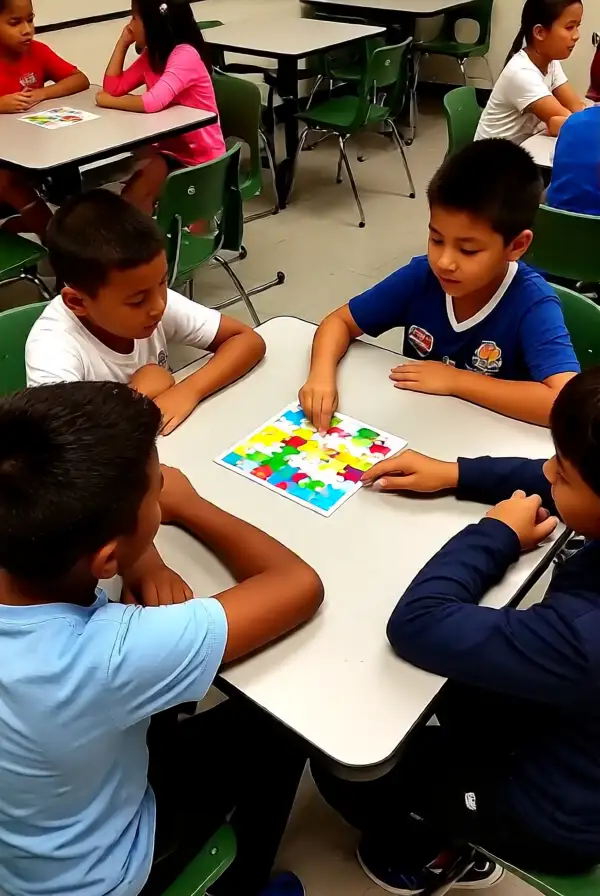
Engaging children in problem-solving discussions enhances their critical thinking abilities. Instead of simply dictating solutions, ask leading questions that guide them toward finding appropriate resolutions. This helps children feel empowered and accountable for their actions.
Teaching children to think through their actions and consider the opinions of others creates empathetic individuals. They learn how to manage conflicts and challenges effectively, preparing them for real-life situations.
Model Appropriate Behavior
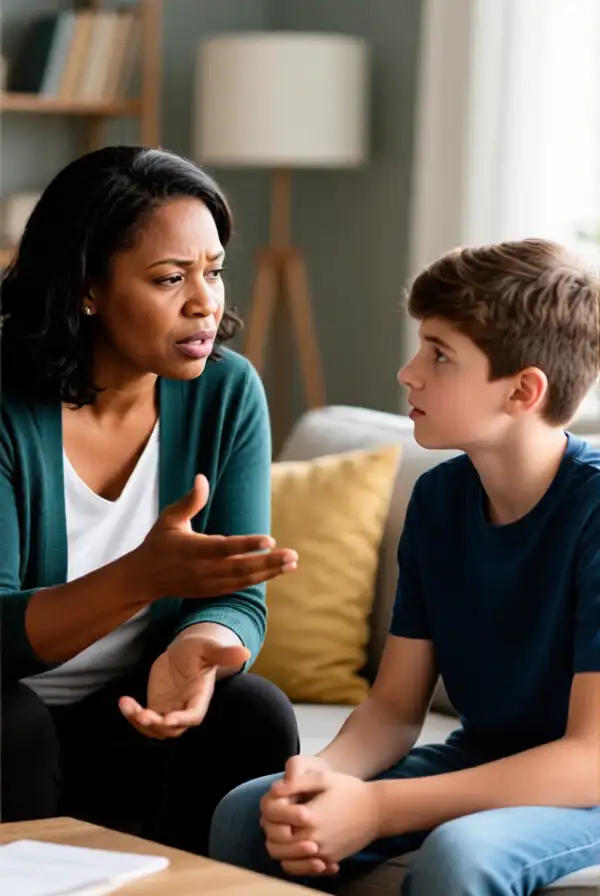
Children learn significantly through observation. By modeling appropriate behavior in various situations, you can impart crucial lessons on handling life’s challenges. Show them how to interact with others respectfully and with empathy, as they are likely to mirror these actions.
Consistently demonstrating the behaviors you wish to instill reinforces their importance, encouraging children to adopt these values as their own. This technique builds a foundation for healthy interpersonal relationships in the future.
Implement Consistent Routines
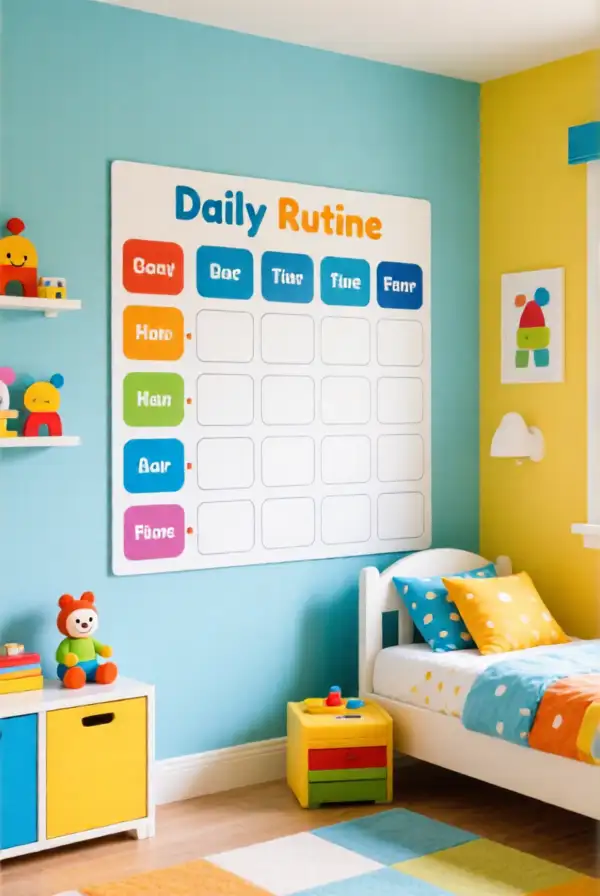
Establishing consistent routines helps children understand expectations and navigate their environments more comfortably. When routines are predictable, children can better manage their feelings and behaviors. This sense of structure creates a safe space for learning and personal growth.
Involve children in the creation of these routines to give them a sense of ownership. When they feel included, they are more likely to follow and appreciate the consistency these routines offer.
Encourage Open Communication

Open communication fosters trust and helps children feel comfortable sharing their thoughts and feelings. Encourage dialogue by actively listening and validating their emotions. This practice creates a safe environment where children are willing to discuss their ideas and concerns without fear of criticism.
When children see that their opinions matter, they are more likely to engage in respectful conversations and build healthy relationships with others. This open exchange of ideas is crucial for their emotional development.
Promote Emotional Awareness
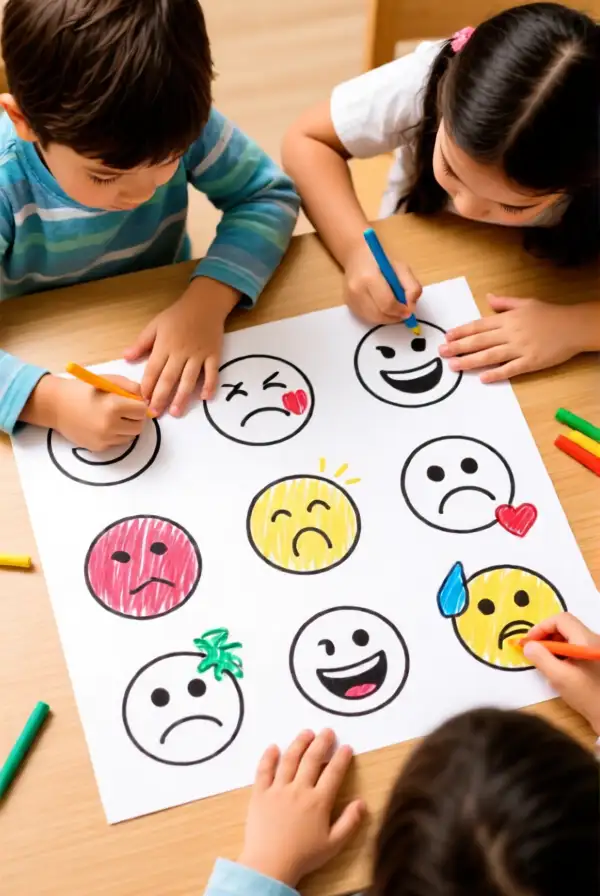
Helping children recognize and express their emotions is vital for their social development. Promote emotional awareness by teaching them to label their feelings and explore the reasons behind them. This understanding leads to better emotional regulation and less volatile reactions in challenging situations.
Encouraging children to articulate their emotions helps them develop empathy and compassion toward others. This skill is essential for building meaningful relationships and navigating life’s complexities.
Teach Conflict Resolution Strategies
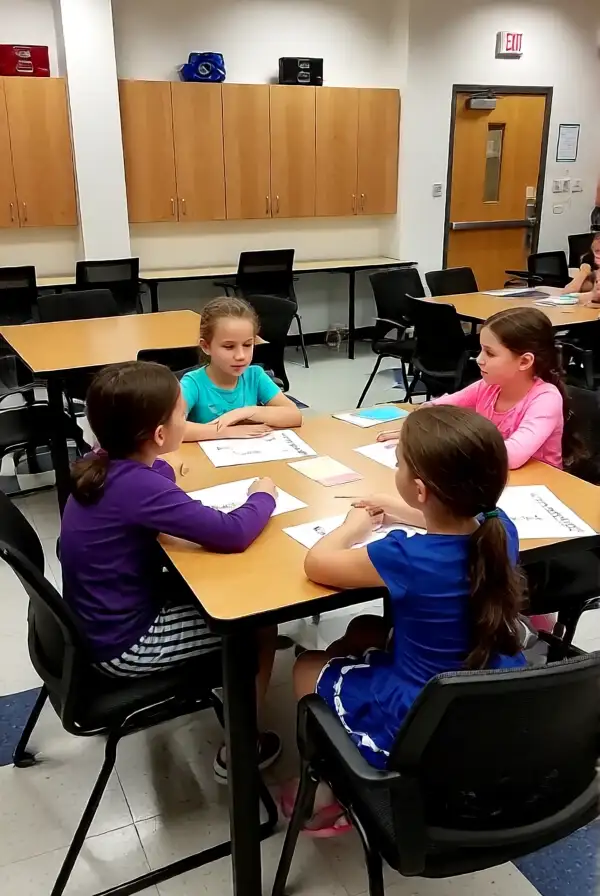
Conflict resolution skills are essential for children, helping them manage disputes constructively. Teach them techniques such as active listening, compromise, and negotiation. These skills will serve them well in their relationships with peers and adults alike.
Creating opportunities for children to practice these strategies in safe environments empowers them to handle conflicts more effectively. This learning process ultimately promotes a more harmonious social experience.
Use Humor to De-escalate Situations
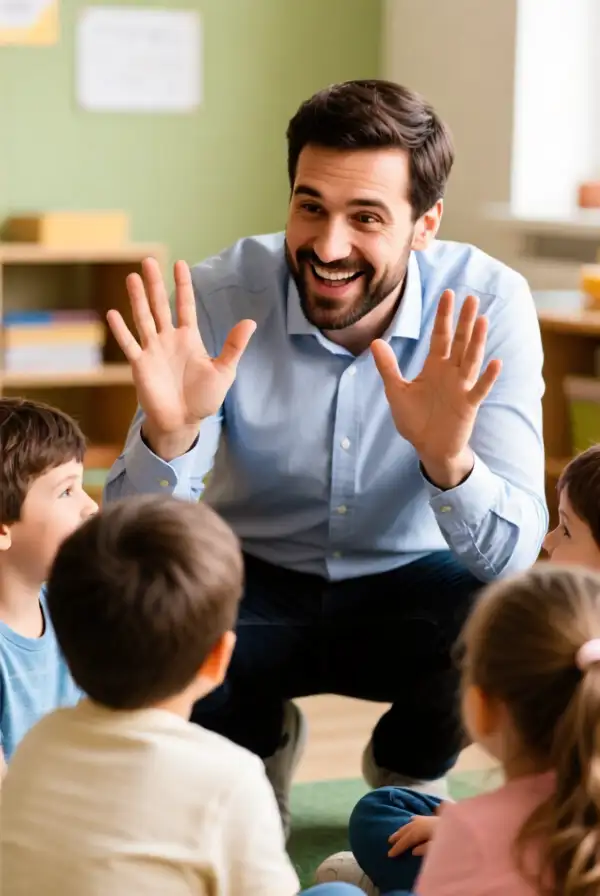
Humor can be a powerful tool in positive discipline. It helps lighten the mood and can effectively de-escalate tensions during disagreements. Proper use of humor fosters connection and positive interactions while reducing stress among children.
However, it’s essential to gauge the appropriateness of humor for the situation at hand. When used sensitively, humor can transform conflicts into teachable moments, reinforcing positive relationships and cooperation.
Establish a Reward System
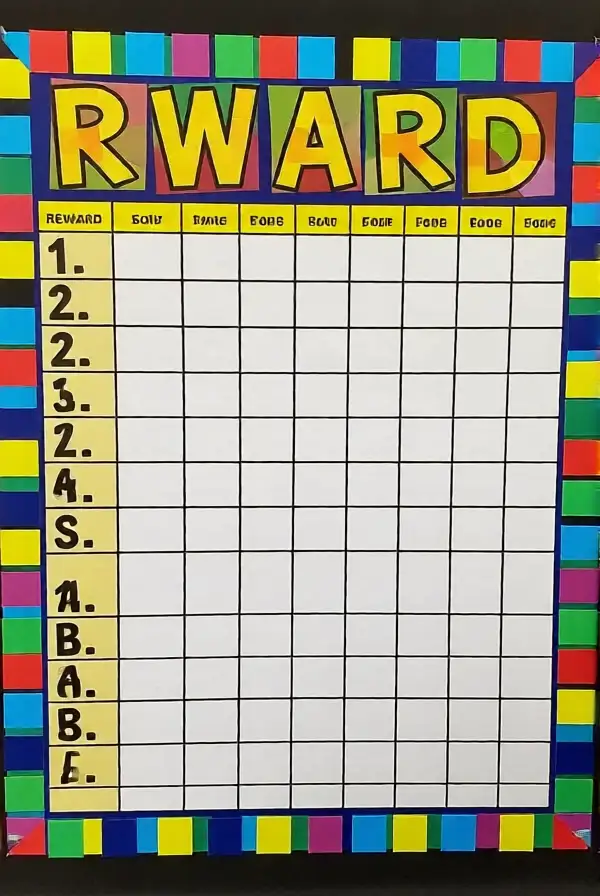
A reward system can motivate children to behave positively by reinforcing good behavior through recognition. Consider creating a chart or token system that allows children to see their progress. By offering incentives for achieving certain goals, you encourage them to take responsibility for their actions.
Ensure that rewards are appropriate and meaningful for each child, so they remain engaged with the process. This strategy fosters a sense of accomplishment and encourages children to strive for positive behaviors consistently.
Develop Empathy Through Perspective-Taking
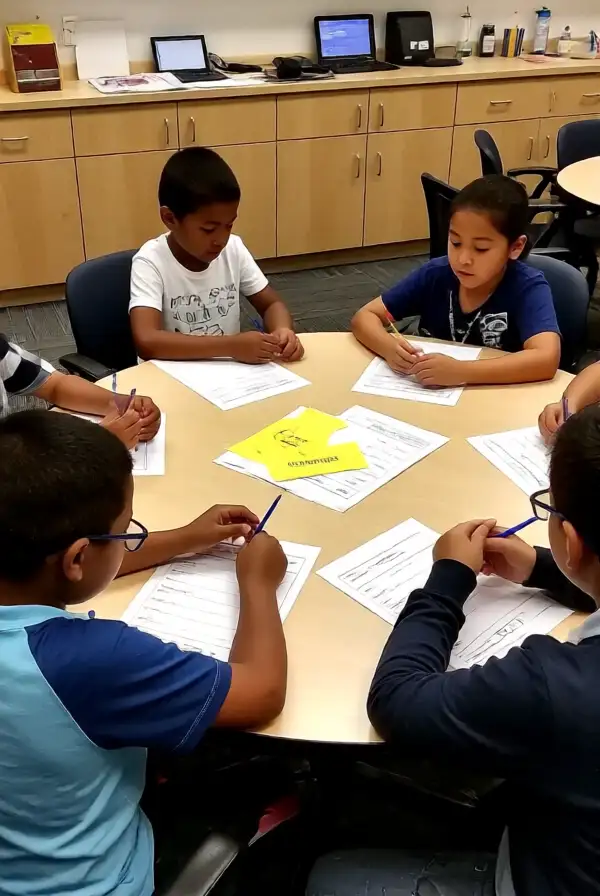
Encouraging children to consider others’ feelings and perspectives can help cultivate empathy. Engage them in conversations about different viewpoints, prompting them to see situations from various angles. This skill is crucial in developing compassion and understanding in their interactions with others.
Use role-playing activities and storytelling as tools for practicing perspective-taking. These practical approaches help children connect with others on a deeper level, fostering healthy interpersonal relationships as they grow.
Provide Choices & Autonomy
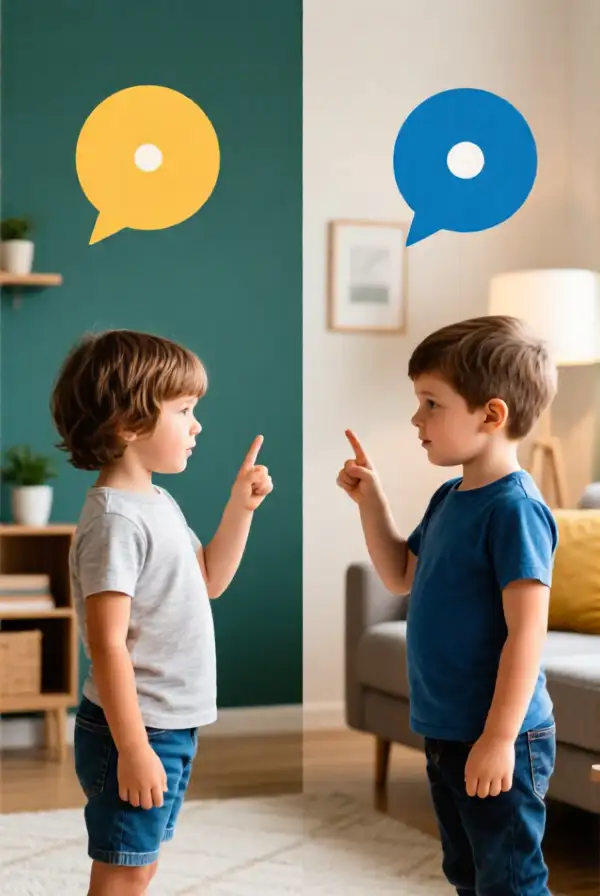
Giving children choices empowers them and fosters a sense of control over their behaviors. Allowing them to make decisions regarding their actions encourages responsibility and accountability. When they are part of the decision-making process, they are more likely to engage positively with the outcomes.
It’s essential to offer limited choices to ensure they remain within safe and appropriate boundaries. This supportive approach helps children feel valued and creates a more collaborative environment.
Incorporate Mindfulness Practices
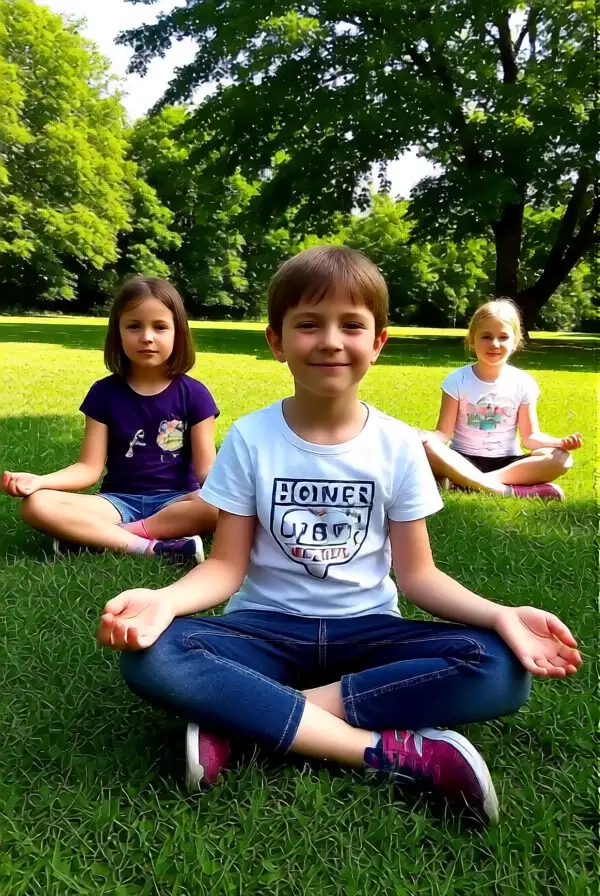
Mindfulness practices can enhance emotional regulation and help children manage stress. Techniques such as deep breathing, meditation, and mindful observation allow children to pause and reflect before responding to situations. This self-awareness can lead to more thoughtful actions and responses.
Integrating mindfulness exercises into daily routines creates opportunities for children to practice these skills regularly. Over time, this can significantly improve their behavior and emotional resilience.
Engage in Team-building Activities
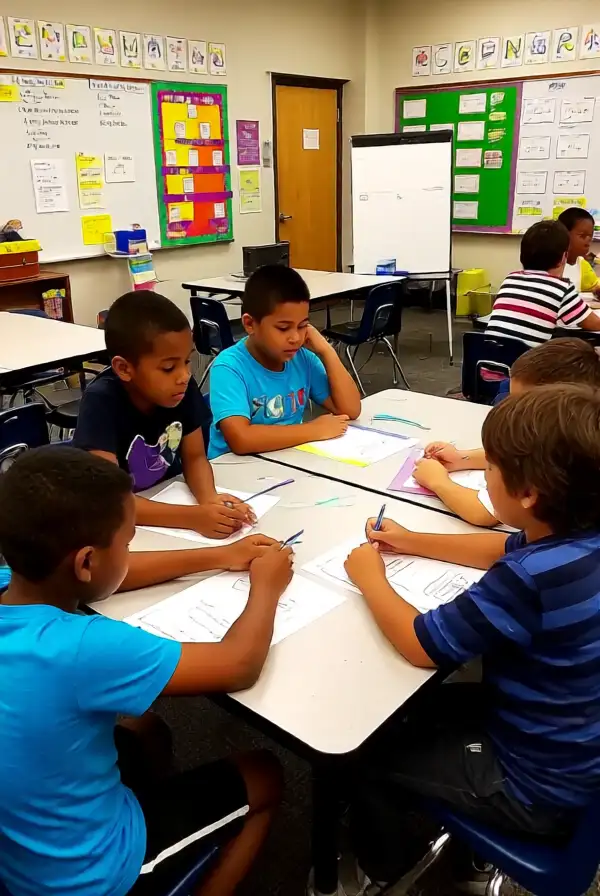
Team-building activities foster collaboration and communication among children. These exercises create a sense of belonging and community, promoting the importance of working together towards common goals. Engaging in team-based challenges encourages accountability and builds trust among peers.
Implementing group activities in both educational and home settings creates a supportive environment where children learn to navigate their relationships positively. This experience enhances their social skills and instills a sense of cooperation.
Foster a Growth Mindset
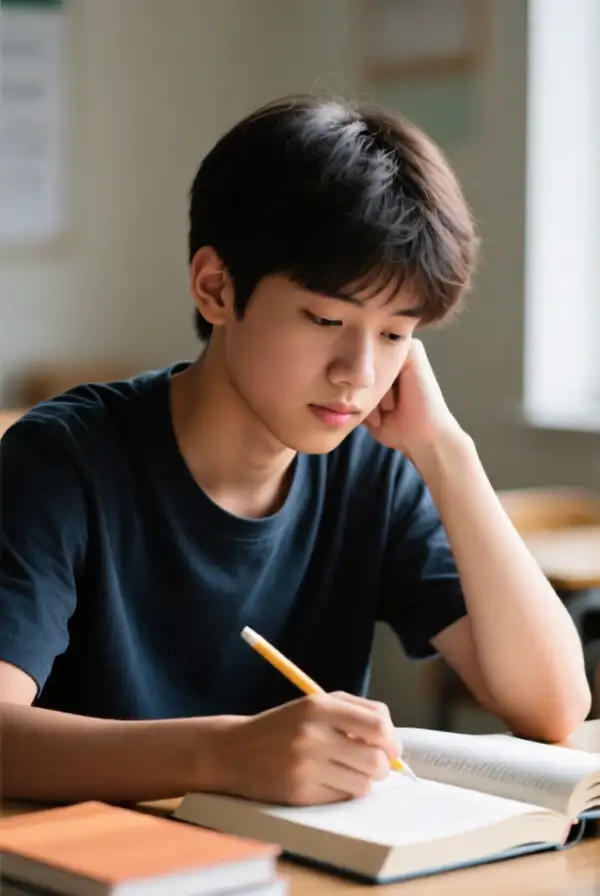
Instilling a growth mindset is fundamental to developing resilience in children. Encourage them to embrace challenges and learn from mistakes rather than fearing failure. By portraying setbacks as opportunities for growth, children can develop a positive attitude towards learning.
Supporting their efforts and celebrating progress cultivates a lifelong love for learning. This foundational shift positively impacts their academic and personal lives, creating adaptable individuals in ever-changing environments.
Celebrate Small Victories
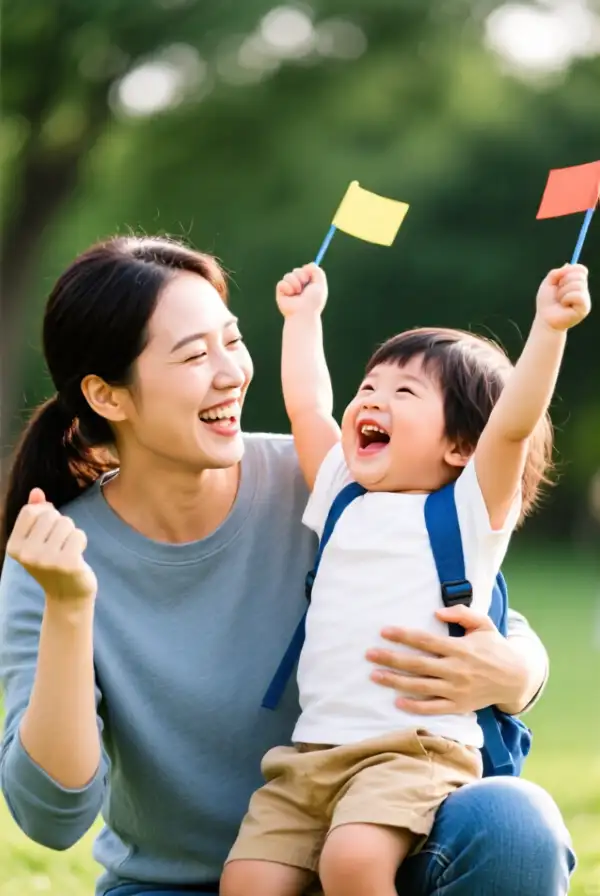
Recognizing and celebrating small victories encourages children to continue striving for positive behaviors. Acknowledgment of progress, no matter how minor, reinforces their efforts and contributes to building self-esteem. It empowers them to persist in their growth and development.
Create routines where achievements are celebrated openly, enhancing their motivation. Celebrating victories creates a positive reinforcement cycle that encourages children to aspire towards further accomplishments.
Encourage Self-reflection
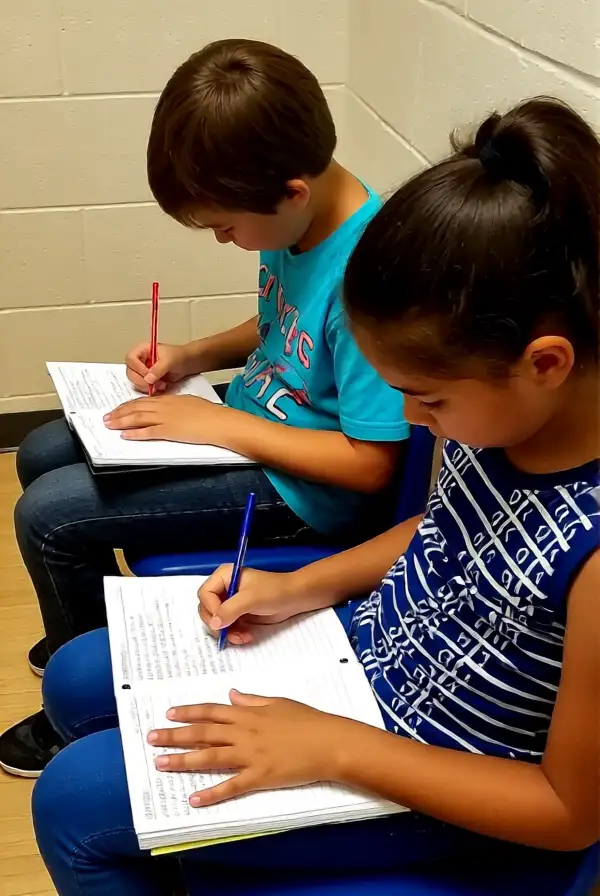
Encouraging self-reflection helps children think about their actions and the effects they have on others. Prompt them with questions that guide them toward evaluating their choices and the resulting emotions. This practice nurtures accountability and self-awareness.
Allowing time for self-reflection teaches children to process experiences and understand their motivations. These reflective moments contribute to their personal growth and enhance their emotional intelligence.
Utilize Creative Outlets for Expression
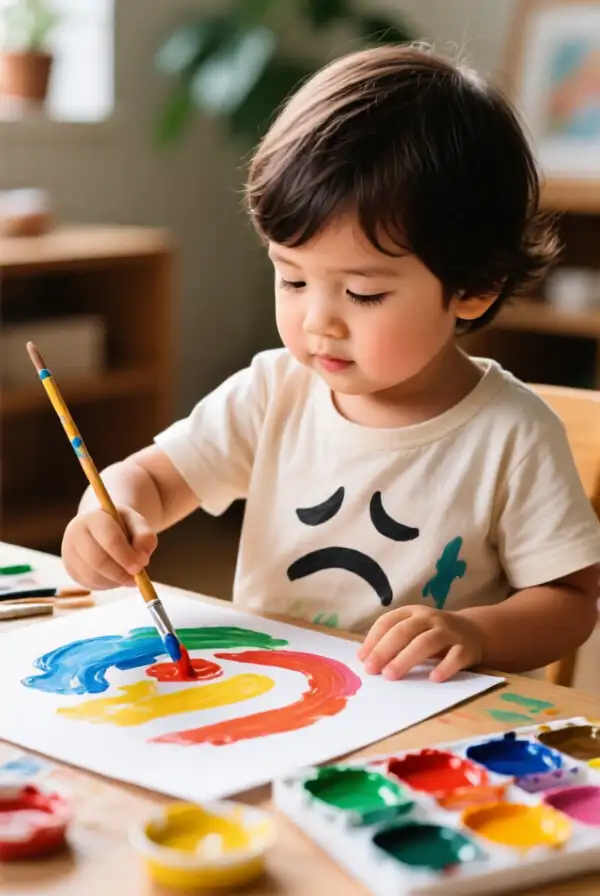
Encouraging children to express their emotions through creative outlets can be highly beneficial. Activities like drawing, writing, or performing provide them with constructive ways to process their feelings. This creative expression serves as a healthy coping mechanism.
Support their artistic endeavors by providing necessary materials and allowing opportunities for them to share their creations. This process fosters self-expression and can strengthen emotional resilience.
Maintain a Calm Demeanor

Maintaining a calm demeanor during challenging situations is crucial for effective discipline. When caregivers remain composed, it sets a tone of stability and patience that encourages children to regulate their emotions. This approach helps prevent escalation and fosters understanding.
Modeling calmness provides children with a reference point when they are navigating their feelings. It offers them strategies to deal with their emotions, ultimately promoting a positive learning environment.
Use Active Listening Techniques

Active listening is a vital component of positive discipline, as it promotes understanding and connection. Encouraging children to express their feelings openly while responding thoughtfully helps create a supportive atmosphere. This practice validates their emotions and reinforces the importance of communication.
Practicing active listening allows caregivers to gain insights into the child’s perspective, enhancing the relationship and creating a more harmonious environment. This skillset is essential for fostering cooperative behavior moving forward.
Q&A Time with Kids
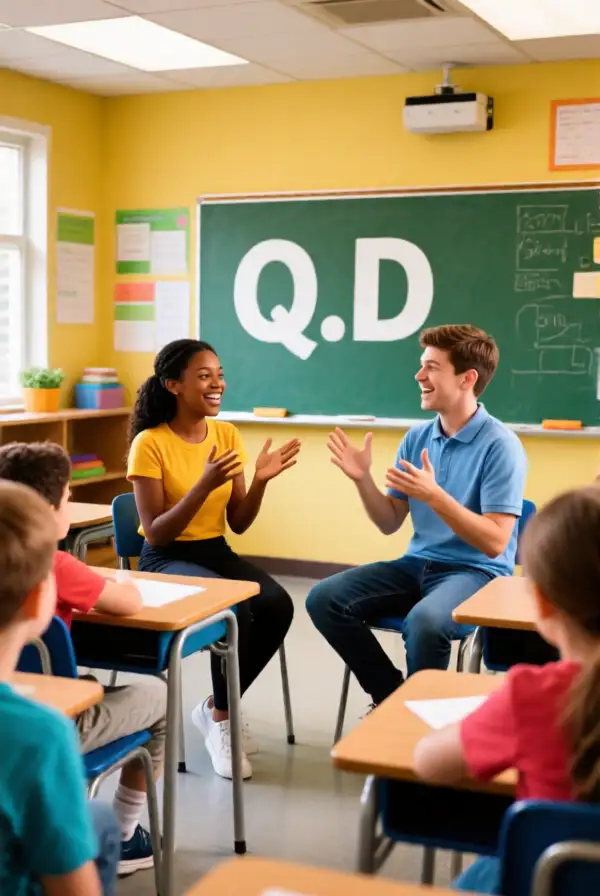
Organizing Q&A sessions with children can be an effective way to clarify expectations and address any misunderstandings. Create a safe space where they can ask questions and articulate their thoughts regarding discipline. This open forum encourages dialogue and builds trust between children and caregivers.
Utilizing these sessions allows you to provide insight into your decisions while also encouraging children to express their opinions clearly. It fosters a collaborative atmosphere and reinforces positive behavior expectations.
Concluding Thoughts

Incorporating these 24 positive discipline techniques into your interactions can create a balanced and nurturing environment for children. By focusing on respect, empathy, and open communication, you can help guide children toward better behavior while fostering their personal growth. Remember, the aim is to empower them through understanding and consistency.