
Discover practical strategies to save on fuel and cut down your expenses with our comprehensive guide. From driving habits to fuel rewards, these tips will help you maximize your savings at the pump while benefiting the environment.
Optimize Your Driving Habits
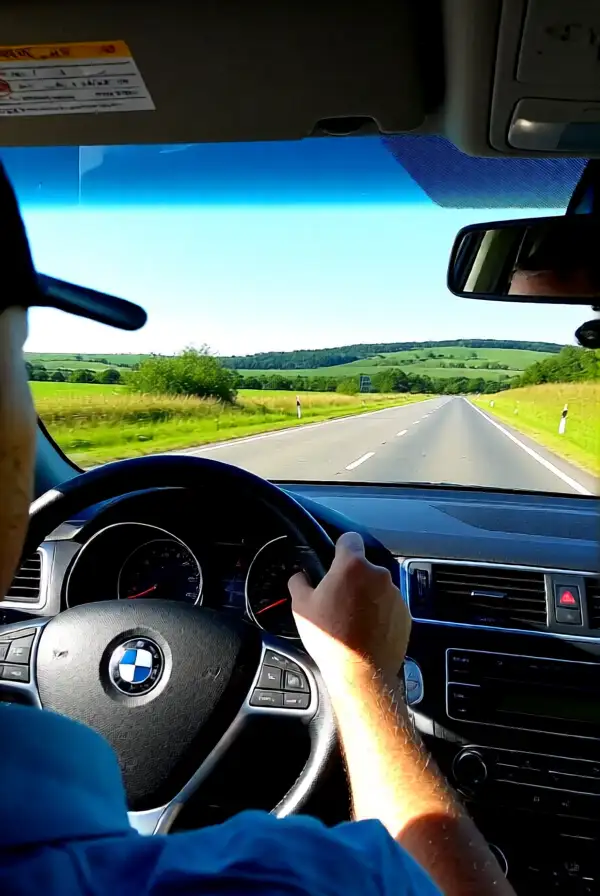
Adopting smooth driving techniques can greatly improve your fuel efficiency. This means avoiding rapid accelerations and hard braking, which can waste gas. Instead, aim for a steady speed, use cruise control on highways, and anticipate traffic flow to minimize unnecessary stops.
Additionally, consider maintaining your vehicle’s speed at around 55-65 mph, as this is often the optimal range for maximizing fuel economy. Small changes in your driving behavior can lead to significant savings over time, so be mindful of your habits.
Maintain Your Vehicle Properly
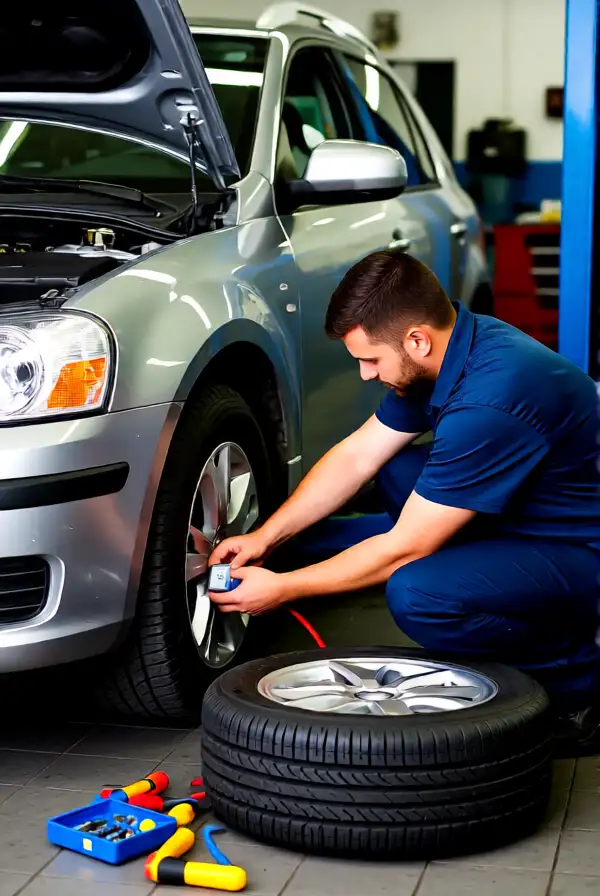
Regular vehicle maintenance is crucial for fuel efficiency. Ensure your tires are properly inflated and aligned, as under-inflated tires can decrease mileage. Moreover, regularly changing oil and replacing air filters can improve your engine’s performance and fuel consumption.
Consider scheduling routine check-ups with a trusted mechanic to catch any potential issues early. A well-maintained vehicle not only lasts longer but is also far more economical when it comes to fuel usage.
Utilize Fuel Rewards Programs

Many gas stations and grocery stores offer fuel rewards programs that allow you to accumulate points for discounts on gas. Look for these programs in your area and sign up to start saving. By purchasing groceries or other items from participating stores, you can earn fuel points without additional spending.
Don’t forget to keep track of your points and any expiration dates to maximize your savings. Switching to a credit card that offers cashback or rewards for gas purchases can further enhance your savings strategy.
Plan Your Routes Efficiently
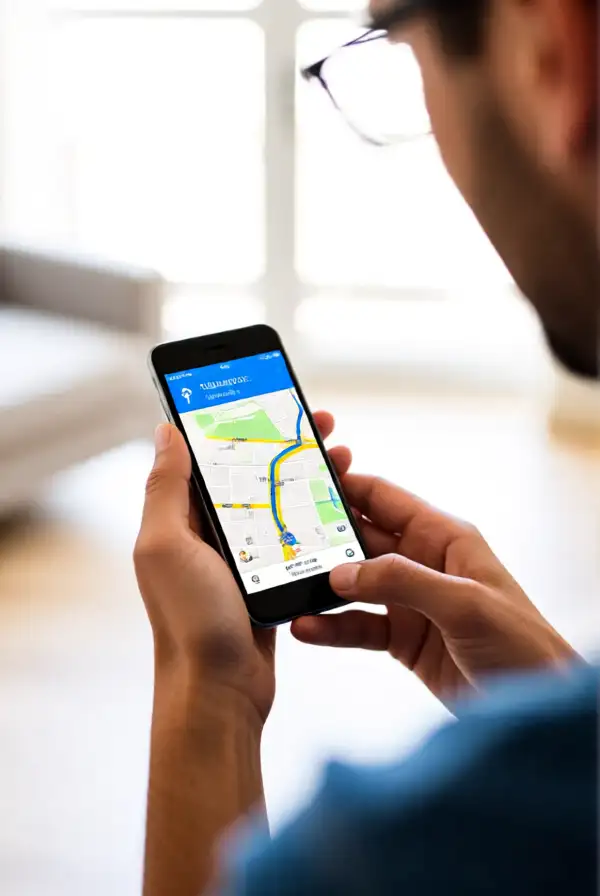
Planning your travel routes can save both time and fuel. Use navigation apps that provide real-time traffic updates to avoid congested areas and roadblocks. Consider grouping errands together to minimize driving distance or using public transport when available for shorter trips.
By selecting your routes wisely and minimizing your vehicle usage, you can conserve fuel and reduce the wear and tear on your car, ultimately saving money on gas and maintenance over time.
Embrace Carpooling and Ridesharing

Carpooling or using rideshare services is a fantastic way to save on gas costs while reducing your environmental impact. By sharing rides with friends or coworkers, you can split fuel expenses and decrease the number of cars on the road.
Look for ridesharing programs in your community or explore apps designed to connect drivers and riders. This not only saves you money but can also create opportunities to socialize and network.
Check Fuel Prices Before Filling Up
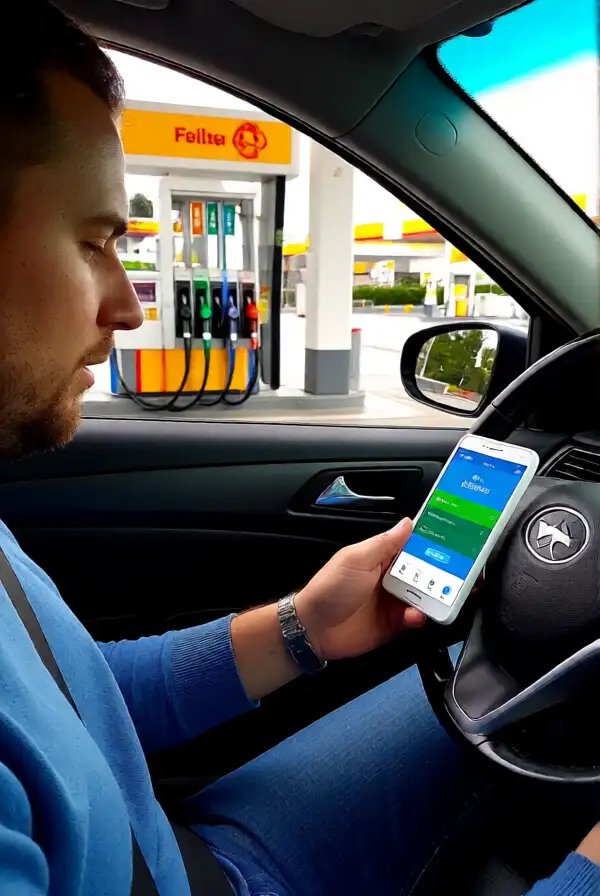
Before heading out to refuel, check local gas prices through apps or websites that provide real-time updates. By being strategic about where and when to fill up, you can take advantage of lower prices and save a significant amount in the long run.
Consider filling your tank in the early morning or late evening when temperatures are cooler, as fuel is denser during these times; this can result in getting a little more gas for your money. Every cent counts, and staying informed will help you maximize your savings.
Consider Alternative Modes of Transportation
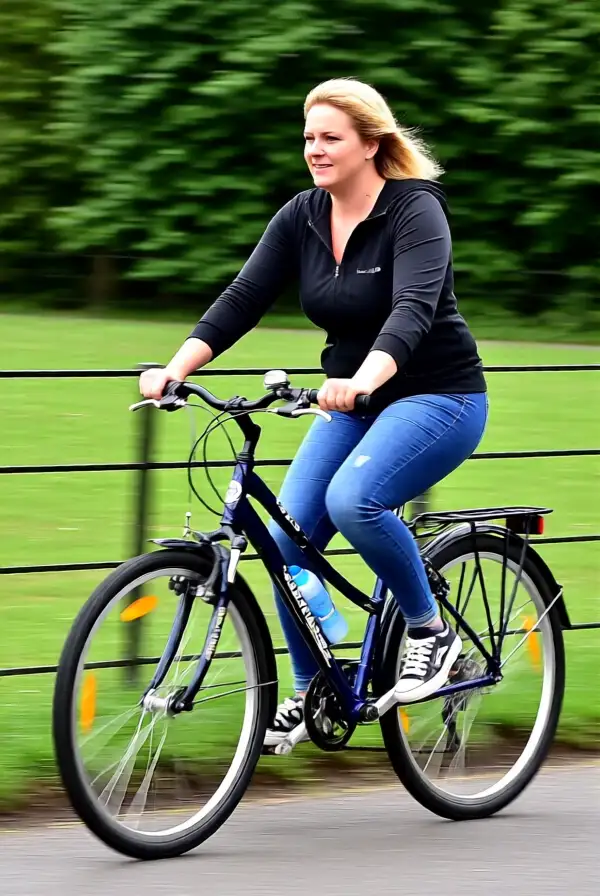
Exploring alternative transportation modes such as biking, walking, or using public transport can significantly reduce your gas expenses. Not only do these options lower your fuel consumption, but they also contribute positively to your health and the environment.
Investing in a good bicycle or using local transit systems can offer considerable savings in both gas expenses and maintenance costs. Plus, it allows you to take advantage of cleaner air and a less congested environment.
Limit Use of Air Conditioning
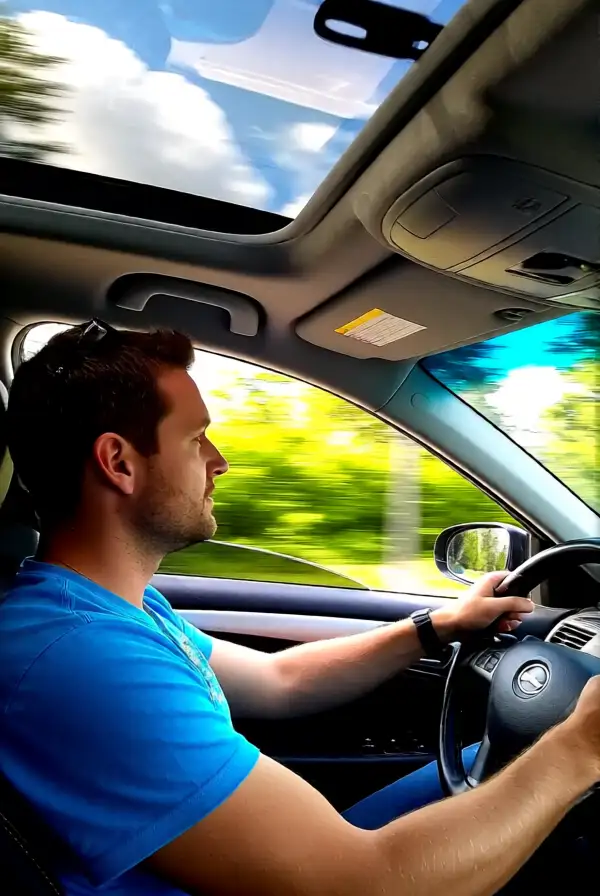
Air conditioning can significantly decrease your vehicle’s fuel efficiency, especially at low speeds. When driving in urban areas, consider opening the windows instead, as this can be a more fuel-efficient option. However, on highways, it’s usually better to keep windows closed and use the AC sparingly.
By managing your use of air conditioning effectively, you can help maintain better fuel economy and ultimately save money at the pump. Being mindful of how and when to use it can lead to greater savings over time.
Turn Off Your Engine When Idling
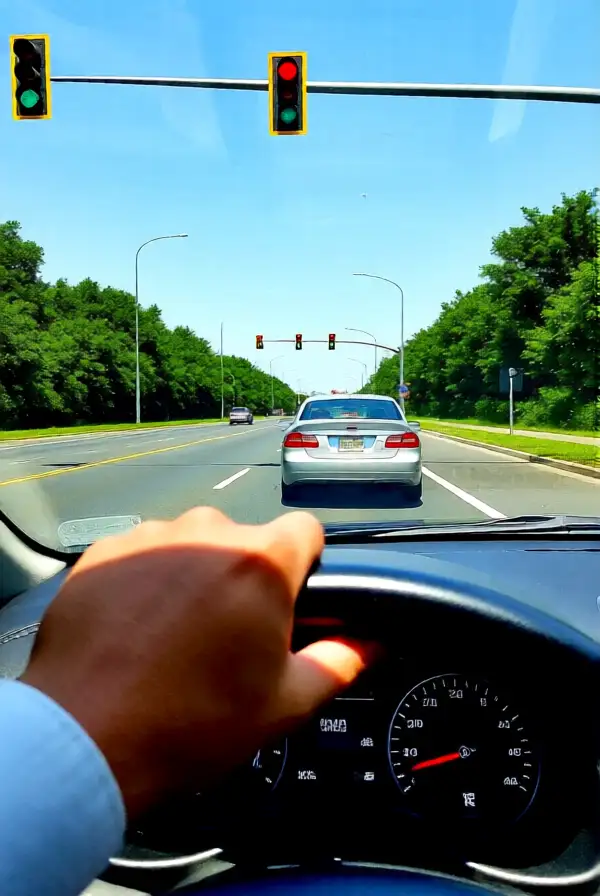
Idling your engine consumes fuel without getting you anywhere. If you find yourself waiting for longer than a minute, consider turning off your engine to save fuel. This practice is especially effective during long waits, such as at drive-thrus, or when parked.
Many newer vehicles have an automatic shut-off feature, but if yours doesn’t, make it a habit to turn off the engine. This simple change not only conserves fuel but also reduces harmful emissions, helping to protect the environment.
Fill Up Your Tank Wisely
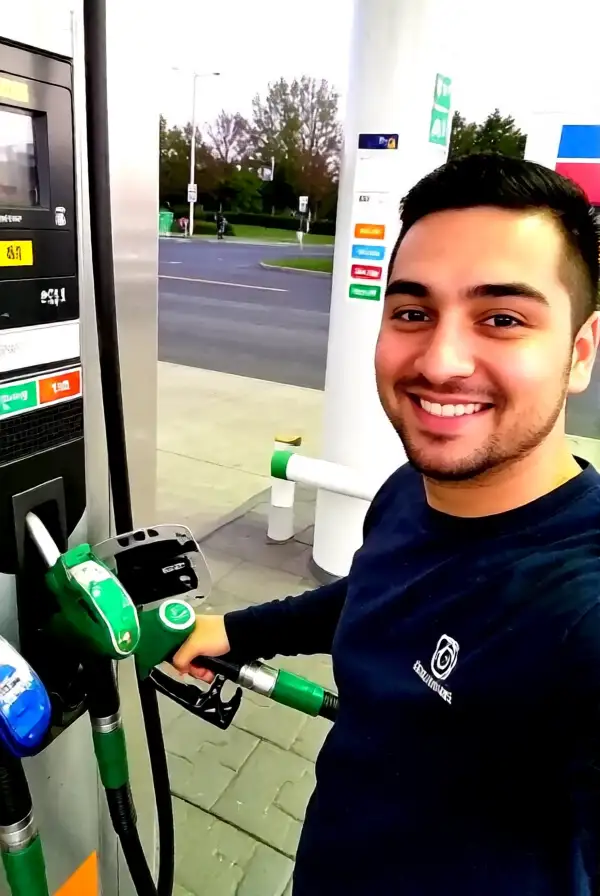
Timing your fuel purchases can lead to better prices. Gas prices often fluctuate based on the day of the week and local demand; filling up on weekdays or when prices are generally lower can save you money.
Consider filling your tank when it’s about ¼ full as this reduces the chances of running out of gas. Keeping your tank adequately filled can also help maintain better gas pressure, enhancing fuel efficiency. This strategy can lead to notable savings in your overall fuel costs.
Replace Old Tires and Filters

Old, worn-out tires and air filters can harm fuel efficiency. Check your tires regularly for tread depth and replace them as necessary. Investing in quality tires that align with your typical driving conditions can greatly enhance your vehicle’s performance.
Additionally, changing your engine air filter about every 12,000 to 15,000 miles can improve gas mileage by ensuring optimal air flow to the engine. This relatively small investment can translate into considerable savings at the pump.
Drive Less and Combine Errands
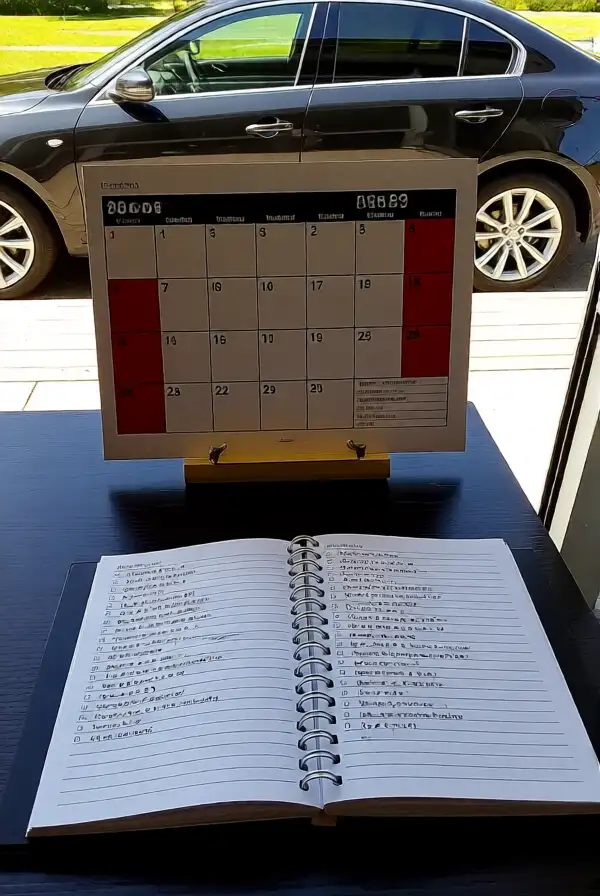
One of the most effective ways to save gas is to drive less. By organizing your errands into one trip, you can reduce the distance traveled and minimize your fuel consumption. Chart your weekly routine and plan your errands creatively to maximize efficiency.
Utilizing delivery or curbside pickup options can also reduce driving time, leading to a significant decrease in fuel expenses. Being strategic about your trips not only saves you money but also contributes to lowering traffic congestion and emissions.
Keep Your Vehicle Light
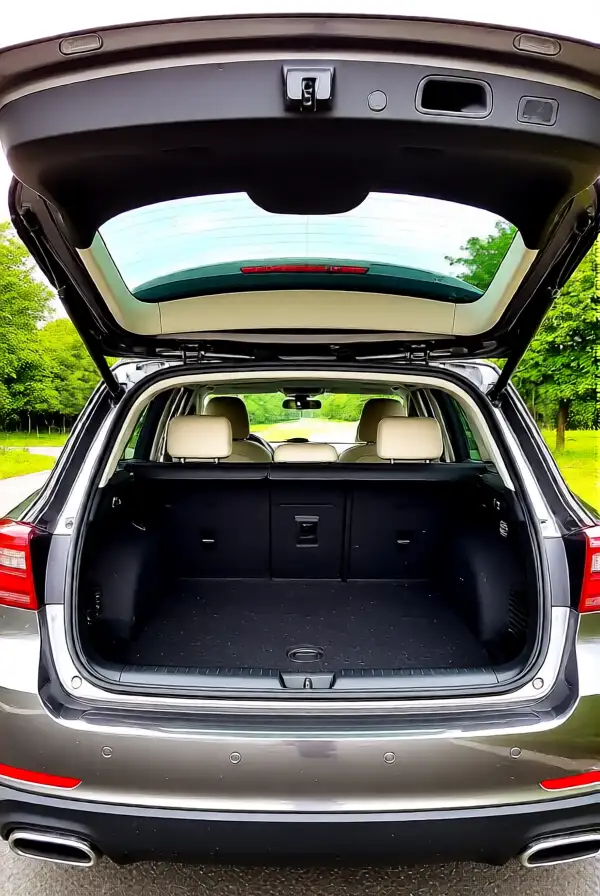
Extra weight in your vehicle can lead to decreased fuel efficiency. Clearing out unnecessary items can help lighten your load, thus increasing your car’s gas mileage. Every little bit of weight can make a difference, especially if you regularly carry heavy items.
Consider removing roof racks or carriers when not in use, as these can also affect aerodynamics and fuel economy. A streamlined, lighter vehicle will help you achieve the best possible MPG, saving you money on gas.
Explore Fuel-Efficient Vehicles

If you’re in the market for a new vehicle, consider investing in a fuel-efficient model. Hybrid and electric cars often yield significantly better mileage compared to traditional vehicles, resulting in major cost savings over time.
Research your options thoroughly and consider the long-term savings associated with more fuel-efficient cars. By prioritizing energy efficiency, you not only save money at the pump but also contribute to a more sustainable future.
Utilize Online Resources and Apps
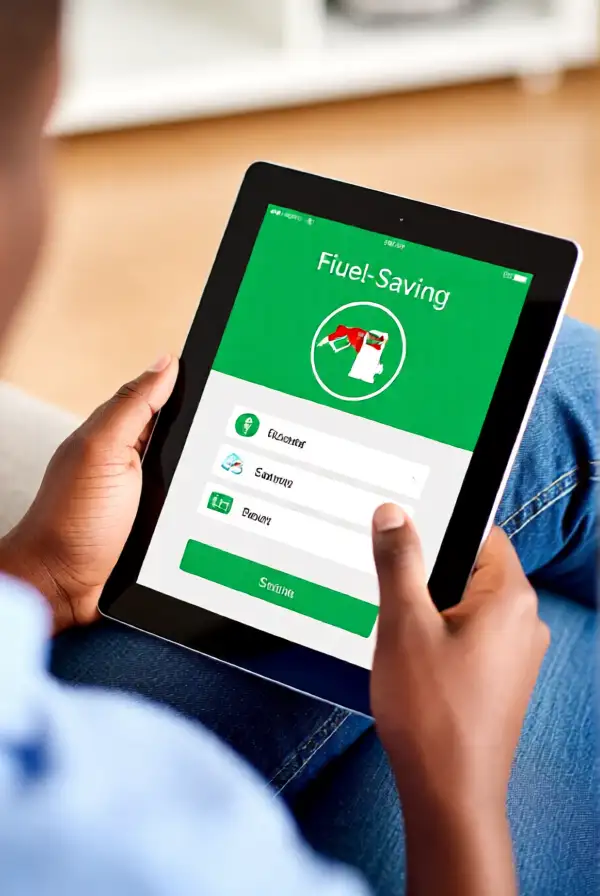
There are many online resources and mobile apps designed to help you track fuel prices, optimize routes, and manage driving habits. These tools can provide valuable insights and help you implement better practices for saving gas.
Explore various fuel tracking apps that also award points or rewards for eco-friendly driving habits. By utilizing modern technology, you can enhance your fuel economy and make informed decisions about your driving habits.
Be Energy Efficient at Home

Improving energy efficiency at home can lessen your overall expenses, allowing for more financial freedom to dedicate to fuel expenses. This includes reducing energy consumption through smart appliances, better insulation, and efficient lighting.
By fostering an energy-efficient lifestyle at home, you may be able to cut down on fuel expenses associated with your daily commute or errands. Finding ways to save across all areas of your life contributes to better overall financial health.
Know When to Refill
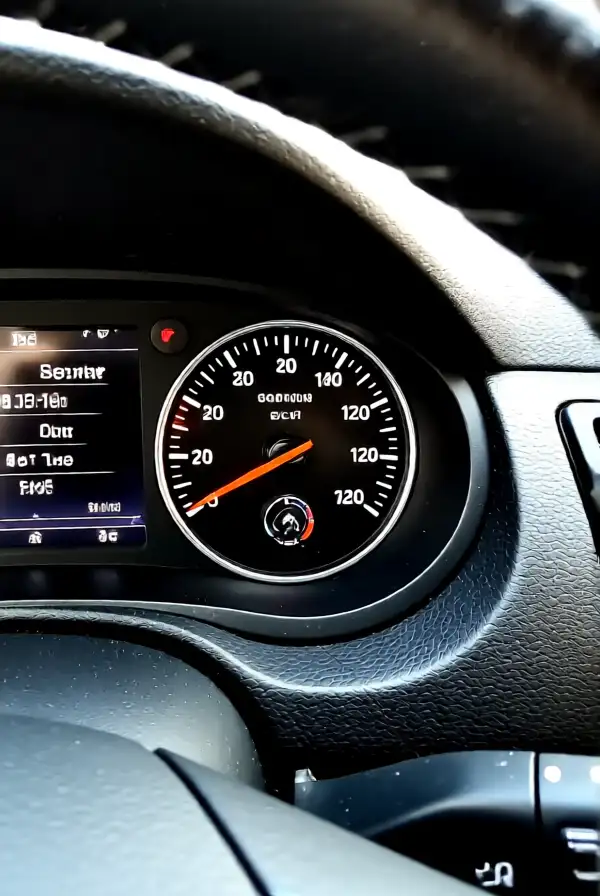
Understanding when to refill your gas tank plays a crucial role in maintaining your vehicle’s efficiency. Frequent refilling can lead to sediment buildup in your fuel tank, which can harm your engine.
To prevent this from happening, try to refill your tank when it’s around one-quarter full. This can help ensure smoother fuel delivery and optimize engine performance, ultimately contributing to better gas mileage and savings.
Take Advantage of Discounts
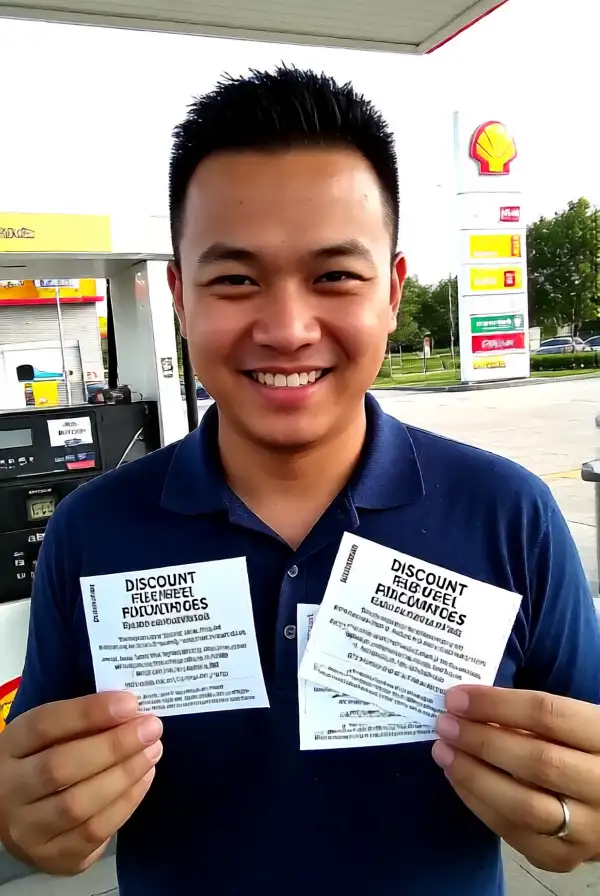
Many gas stations offer discounts for cash payments, loyalty club memberships, or promotional events. Make it a habit to check for these discounts before filling up to maximize your savings.
Being aware of local promotions and taking advantage of them when possible can significantly reduce your fuel costs. Keep an eye on store flyers or sign up for notifications to stay informed about the best deals.
Minimize Air Travel

Air travel can be notoriously expensive and fuel-inefficient. When practical, consider alternative transport methods such as trains or buses for shorter trips to help save on travel costs.
Additionally, consolidating travel plans and opting for direct flights when necessary can lead to possible savings. By planning your travels wisely, you can allocate more budget toward fuel costs and reduce your carbon footprint.
Stay Informed About Fuel Efficiency Trends

Fuel efficiency standards and technologies are constantly changing. Stay informed about new developments that can help you save fuel and money. Reading articles and following environmental news can provide insight on new fuel-saving methods.
Educating yourself on energy conservation trends can empower you to make informed choices for your transportation needs. Staying ahead of the curve can lead to considerable savings not just for now, but for the future as well.
Opt for Telecommuting When Possible

Taking advantage of telecommuting opportunities can significantly reduce your need to drive, leading to substantial fuel savings. Discuss the possibility of working from home with your employer if your job allows it.
Implementing a remote work schedule can not only save on gas expenses but also contribute to a better work-life balance. Less commuting means less time on the road and more time for yourself, which can improve overall wellbeing.
Stay Hydrated for Focused Driving
Staying hydrated is key to maintaining focus while driving. Dehydration can lead to fatigue and distraction, which can affect your driving habits and increase fuel consumption due to erratic driving.
Keep a water bottle in your vehicle to ensure you stay hydrated during long trips. Well-hydrated drivers tend to perform better, leading to smoother driving and, in turn, better fuel economy.
Practice Mindful Spending

Being mindful of your overall spending habits, especially on non-essential items, can lead to further savings that can be redirected towards your fuel expenses. Review your budget regularly to identify areas for cutbacks.
By making small, conscious decisions to limit unnecessary spending, you can bolster your budget for filling up your gas tank. Every bit saved does count ultimately towards your transportation expenses.
Take Advantage of Membership Discounts
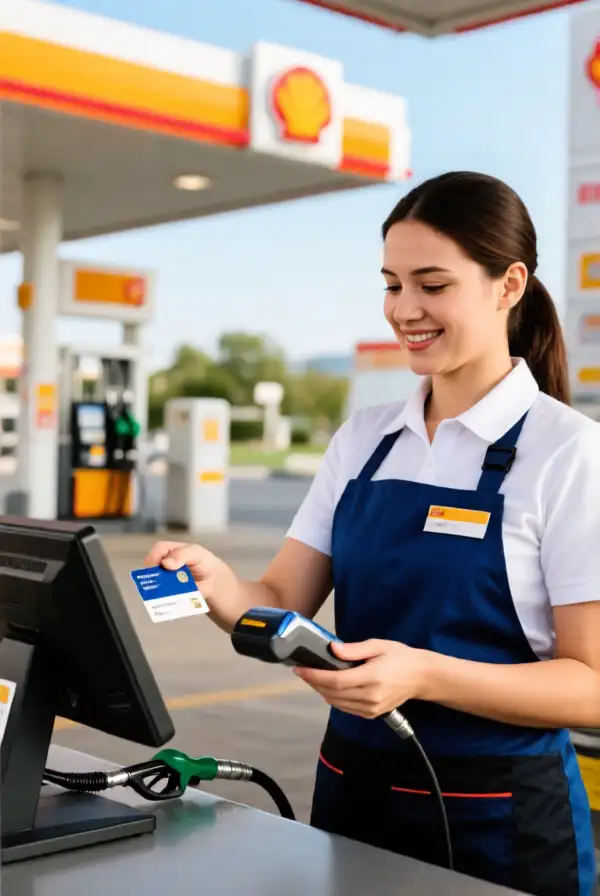
Some organizations and clubs offer members discounts on fuel purchases. Look into any organizations you belong to for possible savings that can help you cut down on fuel costs.
Being aware of these membership benefits and utilizing them can result in significant savings over time. Keeping an organized list of your memberships and their associated benefits can provide a better overview for budgeting.
Utilize Your Local Resources
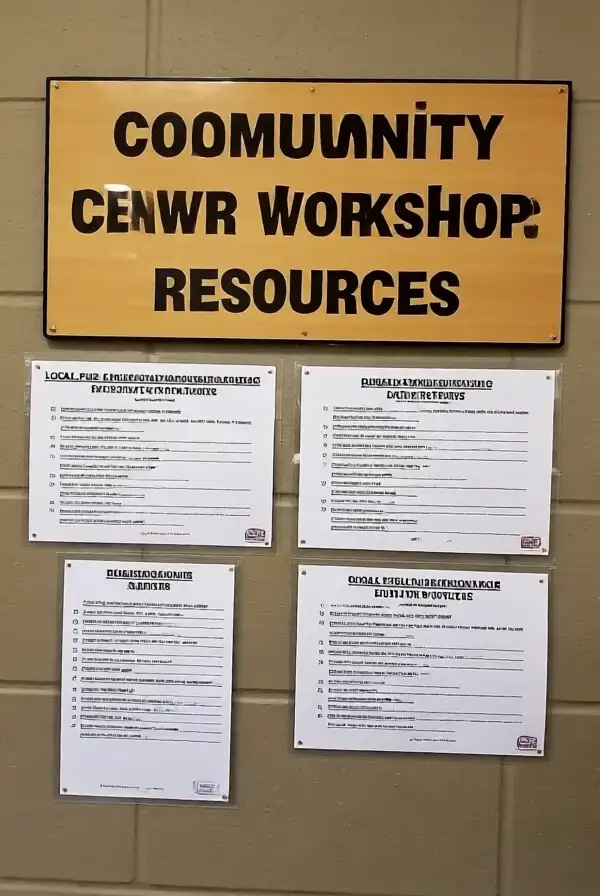
Check local resources for information on gas price changes while also researching fuel-efficient driving workshops that may be available in your area. These resources can equip you with useful information and strategies to save on fuel.
Consult local government websites or community boards for information regarding programs aimed at reducing fuel expenses. Community involvement not only provides savings opportunities but also promotes a connected network of support.
Explore Government Incentives
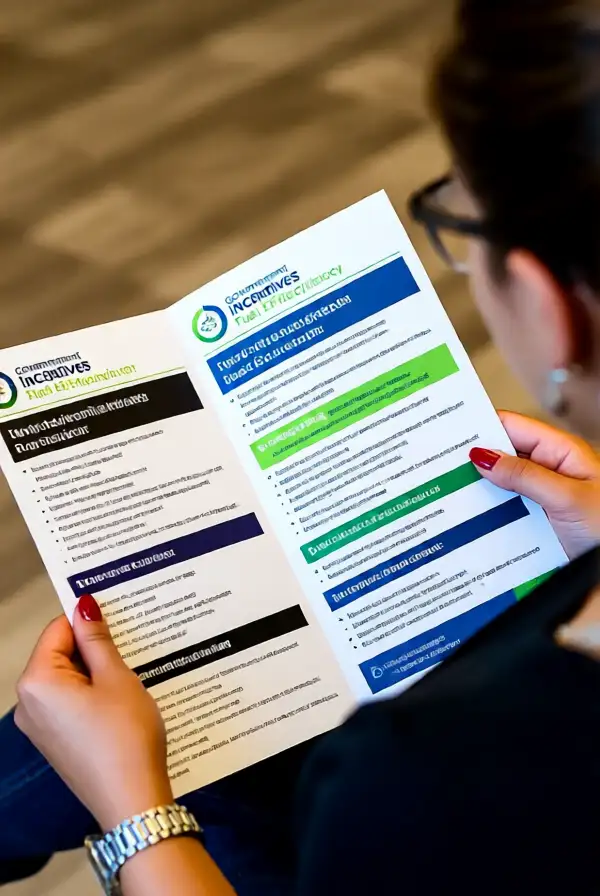
Look into government programs and incentives aimed at promoting fuel efficiency and reducing expenses. Many states have initiatives that provide tax rebates or subsidies for fuel-efficient vehicle purchases.
Being proactive about exploring these incentives can lead to additional savings opportunities that might significantly lower your costs. Keeping yourself informed can pave the way for better long-term financial decisions.
Be Prepared for Emergencies
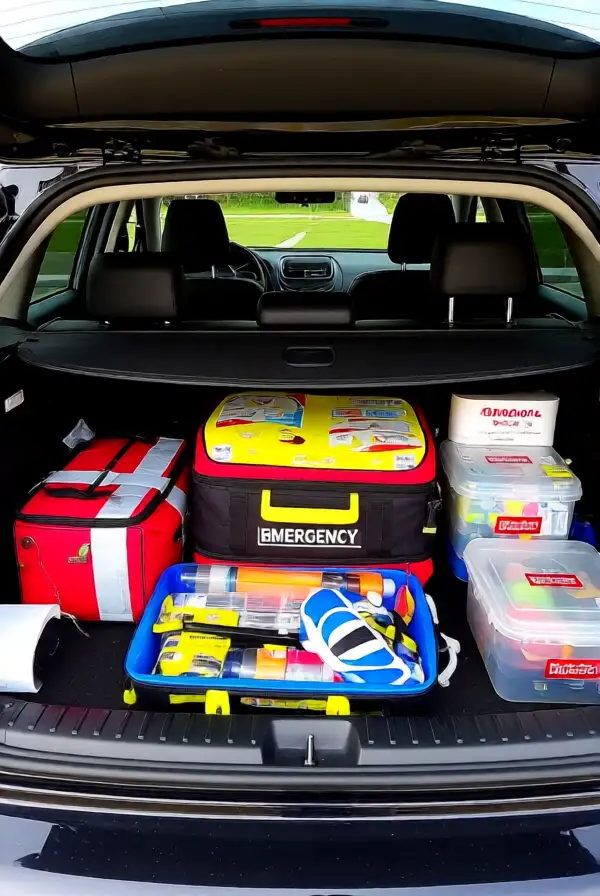
Prepare your vehicle for emergencies to avoid unexpected costs. Maintaining an emergency kit containing necessary supplies can minimize the chance of unplanned expenses, such as having to pay for roadside assistance because of an unforeseen breakdown.
Being prepared promotes not just safety but also financial prudence. The less you spend on unexpected situations, the more you save for future gas expenses.
Plan for Road Trips Ahead of Time

For road excursions, planning ahead can save significant amounts in fuel costs. Mapping out your route with planned stops can minimize unnecessary detours and effectively manage fuel consumption.
Making preparations such as packing snacks and beverages will reduce the potential need for costly stops along the way, leading to better budgeting for your trip. Road trips can be fun and affordable with the right planning in place.
Conclusion
Implementing these 24 tips for saving gas and money can lead to a sustainable and financially sound lifestyle. By making mindful changes to your driving habits, vehicle maintenance, and overall spending, you can maximize your savings at the pump and contribute positively to your wallet and the planet.