
Organizing kids’ rooms can seem like a daunting task, but with the right strategies, it can become manageable and even fun! In this article, we’ll explore 25 efficient tips to create a tidy, functional, and enjoyable space for your little ones. From clever storage solutions to playful decor ideas, these tips will make every organizing session a breeze.
Utilize Vertical Space for Storage
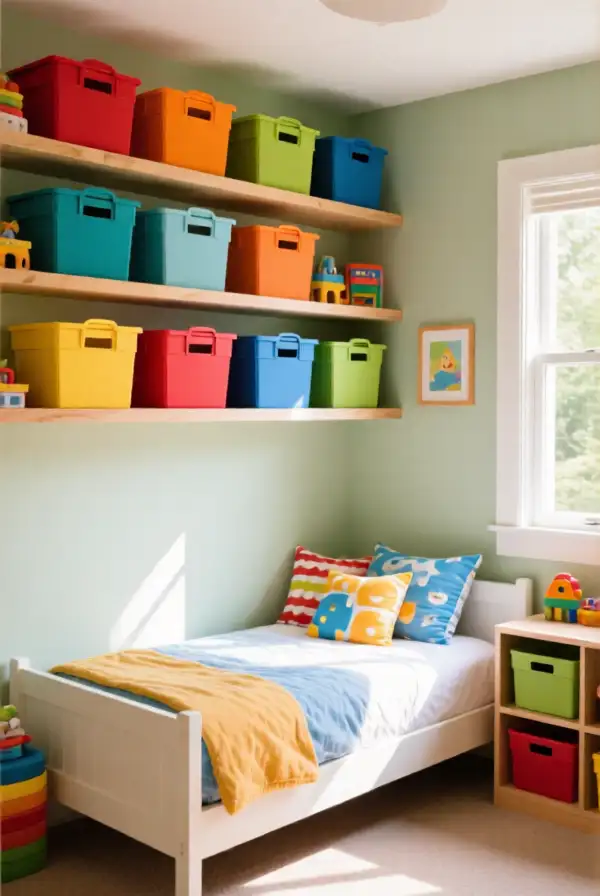
One of the smartest ways to organize a child’s room is by taking advantage of vertical space. Installing shelves above furniture can free up floor space while providing easy access to books, toys, and art supplies. Use colorful bins and baskets on these shelves to enhance organization and make cleanup easier for kids.
Add hooks to walls for items like backpacks, hats, or jackets. These can be decorative as well as functional, turning an organizing task into a playful design feature in the room.
Create Zones for Different Activities
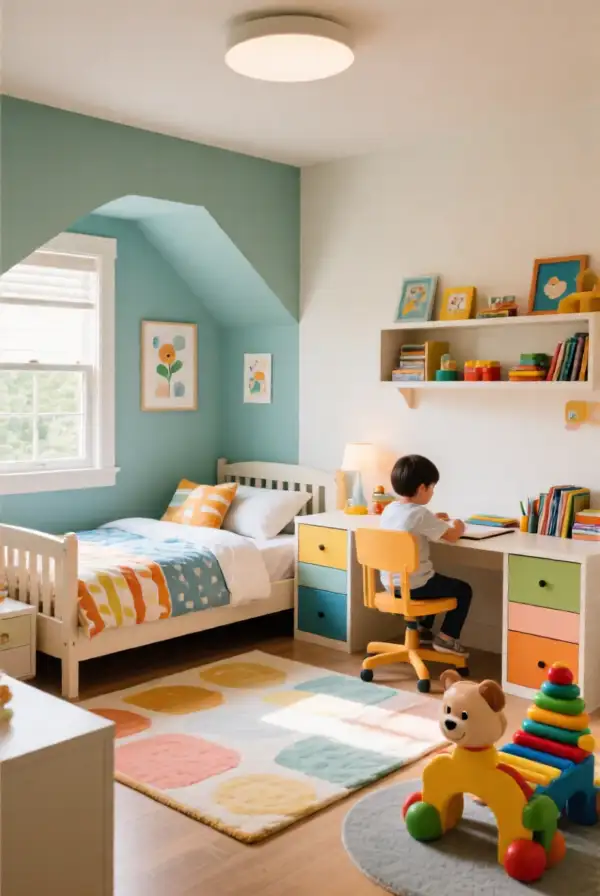
Designing specific zones within a kids’ room can enhance functionality. Consider establishing areas for sleeping, playing, studying, and creative activities. This segmentation helps children understand where to find things and where to put them back.
Use rugs or furniture placement to define these zones visually. By doing this, kids can better learn how to manage their space and responsibilities, promoting a sense of ownership over their room.
Incorporate Multi-Functional Furniture
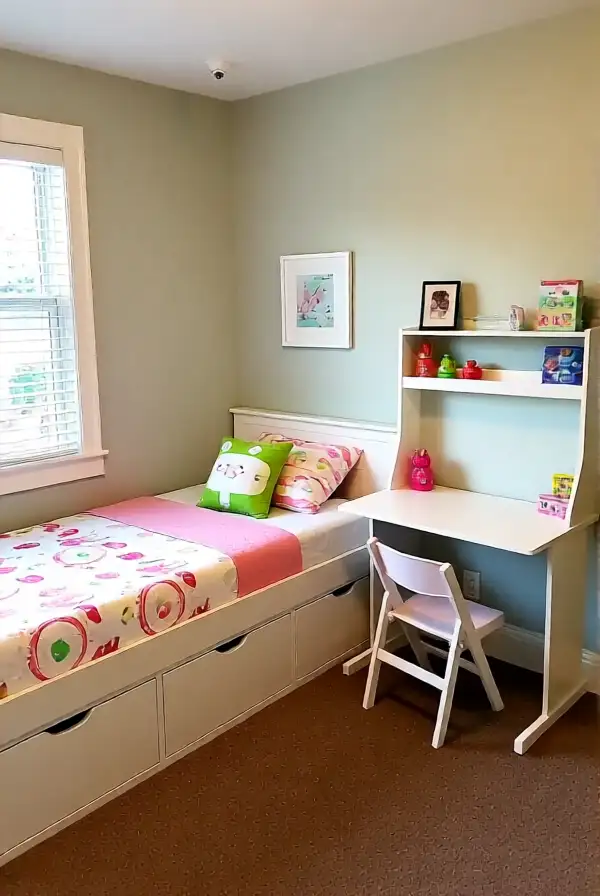
Choose furniture that serves more than one purpose to maximize space efficiency. For instance, use beds with built-in drawers or a storage ottoman that can double as a seating area. This approach minimizes clutter and maximizes utility.
Consider fold-out desks or wall-mounted tables that can be tucked away when not in use. This strategy helps keep the room feeling open and spacious while providing adequate areas for work and play.
Implement Clear Storage Solutions
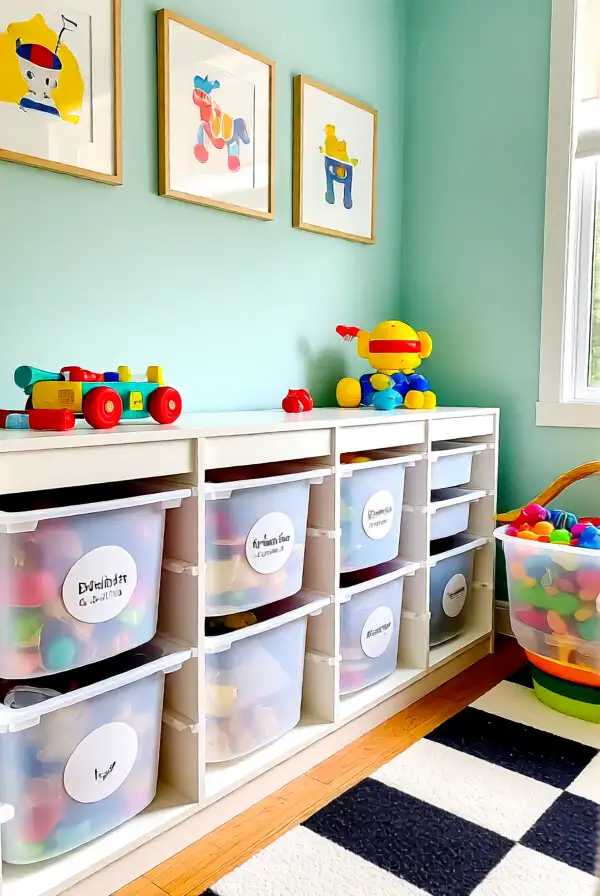
Using clear storage bins can simplify the organization process. When kids can see their belongings, they are more likely to know where everything is and where to put it back, which fosters independence and responsibility.
Labeling containers and drawers also encourages kids to participate in the organizing process. Bright, fun labels can make tidying up more enjoyable, turning a chore into a game.
Utilize Under-Bed Storage
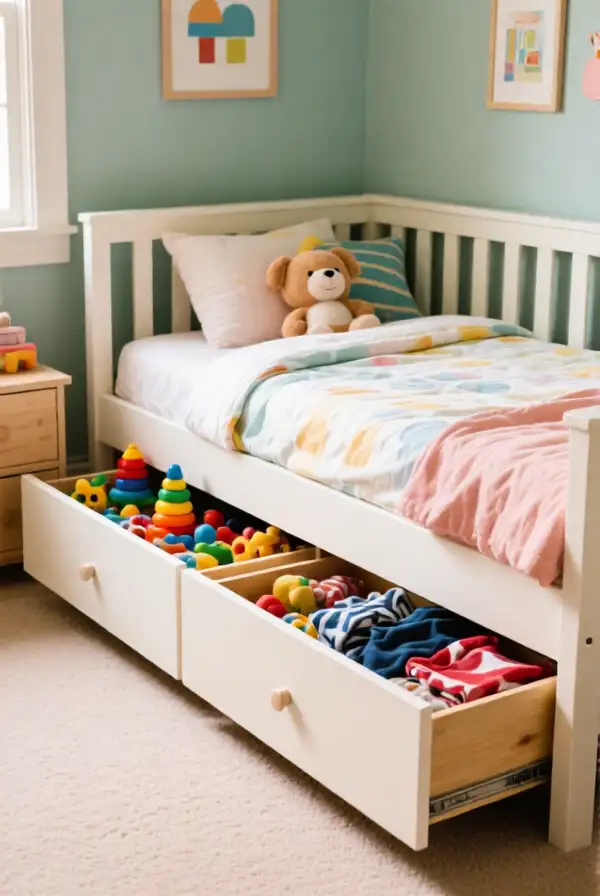
Under-bed storage is an underutilized gem in kids’ rooms. Using rolling bins or drawers tucked away under the bed can store out-of-season clothing, toys, and extra bedding. This primes the room for easier access without cluttering the visible areas.
Make this storage accessible by ensuring the bins are lightweight or have handles. Kids can easily slide them out, promoting consistent organization without overwhelming them.
Encourage Donation and Trade-In Practices
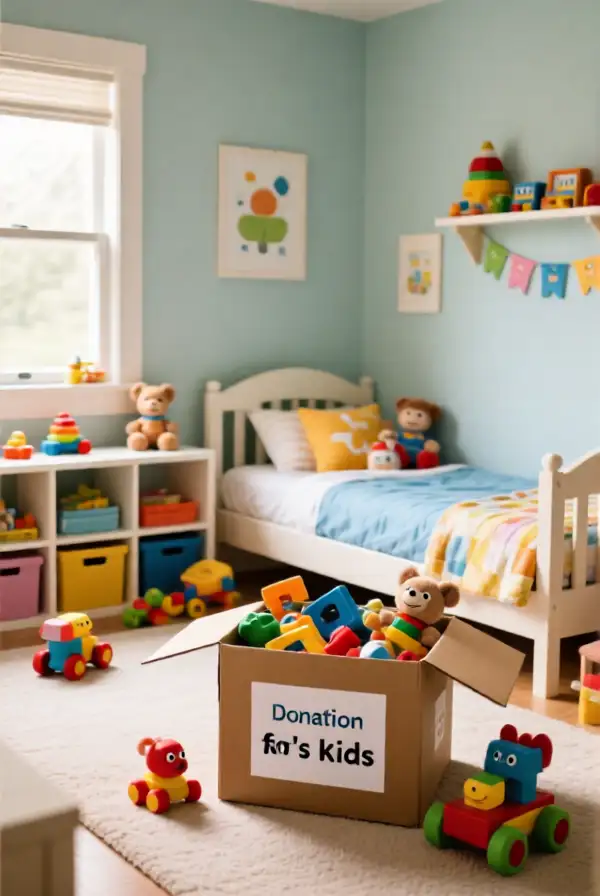
Teaching kids about the value of donating or trading in toys they no longer enjoy is a valuable lesson in organization. Create a ‘donation box’ in their room to actively involve them in this process and regularly clear out unused items.
Organize seasonal clean-ups where kids can choose what to keep and what to give away. This not only helps maintain a clutter-free space but also instills the importance of generosity and mindfulness with their belongings.
Make It Fun with Creative Decor
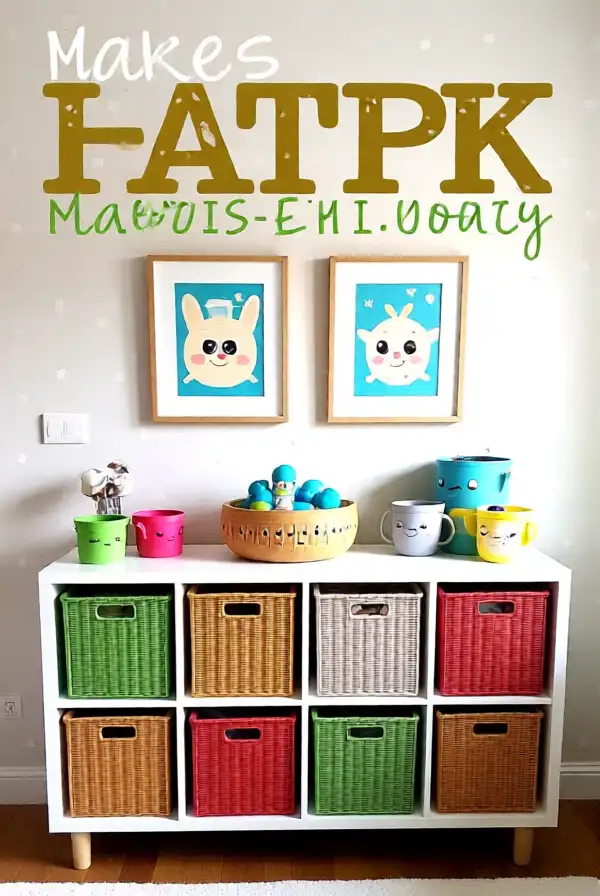
Incorporating playful decor elements can motivate children to maintain their organized space. Use wall art that reflects their interests, colorful storage solutions, or even a fun theme to inspire creativity and engagement with their room.
Integrate magnetic boards or string for displaying artwork, which encourages pride in their personal organization. By making their space visually enjoyable, kids are more likely to keep it tidy.
Set Up a Routine for Room Maintenance
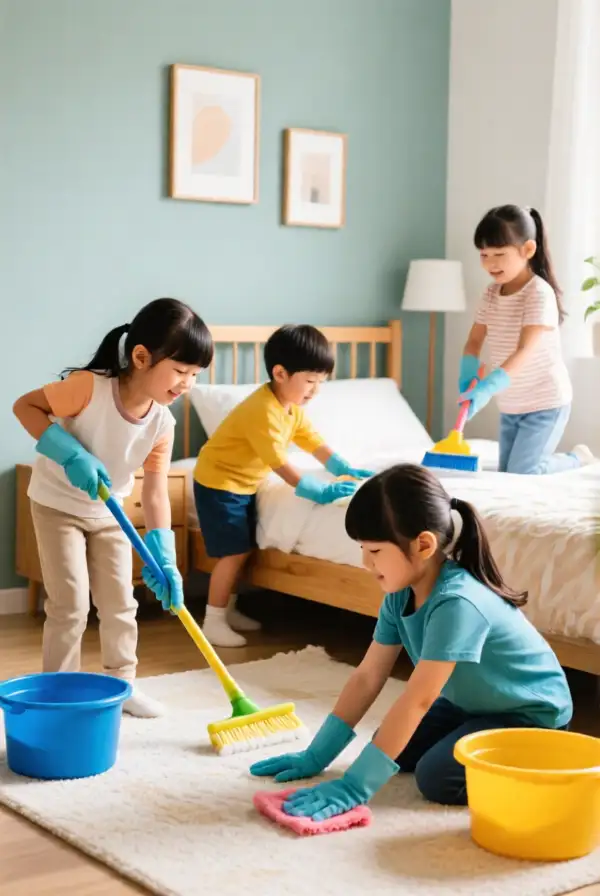
Establishing a consistent routine for tidying the room can significantly minimize chaos. Set aside time each week for quick clean-up sessions where kids can organize their toys and belongings. Making this a family activity can turn a mundane task into a bonding experience.
Implementing small daily habits, like making the bed every morning, can also foster a sense of responsibility. This daily routine nurtures a cleaner environment and helps kids understand the importance of maintaining their space.
Choose Soft, Washable Fabrics
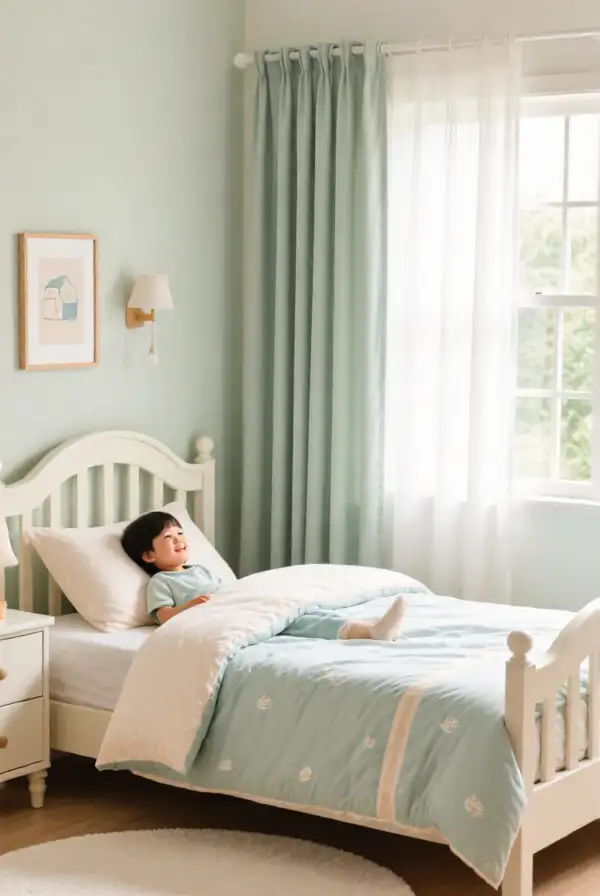
Opt for soft, washable fabrics when selecting bedding, curtains, and decor. Kids are prone to spills and messes, so easy-to-clean materials will streamline upkeep. Fabrics that can withstand frequent washing ensure the room remains fresh and inviting.
Encourage kids to be active participants in washing and maintaining their items, making it a fun family activity. This approach not only promotes organization but also teaches responsibility regarding their belongings.
Implement a Reward System
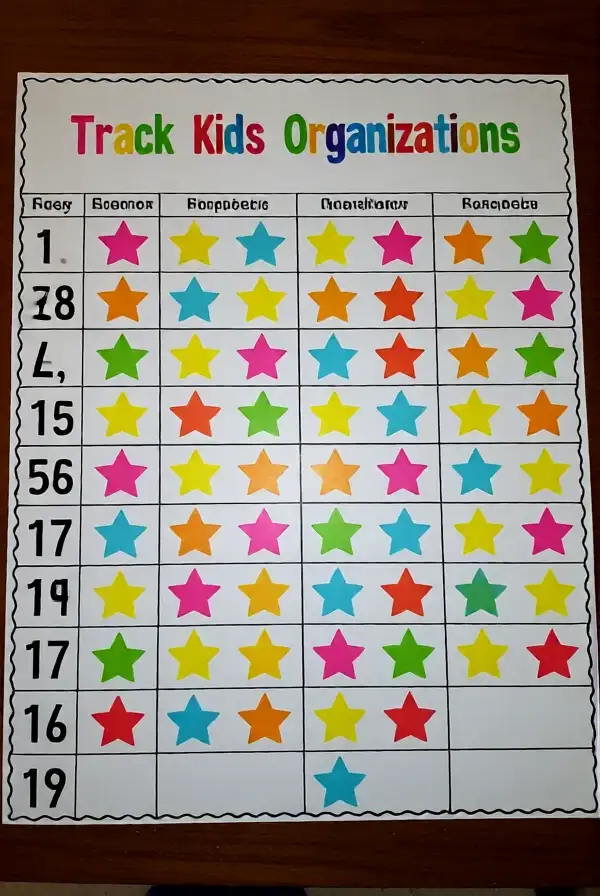
Introduce a reward system to motivate kids to keep their rooms organized. For every week they maintain their space, consider providing small rewards like stickers, extra playtime, or a movie night. This introduces a positive reinforcement strategy that encourages continued organization efforts.
Visual charts highlighting their achievements can enhance this system and provide a sense of accomplishment, making them more likely to take pride in their clean environment.
Involve Kids in the Organizing Process
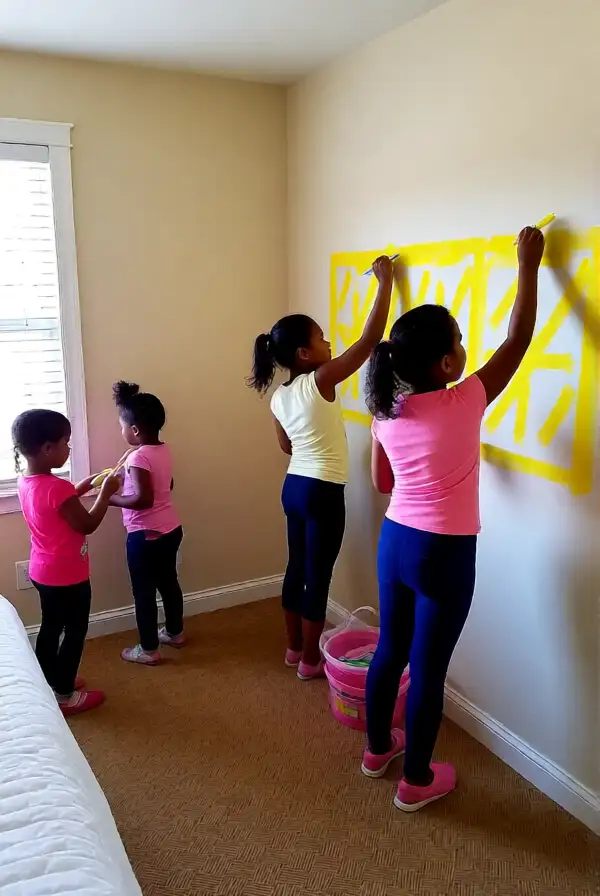
Getting children involved in the organizing process cultivates a sense of ownership over their space. Encourage them to select their storage solutions or color schemes, making them active participants in the organization and decor.
Having them help sort through items fosters decision-making skills and teaches them the value of organization. This collaborative effort can help create a space that they truly enjoy and sustain throughout time.
Focus on Safety and Accessibility
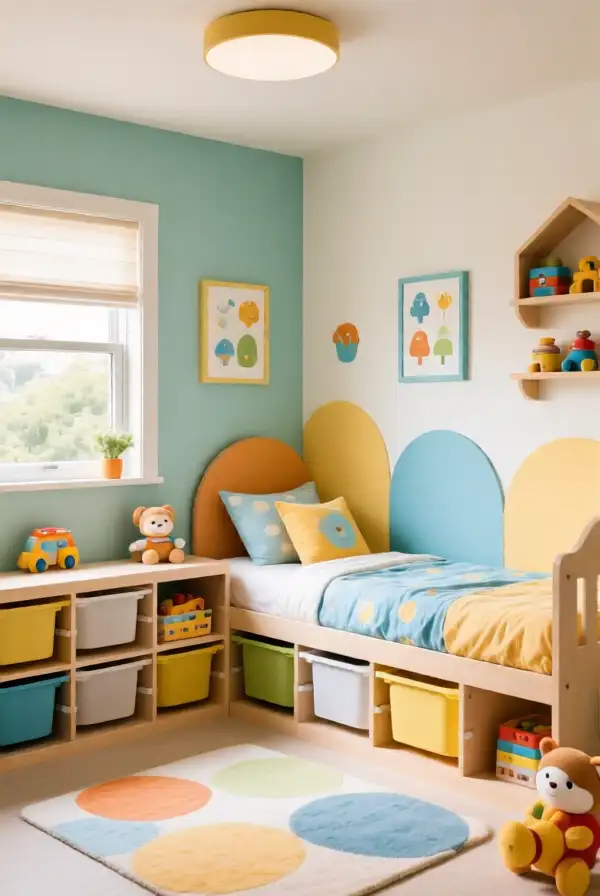
While organizing, prioritize safety by ensuring that storage items are within reach and safe for children to use. Use secure shelving, rounded furniture edges, and sturdy storage solutions to prevent accidents.
Additionally, ensuring that items used frequently are easily accessible can encourage kids to engage with their possessions and help maintain order in their room.
Personalize the Space with Name Tags
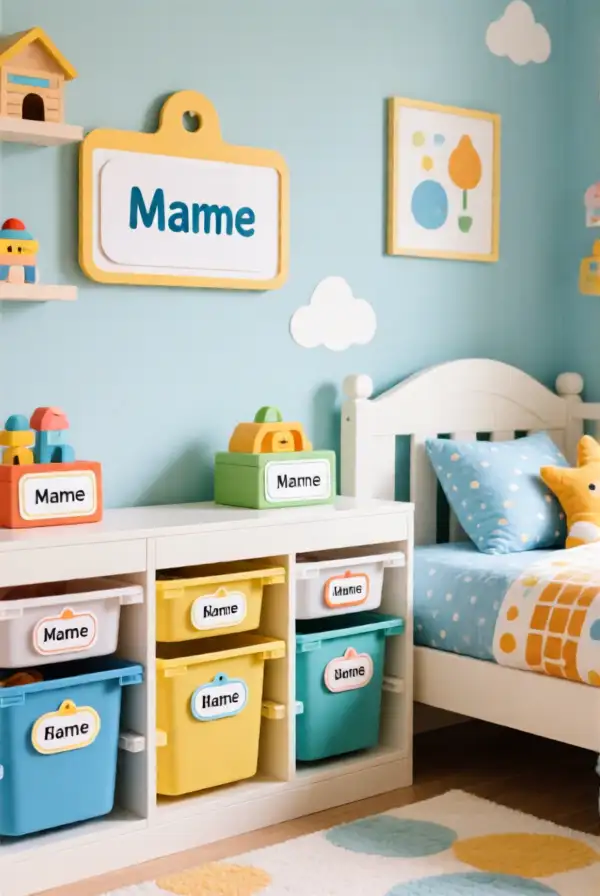
Adding personalized name tags to storage solutions can make a room feel uniquely theirs and encourage kids to take ownership of their organization. Tags can provide visuals for children learning to read and comprehend where to place their belongings.
This personalization can create a stronger emotional connection to their space, prompting them to maintain and care for it while reinforcing literacy skills in a fun way.
Regularly Reassess and Adjust Storage Solutions
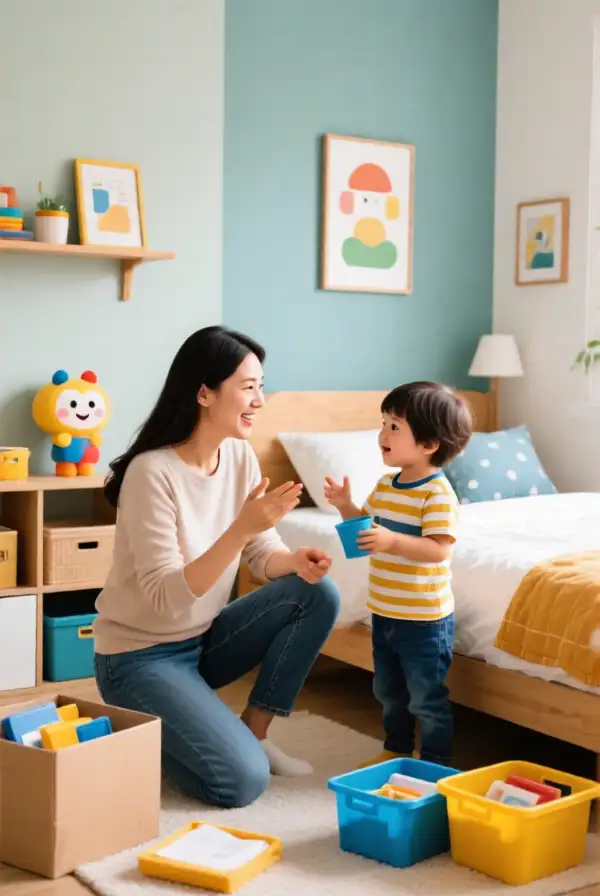
As children grow, their needs and preferences change. Regularly reassess the organization systems in place to ensure they are still effective and accommodating. Be flexible to adjust methods and storage as your child develops their own preferences and interests over time.
Talking to your child about their needs in the organizing process encourages open communication and respect for their individuality in maintaining their space.
Use Seasonal Decorating and Organization
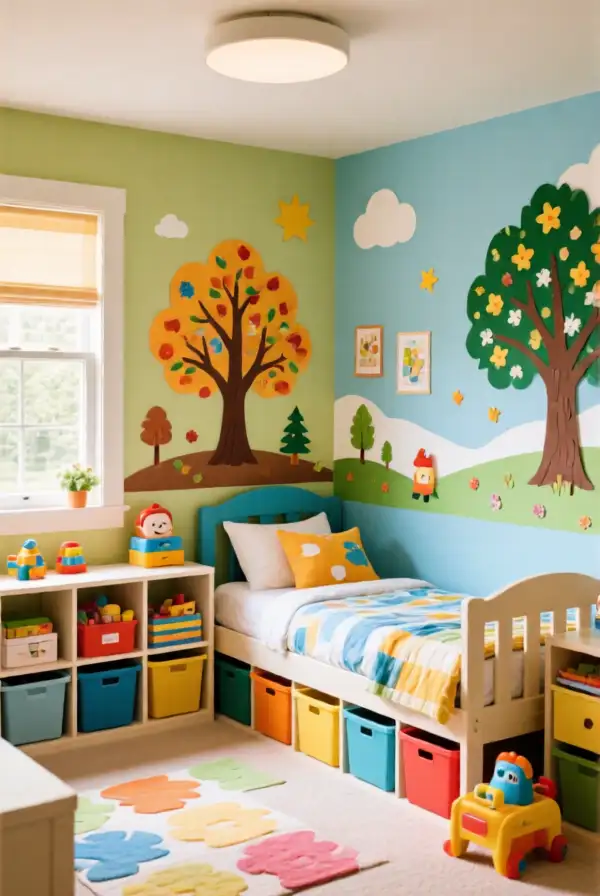
Change the decor seasonally to keep the room feeling fresh and engaging. Seasonal decorations foster creativity and excitement while providing an opportunity to reorder arrangement and organization methods, ensuring they remain efficient and enjoyable.
Utilizing seasonal sorting also allows children to learn about transitions and change while maintaining an organized environment fun and inviting.
Incorporate Playful Labels
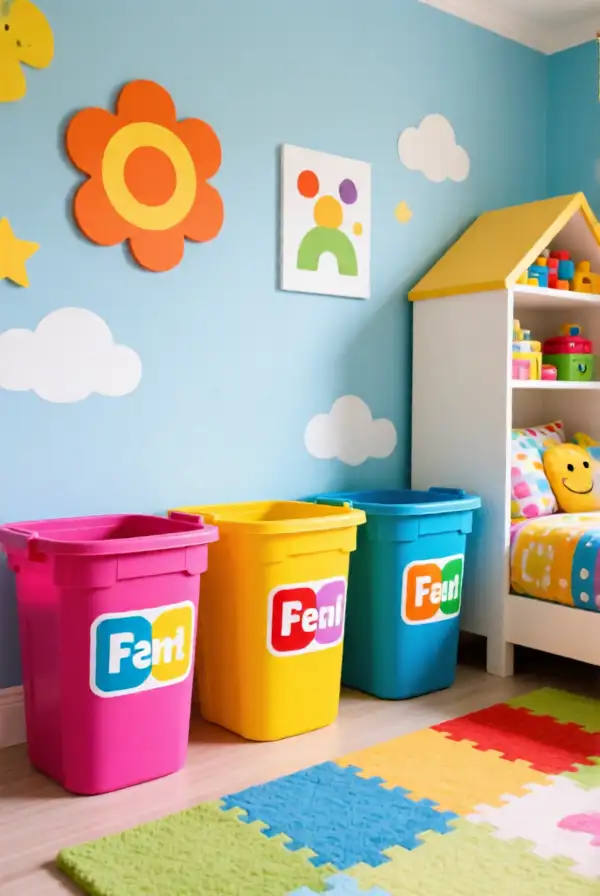
Playful, colorful labels can invigorate the organizational process, making it feel less like a chore. Encourage creativity in labeling systems by letting kids decorate their labels or choose themes that resonate with them.
Labeling toys, books, and clothing can help instill the understanding of organization and classification while incorporating fun elements into their daily routine.
Make Use of Drawer Organizers
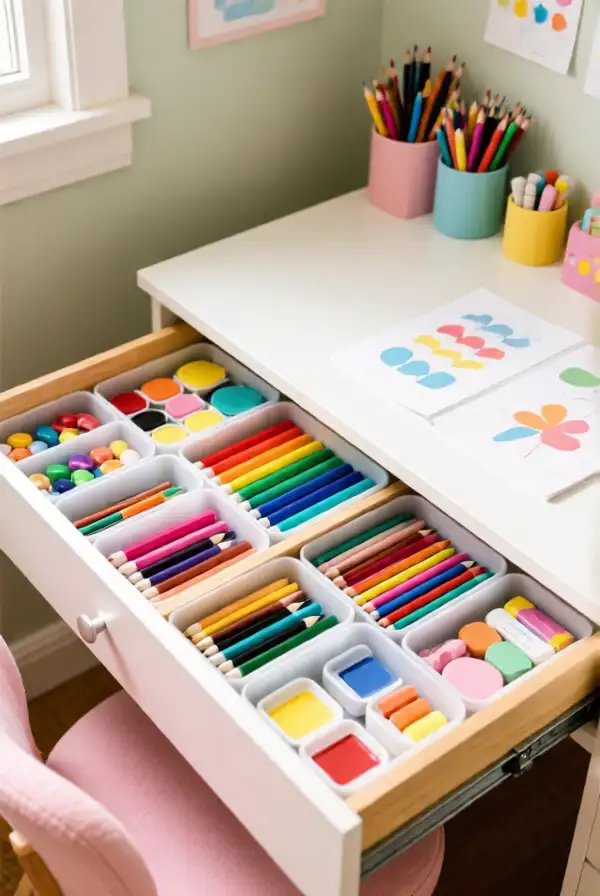
Drawer organizers can create order within drawers that often become catch-all spaces. Utilize dividers to separate different types of items, such as art supplies, small toys, and clothing, to make finding items more manageable.
Involving children in organizing their drawers fosters responsibility and allows them to experience the satisfaction of a well-organized space, promoting continued upkeep.
Store Seasonal Clothing Efficiently
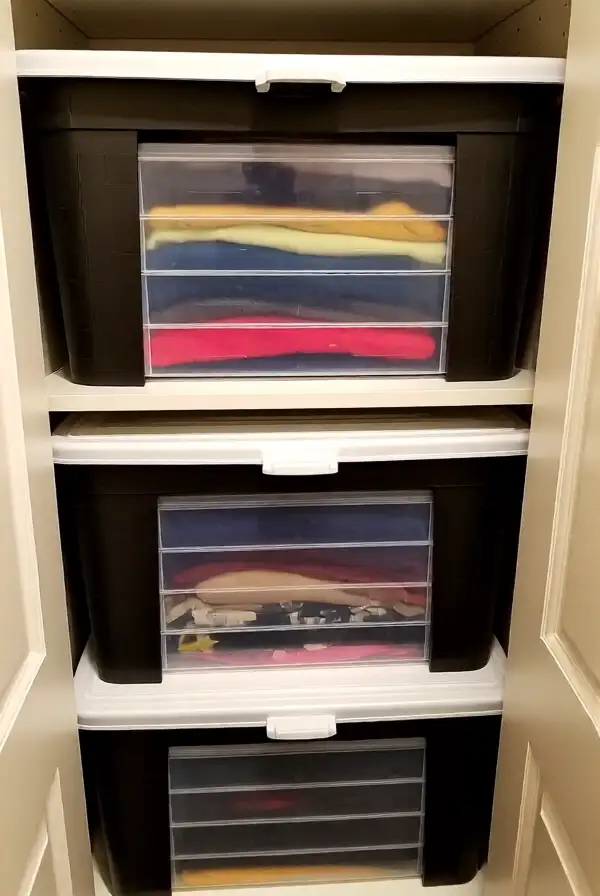
Plan ahead by sorting seasonal clothing into sealed storage bins or labeled vacuum-sealed bags. This keeps clothes organized and easily accessible when needed while freeing up space for current seasonal items.
Involve kids in choosing which items to store and which to keep in their rooms, reinforcing their decision-making skills, ownership, and understanding of their belongings.
Establish a Habit of Daily Tidying
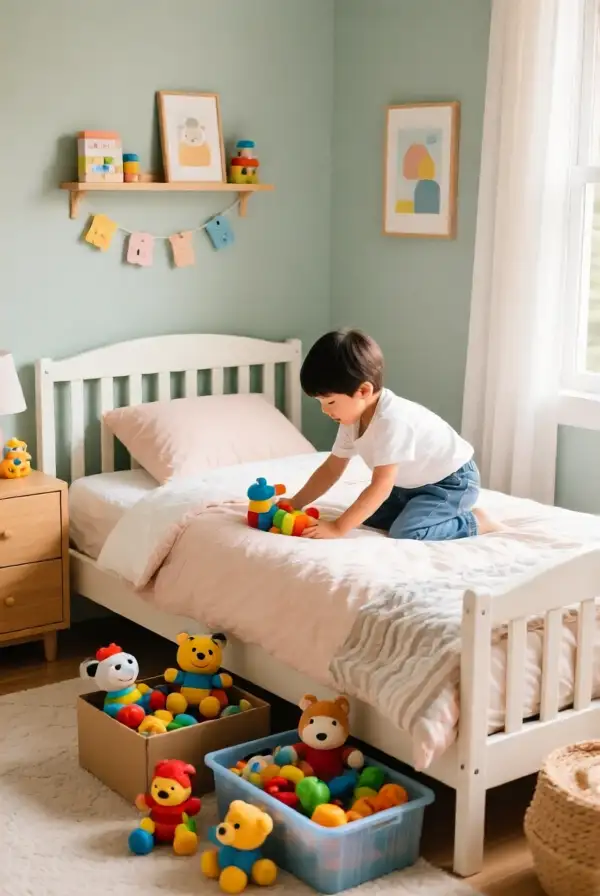
Encourage a daily tidying routine where kids spend a few minutes each day organizing their items. This habit prevents clutter from accumulating and makes larger clean-up jobs less daunting.
Incorporating this daily routine helps instill discipline and organization skills, encouraging them to maintain an inviting space they can enjoy.
Read Books About Organization
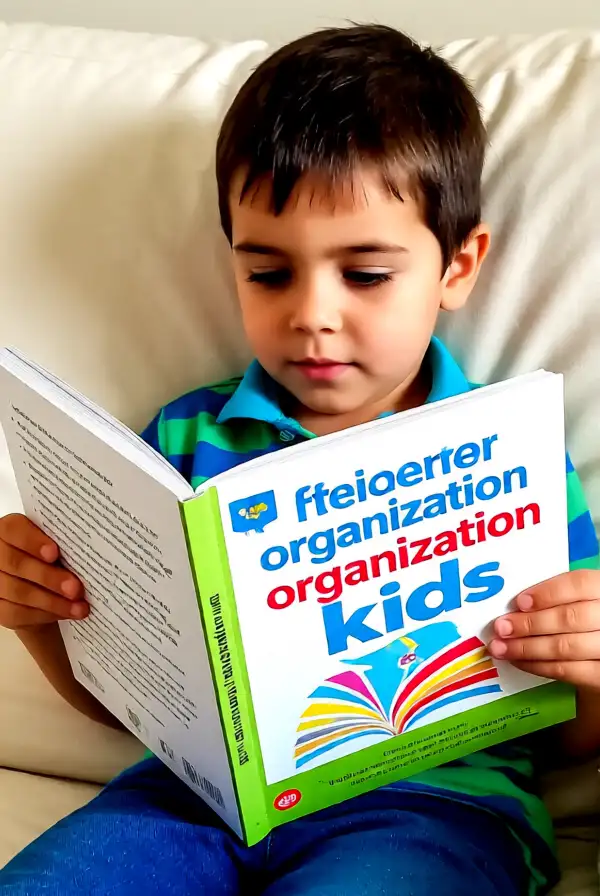
Dive into children’s books focused on organization themes or stories that celebrate cleanliness. These can inspire and motivate kids while reinforcing the importance of a well-maintained space.
Engaging with literature can encourage conversations about organization, making it relatable and fun for children while providing practical tips they can incorporate in their rooms.
Encourage Mindfulness in Ownership
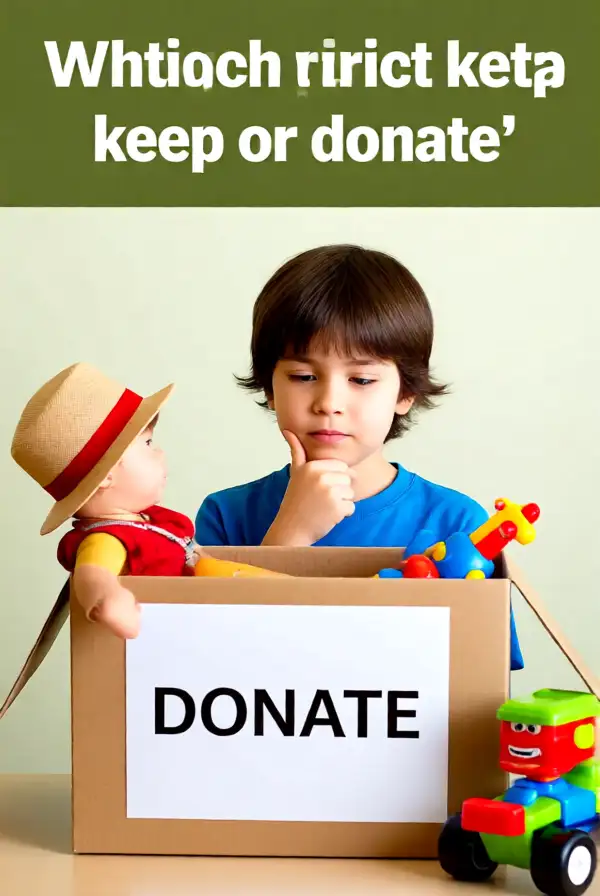
Teach children the value of mindfulness when it comes to their belongings. Encourage them to think about what they truly love and use that they want to keep, which leads to more thoughtful choices regarding their personal items.
This practice not only boosts organizing efforts but also instills valuable lessons in self-awareness and consideration of how they manage their possessions.
Set a Good Example
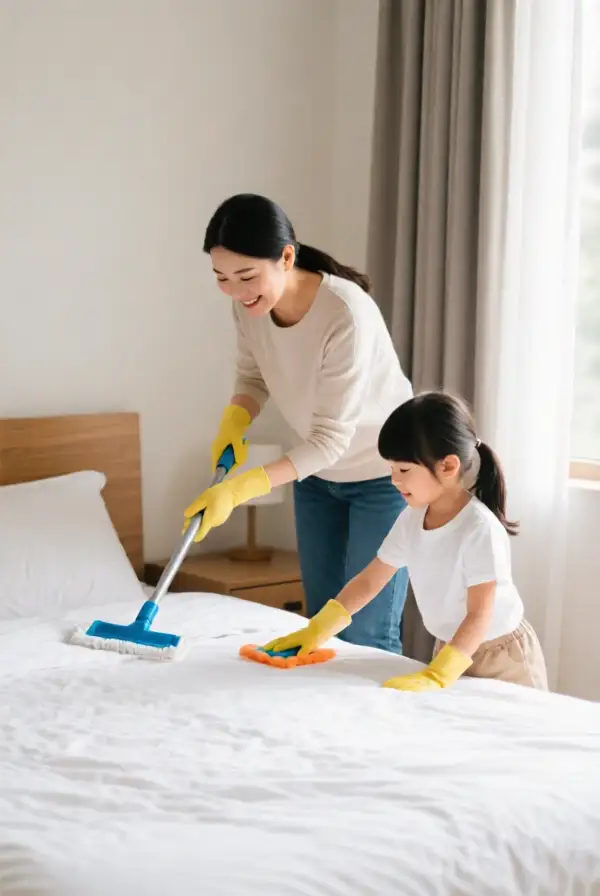
One of the best ways to teach kids about organization is by modeling these behaviors yourself. When they see you maintaining an organized space, it becomes a shared value within the family.
Involving your kids in your own organization efforts fosters teamwork, showcasing the benefits of a tidy surroundings while making it a fun, collaborative experience.
Make Use of Color-Coded Systems
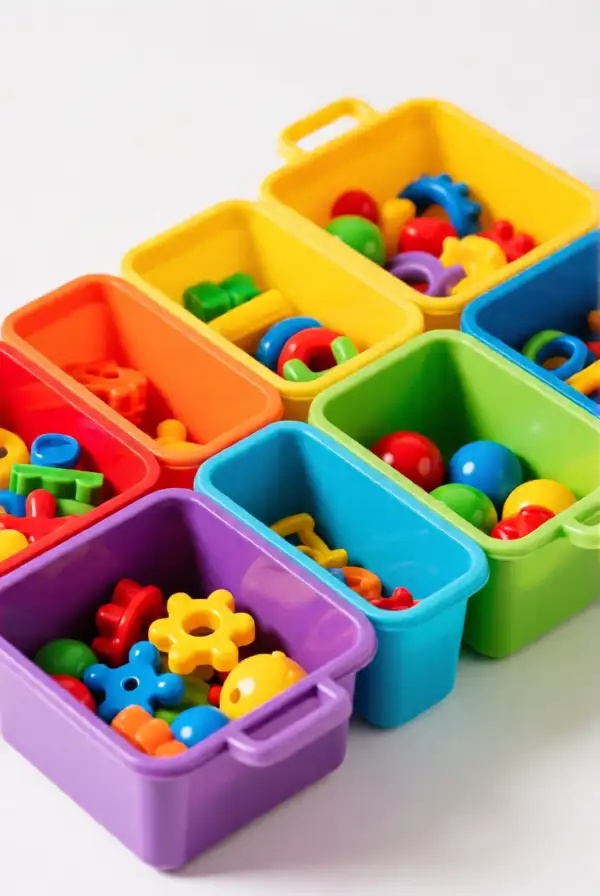
Utilizing a color-coded system for organizing can make tidying up visually appealing. Assign specific colors to different categories of items, making it easier for kids to understand where things belong.
Using various colored bins and labels not only promotes organization but also gives the room a vibrant look, energizing the space while encouraging participation from the kids.
Keep It Simple and Fun
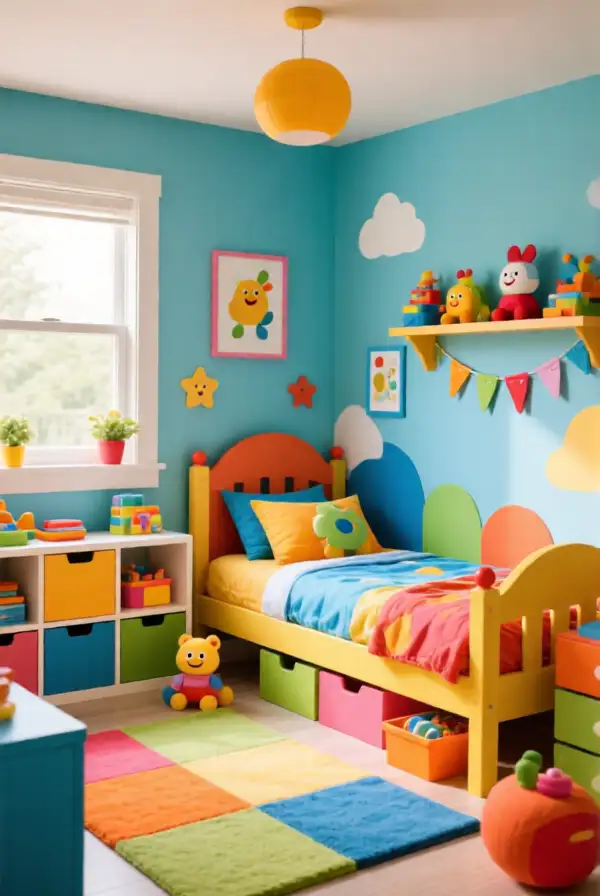
Ultimately, the key to efficiently organizing kids’ rooms is to make it simple and fun. Use playful elements and engage them in the decision-making process so that the organization doesn’t feel like a chore.
When organizing is framed as a game or a creative activity, children are more inclined to participate actively, ensuring a consistently tidy and appealing environment for them to thrive in.
Incorporate Technology for Enhanced Organization
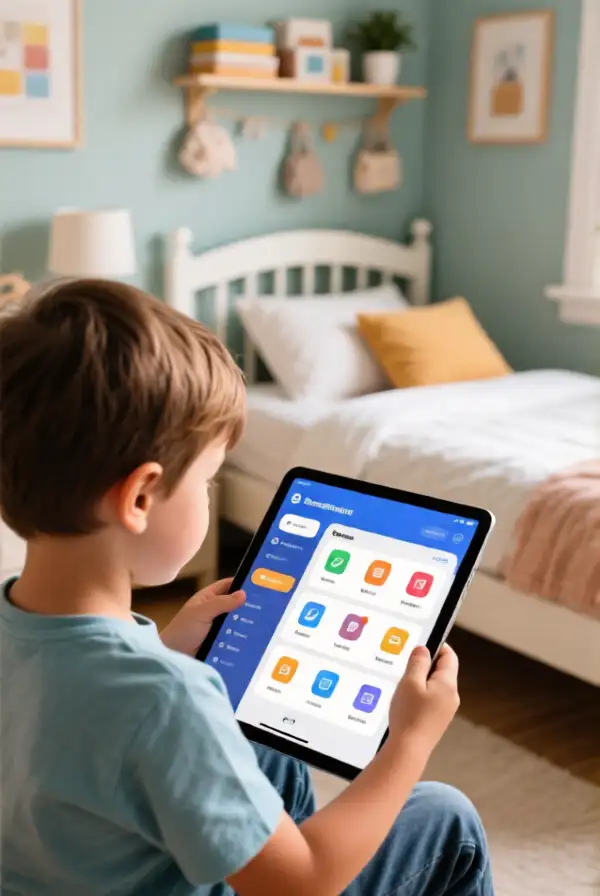
Leverage technology to assist with organizing efforts. Apps designed for kids can help track chores and organization tasks, gamifying the experience and providing instant gratification through rewards.
Using a family calendar app for shared responsibilities can also promote cooperation and accountability among household members, reinforcing the habit of maintaining an organized space.
In conclusion, organizing kids’ rooms doesn’t have to be a formidable task. By integrating fun, functional strategies and including children in the process, parents can create an efficient and comforting environment that fosters independence, creativity, and responsibility.