
Understanding potty training regression is essential for parents particularly after preschool transitions. As children navigate new environments, their bladder and bowel habits may change, causing parents to address old challenges in fresh ways.
Recognizing the Signs of Regression
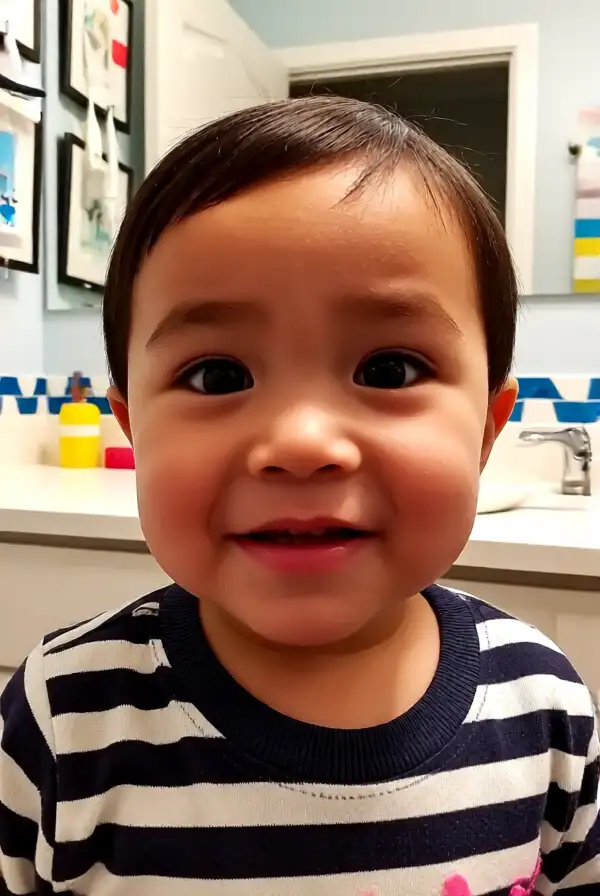
Potty training regression often exhibits noticeable signs which can include accidents in underwear, resistance to using the bathroom, or a sudden fear of toilets. Parents should remain vigilant for these indicators, especially during periods of stress or change like starting preschool.
Understanding these signs is vital for addressing the situation kindly and effectively. Working on maintaining communication and reassurance can help children feel more comfortable and confident in following their potty training routine.
Common Triggers of Regression

Several common triggers can provoke potty training regression. Major transitions such as moving to a new house, a change in caregivers, or emotional stress can interfere with a child’s previously established routine. Recognizing these triggers helps in managing expectations around potty use.
By identifying potential stressors, parents can better support their children through these challenging times. This support often includes reminders and discussions about using the bathroom regularly without shaming them for regressions.
Strategies to Support Your Child
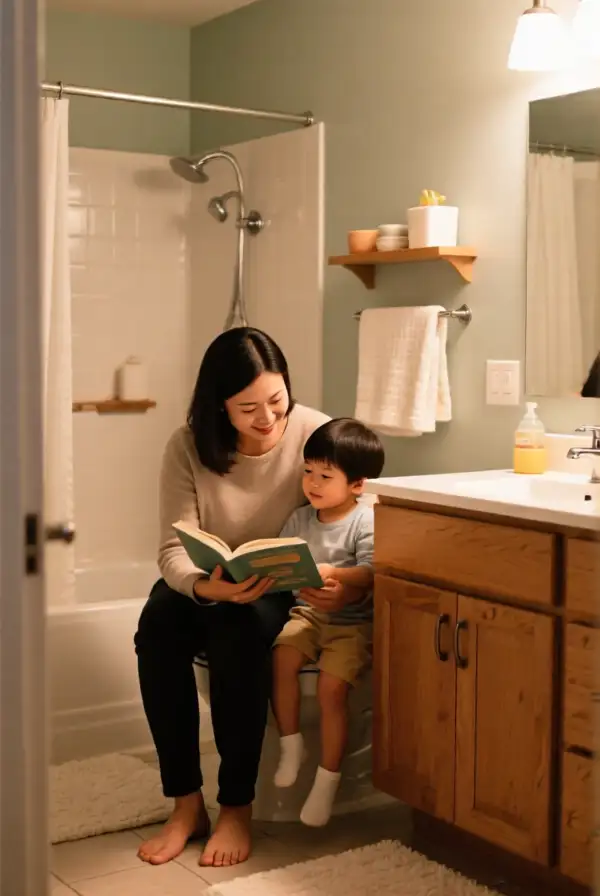
Employing effective strategies is crucial during potty training regression. Simple approaches include setting a timer for regular bathroom breaks, using positive reinforcement, and maintaining a relaxed bathroom environment. This creates a sense of security and routine for your child.
Additionally, turning bathroom visits into a fun experience through songs or stories can help ease any anxiety. Recognizing small successes and encouraging perseverance can bolster their confidence in mastering potty training.
When to Seek Professional Help

In some cases, potty training regression may indicate deeper concerns that require professional advice. If your child shows signs of extreme anxiety, stubbornness, or if regression persists for an extended period, consider consulting a pediatrician or child psychologist.
Professional guidance can help determine if there’s an underlying issue affecting your child’s potty training. Early intervention may ease the journey and provide tailored strategies suited to your child’s needs.
Patience and Understanding

Patience is key during potty training regression. Parents must remind themselves that this is a common phase many children experience. It is essential to adopt a supportive attitude, as negative reactions can exacerbate the situation.
Ultimately, understanding that regression is a normal part of development can alleviate stress for both parent and child. By providing a nurturing atmosphere, children can regain their confidence in mastering potty training.
Overcoming Potty Training Regression
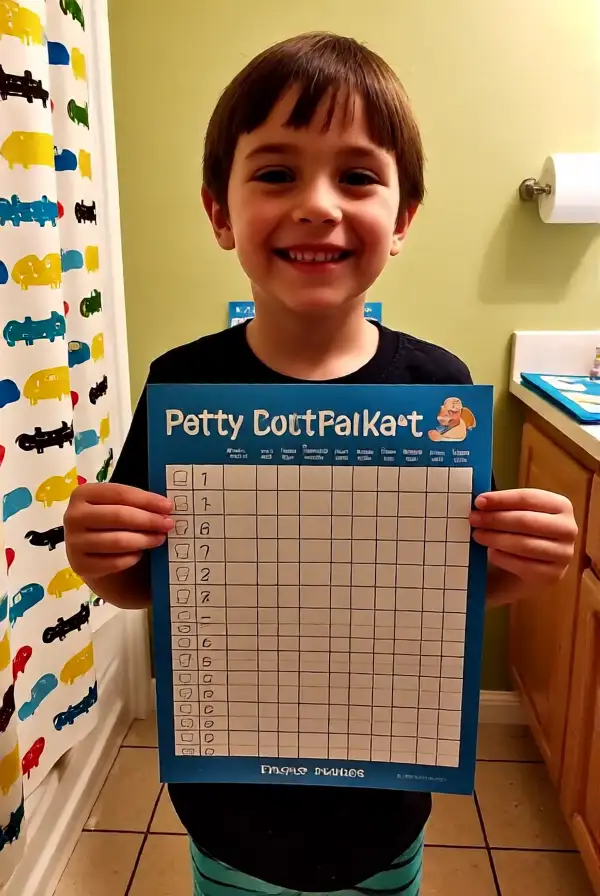
Overcoming potty training regression requires a blend of communication, encouragement, and persistence. With the right mindset and tools, parents can guide their children back to successful potty habits. Reassuring your child that setbacks are perfectly natural supports their emotional and developmental needs.
By emphasizing gradual progress rather than perfection, parents can foster a more positive outlook on potty training. This, combined with love and understanding, allows for a smoother journey back to successful bathroom routines.
In conclusion, potty training regression after preschool is a common experience for many families. Emphasizing communication, empathy, and practical strategies can make overcoming this phase easier for everyone involved.