
Introduce your little ones to the fascinating world of science with these engaging activities! Designed for preschoolers, these fun experiments will spark their curiosity and promote learning through play. Get ready for hands-on fun and joy in discovery!
Colorful Water Experiments
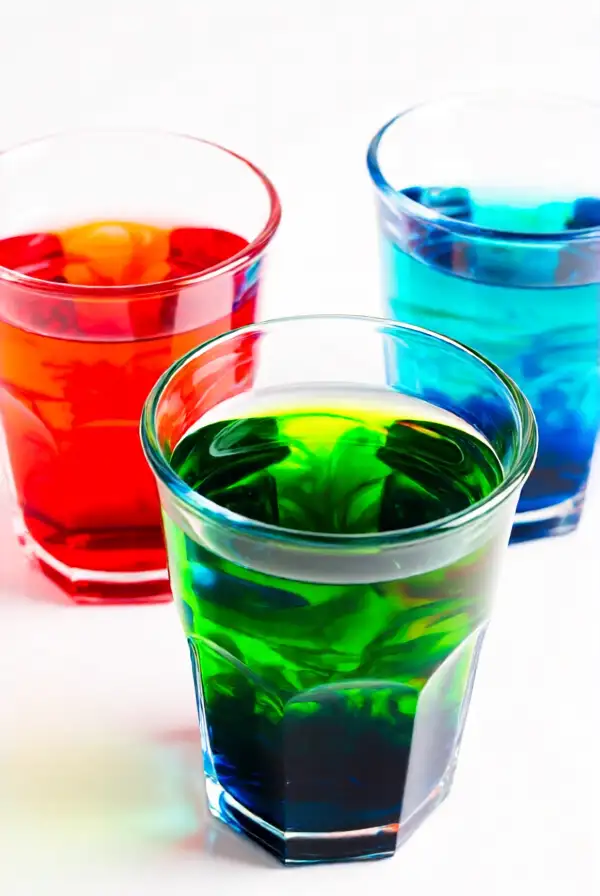
One of the simplest ways to start your science journey is with colorful water experiments. Fill clear cups with water and add a few drops of food coloring. Ask your preschoolers to guess what will happen when they mix the colors. It’s not just eye-catching; it also kicks off discussions about color mixing and liquids!
For added fun, use a straw to create colorful swirls and let them explore how colors blend differently. As they engage with the activity, they will learn through observation and prediction, enhancing their critical thinking skills.
Magic Milk Experiment
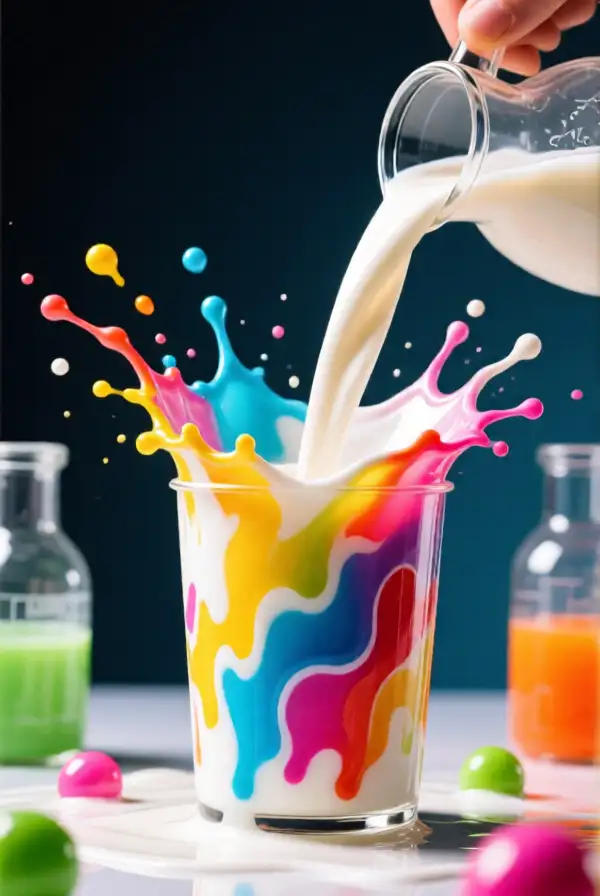
The Magic Milk experiment is always a hit with young learners! Simply pour some milk into a shallow dish, then add drops of food coloring. Dip a cotton swab in dish soap and touch it to the colored milk. Watch as the colors burst and dance around! This reaction demonstrates how soap breaks down fat in the milk.
This vibrant display encourages kids to ask questions about why the colors move and react this way. It’s not just fun; it’s a captivating introduction to chemistry that stirs their imagination and reinforces their observation skills.
Sink or Float Challenge
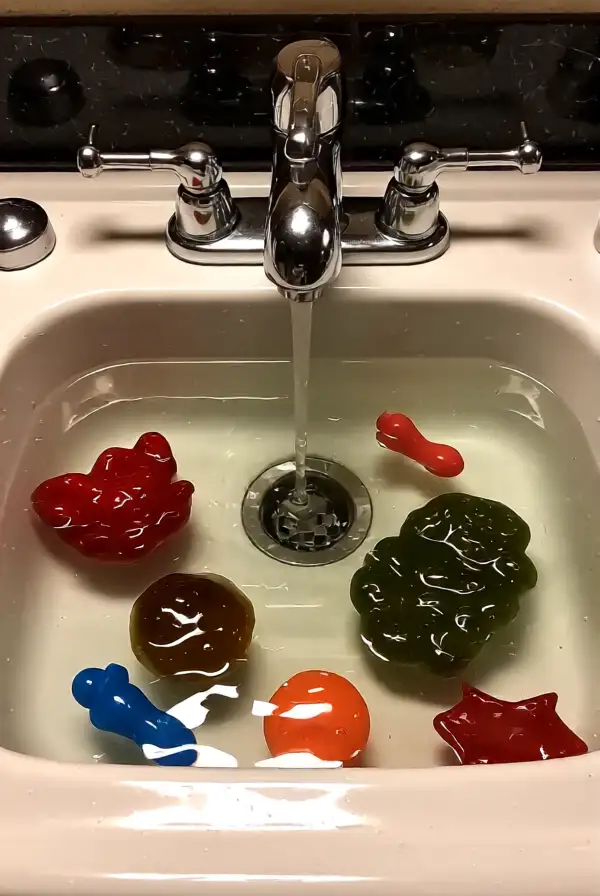
The Sink or Float Challenge is a simple activity that teaches kids about density and buoyancy. Collect various objects—like stones, leaves, and toys—and ask the children to predict which items will sink and which will float. After making predictions, drop the items into a container of water and observe the results!
This activity promotes inquiry and scientific reasoning. Encourage your preschoolers to explain their thinking and to share their observations about why certain items behaved the way they did. It’s a fun way to learn through play and curiosity!
Homemade Volcano Science Project
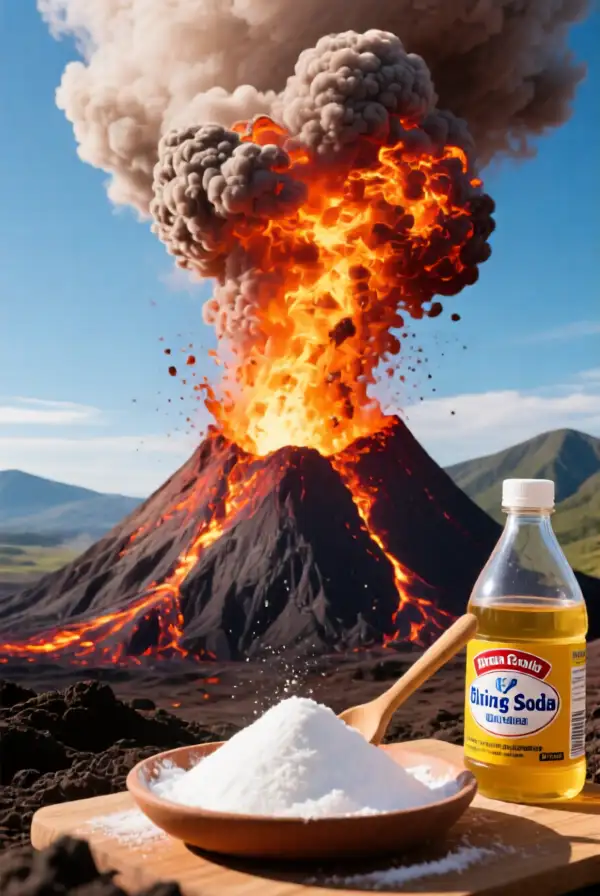
Create a mini volcano using baking soda and vinegar! Shape some clay or playdough into a volcano around a small container. Fill the container with baking soda, then pour in vinegar for a spectacular eruption! Preschoolers will be amazed as they observe the bubbling reaction.
This project not only demonstrates a chemical reaction but also encourages imaginative play as they pretend to be scientists or explorers. Be sure to discuss what happened and why, turning it into a learning opportunity about reactions and geology.
Grow Your Own Crystals
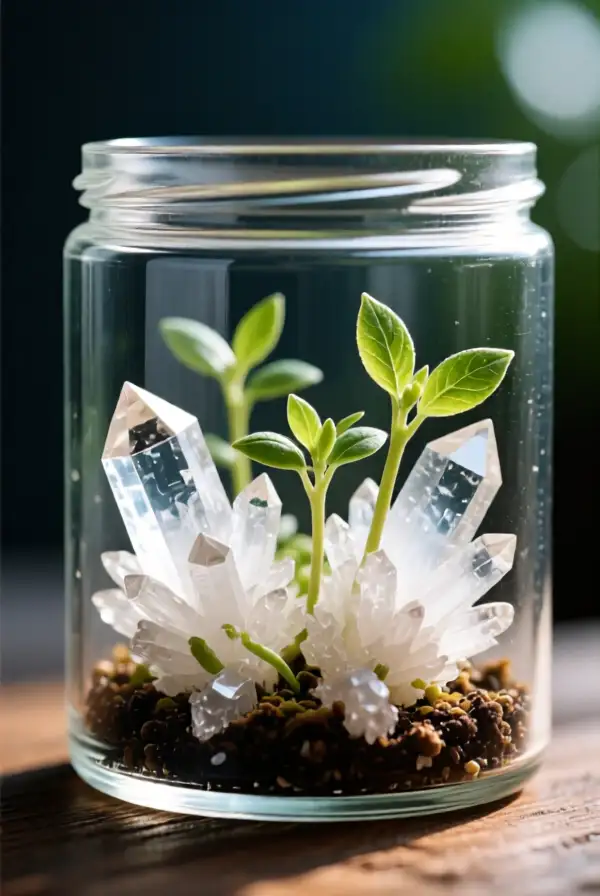
Introduce the concept of crystallization with a fun, hands-on crystal-growing project! Mix sugar or salt in hot water until it dissolves and then allow it to cool in containers. Over a few days, notice how crystals begin to form. Your preschoolers will be thrilled to see their science in action!
Discuss with them how crystals are formed through the cooling process and the beauty of nature. This not only builds science skills but also patience as they wait to see the results of their project. It’s a wonderful blend of science and wonder!
Simple Slime Making
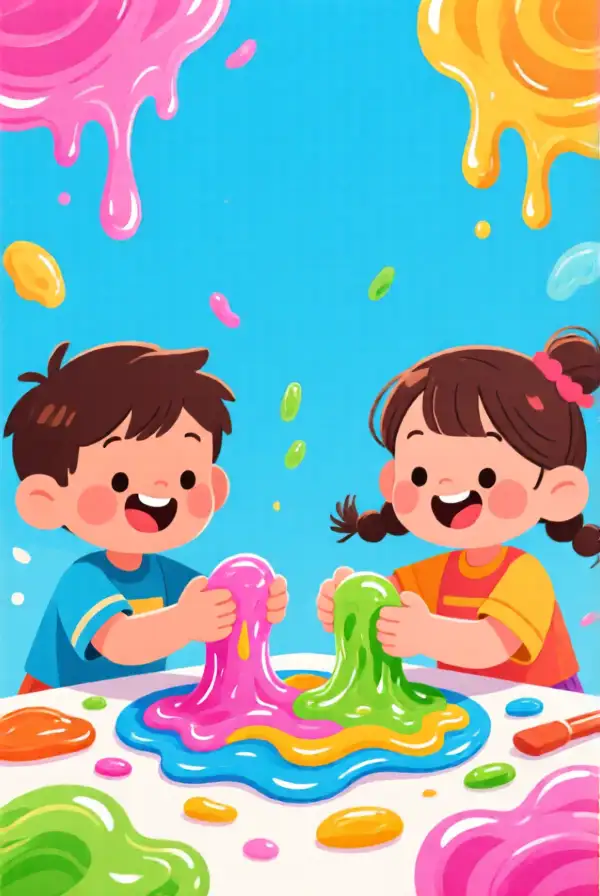
Who can resist slime? It’s gooey, stretchy, and just plain fun! Mix together school glue, water, and a bit of borax or contact lens solution to create homemade slime. Kids will love experimenting with colors and glitter to make their slime unique.
This tactile activity is not only entertaining but also introduces young kids to basic polymers and the science of mixing. Let them explore its texture and properties, helping them learn through touch and play. It’s a sensory experience they won’t forget!
Shadow Play Experiments
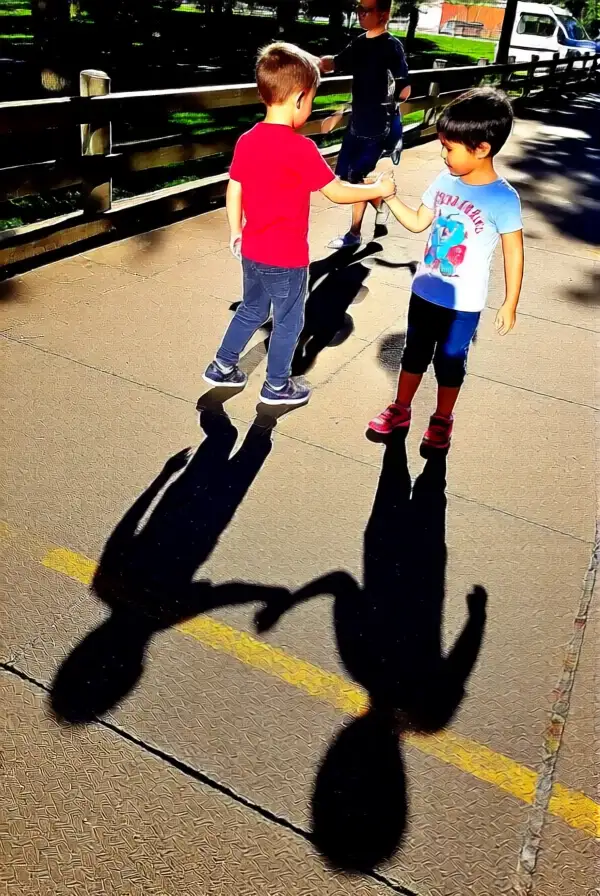
Utilize natural light to teach preschoolers about shadows! On a sunny day, use different objects to create shadows on the ground or a wall. Discuss why some objects cast darker shadows than others and how light interacts with opaque objects.
Encourage children to play with their shadows and see how they can change size and shape by moving closer or further from the light source. This simple activity is a fantastic introduction to basic physics while also promoting imaginative play.
Bubble Science Fun
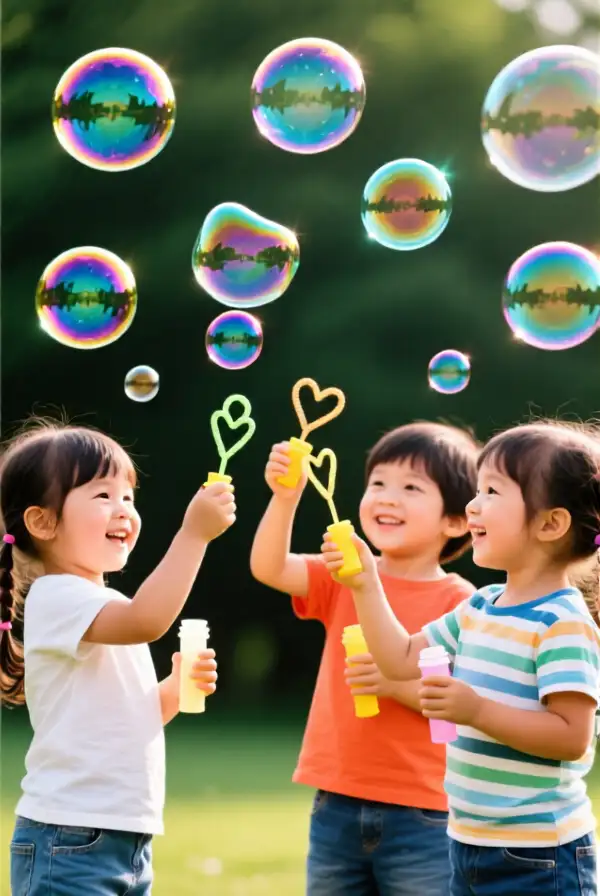
Get ready to explore the captivating world of bubbles! Mix water, dish soap, and a bit of corn syrup to create a bubble solution. Providing straws or wands, let preschoolers experiment with bubble sizes and shapes. Discuss what makes bubbles pop and why some last longer than others.
This delightful activity invites endless exploration while teaching the properties of gases and liquids. Plus, it’s a great way for kids to work together while chasing bubbles! Jump into the fun of science with this playful experience.
Fruit & Veggie Science Tasting
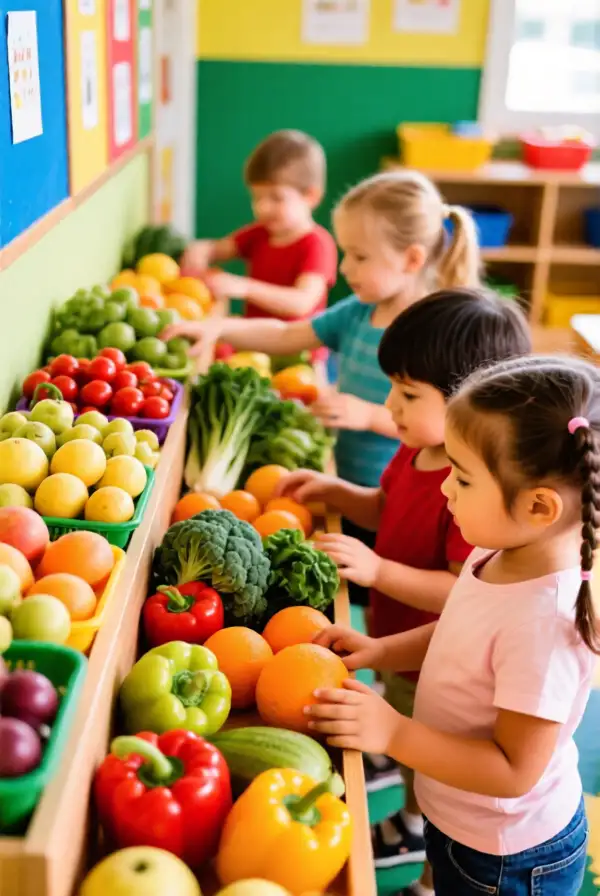
Combine healthy eating with science by talking about the colors and tastes of different fruits and vegetables. Cut them into various shapes and let children explore their textures, aromas, and flavors. Discuss how plants grow and the importance of healthy eating!
This hands-on experience connects nutrition with science. As kids taste and describe what they are trying, they are learning about plant biology, colors, and even crafting their own playful tasting charts. It’s a fun and delicious way to educate the little ones!
Floating Egg Experiment
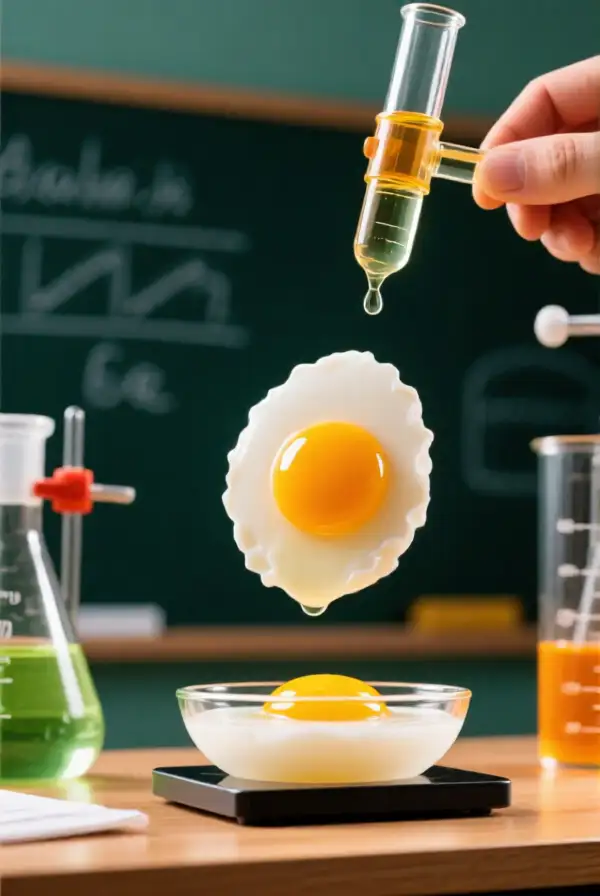
The Floating Egg Experiment is a fun way to teach density! Fill a glass with water and try to float an egg. Then slowly dissolve salt in the water until the egg begins to float! Explain why this happens, particularly relating to buoyancy and density.
This simple yet effective experiment helps kids visualize concepts that are often hard to grasp. It encourages them to make predictions and analyze outcomes, which are fundamental skills in scientific learning and development.
Ice Melting Race
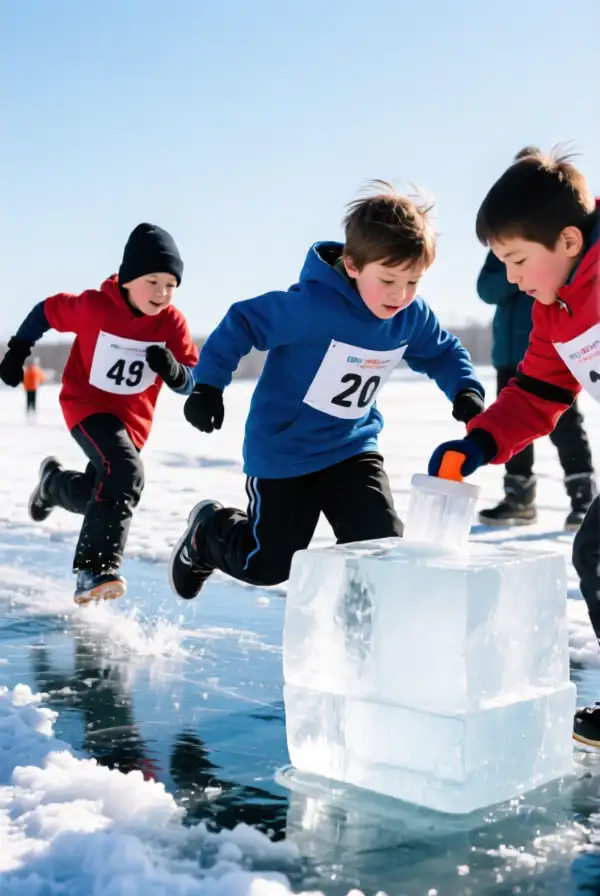
Explore states of matter with an Ice Melting Race! Give each child a cube of ice and see who can melt their ice the fastest using different methods—like holding it in their warm hands, putting it in water, or using salt. Talk about what causes melting and explore temperature concepts.
This interactive challenge promotes cooperation and friendly competition while reinforcing learning about solids and liquids. Preschoolers will be engaged as they experiment and see the transformation in real time!
DIY Windsocks
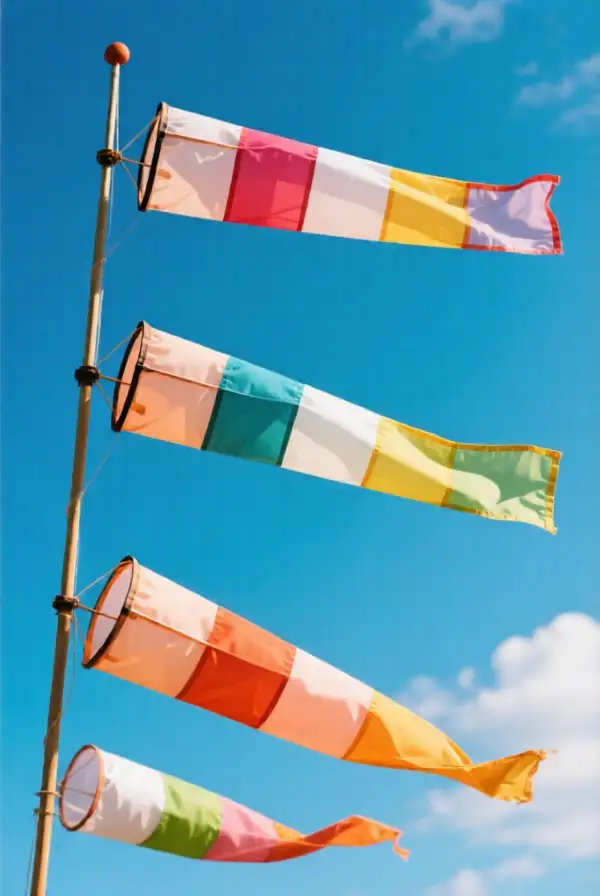
Make DIY windsocks to explore wind direction! Use paper or light plastic to create a simple windsock and decorate it. Hang them outside to observe how they move with the wind, explaining concepts like air movement and weather.
This fun, crafty activity also opens discussions on weather patterns and the role of wind in nature. Kids will be excited to see their creations in action, giving them practical knowledge through creativity and exploration!
Make a Rain Gauge
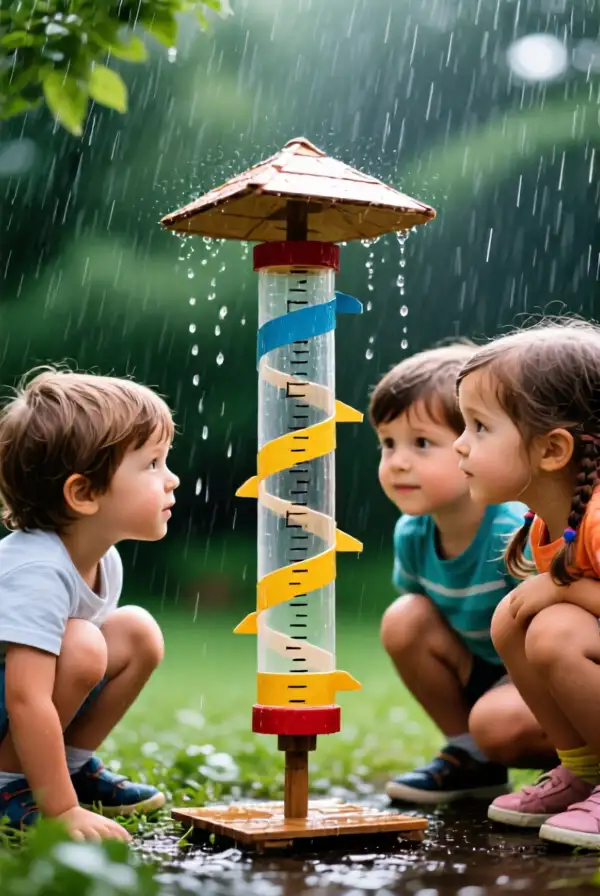
Teach preschoolers about precipitation by making a simple rain gauge! Use a clear container to measure rainwater and check daily. Discuss weather patterns and how rain helps plants grow. Tracking rainfall encourages observation skills and patience.
This activity connects science with the environment and instills a sense of awareness about nature. It’s a great opportunity for kids to get excited about their surroundings while reinforcing important scientific concepts!
Homemade Compass Experiment
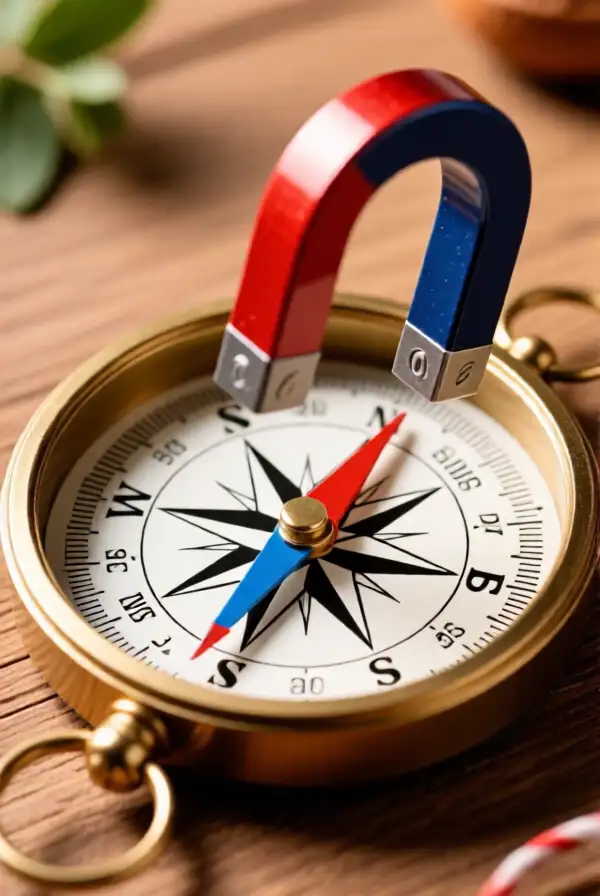
Create a homemade compass to help children understand magnetism! Float a magnetized needle on water, showing them how it aligns with Earth’s magnetic field. Discuss the basics of navigation and how compasses work.
This activity engages their curiosity and is a tactile way to learn about forces. Children will be fascinated as they see the needle point north, igniting their interests in geography and exploration!
Plant Growth Observation
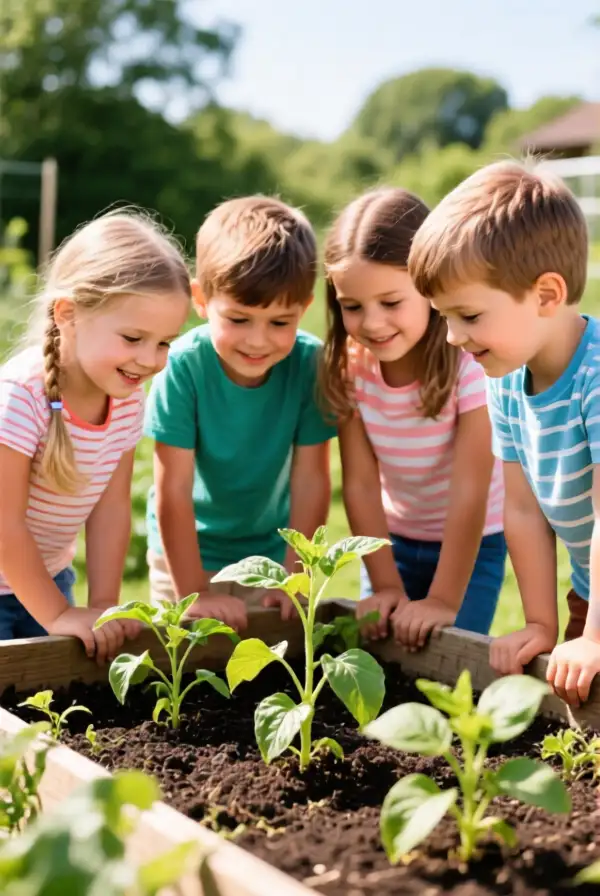
Start a simple plant growth observation journal! Give each child seeds to plant in cups and have them document the growth process with drawings or writings. Discuss what plants need to grow—sunlight, water, and soil—during the observing process.
This project emphasizes patience and responsibility while teaching fundamental concepts about life sciences and ecosystems. Kids will be excited to see their efforts lead to green sprouts!
Weather Experiments with Jointed Figures
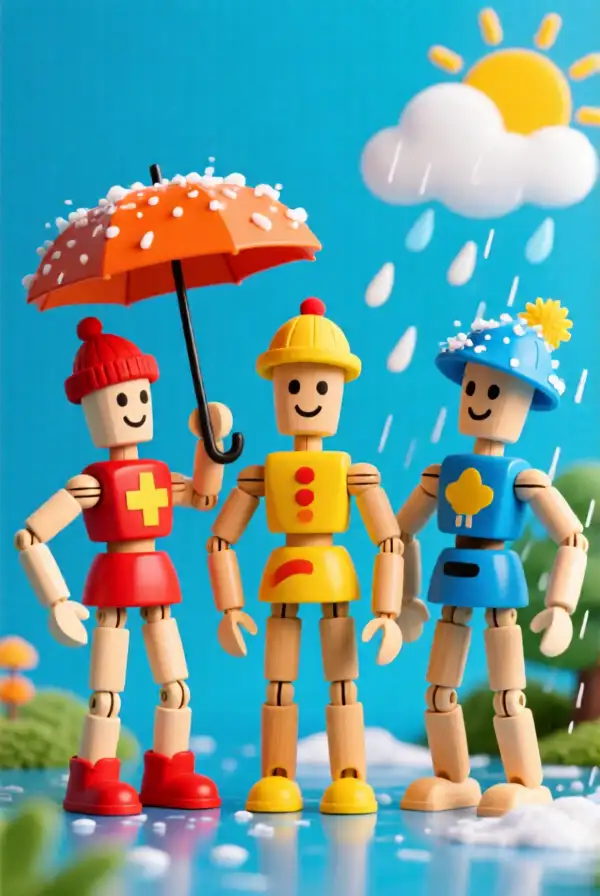
Use jointed paper figures to explore weather activities! Create characters that dress for different weather conditions, letting preschoolers explain their choices. This is a fun way to learn about appropriate clothing for seasons and types of weather.
Discussions can extend to how weather affects our daily lives and the environment. Children will enjoy role-playing while learning important weather concepts, bridging science with everyday life!
Recycling Sorting Game
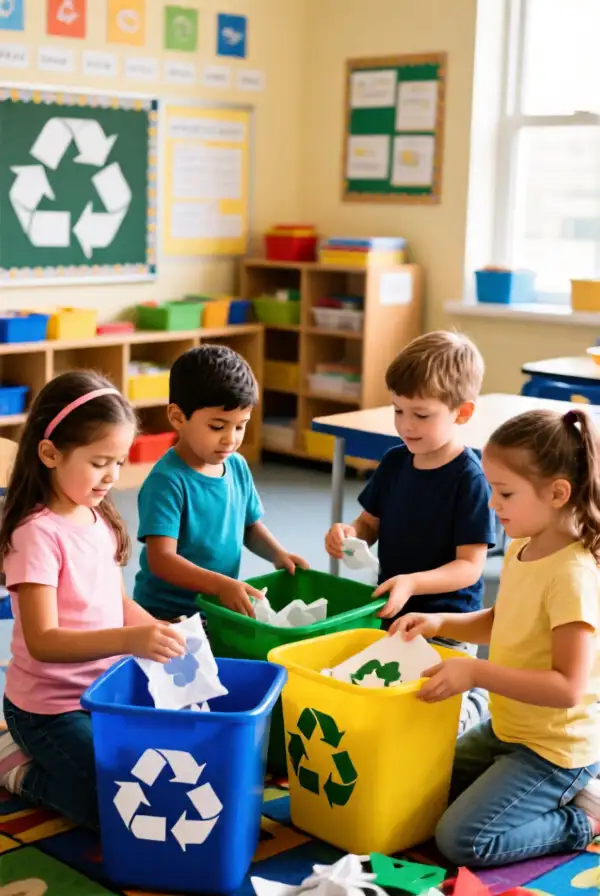
Organize a recycling sorting game to teach preschoolers about materials and sustainability! Collect different items and have children sort them into categories: plastics, paper, and metals. Discuss why recycling is vital for our planet.
This hands-on activity promotes environmental awareness and encourages responsible behavior from a young age. Kids learn important categorization skills while fostering a sense of duty towards nature and conservation.
Outdoor Nature Scavenger Hunt
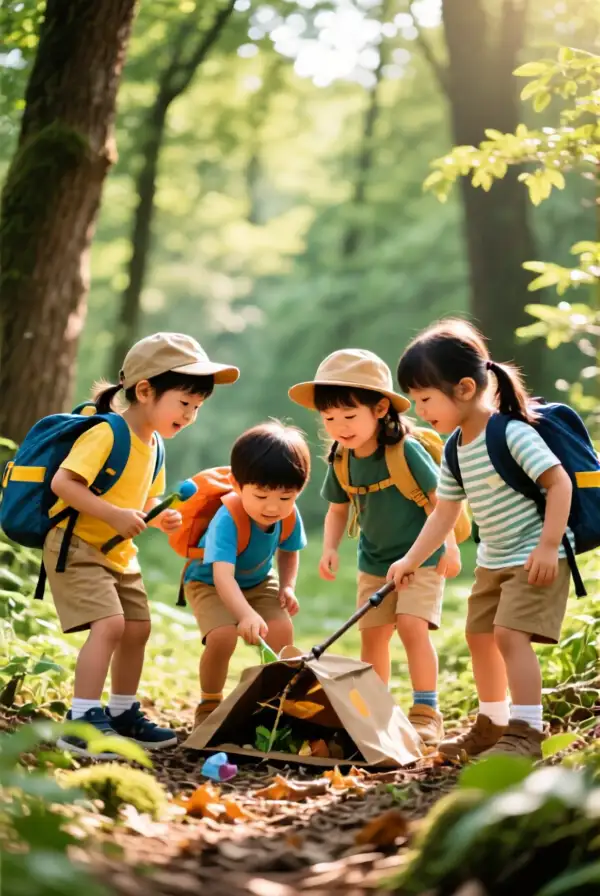
Organize an outdoor nature scavenger hunt to explore the environment! Provide a list of natural items for kids to find—like leaves, stones, or flowers. This encourages teamwork and exploration while connecting science to their surroundings.
Moreover, it allows kids to learn about biodiversity and the importance of nature in their ecosystems. They will gain appreciation and curiosity about the world as they embark on their adventures!
Balloon Rockets Activity
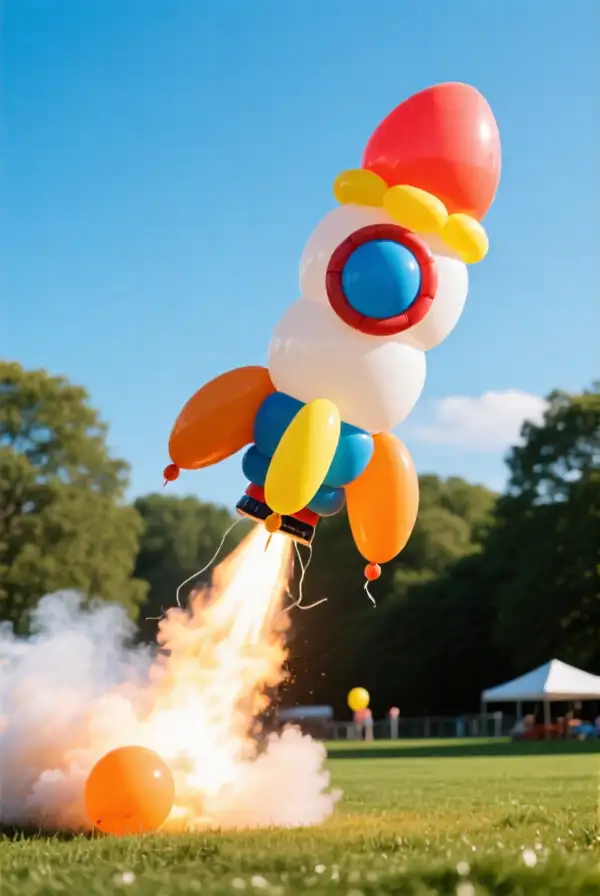
Blast off with a balloon rockets activity! Attach a balloon to a straw on a string and watch it zoom when the air escapes. Kids will be fascinated by the forces at play and get insights into aerodynamics.
By discussing propulsion and air pressure, this experiment invites plenty of questions and hands-on exploration. It’s a thrilling way to engage children with basic physics and ignite their interest in rockets!
Science Journals for Observation
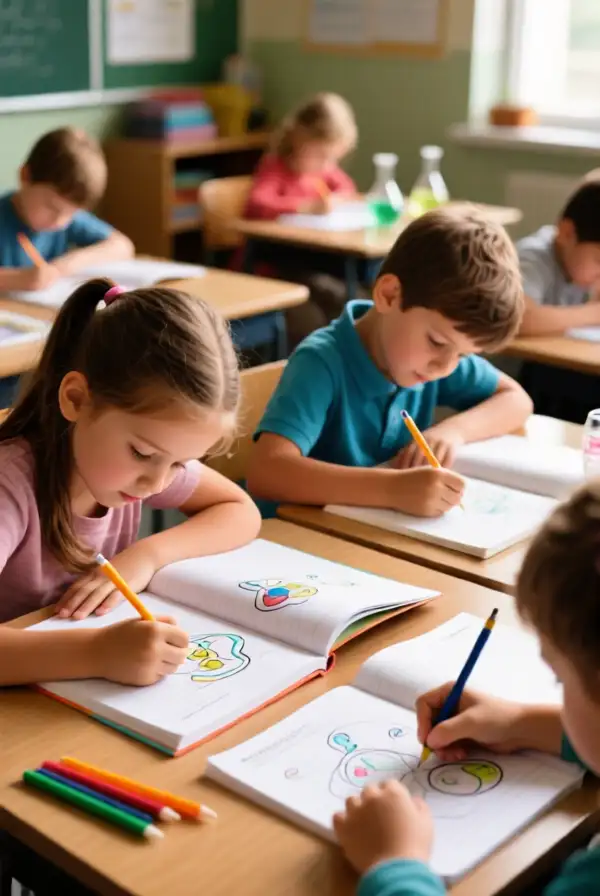
Establish a science journal for each preschooler to record their experiments and observations. Encourage them to illustrate or write about their findings for every activity. This promotes documentation and reflection on their learning processes.
Keeping a science journal helps reinforce learning and build literacy skills. Children will take pride in their discoveries and want to share their experiences, fostering a love for science that can last a lifetime.
Stars and Planets In Your Room
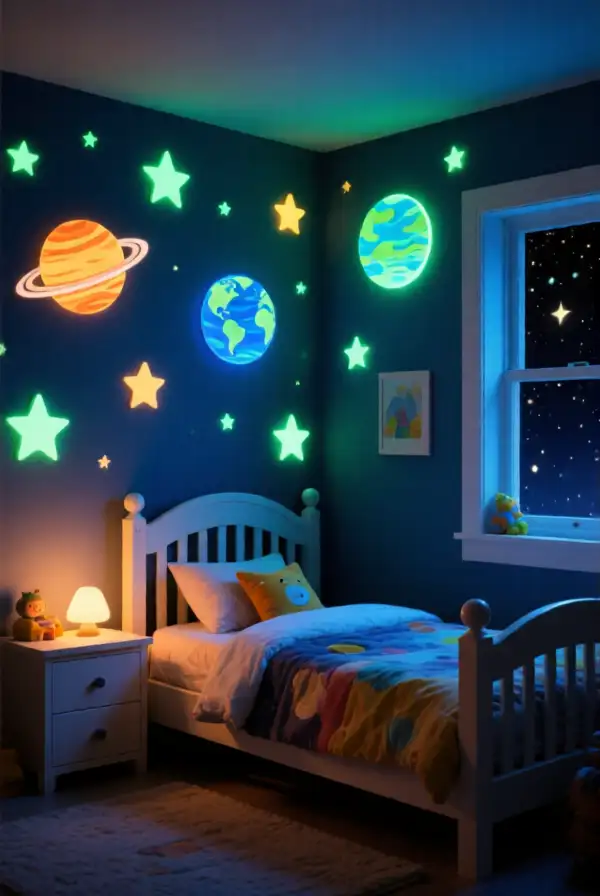
Bring the universe indoors! Create star and planet decorations with your preschoolers. Use glow-in-the-dark stickers to adorn their room, encouraging them to learn about the solar system and celestial bodies.
This fun activity stirs interest in astronomy while lighting up their space. It inspires kids to ask questions about the universe and broadens their understanding of space science, making learning fun and engaging!
The Senses Exploration Station
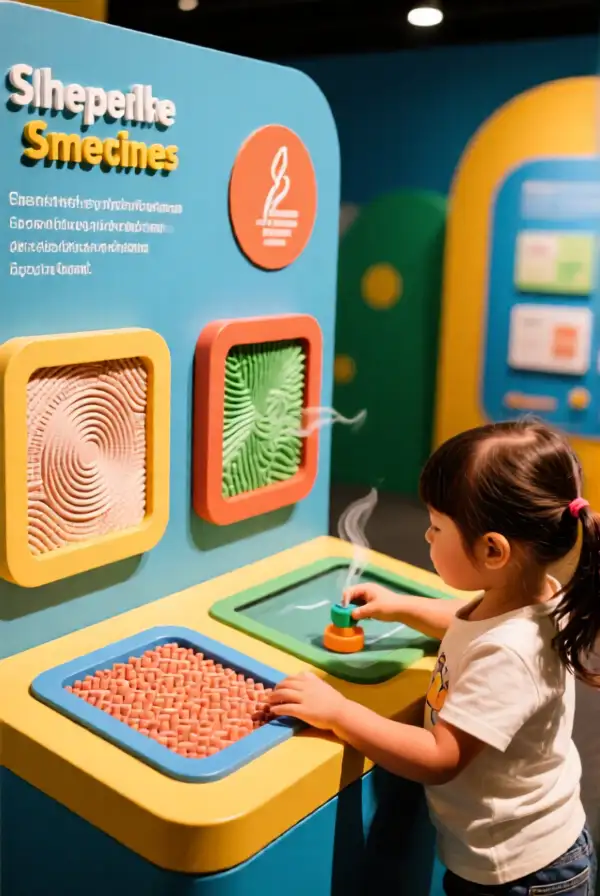
Create a senses exploration station with various textures, smells, and sounds to engage preschoolers. Let them guess what they feel or smell using their senses, discussing the importance of each one.
This sensory experience promotes curiosity and cognitive development while allowing children to actively participate in their learning process. By exploring their senses, they gain insights into their bodies and the world around them.
With these 22 fun science activities, you’re all set to inspire the budding scientists in your life! Each experiment is not only enjoyable but also an educational experience filled with exploration and discovery.