
Understanding different parenting styles can help you find the right approach for your family. This post demystifies 22 unique parenting types, breaking them down into simple explanations for easier comprehension. Whether you’re a new parent or simply exploring various parenting methods, this guide can serve as a valuable resource.
1. Authoritative Parenting
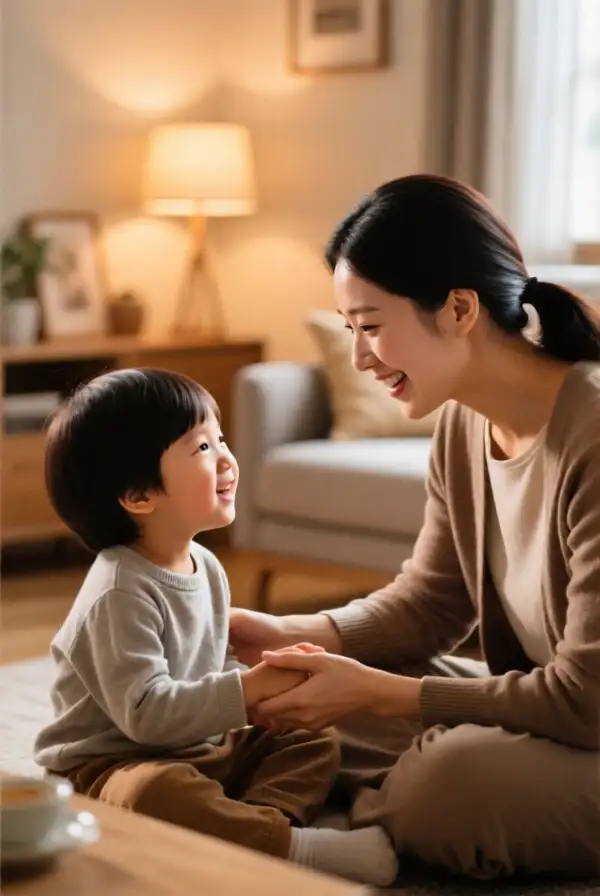
Authoritative parenting combines warmth and structure, emphasizing supportive communication. Parents who adopt this style set clear boundaries while also encouraging independence, leading to well-rounded, confident children.
This balanced approach fosters a child’s sense of responsibility and self-discipline. Children raised in authoritative households typically excel academically and socially, benefiting from the blend of guidance and autonomy.
2. Authoritarian Parenting

Authoritarian parenting is characterized by high demands and low responsiveness. Parents following this style enforce strict rules, expecting children to comply without question. This can lead to obedient but potentially anxious children.
While this style aims for control, it often lacks emotional support. Children may struggle with self-esteem and social skills due to reduced freedom and limited communication with parents.
3. Permissive Parenting

Permissive parenting is marked by indulgence and a lack of discipline. Permissive parents are typically nurturing and communicative but may struggle to enforce rules and expectations. This can result in children who are more rebellious.
While the emotional bond may be strong, children raised in permissive households may struggle with authority and structure, which can present challenges as they grow older.
4. Uninvolved Parenting

Uninvolved parenting is marked by a lack of responsiveness to a child’s needs. Parents may be emotionally distant, neglectful, or overwhelmed, leading to minimal guidance and interaction. This approach often results in children feeling abandoned.
Children from uninvolved homes may experience difficulties in emotional regulation, social skills, and self-esteem. Early intervention and support can help mitigate some of these challenges.
5. Attachment Parenting
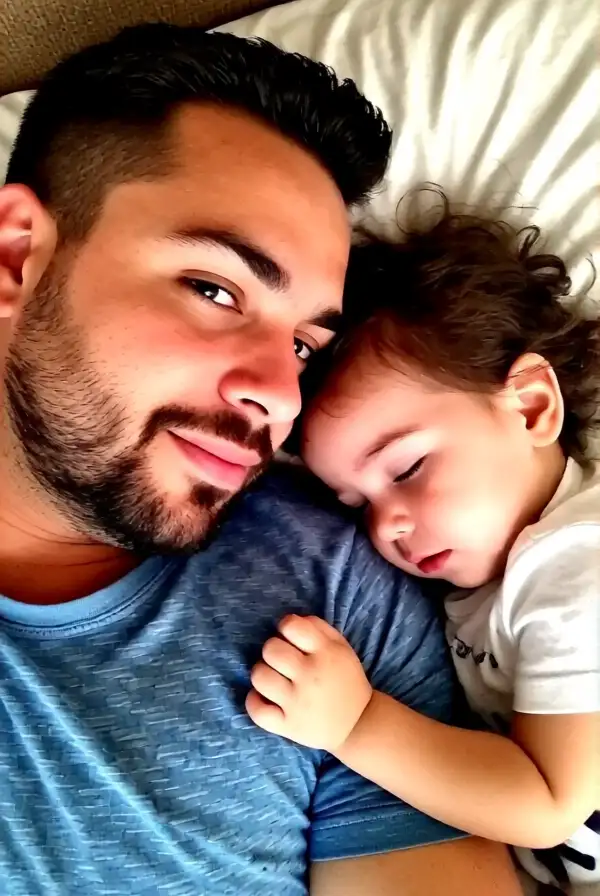
Attachment parenting focuses on nurturing a close bond between parent and child, often through practices such as co-sleeping and extended breastfeeding. The aim is to foster a secure attachment that supports emotional development.
This approach creates trusting relationships, encouraging children to explore the world comfortably. Advocates believe that the emotional security gained in infancy leads to better connections in later life.
6. Free-Range Parenting
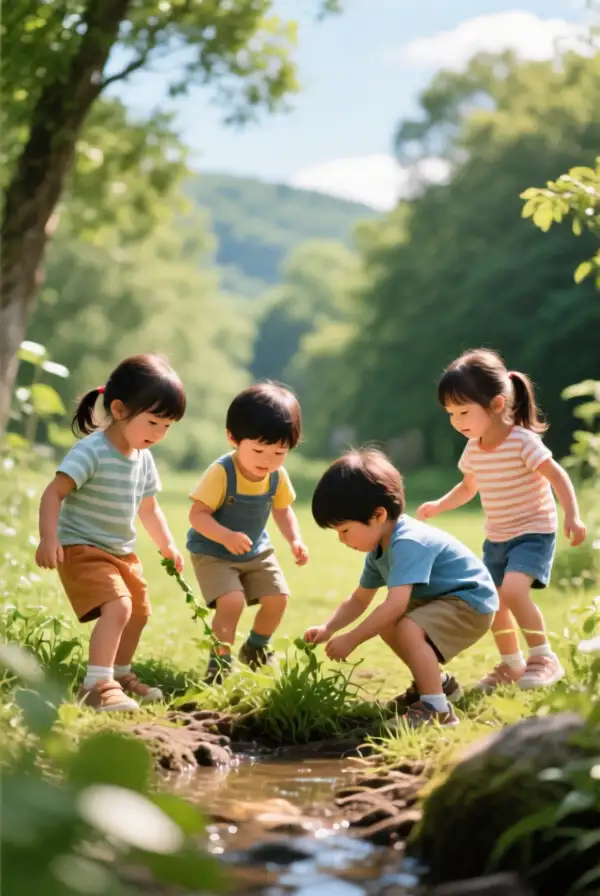
Free-range parenting promotes independence and self-sufficiency in children. Parents allow their children to explore and make decisions, often giving them more freedom than is typical. This approach builds confidence and life skills.
While it fosters responsibility, it’s essential to balance freedom with guidance to ensure safety. Free-range parents advocate for teaching children to be cautious while exploring their independence.
7. Positive Parenting
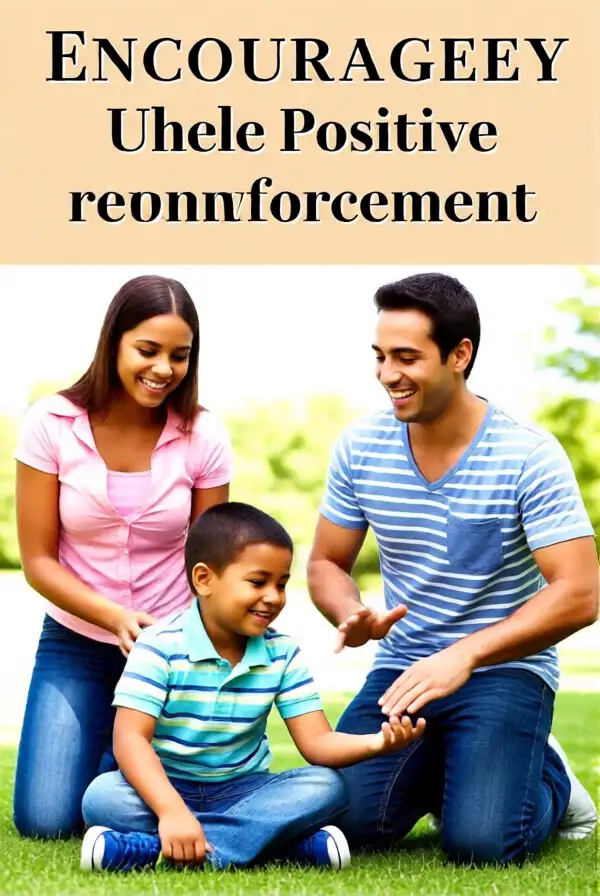
Positive parenting emphasizes positivity and encouragement instead of punishment. This style focuses on building a strong emotional connection and teaching children to express their feelings constructively.
By fostering positive self-esteem and emotional intelligence, positive parenting aims to cultivate empathetic and resilient children, equipping them for various life challenges.
8. Helicopter Parenting
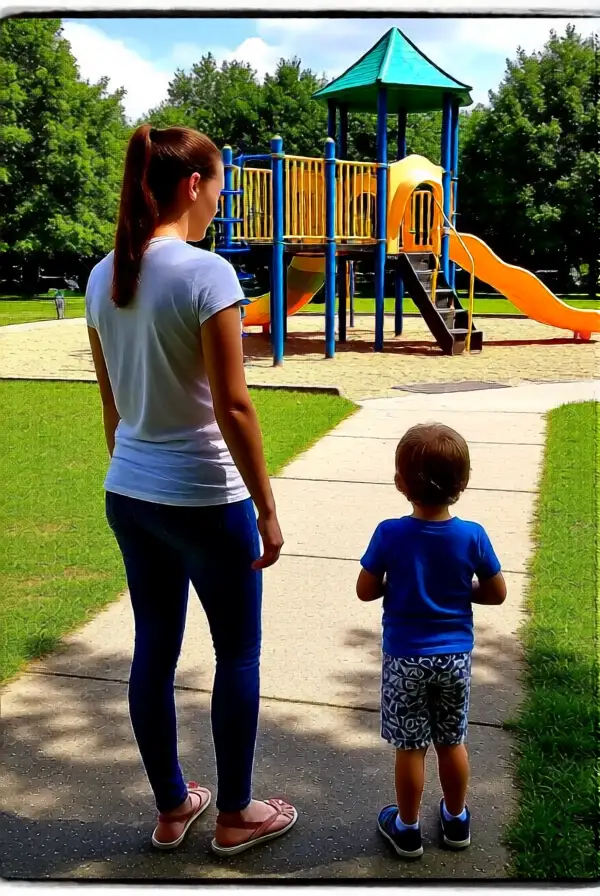
Helicopter parenting refers to an overprotective style where parents are excessively involved in their children’s lives, often hovering to ensure their safety and success. While this approach stems from care, it can impede a child’s autonomy.
This parenting style may result in children who struggle with independence, as their experiences are heavily shielded. Balancing guidance with freedom is crucial for healthy development.
9. Dance Parenting
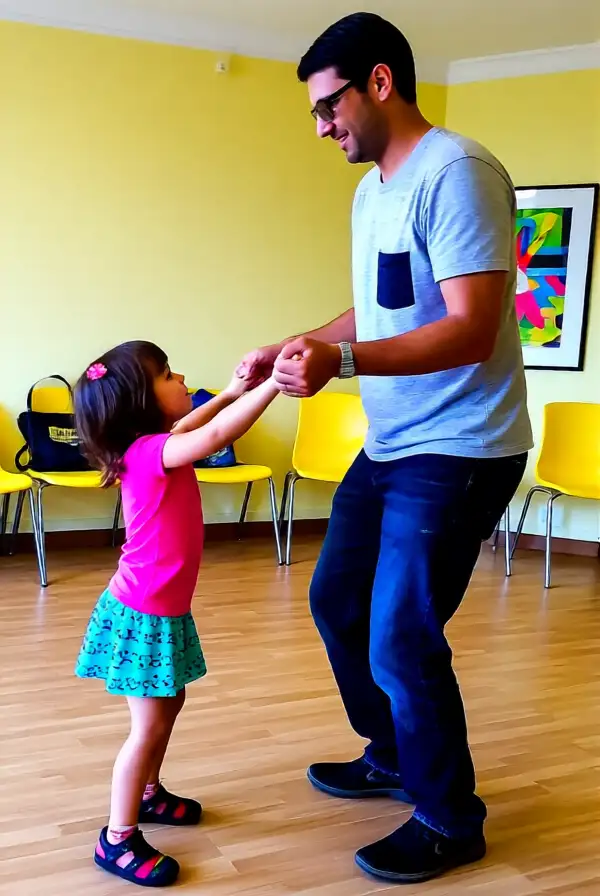
Dance parenting encourages creativity and movement by involving children in dance and physical activity. This parenting type promotes physical health and emotional expression through a fun and engaging outlet.
By sharing the joy of dance, parents foster a love for activity and creativity in their children. This type of parenting also cultivates confidence and coordination in young ones.
10. Tiger Parenting
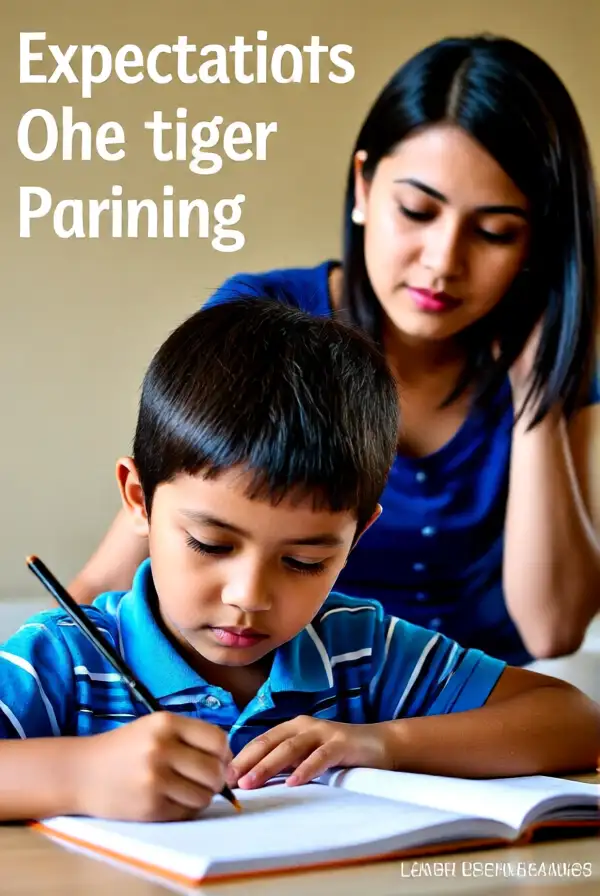
Tiger parenting is a strict, demanding style asserting high expectations, particularly in academic and extracurricular achievements. Parents often push their children to excel, emphasizing discipline and hard work.
This approach can yield successful results; however, it may also create high-pressure environments leading to anxiety and burnout in children. A balance between achievement and well-being is crucial.
11. Gentle Parenting
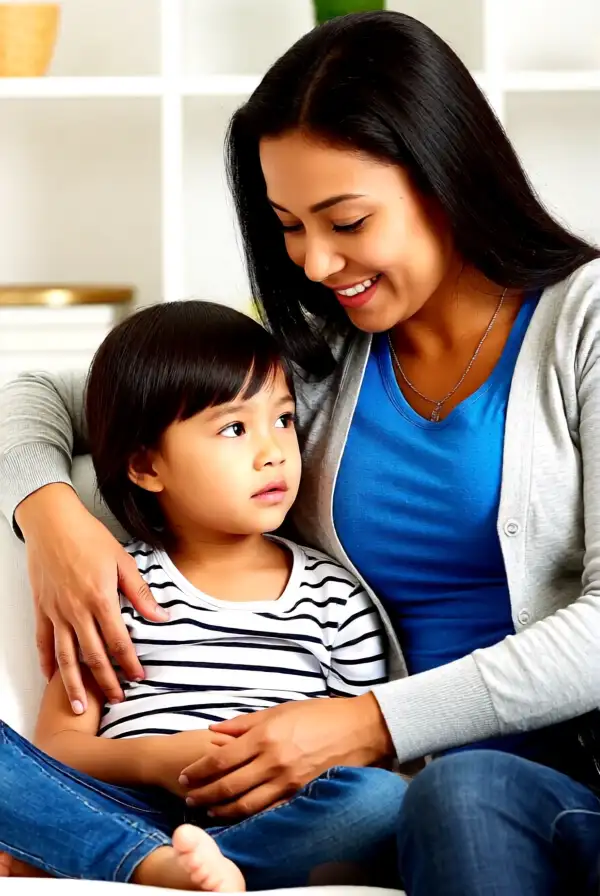
Gentle parenting focuses on empathy, understanding, and respect, prioritizing emotional connection over discipline. Parents using this approach guide behavior with compassion rather than punishment.
By fostering open communication and a nurturing environment, gentle parenting encourages children to develop emotional intelligence and strong relationships with others.
12. Respectful Parenting
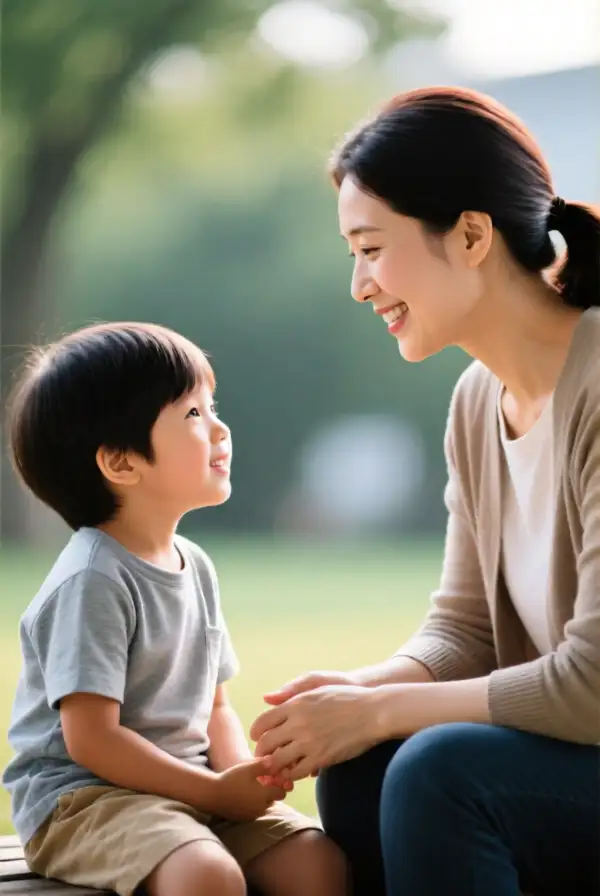
Respectful parenting emphasizes treating children as equals, fostering communication and mutual respect. This style enhances children’s self-awareness and reinforces their understanding of boundaries and autonomy.
By actively valuing children’s thoughts and feelings, respectful parents cultivate confident individuals who understand the importance of healthy relationships and boundaries.
13. Mindful Parenting
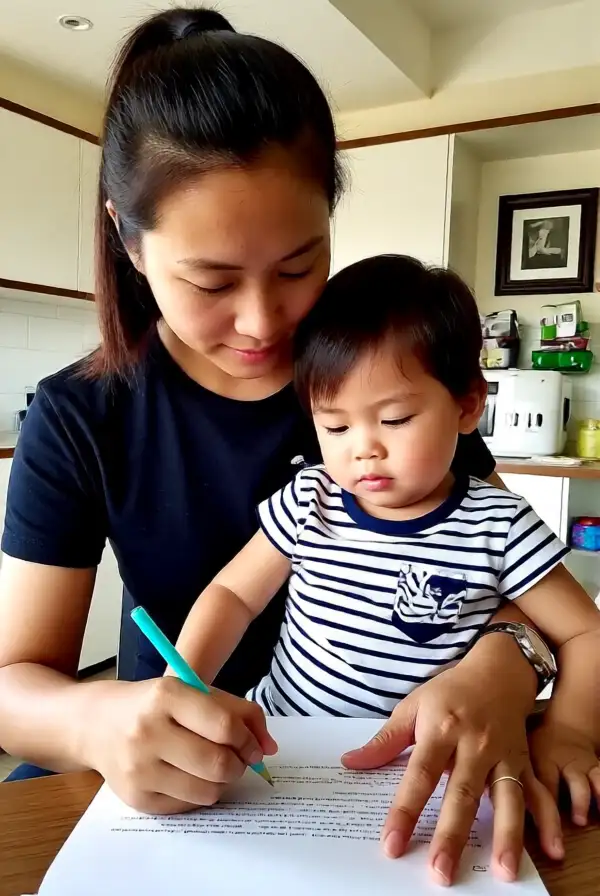
Mindful parenting incorporates attention and presence in daily interactions with children. This style advocates being fully engaged in the moment, promoting emotional awareness for both parents and children.
Mindful parenting encourages reflection and patience, supporting emotional regulation and deeper connections. Practicing mindfulness fosters resilience and understanding within the family unit.
14. Spiritual Parenting

Spiritual parenting integrates spirituality and values into daily family life, encouraging children to develop their own beliefs and sense of purpose. This approach fosters deeper emotional connections and discussions about life’s meanings.
By highlighting shared values and experiences, spiritual parenting supports emotional growth while instilling morals and ethics that can guide children through life.
15. Eco-Conscious Parenting
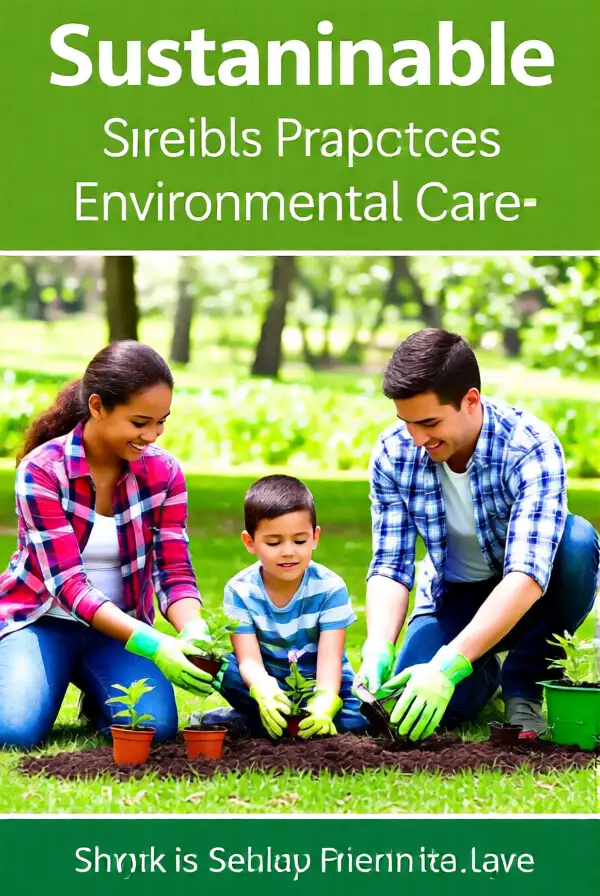
Eco-conscious parenting involves making sustainable choices and teaching children about environmental care. This approach fosters responsibility toward nature and encourages children to consider their environmental impact.
By incorporating green values, eco-conscious parenting nurtures awareness and respect for the planet, shaping eco-literate children who strive for sustainable living.
16. Critical Parenting
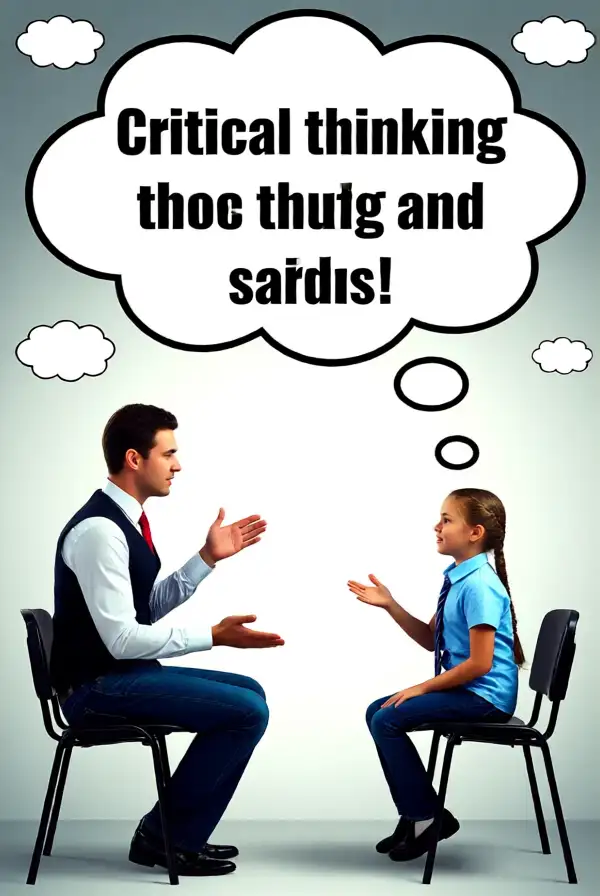
Critical parenting encourages children to question norms and think critically about various issues. This style promotes open discussions, fostering analytical skills and independent thinking.
Through this approach, children learn to express their opinions and challenge ideas constructively, preparing them for the complexities of adult life.
17. Traditional Parenting

Traditional parenting often upholds established norms, focusing on structure, discipline, and familial values. This style emphasizes respect for authority while promoting strong family ties.
Though it provides a clear framework, traditional parenting may lack flexibility. Balancing tradition with modern insights can enhance its effectiveness in today’s world.
18. Collaborative Parenting
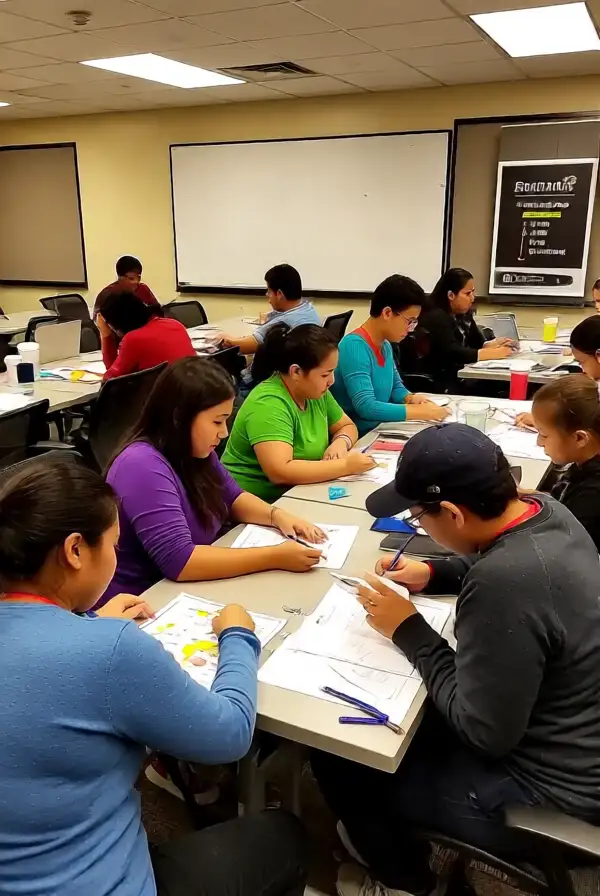
Collaborative parenting involves shared responsibilities among parents, caregivers, and children, promoting teamwork in family duties. This style encourages negotiation and communication while fostering a cooperative environment.
By involving children in decision-making, collaborative parenting nurtures autonomy and enhances problem-solving skills, empowering them within the family structure.
19. Nomadic Parenting

Nomadic parenting embraces a lifestyle of travel and exploration. Parents engaging in this style encourage their children to experience diverse cultures, fostering adaptability and open-mindedness.
This approach promotes real-world learning through adventure while enriching family bonds through shared experiences on the road.
20. Stepparenting
Stepparenting involves navigating relationships within blended families, often requiring open communication and empathy. This style emphasizes the importance of building trust and connection with stepchildren.
Successfully managing these dynamics can lead to strong family bonds, providing children with a sense of stability and support despite changes in their family structure.
21. Cultural Parenting
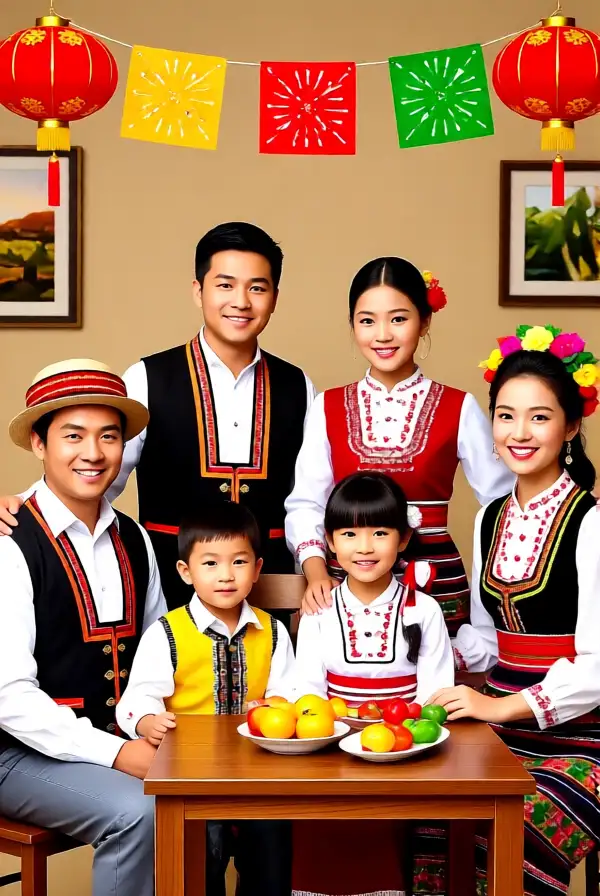
Cultural parenting is rooted in preserving and promoting cultural heritage and traditions within the family. Parents focus on passing down values, language, and customs, enriching children’s identity.
This approach nurtures a strong sense of belonging while preparing children to navigate their cultural landscapes with pride and understanding.
22. Technological Parenting

Technological parenting merges parenting with digital awareness, guiding children in navigating the virtual world. This style focuses on teaching safe internet use and healthy tech habits.
By emphasizing balance and educational technology, technological parenting equips children to thrive in a digital age while maintaining real-life connections.
By exploring these 22 parenting styles, you gain insights into the various approaches that can shape child-rearing. Understanding them helps you make informed choices that align with your family’s values and needs, ultimately fostering positive development in your children.