
Discover 22 inspiring small home garden layouts perfect for maximizing your outdoor space. Whether you have a balcony, patio, or a small yard, these layouts will help you create a beautiful and functional garden that reflects your style.
Utilizing Vertical Space in Small Gardens
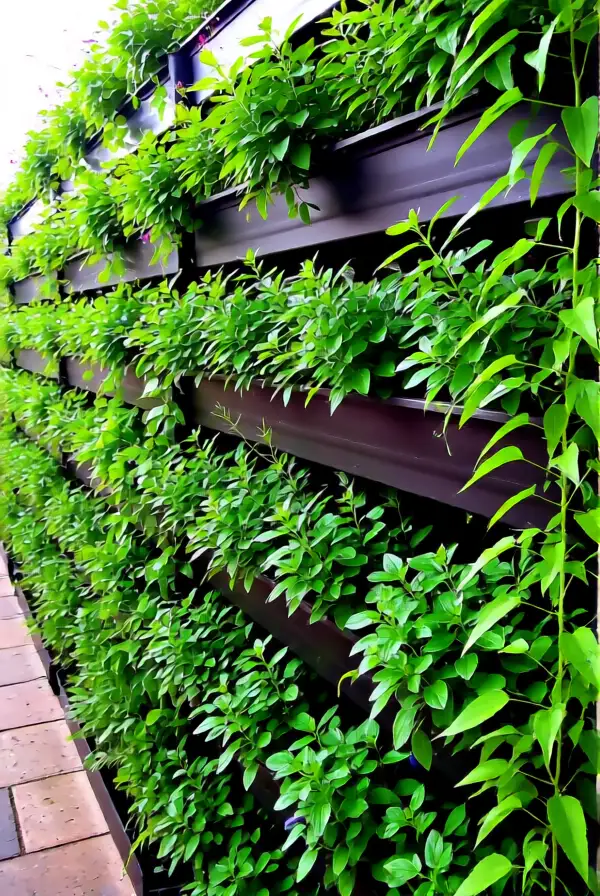
Vertical gardening is an innovative way to maximize space in small gardens. By using wall planters, trellises, and hanging pots, gardeners can create visually stunning displays that are both functional and beautiful. This technique is especially useful for growing herbs and flowers while keeping the ground space free for other plants.
Consider incorporating a living wall or vertical shelf filled with vibrant plants. With the right selection of flora, your vertical garden can serve as an eye-catching focal point, adding depth and character to your outdoor area.
Creating Cozy Nooks
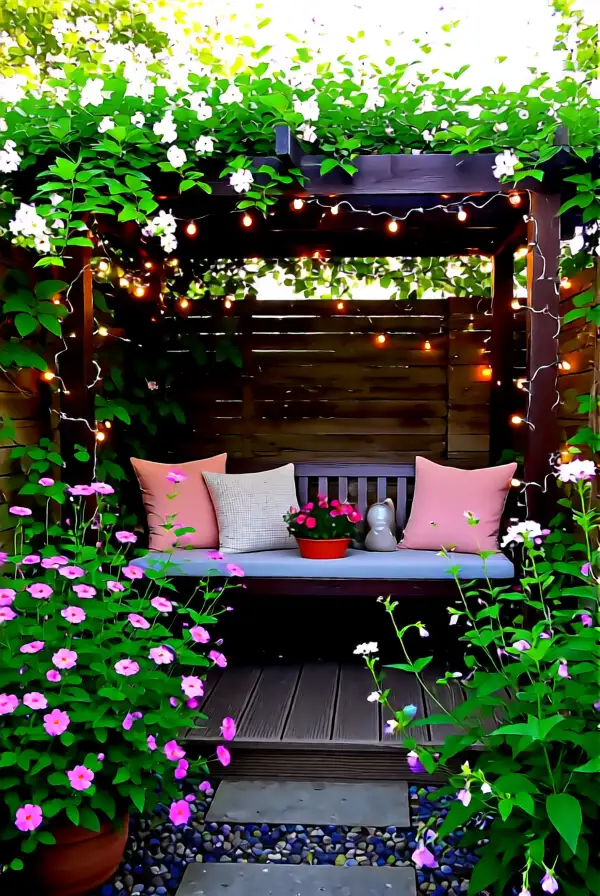
Small gardens can still provide intimate spaces for relaxation and enjoyment. Design a cozy nook using outdoor furniture, cushions, and decorative elements like fairy lights. A small bench or a few comfortable chairs placed among greenery can create a perfect retreat.
Adding a small table for drinks or snacks further enhances this space. Enclosing it with climbing plants or decorative trellises can offer privacy while keeping the area inviting and warm.
Layering Plants for Depth
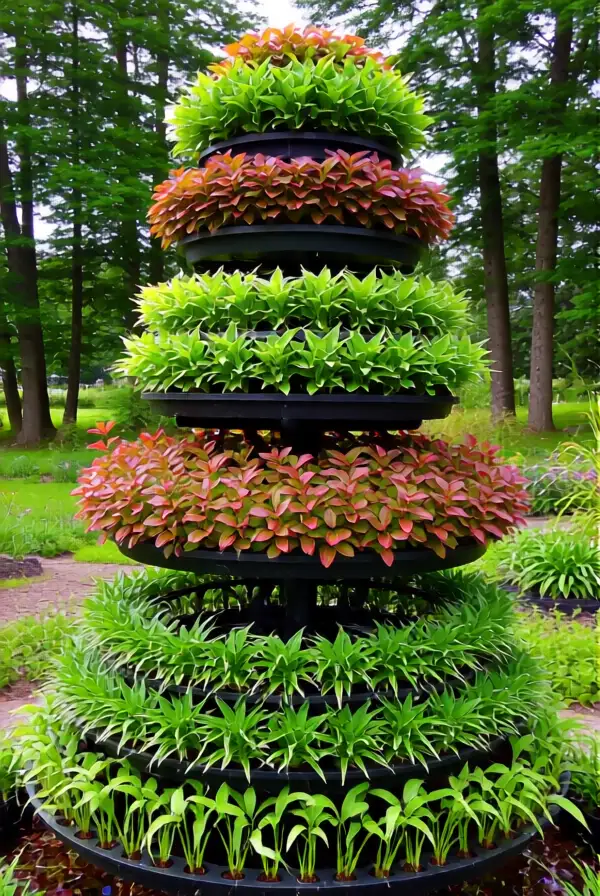
Layering different heights of plants adds visual interest and depth to any garden space. Tall plants at the back, mid-sized plants in the middle, and smaller ones at the front create a tiered effect that enhances the overall aesthetic of your garden.
This method not only makes your garden look fuller but also ensures that each plant receives adequate sunlight. Incorporate various textures and colors to make the most out of your limited space.
Incorporating Edible Plants
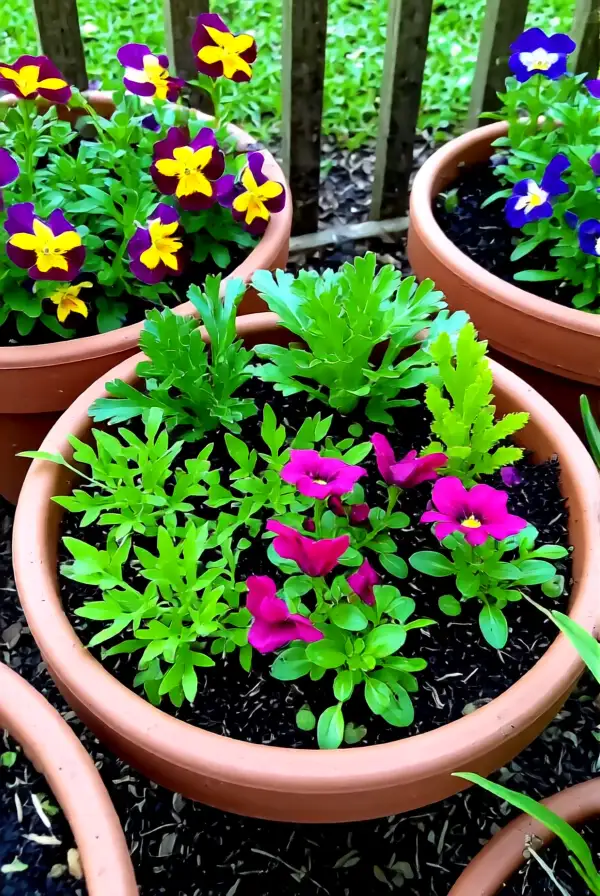
Transform your small garden into a productive space by incorporating edible plants. Herbs, vegetables, and fruits can be grown alongside decorative plants, creating a beautiful yet functional garden.
Consider using containers or raised beds to optimize your output while keeping maintenance manageable. This approach not only enhances the look of your garden but also provides delicious, fresh produce right at your doorstep.
Utilizing Container Gardening
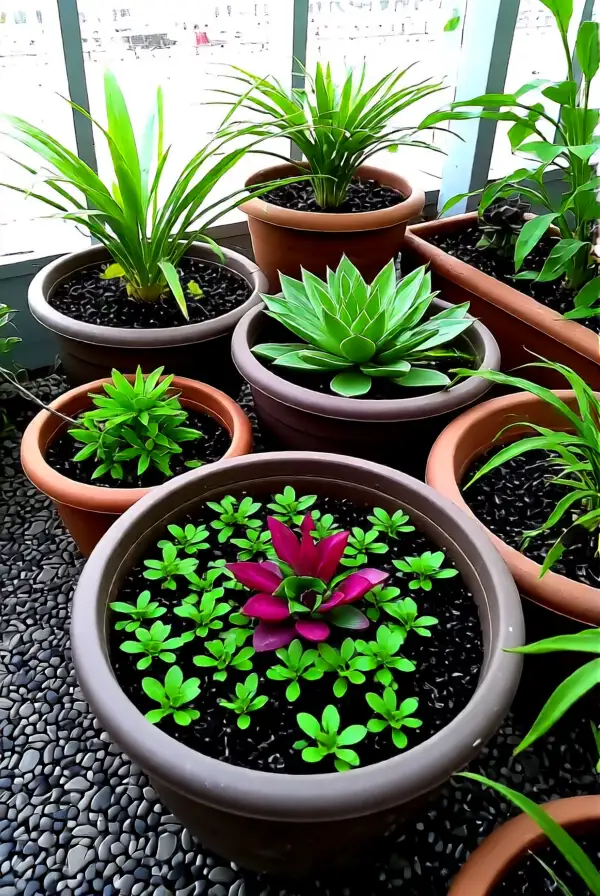
Container gardening is an excellent solution for small spaces. Flexible and mobile, containers can hold a variety of plants, from flowers to vegetables, allowing for creativity in layout and design.
Using different sized and styled containers can create visual intrigue. Also, you can group containers to define spaces in your garden, making it feel larger and more organized.
Using Ground Cover Plants
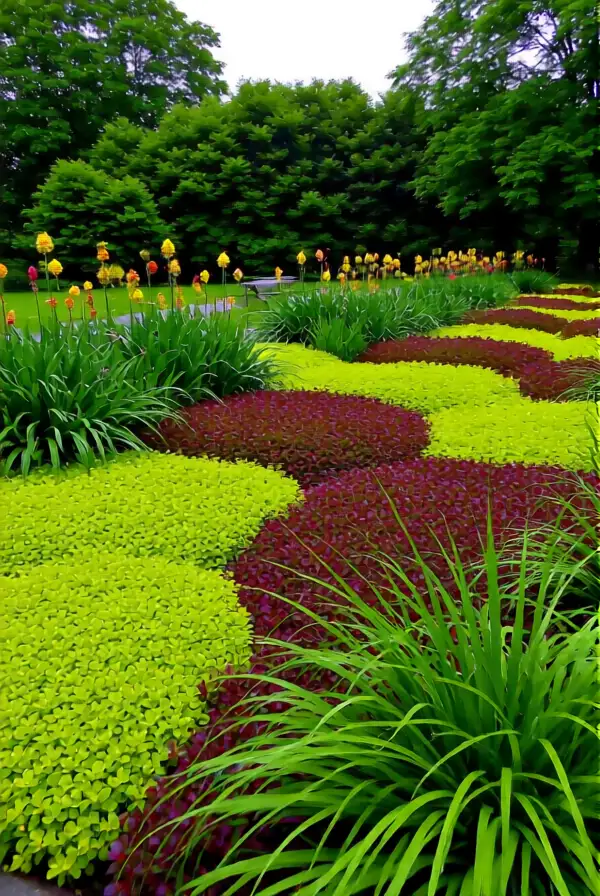
Ground cover plants are essential in small gardens for adding texture and color without taking up too much space. These low-growing plants can fill gaps between larger plants, helping to prevent weeds while beautifying your garden.
Choose a mix of flowering and non-flowering ground covers to keep the garden vibrant throughout the seasons. They create a lush, unified look, enhancing the visual appeal of your small outdoors.
Planning for Seasonal Change
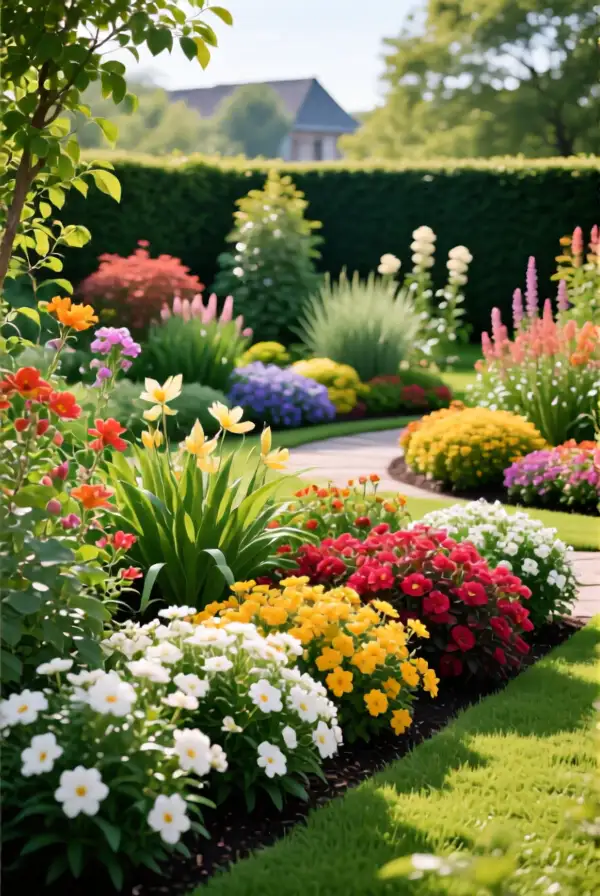
Incorporating plants that bloom at different times can keep your garden looking fresh year-round. Seasonal changes can be planned by layering flowers to ensure that something new is always popping up.
Research your local climate to select plants that will thrive throughout the seasons. This proactive planning helps you maintain a lively and colorful garden, regardless of the time of year.
Incorporating Hardscaping
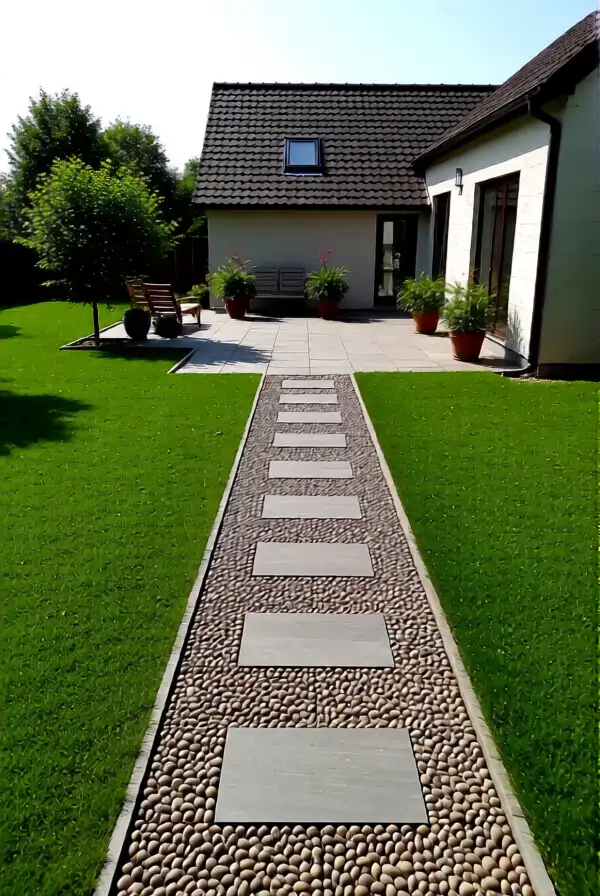
Hardscaping elements like paths, patios, and borders can contribute significantly to small home gardens. They provide structure and guide visitors through the space while presenting an opportunity to add creativity through materials and designs.
Consider using pavers in interesting patterns or adding a small patio for outdoor dining. These areas can also reflect your personal style, making the garden not only a place for plants but also for social gatherings.
Choosing the Right Plants
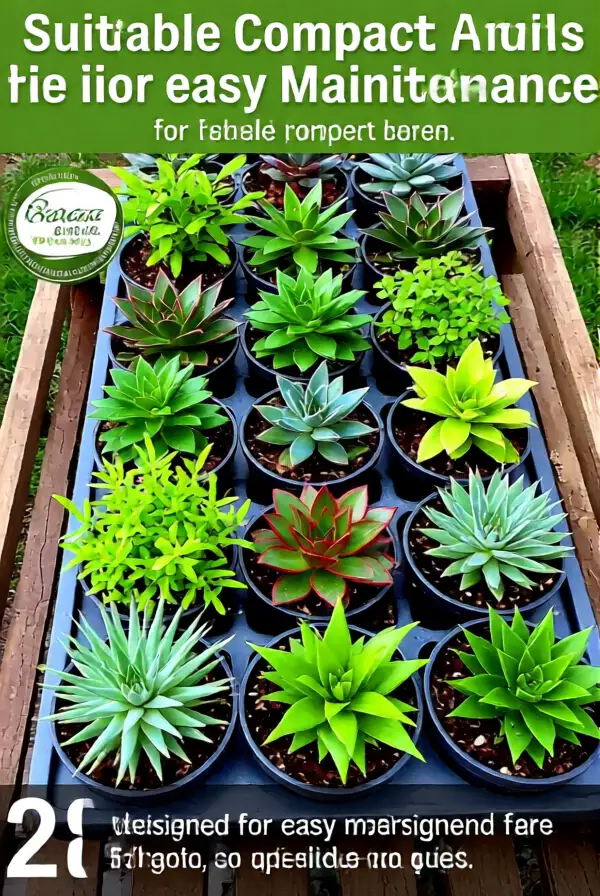
Selecting the right plants is crucial for small garden success. Focus on species that are compact and low maintenance, ensuring that you can easily manage your garden without feeling overwhelmed.
Native plants are also a great choice, as they are generally better adapted to local conditions and often attract beneficial pollinators. This choice contributes to a healthy, balanced ecosystem right in your backyard.
Building Vertical Gardens
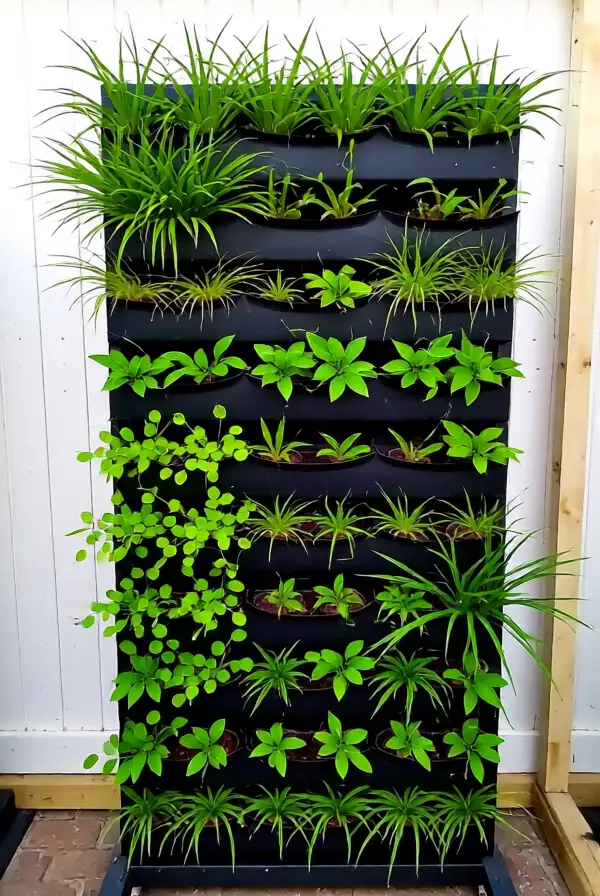
Constructing vertical gardens not only saves ground space but also adds unique design flair to small gardens. They can be built as DIY projects or purchased as ready-made systems, which can easily integrate with your existing layout.
Keep in mind the types of plants suited for vertical growth, like succulents or herbs, to ensure they thrive. These gardens can serve as artistic displays while enhancing the functionality of your outdoor space.
Creating Multi-Functional Spaces
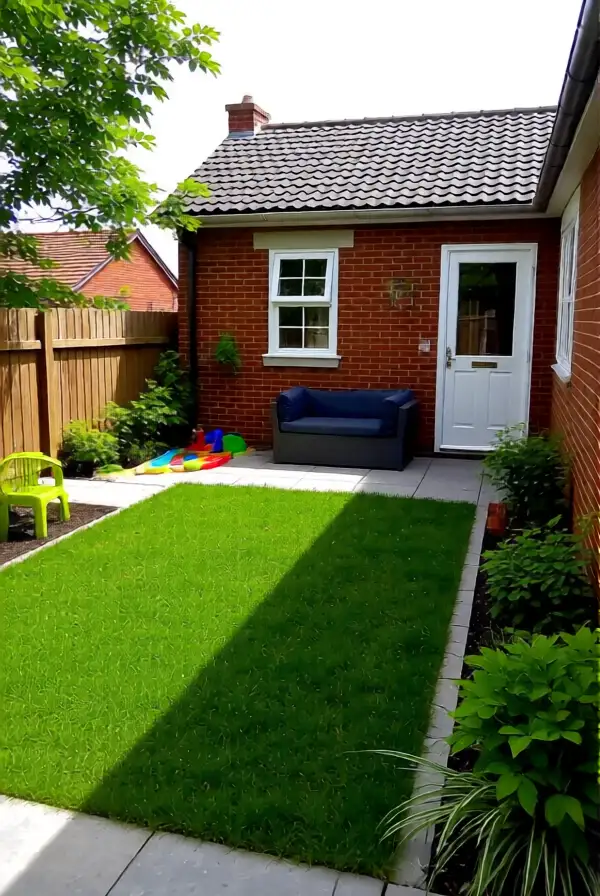
Think about how to make your small garden a multi-functional area. This could involve creating a dining space that can also serve as a gardening area or a play zone for children, allowing the garden to cater to various activities.
By carefully considering your layout and design elements, you can create a space that serves your needs and enhances your lifestyle, making the most out of every available inch.
Adding Water Features
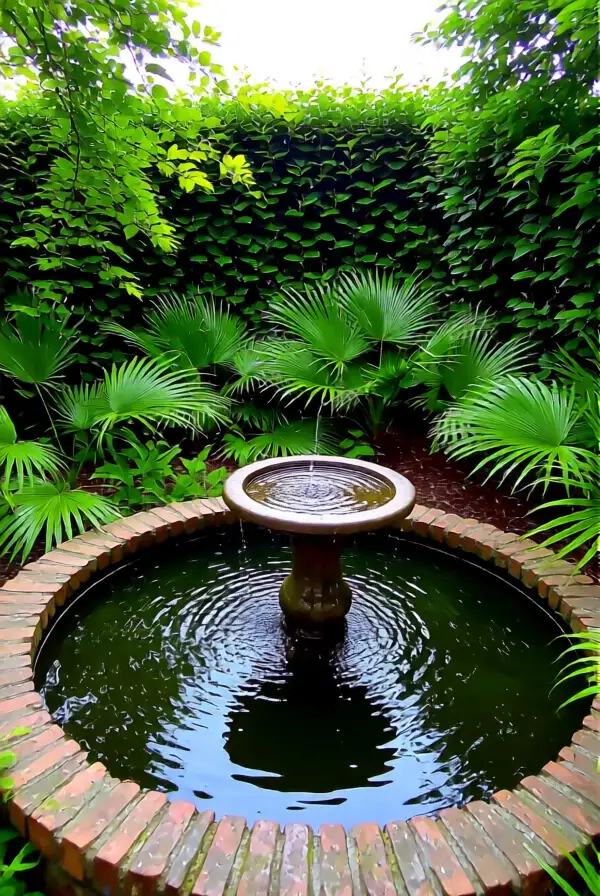
Including a small water feature, such as a fountain or pond, can add serenity and a focal point to your garden. These elements create a peaceful atmosphere and draw wildlife into your space.
Choosing the right water feature that complements your garden’s size can enhance its charm and richness. Consider maintenance levels, too, ensuring that whatever you select fits your lifestyle.
Incorporating Color Themes
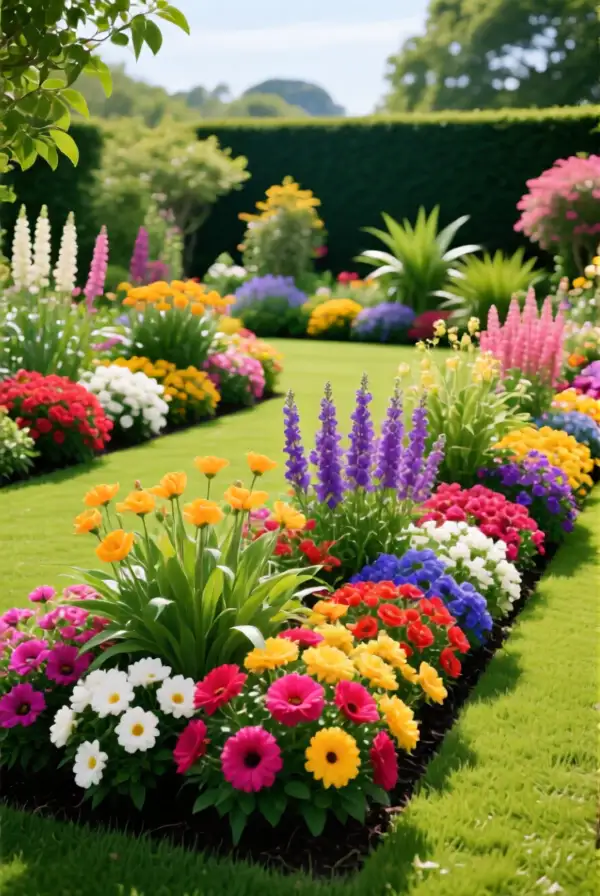
Color plays a vital role in garden design. Plan your floral displays and plant choices around a common color theme to create harmony. Use bold colors for a vibrant look or soft pastels for a more tranquil environment.
Consistency with color choice can lead to a more polished and cohesive feel, bringing all elements of your small garden together in a beautiful arrangement.
Embedding Lighting Solutions
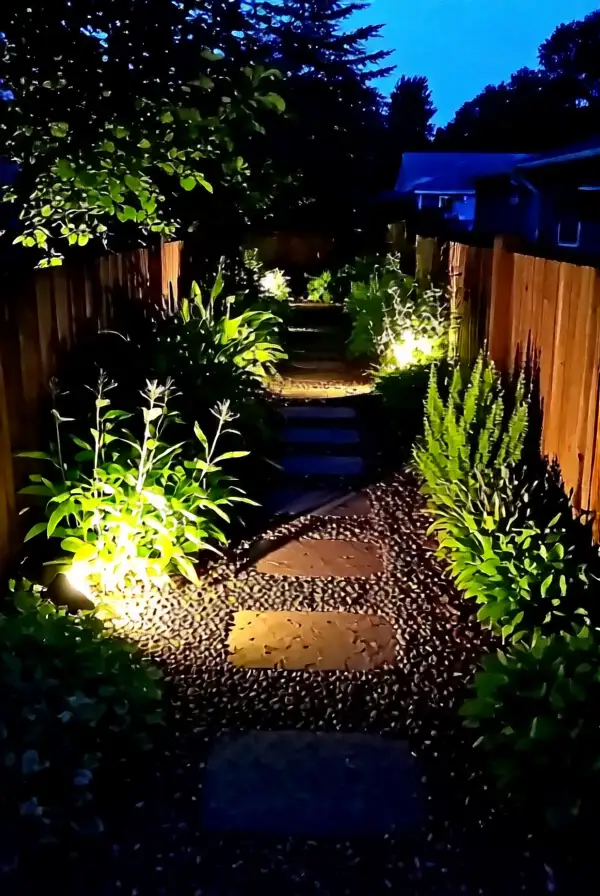
Proper lighting can transform a small garden, making it usable even in the evening. Installing fairy lights, lanterns, or built-in path lights creates warmth and ambiance while highlighting your garden’s beauty.
Choose energy-efficient lighting options to keep your garden both eco-friendly and cost-effective. This thoughtful touch enhances the atmosphere, perfect for late-night gatherings or quiet evenings outside.
Creating Pathways
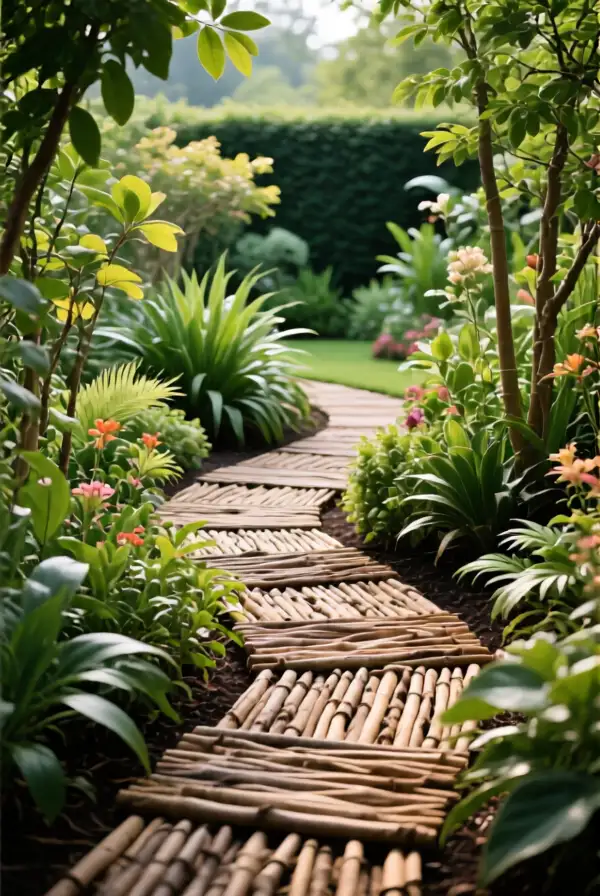
Pathways help organize small gardens and make navigation easier. Whether made from stone, gravel, or wood, they can lead visitors through different sections of your space, encouraging exploration and enjoyment of your plants.
In narrow or tight areas, opt for slim pathways that don’t take up too much room while still providing a functional and attractive way to connect different parts of your garden.
Planting in Layers
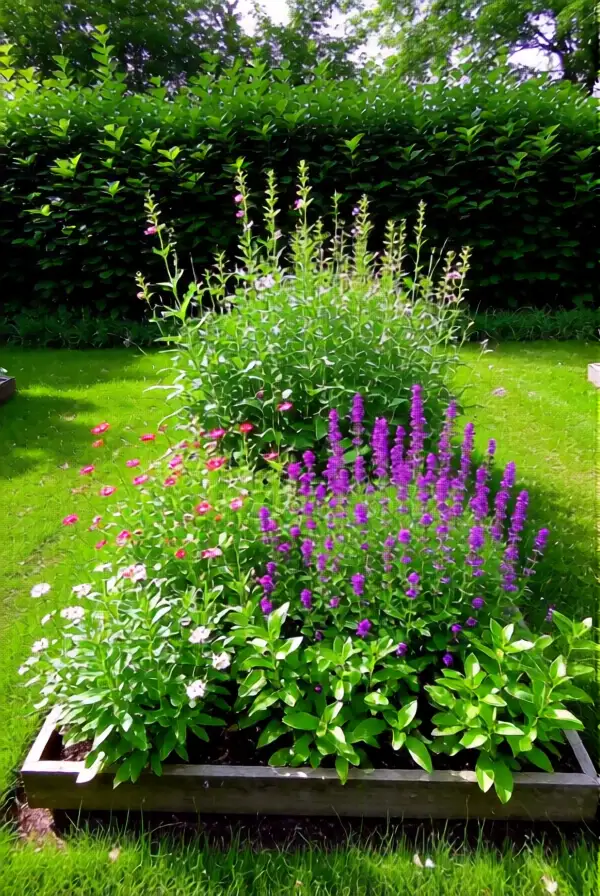
Layering is a strategic approach to planting in small spaces. Planting taller items in the back, medium plants in the center, and smaller blooms at the front creates depth without overwhelming the area.
This technique can also provide support for climbing plants and improve light access, ensuring each section of your garden thrives. Experiment with colors and sizes for creative and functional designs.
Incorporating Seasonal Decor
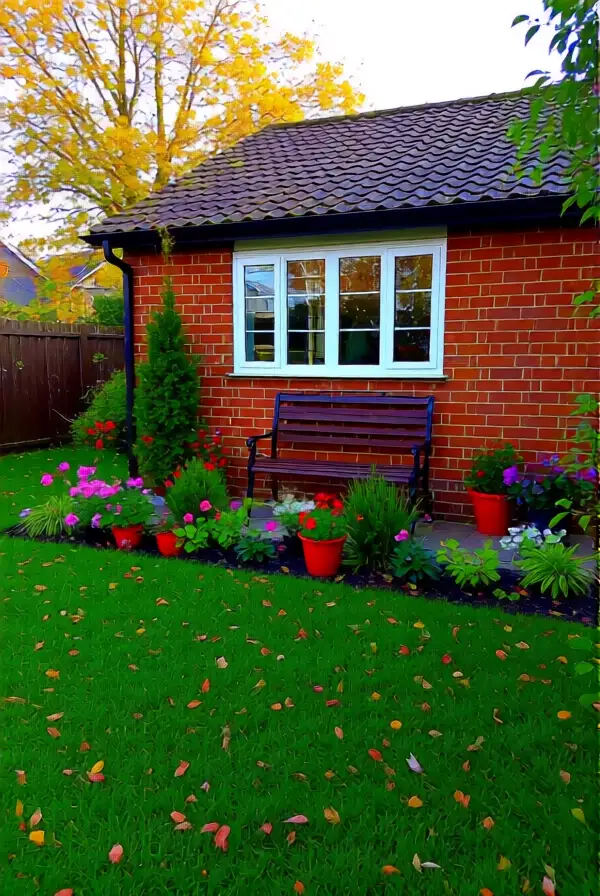
Adding seasonal decor enhances the charm and vibe of your garden throughout the year. This could involve changing flower pots, decorative elements, or seasonal plants that reflect the time of year.
Utilizing wreaths, seasonal ornaments, or themed decorations can make your garden come alive with the spirit of each season, keeping it captivating and exciting, no matter the time of year.
Creating Wildlife Habitats
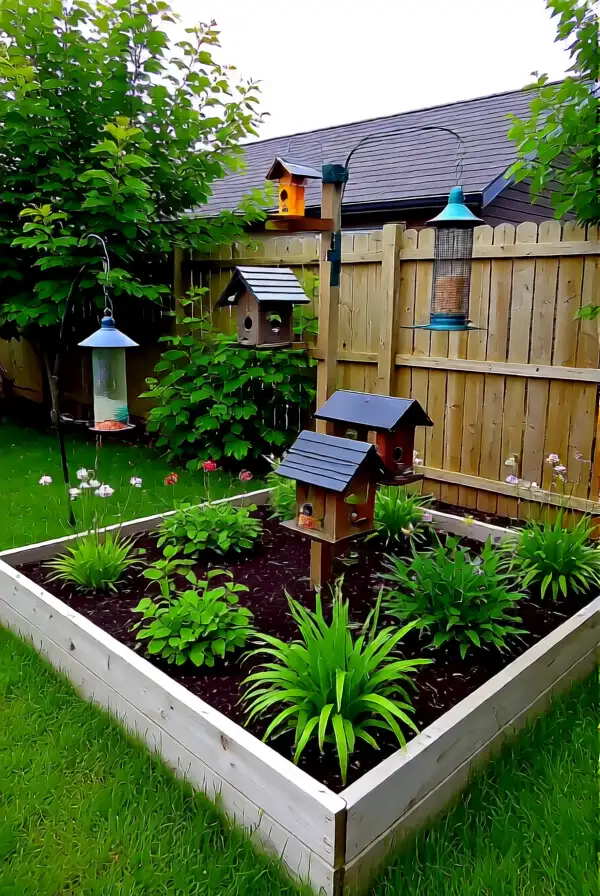
Encouraging wildlife in your small garden can enhance its beauty and create a biodiversity sanctuary. Planting native flowers, shrubs, and providing bird feeders or baths can attract diverse creatures.
This not only beautifies the space but supports local ecology, making your garden a beneficial haven for both you and the wildlife around you.
Incorporating Shade and Shelter
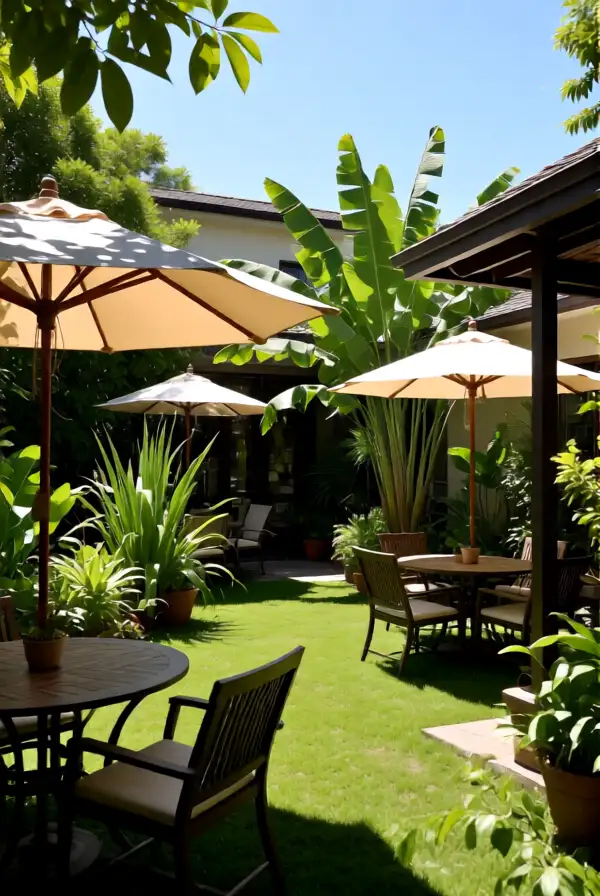
Shade and shelter are important, especially in smaller gardens where space can become sun-drenched quickly. You can use portable shade sails, umbrellas, or tall plants to create shaded areas for relaxation.
This provision will extend the usability of your garden during sunny days, allowing all to enjoy its beauty without discomfort.
Maximizing Small Balconies
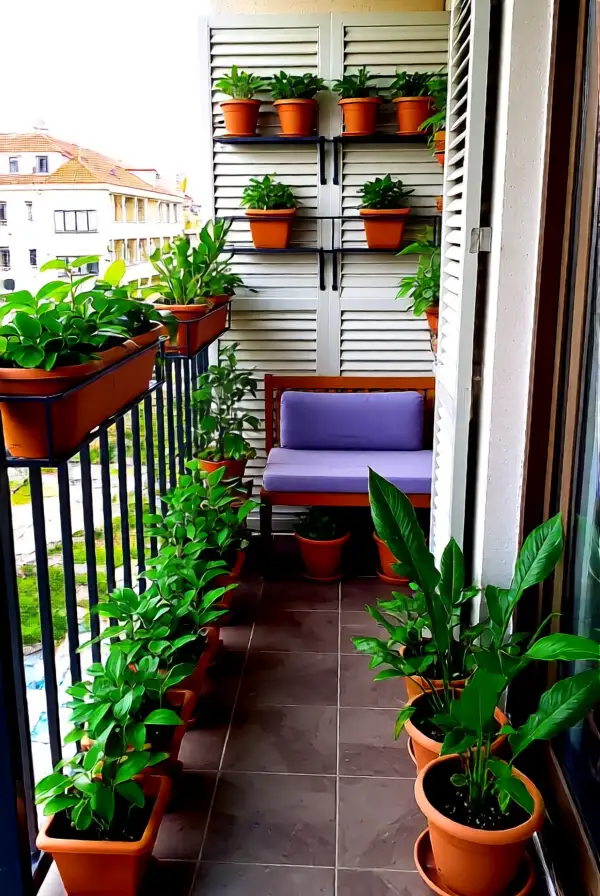
Don’t overlook balcony spaces when considering gardens. Small balconies can be transformed using plants in boxes, hanging planters, and small bistro tables, turning the area into a lush outdoor retreat.
Strategically placing plants to enhance privacy and create a green oasis can make you feel relaxed in an urban environment. With creativity, even the tiniest of spaces can be refined into charming gardens.
Incorporating Aromatic Plants
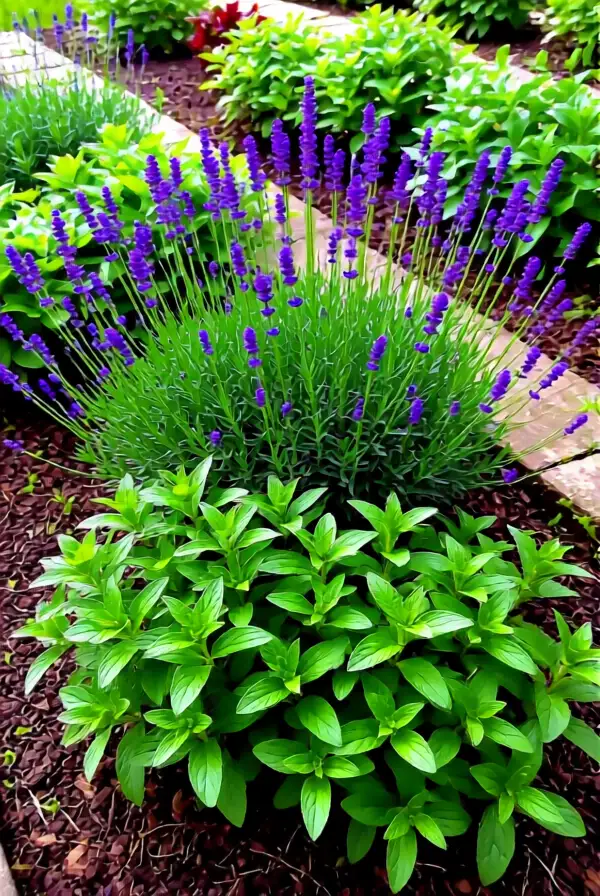
Aromatic herbs and plants enhance any garden experience. Incorporate fragrant options like lavender, rosemary, or mint that not only beautify but also add a delightful scent to your outdoor space.
These plants can be arranged strategically to create calming pathways or corners, providing both a visual treat and an aromatic journey through your garden.
Creating a small home garden opens up numerous possibilities for beauty, functionality, and personal expression. With thoughtful planning and consideration of these diverse layouts, your limited space can transform into a lush sanctuary.