
Managing sibling rivalry can be a challenge for parents, but with the right strategies, it can also be an opportunity to teach valuable lessons about cooperation and communication. In this post, we will explore 23 effective approaches to help reduce conflict and promote harmony between siblings.
Encourage Open Communication
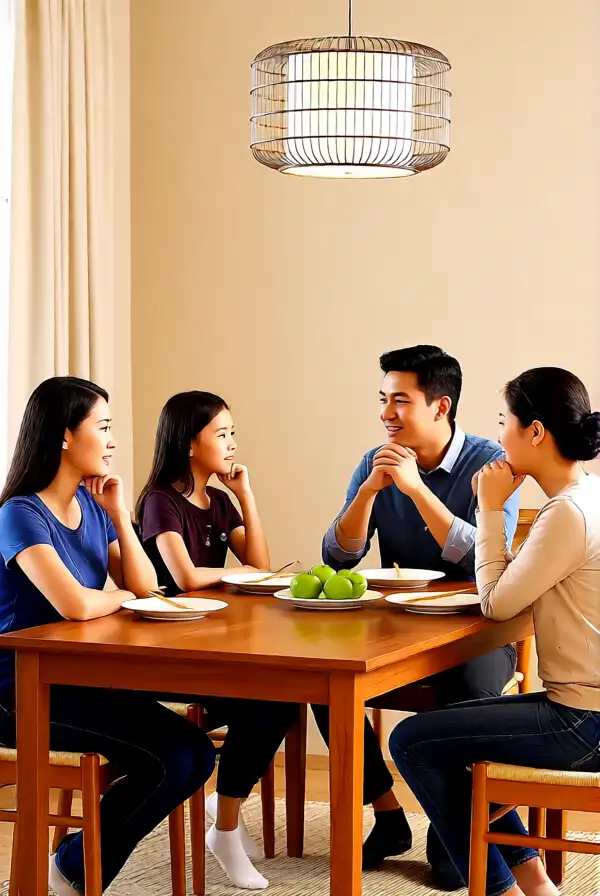
One of the first steps to resolving sibling rivalry is to establish an environment where both children feel safe to express their thoughts and feelings. Encourage them to share their perspectives and listen without interruption. This practice can promote empathy and understanding between siblings.
Setting aside regular family meetings can also be beneficial. During these sessions, siblings can discuss their feelings with each other, helping to address misunderstandings and grievances before they escalate into bigger issues.
Set Clear Rules and Boundaries
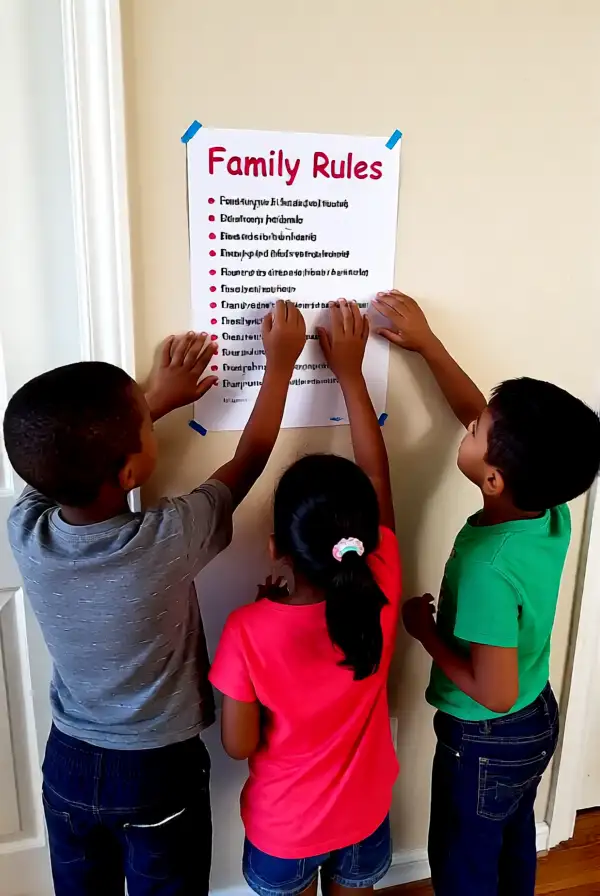
Establishing clear household rules related to behavior and interactions is essential in minimizing conflicts. Make sure to communicate these rules consistently and ensure both siblings understand the consequences of their actions.
By defining those rules, you create a framework within which they can operate, leading to less confusion and fewer disputes over acceptable behavior and playtime arrangements.
Teach Conflict Resolution Skills
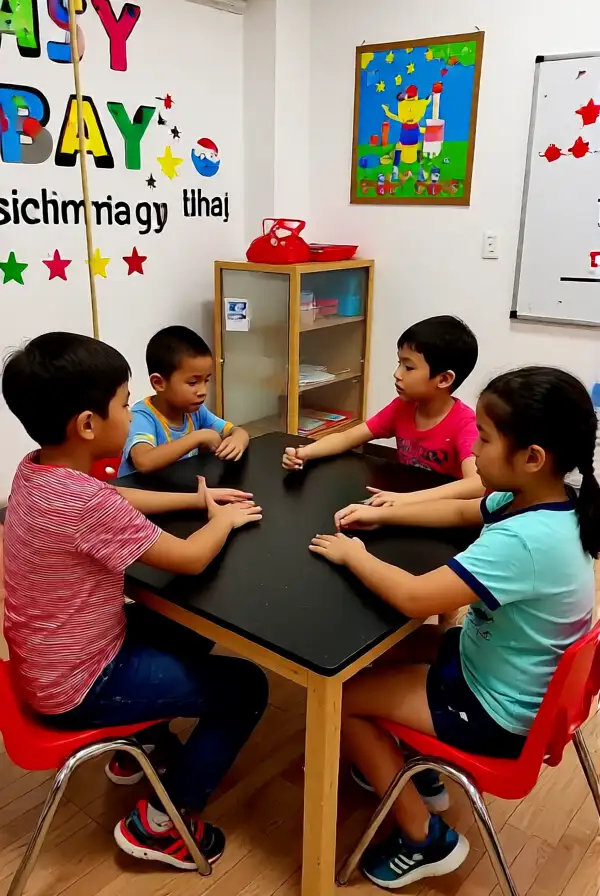
Instead of stepping in every time a conflict arises, use these opportunities as teaching moments. Help your children learn how to resolve their disagreements constructively by encouraging them to brainstorm solutions together.
Role-playing different scenarios can also help them practice negotiation and compromise, equipping them with the tools needed to manage future conflicts independently.
Celebrate Individuality
Recognizing and celebrating each child’s unique interests and strengths can help reduce rivalry. By acknowledging their individuality, you can foster an environment where siblings feel valued for who they are rather than who they compete with.
Encourage each child to pursue their passions and personal accomplishments, ensuring they see that they can shine without dimming their sibling’s light.
Encourage Teamwork
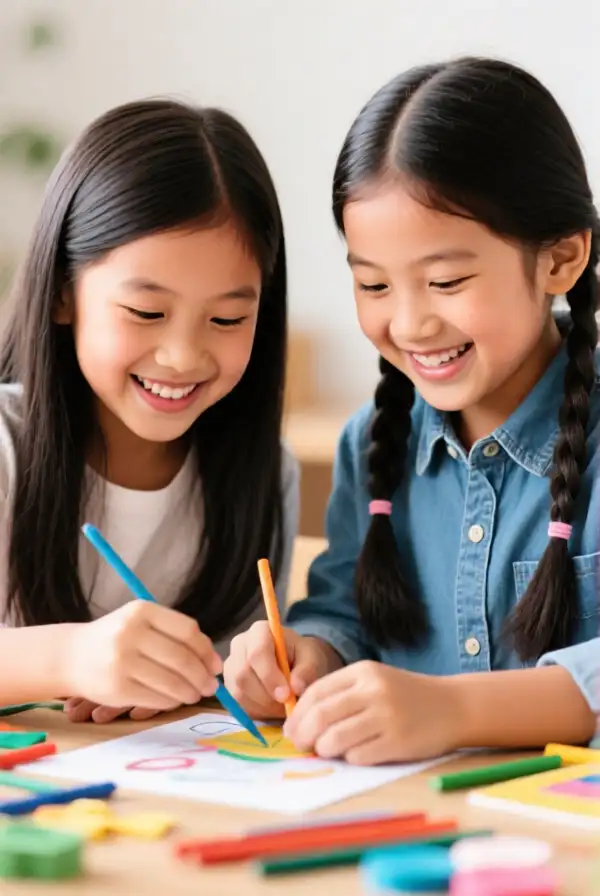
Promote activities that require collaboration between siblings rather than competition. This can include group tasks, family games, or joint projects that highlight the benefits of working together towards a common goal.
When siblings succeed together, they will develop a stronger bond and understanding of each other, which can significantly reduce feelings of rivalry.
Be a Role Model

Children learn by observing their parents. Be the calm and composed role model who handles conflicts in a healthy manner. Show them how to communicate openly and resolve disagreements amicably.
When parents demonstrate effective conflict resolution techniques, their children are more likely to mirror that behavior in their interactions with each other.
Provide One-on-One Time
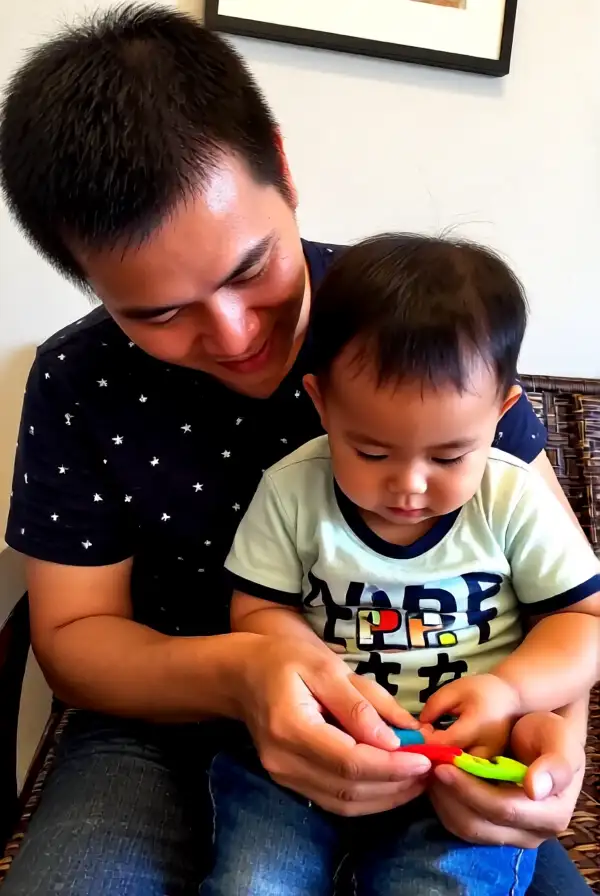
Often, rivalry arises from a need for attention. By spending individual time with each child, you can reaffirm their importance and unique relationship to you. This dedicated attention can lessen the feeling that they need to compete for love.
It can be as simple as a weekly outing or dedicated playtime that allows each child to bond with you without their sibling present, fostering a sense of security and belonging.
Teach Empathy
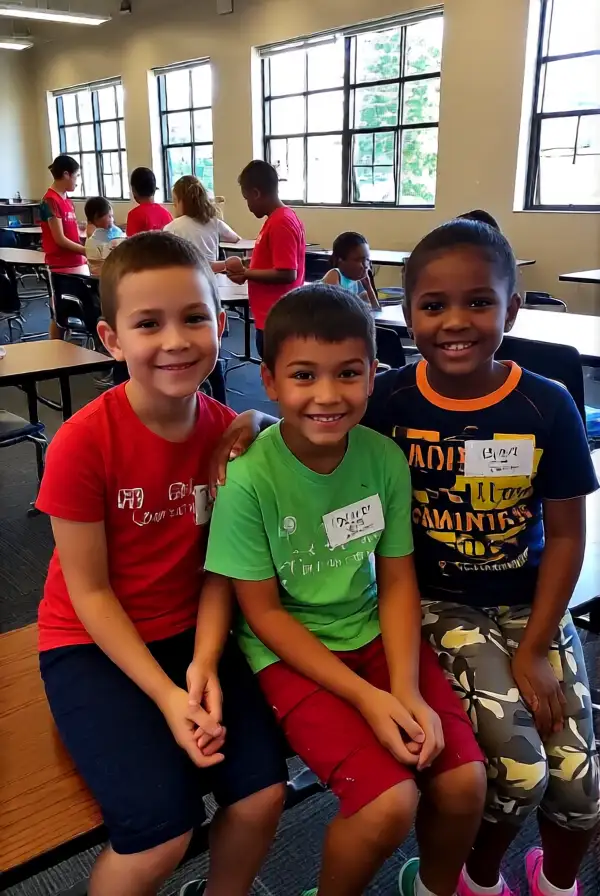
Help children understand their sibling’s feelings by discussing emotions openly. Encourage them to acknowledge how their words and actions affect one another, which is essential for developing empathy.
Activities that involve caring for others or volunteering can also enhance their understanding of different perspectives and strengthen their emotional intelligence.
Avoid Comparisons
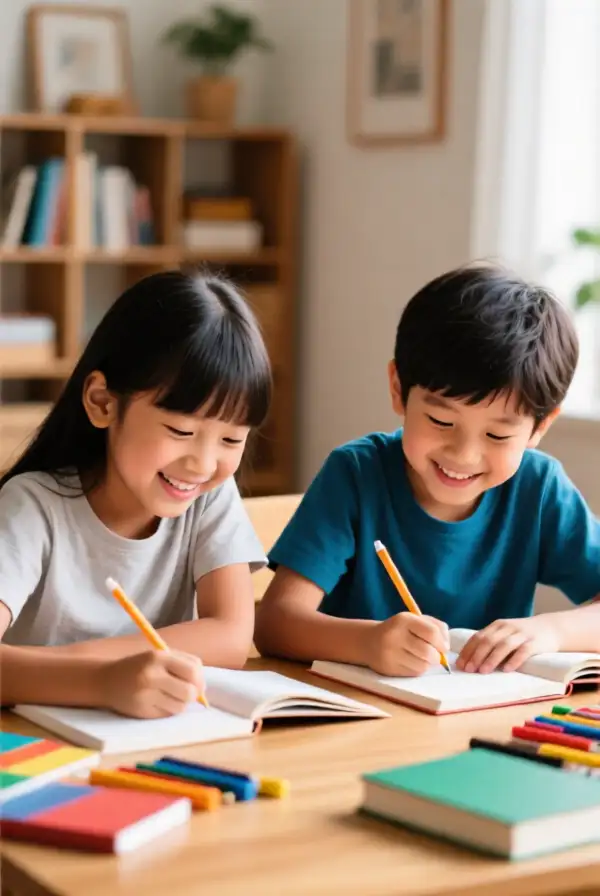
Constantly comparing siblings can fuel rivalry and resentment. Be mindful not to pit them against each other in academics or activities. Instead, focus on their individual achievements and growth.
Praise them for their unique qualities and accomplishments, fostering an environment where they can thrive as individuals rather than competitors.
Implement a Fair Reward System
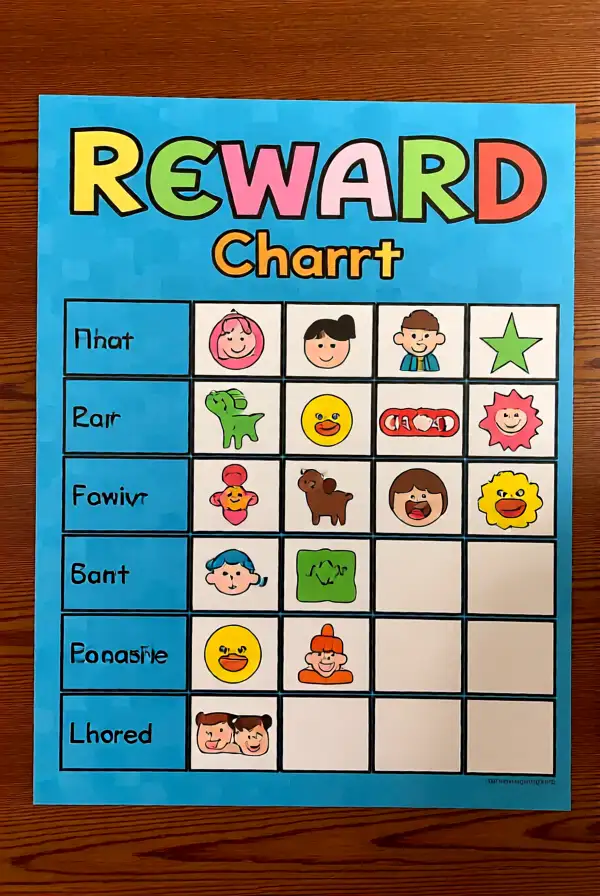
Create a reward system that recognizes positive behavior and cooperation among siblings. This can include family outings or special privileges earned through teamwork.
A fair reward system can shift their focus from rivalry to collaboration, reinforcing positive interactions and relationships.
Encourage Shared Experiences

Shared experiences can create bonding moments that outweigh their competitive interactions. Encourage siblings to participate in shared hobbies or family activities regularly to fosters memories and camaraderie.
Family vacations, game nights, and collaborative projects can serve as opportunities to deepen their emotional connection and transform negative rivalry into lasting friendships.
Respect Their Space
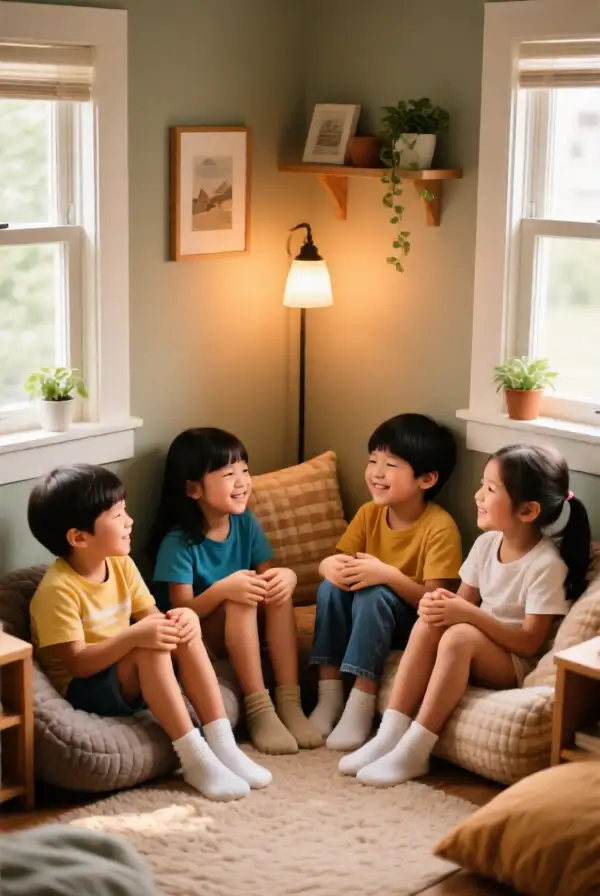
Providing siblings with personal space is essential to reducing tensions. Ensure that they have places where they can retreat when needed, allowing each child to recharge and find solitude.
Recognizing and respecting their need for space promotes individual quiet time, which is necessary for emotional regulation and independence.
Monitor Your Reactions
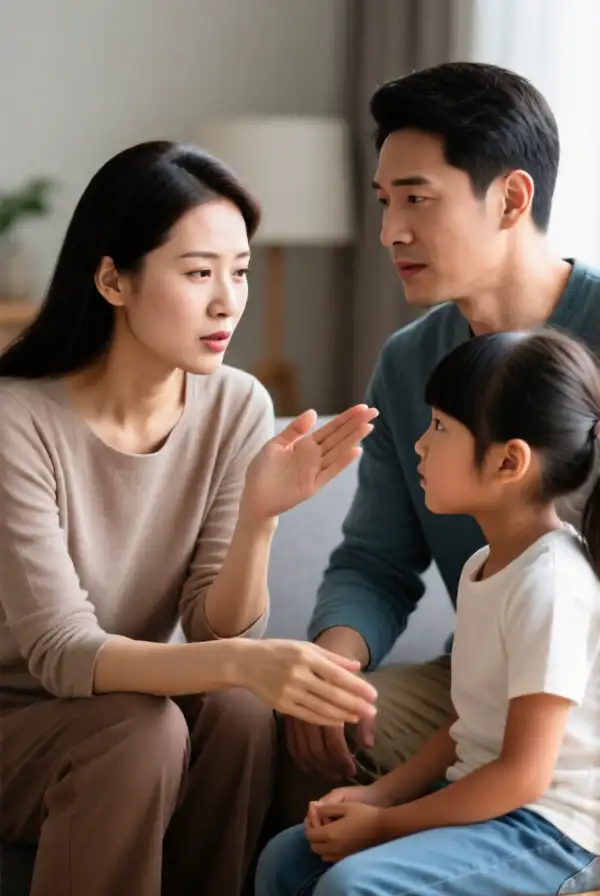
Your reactions to sibling quarrels can influence how your children handle future conflicts. Strive to remain calm and avoid escalating tensions during disputes.
This will model healthy behavior and encourage them to regulate their own responses in conflicts, fostering a more peaceful household atmosphere.
Be Consistent
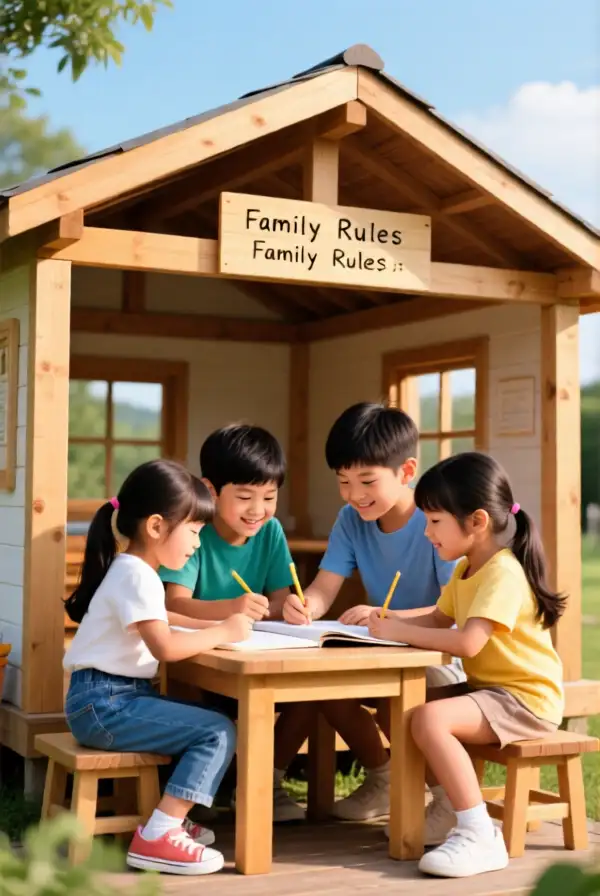
Consistency in enforcing rules and conflict resolution procedures is crucial. When siblings know what to expect, they will feel more secure and understood.
This can lead to fewer disputes, allowing children to build trust in the family’s guidelines, which promotes harmony in sibling interactions.
Celebrate Conflict Resolution
Whenever siblings manage to resolve a conflict maturely, celebrate these efforts. Acknowledging their success solidifies positive behavior and encourages them to continue using healthy resolution strategies.
This recognition can also inspire siblings to collaborate more effectively in the future, fostering a supportive and loving relationship, rather than a competitive one.
Be Patient

Resolving sibling rivalry doesn’t happen overnight. It requires time, effort, and persistence. Understand that each child is different, and their growth towards more peaceful interactions will vary.
Remain patient as they learn these skills, and provide ongoing support as they navigate their relationships with one another.
Encourage Apologies
Teach your children the importance of apologizing when they are wrong. This skill is essential for mending relationships and promoting forgiveness between siblings.
By modeling and encouraging sincere apologies, you pave the way for mutual respect and understanding, fostering a positive sibling dynamic.
Foster a Positive Family Culture
Cultivating a positive family culture will benefit sibling relationships and overall family dynamics. Engage in regular family bonding activities that promote laughter, love, and collaboration.
When families thrive together, siblings are less likely to engage in rivalry and more likely to support one another, thus creating a nurturing home environment.
Encourage Problem-Solving Together
Finally, motivate siblings to address their problems collaboratively. Teach them strategies to approach a disagreement as a shared challenge instead of a personal conflict.
By framing issues this way, you help them develop teamwork skills and ensure a lasting bond that can withstand the test of rivalry.
By implementing these 23 strategies, parents can foster a calmer, more cooperative atmosphere in the home. In turn, this not only aids sibling relationships but contributes to a harmonious family dynamic overall.