
Transform your living spaces with the art of minimalist wall styling. This approach not only elevates your decor but also creates a serene atmosphere. Discover how to curate your walls to achieve a chic and uncluttered look that reflects your personal style.
Understanding Minimalism in Decor
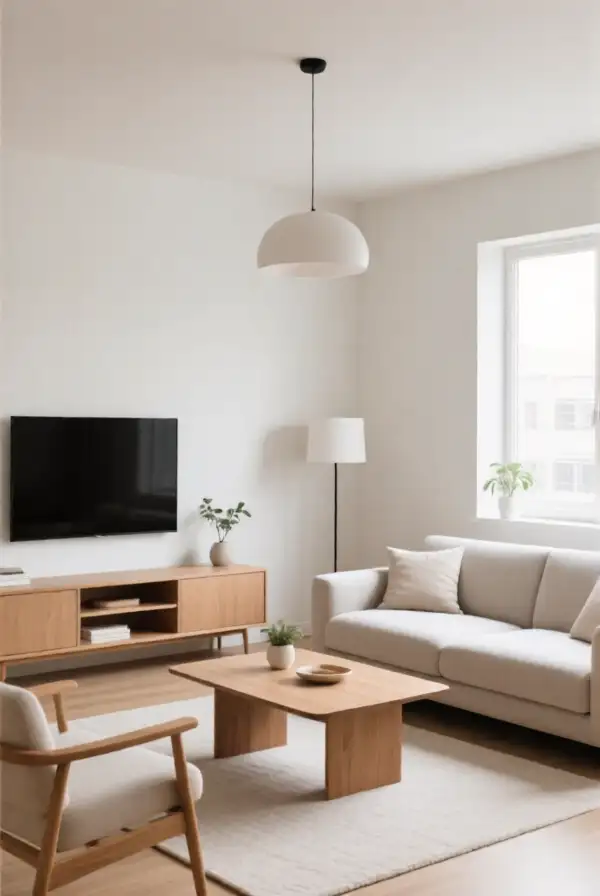
Minimalism in decor emphasizes simplicity and functionality. It advocates for a decluttered aesthetic that prioritizes essential elements, promoting a sense of calm and focus. By selecting a few impactful pieces, you can create a wall that tells a story without overwhelming the space.
This design philosophy encourages thoughtful choices, urging you to consider how each item contributes to your environment. The result is a harmonious backdrop that enhances the beauty of your space while ensuring it remains functional.
Selecting the Right Color Palette

The color palette you choose for your walls can significantly impact the overall mood of a room. Soft, neutral tones like whites, creams, and light grays create a soothing environment, allowing the space to feel more open and airy. These colors serve as a perfect groundwork for minimalist styling.
Experimenting with monochromatic schemes can also add depth while maintaining that minimalist vibe. By layering different shades of the same color, you can create interest without chaotic contrasts, achieving a cohesive and elegant appearance.
Embracing Negative Space
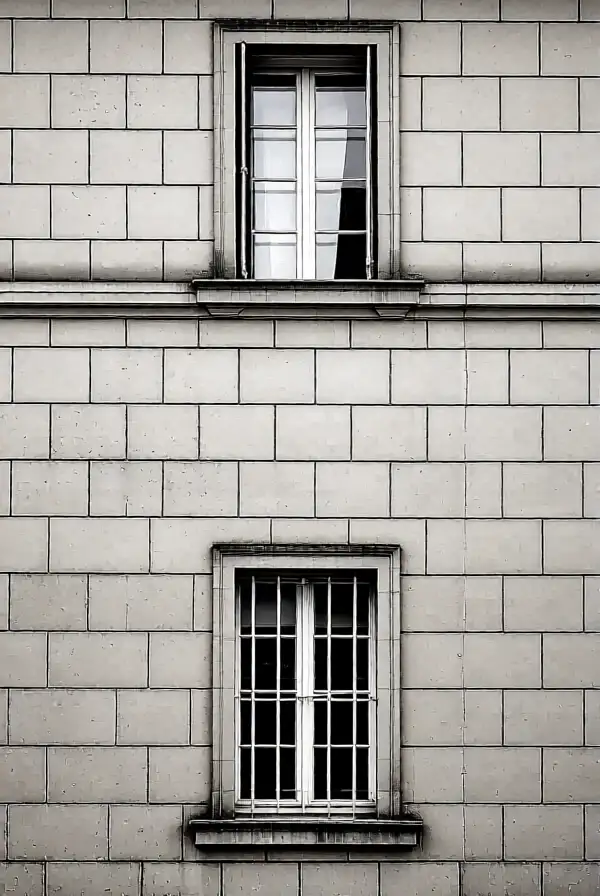
Negative space is a crucial concept in minimalist wall design, allowing the viewer’s eye to rest among visual elements. This technique intentionally leaves areas of the wall free from decor, creating balance and calm. It highlights key features without overwhelming the senses.
Incorporating negative space means being strategic about what and how much you display. For instance, leaving ample space around artwork or shelves enhances their impact, generating a more refined aesthetic.
Incorporating Art Thoughtfully
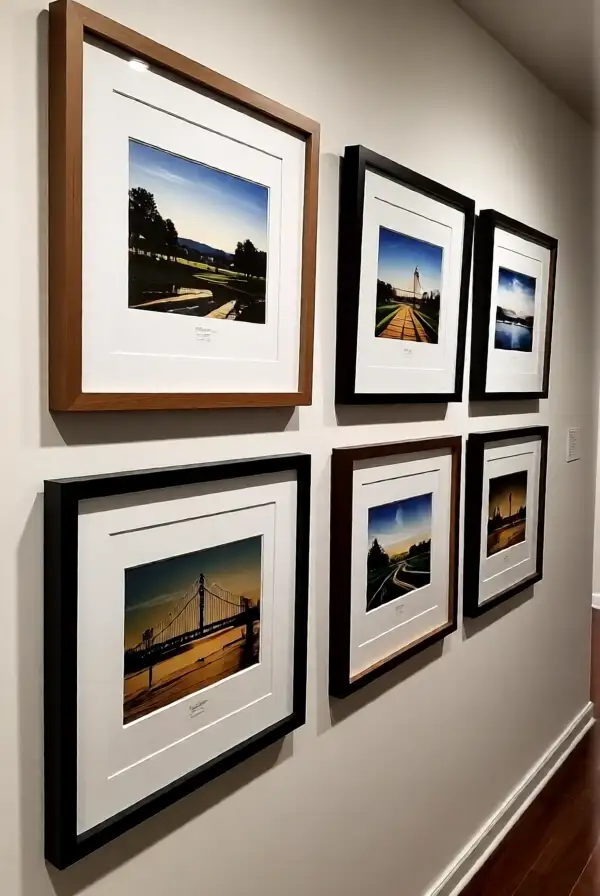
Choosing art for minimalist walls should be approached with intention. Select a few standout pieces that resonate with you personally. Large-scale artwork can serve as a focal point while allowing surrounding space to breathe, aligning perfectly with minimalist principles.
Try using frames that are simple and unobtrusive, enhancing the artwork rather than distracting from it. Mix textures subtly, such as paper, canvas, or metal, to maintain interest without crowding the visual space.
Utilizing Shelves as Functional Decor
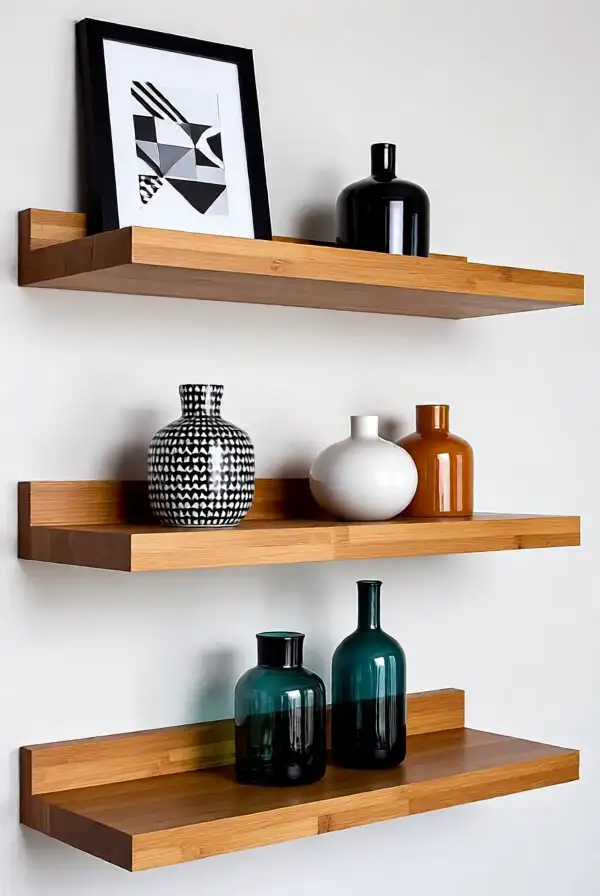
Minimalist wall shelves not only provide storage but can also be a form of art. Opt for floating shelves that blend seamlessly into the wall. This technique creates a clean look, showcasing decorative items while minimizing clutter.
Limit the number of objects displayed on these shelves to accentuate the minimalist style. Consider integrating plants, books, or unique objects that contribute to your theme, allowing for personality without excessive ornamentation.
Layering Textures for Depth
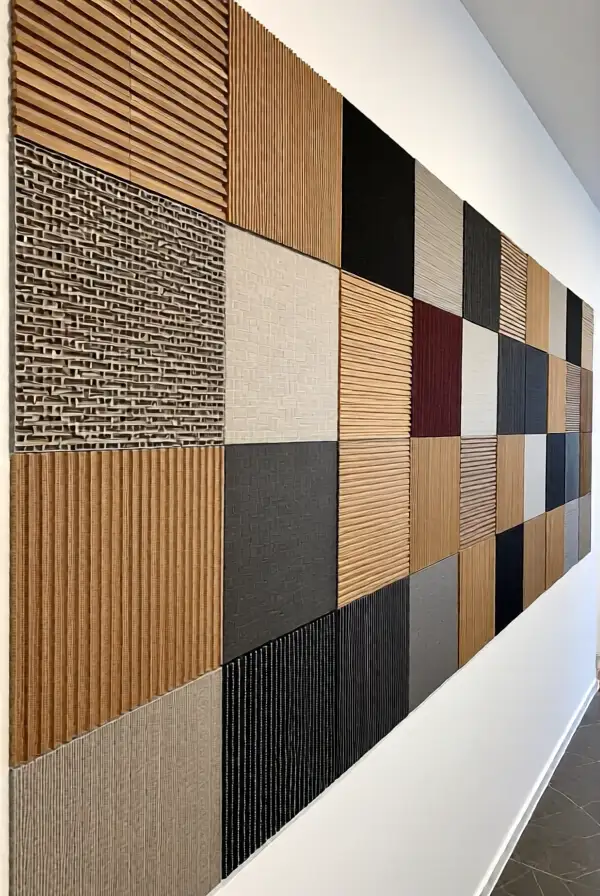
Texture plays a vital role in minimalist styling, adding richness to an otherwise simple design. Consider using materials like wood, metal, or textiles to create visual interest on the walls. This layered approach makes the space feel warm and inviting while maintaining simplicity.
Textured wallpaper, fabric hangings, or wood paneling are all viable options that can transform the feeling of a room. Balancing these elements is key, as too many can detract from the minimalist essence.
Creating a Gallery Wall
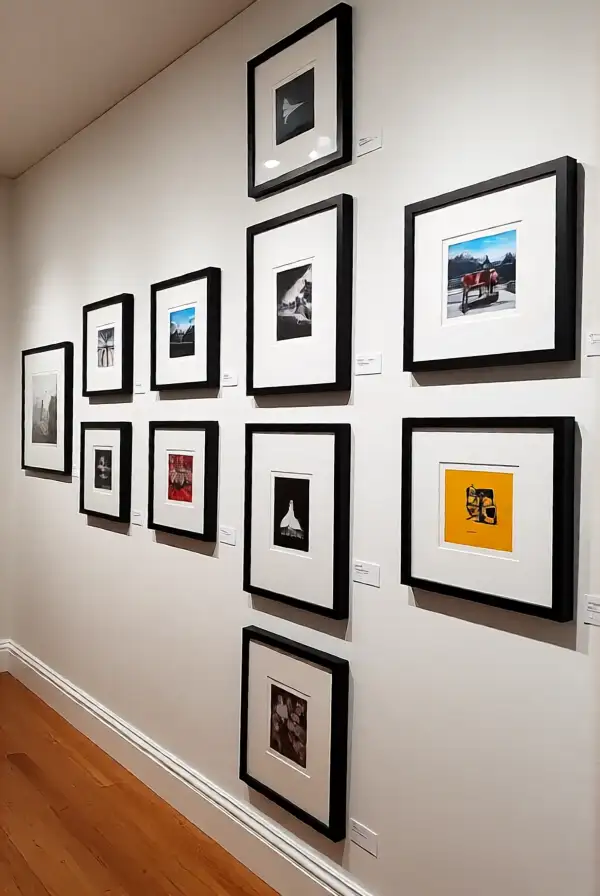
Even in minimalist styling, a gallery wall can be an excellent way to express personality. Select a limited number of frames in matching styles—think simplicity and coherence. Choose a few curated pieces that blend together harmoniously to achieve a unified look.
When arranging your gallery, focus on spacing and alignment. Ensure there’s enough negative space between frames to prevent chaos, allowing each piece to shine as part of a collective narrative.
Strategic Lighting Solutions
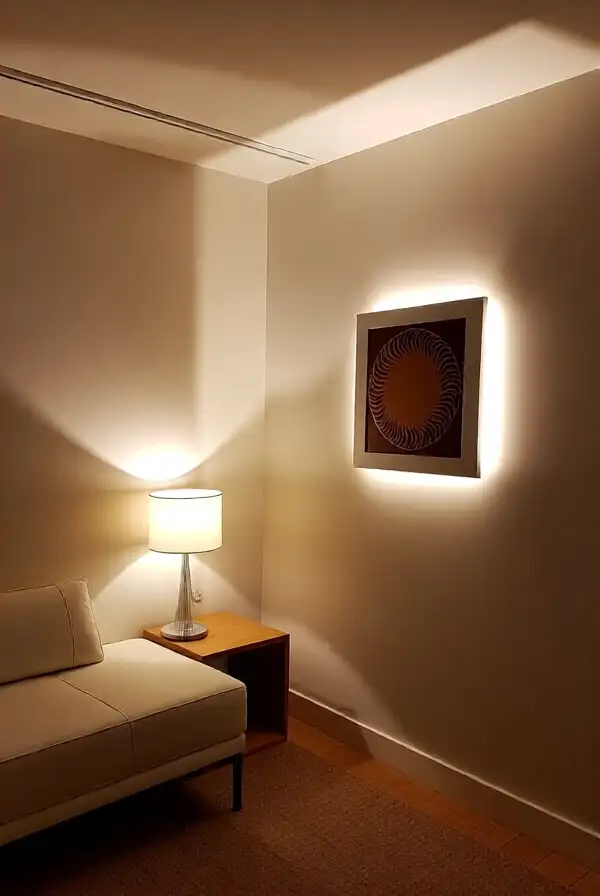
Incorporating good lighting is essential for minimalist wall styling. Lighting not only enhances the decor but can completely transform the mood of a space. Opt for fixtures that blend seamlessly into the design without overpowering other elements.
Consider using wall sconces or spotlighting to highlight specific pieces of decor. This technique draws attention to selected artworks or shelves while adding warmth and ambiance, enhancing the overall aesthetic without cluttering the view.
Incorporating Personal Touches
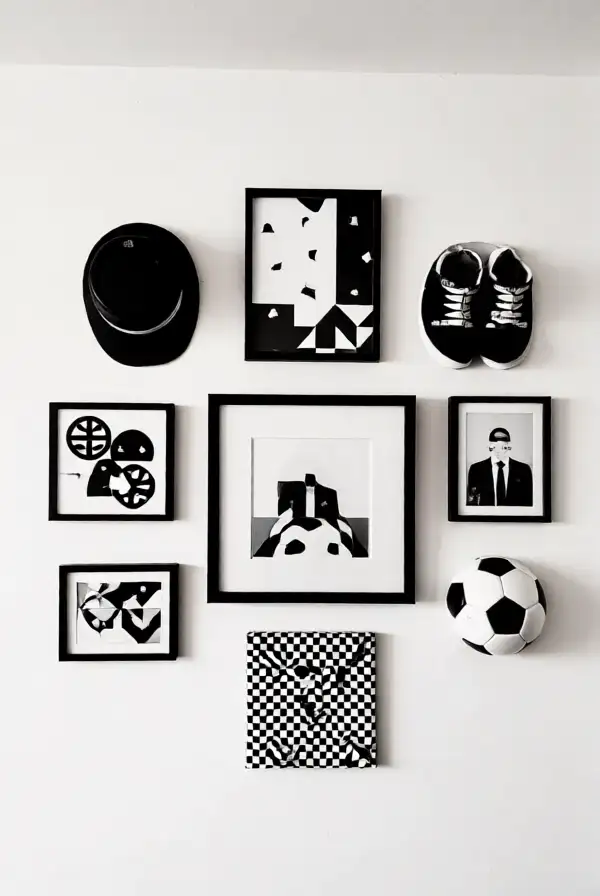
Minimalist doesn’t mean devoid of personality. Identify key items that reflect your interests or values and include them in your wall decor. This creates a space uniquely yours without detracting from the minimalist style.
Whether it’s a photograph, a transformational travel souvenir, or a sentimental piece, each inclusion should serve as a reminder or reflection of who you are—ultimately enriching the space with meaning.
Choosing the Right Wall Furniture
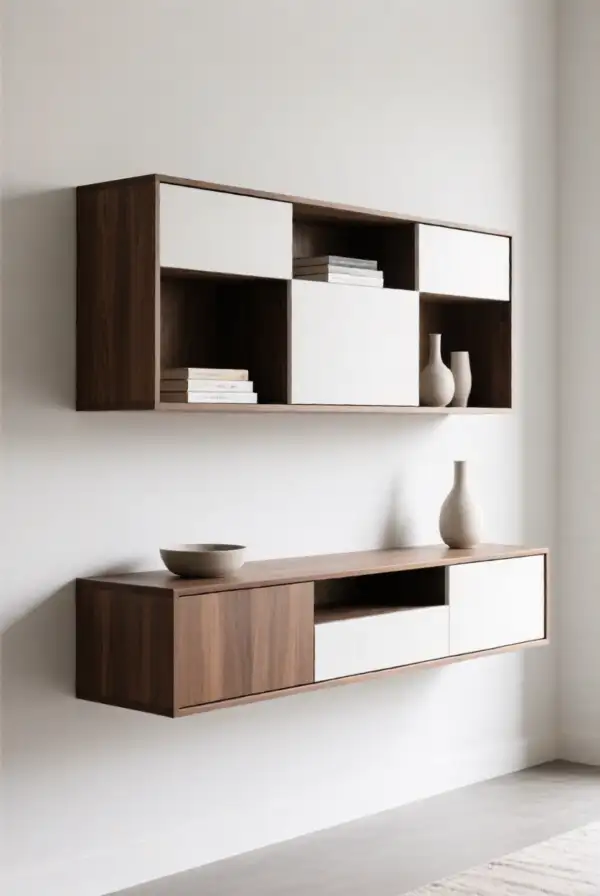
When integrating furniture into your wall styling, opt for pieces known for their clean lines and sleek design. Simple wall-mounted desks or modular units can enhance functionality while maintaining an uncluttered look.
This choice of furniture can serve as a beautiful backdrop for your decor. Ensure that the style coordinates with the overall aesthetic of the room for a fluid visual experience.
Utilizing Wall Textures
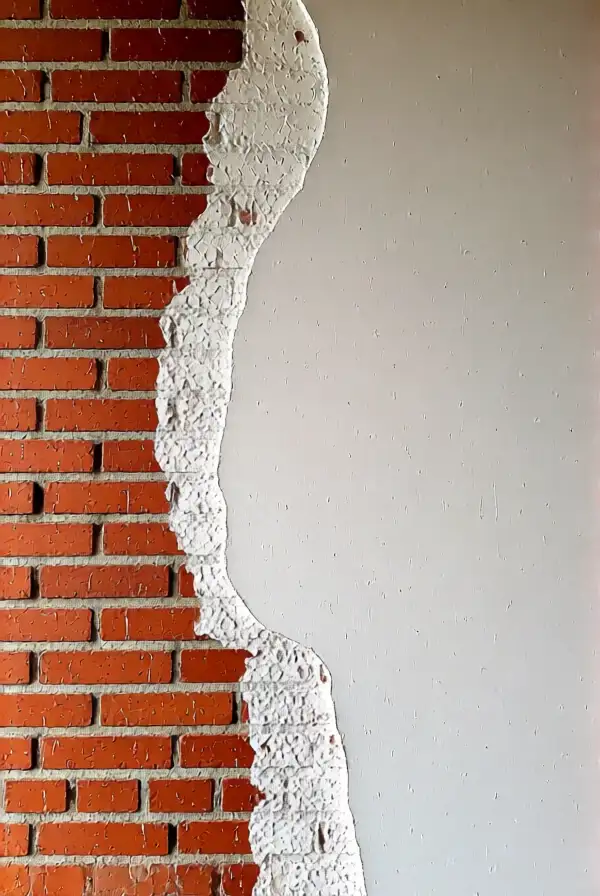
Wall texture can be incredibly compelling in minimalist wall styling. Consider adding texture through plaster, paint techniques, or exposed brick to establish depth and character. These elements allow you to maintain a simple palette while enhancing visual interest.
Keep in mind that the surface finish should complement the minimalist ethos—opting for subtle, refined textures that do not overwhelm the space while still providing a tactile experience.
Reflecting Natural Elements
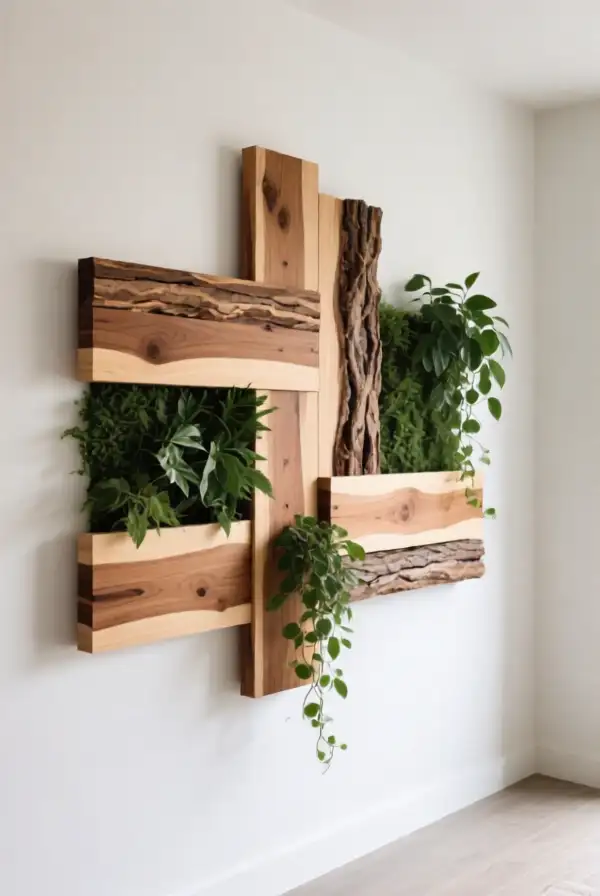
Incorporating natural elements such as wood, stone, or greenery can breathe life into minimalist walls. These additions help create an organic feel and can easily blend within a minimalist space while adding richness and warmth.
Choose plants that thrive in low-light environments or wood that matches your overall color scheme, ensuring a cohesive look. The natural elements should enhance the decor, not overshadow the minimalist charm of the space.
Staying Functional with Hooks and Racks
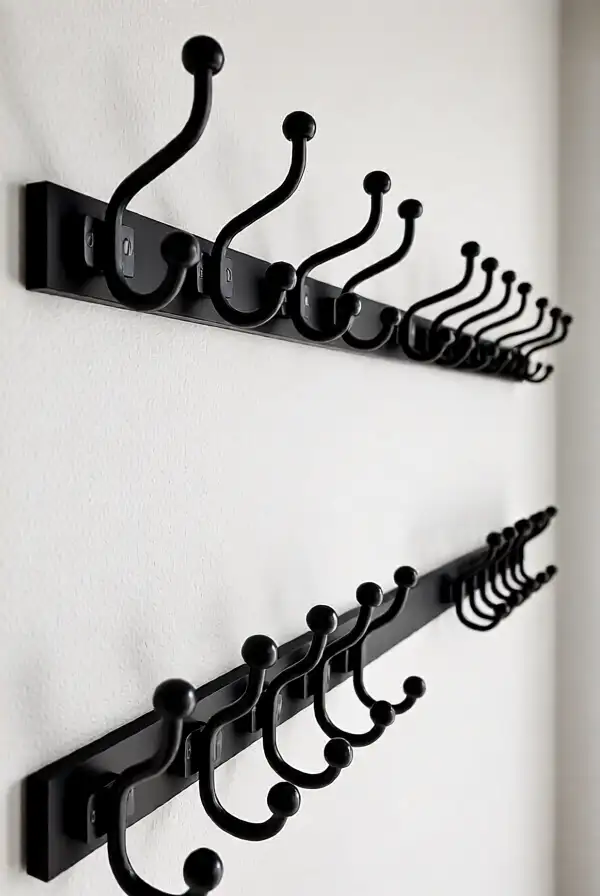
Minimalist design leans heavily on functionality without compromising style. Wall-mounted hooks or racks can offer practical storage solutions while contributing to the overall design of the wall. This approach keeps spaces tidy and organized.
Choose designs that are simple and aesthetically pleasing, maintaining the visual clutter-free environment that minimalist walls epitomize. Items should be chosen strategically to offer utility and aesthetic without overwhelming your visual space.
Balancing Furniture and Decor
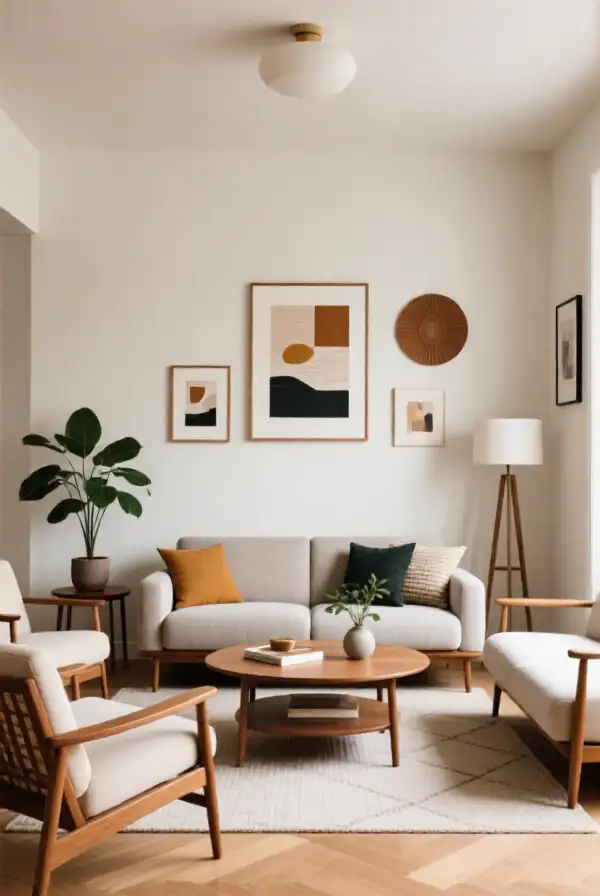
Balancing wall decor with furniture is vital for achieving a minimalist look. Select furniture that complements your wall decorations in both scale and style—this harmony creates a cohesive environment that feels intentional and thought-out.
Consider the proportion of your furniture in relation to wall decor, ensuring neither overwhelms the other. The ultimate goal is to create a serene and open space that embodies minimalist living.
Maintenance and Upkeep Strategies
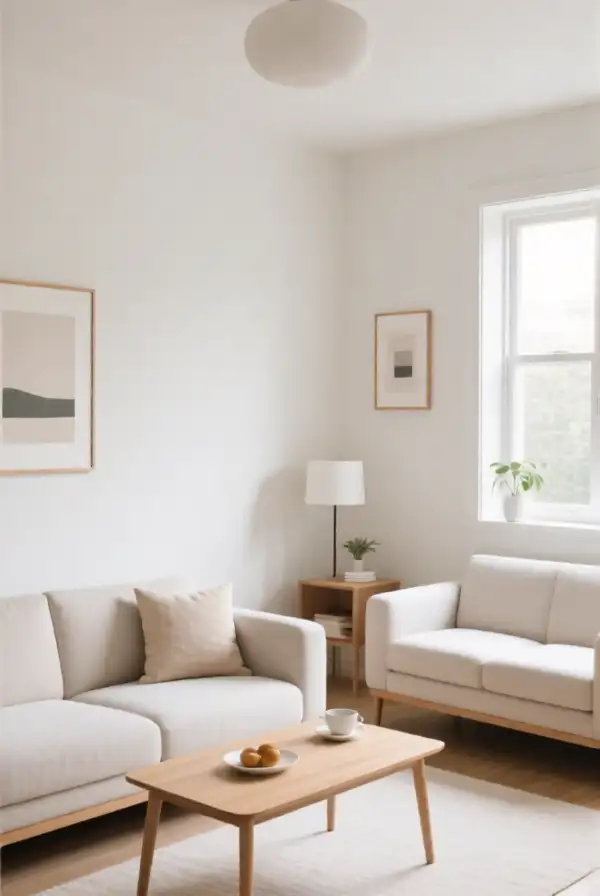
Keeping minimalist walls looking fresh and appealing requires regular maintenance. Dust accumulation and wear can detract from the pristine aesthetic that minimalist styling aims for. Establish a cleaning routine that ensures surfaces remain free from clutter and grime.
Evaluate your wall decor periodically, removing or rearranging pieces as necessary to maintain that clean look. Aiming for a harmonious blend of simplicity and appeal keeps your environment thriving.
Conclusion: Timeless Appeal of Minimalism
Embracing minimalist wall styling leads to a calming, unhurried aesthetic. By thoughtfully selecting colors, furniture, and decor, you create spaces that reflect personal passions while remaining uncluttered and sophisticated. This timeless approach ensures your home remains a sanctuary for relaxation and creativity.