
Explore the enriching concept of parenting without punishment, a method that emphasizes understanding and guidance over discipline. This article presents 11 insightful approaches that aim to nurture positive behaviors in children while fostering a respectful and loving environment. Say goodbye to traditional punitive measures and embrace techniques that genuinely enhance family dynamics.
Understanding the Principle of Parenting Without Punishment
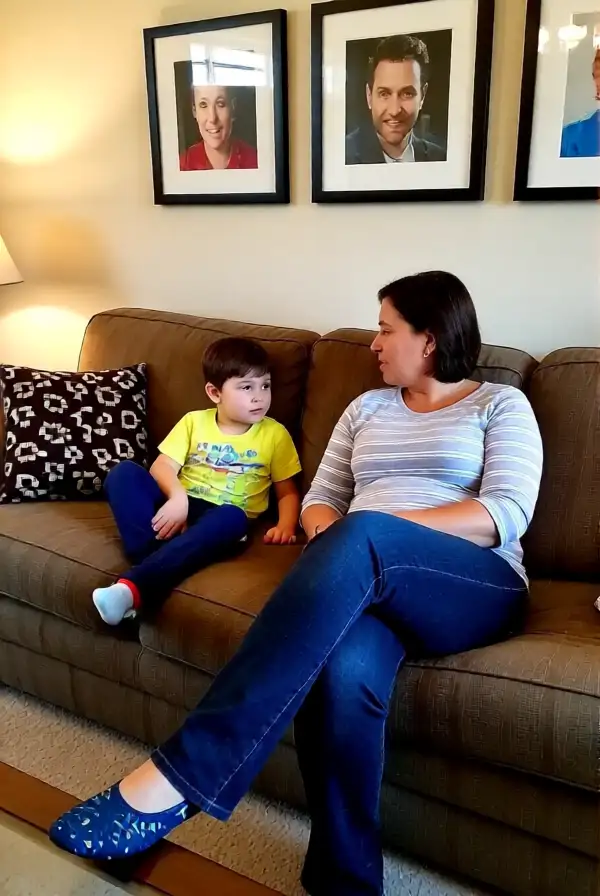
The principle of parenting without punishment is centered on building a respectful relationship between parent and child. By focusing on understanding rather than retribution, parents can guide their children towards self-discipline and emotional intelligence. This approach fosters a positive atmosphere where children feel secure and understood, facilitating better communication.
Implementing this method requires patience and a shift in mindset. Rather than viewing misbehavior as a challenge to authority, it is an opportunity to teach children how to express their feelings and make better choices. This nurtures the child’s emotional development and reinforces trust in the parent-child bond.
Building Empathy and Understanding

Empathy plays a crucial role in parenting without punishment. By understanding the emotions and motivations behind a child’s actions, parents can better respond to their needs. Teaching empathy not only helps children understand the impact of their behavior but also cultivates a sense of compassion towards others.
Effective Communication Strategies

Communication is the cornerstone of parenting without punishment. It’s essential to develop clear and open communication channels with children. Encourage conversations that allow children to voice their thoughts and feelings, making them feel valued and heard.
Active listening is a key component in effective communication. By truly listening to what your child has to say, you demonstrate that their opinions matter. This practice not only strengthens the parent-child relationship but also empowers children to discuss their challenges openly, leading to better solutions and fewer behavioral issues.
Setting Boundaries with Love and Respect
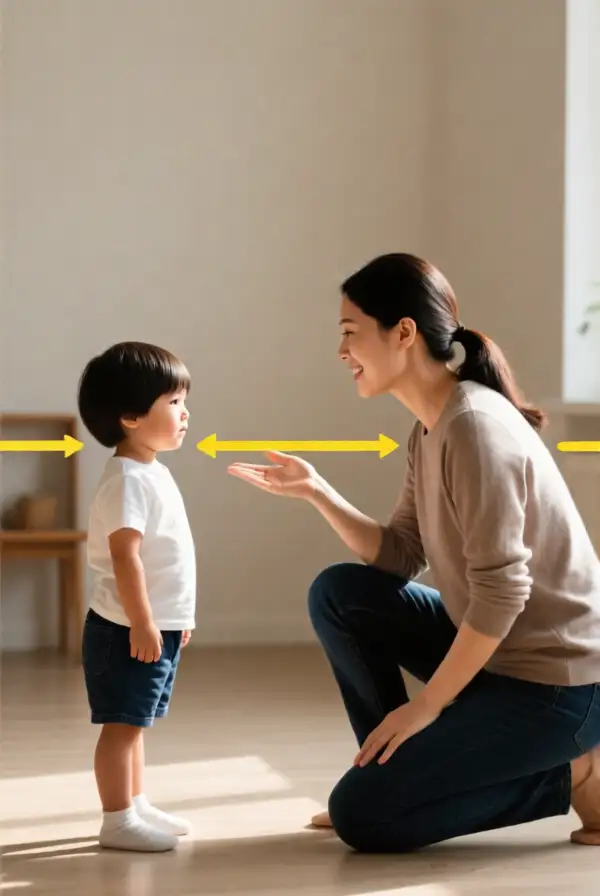
Setting boundaries is necessary for healthy development, but it doesn’t have to involve punishment. Instead, boundaries can be established through love and respectful dialogue, providing children with a clear understanding of acceptable behavior without fear of retribution.
When boundaries are explained positively and understood clearly, children are more likely to respect them. Parents should focus on consistency and provide logical consequences when boundaries are crossed, emphasizing learning opportunities rather than punitive measures.
Positive Reinforcement Techniques

Positive reinforcement is a powerful tool in the parenting without punishment approach. Instead of focusing on what a child does wrong, parents can highlight and reward positive behaviors. This method encourages children to repeat desirable actions and fosters a sense of achievement.
Rewards don’t always have to be tangible; verbal praise or extra privileges can be effective motivators. Celebrating small successes builds a child’s confidence and reinforces their ability to make positive choices, which ultimately leads to better behavior outcomes over time.
Creating a Supportive Environment

A nurturing and supportive environment is essential for implementing parenting without punishment. This involves creating a home atmosphere where children feel safe to express themselves and explore their interests. A supportive environment fosters independence and encourages children to learn from their experiences.
Parents can enhance this environment by engaging in their children’s activities and interests, showing genuine enthusiasm, and being present. This involvement helps children feel secure and boosts their willingness to comply with family expectations, reducing the likelihood of misbehavior.
Teaching Problem-Solving Skills
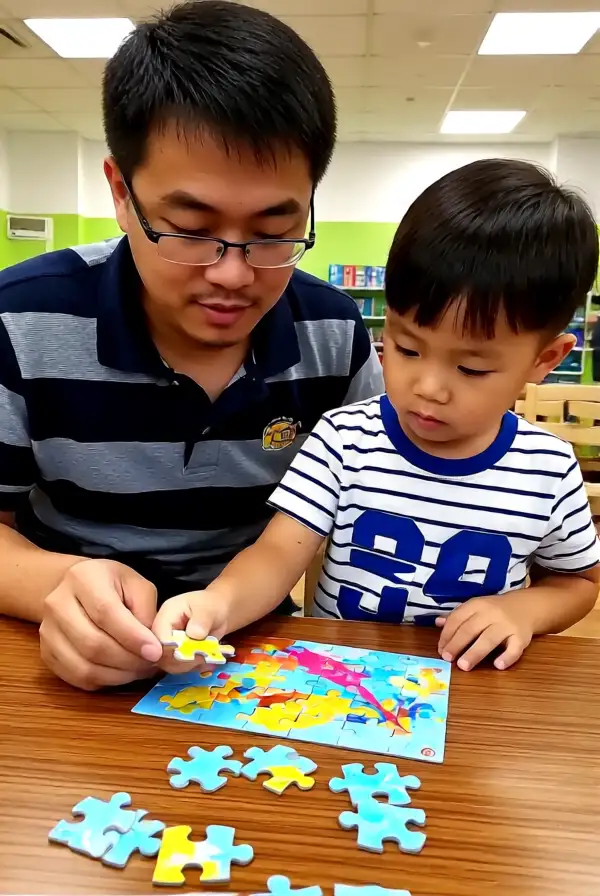
In a parenting without punishment framework, teaching problem-solving skills is an effective strategy. Instead of penalizing children for poor choices, parents should encourage them to think through their options and come up with solutions to their problems. This empowers children and teaches them critical thinking.
Parents can facilitate this learning by guiding discussions on potential consequences of different choices and encouraging children to weigh the pros and cons. This practical approach not only equips them with valuable life skills but also fosters a sense of responsibility for their actions.
Encouraging Emotional Regulation

Emotion regulation is a vital skill for children, and parents can support this by modeling calmness and healthy coping strategies in challenging situations. Teaching children to recognize and manage their emotions helps them respond to conflicts without resorting to destructive behaviors.
Implementing techniques like deep breathing or mindfulness can be effective in helping children learn to self-soothe. As they practice emotional regulation, they become better equipped to handle adversity and develop resilience, further enhancing their ability to behave positively without the need for punishment.
Using Natural Consequences Wisely
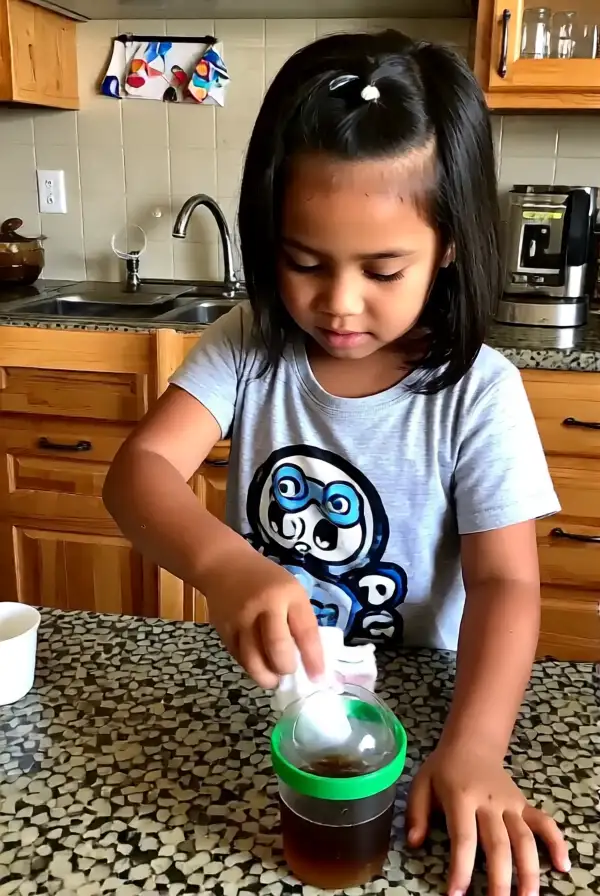
Natural consequences can serve as excellent teaching moments in parenting without punishment. Allowing children to experience the results of their actions in a safe and supportive environment helps them understand the impact of their choices without feeling punished.
Parents should ensure that these natural consequences are relevant and age-appropriate, guiding children to reflect on their actions while providing guidance when necessary. This approach encourages personal accountability and reinforces learning in a constructive manner.
Fostering Independence and Autonomy

Encouraging independence is a fundamental aspect of parenting without punishment. Allowing children to make age-appropriate choices and decisions builds their self-confidence and sense of autonomy. Such empowerment helps pave the way for responsible behavior as they begin to understand the consequences of their decisions.
Parents can support independence by gradually increasing responsibilities and allowing children to explore their interests and passions. This fosters a sense of ownership over their actions and nurtures their identity, leading to a more harmonious family dynamic.
Promoting Positive Relationships

Strong relationships are integral to the parenting without punishment approach. By promoting positive relationships among family members, parents create a supportive network that encourages positive behavior and emotional well-being.
Regular family gatherings, shared activities, and open dialogues strengthen the bond between parents and children. These connections provide a framework of love and acceptance, reducing the likelihood of behavior issues and enhancing the overall family experience.
Conclusion: Embracing Parenting Without Punishment
In conclusion, parenting without punishment is a transformative approach that redefines discipline through understanding, empathy, and communication. By implementing these 11 strategies, parents can cultivate a nurturing environment that fosters emotional intelligence, resilience, and positive behaviors in their children. Ultimately, this method emphasizes teaching over punishing, paving the way for healthier parent-child relationships and happier families.