
Explore your creativity with these 15 DIY abstract canvas art projects that anyone can try at home. Perfect for adding a personal touch to your living space, these projects offer a range of styles and techniques to express your artistic vision. Get ready to unleash your inner artist and transform your blank walls into vibrant storytelling canvases!
1. Bold Brush Strokes
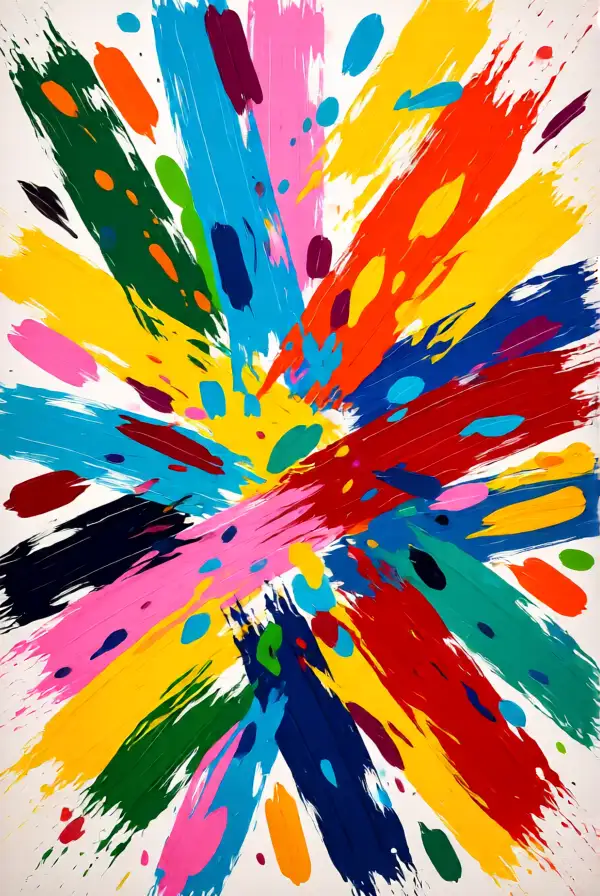
Start your artistic journey with bold brush strokes. Using large brushes, create sweeping movements across the canvas to form abstract shapes and patterns. This technique is all about spontaneity and expression, allowing paint to flow freely as you explore color combinations and textures.
Consider using a mix of acrylic paints in vibrant colors to bring your canvas to life. Experiment with layering colors to achieve depth and visual interest, making each stroke a representation of your mood and creativity.
2. Geometric Patterns
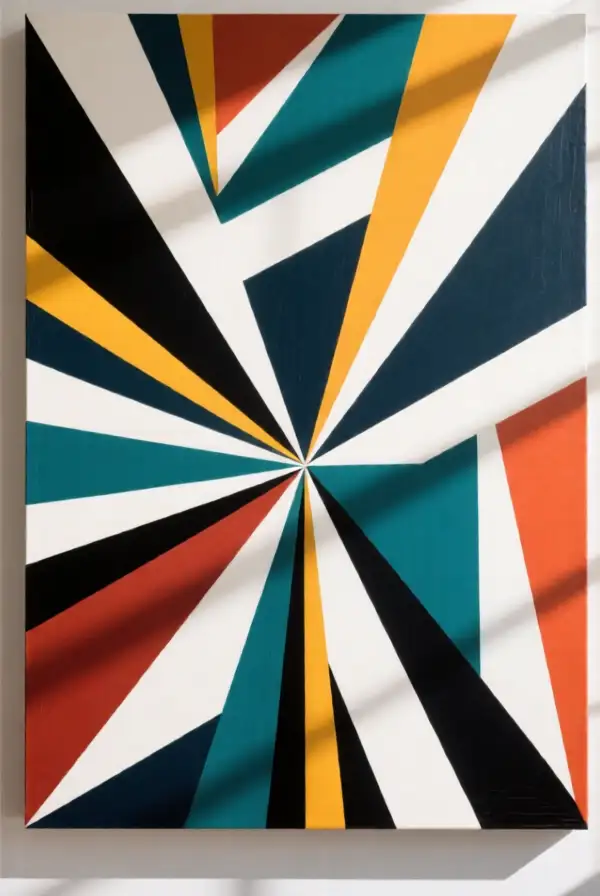
Geometric patterns can add a modern touch to your abstract art pieces. Utilize painter’s tape to create sharp lines and angles on your canvas before painting. Once you fill in the shapes with different colors, the contrast will create a stunning visual effect that captivates any viewer.
Mix different shapes such as triangles, circles, and squares to craft a unique design. The beauty of geometric patterns lies in their symmetry and balance, making them a popular choice for contemporary home decor.
3. Textured Collage
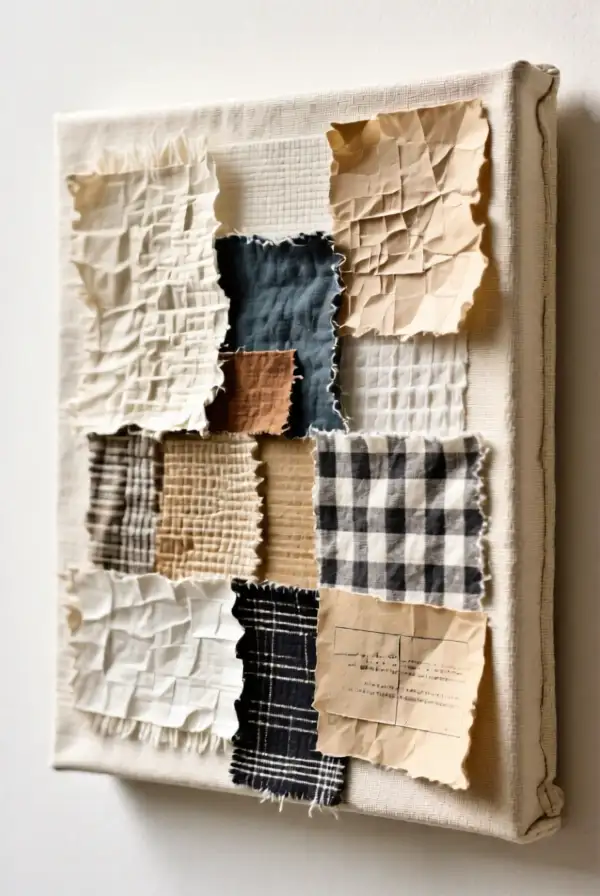
Bring your canvas to life with a textured collage. Gather materials like fabric scraps, paper, and natural elements to create a dynamic surface. Layering these materials can add depth, and when you paint over them, textures emerge, creating an intricate visual tapestry.
This method encourages you to recycle and repurpose materials, melding art with sustainability. Each item contributes to the overall story your artwork tells, blending the tactile with the visual.
4. Drip Painting
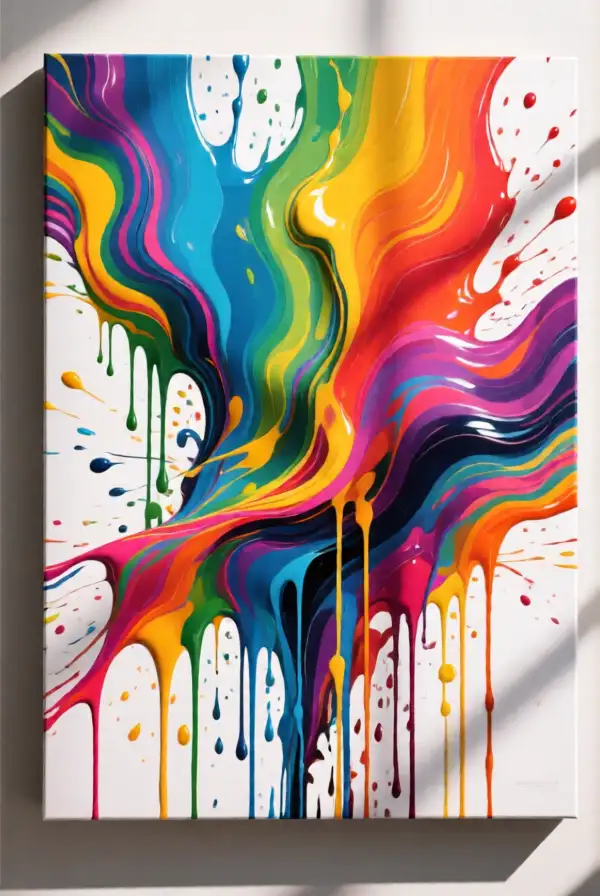
Drip painting is an exciting technique that allows you to create organic and spontaneous designs. By pouring or dripping paint directly from the container onto the canvas, you create an unpredictable yet beautiful piece of art. Use contrasting colors for striking results or a monochromatic palette for a more cohesive look.
This method can evoke emotion and movement, transforming your canvas into a visual experience that draws the eye. Don’t forget to experiment with different pouring methods for varied effects!
5. Sponge Painting
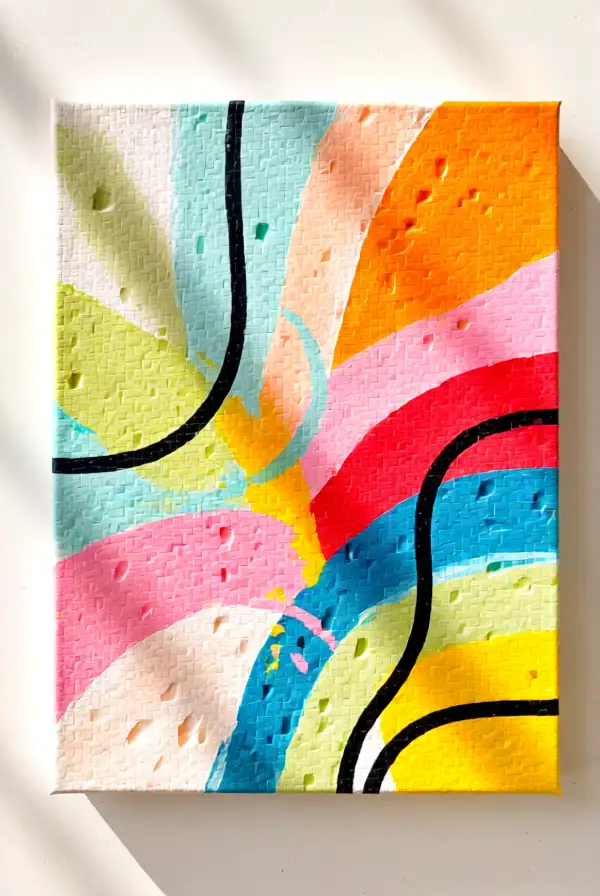
Utilizing sponges gives you the ability to create soft, textured effects on your canvas. Dabble colors onto your sponge, and stamp or dab them onto your canvas for an abstract representation. This technique is excellent for layering, allowing colors to mix and blend smoothly.
Play with different sponge shapes and sizes to explore various patterns and impressions. The result can be a delicate balance of color and texture that enchants every viewer.
6. Pouring Technique
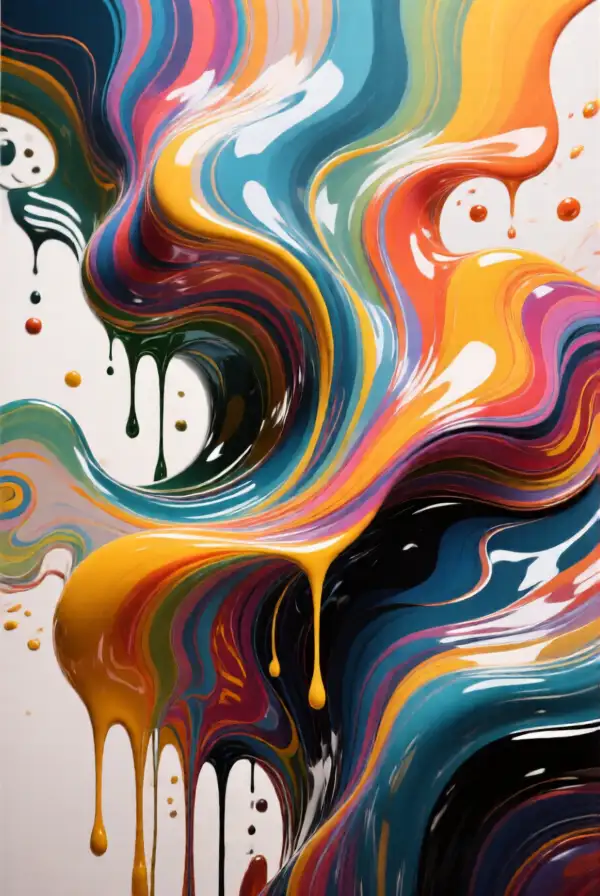
The pouring technique involves mixing paint with a medium to achieve a fluid consistency, allowing it to flow freely over the canvas. By tilting the canvas and guiding the paint, you can develop beautiful abstract designs without brush strokes. This effect often results in mesmerizing swirls and patterns.
Experiment with different color combinations to see how they react when poured together. The unpredictable nature of this technique will leave you with exciting surprises on your canvas!
7. Nature-Inspired Abstractions
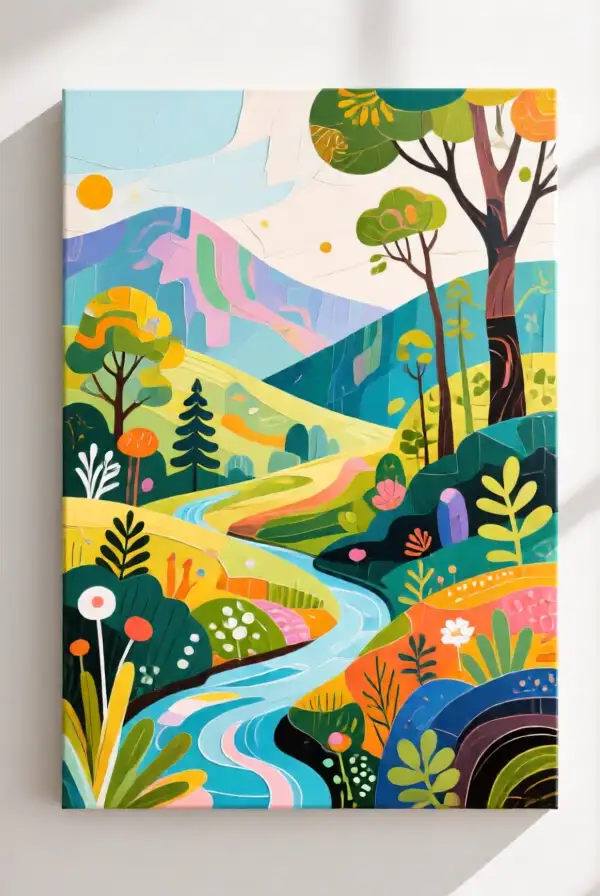
Incorporate elements from nature into your abstract canvas art. Whether it’s using leaves, flowers, or abstract representations of landscapes, nature can serve as a rich source of inspiration. Create simplified forms that convey the essence of your favorite natural scenes.
Experiment with different painting techniques to capture the colors and textures of nature, such as using a palette knife for rough effects or soft brushes for serene transitions.
8. Color Wash Effects
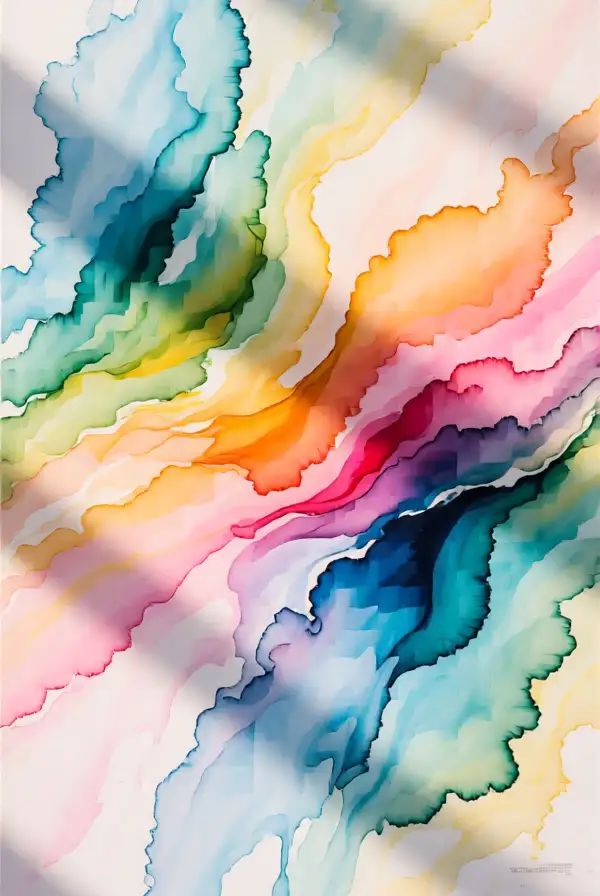
Achieve ethereal and dreamy effects on your canvas through color washing. This technique involves diluting your paint with water or medium and applying it in thin layers for a soft finish. Build up several washes to create translucent depths that capture light beautifully.
The result is a gentle painting that can be adorned with additional designs or left minimalist. Color washes can evoke feelings of tranquility and inspiration in their viewers.
9. Stencil Art
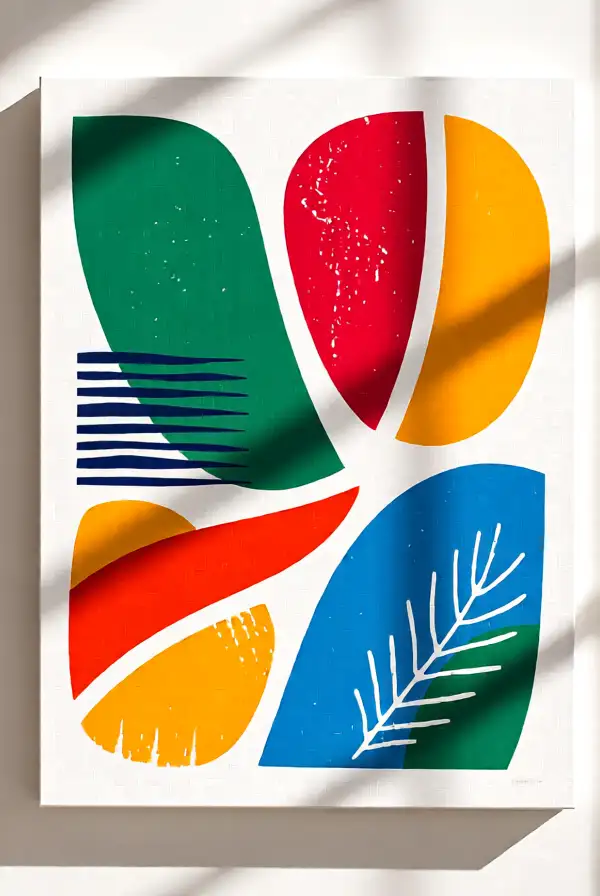
Stencil art allows you to create defined shapes within your abstract designs. Purchase or create stencils from various materials, then apply them to your canvas. Using contrasting colors underneath the stencil creates visual layers and dynamic effects.
Stencils help structure your painting, which may be beneficial if you’re unsure where to start. Mixing stencil elements with freehand techniques can lead to exciting compositions.
10. Monochromatic Masterpieces
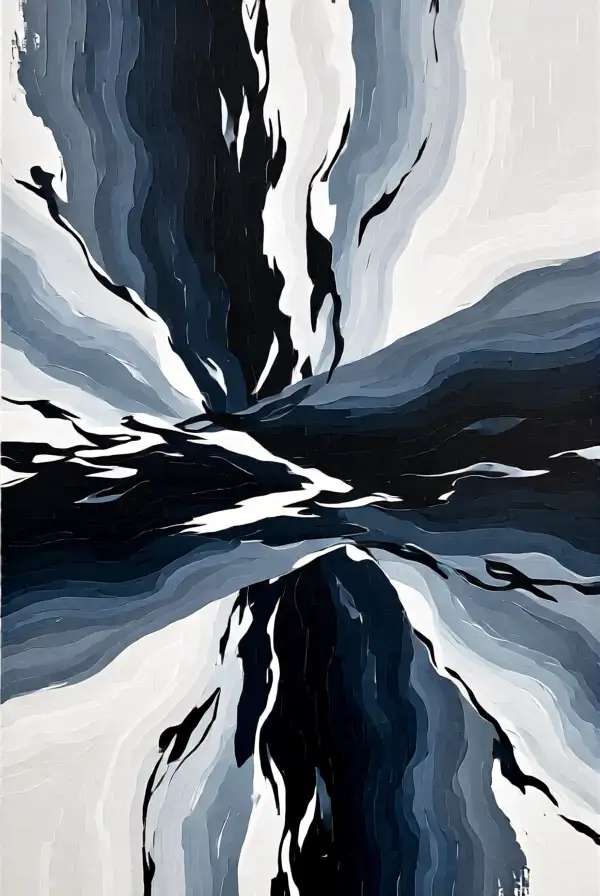
Monochromatic art focuses on using varying shades of one color to create depth and interest. This approach can make your abstract artwork appear cohesive while providing visual intrigue through differences in texture and application.
Experiment with the full spectrum of your chosen color, from light washes to thick, textured applications. This technique emphasizes the possibilities inherent in color theory while remaining visually stimulating.
11. String Art Touches
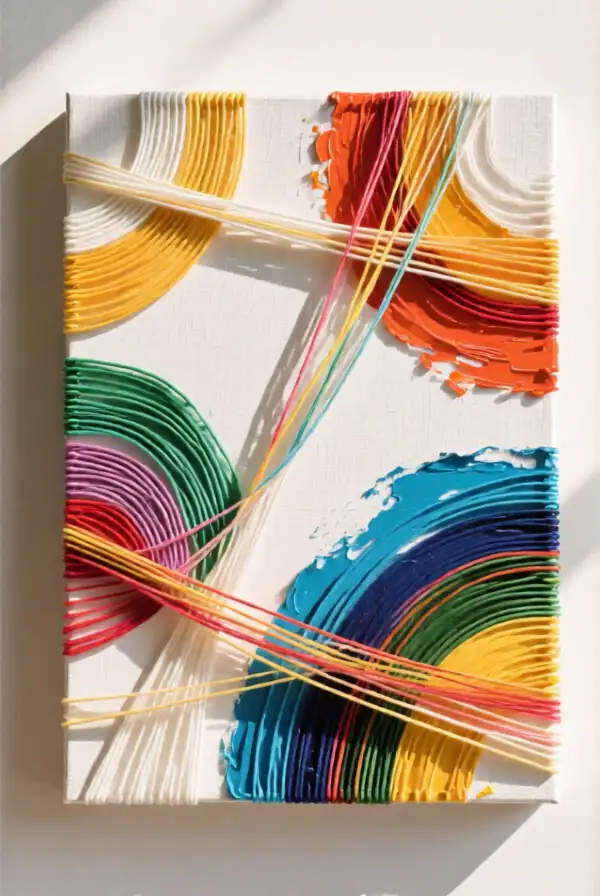
Introduce string art to your abstract creations for a new dimension in texture. By laying down strings or threads before painting over them, you can create captivating patterns once they are removed. This adds an unexpected twist to traditional canvas art.
Incorporate different string types and colors to achieve various effects. The contrast of rigid strings against fluid paint creates a compelling conversation piece for any room.
12. Watercolor Techniques
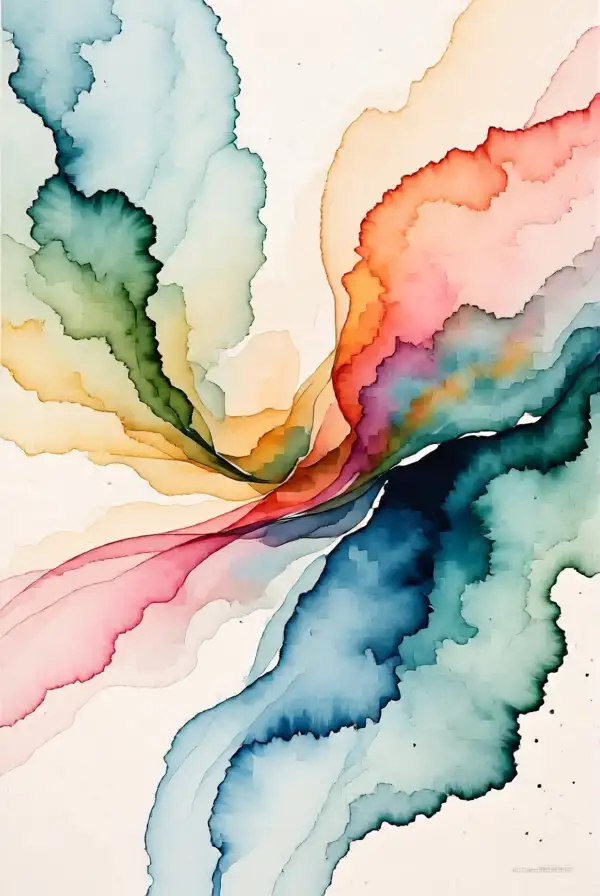
Watercolor can lend a softness to your abstract canvas art. The fluid nature of watercolor paints allows for beautiful blending and washes that can create unique patterns and looks. Exploring this medium can lead to stunning transparency and luminosity in your work.
Try layering multiple washes to build up color intensity while maintaining that watercolor feel. Embrace the unexpected outcomes that can arise from this method; it adds charm to your creative process.
13. Mixed Media Approaches
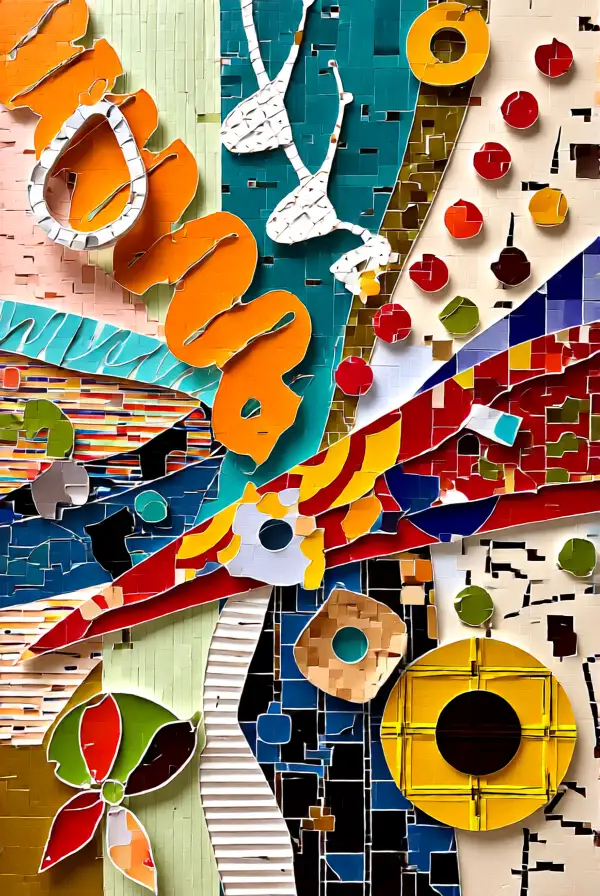
Combine various media—such as paint, ink, and collage elements—to create vibrant mixed media abstract art. This approach allows you to explore different textures and visual effects, making each piece truly unique.
Include photographs, drawings, and applied elements like beads or fabrics to enhance tactile quality. This technique encourages creative freedom and flexibility as you explore the intersection of different artistic methods.
14. Spiritual Symbolism
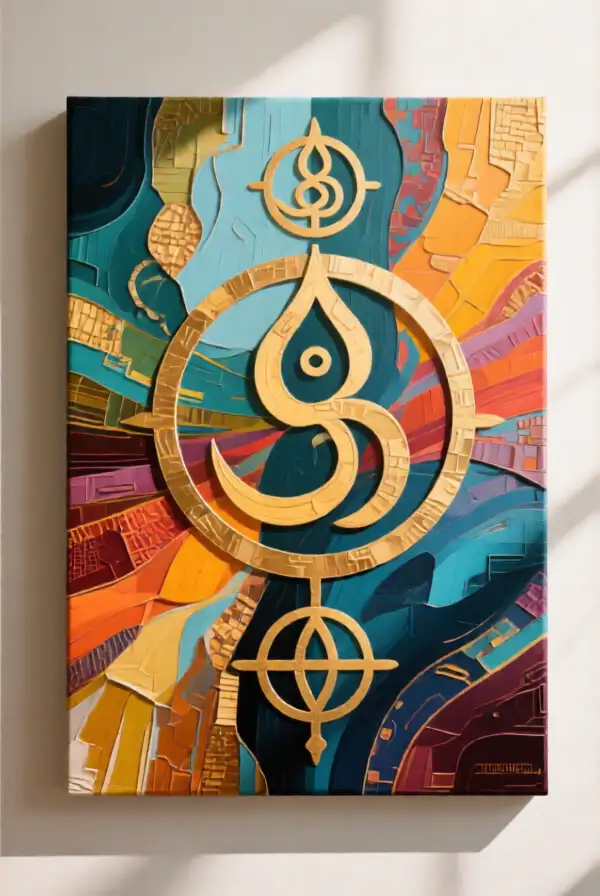
Infuse your artwork with spiritual symbolism to create deeper meaning. Use shapes and colors associated with specific emotions or concepts, translating your feelings into abstract forms. This allows your art to resonate on a personal level with you and your audience.
Research different symbols and choose which ones represent your current journey or state of mind. By weaving abstract shapes with symbolic elements, you can guide viewers towards introspection.
15. Final Finishing Touches
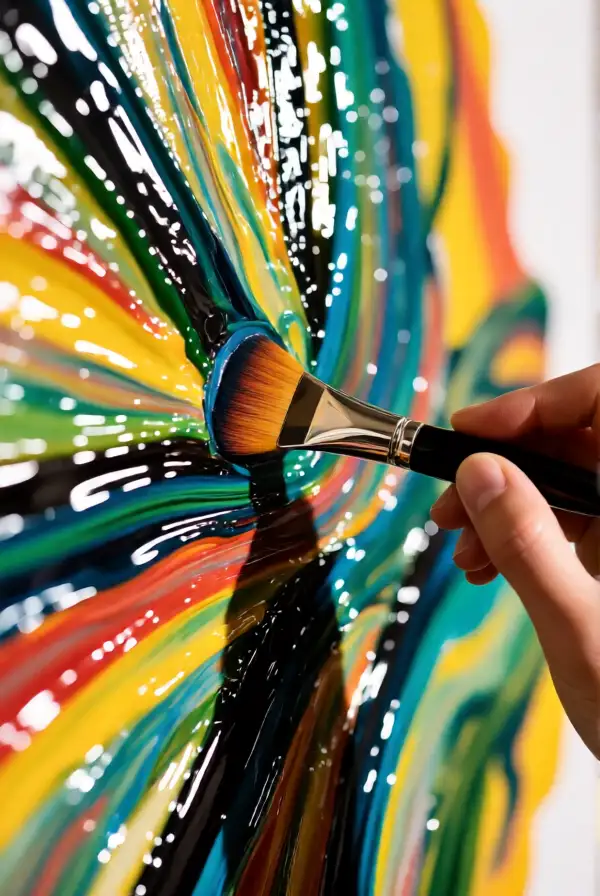
Once your art is complete, consider adding final finishing touches. Whether it’s varnishing for durability or extra paint details for emphasis, these elements can elevate your artwork. Pay attention to how your finishing choices affect the overall aesthetic and feel of your piece.
Final touches are your opportunity to interact with your work one last time. This is where the art can truly come together, ensuring it resonates with your intended message or emotion.
Creating abstract canvas art is an exhilarating process that encourages personal expression. With these 15 projects, you can experiment with various techniques and styles, allowing your creativity to shine. Hang your finished pieces proudly and enjoy the beauty of your artistic journey!