Crochet stitch texture samplers are a beautiful way for new crafters to practice, explore, and create something visually satisfying without chasing perfection. This cozy trend turns simple swatches into tactile inspiration, helping beginners discover yarn, rhythm, color, and texture while building confidence with every relaxed row.
Choosing Soft Yarn That Shows Texture
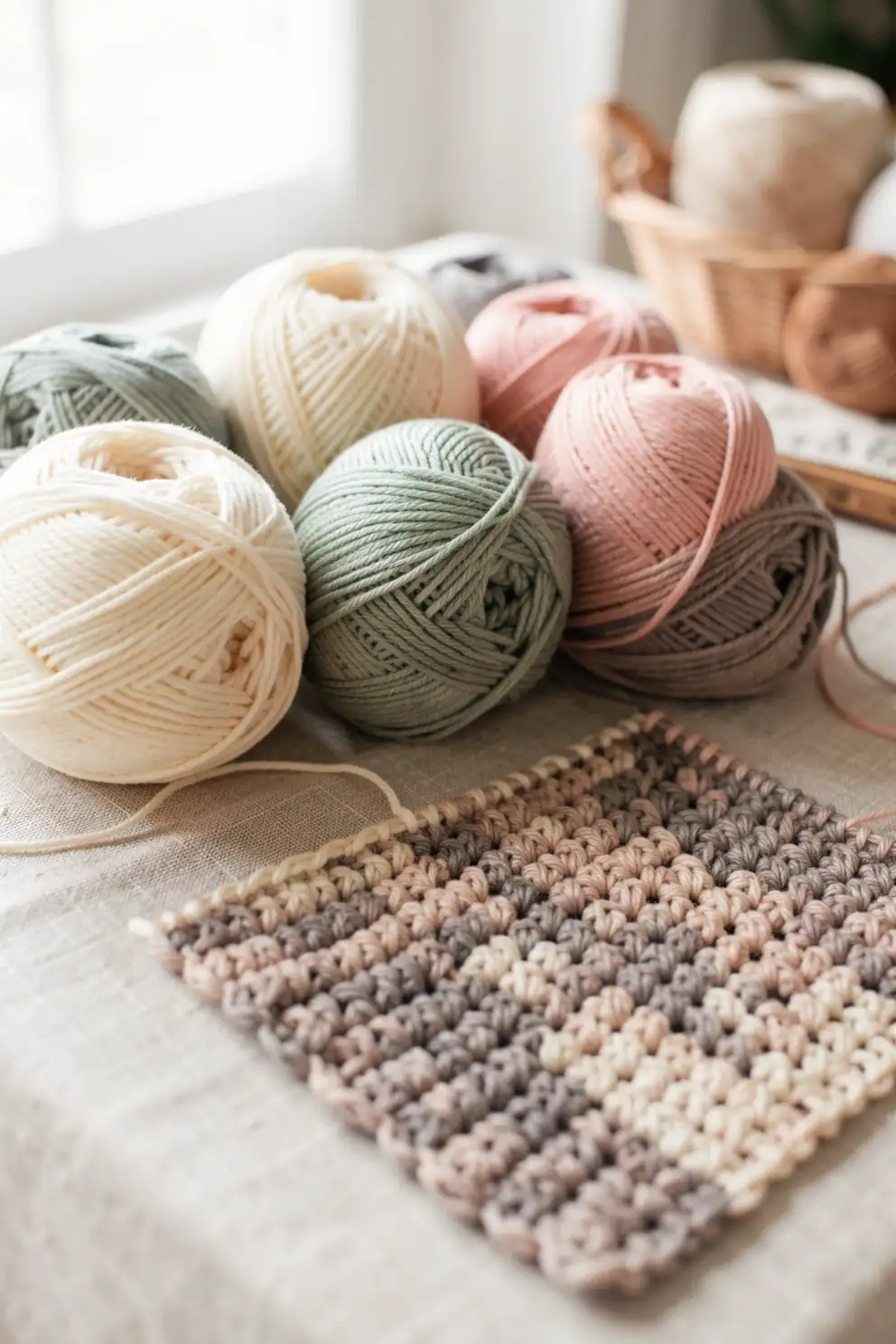
The yarn you choose can completely change how a crochet texture sampler feels and looks. New crafters often enjoy smooth, medium-weight yarn because it makes stitches easier to see while still feeling soft in the hands. A yarn with gentle twist helps raised stitches, ridges, and cluster details stand out without becoming fuzzy or hard to read. This makes practice feel more rewarding, especially when every little texture begins to appear clearly.
Soft neutrals, muted pastels, and warm earthy shades are especially lovely for sampler projects because they let texture stay at the center. Very busy variegated yarn can be fun, but it may hide stitch definition when you are still learning. If you want a calm and cohesive sampler, try staying within a related color family. The result feels intentional, soothing, and easy to style later as a handmade accent.
Starting With Gentle Stitch Families
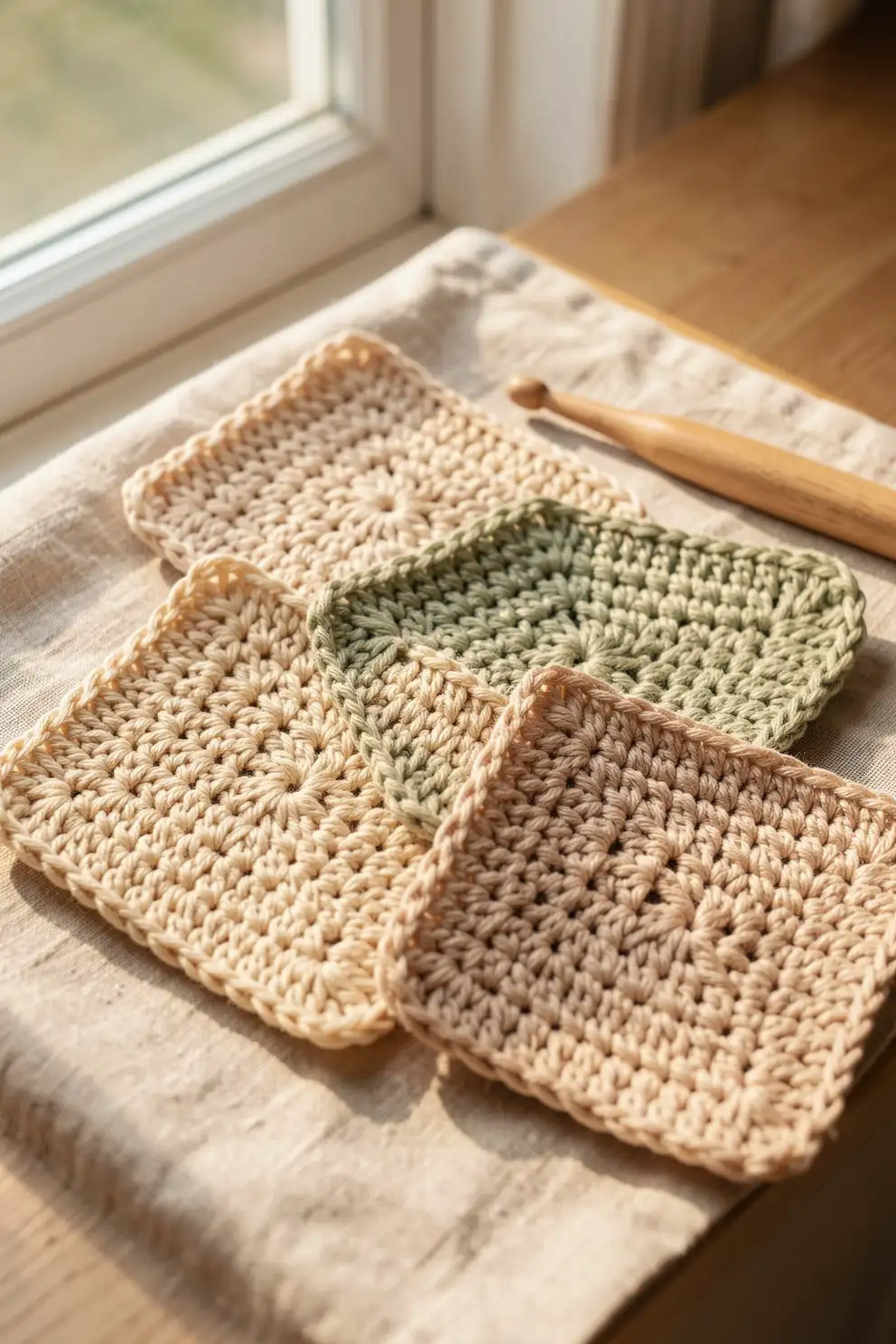
A texture sampler does not need to begin with complicated stitchwork. Gentle stitch families are perfect for easing into crochet because they build rhythm, hand control, and confidence. Simple stitches can create surprisingly beautiful surfaces when arranged thoughtfully. Rows of compact stitches feel sturdy and smooth, while taller stitches create softness and movement. By beginning with approachable textures, you allow your hands to settle into the craft without feeling rushed.
Think of your sampler as a relaxed study in how yarn behaves. Notice how tight stitches create firmness, how taller stitches drape, and how repeated patterns become calming over time. This kind of slow exploration helps new crafters understand more than just technique. It builds a relationship with the material. The finished sampler becomes a record of discovery, filled with small shifts in texture that feel personal and handmade.
Building a Calm Sampler Palette
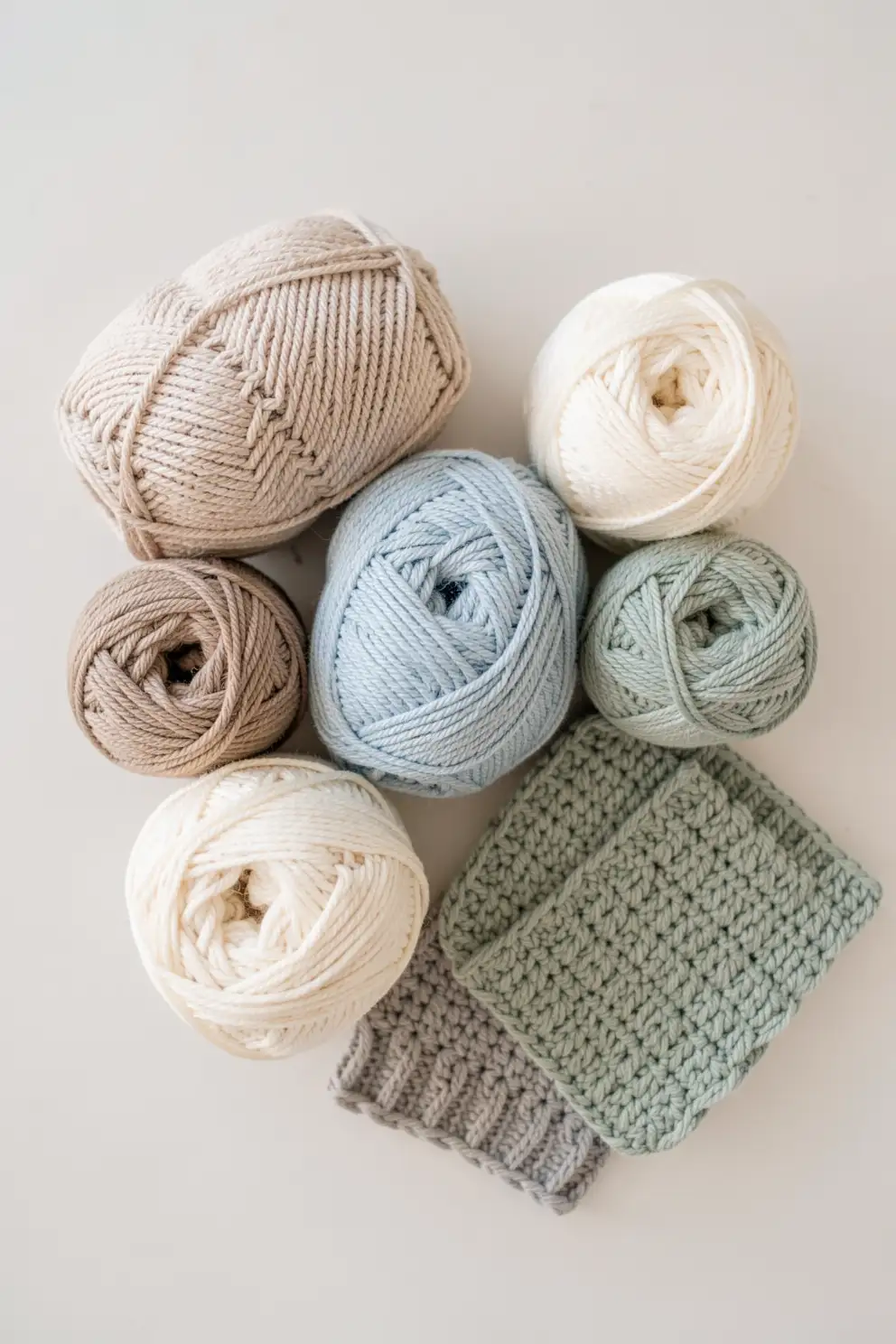
A calm palette can make a crochet texture sampler feel polished even when the stitches are still experimental. Soft cream, oat, blush, sage, clay, misty blue, and warm gray all work beautifully for beginner samplers. These shades create a soothing background for texture and help the project look cohesive from the start. A gentle palette also reduces visual overwhelm, making it easier to notice stitch shape and surface detail.
If you enjoy color, choose shades that share a similar softness rather than jumping between very bright contrasts. This creates harmony while still giving every section its own mood. You can let smooth stitches sit in lighter shades and raised stitches appear in deeper tones for subtle emphasis. The goal is not perfection, but a sampler that feels pleasant to hold, look at, and revisit whenever you want creative inspiration.
Mixing Smooth and Raised Surfaces
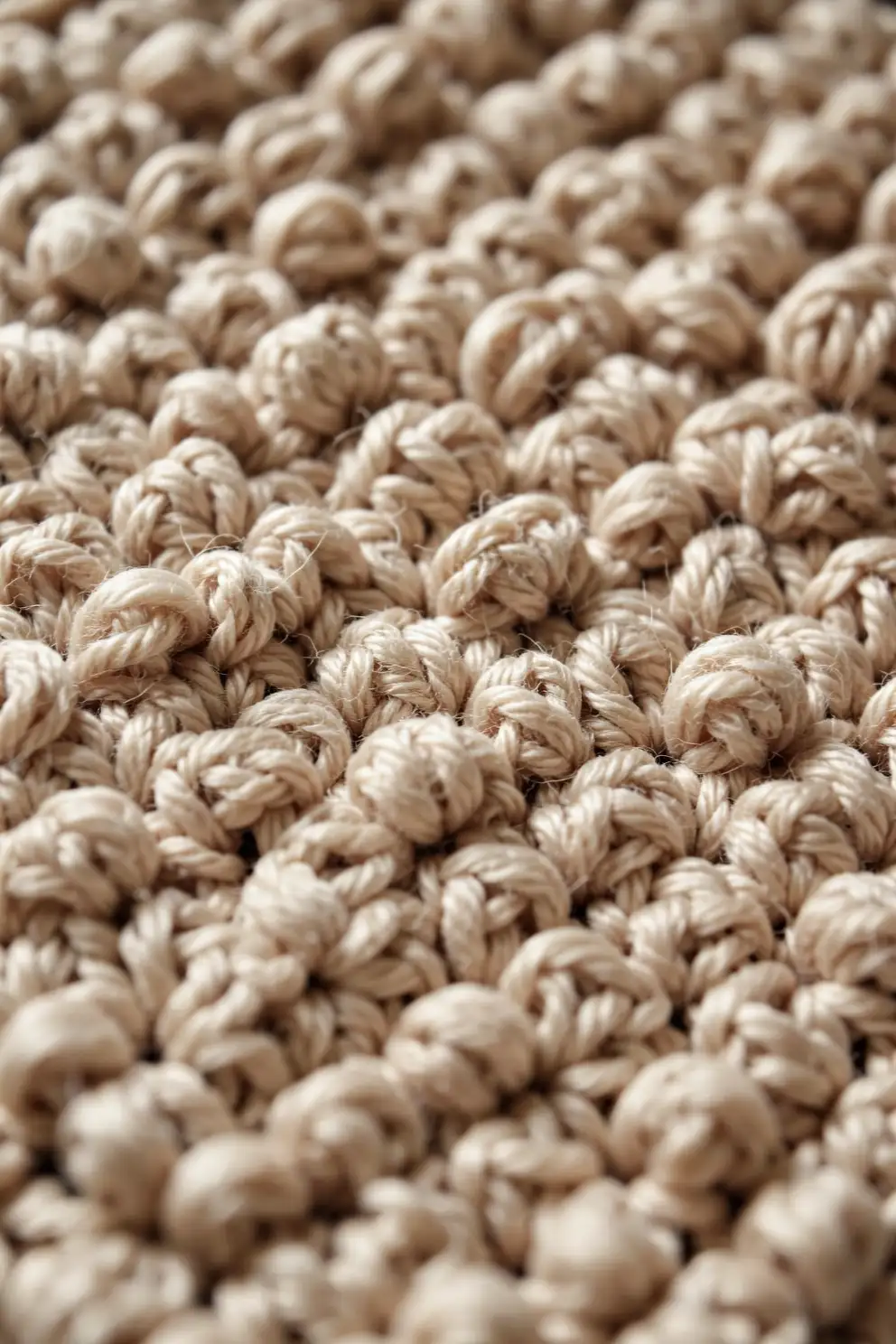
The charm of a texture sampler comes from contrast. Smooth stitches provide quiet breathing room, while raised stitches add cozy dimension and visual interest. When you place these surfaces near each other, the sampler begins to feel like a tactile mood board. New crafters can use this contrast to understand how stitch height, tension, and placement affect the finished fabric. Even simple changes can create a noticeably different surface.
Try thinking in terms of balance rather than difficulty. A dense area may look beautiful beside a soft open section. A raised ridge can make a plain surface feel more intentional. These contrasts teach your eye what you enjoy most in crochet texture. Over time, you may discover that you love sculptural stitches, delicate ridges, or understated fabric with gentle movement. Your sampler becomes a guide to your personal crochet style.
Creating Cozy Rows With Simple Repeats
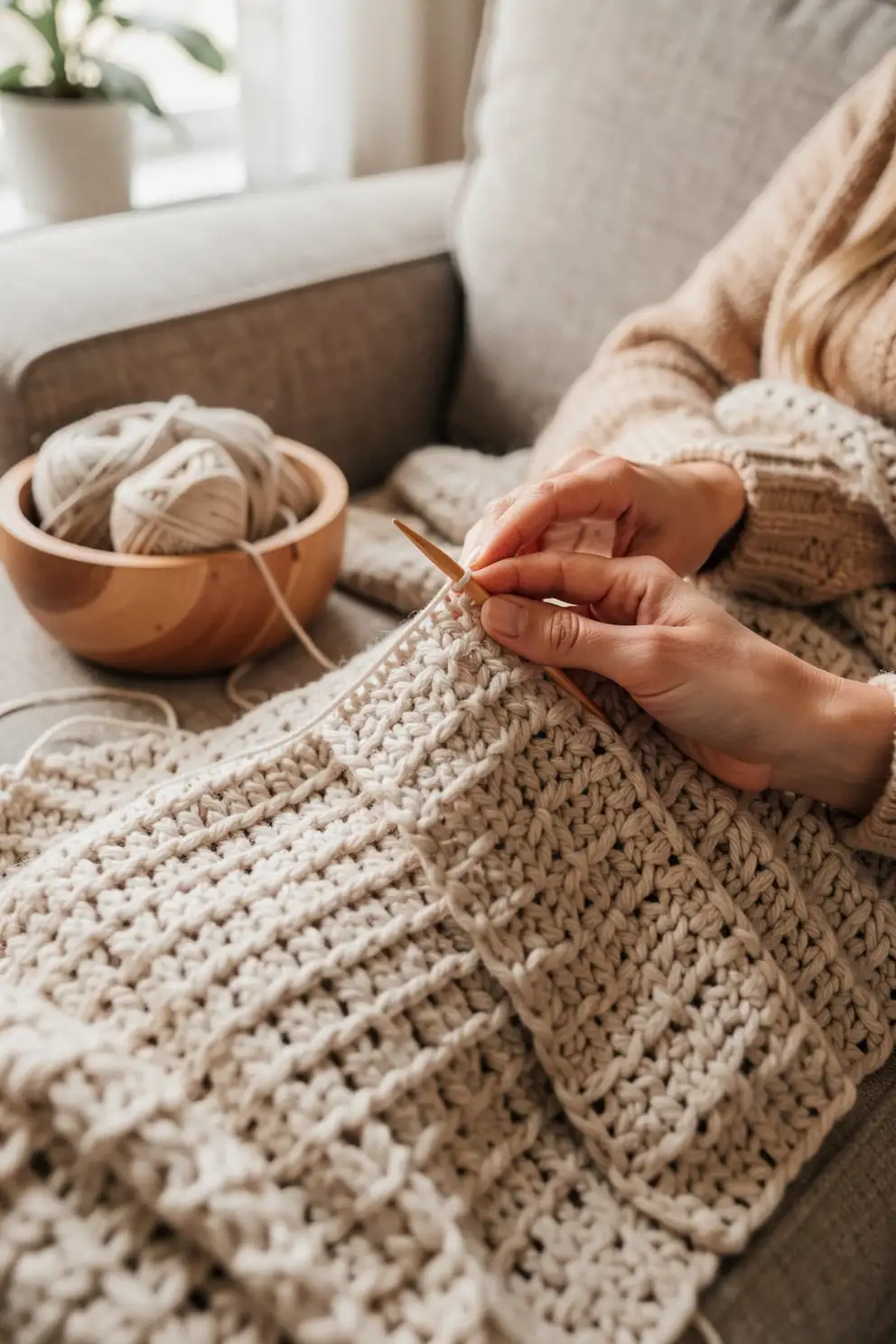
Simple repeats are ideal for new crafters because they create rhythm without requiring constant decision-making. Repeating a stitch pattern across a row allows your hands to practice the same movement until it starts to feel natural. This is where crochet becomes calming. The project grows slowly, the texture becomes visible, and each row feels like a small step toward confidence. A sampler built this way feels peaceful and approachable.
Cozy repeated rows also make mistakes easier to spot. When a pattern has a steady rhythm, any unexpected change becomes more noticeable, which helps you learn without frustration. You can gently correct the issue or leave it as part of the handmade story. Either choice is valid. The beauty of a sampler is that it welcomes practice, patience, and curiosity while still becoming something lovely in the end.
Trying Puff Stitches for Soft Dimension
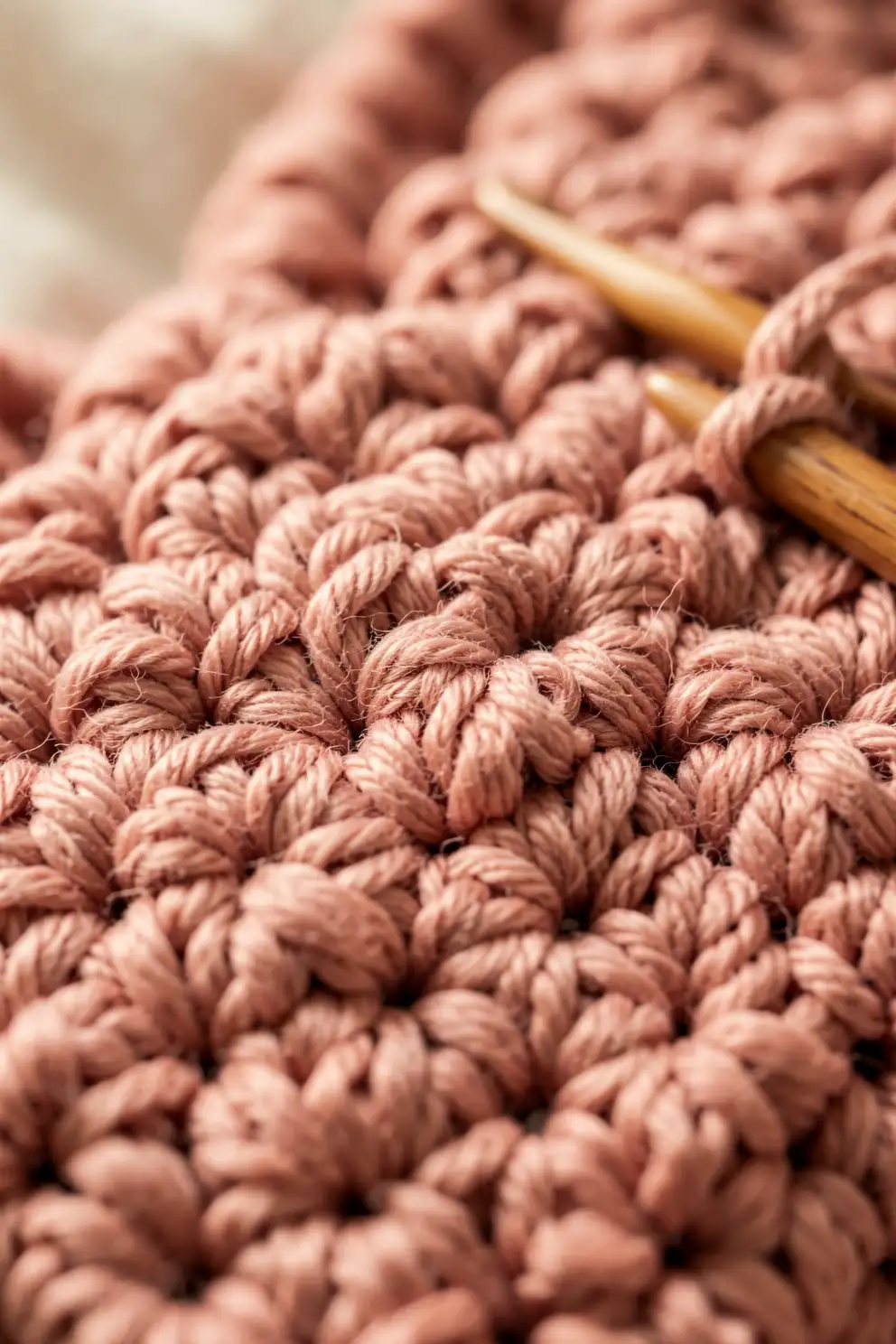
Puff stitches are a favorite for texture samplers because they look plush, playful, and instantly satisfying. They add soft dimension without feeling overly formal, making them perfect for new crafters who want a little drama in their work. The rounded texture feels cozy under the fingers and creates a charming handmade effect. Practicing puffs also helps you learn yarn control, since even loops create a more balanced surface.
When adding puff stitches to a sampler, give them enough space to shine. Pair them with smoother rows or simple backgrounds so the raised texture does not feel crowded. This makes the sampler easier to read visually and more comfortable to work through. Puff stitches can feel awkward at the beginning, but with relaxed hands and steady breathing, they quickly become a joyful part of the crochet texture journey.
Exploring Ribbed Texture With Relaxed Practice
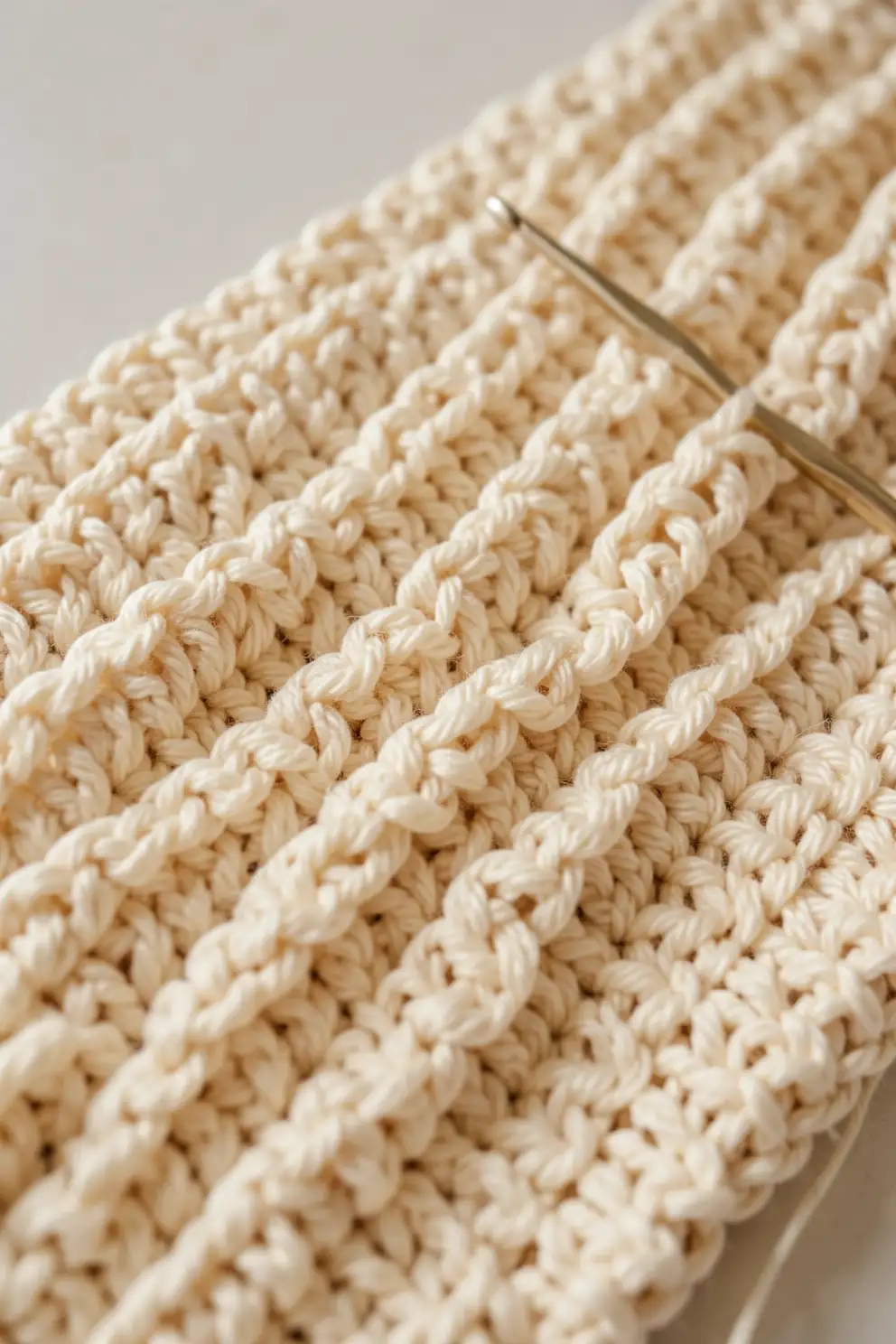
Ribbed crochet texture has a cozy, wearable quality that many new crafters love. It can look like soft knit fabric while still being created through crochet techniques. Adding ribbed sections to a sampler helps you practice working into different parts of a stitch and noticing how that changes the fabric. The result can feel stretchy, sculpted, and beautifully structured, even when the method is quite approachable.
Ribbing is especially useful because it appears in scarves, cuffs, blankets, hats, and home accents. A sampler gives you a low-pressure place to explore it before adding it to larger projects. Keep your tension relaxed and consistent so the ridges can form evenly. If some areas look tighter than others, that is still valuable information. Every ridge teaches your hands how pressure and placement shape the final texture.
Adding Lace Moments for Airy Contrast
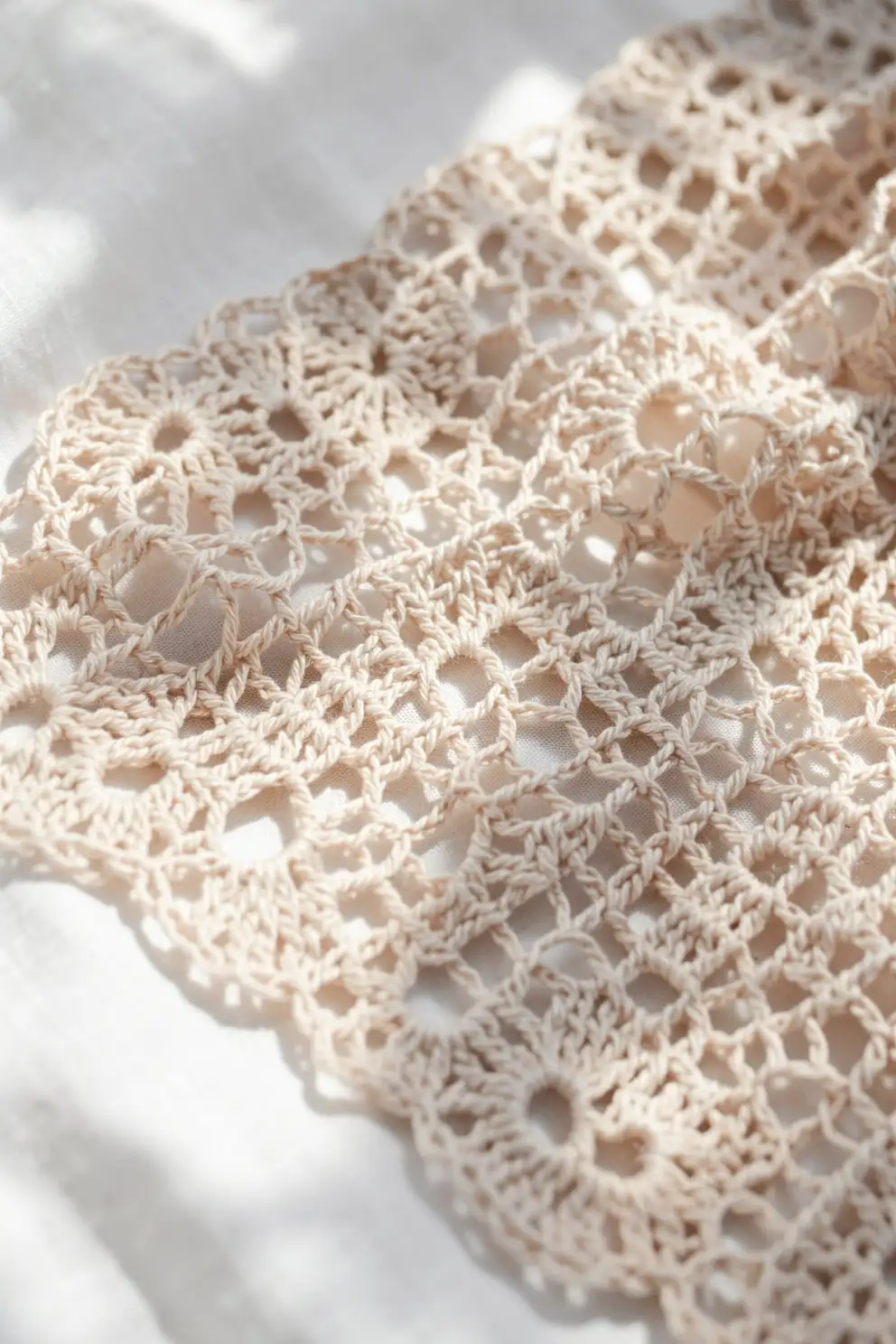
Lace moments bring lightness to a crochet texture sampler. After dense stitches and raised details, an airy section can feel refreshing and delicate. New crafters may think lace is too advanced, but many open textures are built from simple spacing and repeated movements. A small lace-inspired area can teach you how negative space affects the fabric, giving your sampler a graceful change in mood and movement.
Airy texture works beautifully between heavier stitch sections because it creates visual rest. It also shows how crochet can be soft, structured, open, and decorative all within the same project. Choose a relaxed yarn and avoid pulling too tightly, since open stitches need space to breathe. Lace moments do not have to be elaborate. Even gentle openings can add elegance and make the sampler feel more layered.
Using Granny Inspired Blocks for Confidence
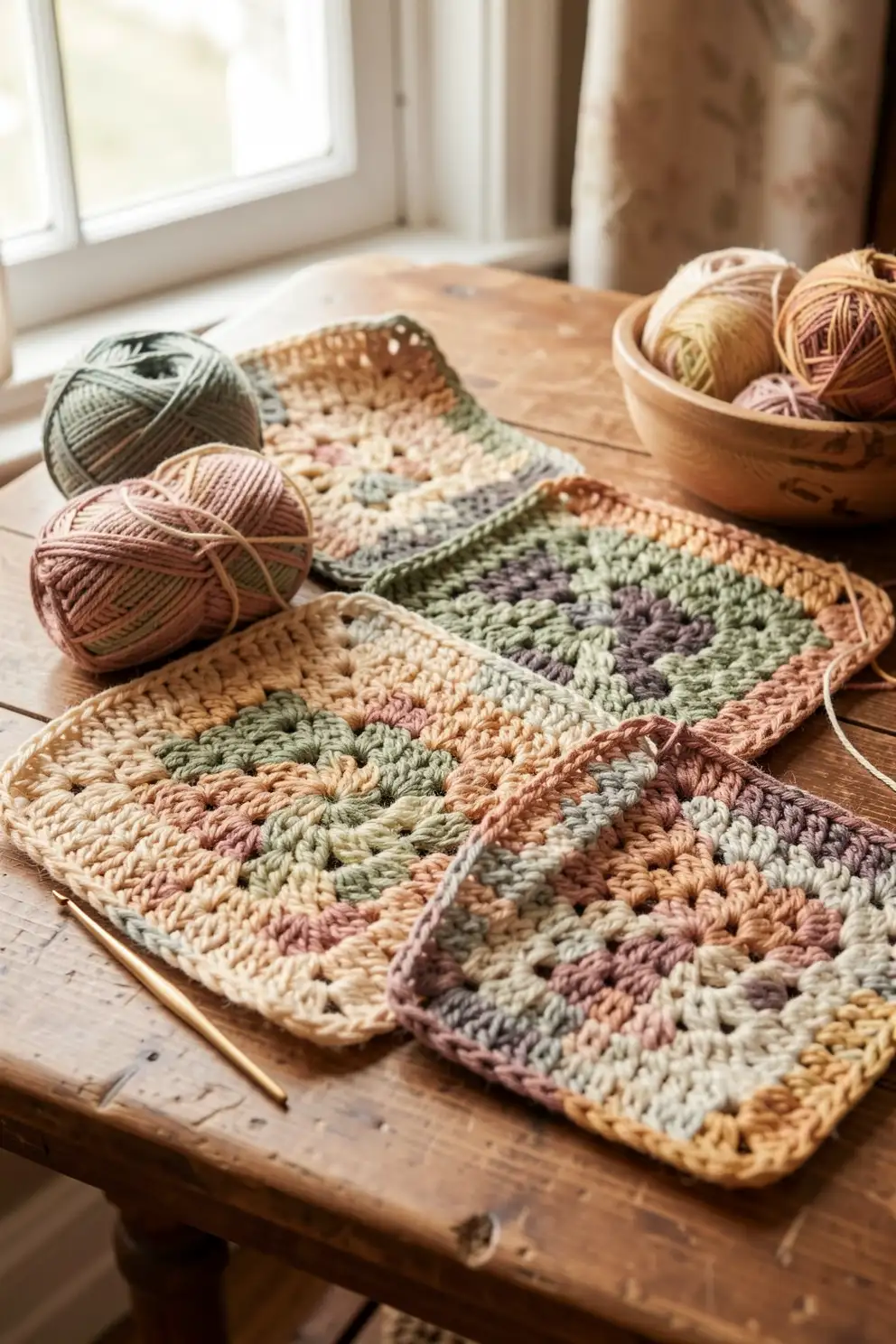
Granny inspired texture is familiar, nostalgic, and wonderfully encouraging for new crafters. The clustered look feels classic while still fitting beautifully into modern sampler projects. Adding a granny inspired section can help you practice grouping stitches, spacing evenly, and creating a fabric with gentle openness. It is a friendly technique because the pattern begins to make sense visually as you work, offering reassurance with every completed cluster.
This style also adds a cozy handmade personality to a sampler. It pairs well with neutral yarn for a soft cottage feel or with muted colors for a playful vintage mood. You do not need to commit to a large blanket or square project to enjoy the look. A sampler lets you borrow the charm of granny texture in a smaller, more manageable way while building skills for future projects.
Keeping Edges Neat and Relaxed
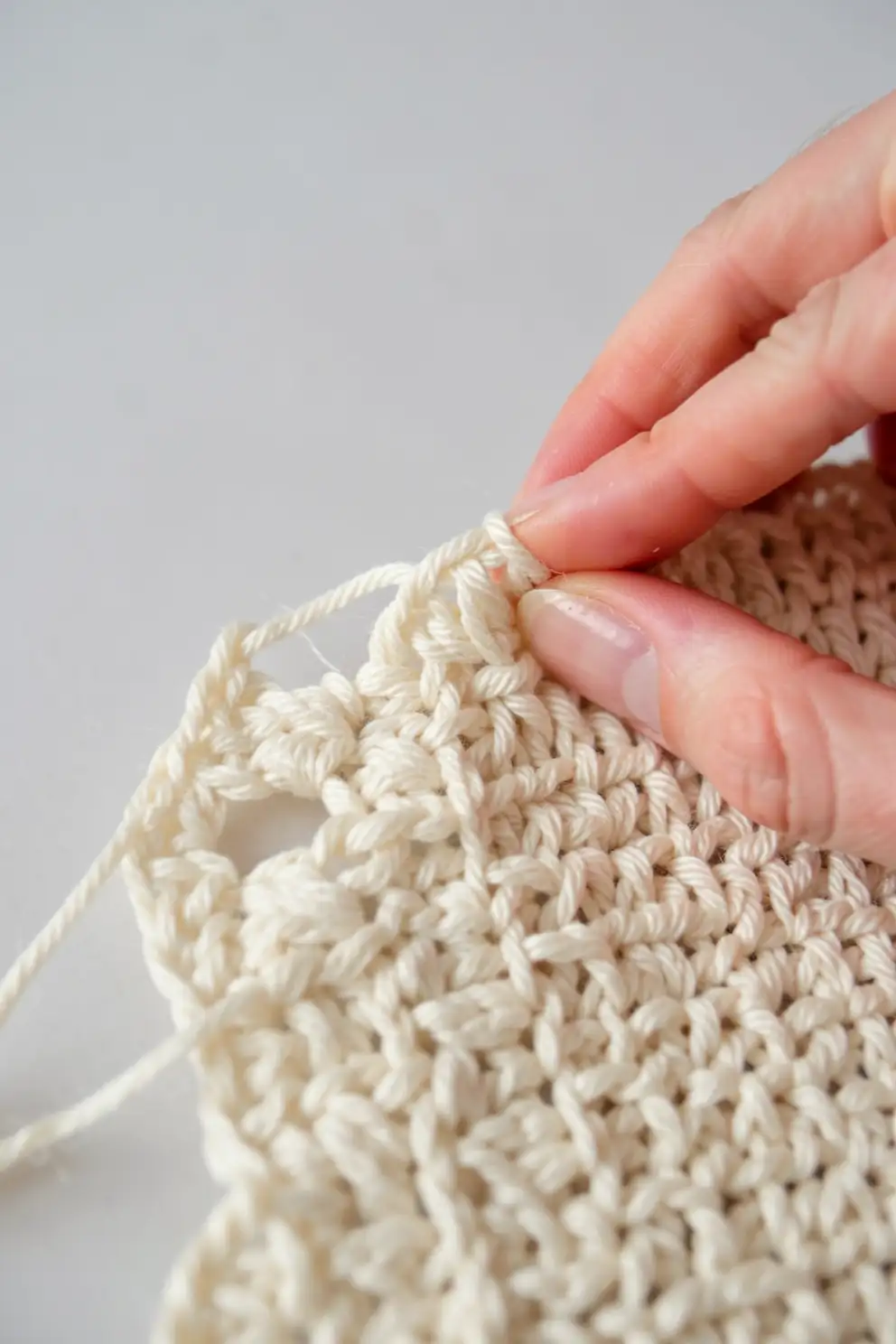
Neat edges make a texture sampler feel more finished, but they do not need to become a source of stress. New crafters often find edges challenging because turning, tension, and stitch placement can shift slightly from row to row. Instead of aiming for strict perfection, focus on creating relaxed consistency. Smooth edges help the sampler lie nicely and make each texture section feel more intentional.
A simple border can also bring the entire sampler together. It frames the different textures and gives the piece a polished handmade look. If your edges are uneven, a border can soften the appearance and make the sampler feel complete. This is a lovely reminder that crochet often has room for gentle adjustment. A project can be imperfect, useful, beautiful, and deeply satisfying all at the same time.
Turning Practice Swatches Into Decor
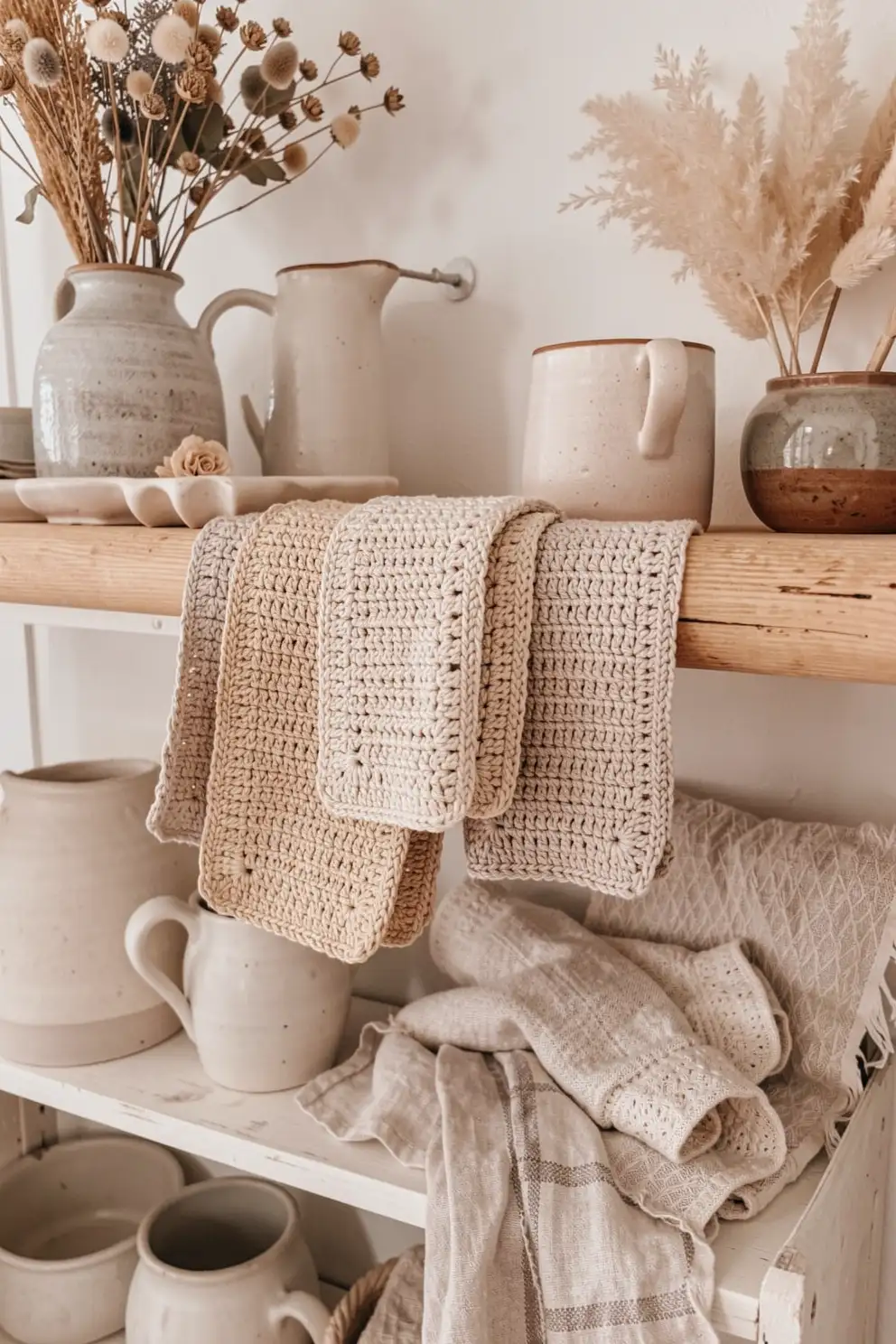
Practice swatches do not have to stay hidden in a craft basket. Texture samplers can become charming decor when displayed with intention. A collection of soft crochet textures can be framed, hung from a wooden dowel, layered on a shelf, or placed in a cozy craft corner. This turns learning into something visible and celebratory, reminding you that practice is part of the beauty.
Decorating with sampler pieces also makes your home feel more personal. Handmade texture adds warmth that mass-produced items rarely capture. Even a small sampler can bring softness to a desk, reading nook, or bedside area. Choose colors that match your space, and let the stitches add subtle depth. When practice becomes decor, every learning moment feels meaningful rather than disposable.
Making a Texture Journal for Crochet Growth
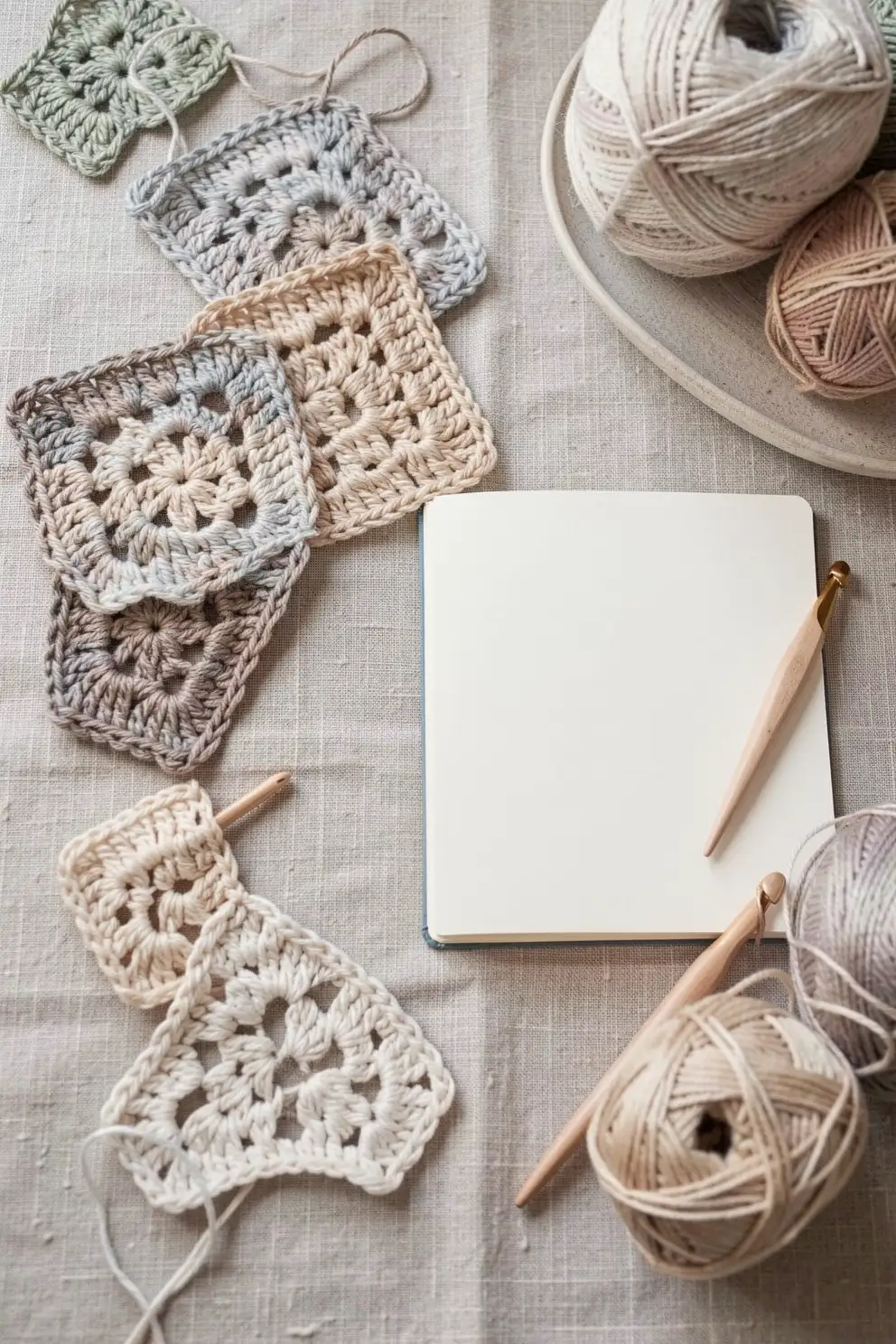
A texture journal is a beautiful companion to a crochet sampler. Instead of relying on memory, you can keep notes about yarn choices, hook feel, stitch comfort, and the look of each texture. This makes your learning process easier to revisit. New crafters often grow faster when they can see what worked, what felt tricky, and which textures sparked the most excitement.
Your journal does not need to be formal. It can include small swatches, yarn scraps, color ideas, and personal observations. The goal is to create a soft record of your crochet journey. Over time, the pages become a source of inspiration for future blankets, scarves, pillows, and gifts. A texture journal turns experimentation into a creative archive that feels both practical and sentimental.
Pairing Stitches With Mood and Season
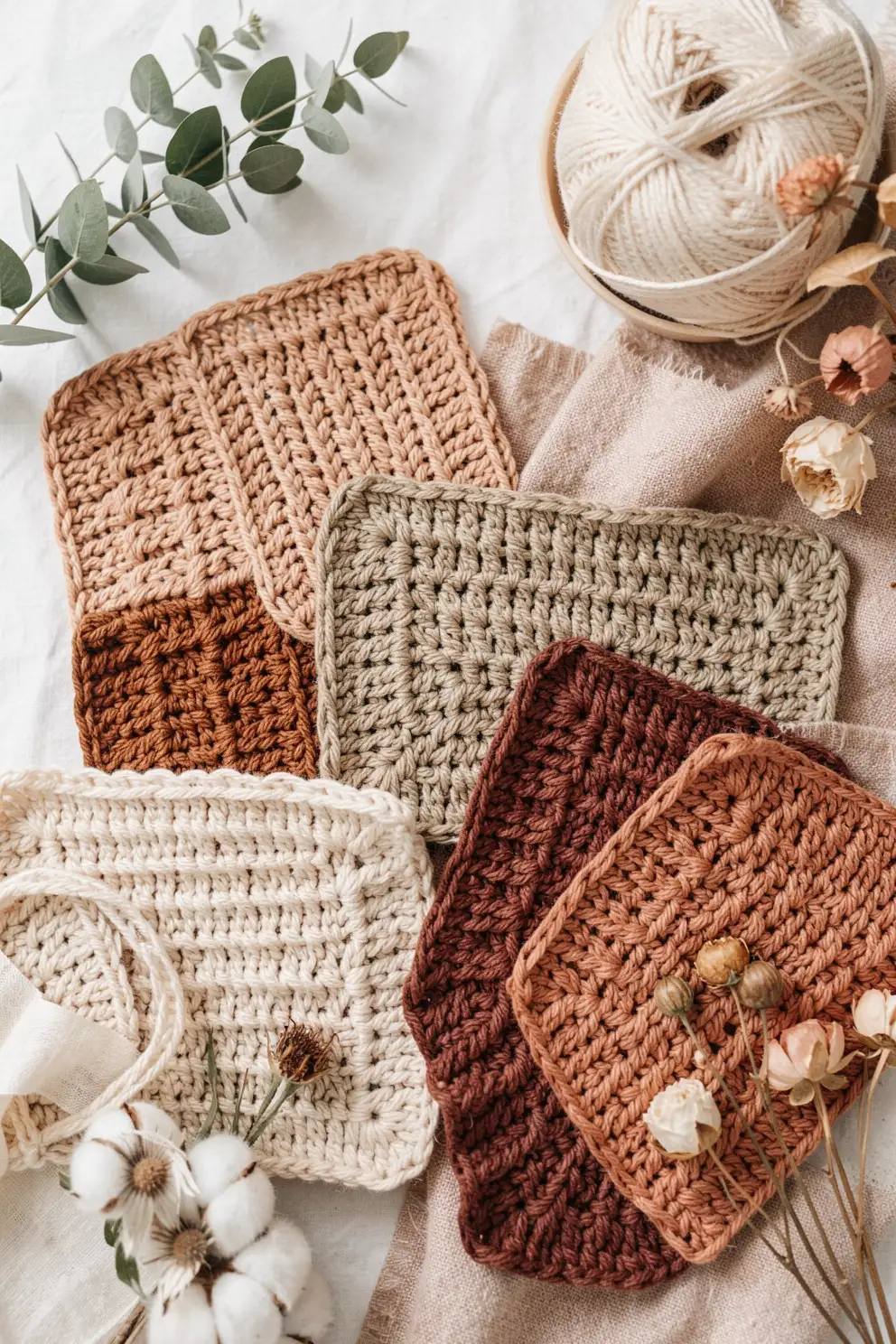
Crochet texture has mood, and that is part of what makes samplers so inspiring. Dense ridges may feel warm and wintery, while open lace feels breezy and light. Soft puffs can feel playful, and smooth rows can feel calm and minimal. New crafters can use a sampler to notice these emotional qualities, creating sections that reflect the season, the weather, or the feeling they want to capture.
This approach makes crochet feel more intuitive. Instead of choosing stitches only by difficulty, you begin choosing them by atmosphere. A cozy evening might inspire plush texture, while a bright morning might call for airy spacing and gentle color. Your sampler becomes more than a practice piece. It becomes a small seasonal story told through yarn, touch, and personal style.
Choosing Hooks That Feel Comfortable
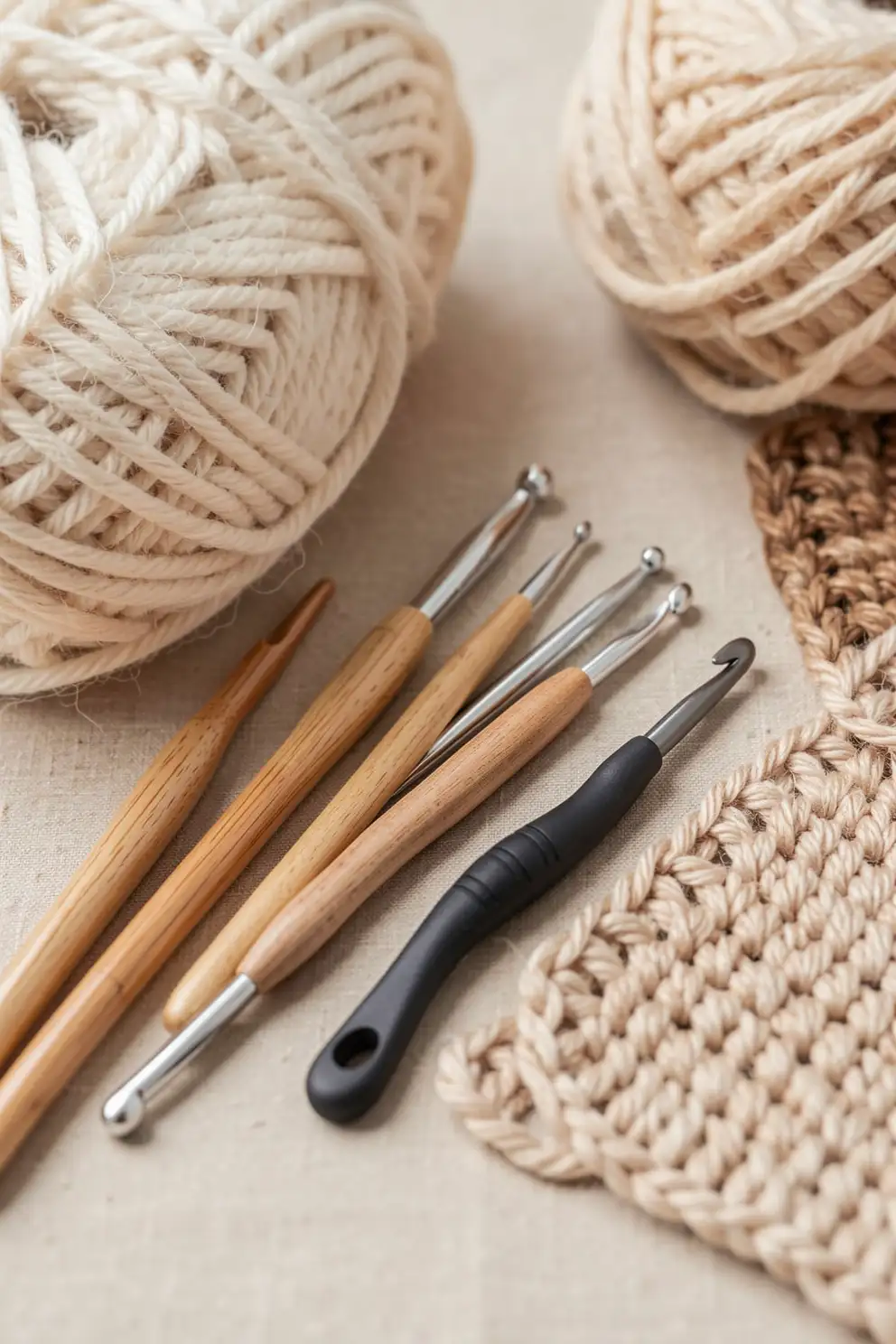
The right hook can make a big difference in how enjoyable a texture sampler feels. New crafters may notice that some hooks glide smoothly while others feel tiring or awkward. Comfort matters because texture practice often involves repeated movements. A hook that sits nicely in your hand can help you relax, maintain steadier tension, and enjoy the process for longer without unnecessary strain.
Different hook materials can change the crochet experience. Metal may glide quickly, wood may feel warm and controlled, and ergonomic handles may offer extra support. There is no universal best choice, only what feels right for your hand and yarn. A sampler is a perfect place to experiment because the goal is learning. Pay attention to ease, flow, and comfort as much as the finished texture.
Fixing Common Texture Mishaps Kindly
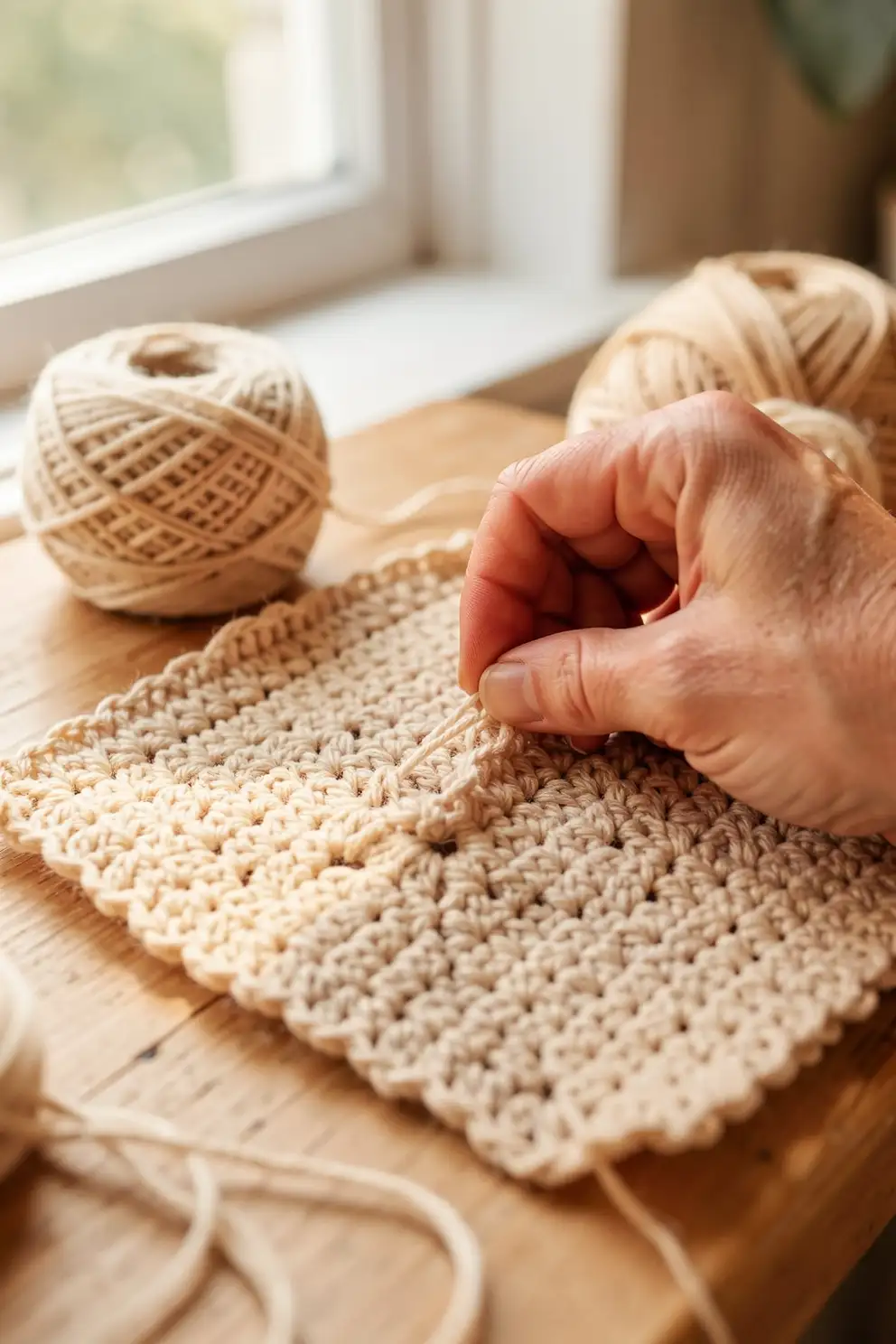
Texture mishaps are part of learning crochet, not proof that you are doing something wrong. Raised stitches may look uneven, lace openings may shift, and edges may wobble while your hands are still building muscle memory. A sampler gives you permission to practice without pressure. When something looks unexpected, pause and observe it gently. Often the mistake teaches exactly what your next attempt needs.
Kind correction is more useful than frustration. You can pull back a small area, adjust tension, or simply continue and treat the sampler as a record of growth. Many handmade pieces have tiny inconsistencies that make them feel warm and human. The more you practice, the more your hands understand the movement. Confidence grows when you allow mistakes to be information rather than failure.
Styling Finished Samplers Around Home
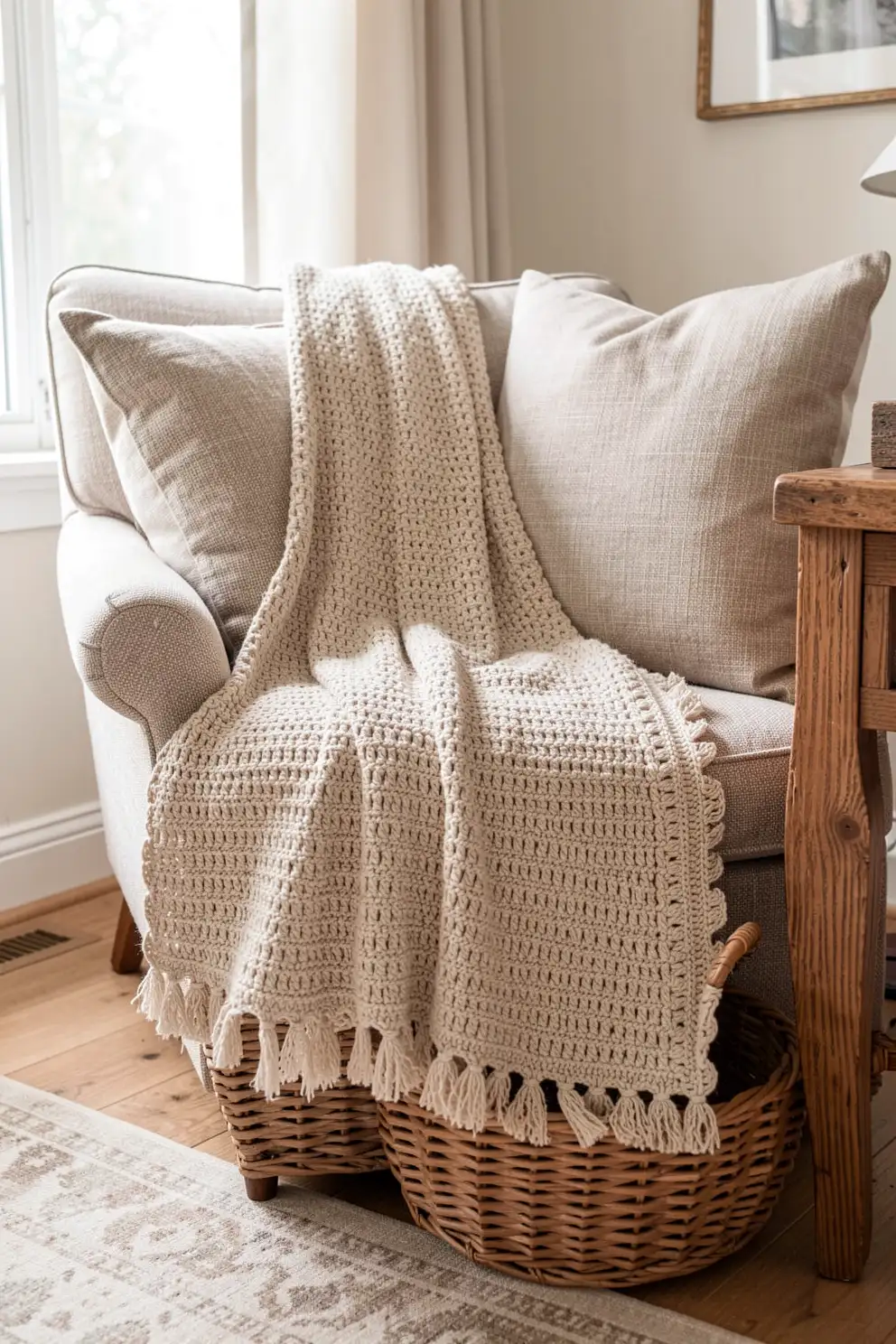
A finished crochet texture sampler can add softness and charm to many corners of the home. Drape it over a basket, fold it on a craft table, layer it with books, or place it near your favorite chair. The varied stitches create tactile interest while the handmade quality brings warmth. Even beginner pieces can look beautiful when styled with calm colors and natural textures.
Think of the sampler as a small textile accent. Pair it with linen, wood, ceramic, dried flowers, or a cozy throw to create an inviting scene. If the sampler is made in colors you love, it can blend easily with your decor. Styling your work helps you appreciate the time spent learning. It also turns practice into something you can live with and enjoy every day.
Sharing Your Sampler Progress Creatively
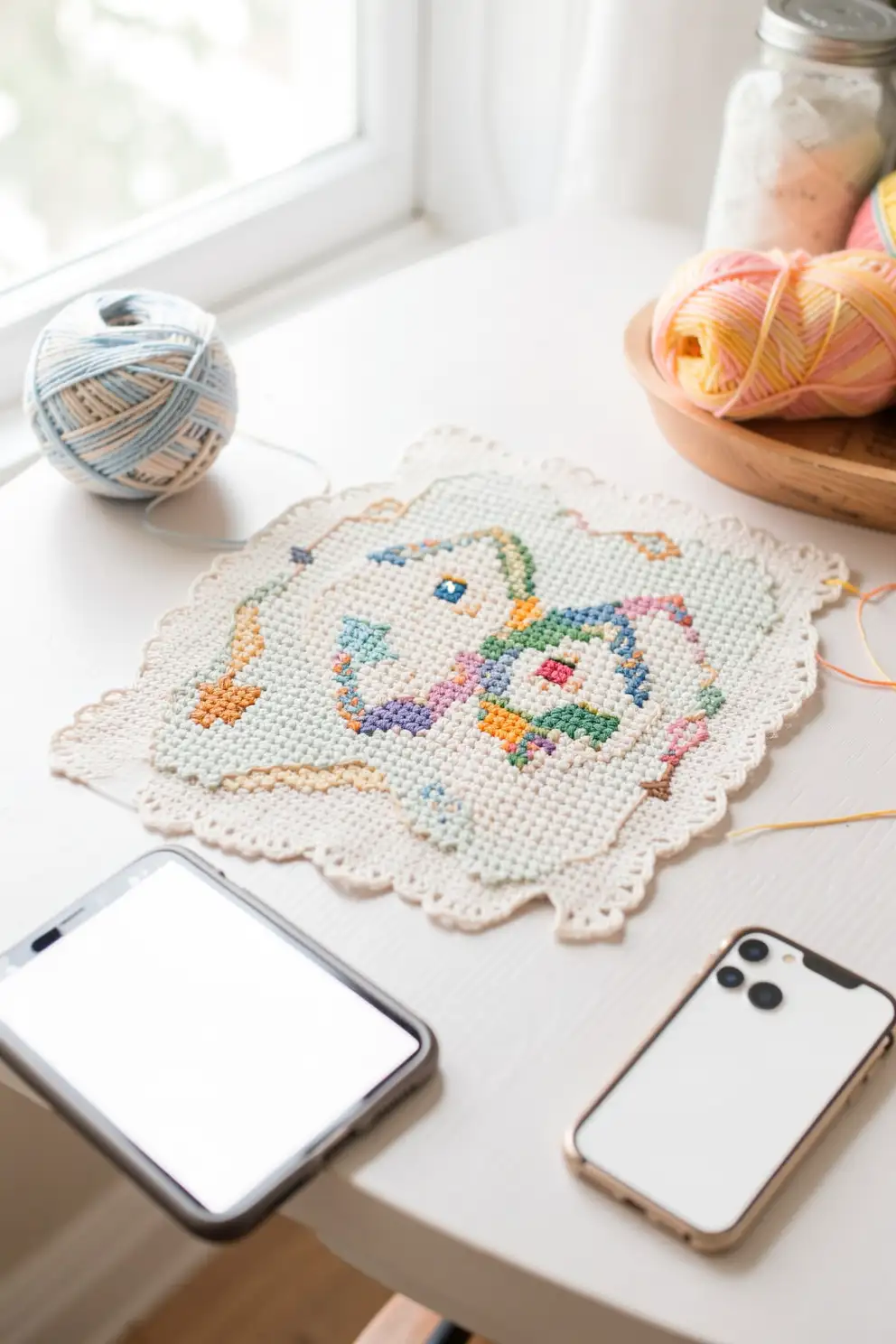
Sharing sampler progress can be a sweet way to stay motivated. A texture sampler naturally photographs well because the stitches create shadow, depth, and detail. You can capture close-up images of your favorite sections, show your yarn palette, or document how the piece changes over time. Sharing does not need to be polished or performative. It can simply be a gentle celebration of learning.
Creative sharing also connects you with other makers who understand the joy of small crochet victories. Someone else may be inspired by your color choices, your texture combinations, or your honest learning process. New crafters often find encouragement in community, especially when they see that everyone improves through practice. Your sampler can become both a personal project and a quiet invitation for connection.
Letting Texture Guide Your Next Project
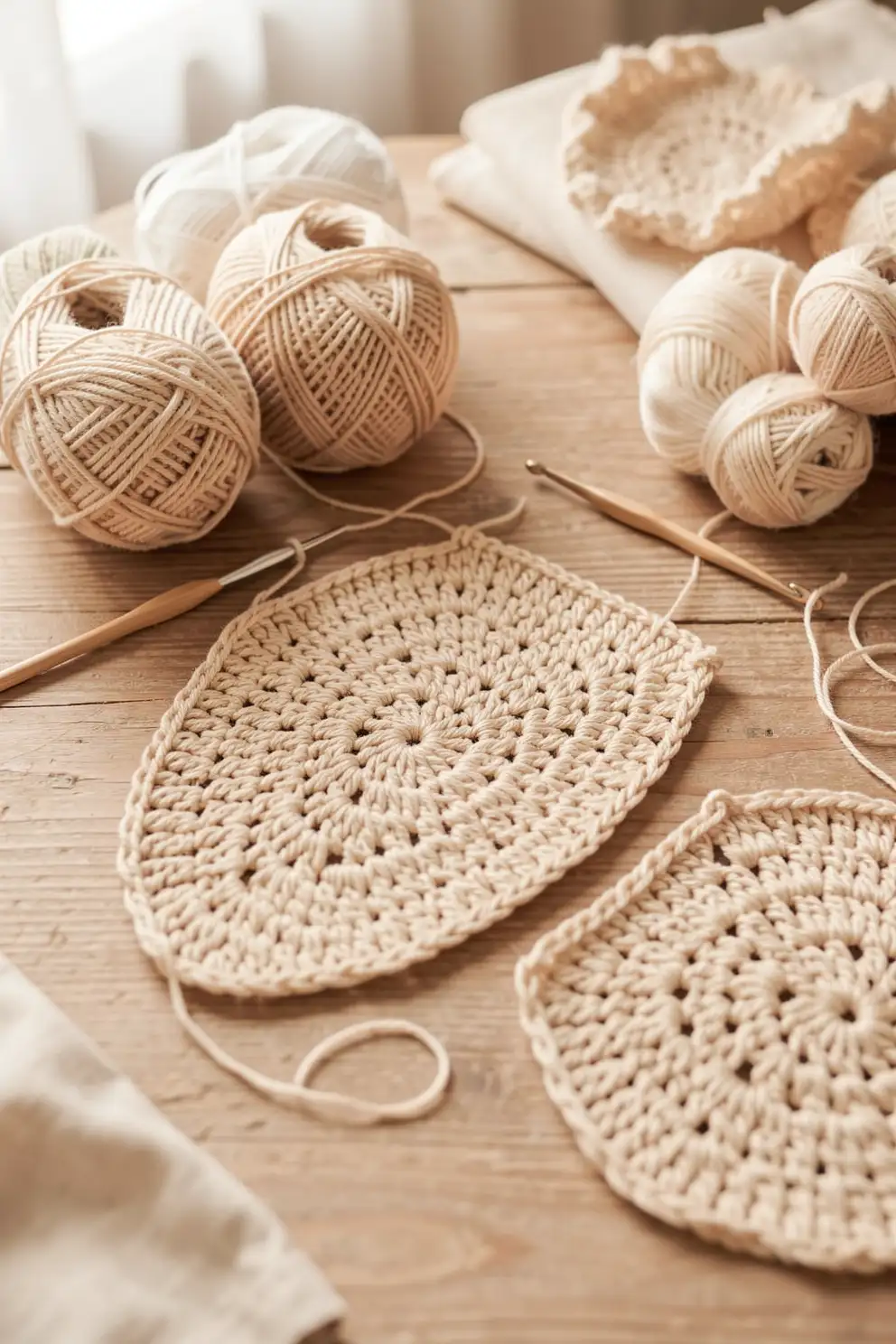
After working through a texture sampler, you may begin to notice which stitches you naturally want to revisit. Some textures will feel soothing, some will feel exciting, and some may not match your style at all. This is valuable information. A sampler helps new crafters make future project choices with more confidence, because the decision comes from hands-on experience rather than guessing.
Let your favorite textures guide what you make next. A plush section might inspire a pillow, a ribbed area might suggest a scarf, and an airy stitch might lead to a delicate wrap. The sampler becomes a creative map, showing what feels good to make and what looks beautiful to you. From there, crochet begins to feel less intimidating and more like a personal language.
Crochet stitch texture samplers are a thoughtful way for new crafters to learn, relax, and create something beautiful at the same time. By exploring yarn, color, raised details, smooth surfaces, and cozy repeats, you build skills while discovering your personal crochet style. Let every swatch feel like progress, every texture feel like inspiration, and every handmade detail remind you that creativity grows through gentle practice.