
Make your holiday spread feel extra inviting with Thanksgiving side dishes that bring color, texture, and comforting flavor to the table. These approachable recipes pair seasonal ingredients with simple finishing touches, so every serving bowl looks as lovely as the food tastes.
Maple-Roasted Carrots with Thyme
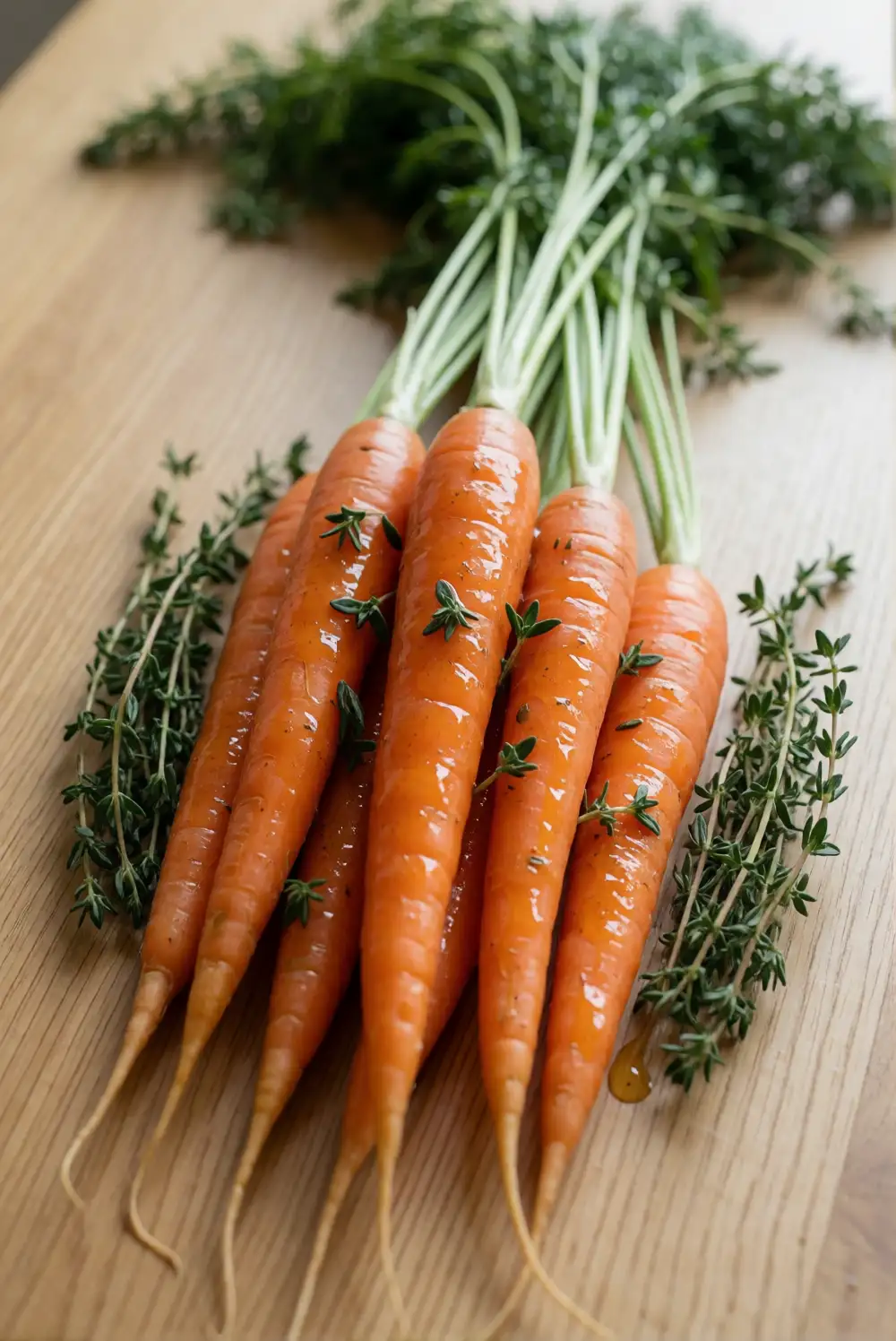
Peel slender carrots and leave a little of each stem attached for a polished presentation. Toss them with olive oil, maple syrup, salt, and pepper, then arrange them in a single layer on a baking sheet. Roast until tender and browned at the edges, turning once so they cook evenly. Finish with fresh thyme leaves and a small drizzle of maple syrup while warm. The glossy coating and vivid color make this an easy centerpiece side.
Choose carrots of similar thickness so they finish together, or slice larger ones lengthwise. For a little brightness, add finely grated orange zest just before serving. Arrange the carrots in a shallow cream-colored platter, alternating their directions for a relaxed, abundant look. A few thyme sprigs tucked between them add a fresh green accent. Serve warm alongside roast vegetables, stuffing, or a rich main dish, and keep any extra glaze in a small dish for spooning at the table.
Crispy Sage and Brown Butter Mashed Potatoes
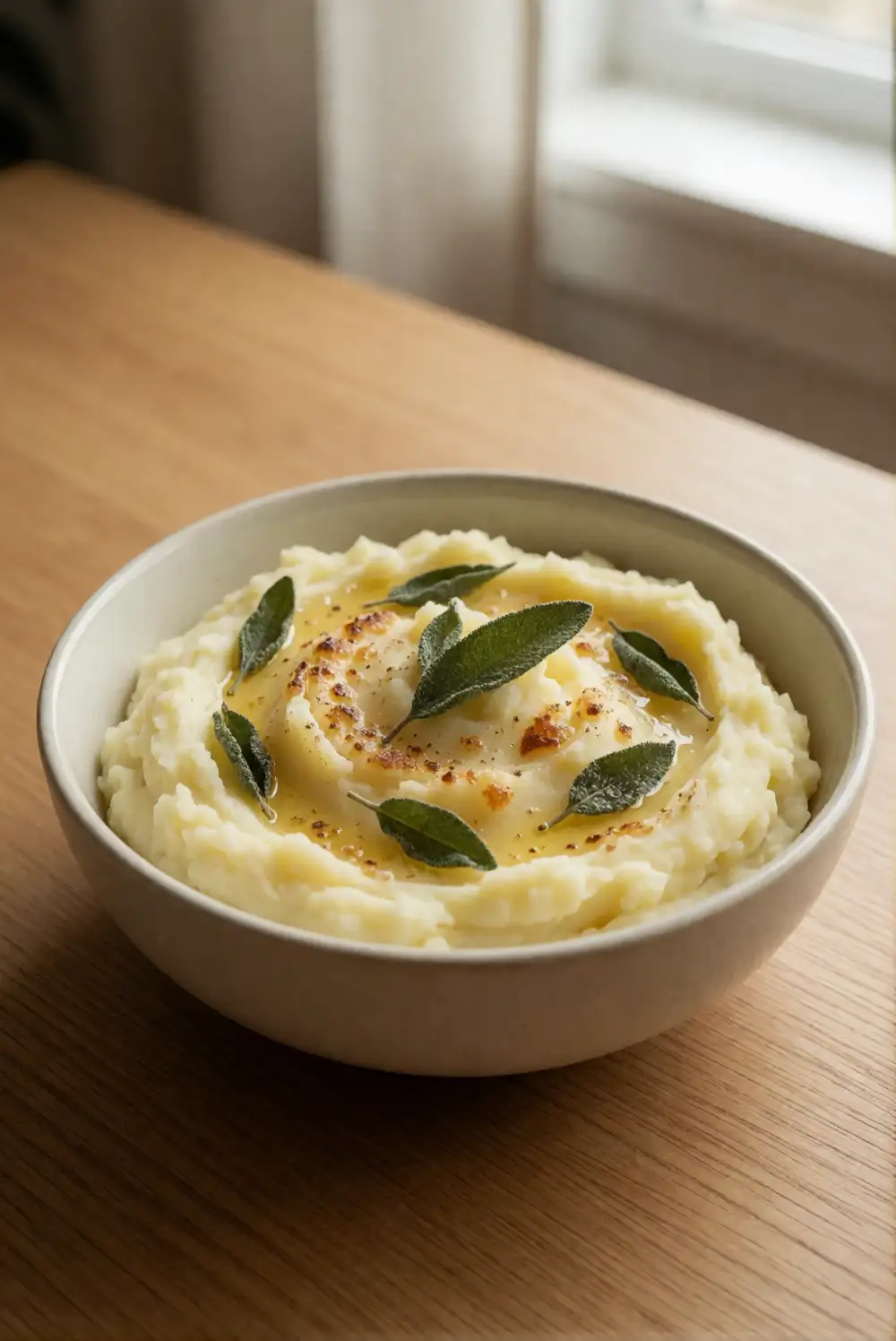
Peel and quarter russet or Yukon Gold potatoes, then simmer them in salted water until easily pierced. Drain well and mash with warm milk, butter, salt, and black pepper until creamy. For the topping, melt butter in a small pan until its milk solids turn golden and smell nutty. Add fresh sage leaves and cook briefly until crisp. Spoon the brown butter over the potatoes, then arrange the sage leaves across the surface for a simple, fragrant finish.
Warm the milk before adding it to help the potatoes stay fluffy, and avoid overmixing, which can make them gluey. For a softer texture, add a little more milk; for extra richness, fold in a spoonful of sour cream. Serve in a warm ceramic bowl and create gentle swirls on top to catch the butter. Scatter the crisp leaves just before bringing the dish to the table so they keep their delicate texture. A sprinkle of black pepper completes the presentation.
Pomegranate Green Bean Almondine
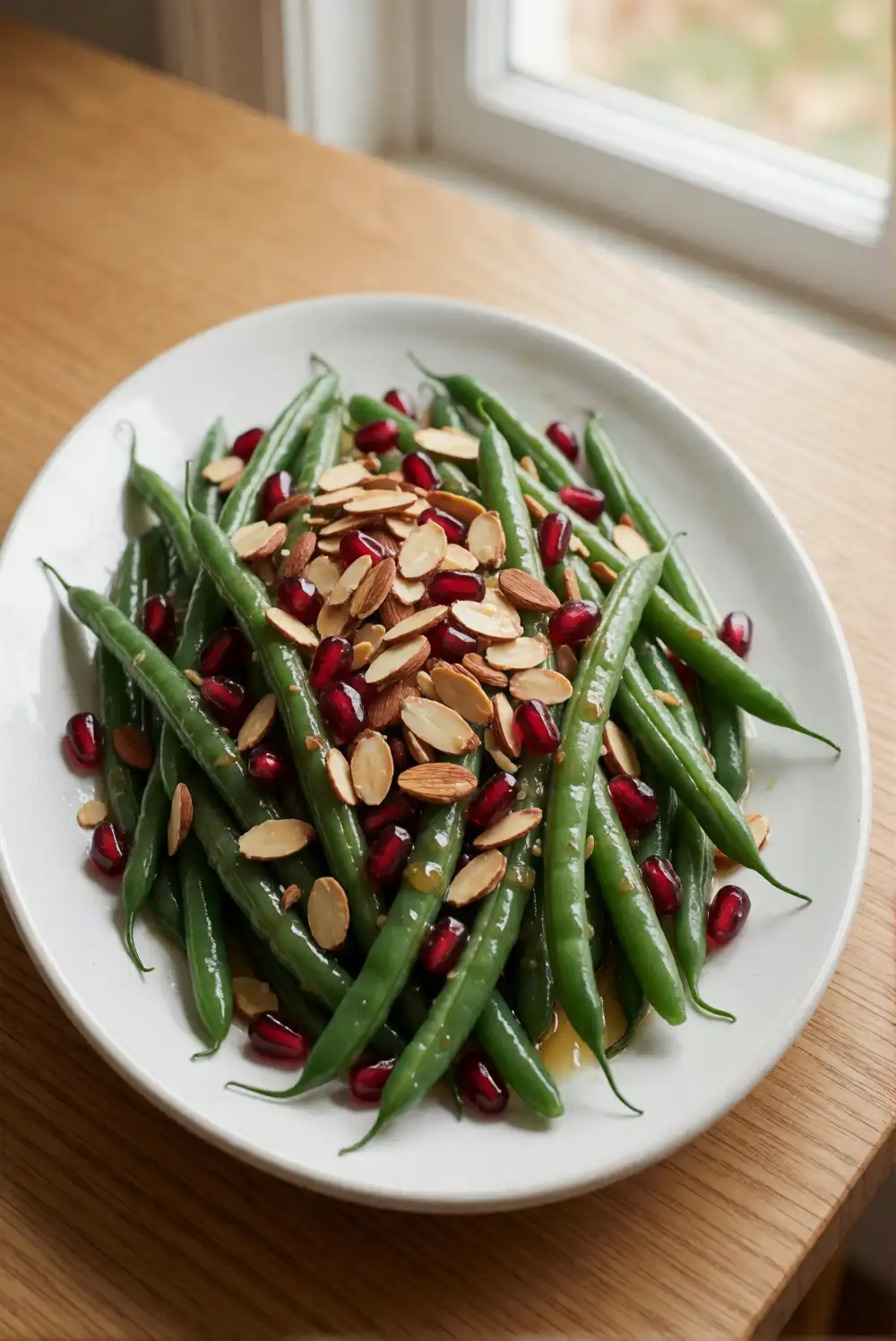
Trim fresh green beans and blanch them in boiling salted water until bright green and crisp-tender. Transfer them to cold water, then drain and pat dry. In a skillet, warm butter or olive oil and toast sliced almonds until lightly golden. Add the beans and toss until heated through, seasoning with salt, pepper, and a squeeze of lemon. Transfer everything to a serving platter and scatter pomegranate arils over the top for jewel-like color and a sweet-tart contrast.
Blanch the beans ahead and refrigerate them dry, then finish the dish shortly before serving to preserve their fresh bite. Toast the almonds slowly and stir often so they brown evenly without burning. For a dairy-free version, use olive oil; for a brighter finish, add a little lemon zest with the juice. Lay the beans in loose rows on a long platter, letting the almonds and pomegranate fall naturally across them. Keep extra toppings separate if guests prefer a simpler serving.
Roasted Delicata Squash with Maple
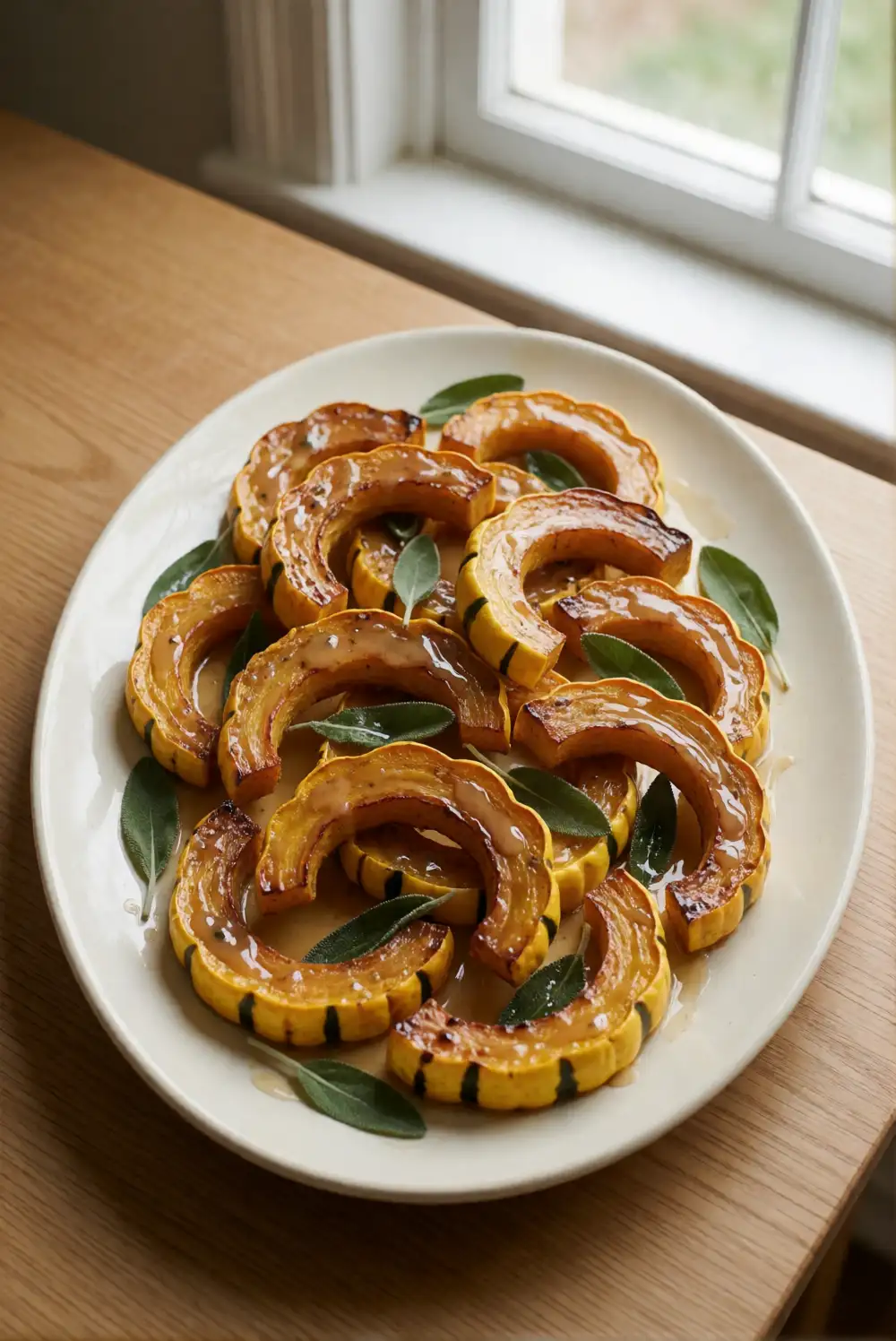
Wash delicata squash, slice it lengthwise, and scoop out the seeds. Cut each half into crescent-shaped pieces; the thin skin becomes tender in the oven, so peeling is unnecessary. Toss the crescents with olive oil, maple syrup, salt, and a pinch of black pepper. Spread them on a baking sheet without crowding and roast, turning once, until their centers are soft and their edges are caramelized. Finish with chopped parsley or a few fresh sage leaves.
Choose squash with firm, unblemished skin and cut the slices to a similar thickness for even roasting. A pinch of cinnamon brings out the squash’s natural sweetness, while a little chili flake gives the maple glaze gentle warmth. Arrange the golden crescents in overlapping arcs on a wide platter, leaving a few browned edges visible. Add fresh herbs just before serving for contrast. This side pairs especially well with savory stuffing and adds an elegant shape to a crowded holiday table.
Cranberry Orange Relish with Pear
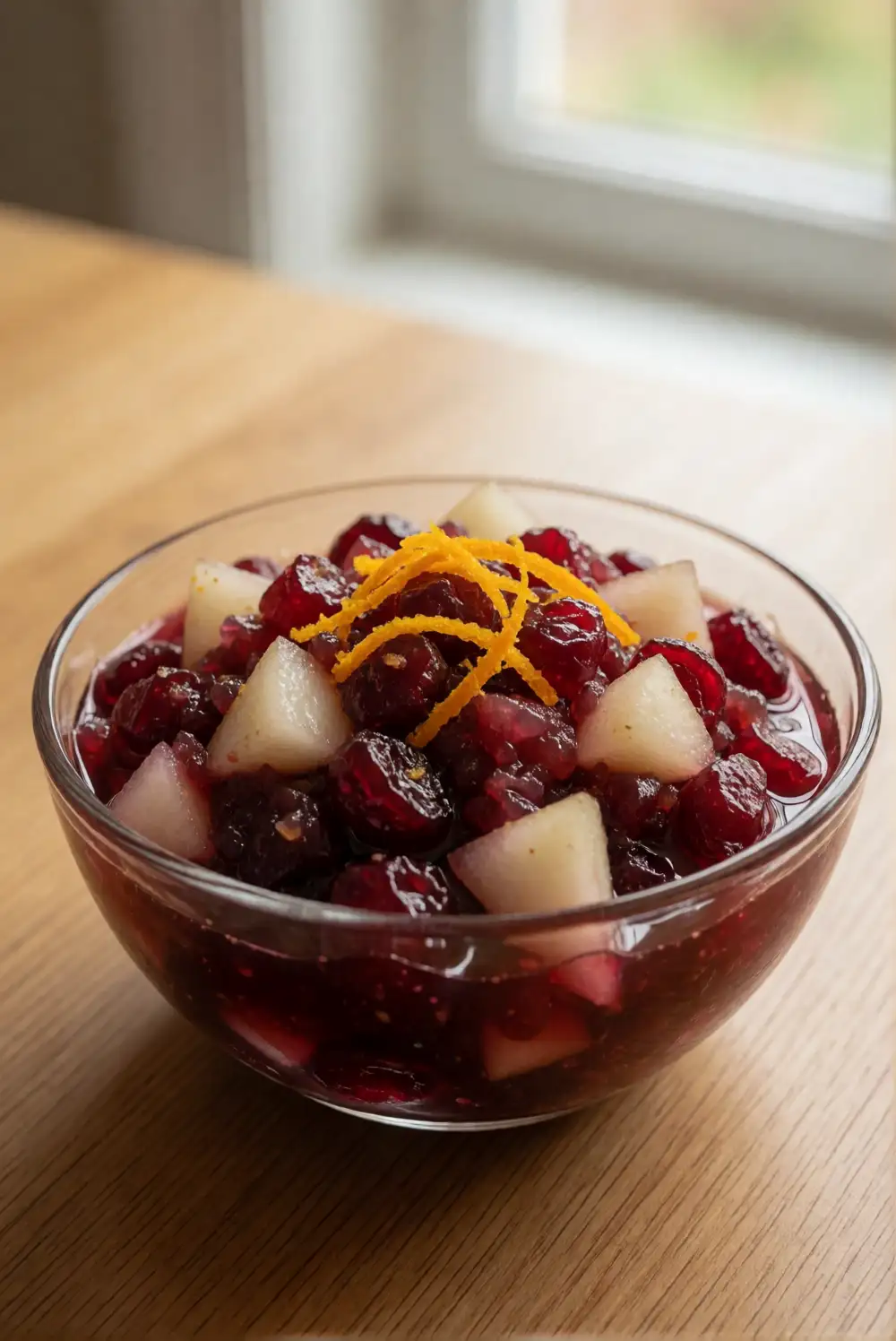
Rinse fresh cranberries and pulse them in a food processor until coarsely chopped, taking care not to turn them into a puree. Add peeled, ripe pear, orange zest, a little orange juice, and sugar, then pulse again until the mixture is evenly combined but still textured. Taste and adjust the sweetness to balance the cranberries’ tartness. Spoon the relish into a glass serving bowl and chill it for several hours so the fruit flavors mingle and the texture softens slightly.
Use a crisp pear for a firmer bite or a softer one for a mellower relish. A small amount of grated ginger adds gentle warmth, while extra orange zest makes the citrus aroma more pronounced. Make it ahead and keep it covered in the refrigerator until serving. A clear bowl shows off the ruby cranberries and pale pear pieces, and a curled strip of orange peel makes a simple garnish. Serve it beside savory dishes, or offer it with leftovers on a sandwich.
Golden Cornbread Muffins with Honey
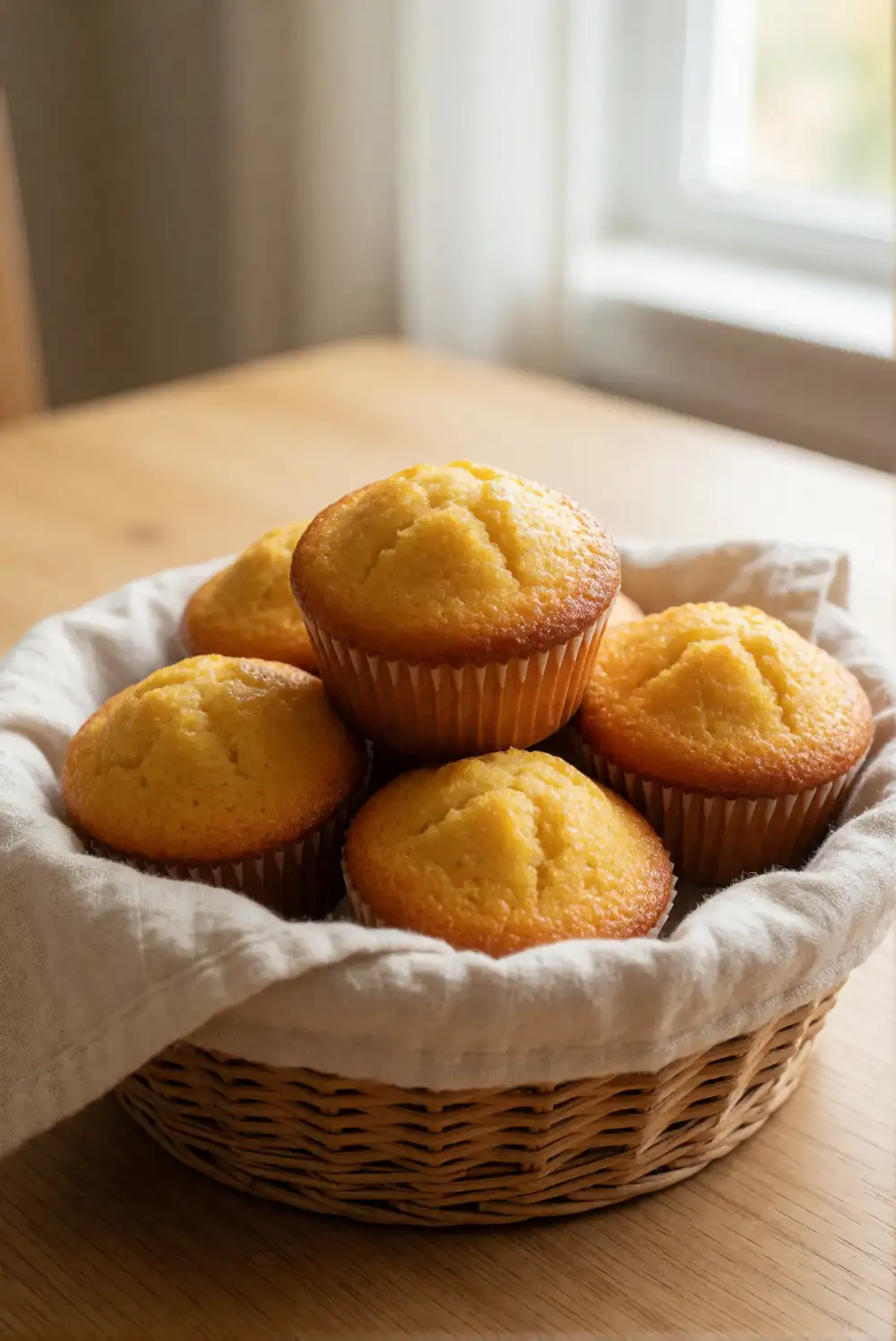
Whisk cornmeal, flour, baking powder, and salt in a large bowl. In another bowl, combine milk, eggs, melted butter, and honey, then gently stir the wet ingredients into the dry mixture just until combined. Divide the batter among a greased muffin pan and bake until the tops are golden and a toothpick comes out clean. Brush the warm muffins with a little honey butter for a delicate shine, then let them rest briefly before arranging them in a lined basket.
A medium-grind cornmeal gives the muffins a pleasant texture, while fine cornmeal makes them softer and more tender. Avoid overmixing the batter so the crumb stays light. For a savory variation, fold in chopped chives or a little grated cheddar. Line a low woven basket with a clean cream-colored napkin and nestle the muffins together, keeping the golden tops visible. Serve them warm with softened butter, or bake them earlier in the day and reheat briefly before dinner.
Herb and Apple Sourdough Stuffing
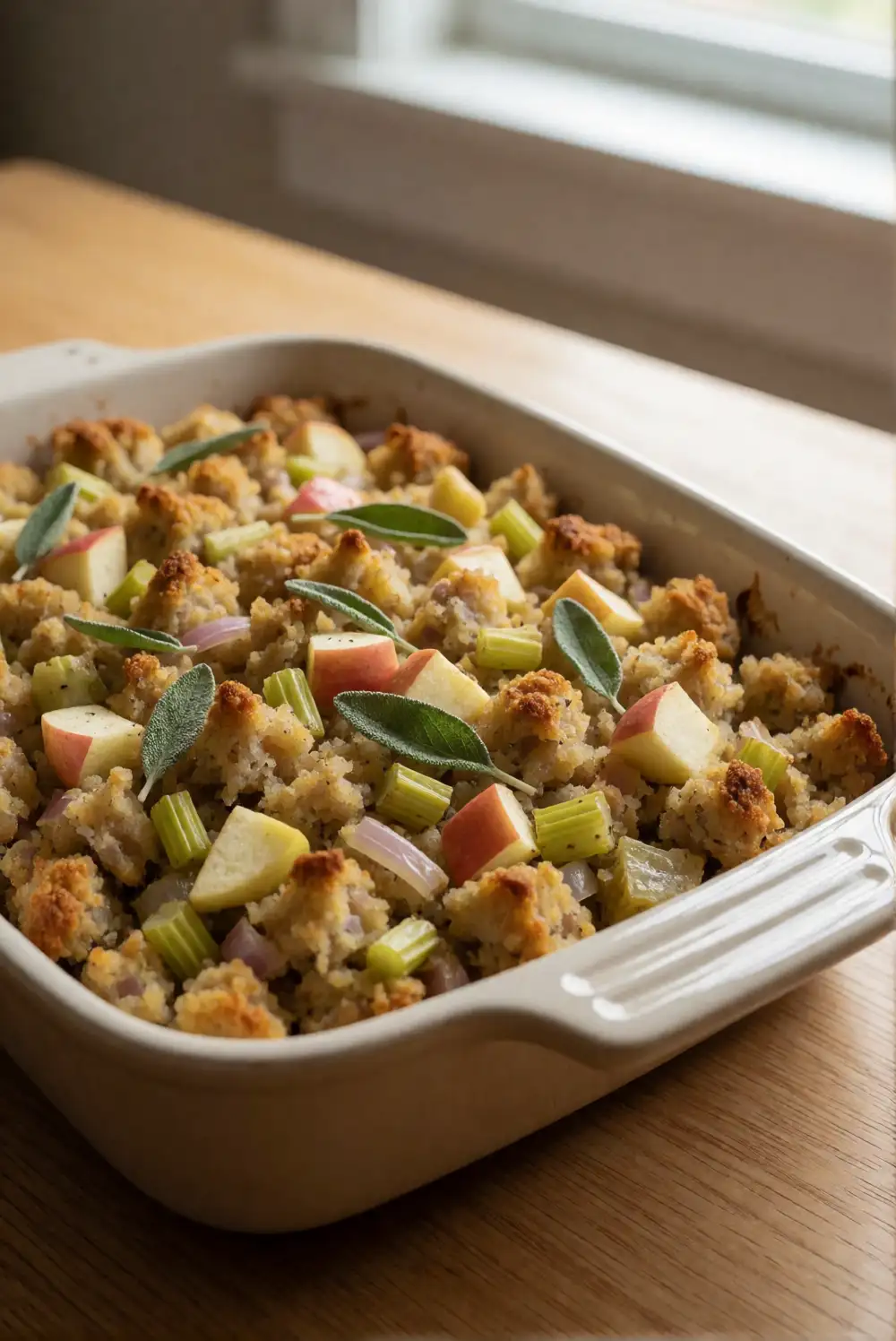
Cut day-old sourdough into bite-size cubes and spread them on a baking sheet to dry further if needed. Sauté diced onion and celery in butter until soft, then stir in chopped apple, sage, thyme, and black pepper. Combine the vegetables with the bread cubes, pour in warm broth a little at a time, and fold gently until moist but not soggy. Transfer to a buttered baking dish and bake until the center is hot and the top is crisp and deeply golden.
Tart apples keep the stuffing balanced, while sweeter varieties make it softer and more mellow. Add broth gradually because the bread should absorb it without losing its shape. For a crispier top, uncover the dish near the end of baking; for a softer result, keep it covered longer. Serve from a shallow ceramic baking dish so the toasted surface remains visible. A few fresh sage leaves scattered over the top make a simple garnish and echo the herbs inside.
Creamy Butternut Squash Gratin
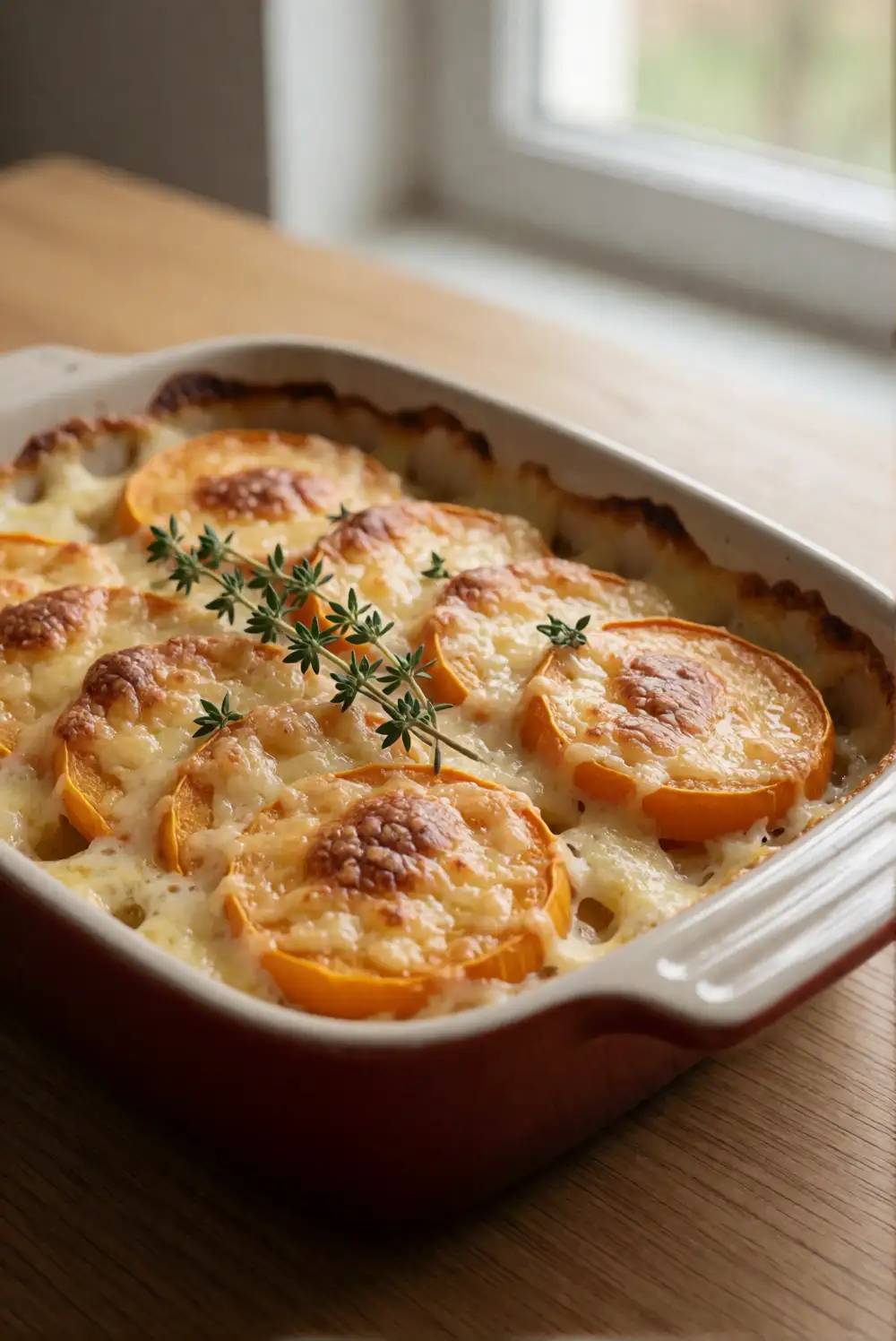
Peel a butternut squash, remove the seeds, and slice the flesh into thin, even half-moons. Layer the slices in a buttered baking dish, seasoning each layer with salt, pepper, and a little fresh thyme. Pour in cream until it reaches partway up the squash, then cover and bake until the slices are tender. Uncover, add a light layer of grated Gruyère or Parmesan, and return the dish to the oven until the cheese melts and turns golden in spots.
Slice the squash evenly so every layer cooks at the same pace, and let the gratin rest for a few minutes after baking to settle the cream. For a lighter finish, replace some of the cream with milk; for a deeper savory note, add a small amount of finely grated nutmeg. Serve it in the baking dish to show the browned top and layered edges. A thyme sprig on one corner adds a fresh touch without hiding the gratin’s golden surface.
Brussels Sprouts with Balsamic and Cranberries
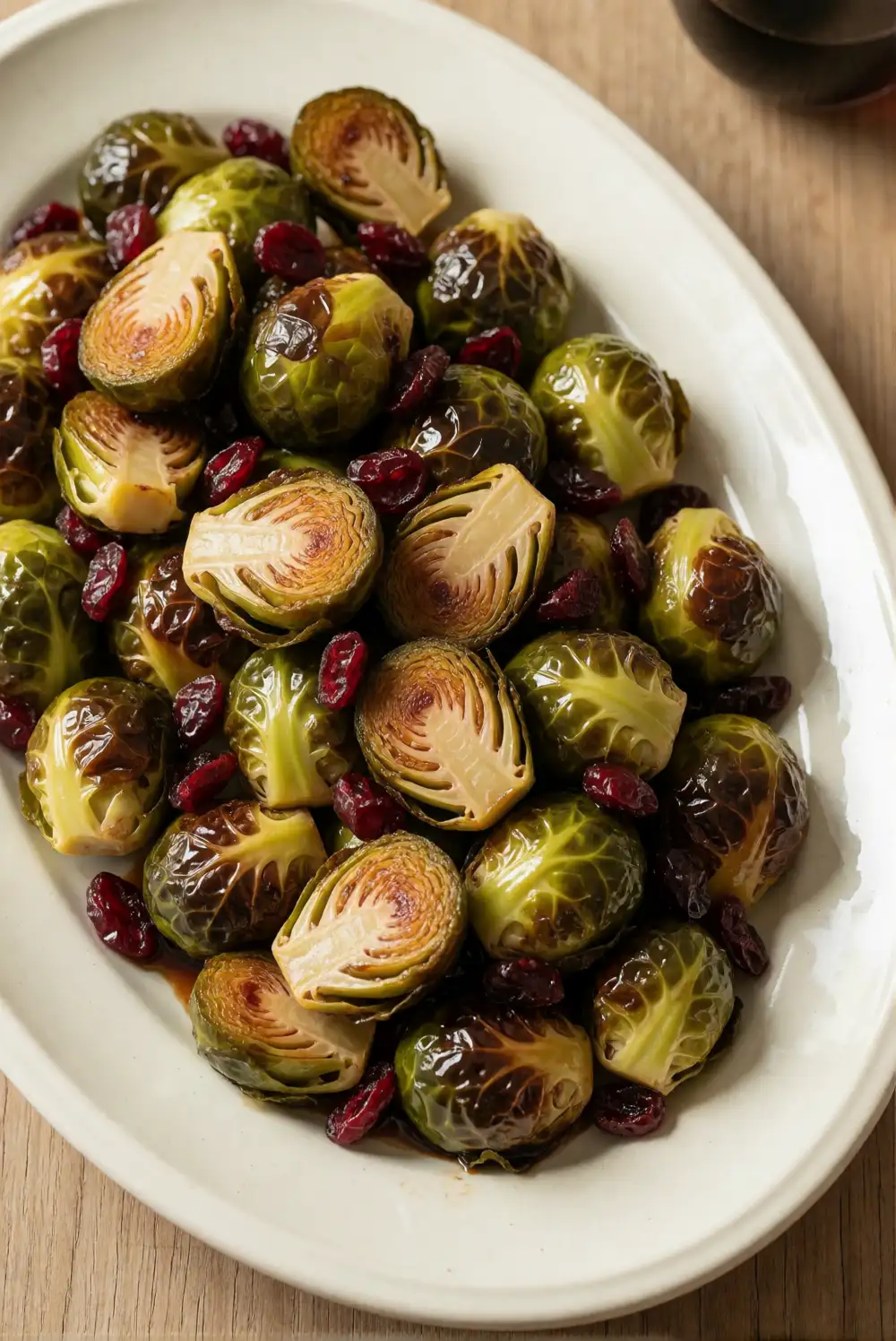
Trim Brussels sprouts and halve them through the stem so the leaves stay together. Toss with olive oil, salt, and pepper, then spread cut-side down on a baking sheet. Roast until the cut faces are browned and the centers are tender. Drizzle with balsamic vinegar during the final minutes of cooking, then toss with dried cranberries as soon as the sprouts come out of the oven. Transfer to a warm platter and finish with a little more balsamic for a glossy, tangy finish.
Give the sprouts space on the baking sheet so they roast rather than steam, and use two pans if needed. For a sweeter variation, add a small spoonful of maple syrup to the balsamic. If you like a crunchier contrast, serve toasted pecans on the side so guests can add their own. Pile the sprouts loosely in a shallow bowl, leaving the browned cut sides visible and the cranberries scattered across the top. This colorful dish balances rich, creamy holiday sides.
Harvest Salad with Pear and Candied Pecans
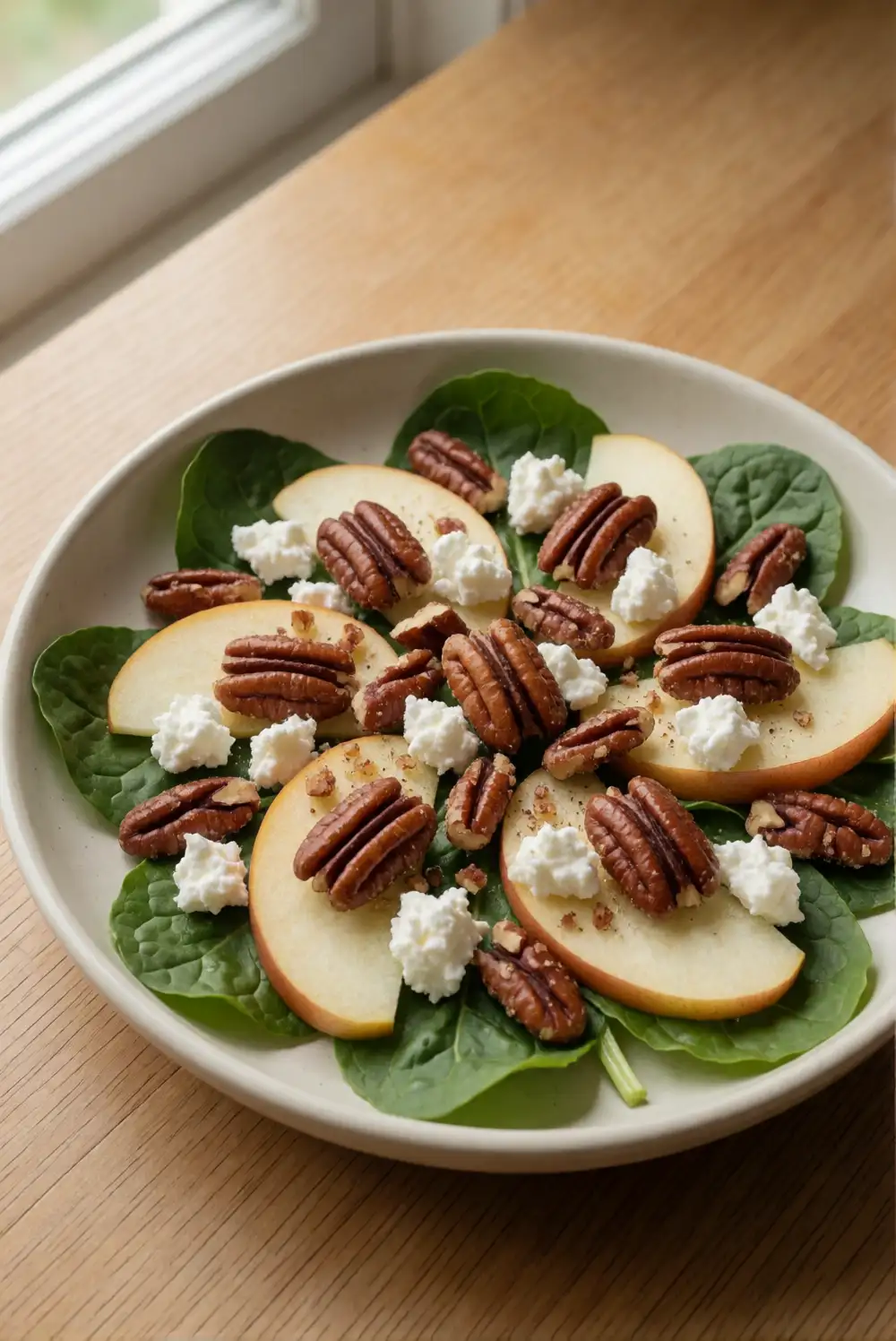
Arrange tender greens, such as baby spinach and arugula, in a wide shallow bowl. Add thin slices of ripe pear, crumbled goat cheese, and candied pecans, distributing each topping across the leaves. Whisk olive oil with apple cider vinegar, Dijon mustard, honey, salt, and pepper to make a simple dressing. Dress the salad lightly just before serving, tossing gently so the greens stay intact and the toppings remain visible. The mix of crisp, creamy, sweet, and peppery flavors makes each forkful lively.
Slice the pears shortly before serving, or brush them lightly with lemon juice to slow browning. Keep the dressing and toppings separate until dinner so the leaves stay fresh. Swap goat cheese for shaved aged cheddar if you prefer a firmer, savory finish, and use walnuts instead of pecans if desired. Build the salad in layers rather than tossing everything together, then add a few extra pear slices and pecans on top. A broad platter makes the colors easy to see.
Whipped Sweet Potatoes with Cinnamon
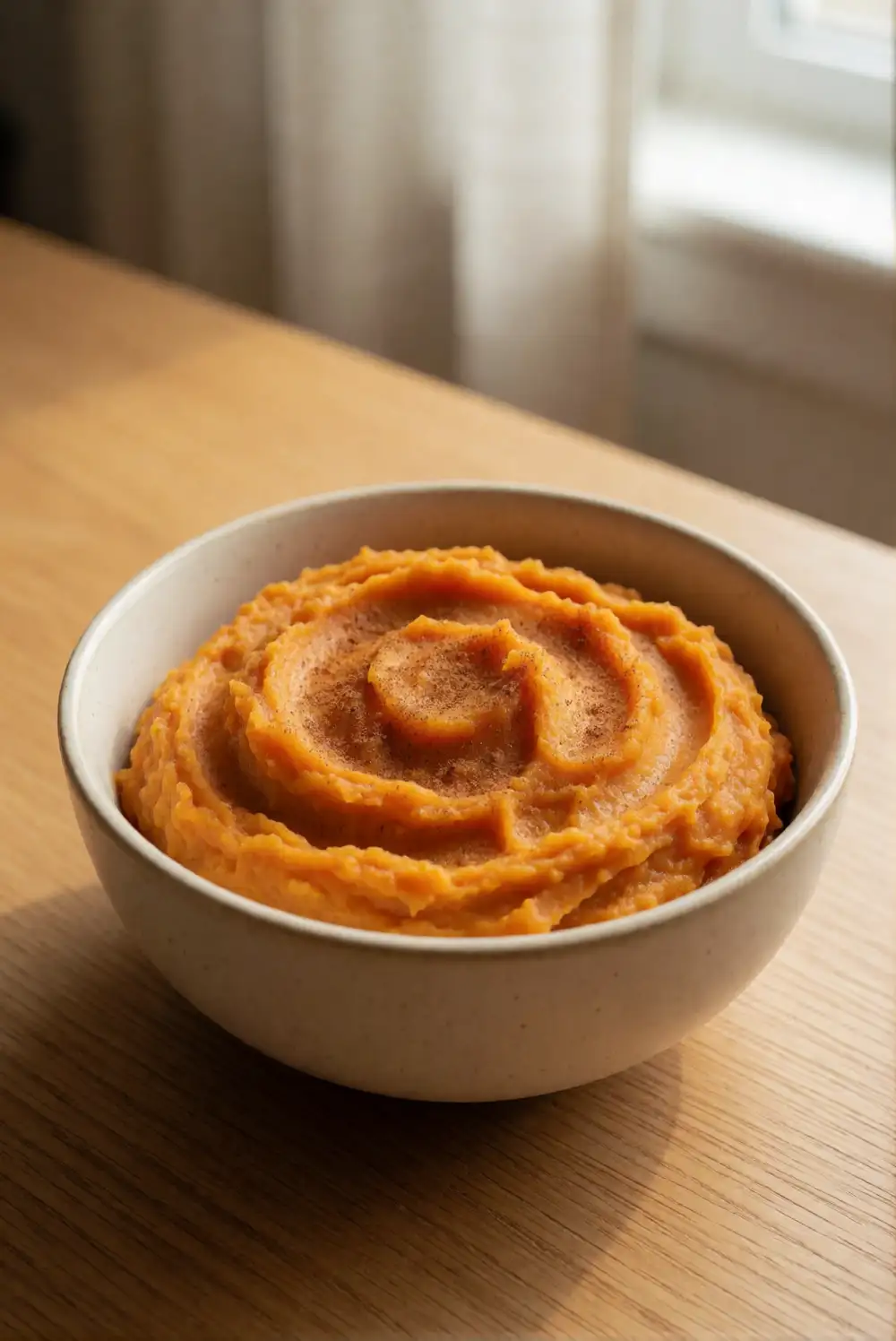
Bake whole sweet potatoes until their skins are loose and the centers are completely tender, then let them cool until easy to handle. Scoop the flesh into a mixing bowl and beat with butter, a splash of warm milk, cinnamon, salt, and a small drizzle of maple syrup. Whip until smooth and airy, scraping the sides of the bowl as needed. Spoon the mixture into a serving dish and finish with a little melted butter and a dusting of cinnamon.
Baking the potatoes instead of boiling them keeps their flavor concentrated and avoids a watery mash. Add the milk gradually to control the texture, and taste before adding more sweetener. For a savory variation, use black pepper and fresh thyme in place of the cinnamon and maple. Create soft swirls across the top with the back of a spoon, then serve in a warm bowl that shows the rich orange color. This comforting side pairs neatly with crisp vegetables and savory stuffing.
Rosemary Dinner Rolls in a Basket
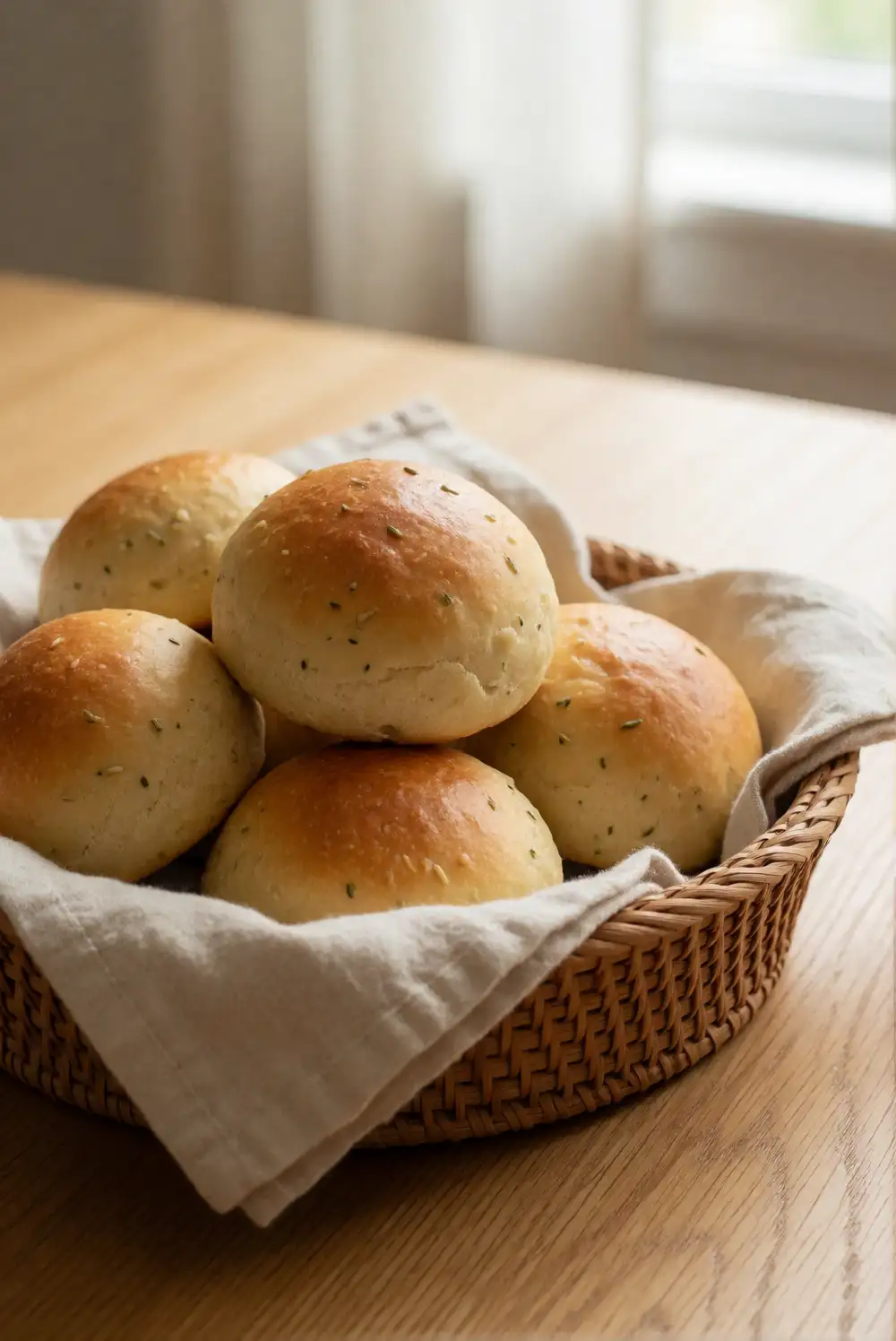
Mix flour, yeast, warm milk, a little sugar, salt, softened butter, and chopped rosemary into a soft dough. Knead until smooth, then cover and let it rise until puffy. Divide the dough into equal pieces, shape each into a smooth ball, and place them close together in a buttered baking dish. Let them rise again before baking until deeply golden. Brush the tops with melted butter and a little extra rosemary, then allow the rolls to cool slightly before serving.
Fresh rosemary gives the rolls a fragrant, savory note, while a pinch of dried rosemary works when fresh herbs are unavailable. Keep the dough covered during rising so its surface does not dry out. For an even finish, shape the rolls gently and arrange them with a little space between each one. Line a low woven basket with a clean natural-fiber napkin and add the warm rolls just before dinner. Place softened butter nearby so guests can serve themselves easily.
With crisp roasted vegetables, tender baked sides, fresh fruit, and golden bread, this Thanksgiving spread offers a pleasing mix of colors and textures. Choose the dishes that suit your gathering, arrange them in serving pieces that let their finishes show, and bring each recipe to the table warm and ready to share.