
Sibling rivalry can be a common challenge in many families, but with the right strategies, you can promote peace and understanding among your children. In this post, we’ll explore practical and effective solutions that can help resolve conflicts and enhance sibling relationships, fostering a harmonious household.
Encourage Open Communication
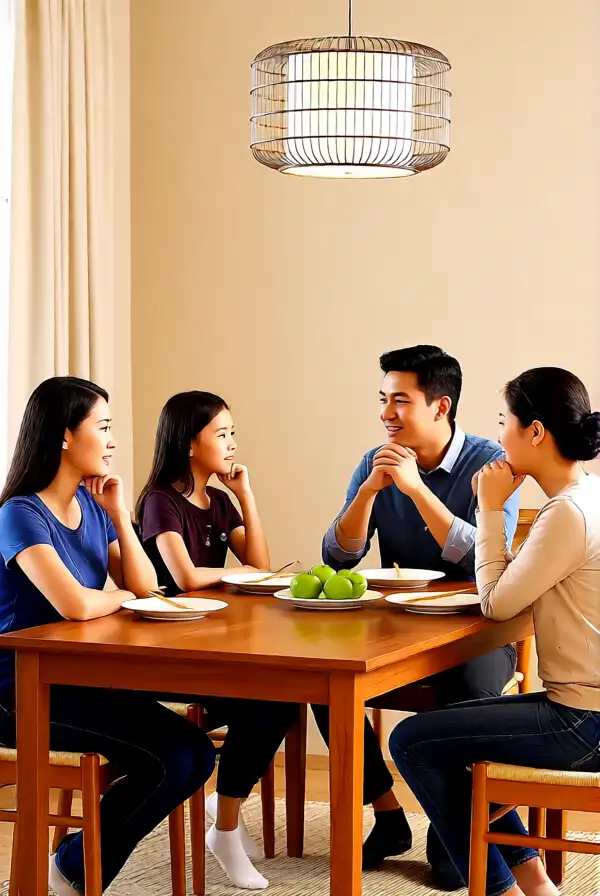
Creating an environment where children feel comfortable expressing their thoughts and feelings can significantly reduce sibling rivalry. Encourage your children to talk about their feelings regarding each other and their conflicts. This can be facilitated through family meetings or regular one-on-one discussions where each child has a chance to speak.
Teach your children to listen actively to each other, which can help them understand different perspectives and cultivate empathy. When children feel heard, the likelihood of disputes arising from misunderstandings decreases.
Set Clear Boundaries

Establishing clear rules and boundaries is essential for promoting cooperation among siblings. Make sure your children understand what behaviors are acceptable and what are not. These rules should be consistent, fair, and age-appropriate, allowing for natural consequences when boundaries are crossed.
Involving your children in setting these boundaries can make them feel more accountable for their actions. Encourage them to take ownership of their behavior, reinforcing the idea that they are responsible for maintaining a peaceful environment.
Utilize Positive Reinforcement
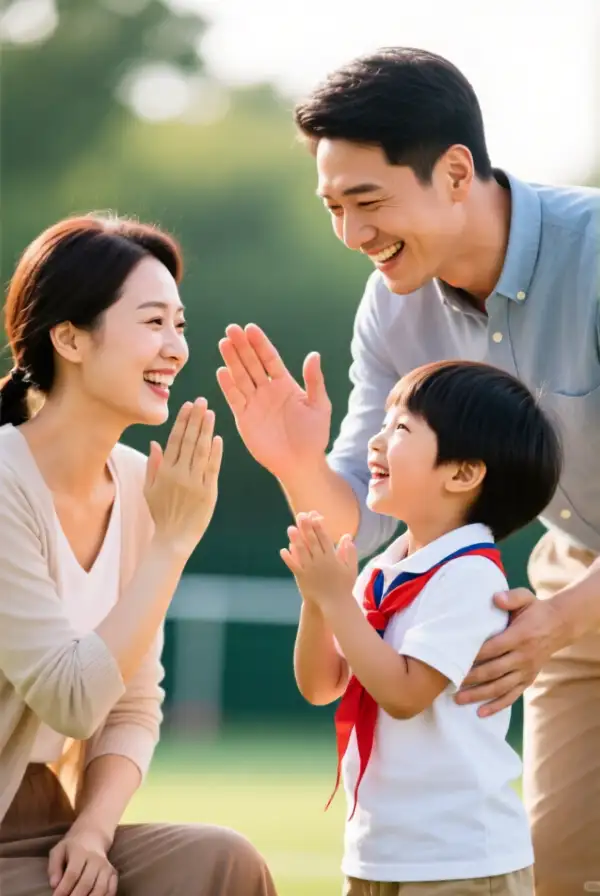
Positive reinforcement is a powerful tool when it comes to encouraging harmonious relationships between siblings. Acknowledge and reward cooperative behavior and moments of kindness with praise or small incentives. This reinforces the idea that being supportive and respectful towards each other is valued in your household.
Consider implementing a family reward system where children can earn points for positive interactions, which can later be exchanged for a fun family activity or a special treat. This approach can help shift focus away from rivalry and towards building a supportive sibling relationship.
Promote Individual Interests
Encouraging each child to pursue their individual interests can reduce competition and help affirm their unique identities within the family. Whether it’s a specific sport, hobby, or academic subject, highlighting their individual strengths can foster self-esteem and lessen jealousy.
By providing an opportunity for each child to shine in their own area, they can appreciate each other’s talents, leading to a more supportive sibling dynamic. Consider scheduling separate times for each child to focus on their interests and celebrate their achievements collectively.
Facilitate Team Activities
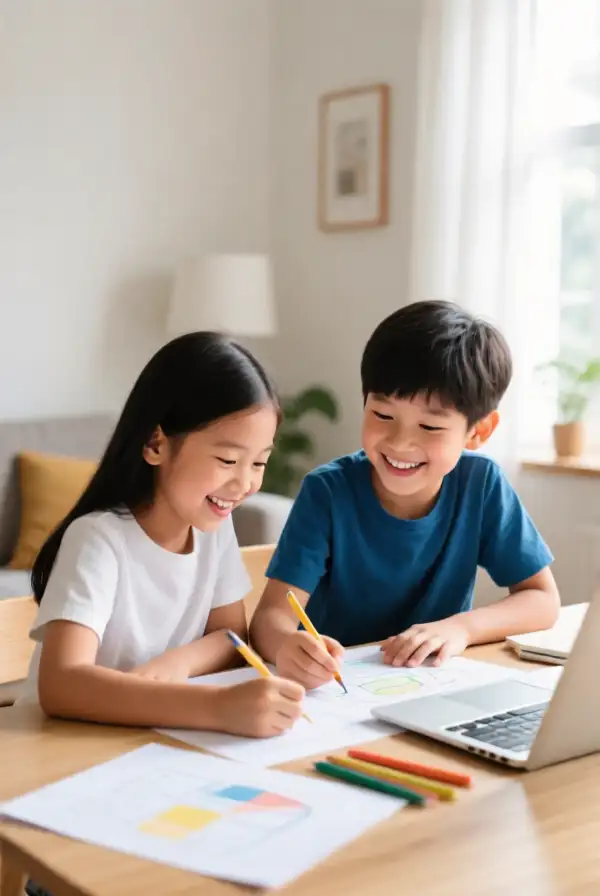
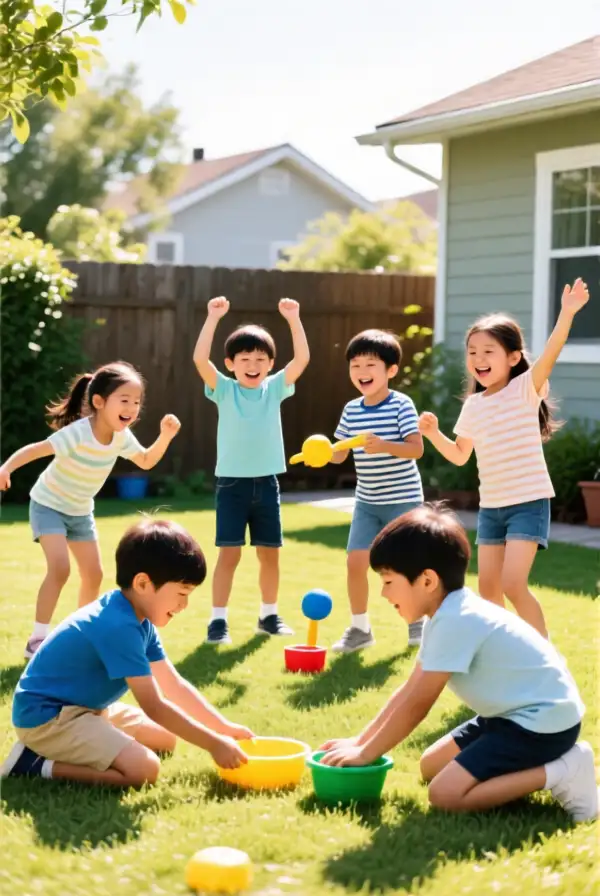
Team-building activities can strengthen sibling bonds and emphasize cooperation over competition. Organize games or projects that require your children to work together, promoting teamwork and collaboration. This can include simple family tasks, outdoor games, or even shared creative projects.
When siblings tackle challenges together, they learn to rely on each other and build mutual respect. Celebrate their achievements in these activities and remind them of how much they can accomplish as a team, reinforcing positive interactions.
Provide Conflict Resolution Tools
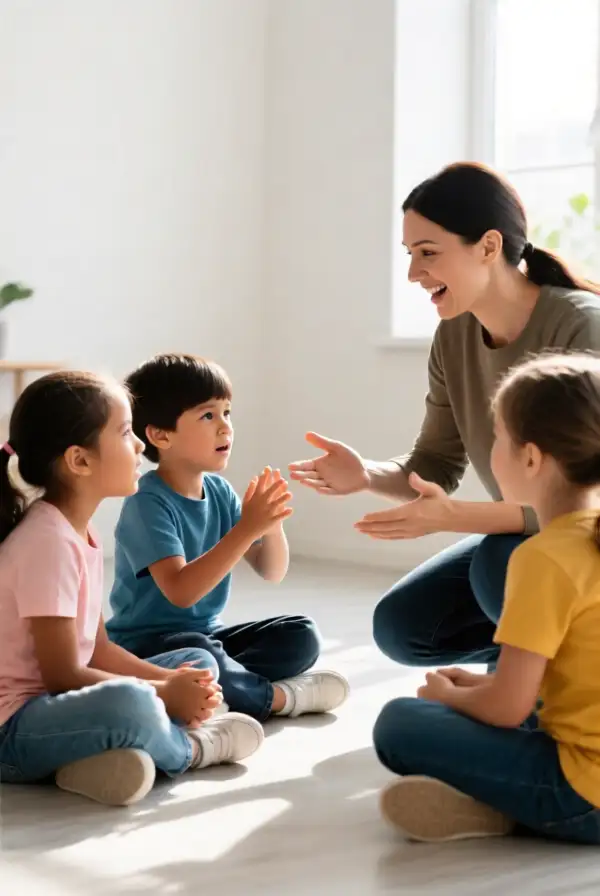
Teaching children how to resolve conflicts themselves is vital for their development. Provide them with tools and techniques to manage disagreements positively. This can include teaching them how to express their feelings, negotiate compromises, and apologize sincerely.
Encourage role-playing scenarios where children can practice these skills in a safe environment. By equipping them with effective conflict resolution strategies, you empower them to handle disputes constructively, reducing the likelihood of future conflicts.
Highlight the Value of Teamwork
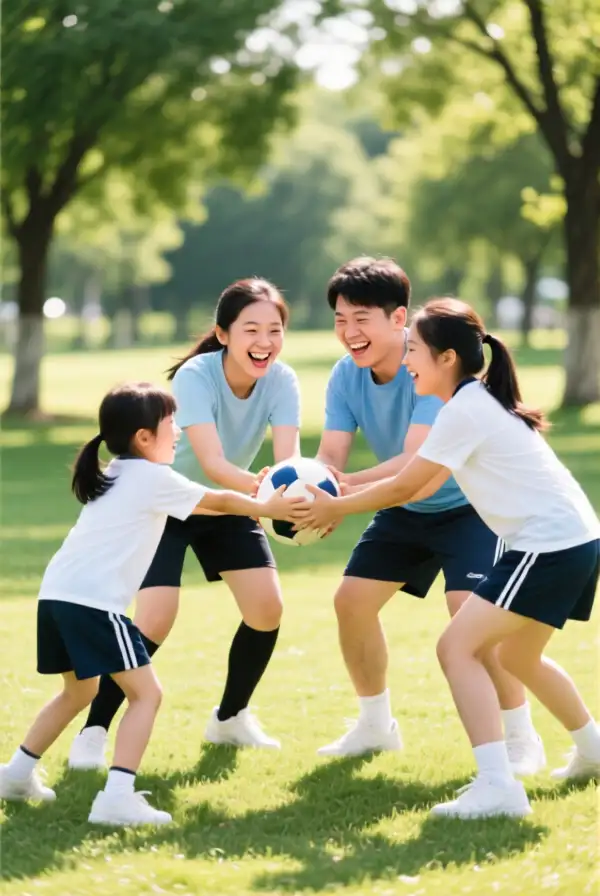
Emphasizing the importance of teamwork can foster a sense of unity among siblings. Encourage your children to see each other as allies rather than competitors. Use family efforts, like chores or volunteer work, to demonstrate how working together benefits everyone.
Share stories of collaboration from your own life and point out the successes you’ve achieved by relying on teamwork. This can inspire your children to appreciate the strength of their relationship and work together harmoniously in their own lives.
Encourage Empathy and Understanding
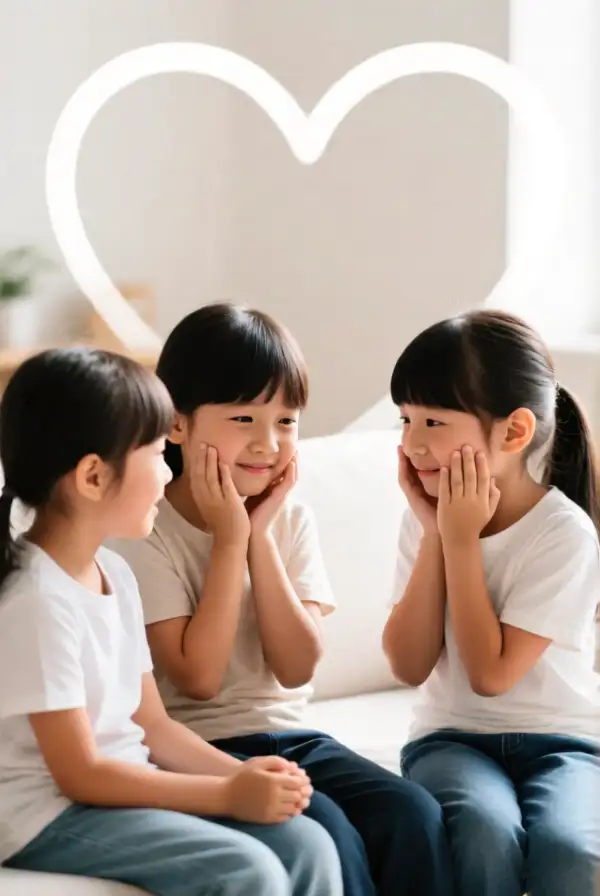
Empathy is essential in navigating sibling rivalry. Help your children understand the feelings and perspectives of one another. Discuss feelings openly, and encourage them to put themselves in each other’s shoes during conflicts. This can help them develop compassion and understanding towards each other.
Reading books or sharing stories that discuss empathy can also reinforce these lessons. Activities like these build a sense of connection and can provide your children with the tools they need to cultivate their relationship positively.
Monitor Screen Time Together

In our digital age, sibling rivalry can sometimes stem from issues related to screen time and gaming. Set limits on screen time and ensure that your children are engaging in shared activities rather than isolating themselves in front of screens. Encourage them to play games that involve teamwork or cooperation.
Regular family tech-free times, where everyone engages in activities together, can bridge gaps and reduce conflicts stemming from digital distractions. Monitor how their interactions change when their focus is shifted from screens to family bonding.
Practice Problem-Solving Skills
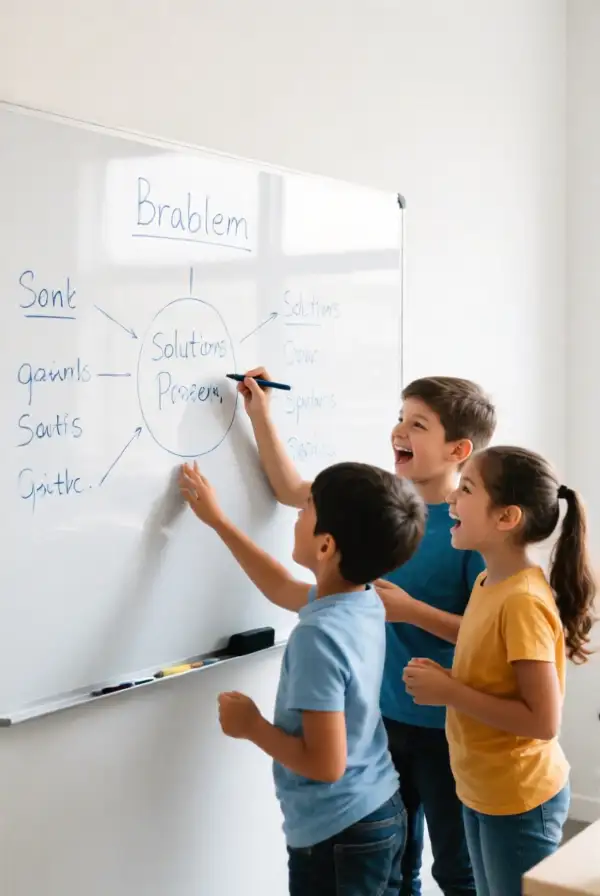
Teaching your children problem-solving skills equips them to handle conflicts independently. When disagreements arise, guide them to identify the issue at hand, brainstorm possible solutions, and evaluate the outcomes together. This promotes critical thinking and collaboration between siblings.
Encourage them to implement solutions they develop, even if they differ from your idea. Allowing them the opportunity to work through difficulties independently fosters their ability to resolve disputes in the future and can diminish sibling rivalry.
Celebrate Each Other’s Wins

Celebrating accomplishments, no matter how big or small, can help instill a sense of positivity in sibling dynamics. Acknowledge your children’s achievements together at family gatherings or meals, reinforcing the idea that their victories contribute to the family as a whole.
This practice encourages appreciation and support among siblings, reducing feelings of jealousy. Make it a tradition to highlight individual successes and emphasize teamwork achievements, showing that everyone benefits from each other’s accomplishments.
Model Healthy Relationships

Your actions serve as a powerful example for your children. Demonstrate healthy relationships and conflict resolution in your own interactions. When your children observe you managing disputes constructively with kindness and respect, they are likely to emulate these behaviors.
Share experiences where you faced conflicts and how you resolved them positively. This not only teaches them practical skills but also emphasizes the importance of empathy and understanding in all relationships, including those between siblings.
Provide Quality One-on-One Time
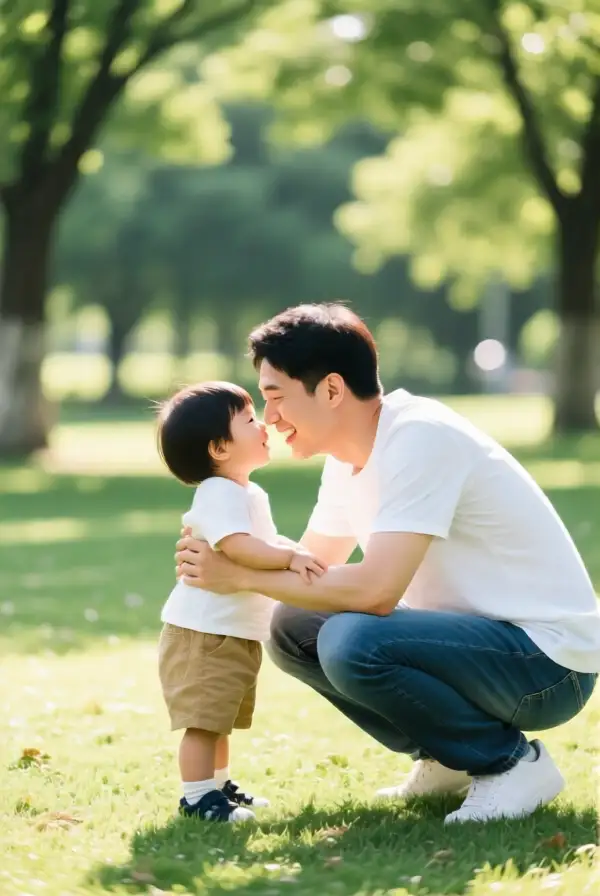
Spending quality time with each child individually can alleviate feelings of rivalry by helping them feel valued and appreciated. Dedicate time for one-on-one outings or activities, allowing your children to enjoy unique experiences tailored to their interests. When children feel special and secure in their individual relationships with you, the need for rivalry often diminishes.
These moments can also serve as opportunities to discuss sibling dynamics in a relaxed setting. Open dialogues about their feelings and experiences can provide insights into underlying issues and give them tools to manage relationships more effectively.
Establish Family Traditions
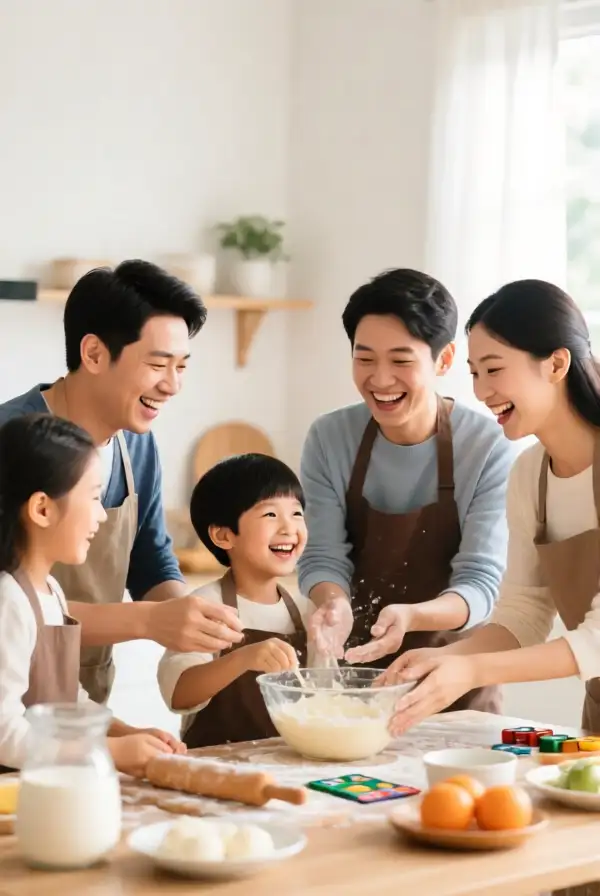
Family traditions can reinforce bonds among siblings and create shared memories that cultivate a sense of togetherness. Engage in regular family activities, whether it’s game night, movie night, or weekend outings. These traditions signify unity and allow children to appreciate their family’s unique dynamics.
Consult your children when creating or revising traditions, ensuring everyone feels included. Tailoring traditions to your family’s preferences helps establish a culture of celebration, where children grow to cherish their relationships with each other.
Interactive Conflict Resolution Games
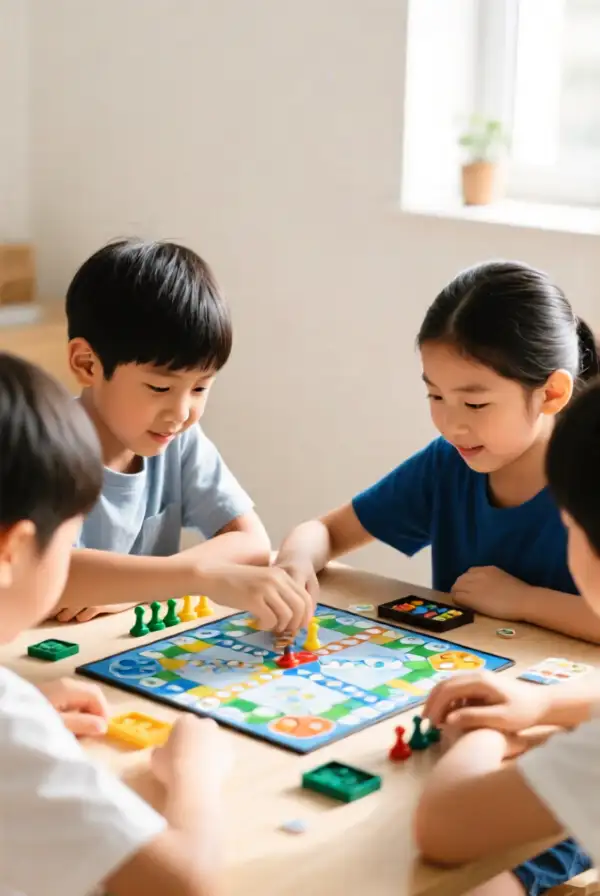
Utilizing interactive games that promote conflict resolution skills can provide your children with valuable lessons in an engaging way. Board games or group activities that require negotiation and teamwork can effectively teach children how to navigate disagreements and work together toward a common goal.
Encouraging siblings to participate in these games stimulates cooperation and reduces rivalry through play. Assess the impact of these activities on their relationships, observing any shifts in dynamics when the focus is on collaboration rather than competition.
Keep Family Meetings Regular

Regular family meetings create an established platform for addressing issues, praising positive behavior, and discussing sibling relationships. Use these meetings to encourage children to share their experiences, highlighting areas for improvement and recognizing moments of cooperation.
Such meetings nurture openness and communication between siblings while allowing them to practice listening and validation skills. Addressing conflicts collectively can create an understanding environment where all family members feel valued and important.
Understand Developmental Stages
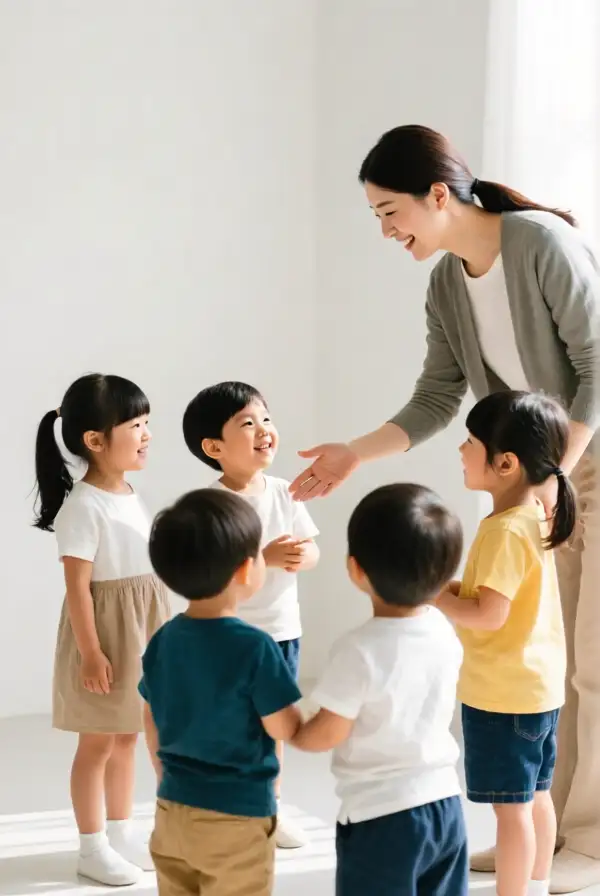
Different developmental stages can influence children’s interactions with one another. Understanding these differences allows you to tailor your approach to managing rivalry. Recognize that behavior typical of certain ages may stem from developmental needs and isn’t necessarily personal.
By empathizing with each child’s stages and needs, you can foster a more harmonious relationship between siblings. Provide age-appropriate strategies and support that address the specific dynamics each sibling may experience, reducing tensions accordingly.
Improve Family Dynamics
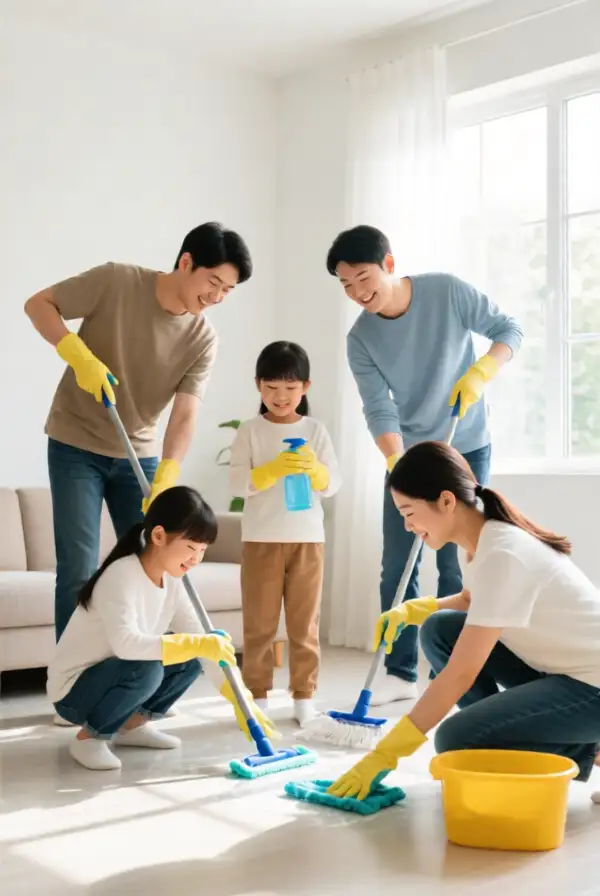
To create a lasting solution to sibling rivalry, examining the overall family dynamics is crucial. Assess interactions among family members and address any issues that might manifest in rivalries between siblings. Encouraging healthy communication and cooperation throughout the family can strengthen relationships overall.
Facilitate discussions about how to create a more supportive, loving environment for each sibling. Promote inclusivity and teamwork during everyday family tasks, fostering an atmosphere where rivalry is minimized in favor of collaboration.
Address Underlying Issues
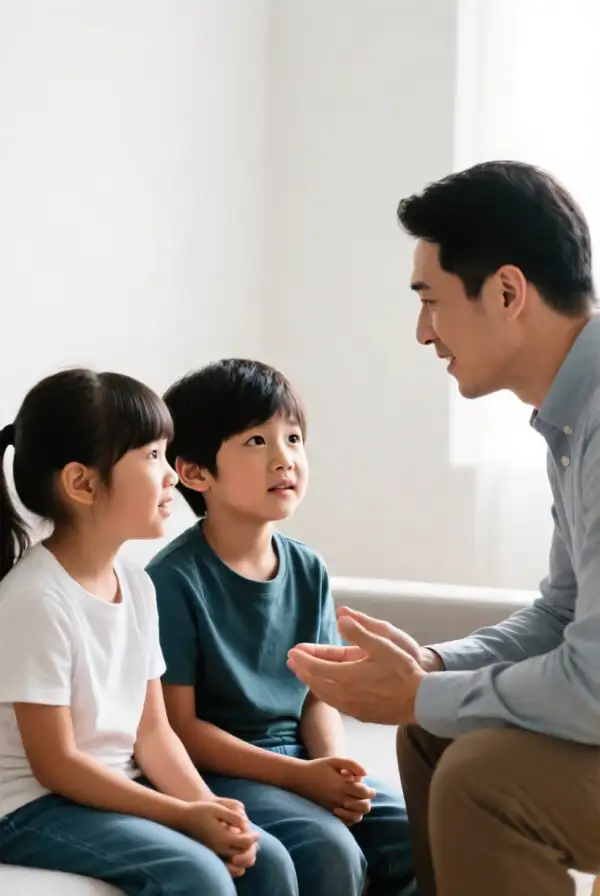
Sometimes sibling rivalry stems from deeper issues such as attention-seeking behaviors, jealousy, or insecurity. Identifying and addressing these underlying concerns is vital for long-term resolution. Talk to your children individually and collectively to uncover possible insecurities that might contribute to their conflicts.
Once these issues have been identified, work together on strategies to manage them positively. Offering reassurance and consistently nurturing each child can significantly improve sibling bonds and diminish rivalry.
Celebrate Uniqueness in Differences
Remind siblings to embrace their differences rather than see them as competition. Each child’s unique personality can complement the other, and celebrating these differences can foster appreciation and reduce jealousy. Engage children in discussions about their strengths and how they can learn from one another.
Encouraging them to recognize each other’s unique qualities can help diminish rivalry and create a bond based on respect and understanding. With time, they will cultivate a sincere admiration for each other, reinforcing their relationship positively.
Conclude with a Family Vision
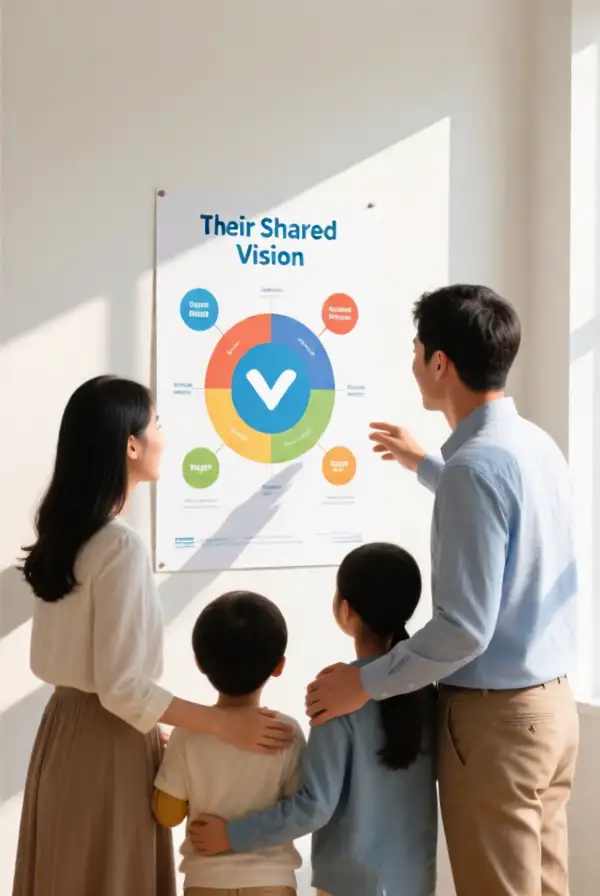
By collaborating as a family to create a shared vision for harmony among siblings, everyone can contribute to a more peaceful environment. Encourage your children to express what they hope for in their relationship with each other, fostering collective responsibility towards achieving this vision.
Document these aspirations visually and display them as a reminder to maintain positive behavior. Regularly revisiting your family vision can deepen connections and establish a sustainable environment that nurtures sibling bonds.
Sibling rivalry is a common yet manageable family challenge. With consistent efforts in implementing these strategies, parents can promote understanding, cooperation, and harmony among their children, paving the way for a lifetime of strong relationships.