A DIY textured blanket is the kind of creative home project that makes your space feel warmer before it is even finished. With soft yarn, touchable layers, calming colors, and simple handmade details, you can create a blanket that feels personal, cozy, and beautiful enough to style across a sofa, bed, or reading chair.
Choosing a Blanket Mood Before You Begin
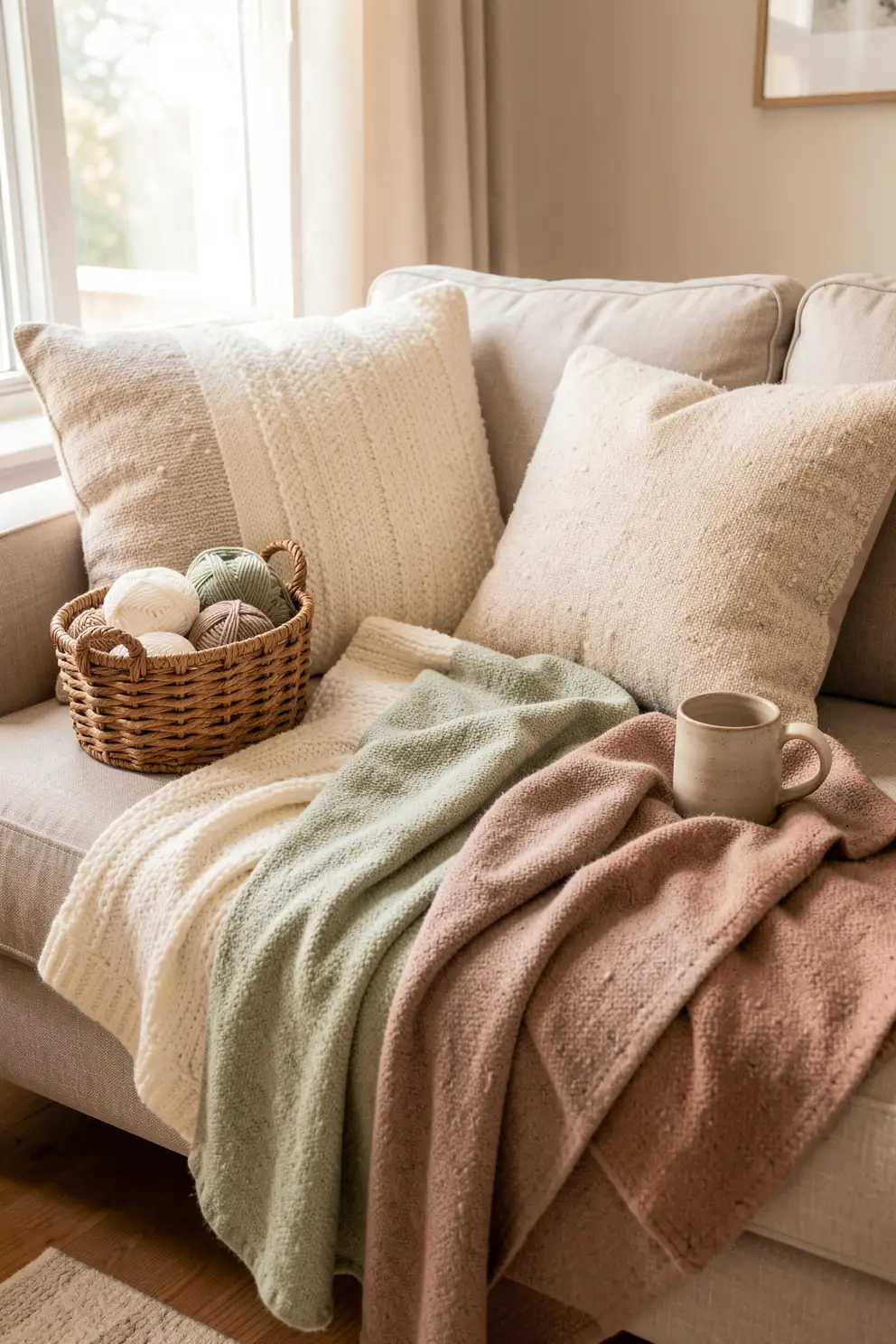
Before gathering supplies, think about the feeling you want your blanket to bring into the room. A textured blanket can feel rustic, airy, romantic, minimal, playful, or deeply cozy depending on the materials and colors you choose. Let your existing decor guide the mood, but leave room for something fresh. A soft cream blanket might brighten a quiet corner, while a mossy green or clay tone can add an earthy, grounded layer.
Creating a mood also helps keep the project relaxing instead of overwhelming. Imagine where the blanket will live and how it will be used. Will it be draped across a sofa for everyday comfort, folded at the foot of the bed, or kept near a reading chair for slow afternoons? When the purpose feels clear, every choice becomes easier, from yarn weight to edging style to the final finishing touch.
Gathering Cozy Materials With Beautiful Texture
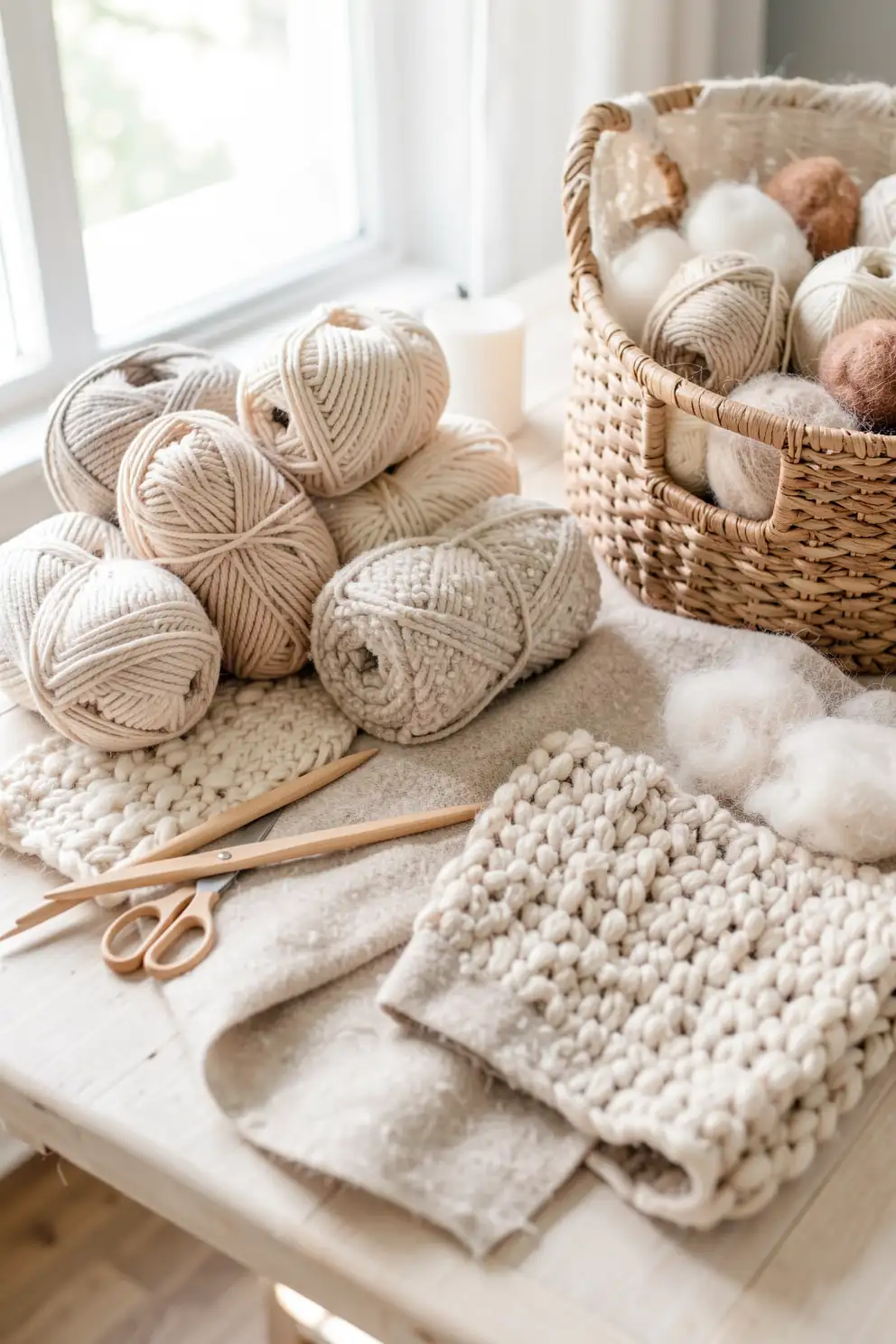
The materials you choose will shape both the look and the feel of your blanket. Soft chenille, chunky wool, cotton blends, boucle, fleece, and velvet yarn all create different kinds of texture. Some materials feel fluffy and cloudlike, while others offer a more structured handmade surface. If you love visual depth, combine fibers that share a similar color family but vary in softness, thickness, or finish.
It is also helpful to touch each material before committing. A blanket should feel inviting against the skin, especially if it will become part of your daily lounging routine. Choose supplies that feel comforting rather than scratchy, heavy rather than bulky, and durable enough for relaxed use. Even simple tools can feel inspiring when placed in a basket with your yarn, scissors, measuring tape, and favorite warm drink nearby.
Exploring Chunky Yarn for Instant Warmth
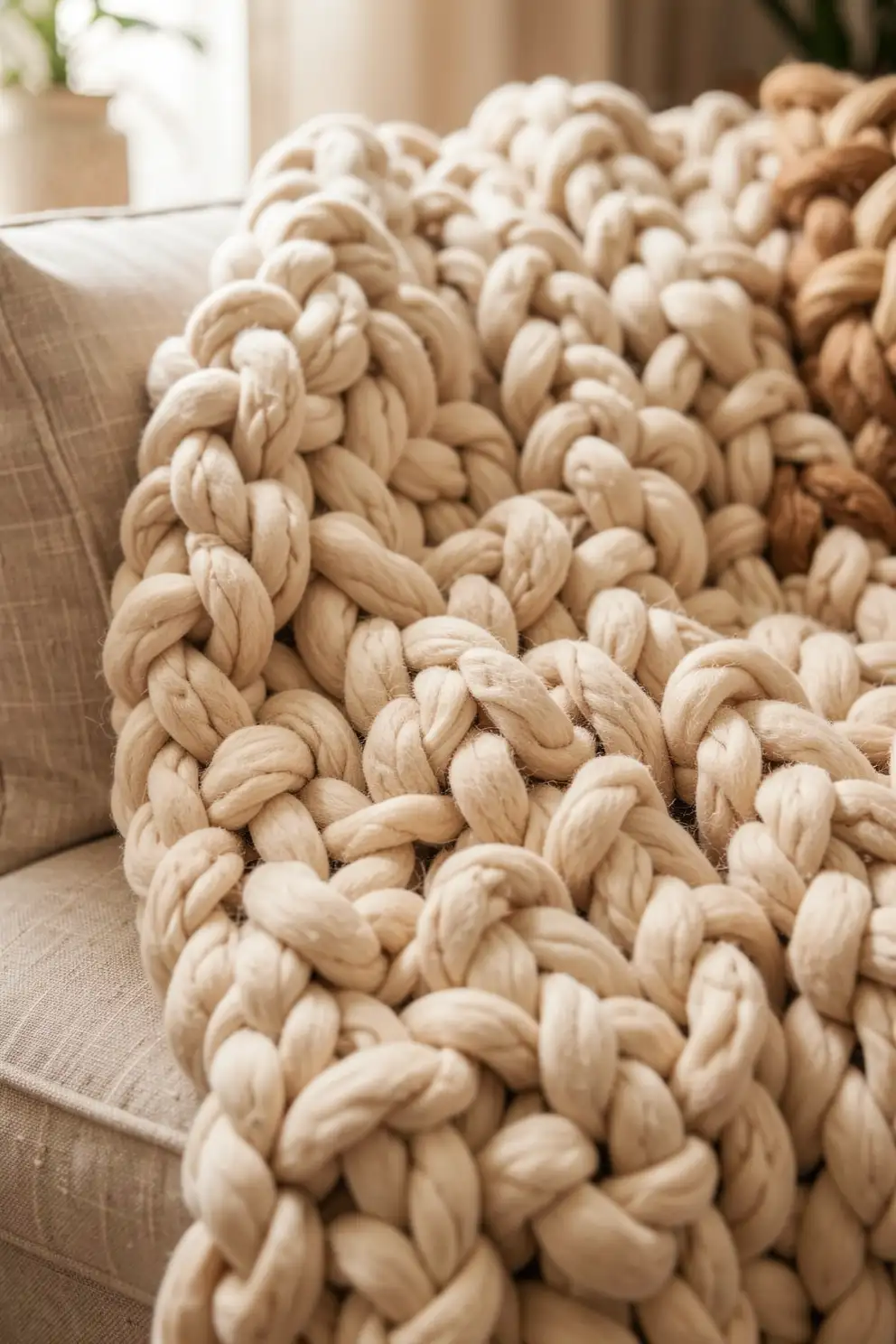
Chunky yarn is perfect when you want a blanket that feels dramatic, plush, and satisfying to make. Its oversized texture creates a cozy statement without needing complicated details. Even a simple stitch pattern can look rich and sculptural when worked with thicker yarn. This makes it a lovely choice for a weekend project because progress feels visible quickly, which keeps the creative energy flowing.
For a softer home aesthetic, choose chunky yarn in warm neutrals, dusty pastels, or muted natural shades. Cream, oatmeal, taupe, blush, sage, and smoky blue all work beautifully with plush texture. If you prefer a bolder blanket, try a deep cocoa, forest green, charcoal, or terracotta. The key is to let the yarn itself shine, allowing the oversized loops and gentle shadows to become the main decorative feature.
Trying Tufted Details for a Handmade Look
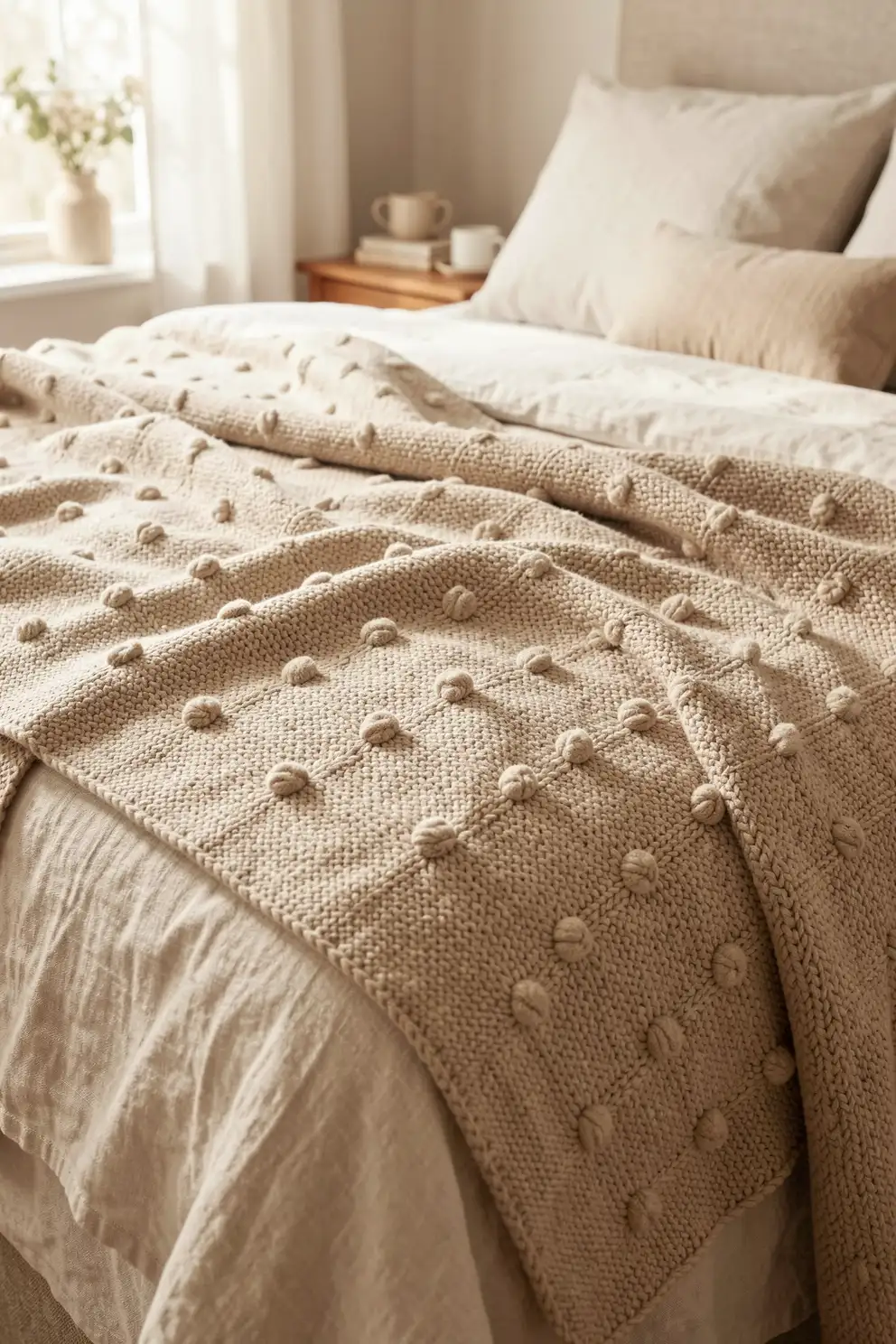
Tufted details add a charming handmade quality that feels both cozy and artistic. Small raised accents can turn a plain blanket surface into something special, especially when placed in a relaxed pattern. Tufts can be soft and subtle in the same shade as the base, or more expressive in a slightly contrasting color. This detail works beautifully for blankets inspired by boutique home decor and vintage textiles.
The beauty of tufting is that it does not need to look perfectly uniform. Gentle variation can make the blanket feel more personal and crafted by hand. Keep the spacing balanced enough to feel intentional, but avoid chasing a factory-made finish. A few softly raised details across a neutral blanket can bring movement and character while still fitting into a calm, cozy room.
Adding Fringe That Feels Soft and Relaxed
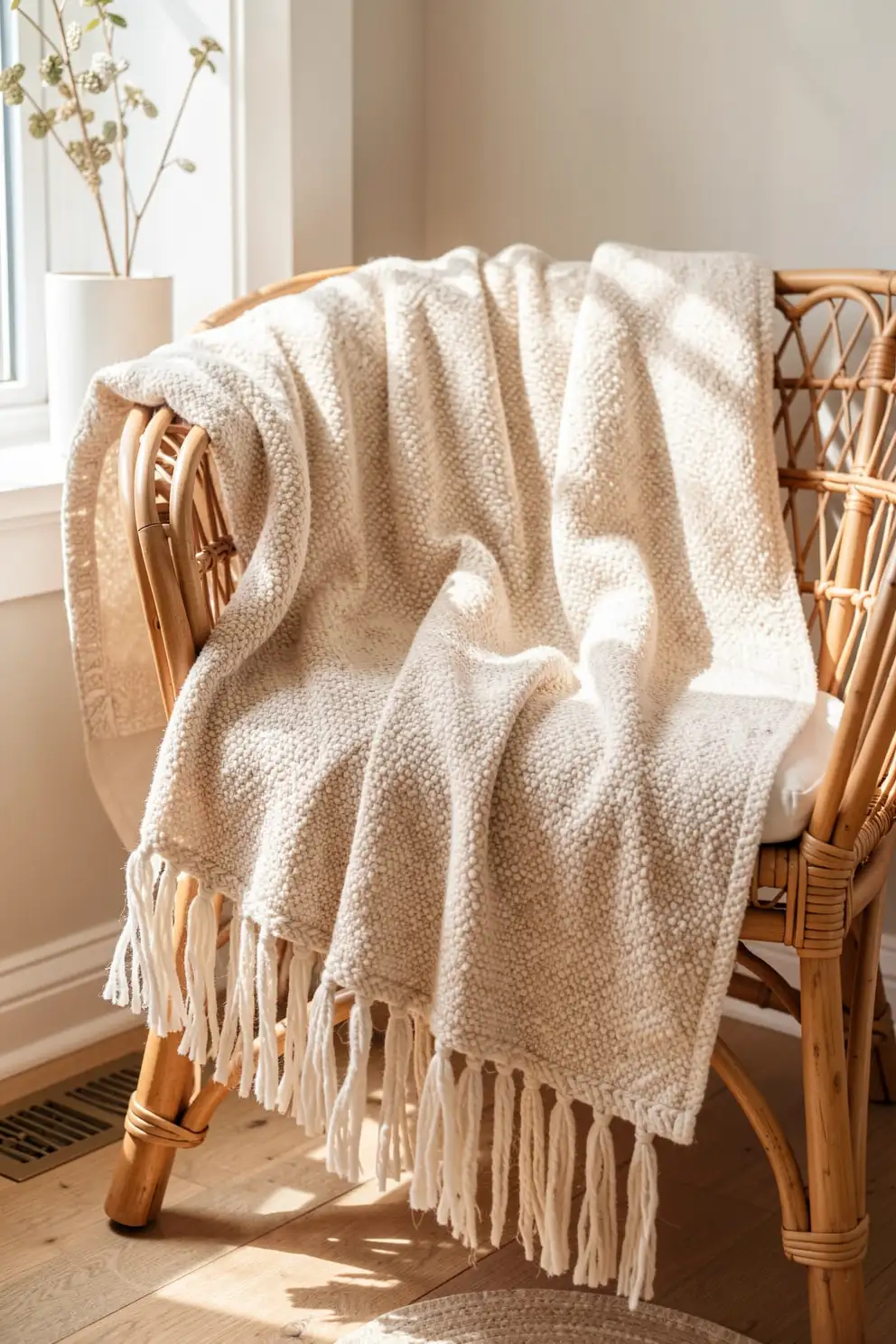
Fringe brings movement, softness, and a casual handmade finish to a textured blanket. It can make even the simplest design feel more layered and thoughtful. Long fringe creates a relaxed bohemian mood, while shorter fringe feels tidy and classic. The best choice depends on your home style and how much visual detail you want at the edges of the blanket.
For a refined look, match the fringe to the main blanket color. For something more playful, use a related shade that adds contrast without feeling too busy. You can also mix a few tones within the same palette for a soft, collected effect. After attaching the fringe, gently comb or separate the strands so they fall naturally. This small finishing step can make the entire blanket feel polished.
Layering Neutral Tones for Calm Decor
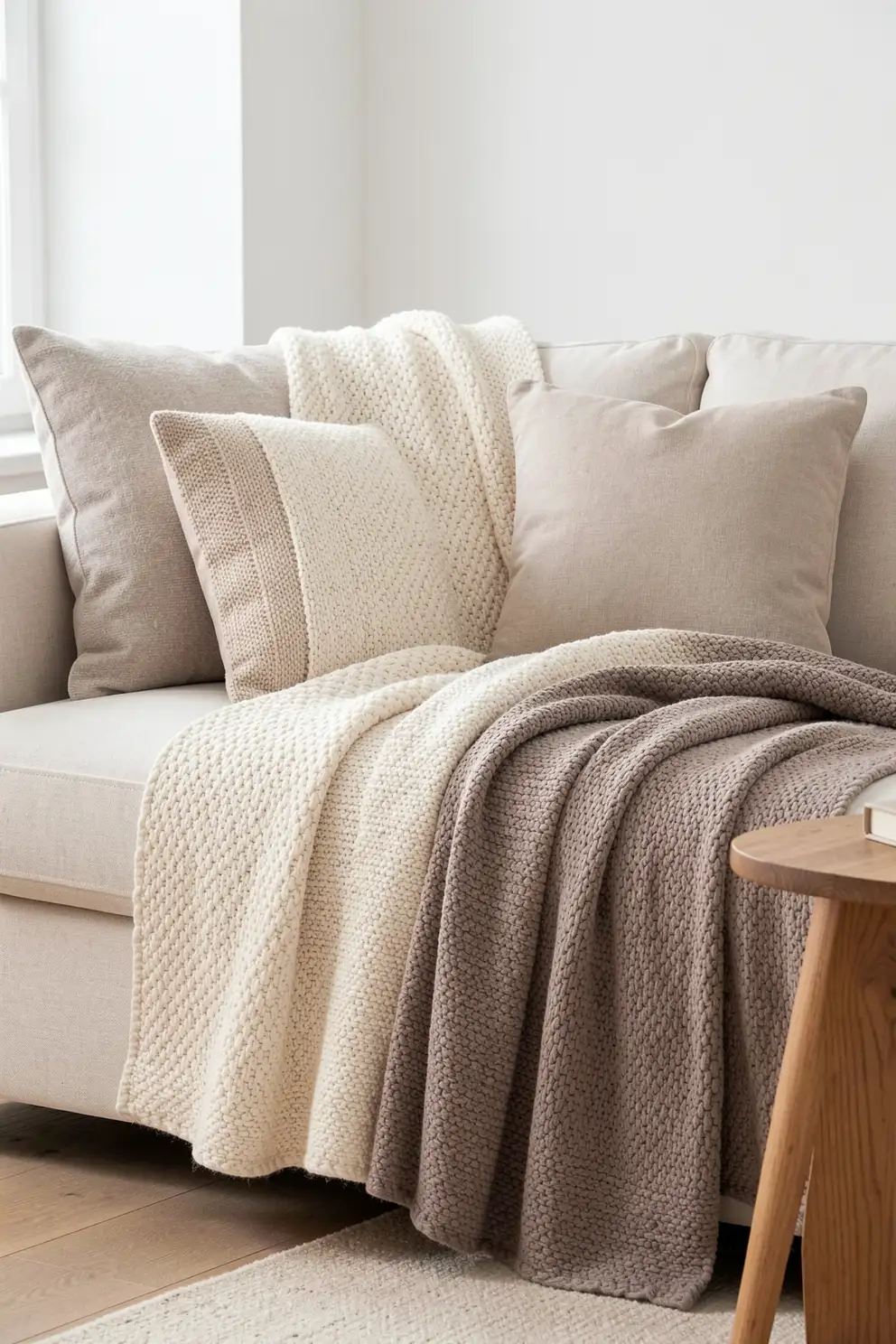
Neutral tones are a beautiful choice for a textured blanket because they let the surface details become the focus. Shades like ivory, linen, mushroom, oat, warm gray, and soft beige create a calm foundation that blends easily with many interiors. When texture is the main feature, neutrals feel anything but plain. They reveal every loop, ridge, knot, and soft shadow in a gentle, elegant way.
Layering several neutral shades can create depth without adding visual clutter. A cream base with taupe fringe, or a warm gray blanket with ivory tufting, feels quiet yet interesting. This approach is especially helpful if your room already has patterned pillows, wood tones, plants, or artwork. A neutral textured blanket can pull the space together while still feeling handmade, cozy, and inviting.
Playing With Earthy Color Palettes
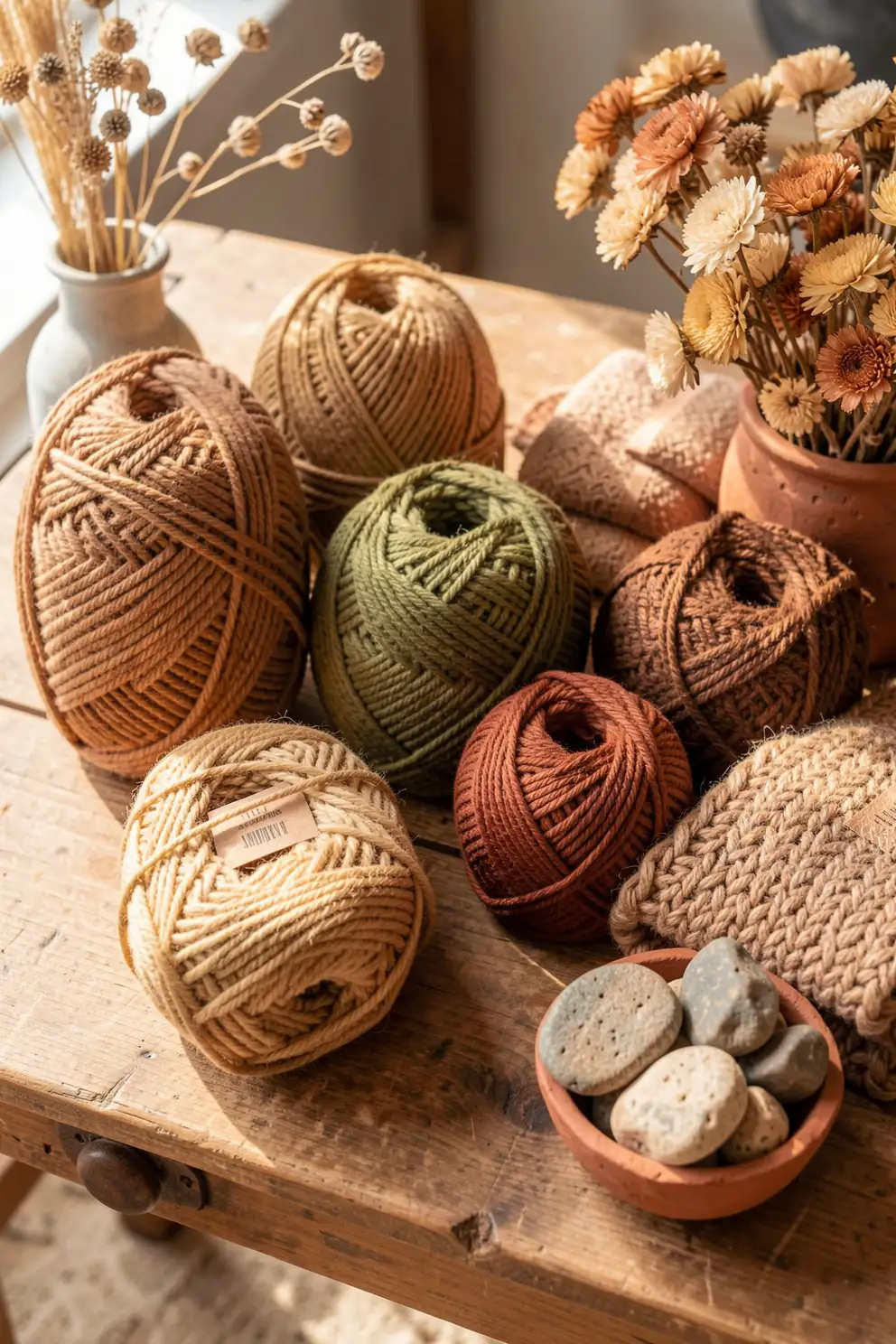
Earthy colors bring a grounded, natural feeling to a handmade blanket. Think clay, sand, olive, rust, cocoa, stone, moss, and muted gold. These shades pair beautifully with textured yarn because they feel organic and timeless. An earthy blanket can warm up a modern room, soften a minimal space, or add a cozy seasonal touch without feeling overly themed.
If you want a subtle palette, keep the colors close in warmth and depth. If you want more contrast, combine a light neutral with a rich accent shade. Earthy color combinations work especially well with handmade details like fringe, tufting, ribbing, and woven borders. The finished blanket can feel like something discovered in a cozy cabin, a slow-living studio, or a sunlit handmade market.
Mixing Stitches for Subtle Dimension
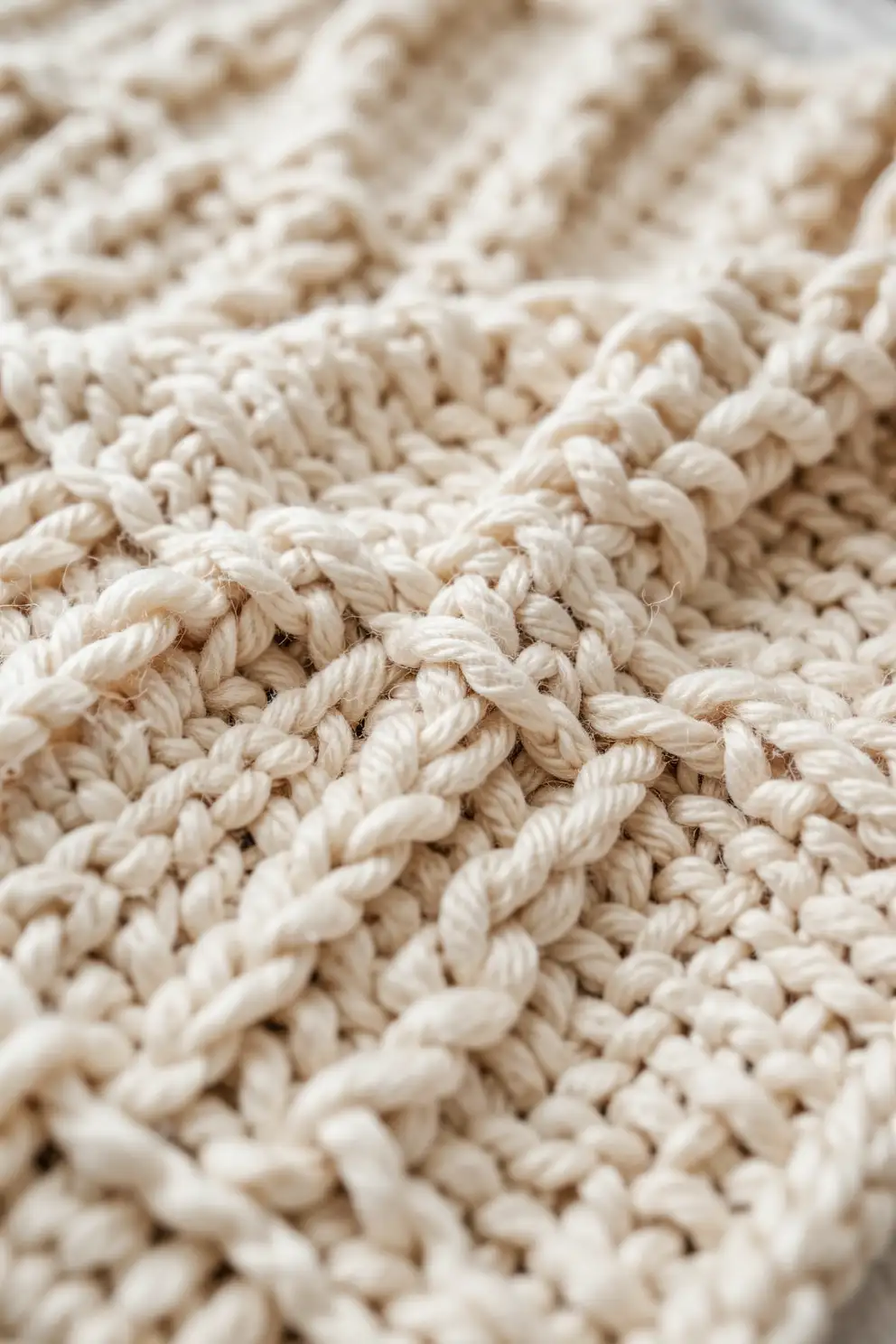
Mixing stitch textures is a lovely way to make a blanket feel detailed without relying on bold colors. Smooth areas can sit beside raised ridges, soft bobbles, loose loops, or gentle ribbing. This creates a touchable surface that invites the eye to move across the blanket. The effect can be understated and elegant, especially when the entire design stays within a cohesive color palette.
To keep the blanket from feeling too busy, choose stitch textures that complement each other in scale and mood. A simple rib next to a soft mossy texture can feel calm, while plush bobbles add a more playful look. Let the sections transition naturally so the blanket feels intentional. Subtle dimension is especially beautiful when styled in natural light, where shadows reveal every handmade detail.
Creating a Cloudy Fleece Backing
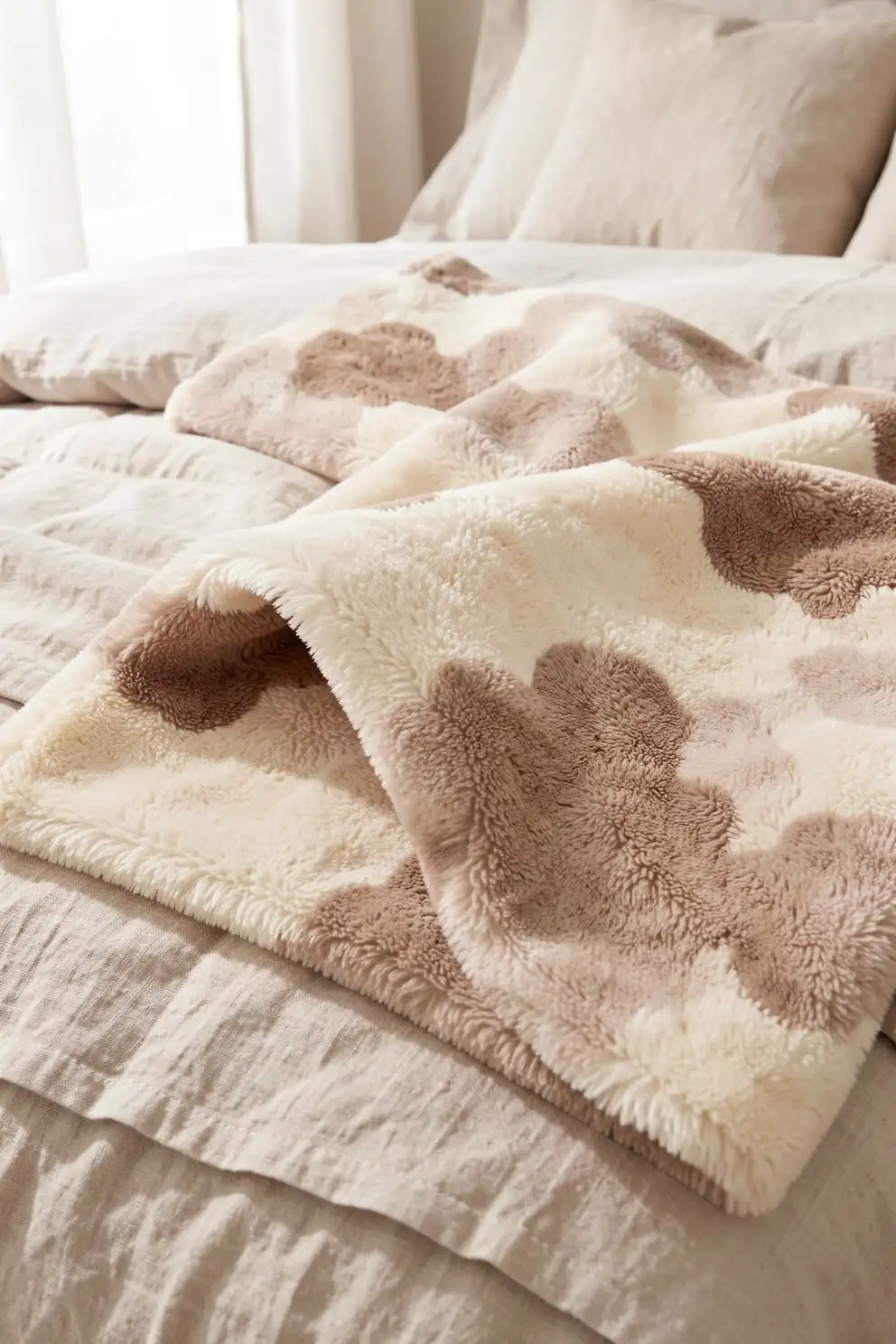
A fleece backing can make a textured blanket feel extra comforting and finished. It adds warmth, softness, and a smooth underside that feels wonderful during lounging. This idea is especially useful if the decorative front has raised details, knots, or stitches that create a more textured feel. The backing balances the design by making the blanket practical as well as beautiful.
Choose fleece in a shade that complements the front rather than competing with it. Cream, taupe, pale gray, blush, and muted sage can all look soft and polished. A cloudy fleece backing also gives the blanket a boutique-inspired quality, as though it belongs in a cozy home shop. When the edges are neatly finished, the result feels intentional, plush, and perfect for slow weekends at home.
Using Waffle Texture for Everyday Comfort
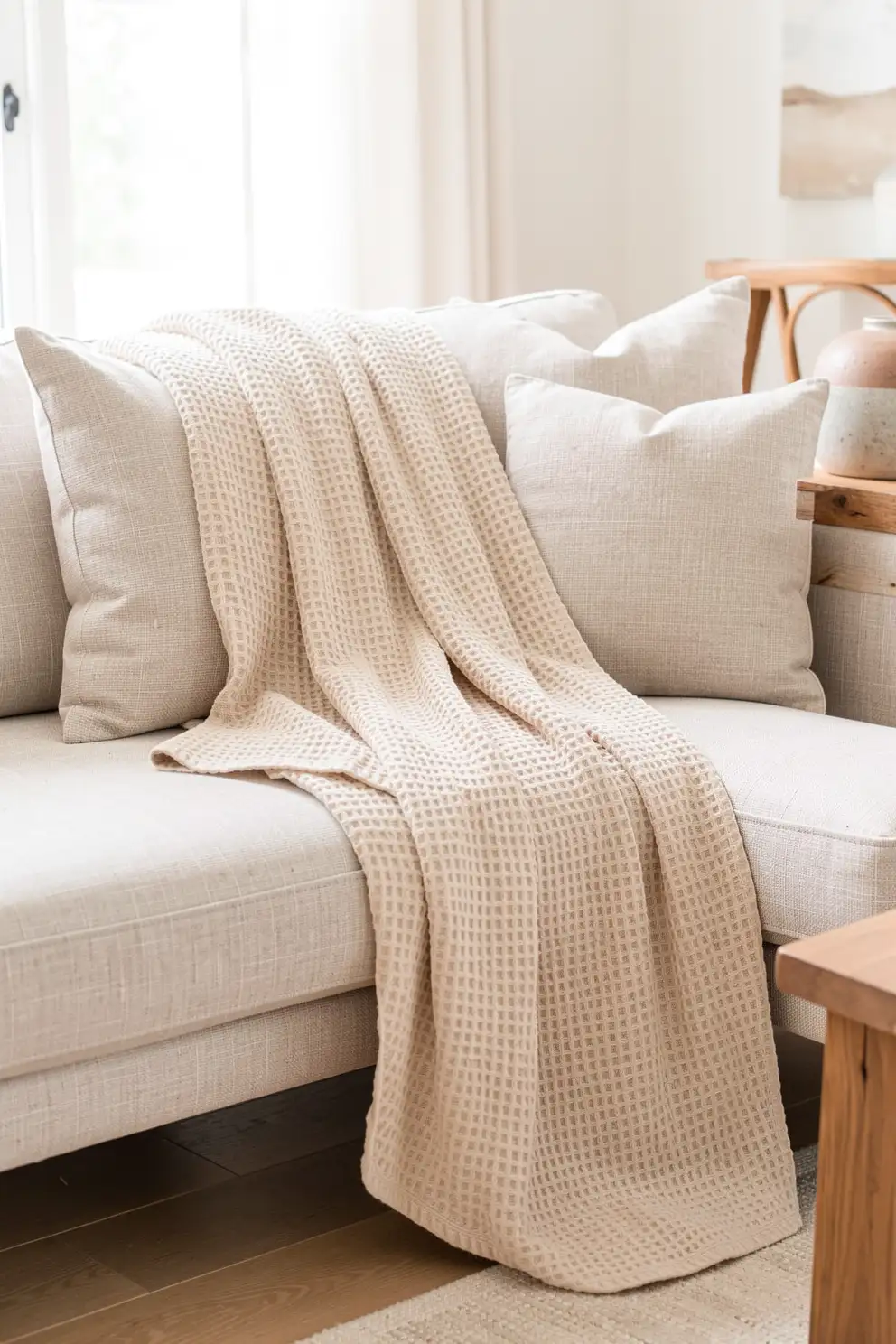
Waffle texture has a timeless, comforting look that works beautifully in a handmade blanket. Its gentle grid-like surface feels classic without being plain, making it a strong choice for everyday home styling. The texture holds visual interest while staying clean and versatile. It can lean farmhouse, minimal, coastal, or cozy modern depending on the color and surrounding decor.
This style is especially appealing if you want a blanket that feels relaxed enough for daily use but pretty enough to display. A waffle texture in cotton or a soft blend can feel breathable and comfortable across seasons. Drape it over a linen sofa, fold it across bedding, or keep it near a window seat. The raised pattern adds quiet structure while still feeling soft and lived-in.
Adding Pom Pom Edges With Playful Charm
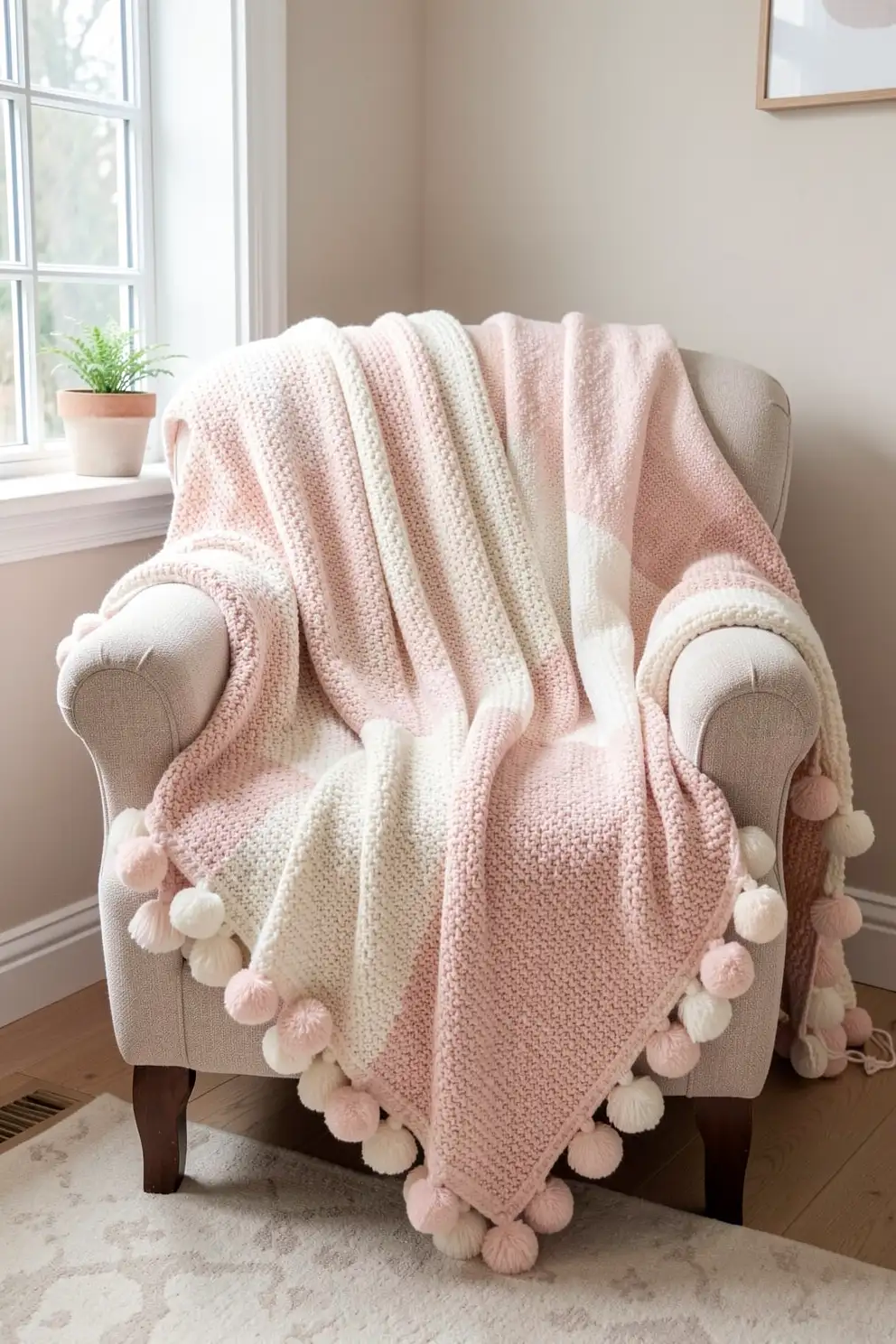
Pom pom edges bring a cheerful, whimsical touch to a textured blanket. They are perfect if you want the project to feel fun, cozy, and slightly nostalgic. Soft pom poms can frame the blanket like little plush accents, making it feel more decorative when draped over furniture. This detail works beautifully for reading nooks, guest rooms, creative studios, and relaxed bedroom styling.
To keep the look elevated, choose pom poms in a color that feels connected to the blanket rather than overly contrasting. Cream on oatmeal, blush on ivory, or clay on warm beige can feel playful without becoming too loud. You can make the pom poms fluffy and oversized for a cozy statement, or smaller and softer for a more subtle finish. Either way, the edge becomes part of the blanket’s personality.
Blending Vintage Inspiration With Modern Style
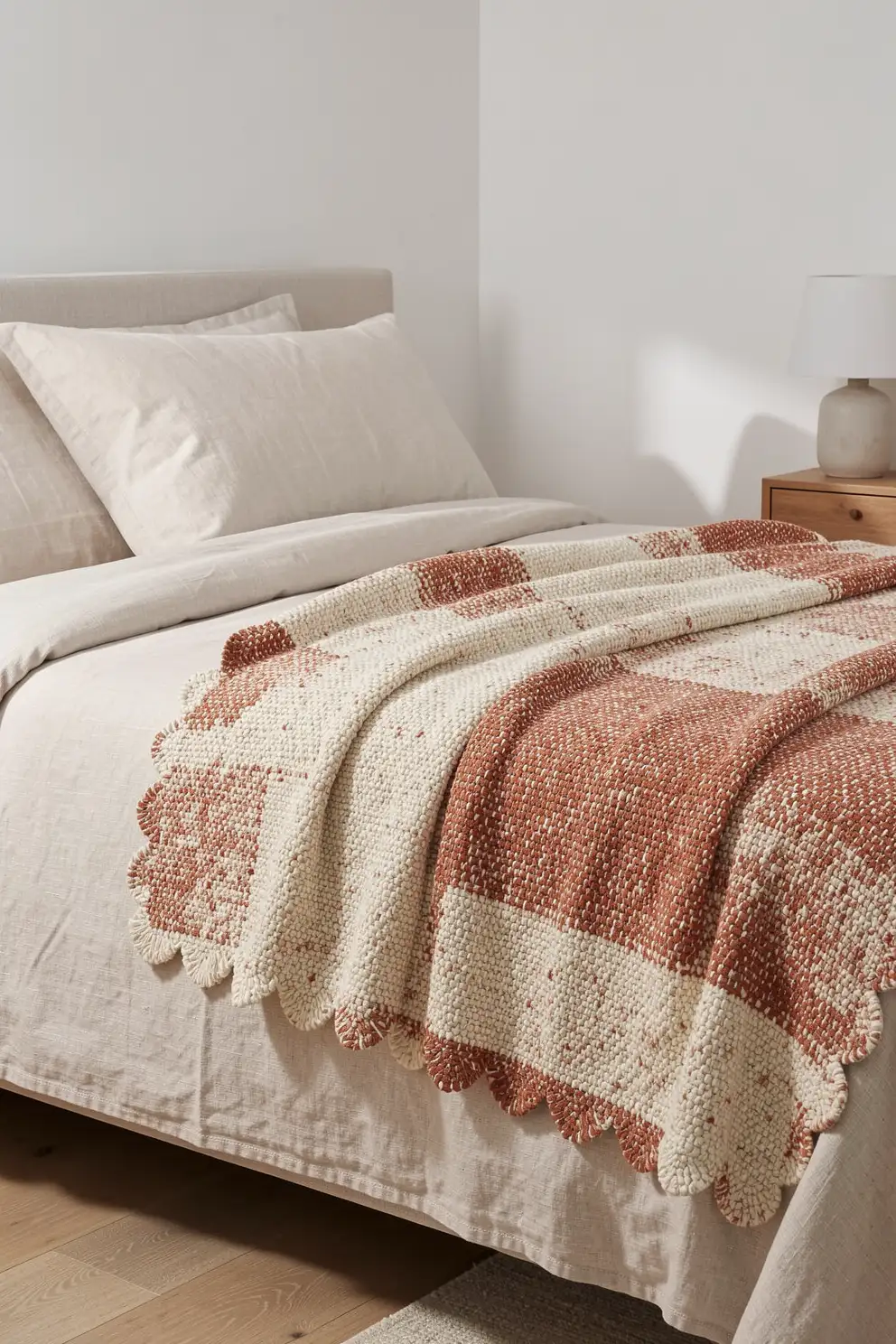
A textured blanket can feel beautifully nostalgic when inspired by vintage quilts, handmade throws, cottage textiles, and heirloom craft details. Soft scalloped edges, muted floral colors, raised stitching, and gently imperfect finishes can all bring an old-soul feeling to the project. The key is to blend those references with a modern palette or simplified shape so the blanket feels fresh rather than dated.
Try pairing vintage-inspired texture with clean styling. A creamy blanket with subtle tufting can look beautiful on a simple linen bed. A muted rust throw with fringe can warm up a modern sofa. A soft striped design in faded tones can feel collected and personal. When vintage charm meets modern restraint, the finished piece feels meaningful, cozy, and easy to live with.
Styling Your Blanket Across the Sofa
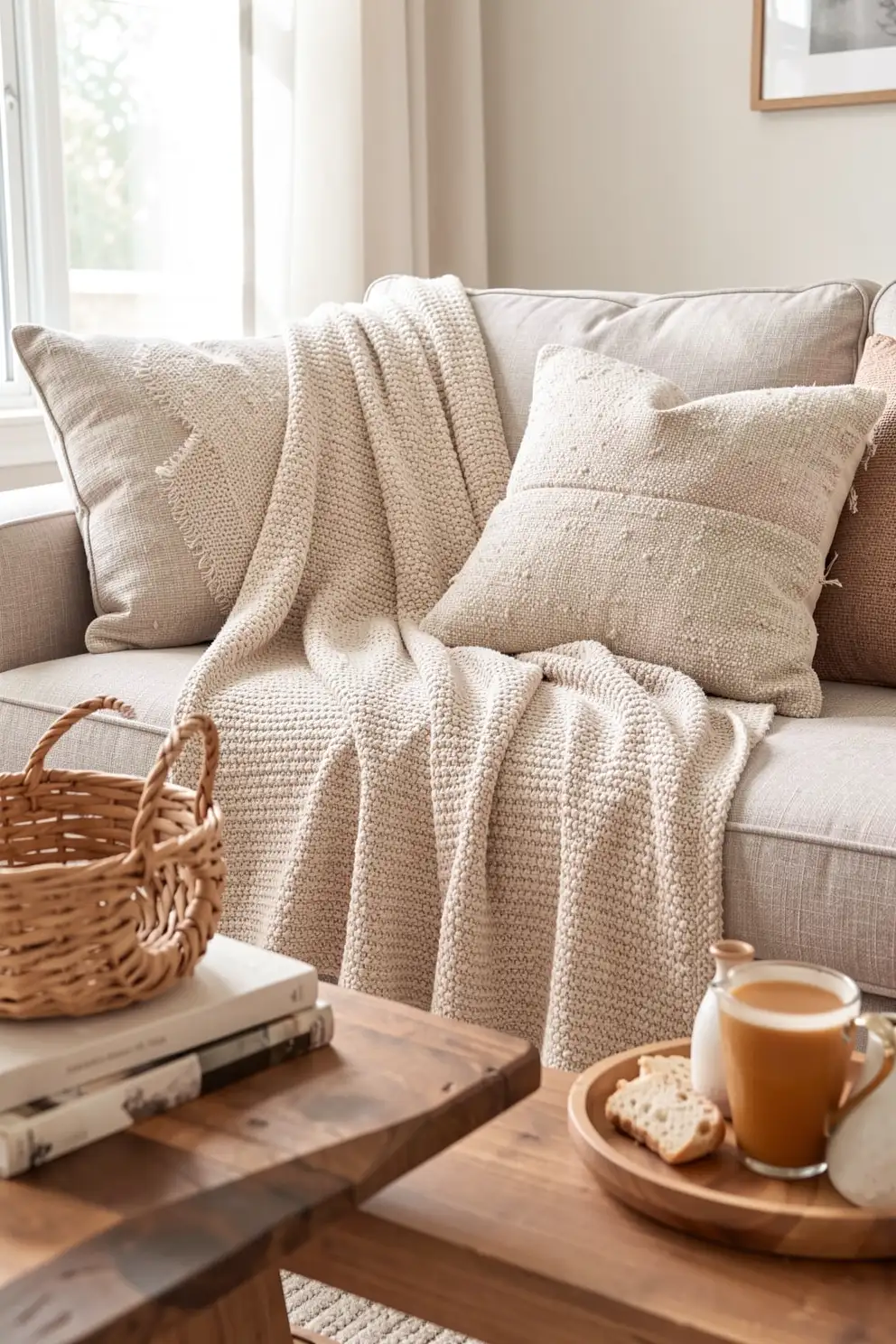
Once your blanket is finished, the way you style it can make the whole room feel softer. A casual drape over the arm of the sofa creates a relaxed, lived-in look. A neat fold across the back feels more polished and intentional. For a cozy layered effect, let the blanket spill slightly over the seat cushion beside textured pillows and a warm wood side table.
Think about balance when styling. If the blanket has heavy texture, pair it with smoother pillows or simple upholstery so the room does not feel crowded. If the blanket is neutral, it can soften bolder patterns nearby. Natural light, a ceramic mug, a woven basket, and a stack of books can complete the scene. The blanket becomes more than a project; it becomes part of your everyday comfort.
Creating a Cozy Project Corner
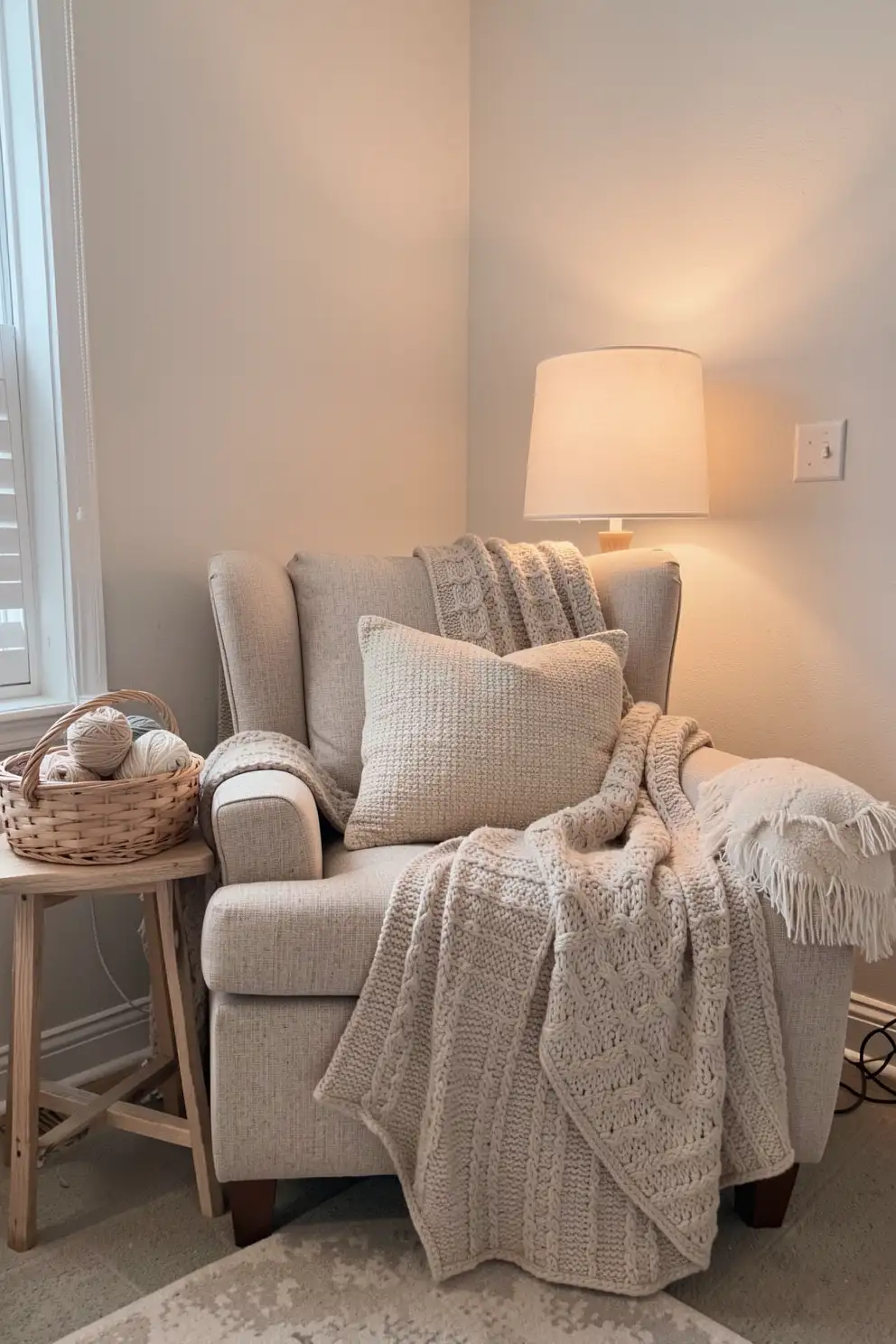
A dedicated project corner can make your blanket-making time feel more inviting. Choose a spot with comfortable seating, soft lighting, and enough room for your materials. A basket of yarn, a small table for tools, and a cozy drink nearby can turn the process into a ritual rather than another task. Even a simple chair by a window can become the perfect creative nook.
The atmosphere matters because handmade projects often unfold through quiet, repeated moments. Add a candle, a favorite playlist, a warm lamp, or a soft cushion to make the corner feel personal. Keeping everything within reach helps you settle in without breaking the flow. Over time, the space itself can become associated with calm, creativity, and the joy of making something beautiful by hand.
Caring for Your Handmade Blanket
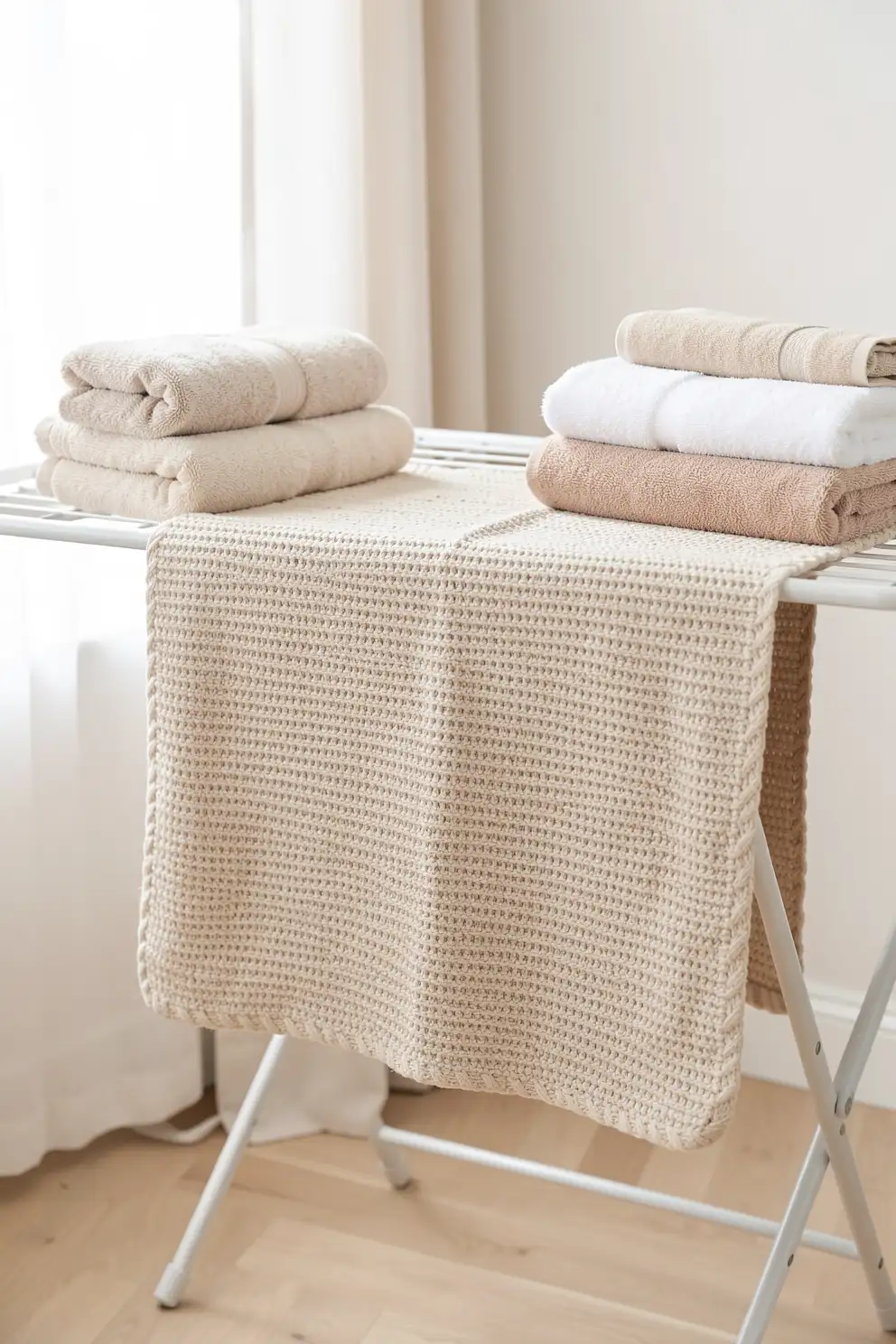
A handmade blanket deserves gentle care so the texture stays soft and beautiful. Always consider the materials before washing, because different fibers respond differently to water, heat, and friction. Some yarns prefer hand washing, while others can handle a delicate cycle. When in doubt, use cool water, mild soap, and a patient approach to protect the fibers and preserve the shape.
Drying is just as important as washing. Heavy textured blankets often benefit from being laid flat so they do not stretch. Gently reshape the edges, smooth the surface, and let the blanket dry in a calm spot away from harsh heat. Between washes, a soft shake, careful lint removal, and tidy folding can keep it looking fresh. Good care helps your project become a lasting part of the home.
Turning the Project Into a Weekend Ritual
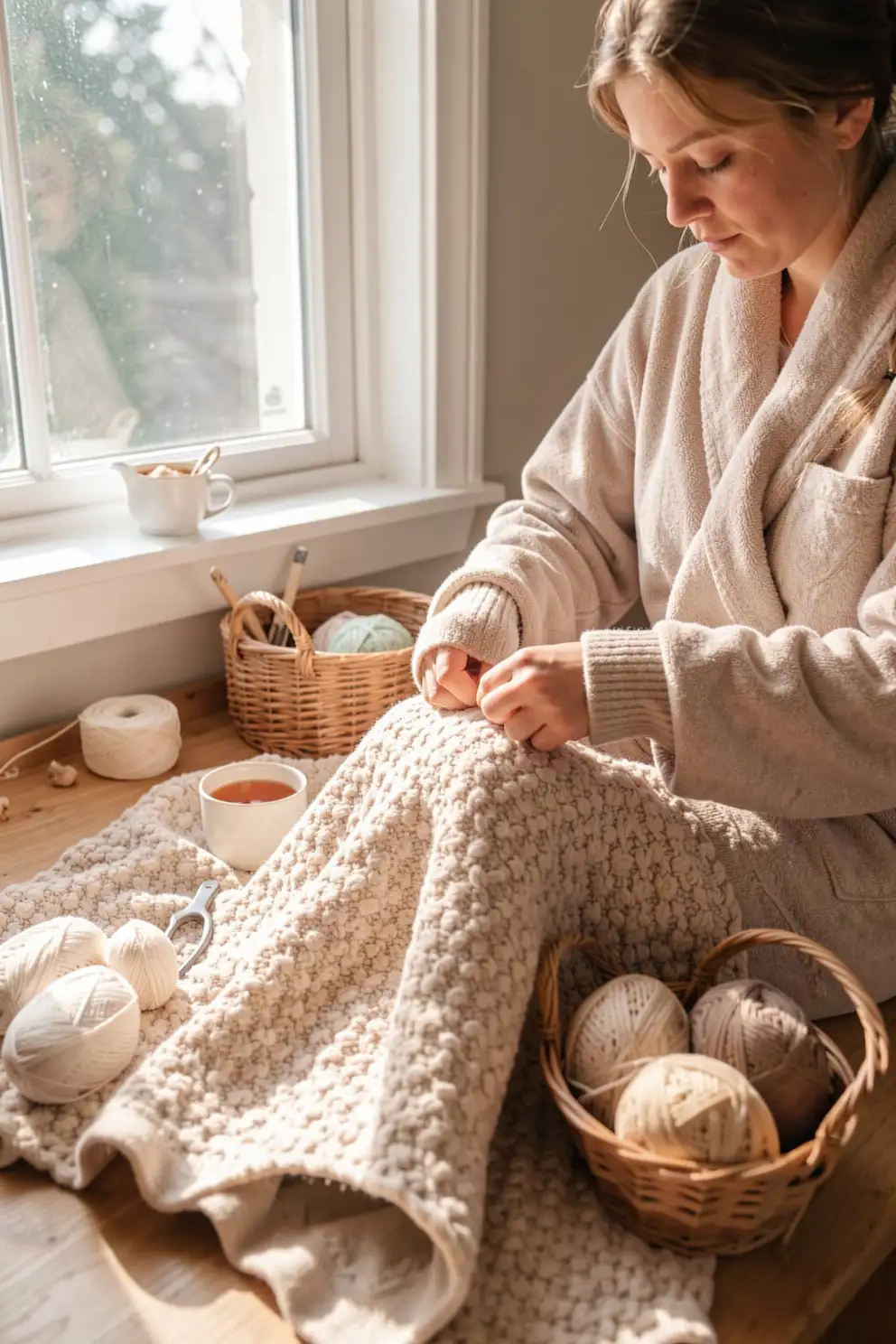
A DIY textured blanket can become more than a finished decor piece. It can become a comforting weekend ritual that helps you slow down and reconnect with your creativity. The repeated motions, soft materials, and visible progress can feel grounding after a busy week. Instead of rushing toward completion, let the process be part of the reward.
Set the mood with gentle music, comfortable clothes, natural light, and a space that feels calm. Work for as long as it feels enjoyable, then pause without guilt. Handmade projects are often most meaningful when they carry the feeling of the days spent creating them. When the blanket is finally finished, it will hold not just texture and warmth, but the memory of a slower, softer weekend.
A DIY textured blanket is a beautiful way to bring creativity, comfort, and personal style into your home. Whether you choose chunky yarn, soft fringe, tufted details, earthy colors, or a cozy fleece backing, the finished piece can become both a decor accent and a reminder to make space for slow, satisfying projects.