
Learning how to save money on groceries is not only wise but also practical for your household budget. With these 23 smart strategies, you can enjoy delicious meals while keeping more money in your pocket. Let’s explore effective ways to trim your grocery bills without compromising on quality.
Plan Your Meals Ahead
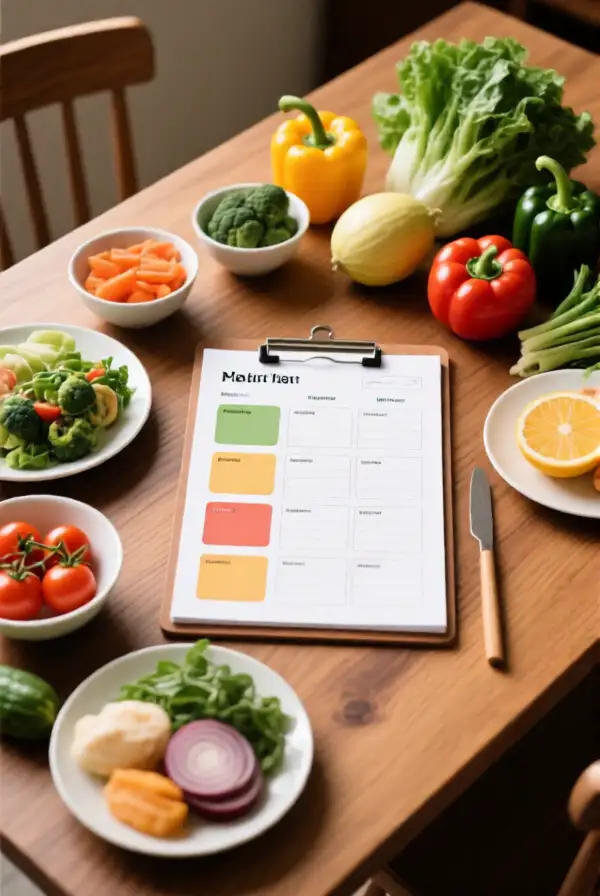
Meal planning is one of the most effective ways to save money on groceries. By deciding what you’ll eat for the week, you avoid impulse buying and ensures that you only purchase the items you need.
Start by building a shopping list based on your meal plan. This simple step can significantly reduce your grocery expenses and help minimize food waste, keeping your budget on track.
Buy in Bulk
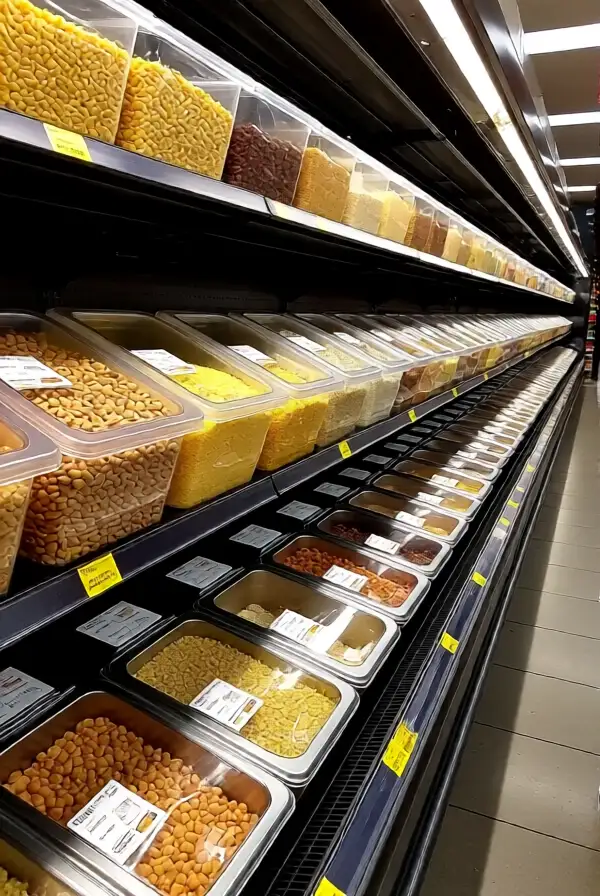
Purchasing items in bulk can lead to significant savings, especially on non-perishable goods or products you use frequently. Look for bulk bins, warehouse clubs, or sales on larger packages to maximize your savings.
Just ensure that you have enough storage space and that the items you’re buying won’t expire before you use them. This strategy can often require an upfront investment but will pay off in the long run.
Use Coupons and Discounts
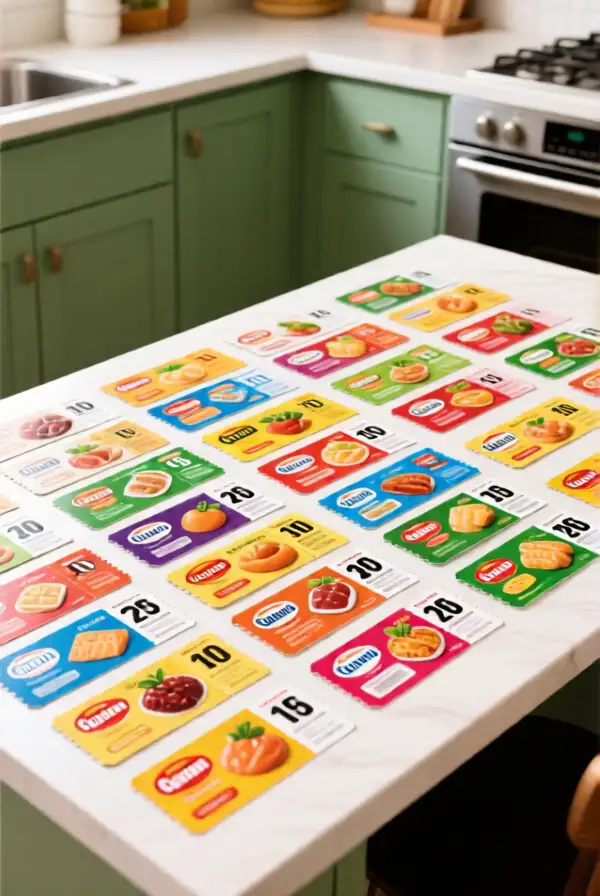
Coupons and discounts can offer great savings if utilized effectively. Check your local newspapers, apps, and store websites for current offers. Many stores also have loyalty programs that provide additional discounts to members.
However, only use coupons for items you actually need! Don’t be tempted to buy things just because you have a coupon, as this can lead to unnecessary spending.
Shop Seasonal Produce
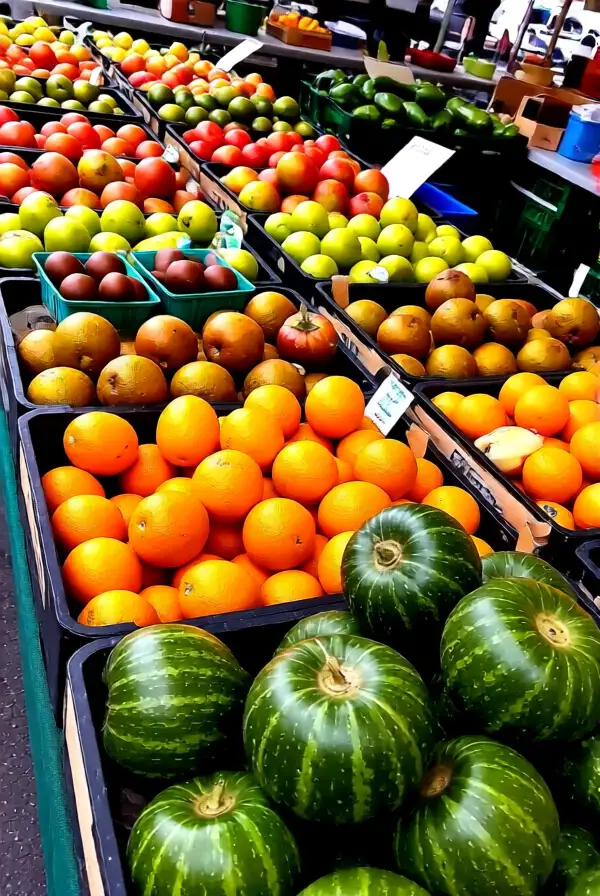
Seasonal fruits and vegetables are often cheaper and tastier. By choosing what’s in season, you support local farmers and reduce your grocery costs significantly. Visit farmers’ markets or look for sales at your grocery store.
Not only will you save money, but you’ll also enjoy fresher, more flavorful produce. Plus, experimenting with seasonal ingredients can inspire new and exciting meal ideas.
Make a Shopping List
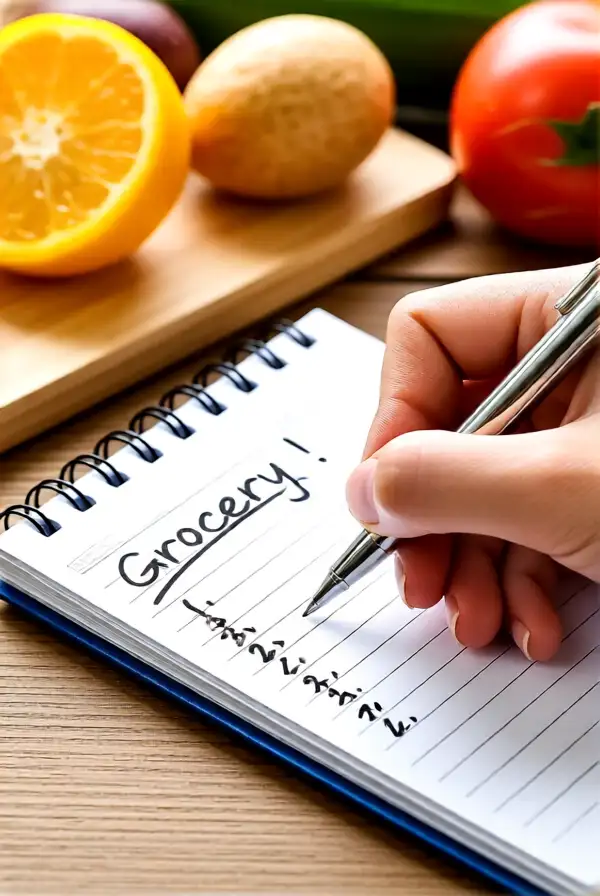
A shopping list keeps you focused and prevents impulse purchases while grocery shopping. Before heading to the store, jot down everything you need based on your meal plan to avoid unnecessary items.
This simple practice can help you stick to your budget and ensure you don’t forget to buy essential items. A list also helps you in comparing prices and picking the best deals available.
Compare Prices
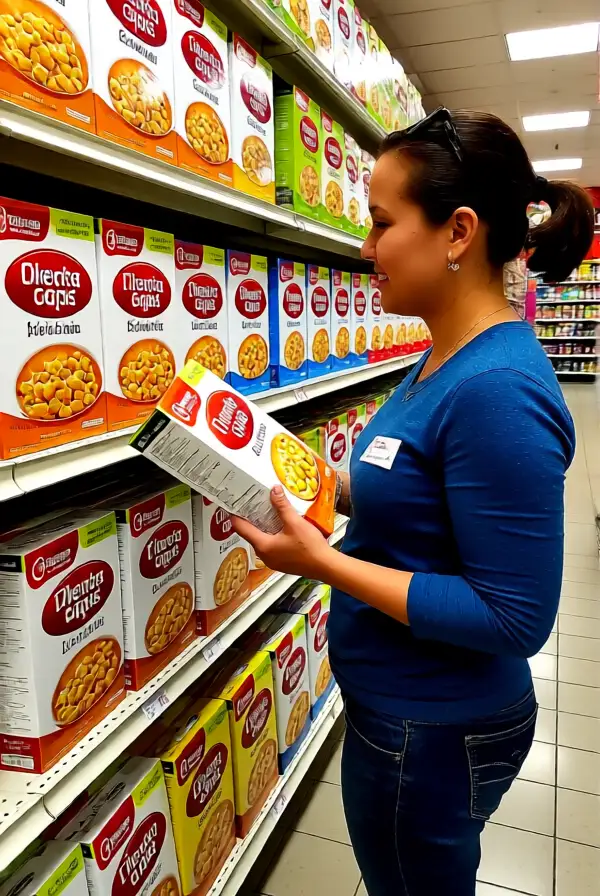
Take the time to compare prices at different stores before you make a purchase. Prices can vary significantly depending on the store, and sometimes buying an item in a different store can save you a lot.
Using apps or websites that track local prices can make this process easier. Over time, these small savings can add up to substantial amounts over a year.
Buy Generic Brands

Generic or store-brand products are typically cheaper than name-brand items but often have similar quality. Many times, the only difference is the packaging, so you can save money without sacrificing quality.
Try purchasing generic brands for staples like milk, flour, and grains to see significant savings. Explore and compare to find your favorites without breaking the bank.
Limit Processed Foods

Processed foods are often more expensive and less healthy than whole foods. By focusing on whole ingredients, you not only save money but also improve your overall diet.
Plan meals around fresh fruits and vegetables, grains, and proteins. This change can help you cut costs and lead to healthier eating habits, providing more value for your spending.
Take Advantage of Cashback Apps

Cashback apps offer great opportunities to save money on your grocery purchases. These applications allow you to earn money back by scanning your receipts after shopping. Some may offer deals specific to brands.
Researching which apps will benefit your purchases can enhance savings. Through consistent use over time, these small amounts can result in a worthwhile total.
Grow Your Own Vegetables
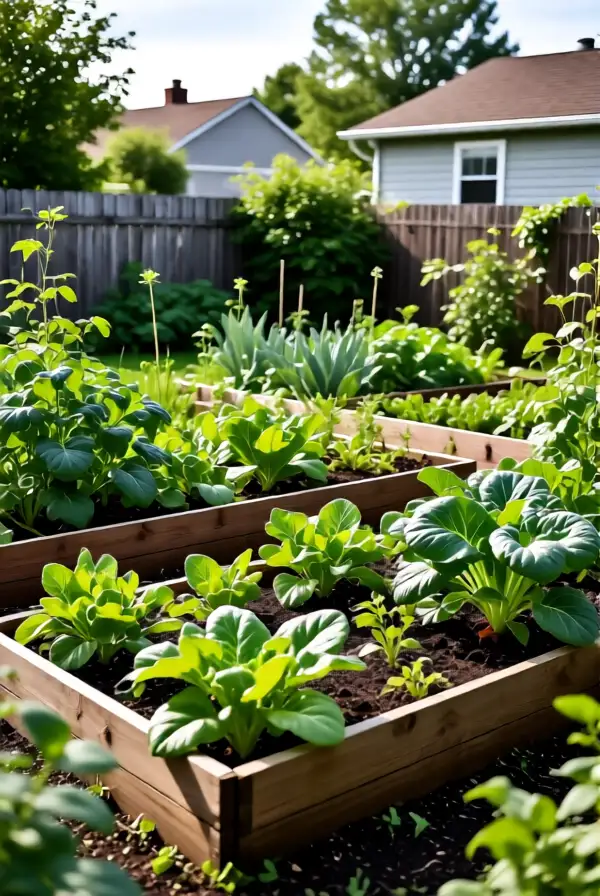
If you have the space, consider starting a small garden to grow your vegetables and herbs. This can significantly reduce your grocery expenses, especially for items you buy frequently.
Even if you have limited room, container gardening can work wonders. Plus, nothing beats the freshness of home-grown produce!
Join a Community Supported Agriculture (CSA)
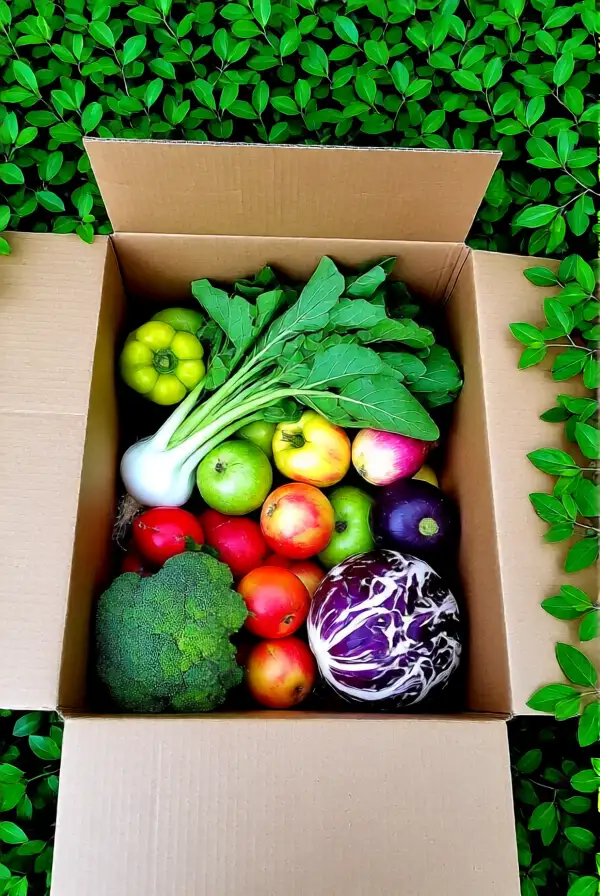
Joining a CSA is an excellent way to support local farmers while receiving fresh produce at a lower cost. By subscribing, you often get a selection of seasonal fruits and vegetables directly from local farms.
It’s a great way to diversify your diet and discover new produce while enjoying savings. Supporting local agriculture also contributes positively to your community.
Use Leftovers Wisely

Leftovers can be a budget-friendly solution when planned correctly. Don’t let them go to waste; instead, repurpose your leftovers into new meals to maximize your food budget.
For example, leftover roast chicken can be turned into soup or a salad for later meals. Creative thinking with leftover ingredients can stretch your budget further!
Set a Spending Limit
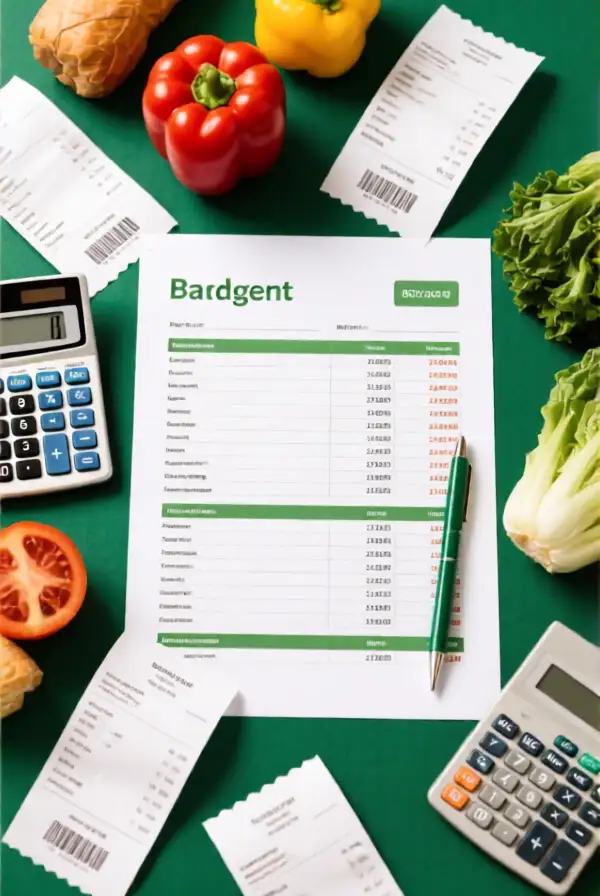
Establishing a monthly grocery budget can guide your spending habits and help you stick to your financial goals. Determine how much you can afford to invest in groceries each month and adjust accordingly based on your needs.
Keeping track of your spending and reviewing your budget regularly can help keep you on the right path and prevent overspending in your grocery shopping trips.
Use Cash Instead of Cards

Paying with cash can psychologically lower your tendency to overspend. Withdrawal your planned grocery budget in cash and leave the cards at home. This will encourage you to stay disciplined with your spending.
By committing to your budget in this way, you’re likely to make more mindful choices at the grocery store, leading to smarter spending habits.
Choose Store Hours Wisely

Shopping during less busy store hours can result in a more enjoyable experience and sometimes better deals. Early mornings or late evenings are typically quieter and might allow for the chance to find markdowns on perishable goods.
Not only does it keep stress levels down, but you may also score on items nearing their sell-by date in need of quick sale, resulting in substantial savings.
Store Food Properly
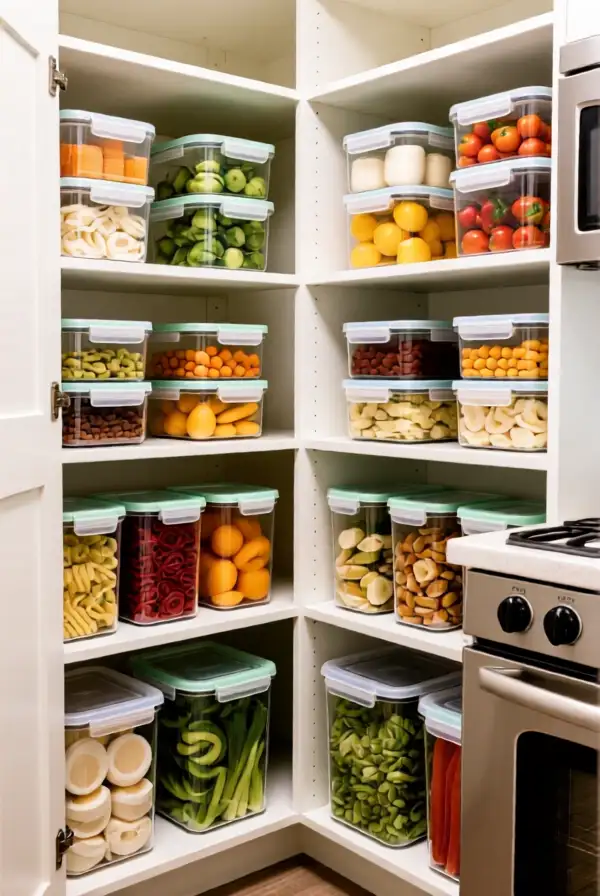
Improper storage can lead to premature spoilage and waste. Take the time to learn about how to store different types of groceries to extend their shelf life, reducing unnecessary spendings.
Utilizing proper techniques, such as airtight containers for dry goods and the right temperature settings for perishables, can keep your food fresh longer and save you money in the process.
Mind Your Portion Sizes

Being mindful of portion sizes can prevent food waste and can lead to financial savings. Plan servings appropriately based on your household size to ensure you’re not making more than necessary.
Serving reasonable portions can lead to better management of food resources and help stretch your grocery budget further without sacrificing nutrition.
Take Advantage of Sales and Promotions

Being aware of sales cycles can help you find the best time to buy certain items. Keep an eye on weekly ads from your local grocery store and stock up on sale items that you regularly use.
Planning your meals around sales can save you a significant amount by utilizing promotions efficiently. This approach allows you to make the most of your grocery budget.
Shop with a Friend

Consider teaming up with a friend or neighbor to shop for groceries. You can share bulk items, splitting the costs and reducing waste for products you might not use entirely on your own.
This collaboration can also make grocery shopping more enjoyable while maximizing savings and encouraging trying out different products that you wouldn’t normally buy.
Make Snacks at Home

Instead of purchasing pre-packaged snacks that can be costly, consider preparing your own snacks at home. Not only can this save money but also cater to your dietary preferences.
Batch cooking healthy snacks like granola bars or veggie dips can provide you with nutritious options at a lower cost, making snack time both enjoyable and budget-friendly.
Avoid Shopping When Hungry

Shopping while hungry can lead to poor food choices and impulse buys, which can inflate your grocery bill. Always aim to shop after you’ve eaten to minimize the likelihood of unnecessary purchases.
This strategy can help you stick to your list better, ensuring you buy only what you need while keeping your grocery budget intact.
Review Your Grocery Bills

Lastly, take the time to review your grocery bills regularly to learn more about your spending habits. Understanding where your money goes can reveal areas for potential savings.
Analyzing your receipts might provide insights for better decision-making in future shopping trips, allowing you to find ways to spend less by focusing on what you really need.
By applying these 23 smart strategies, you can transform your grocery shopping habits and effectively lower your expenses. With a little planning and creativity, you can continue to enjoy delicious food while adhering to your budget.