
Choosing between a textured blanket and a knit blanket can completely shift the feeling of a room. Each style brings warmth, softness, and visual charm, but the best choice depends on the mood you want to create, how you like to lounge, and the kind of cozy home aesthetic that feels most like you.
The Feeling Each Blanket Brings
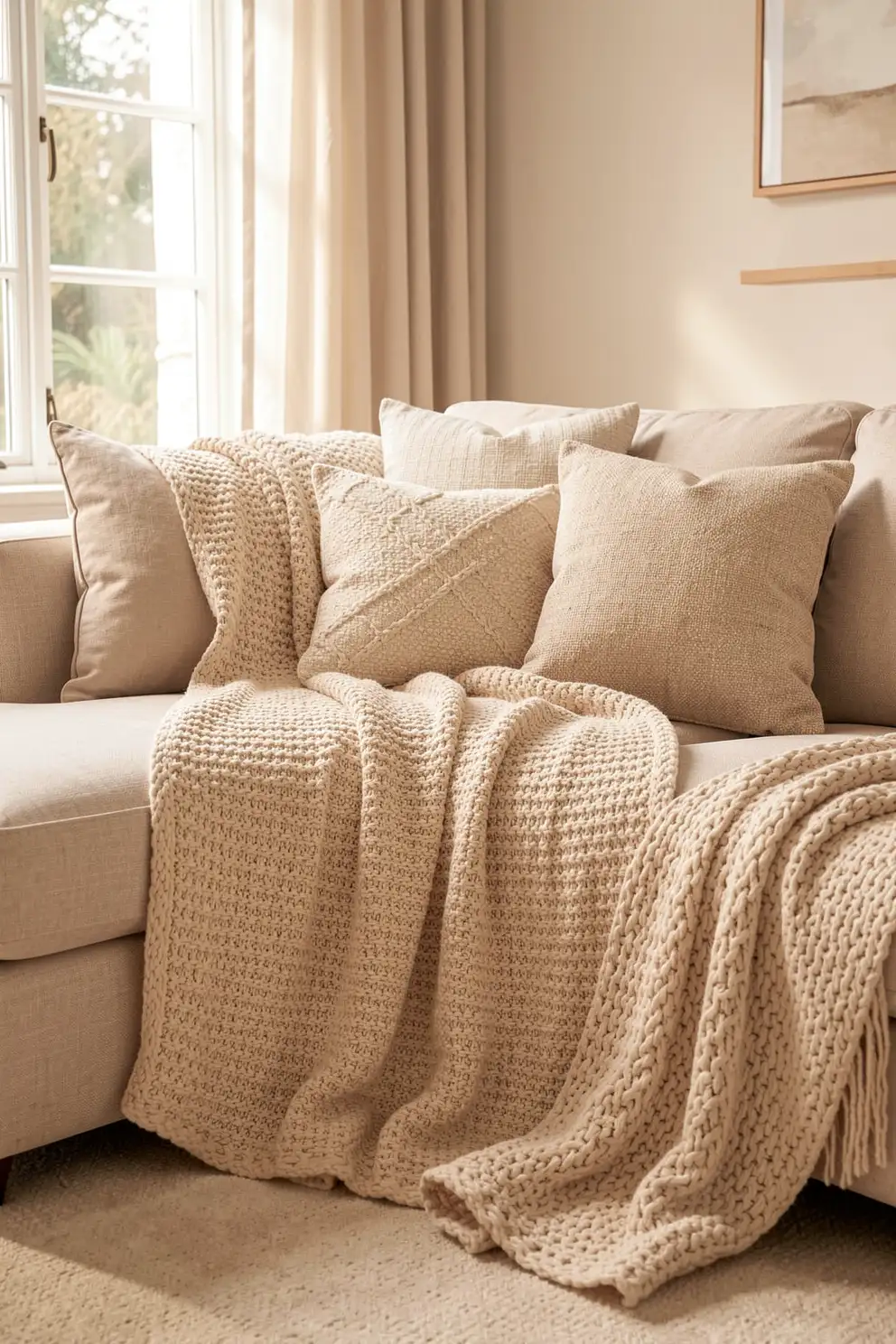
A textured blanket usually feels decorative, sculptural, and intentionally styled. It can make a quiet sofa look curated and add instant depth to a neutral bed. Because the surface catches light in varied ways, it often creates a cozy visual rhythm even when the rest of the room is simple. This makes it especially appealing for anyone who wants a room to feel layered without adding too many accessories.
A knit blanket feels softer, more relaxed, and deeply familiar. It brings the charm of slow evenings, warm drinks, and unhurried lounging. The woven look naturally suggests comfort, making it ideal for spaces where ease matters as much as style. While a textured blanket can feel artful, a knit blanket often feels emotionally cozy, like something you reach for at the end of a long day.
How Texture Changes the Mood
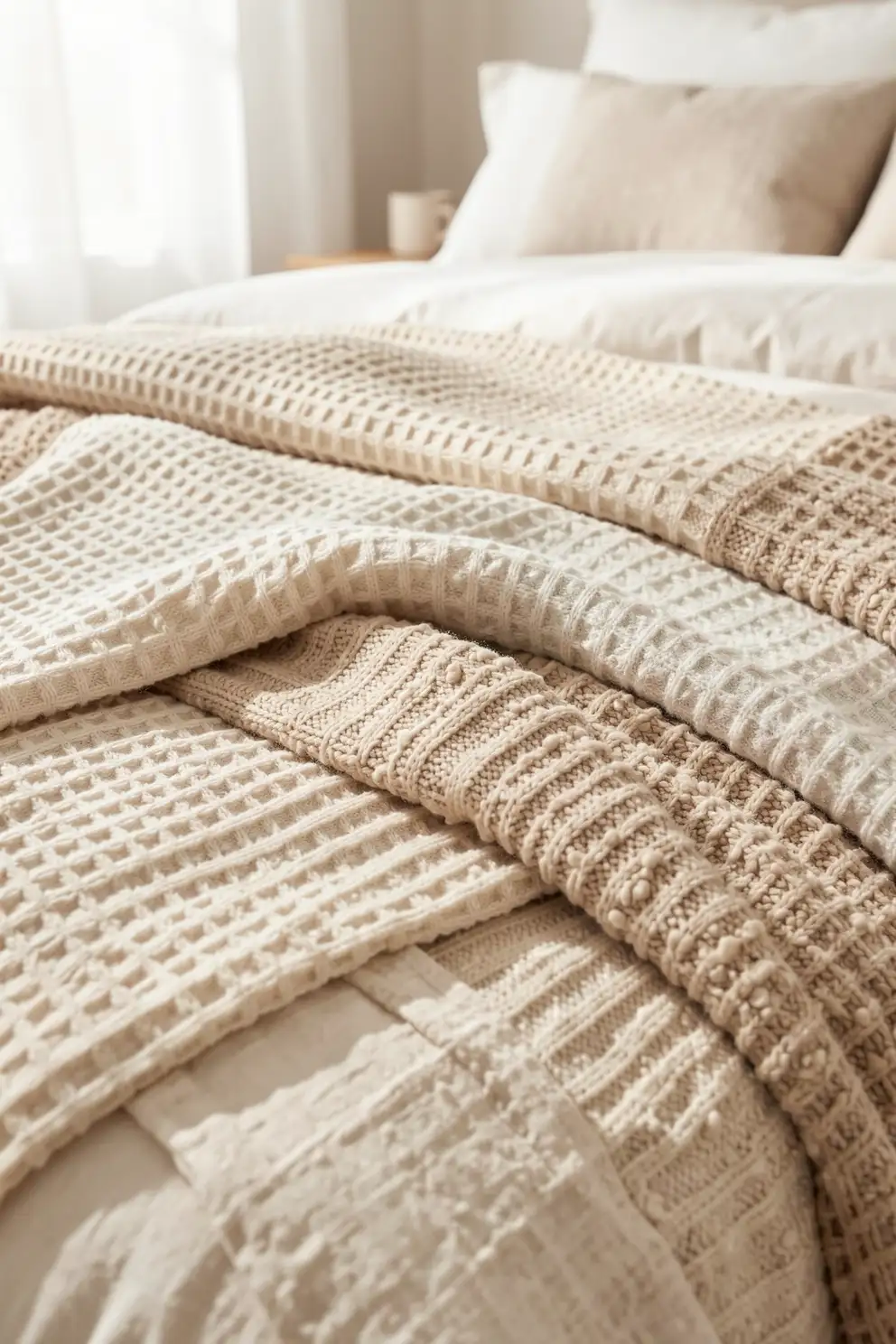
Texture affects a room before anyone even touches the blanket. A raised weave, tufted surface, waffle pattern, or plush finish can make a space feel more inviting because the eye reads softness instantly. Textured blankets are especially helpful in rooms with clean lines, smooth furniture, or plain bedding, where they add movement and dimension without requiring bold color or busy prints.
Knit blankets create mood through repetition and softness. The loops, braids, and stitches introduce a handmade feeling that can soften modern furniture and make a room feel less formal. A fine knit can look calm and delicate, while a chunkier knit feels relaxed and cocooning. The effect is less about dramatic surface detail and more about warmth, familiarity, and quiet comfort.
The Soft Drama of a Textured Blanket
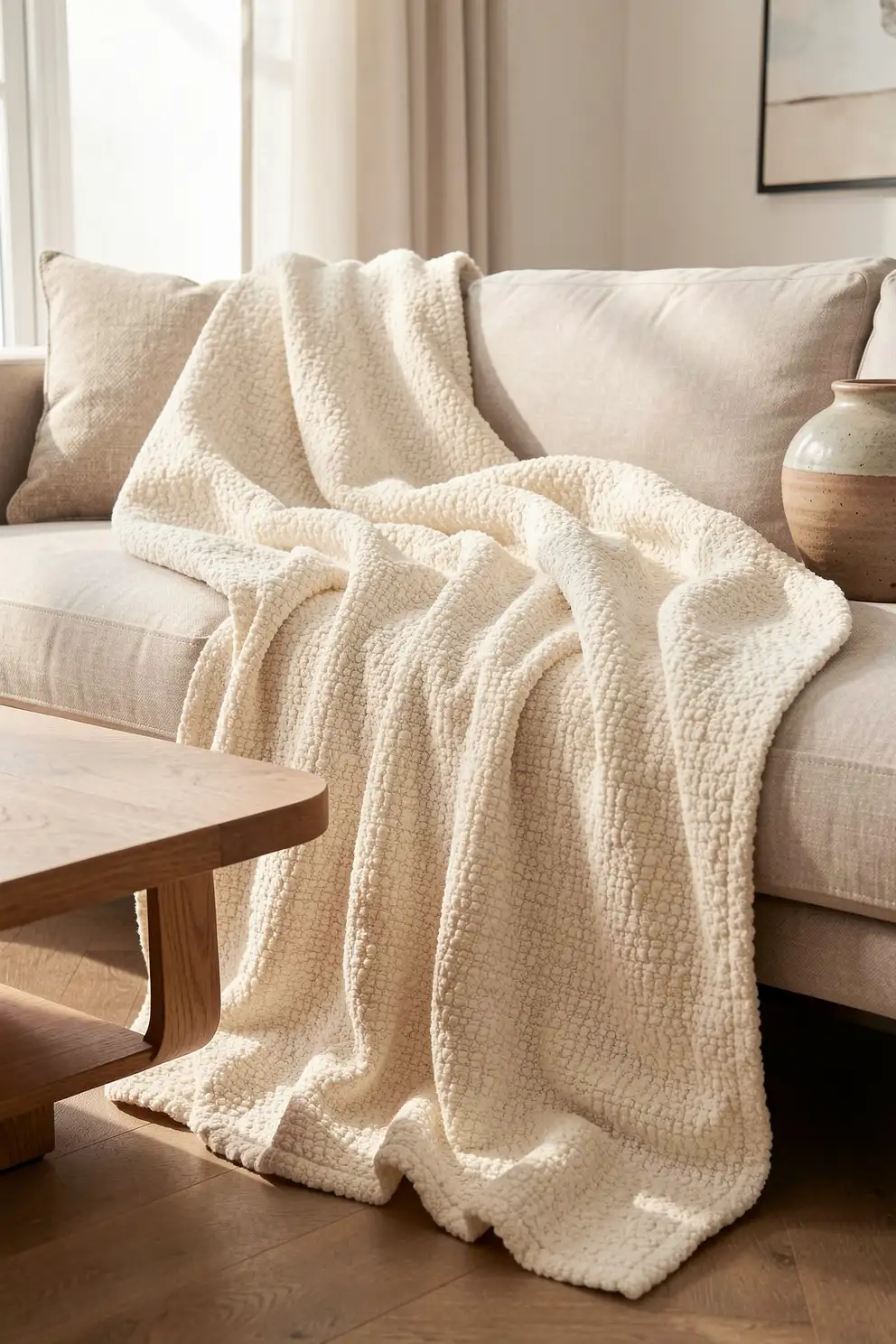
A textured blanket is perfect when you want cozy decor that still feels styled. Think of boucle, faux shearling, quilted ridges, waffle cotton, tassel edges, or raised geometric patterns. These details create soft drama without overwhelming the room. Even in a muted shade, a textured throw can become the piece that makes a bed, chair, or sofa feel complete.
This style works beautifully when the rest of the space is simple. A cream textured blanket on linen bedding, a caramel throw over a leather chair, or a cloudlike fleece on a pale sofa can add depth while staying calm. If your room feels almost finished but lacks that warm final layer, a textured blanket often delivers the most visible transformation.
The Timeless Comfort of a Knit Blanket
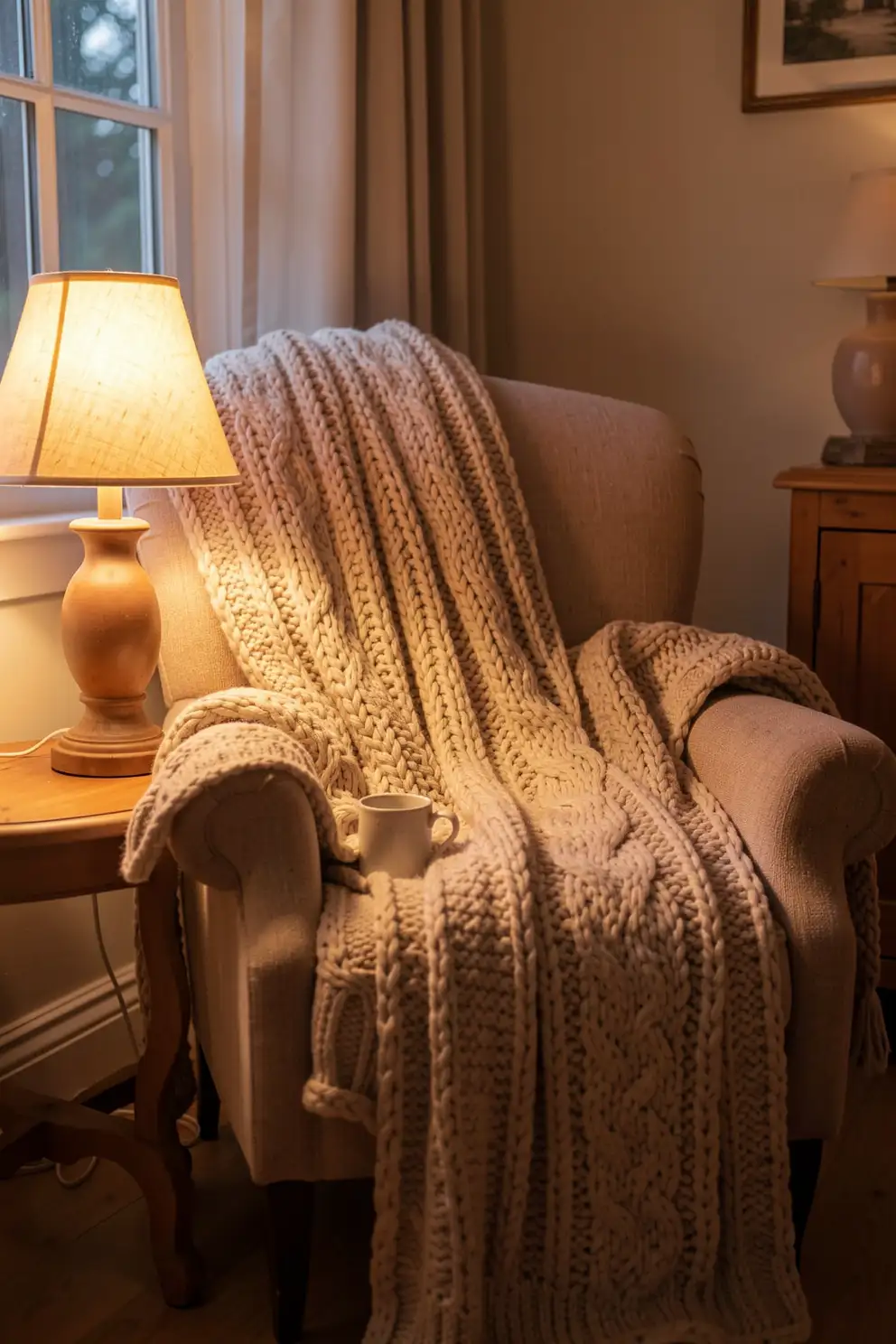
A knit blanket has a classic softness that rarely feels out of place. It can lean rustic, minimal, romantic, or modern depending on the yarn, color, and stitch style. Cable knit brings heritage charm, ribbed knit feels clean and simple, and loose chunky knit creates a plush lounge mood. This flexibility makes knit blankets especially easy to move from room to room.
The biggest strength of a knit blanket is its emotional warmth. It looks like something meant to be used, not just admired. Draped over a reading chair or folded at the foot of a bed, it signals rest immediately. If your cozy aesthetic is rooted in comfort, softness, and a lived-in feeling, a knit blanket will always feel like a natural choice.
Choosing for a Calm Minimal Room
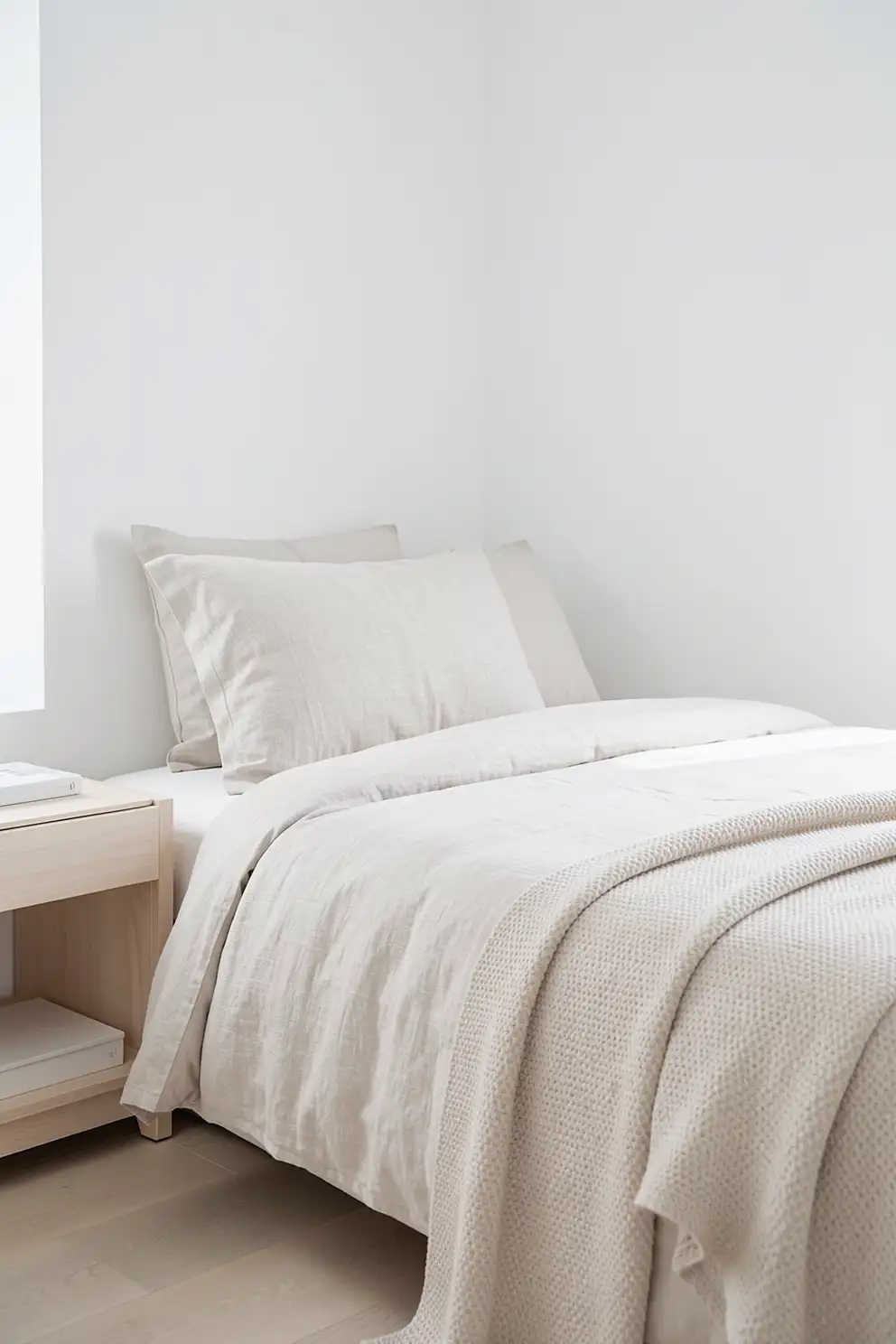
In a minimal room, every soft detail matters because there are fewer objects competing for attention. A textured blanket can add interest while preserving the clean look. Choose a subtle waffle weave, brushed cotton, boucle, or ribbed surface in a quiet neutral shade. The room will still feel uncluttered, but the blanket will prevent the space from looking flat or overly bare.
A knit blanket also works in minimal spaces when the stitch is refined and the color stays close to the room palette. Fine knit styles in ivory, oatmeal, charcoal, or soft gray can bring warmth without visual noise. If your minimal room already has textured rugs or pillows, a simple knit may feel more balanced than a highly raised or fluffy blanket.
Choosing for a Warm Cottage Mood
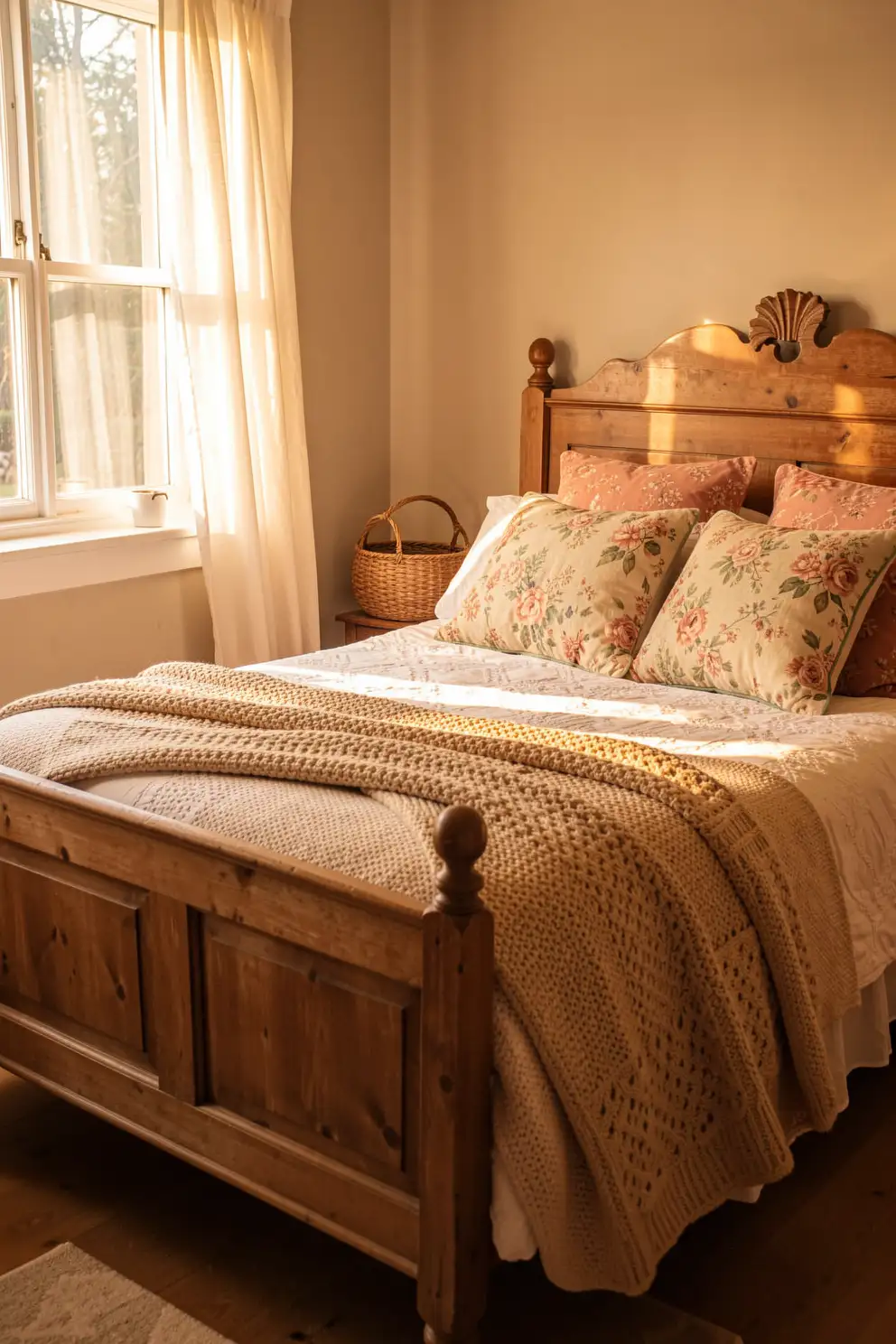
A cottage-inspired room welcomes softness, layers, and a sense of home. Knit blankets feel especially natural in this setting because they echo handmade comfort. Cable knit, ribbed knit, or softly worn cotton knit styles blend beautifully with wood furniture, floral pillows, vintage lamps, and warm neutral bedding. They make the space feel collected rather than overly arranged.
Textured blankets can also support a cottage mood when they feel gentle rather than sleek. Look for tufted cotton, fringed edges, subtle quilted patterns, or cozy brushed finishes. These details pair well with soft curtains, woven baskets, and relaxed bedding. The key is choosing texture that feels touchable and warm, not overly polished or graphic.
How Each Style Looks on a Sofa
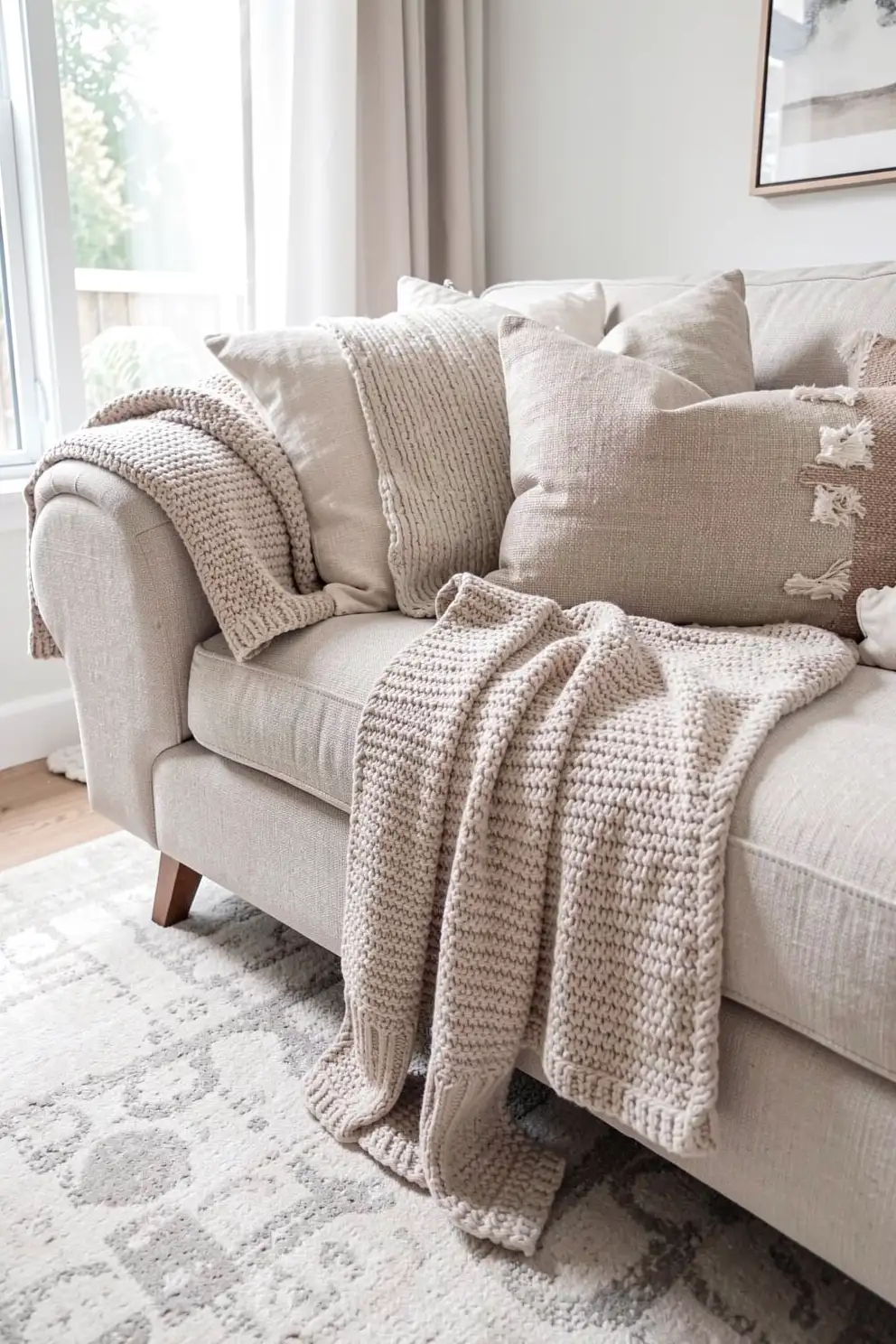
On a sofa, a textured blanket can act like a styling anchor. Draped casually across an arm or folded over the back, it adds dimension to the largest soft surface in the room. This is especially useful if the sofa fabric is smooth, plain, or similar in color to the walls. Texture makes the seating area feel finished with very little effort.
A knit blanket on a sofa creates a more relaxed invitation. It looks best when allowed to fall softly rather than being folded too perfectly. The natural weight and stretch of knit fabric help it settle into the shape of the cushions, giving the room an easy lived-in feel. For movie nights, reading sessions, and slow weekends, knit often looks as cozy as it feels.
How Each Style Works on a Bed
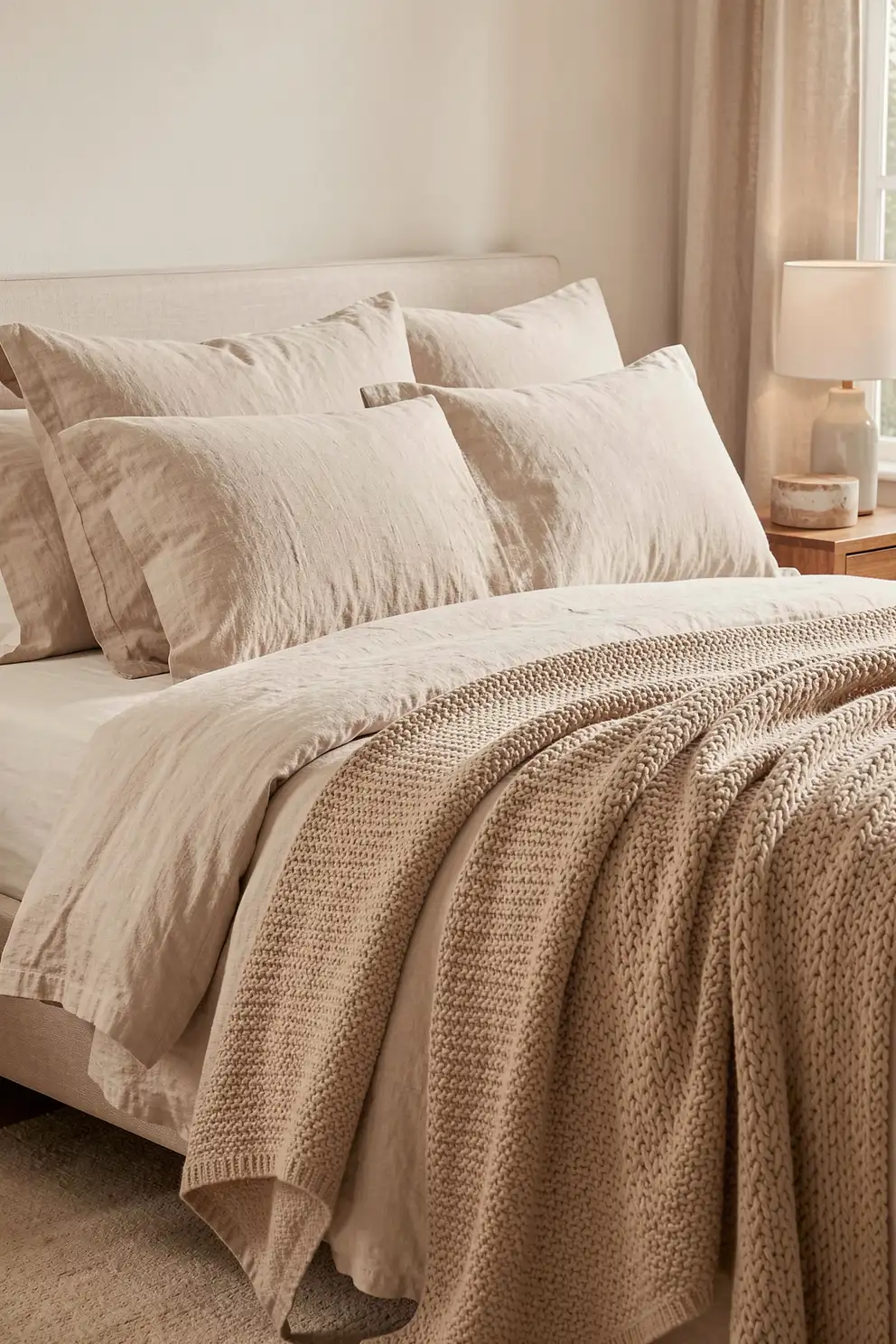
A textured blanket can make a bed feel styled even when the bedding is simple. Placed across the lower edge, it adds a hotel-inspired finish without looking stiff. Boucle, waffle weave, matelasse, or tufted cotton can create a rich layered effect with linen sheets and smooth duvet covers. It is a strong choice when the bedroom needs more visual softness.
A knit blanket brings a more romantic and restful mood to the bed. It pairs beautifully with rumpled linen, cotton sheets, and soft pillows because it enhances the feeling of comfort rather than formality. Chunky knit can look especially cozy in cooler months, while lighter knit works well when you want softness without heaviness. The overall effect is casual, warm, and soothing.
Seasonal Comfort and Year Round Use
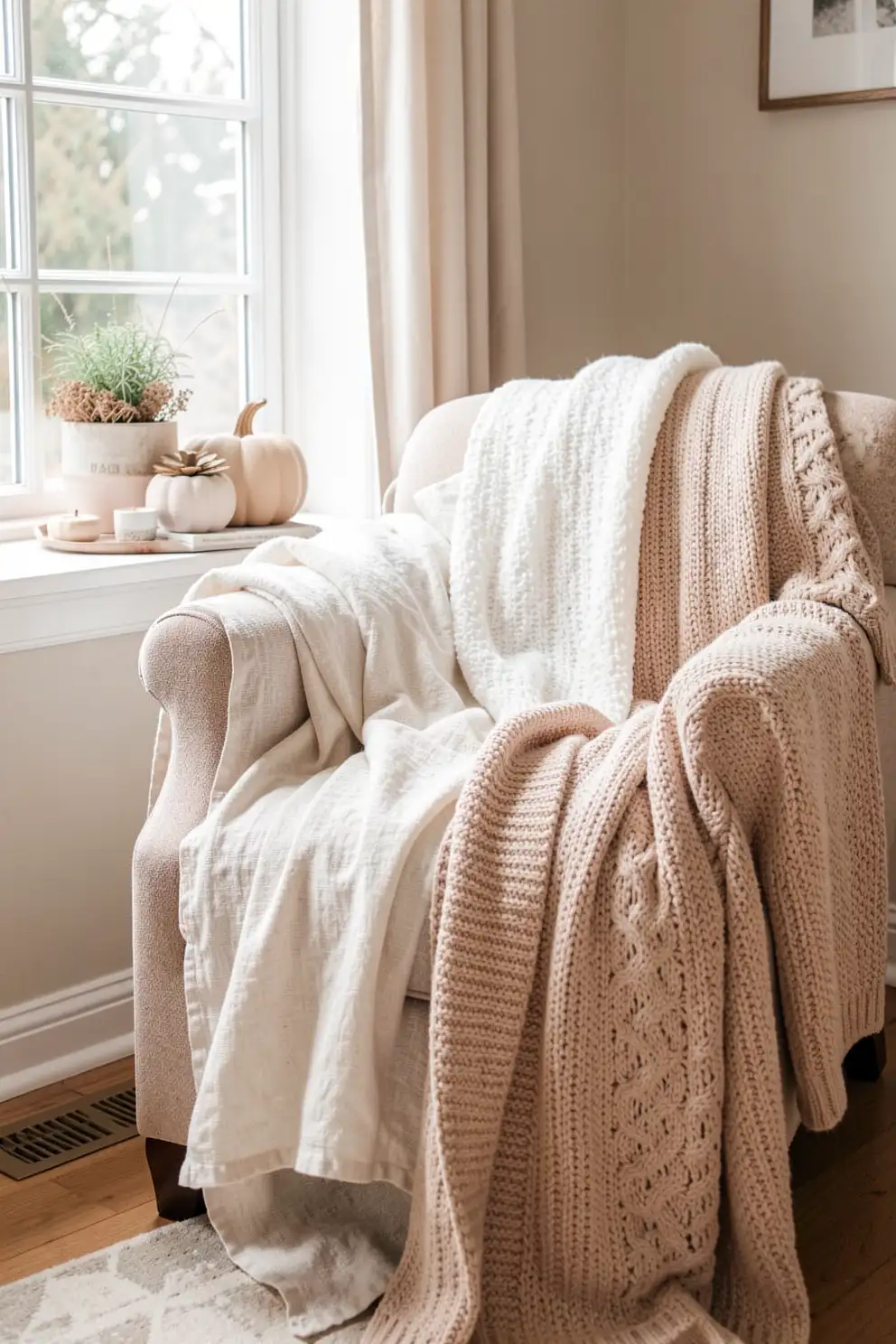
Textured blankets can be surprisingly versatile across seasons. A lightweight waffle cotton throw feels breathable during warmer weather, while plush fleece, sherpa, or faux fur textures feel perfect when the air turns crisp. The texture you choose matters more than the category itself. For a home that changes with the seasons, textured blankets offer many ways to shift the mood.
Knit blankets also adapt well when you choose the right yarn and weight. Cotton knit feels airy and casual, while wool blends or thick acrylic knits feel warmer and more substantial. A fine knit can stay on a sofa all year without feeling too heavy. If you prefer a consistent cozy look, knit is easy to keep in rotation through changing weather.
Touch Weight and Everyday Ease
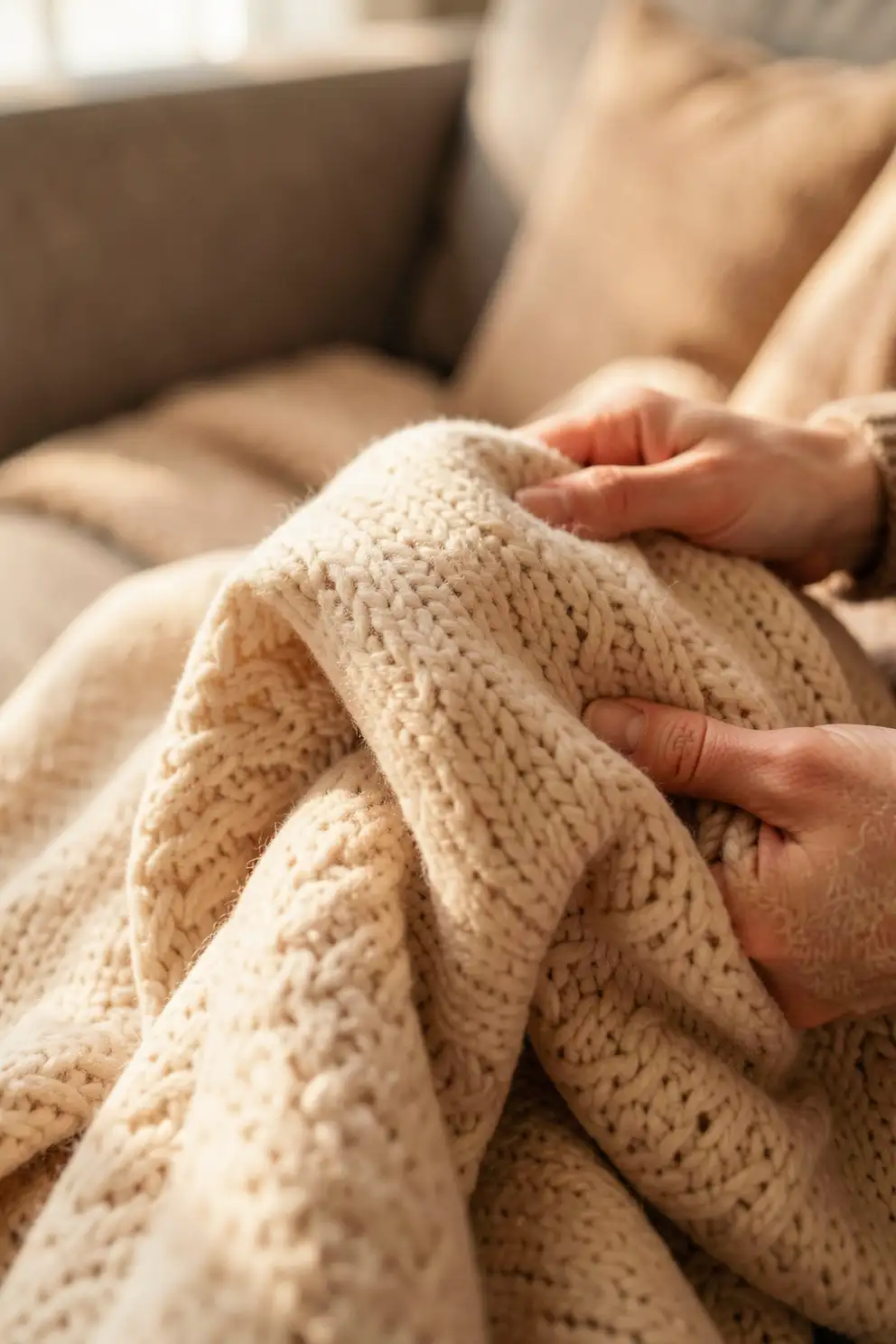
The way a blanket feels in your hands matters as much as the way it looks in a room. Some textured blankets are light and crisp, while others are plush, dense, or cloudlike. If comfort is your priority, check whether the texture feels soothing against skin. A beautiful raised pattern may look stunning but should still feel pleasant enough for daily use.
Knit blankets often offer a flexible, wraparound softness that feels comforting during quiet moments. Their stretch can make them feel less structured and more lounge-friendly. However, very loose knits may snag more easily, and very chunky styles may feel heavier than expected. The best knit blanket balances softness, durability, and the kind of weight that helps you relax without feeling cumbersome.
Layering With Pillows and Sheets
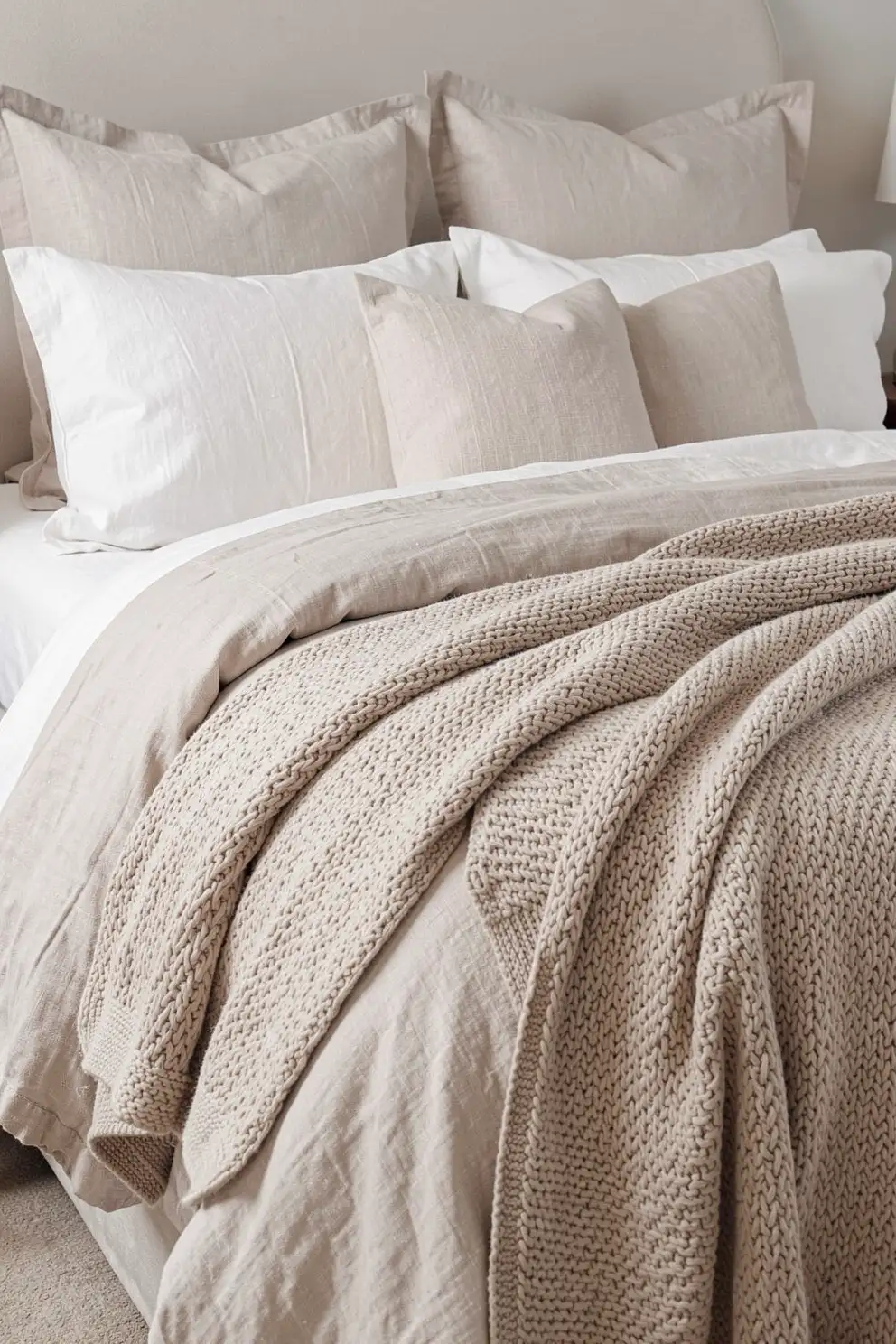
A textured blanket layers beautifully with smooth fabrics. Place it beside linen pillowcases, cotton sheets, velvet cushions, or a simple slipcovered sofa to create contrast. The goal is to let each fabric support the others. When a room has too many competing textures, it can feel busy, so a textured blanket works best when nearby pieces are calm and complementary.
A knit blanket layers best with materials that enhance its softness. Pair it with washed cotton, brushed flannel, linen, corduroy, or soft boucle pillows for a cozy collected look. Knit adds warmth without needing bold patterns, so it can help tie together a gentle palette. If your bedding or sofa already has strong texture, choose a simpler knit to keep the arrangement balanced.
Color Choices That Shape the Vibe
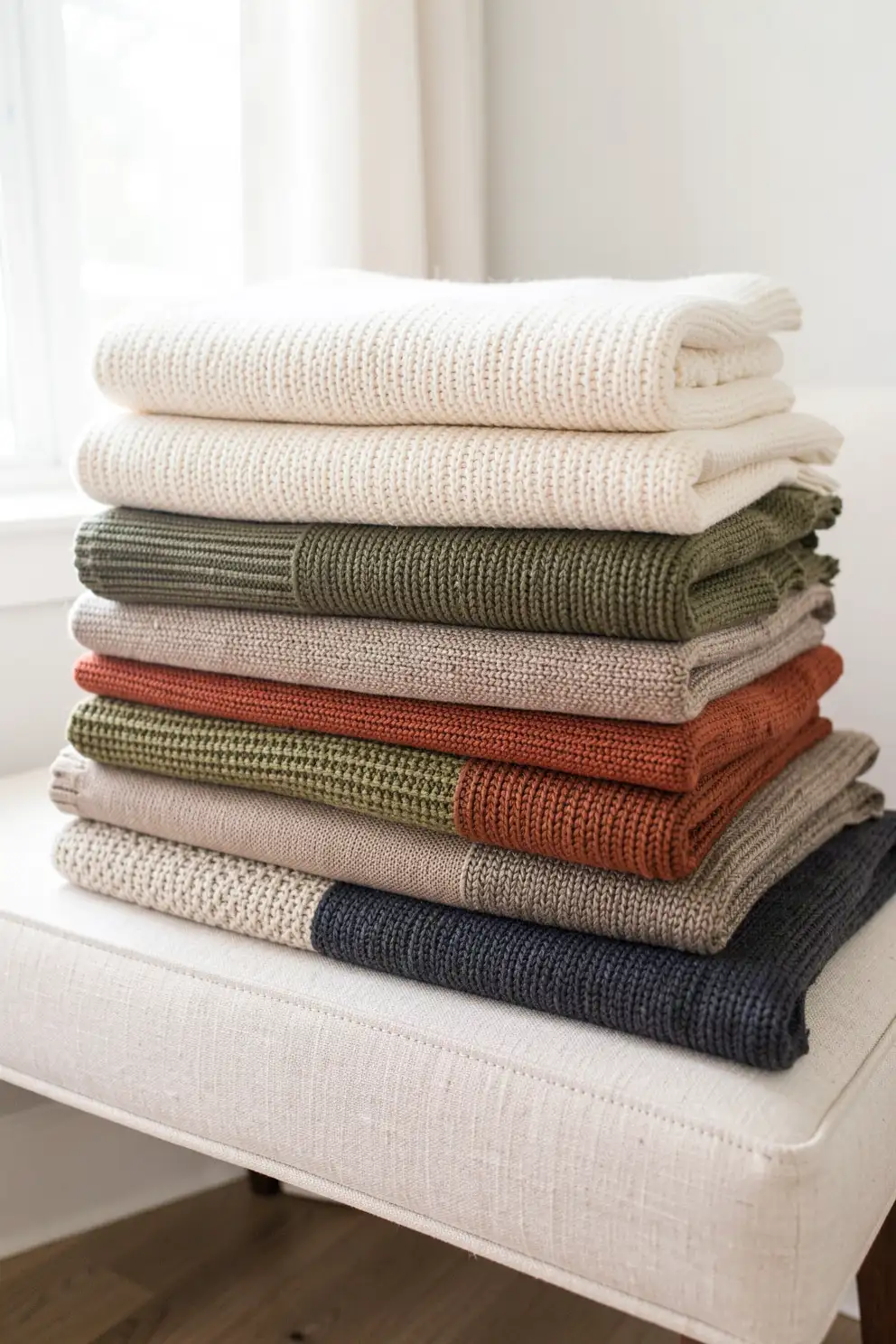
Color can make a textured blanket feel bold or understated. Cream, oat, taupe, and warm gray highlight raised surfaces in a soft, elegant way. Deeper shades like rust, olive, chocolate, or charcoal make texture feel richer and moodier. Because textured fabrics already create visual interest, solid colors often look more timeless than busy patterns.
Knit blankets look beautiful in shades that feel comforting and natural. Soft ivory creates a clean cozy effect, beige feels warm and relaxed, and muted pastels add a gentle romantic touch. Darker knit blankets can feel grounding, especially in rooms with lighter furniture. If you want the blanket to feel calm rather than seasonal, choose a color that already appears elsewhere in the room.
Care Needs and Long Term Beauty
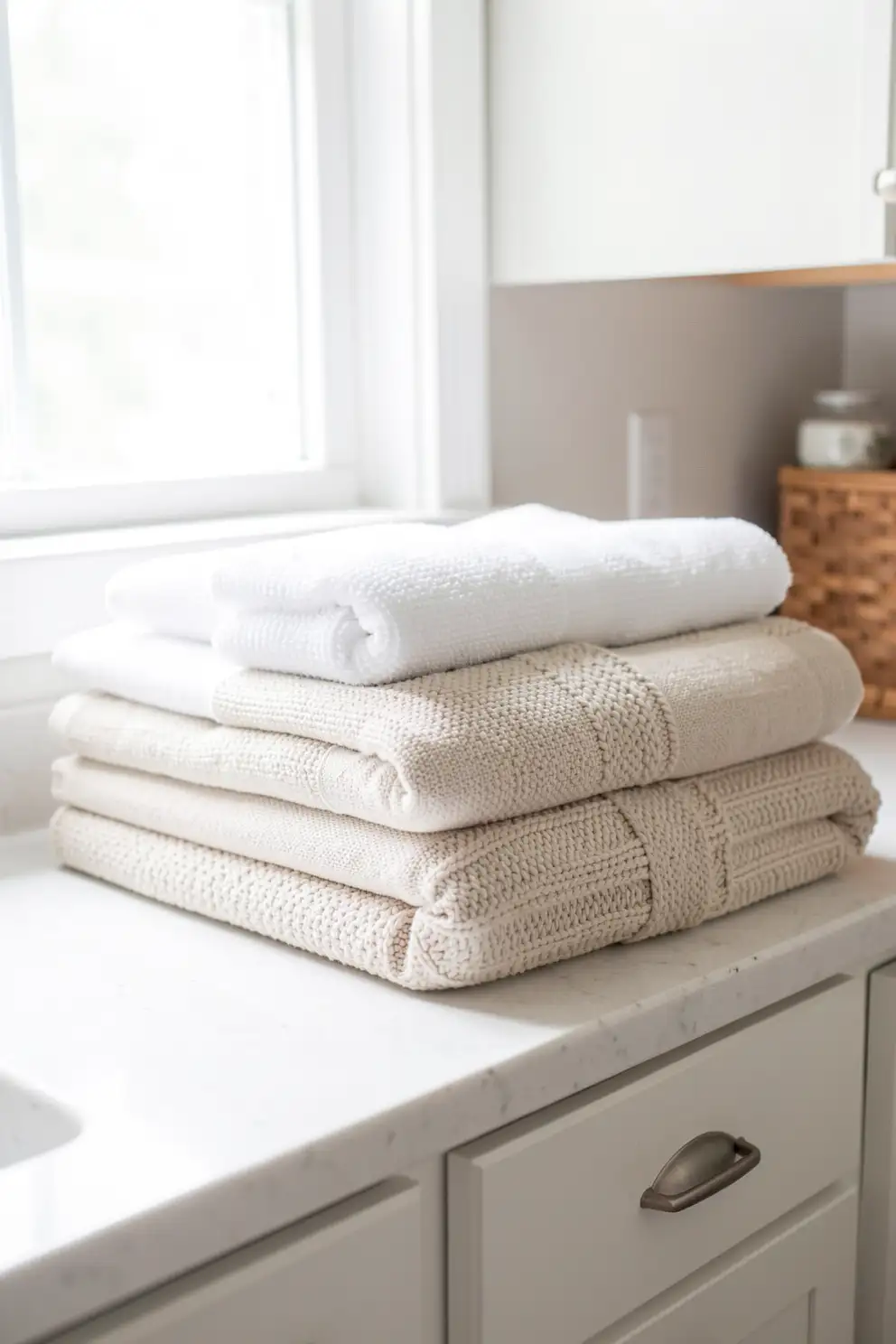
Care needs can influence how much you enjoy a blanket over time. Some textured blankets wash easily, while others require gentler handling to protect the raised surface. Faux shearling, fringe, and plush fabrics may need extra attention to avoid matting or tangling. Before choosing, consider whether you want a blanket for everyday lounging or mainly decorative styling.
Knit blankets may require careful washing because stitches can stretch, snag, or lose shape. Tightly woven knits are usually easier to maintain than very loose or oversized styles. Folding rather than hanging can help preserve the shape, and gentle washing can keep the fibers soft. If you love the look of knit, choosing a durable yarn blend can make daily use feel less precious.
Pet Friendly and Family Friendly Living
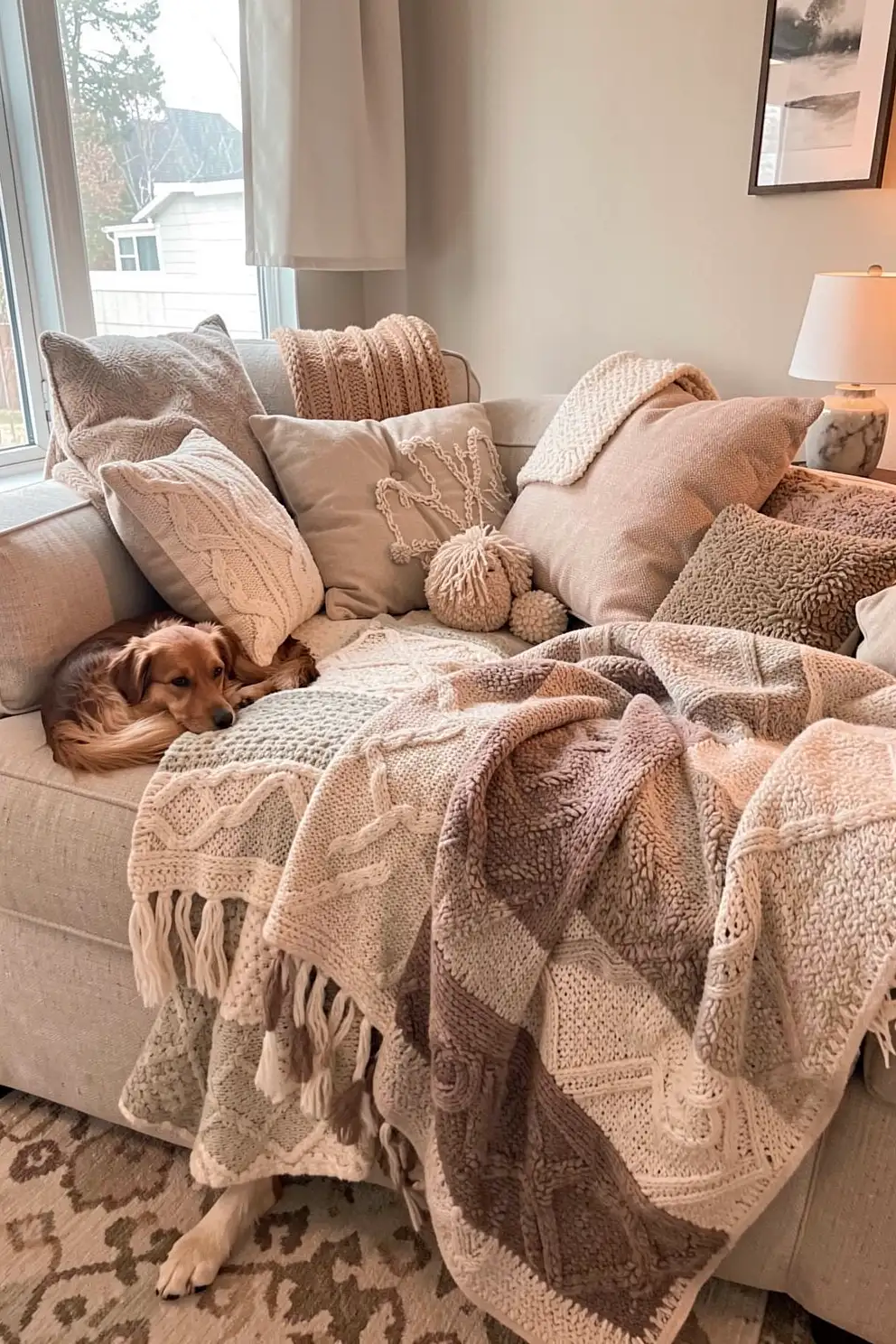
For a home with pets or active daily routines, texture should be chosen with care. Some raised or looped surfaces can attract fur, crumbs, or little snags. A tightly woven textured blanket, washable quilted throw, or low pile fleece may be easier to manage. The best choice is cozy enough to use often but practical enough to refresh without stress.
Knit blankets can be lovely in family spaces, but loose stitches may catch on claws, jewelry, or toys. A tighter knit is usually a better option for busy rooms because it keeps the cozy look with less worry. If the blanket will be shared often, choose a soft washable material and a forgiving color that hides everyday signs of use gracefully.
Budget Value and Styling Impact
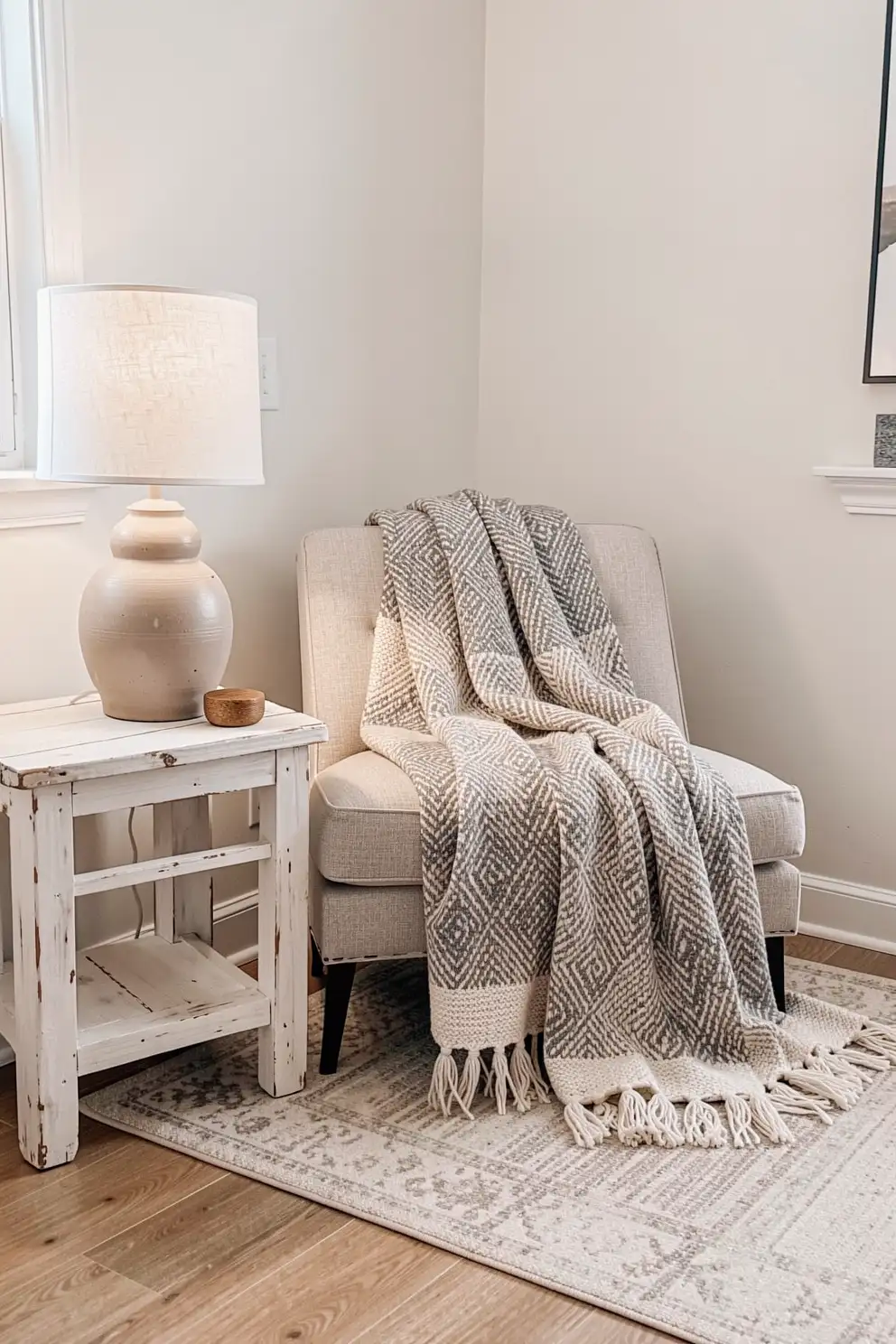
A textured blanket can offer strong styling impact for the price because it changes the look of furniture instantly. Even an affordable throw can make a chair or bed feel more intentional if the texture is well chosen. This makes it a smart option when you want a room refresh without replacing larger pieces or adding extra decor.
A knit blanket can also feel valuable because it brings comfort and charm at the same time. If you use it daily, softness and durability become part of the value. Chunkier knits may cost more due to material and construction, while simple cotton knits can be easier to find affordably. The best budget choice is the blanket you will actually reach for often.
Best Match for Small Cozy Corners
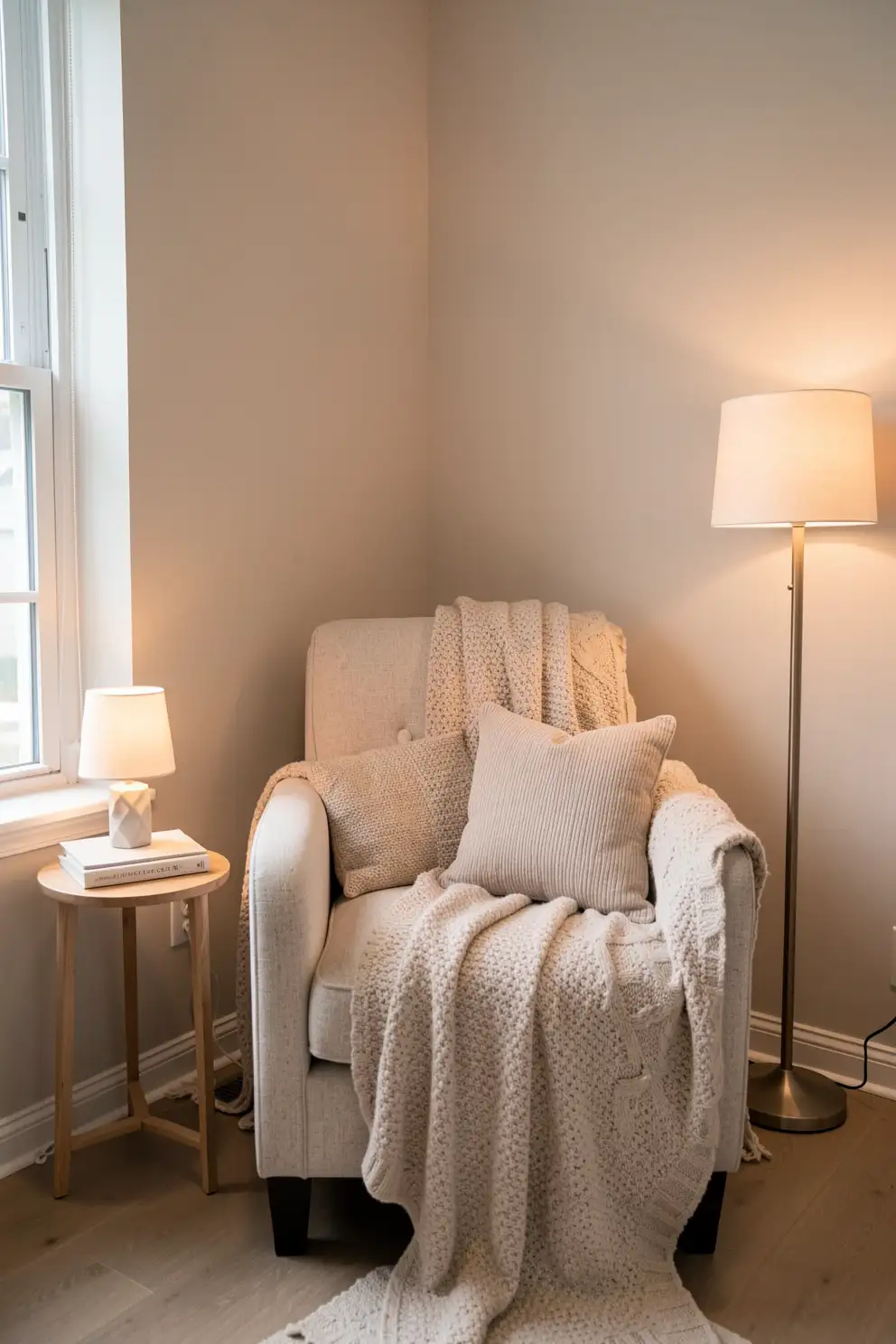
Small cozy corners benefit from blankets that add warmth without overwhelming the space. A textured throw can define a reading chair, bench, or window seat by adding depth and softness. In compact areas, choose texture that feels refined rather than bulky. A subtle weave or plush surface can create intimacy while keeping the corner visually light.
A knit blanket can make a small corner feel deeply inviting, especially when paired with a warm lamp, a cushion, and a simple side table. Soft stitches signal comfort immediately and help the area feel like a place to pause. If the corner already has baskets, books, or patterned cushions, a clean knit in a quiet shade may keep the space calm.
Best Match for Photo Ready Spaces
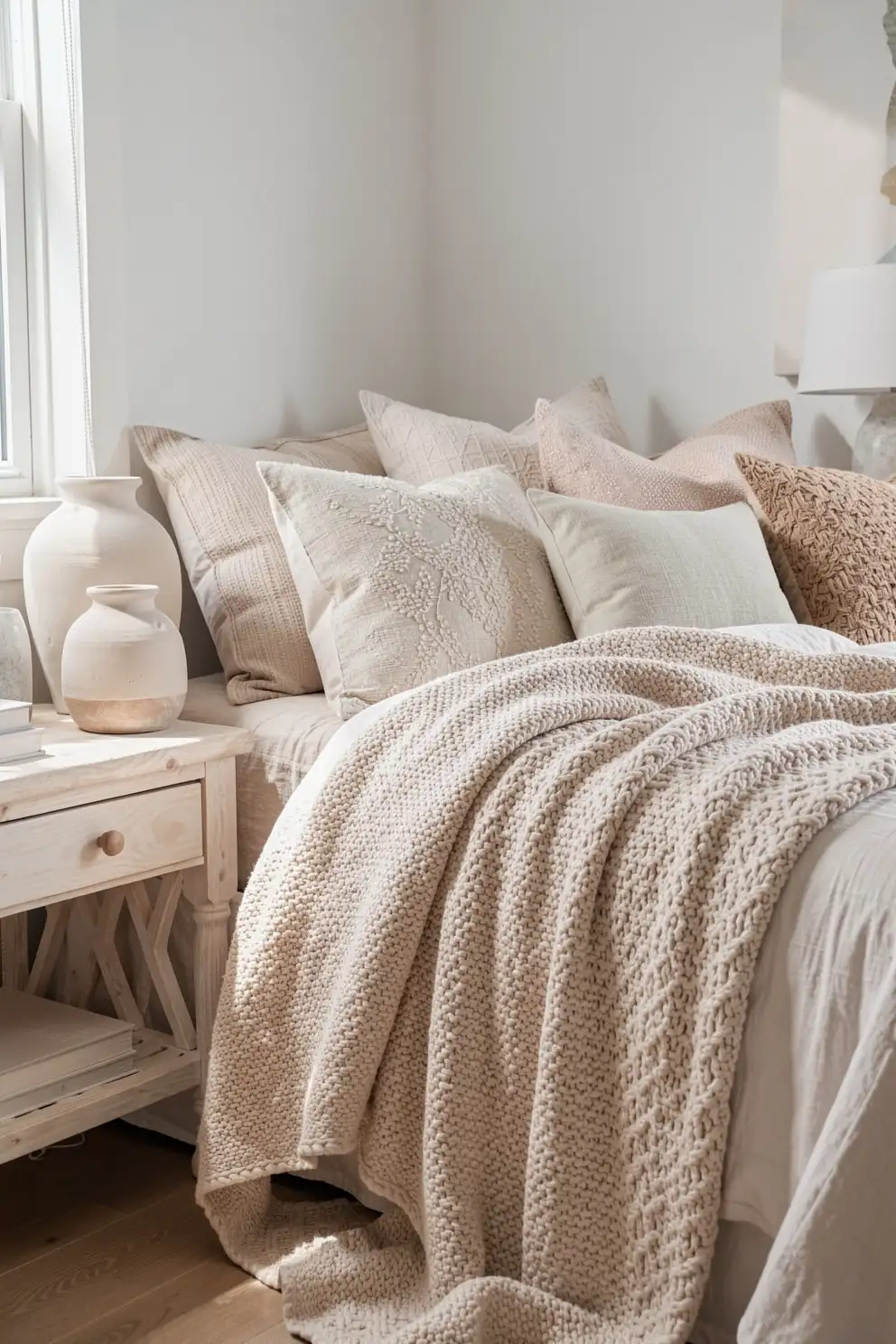
For photo-ready rooms, textured blankets often have an advantage because they catch light beautifully. Raised surfaces, subtle shadows, and soft folds create visual depth in images. They can make neutral interiors look richer and more polished without adding clutter. If you enjoy sharing home photos or styling seasonal scenes, texture can help every shot feel more dimensional.
Knit blankets photograph beautifully when the goal is warmth and softness. A casually draped knit can make a bedroom, sofa, or reading nook feel more human and inviting. The stitches add detail without needing bold props. For cozy lifestyle images, knit brings an approachable feeling that makes the space look lived in, gentle, and comforting.
The Cozy Aesthetic Winner
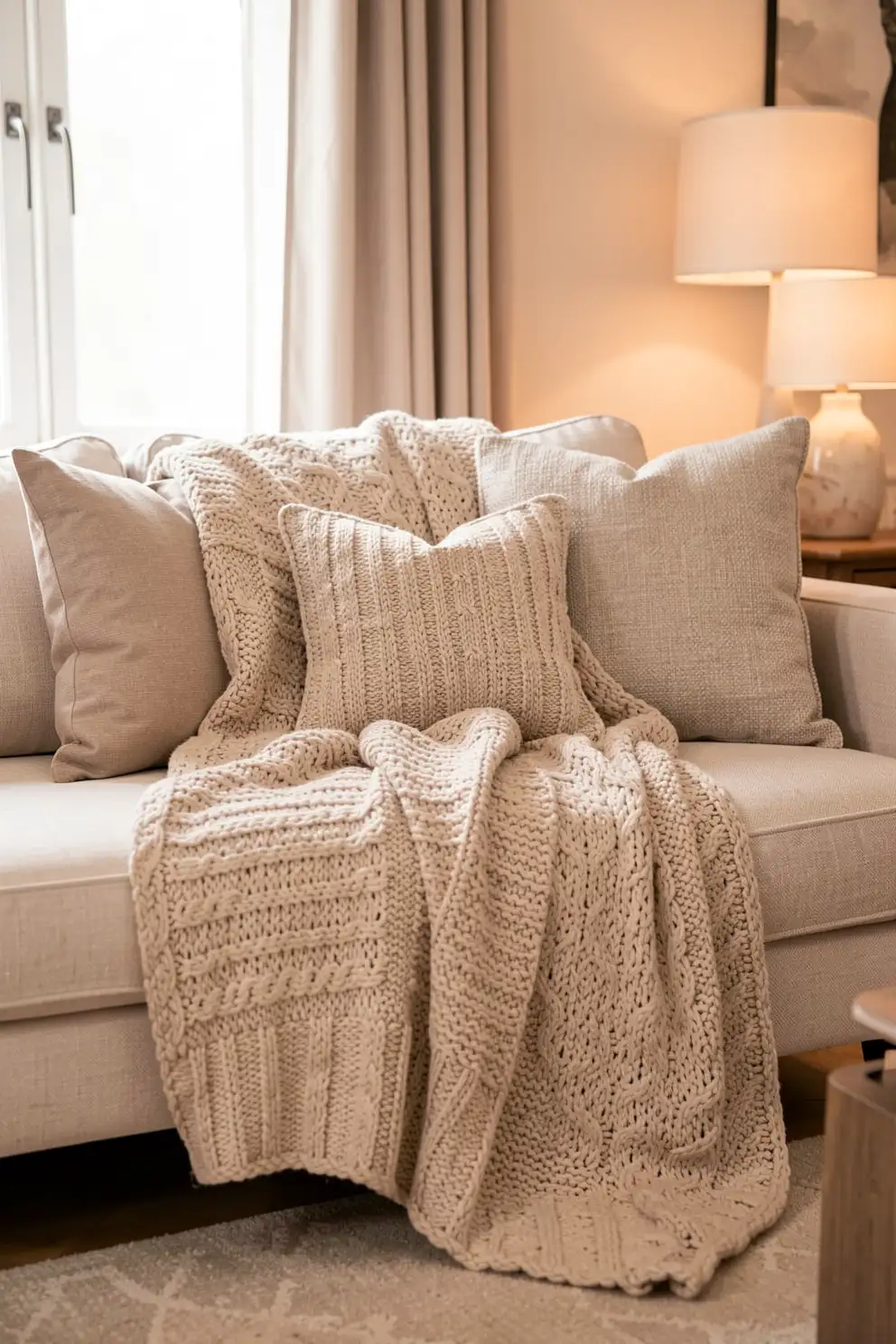
The winning choice depends on the feeling you want most. Choose a textured blanket if your space needs visible depth, polished layering, or a stronger decor statement. It is especially effective in minimal rooms, neutral spaces, and styled beds where surface interest can change the whole mood. Texture wins when the goal is visual richness.
Choose a knit blanket if your priority is softness, warmth, and a relaxed lived-in atmosphere. It shines in reading corners, cozy sofas, cottage bedrooms, and any space where comfort is the main message. Knit wins when the goal is emotional ease. For many homes, the most beautiful answer is choosing the blanket that makes the room feel more like you.
A textured blanket and a knit blanket can each create a beautiful cozy aesthetic, but they do it in different ways. Texture brings styled depth and visual interest, while knit brings warmth, familiarity, and relaxed comfort. Let your room, your routine, and your favorite kind of softness guide the choice.